
Mikrodiscectomi Kirurgi Kostnad i Indien
Om Mikrodiscectomi Kirurgi
Ryggens styrka och flexibilitet beror på den smidiga funktionen hos dess skivor (mjuka, kuddliknande strukturer som absorberar tryck mellan kotorna). När en av dessa skivor glider kan den trycka på närliggande nerver och orsaka skarp smärta, domningar eller svaghet i rygg, ben eller nacke. I sådana fall,mikrodiskektomierbjuder ett exakt och minimalt invasivt sätt att lindra trycket och återställa rörligheten.
En mikrodiskektomi är en modern ryggradsoperation som bara tar bort den hernierade eller skadade delen av en disk som trycker på en nerv. Framsteg inom avbildning och mikrokirurgiska verktyg har omvandlat mikrodiskektomi till en högprecisions- och lågriskprocedur för ryggraden. Idag utförs det med hjälp avEndoskopisk visualisering, realtidsavbildning och minimal muskelstörning, vilket hjälper patienter att återgå till regelbunden aktivitet mycket tidigare än med konventionell ryggoperation.
Vad är mikrodiscektomi?
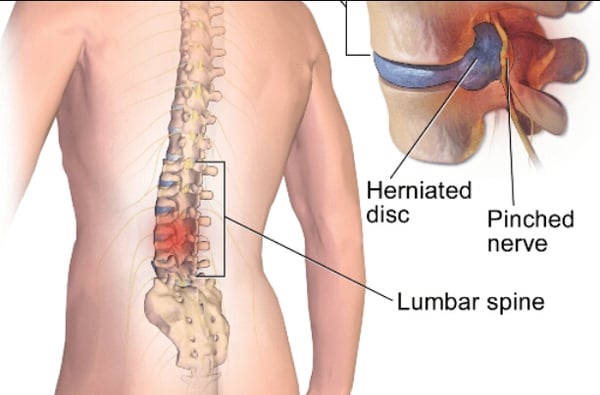
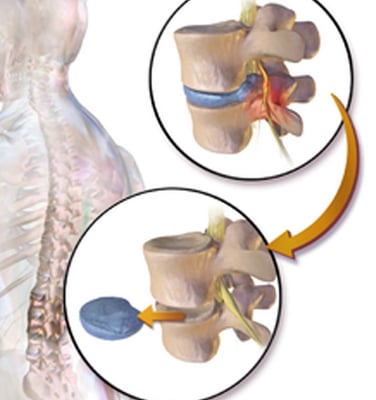
Mikrodiskektomi är en minimalt invasiv ryggradskirurgi utformad för att ta bort en liten del av endiskbråckDet trycker på en spinal nerv. Genom att lindra detta tryck minskar proceduren snabbt smärta, domningar och svaghet orsakad av kompression av nerven.
Till skillnad från traditionell öppen diskektomi använder mikrodiskektomi enmikroskop eller kirurgisk luppFör att förstora det kirurgiska fältet, vilket gör det möjligt för kirurgen att arbeta genom ett litet snitt, vanligtvis mindre än 2–3 centimeter.
Under proceduren, endastutskjutande eller skadad del av skivantas bort, medan resten av skivan förblir intakt för att bevara ryggradens stabilitet. Det gör mikrodiskektomi både exakt och konservativ, och tar itu med grundorsaken till smärtan samtidigt som det minimerar störningar av omgivande friska vävnader.
Mikrodiskektomi används oftast för att behandlalumbal diskbråck, som ofta orsakar ischias (en skarp, utstrålande smärta som färdas från nedre delen av ryggen ner ena benet). Det kan också utföras i den cervikala (hals) regionen för att behandla nervkompression som påverkar armar eller axlar.
Operationen erbjuder en direkt lösning på diskrelaterad nervsmärta som inte har förbättrats med medicinering, sjukgymnastik eller andra icke-kirurgiska behandlingar.
När behövs mikrodiscektomi?
Läkare rekommenderar mikrodiscektomi när ett diskbråck eller halkad disk komprimerar en spinalnerv och orsakar ihållande smärta som inte förbättras med konservativ behandling. Det är ett av de mest effektiva kirurgiska alternativen för patienter vars symtom begränsar rörlighet eller livskvalitet trots medicinering, sjukgymnastik och vila.
Vanliga tillstånd som kräver mikrodiskektomi är:
- Lumbal diskbråck:Den vanligaste orsaken till mikrodiskektomi. Uppstår när en skiva i nedre delen av ryggen stöter ut och trycker på en nerv, vilket ofta orsakar ischias.
- Cervikal diskbråck:En diskhalkad disk i nacken som leder till armsmärta, stickningar eller svaghet på grund av tryck på spinalnerverna.
- Återkommande diskbråck:Hos vissa patienter kan en disk som tidigare behandlats icke-kirurgiskt eller kirurgiskt återbråck, vilket kräver en mer exakt korrigering.
- Cauda equina syndrom (nödsituation):I sällsynta fall komprimerar allvarligt diskbråck nerver som kontrollerar urinblåsan eller tarmen - vilket kräver omedelbar mikrodiskektomi för att förhindra permanent nervskada.
Vem är en idealisk kandidat?
Mikrodiskektomi rekommenderas vanligtvis för patienter som:
- Har smärta i benen eller armen orsakad av nervkompression snarare än ryggsmärta enbart.
- Visa bekräftat diskbråck på MRT eller CT-skanningar.
- har inte upplevt någon förbättring efter 6–8 veckors icke-kirurgisk behandling.
- Upplev progressiv svaghet, domningar eller stickningar i lemmar.
- är annars friska och kan genomgå anestesi med en kort återhämtningstid.
Hur utförs mikrodiscektomi?
Mikrodiscektomi kombinerar mikrokirurgisk precision med modern avbildningsvägledning för att uppnå effektiv nervdekompression samtidigt som vävnadstrauman minimeras. Mikrodiscektomi utförs underallmän eller spinalbedövning, och de flesta patienter kan gå inom några timmar efter proceduren.
- Preoperativ planering:Före operationen granskar läkare MRI- eller CT-skanningar för att identifiera den exakta disknivån och nerven som är involverad. Det kirurgiska teamet förbereder en detaljerad plan för att säkerställa säker och exakt borttagning av bråckdelen.
- Anestesi och positionering:Patienten får anestesi och placeras med framsidan nedåt på ett specialiserat operationsbord. Stadnings- och inriktningsanordningar skyddar ryggraden och omgivande nerver.
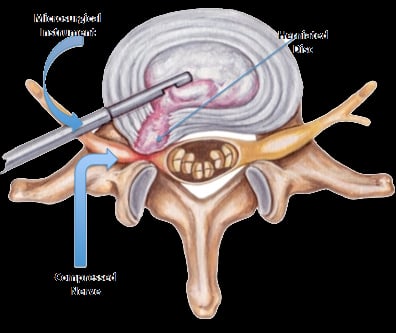
- Litet snitt och tillgång:Kirurgen gör ett litet snitt, cirka 2–3 cm, i ryggen. Med hjälp av ett kirurgiskt mikroskop separerar läkaren försiktigt musklerna istället för att skära dem för att nå den drabbade disken.
- Nervskydd och diskborttagning:Den komprimerade nervroten är noggrant identifierad och skyddad. Kirurgen tar bara bort den utskjutande eller skadade delen av disken som trycker på nerven och lämnar resten av disken intakt.
- Stängning:Efter att ha sett till att nerven är helt fri och dekomprimerad dras instrumenten ut och snittet stängs med några suturer. Det lilla snittet möjliggör minimal ärrbildning och snabbare läkning.
Mikrodiskektomi kräver vanligtvis45 till 90 minuter. De flesta patienter stannar på sjukhuset för1–2 dagar, även om vissa kan återvända hem samma dag om de är medicinskt stabila.
Få en gratis behandlingsplan
Om Mikrodiscectomi Kirurgi i Indien
What Is the Cost of a Microdiscectomy in India?
The cost of microdiscectomy in India depends on several factors, such as the spinal level involved (lumbar or cervical), the surgical technique used (standard or endoscopic), and the hospital’s technology and infrastructure. On average, microdiscectomy surgery costs between ₹1,80,000 and ₹3,50,000 (approximately $2,100 – $4,200).
Type of Microdiscectomy | Description | Average Cost (INR) | Average Cost (USD) |
| Lumbar Microdiscectomy | Standard surgery for a herniated disc in the lower back | ₹1,80,000 – ₹2,80,000 | $2,100 – $3,400 |
| Cervical Microdiscectomy | For a slipped disc in the neck or upper spine | ₹2,00,000 – ₹3,00,000 | $2,400 – $3,600 |
| Endoscopic Microdiscectomy | Performed using a small camera and a minimal incision | ₹2,50,000 – ₹3,50,000 | $3,000 – $4,200 |
| Revision Microdiscectomy | For re-herniation or repeat surgery cases | ₹2,80,000 – ₹3,80,000 | $3,400 – $4,500 |
- Endoscopic microdiscectomy costs slightly more due to the use of advanced visualization equipment and the potential for quicker recovery.
- Single-level surgeries are less expensive than multi-level procedures.
- Hospitals offer package-based pricing, which covers consultation, surgery, anesthesia, implants (if necessary), and hospital stay.
Inclusions in the Microdiscectomy Cost Package
A standard microdiscectomy package usually includes:
- Surgeon’s and anesthesiologist’s fees
- Preoperative investigations: MRI, CT scans, and basic blood tests
- Operating theatre and anesthesia charges
- Surgical consumables and instruments
- Hospital stay (1–2 days) with nursing care and monitoring
- Medications and pain management during hospitalization
- Postoperative physiotherapy consultation before discharge
- Follow-up visit or virtual check-up after surgery
These inclusions ensure that all key medical and hospital costs are covered within a single, clearly defined estimate.
Exclusions in the Microdiscectomy Cost Package
Certain costs may not be part of the base package and are charged separately, depending on patient needs:
- An extended hospital stay beyond the standard duration
- Additional imaging or diagnostic tests after discharge
- Special or imported surgical tools/implants (if used)
- Rehabilitation or physiotherapy sessions beyond the hospital stay
- Home medications after discharge
- Travel, accommodation, and visa expenses for international patients
City-Wise Microdiscectomy Cost in India
The cost of microdiscectomy in India varies between cities based on hospital infrastructure, surgeon experience, and local healthcare expenses. Metropolitan towns tend to have slightly higher costs due to the use of advanced technology and accreditation, while mid-sized cities offer equally high-quality care at more economical rates.
City | Average Cost (INR) | Average Cost (USD) |
| Delhi NCR | ₹2,00,000 – ₹3,50,000 | $2,400 – $4,200 |
| Mumbai | ₹2,20,000 – ₹3,80,000 | $2,650 – $4,600 |
| Bangalore | ₹2,00,000 – ₹3,60,000 | $2,400 – $4,400 |
| Chennai | ₹1,90,000 – ₹3,40,000 | $2,300 – $4,100 |
| Hyderabad | ₹1,80,000 – ₹3,30,000 | $2,150 – $3,950 |
| Pune | ₹1,80,000 – ₹3,20,000 | $2,100 – $3,800 |
| Kolkata | ₹1,70,000 – ₹3,00,000 | $2,000 – $3,600 |
- Delhi NCR and Mumbai: Offer advanced microsurgical and endoscopic setups with 3D imaging and real-time navigation for precision spine care.
- Bangalore and Chennai: Provide excellent spine centers with internationally trained surgeons and efficient post-surgery rehabilitation programs.
- Hyderabad, Pune, and Kolkata: Deliver highly affordable microdiscectomy packages while maintaining strong medical infrastructure and patient support services.
How Does the Cost in India Compare to Other Countries?
Microdiscectomy in India offers the same level of surgical precision, safety, and technology as in leading global centers, at a significantly lower cost. The difference lies in lower operational expenses, not in the quality of treatment or surgeon expertise.
Country | Average Cost (USD) | Approximate Cost (INR) |
| India | $2,100 – $4,200 | ₹1,80,000 – ₹3,50,000 |
| United States | $20,000 – $40,000 | ₹16,60,000 – ₹33,20,000 |
| United Kingdom | $15,000 – $25,000 | ₹12,50,000 – ₹20,80,000 |
| Singapore | $10,000 – $18,000 | ₹8,30,000 – ₹15,00,000 |
| Thailand | $7,000 – $12,000 | ₹5,80,000 – ₹10,00,000 |
| UAE / Dubai | $8,000 – $14,000 | ₹6,60,000 – ₹11,60,000 |
What Factors Affect the Cost of Microdiscectomy in India?
The overall cost of microdiscectomy in India varies depending on several medical, technical, and logistical factors. Each patient’s condition, hospital choice, and surgical complexity influence the final estimate. Here are the key factors that affect the cost:
- Type of Microdiscectomy Performed: Standard microdiscectomy costs less than endoscopic or revision procedures, which use advanced tools and imaging systems.
- Location of the Affected Disc: Lumbar surgeries (lower back) are usually less expensive than cervical procedures (neck area), which require higher precision and specialized equipment.
- Hospital Category and Facilities: Super-specialty and internationally accredited hospitals, equipped with microsurgical suites and intraoperative imaging, typically have higher charges than mid-tier hospitals.
- Surgeon’s Experience and Training: Spine surgeons with extensive experience and international exposure may charge higher professional fees, reflecting their skills and proven success rates.
- Use of Technology and Equipment: The incorporation of microscopic visualization, endoscopic assistance, or robotic navigation improves surgical accuracy but can increase the total cost.
- Anesthesia Type and Duration: Costs vary slightly depending on whether general or spinal anesthesia is used, as well as the duration of the surgery.
- Hospital Stay Duration: Most patients stay 1–2 days, but extended hospitalization or additional observation can increase the overall expense.
- Diagnostic and Imaging Requirements: Pre-surgery MRI, CT scan, and follow-up imaging are essential for accurate diagnosis and planning, contributing to the total cost.
- Postoperative Care and Rehabilitation: Physiotherapy, posture training, or additional medications may be prescribed after discharge and can contribute to the overall cost of the surgery.
What Is the Recovery Time and Success Rate After Microdiscectomy?
Recovery after microdiscectomy is typically fast and predictable, thanks to the minimally invasive nature of the surgery. Patients experience immediate pain relief and are able to walk within hours of the procedure.
In the first few days, mild soreness or stiffness around the incision site is common, but this quickly improves with movement and physiotherapy. Patients usually return home within 24–48 hours and resume light activities within a week.
Recovery Timeline
- First Week: Patients begin gentle walking and light stretching exercises. Pain relief is noticeable within the first 24 hours, particularly for symptoms related to sciatica or nerve compression.
- 2–4 Weeks: Most patients can return to desk jobs and light daily activities. Driving and mild exercises are usually permitted after the second week, depending on comfort.
- 4–6 Weeks: The majority of patients regain full mobility. Physiotherapy focuses on strengthening the core and improving posture to prevent recurrence.
- 3–6 Months: Full recovery is achieved. Patients can resume all normal activities, including sports or physical work, with a stronger and pain-free back.
Success Rate
Microdiscectomy is one of the most successful spine surgeries performed worldwide. When carried out by skilled spine surgeons, it has an excellent track record for relieving pain and restoring mobility.
- Pain Relief: Over 90–95% of patients experience complete or near-complete relief from nerve-related pain.
- Return to Normal Function: Most patients regain complete activity levels within 4 to 6 weeks.
- Re-herniation Rate: Less than 5–7% of cases experience re-herniation, which can often be managed conservatively or with minor revision.
- Risk: Complications occur in less than 2% of cases, especially when using modern microscopes and imaging guidance.
Why Choose India for Microdiscectomy?
- Globally Trained Spine Surgeons: India’s top neurosurgeons and orthopedic spine specialists are trained at leading institutions across the US, UK, and Europe. They perform thousands of microdiscectomies annually, achieving results that match global standards.
- Advanced Surgical Technology: Hospitals utilize state-of-the-art microscopes, endoscopic systems, and neuromonitoring tools to enhance accuracy and minimize surgical trauma. These facilities are equipped with 3D imaging and minimally invasive instruments for superior precision.
- Comprehensive Spine Care: Multidisciplinary teams, comprising spine surgeons, neurologists, anesthesiologists, and physiotherapists, collaborate to ensure comprehensive patient recovery and safety.
- Affordable Treatment Packages: The cost of microdiscectomy in India is 60–70% lower than in Western countries, without any compromise on medical quality.
- High Success Rates and Patient Satisfaction: Microdiscectomy success rates in India range from 90% to 95%, with rapid pain relief and minimal recurrence. International patients frequently report faster recovery and exceptional post-surgery care.
Comprehensive Support for International Patients
Hospitals across India provide dedicated services to make every step of the treatment journey smooth and stress-free for overseas patients:
- Pre-Arrival Medical Assistance: Doctors review reports remotely, offer video consultations, and provide detailed cost estimates before travel.
- Travel and Visa Guidance: International patient coordinators help with medical visa invitations, airport pickup, and accommodation planning.
- Comfort and Communication: Our multilingual staff, interpreters, and personalized care managers ensure seamless communication and comfort throughout your hospital stay.
- Post-Surgery Follow-Up: Patients receive personalized physiotherapy guidance and have access to online consultations to support continued recovery after returning home.
What are the Benefits of Microdiscectomy?
Microdiscectomy offers significant relief for patients struggling with nerve compression from a herniated disc. It is one of the least invasive and most effective spinal surgeries, combining high precision with quick recovery and lasting pain relief.
Here are the key benefits patients experience after microdiscectomy:
- Rapid Pain Relief: The procedure immediately relieves pressure on the affected spinal nerve, alleviating leg pain, numbness, and tingling often caused by sciatica or cervical nerve compression. Patients notice significant improvement within 24–48 hours.
- Minimally Invasive and Muscle-Sparing: Unlike traditional open surgery, microdiscectomy utilizes a tiny incision and gently separates muscles rather than cutting them. This approach results in less blood loss, minimal scarring, and faster healing.
- Faster Recovery and Early Mobility: Due to the smaller incision and reduced tissue trauma, patients can typically walk the same day or within 24 hours of surgery. Most resume normal activities in 2–4 weeks, depending on their job and fitness level.
- Long-Term Effectiveness: Microdiscectomy provides lasting relief by directly addressing the cause of nerve compression. With proper posture and physiotherapy, recurrence rates remain low.
- Outpatient or Short Hospital Stay: In many cases, microdiscectomy is performed as a day-care or short-stay surgery, allowing patients to go home within 24–48 hours. It minimizes hospital costs and reduces the risk of infection.
- Improved Quality of Life: By restoring spine movement and alleviating chronic pain, microdiscectomy enables patients to return to work, exercise, and daily activities with confidence and comfort.
Mikrodiscectomi Kirurgi Kostnadsjämförelse per land
Jämför Mikrodiscectomi Kirurgi kostnader mellan olika länder för att fatta ett välgrundat beslut om din medicinska behandling.
| Land | Kostnadsintervall (USD) | Potentiella besparingar | Handling |
|---|---|---|---|
IndienNuvarandeBästa värde | $2,100 - $4,200 | — | Få offert |
Notera: Kostnaderna kan variera beroende på sjukhusval, rumstyp, tilläggstjänster och individuella medicinska krav.
Ledande sjukhus för Mikrodiscectomi Kirurgi i Indien
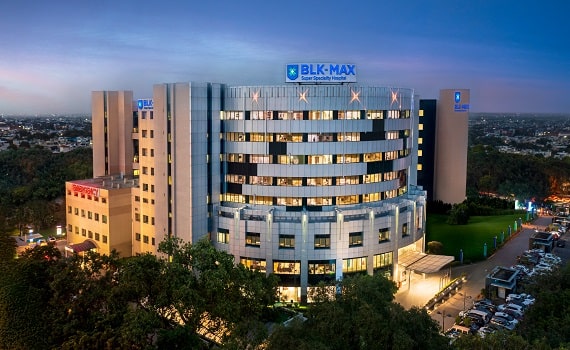
BLK-Max Super Specialty Hospital, New Delhi
BLK-Max Super Specialty Hospital i New Delhi är en av Indiens främsta vårdinstitutioner, som erbjuder 650 bäddar, 22 avancerade operationssalar och 13...
Ackrediteringar
Faciliteter

Max Smart Super Specialty Hospital, Saket, New Delhi
Max Smart Super Specialty Hospital, Saket, är ett sjukhus för tertiärvård med 250 bäddar i södra Delhi. Det erbjuder avancerad medicinsk och kirurgisk...
Ackrediteringar
Faciliteter
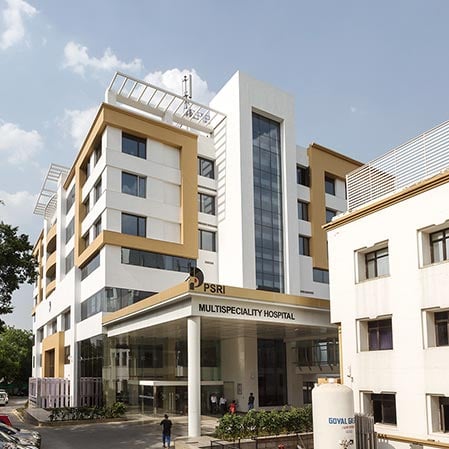
PSRI sjukhus, Delhi
Pushpawati Singhania Research Institute (PSRI Hospital), New Delhi, är ett ledande multi-specialty tertiärvårdssjukhus som grundades 1996 av JK Group....
Ackrediteringar
Faciliteter
Liknande förfaranden
Minimalt invasiv ryggradskirurgi i Indien
Nyckelhålsryggradskirurgi i Indien
Endoskopisk ryggradskirurgi i Indien
Spinal dekompression och fixering i Indien
Ryggmärgsstimulering i Indien
Kronisk cerebro spinal venös insufficiens (CCSVI) i Indien
Ryggmärgsavskiljning i Indien
Galleri
FAQ


Vår webbplats använder cookies. Sekretesspolicy.