
Nefrektomi Kostnad i Indien
Om Nefrektomi
Vad är nefrektomi?
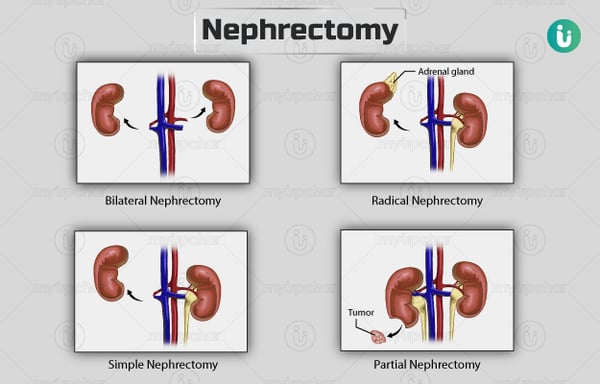
ettnefrektomiär en operation som tar bort hela eller delar av en njure. Läkare utför denna procedur när en njure slutar fungera korrekt eller utvecklar en allvarlig sjukdom som en tumör, infektion eller allvarlig skada.
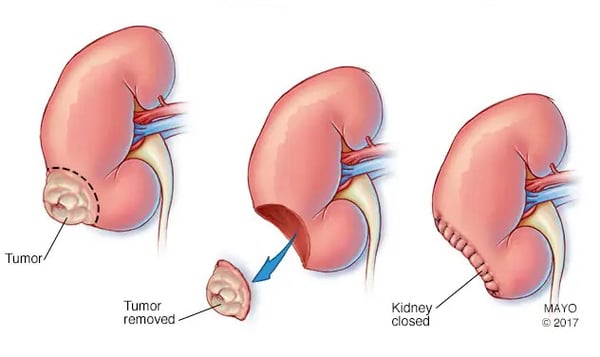
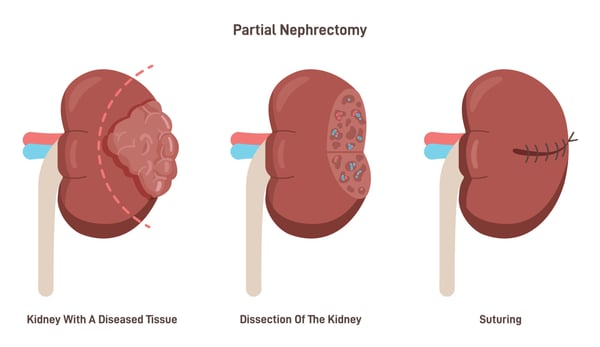
Under operationen tar kirurgen bort den skadade eller cancerösa njuren för att skydda den återstående och bibehålla en sund kroppsfunktion. När endast en del av njuren innehåller sjukdom, utför kirurger enpartiell nefrektomioch bevara resten av organet.
Moderna sjukhus i Indien använderLaparoskopiska och robotteknikerför nefrektomi, vilket gör att operationen kan göras genom mindre skärsår istället för ett stort snitt. Detta tillvägagångssätt hjälper patienter att återhämta sig snabbare, uppleva mindre smärta och återgå till vardagen snabbare.
I de flesta fall lever människor friska, aktiva liv med en njure efter operationen, eftersom den återstående njuren naturligt anpassar sig och utför alla vitala funktioner effektivt.
Vilka tillstånd kräver nefrektomi?
Läkare rekommenderar nefrektomi när en njure blir allvarligt skadad eller utvecklar ett tillstånd som inte kan behandlas med mediciner eller mindre ingrepp. Operationen hjälper till att skydda patientens allmänna njurhälsa genom att ta bort det sjuka organet och förhindra ytterligare komplikationer.
- Njurcancer:Detta är den vanligaste orsaken till nefrektomi. När en tumör växer i njuren tar läkare bort den drabbade njuren för att stoppa cancern från att spridas. I vissa fall avlägsnas endast den cancerösa delen av njuren genom en partiell nefrektomi för att bevara funktionen.
- Icke-fungerande njure:En njure som förlorar sin förmåga att filtrera blod ordentligt kan leda till återkommande infektioner eller högt blodtryck. Att ta bort en icke-fungerande njure hjälper till att minska belastningen på den friska och förbättrar den totala kroppsbalansen.
- allvarlig njurinfektion eller skada:Långvariga infektioner, njursten eller trauma kan orsaka irreversibel skada på njurvävnad. Nephrectomy eliminerar det skadade organet och förhindrar att toxiner eller infektioner påverkar andra organ.
- Medfödda eller strukturella defekter:Vissa människor föds med njuravvikelser som blockerar urinflöde eller skadar vävnader över tid. I sådana fall korrigerar operation problemet eller tar bort njuren för att förhindra långvariga komplikationer.
- Njurdonation:I några få fall donerar en frisk person en av sina njurar för transplantation. Denna procedur, som kallas en donatornefrektomi, utförs genom minimalt invasiv kirurgi för att säkerställa en snabb och säker återhämtning för donatorn.
Hur utförs nefrektomi?
Kirurger utför en nefrektomi under generell anestesi, vilket innebär att patienten förblir sömnfri och smärtfri under hela ingreppet. Operationen kan göras på tre huvudsakliga sätt (öppen, laparoskopisk eller robotassisterad), beroende på patientens tillstånd och kirurgens rekommendation.
Steg 1: Förberedelse före operation
Före operationen genomför läkare detaljerade utvärderingar, inklusive blodprov, bildskanning och hjärtkontroller, för att bekräfta att patienten säkert kan genomgå operation. Patienten slutar äta eller dricka några timmar före operationen och får anestesi i operationssalen.
Steg 2: Utföra operationen
- Öppen nefrektomi:Vid en öppen nefrektomi gör kirurgen ett enda större snitt i flanken eller buken. Den drabbade njuren separeras försiktigt från omgivande strukturer och blodkärl innan den tas bort, antingen delvis eller helt. Denna metod används ofta för stora tumörer eller komplexa fall.
- Laparoskopisk nefrektomi:Vid laparoskopisk kirurgi gör kirurgen flera små snitt snarare än ett enda stort. En tunn kamera som kallas ett laparoskop vägleder kirurgen, som använder fina instrument för att ta bort njuren. Denna teknik minskar smärta, ärrbildning och återhämtningstid.
- Robotassisterad nefrektomi:Robotteknik ger kirurger exakt kontroll och en tydlig 3D-vy av det kirurgiska området. Det tillåter mycket exakta rörelser, vilket gör den idealisk för känsliga eller partiella nefrektomier där njurvävnad behöver bevaras.
Steg 3: Borttagning och stängning
Efter att njuren eller den drabbade delen har tagits bort stänger kirurgen snitten med hjälp av absorberbara suturer. Patienten flyttar till uppvakningsrummet för övervakning när anestesi försvinner.
De flesta nefrektomioperationer varar2 till 4 timmar, beroende på vilken teknik som används och fallets komplexitet. Patienter som genomgår laparoskopisk eller robotkirurgi återhämtar sig i allmänhet snabbare än de som har öppna ingrepp.
Få en gratis behandlingsplan
Om Nefrektomi i Indien
What Is the Cost of a Nephrectomy in India?
The average cost of a nephrectomy in India ranges from USD 3,000 to USD 6,000, depending on the type of surgery, hospital facilities, and the patient's overall condition. This cost includes preoperative tests, surgeon's fees, anesthesia, hospital stay, and standard medicines during recovery.
Even at the higher end, nephrectomy in India remains far more affordable than in Western countries, where similar surgeries can cost up to USD 25,000.
Average Cost Breakdown
Component | Estimated Cost (USD) |
| Pre-surgery consultation and tests | 300 – 500 |
| Surgeon and anesthesia charges | 1,000 – 1,500 |
| Operation theatre and equipment use | 800 – 1,000 |
| Hospital stay (3–5 days) | 600 – 1,200 |
| Post-surgery medications and care | 300 – 500 |
| Total Estimated Cost | 3,000 – 6,000 |
Cost Variation by Surgical Type
- Open Nephrectomy: USD 3,000 – 4,000
- Laparoscopic Nephrectomy: USD 4,000 – 5,000
- Robotic Nephrectomy: USD 5,000 – 6,000
The cost depends mainly on the technology used and the patient's recovery needs. Minimally invasive methods cost slightly more but reduce pain, scarring, and hospital stay.
What Does the Cost of Nephrectomy in India Include and Exclude?
Understanding what is included in the nephrectomy package helps patients plan their medical trip more effectively. Indian hospitals maintain transparent, structured pricing so patients know exactly what they are paying for before treatment begins.
Inclusions:
The standard nephrectomy cost in India usually includes:
- Preoperative investigations such as blood tests, X-rays, and imaging scans.
- Surgeon's and anesthesia team fees for the entire procedure.
- Operation theatre charges and surgical instruments used during the surgery.
- Hospital stay for 3–5 days in a standard room with nursing and monitoring.
- ICU care, if required after surgery.
- Medications and pain management during hospitalization.
- Post-surgery monitoring and discharge consultation, including follow-up guidance.
These inclusions cover all core medical costs from admission to discharge.
Exclusions:
Certain expenses fall outside the base package and vary based on individual requirements.
- International and domestic travel costs.
- Accommodation and meals outside the hospital for patients and companions.
- Visa fees for foreign patients.
- An additional hospital stay beyond the standard package, if recovery takes longer.
- Special diagnostic tests, such as PET-CT or biopsy, are not included in the basic plan.
- Post-discharge medicines for home recovery.
What Factors Affect the Cost of Nephrectomy in India?
The cost of nephrectomy in India varies from patient to patient because each case differs in terms of medical complexity and recovery needs. Several clinical and logistical factors influence the final cost, and understanding them helps patients plan their treatment more accurately.
- Type of Surgery Performed: The cost depends on whether the surgery is open, laparoscopic, or robotic-assisted. Minimally invasive techniques involve advanced technology, which slightly increases the price but shortens recovery time.
- Condition of the Kidney: A kidney affected by cancer, infection, or trauma may require a longer and more complex surgery than a non-functioning or donor nephrectomy. Complicated cases often involve extended operation time and postoperative monitoring, which adds to the total cost.
- Duration of Hospital Stay: Most patients stay in the hospital for three to five days. If recovery takes longer or the patient needs additional ICU observation, the total cost increases proportionally.
- Preoperative and Diagnostic Tests: Imaging scans, blood work, and renal function tests are essential before surgery. Patients with chronic kidney or heart conditions may require additional tests, which slightly raise the total cost.
- Patient's Age and General Health: Older patients or those with diabetes, hypertension, or obesity need closer medical supervision. Extra monitoring, medications, or specialist consultations can increase the overall cost.
- Technology and Hospital Infrastructure: Hospitals that use robotic surgery systems, modern ICUs, and high-end recovery suites may have higher charges.
- Postoperative Care and Rehabilitation: After nephrectomy, some patients need physiotherapy, dietary counseling, or long-term medication. These follow-up services can affect the total cost depending on individual recovery progress.
How Does the Cost of Nephrectomy in India Compare with Other Countries?
India provides world-class kidney surgery at a much lower cost compared to most Western and Asian countries. The quality of treatment, technology, and surgical outcomes remains equivalent to international standards, while the total expense is only a fraction of global prices.
Country | Average Cost (USD) | Savings Compared to India |
| India | 3,000 – 6,000 | — |
| United States | 18,000 – 25,000 | 75–85% |
| United Kingdom | 15,000 – 22,000 | 70–80% |
| Thailand | 6,000 – 8,000 | 30–40% |
| Singapore | 9,000 – 12,000 | 45–55% |
| UAE | 10,000 – 14,000 | 50–65% |
Key Insight
Even after adding travel and accommodation expenses, nephrectomy in India remains one of the most cost-effective options globally. Patients save up to 80% while receiving personalized, safe, and technologically advanced care. This balance of affordability and quality makes India a leading choice for kidney surgeries worldwide.
What Is the Recovery and Hospital Stay Like After Nephrectomy?
Recovery after nephrectomy is generally smooth and predictable, especially with minimally invasive techniques. Patients regain strength gradually as the body adjusts to functioning with one healthy kidney. With proper care, most individuals return to normal life within a few weeks.
Hospital Stay
Patients usually stay in the hospital for three to five days after surgery. Doctors monitor kidney function, urine output, and overall recovery during this time. If the patient had a laparoscopic or robotic surgery, discharge may happen even earlier. Before leaving the hospital, doctors provide clear instructions about diet, medication, and physical activity.
Immediate Post-Surgery Care
During the first 24–48 hours, patients receive fluids and pain medication through an IV line. The medical team encourages light movement and deep breathing exercises to prevent stiffness and promote healing. A urinary catheter is used temporarily to ensure proper drainage of urine and is usually removed before discharge.
At-Home Recovery
At home, patients should:
- Eat light, balanced meals and stay hydrated.
- Avoid lifting heavy objects for 4 weeks.
- Avoid doing strenuous work for 6 weeks.
- Take prescribed medicines on time.
- Keep the incision area clean and dry.
- Attend all scheduled follow-up appointments.
The remaining kidney gradually compensates for the one removed and maintains full filtration capacity.
Return to Normal Activities
Most people resume regular routines and light work within four to six weeks. Doctors usually allow driving, travel, or desk work once energy levels return to normal. Patients who undergo laparoscopic or robotic nephrectomy often recover even sooner.
Long-Term Adjustment
The body easily adapts to living with one kidney. Doctors recommend maintaining a healthy diet, avoiding unnecessary painkillers, and staying hydrated to support long-term kidney health. With these simple precautions, patients enjoy normal, active lives after surgery.
What Is the Success Rate of Nephrectomy in India?
The success rate of nephrectomy in India remains consistently high, ranging between 95% and 98% across major hospitals. These outcomes reflect advanced surgical methods, accurate diagnosis, and attentive postoperative care, ensuring a smooth recovery and long-term health.
Most patients live healthy, active lives with one kidney after surgery. The remaining kidney expands its capacity and maintains normal filtration levels within a few weeks. With routine monitoring and a balanced lifestyle, long-term survival rates remain very high.
Factors That Support Success
- Early diagnosis and timely surgery prevent cancer or infection from spreading.
- Minimally invasive techniques reduce trauma and improve healing.
- Experienced surgical teams perform large volumes of kidney surgeries with precision.
- Comprehensive postoperative care ensures quick recovery and minimal complications.
- Patient compliance with diet, hydration, and follow-up schedules is essential for maintaining long-term kidney function.
Why Should You Choose India for Nephrectomy?
India has become a leading destination for nephrectomy because it combines surgical excellence, modern infrastructure, and patient-first care at a cost that remains highly affordable. International patients choose India for its blend of advanced medical technology, expert surgeons, and supportive recovery environments.
- Expert Surgical Skill: Indian surgeons perform thousands of kidney surgeries every year. Their extensive experience in open, laparoscopic, and robotic nephrectomy ensures precision, minimal complications, and faster healing.
- Modern Surgical Technology: Hospitals in India use the latest laparoscopic and robotic systems, enabling surgeons to operate with exceptional accuracy. These advanced tools minimize pain, reduce scarring, and speed up recovery while maintaining safety and precision.
- Affordable and Transparent Cost: India offers the same level of medical quality as Western countries at a fraction of the cost. Hospitals provide precise cost estimates, comprehensive packages, and no hidden charges, allowing patients to plan confidently.
- International Patient Services: Every leading hospital in India maintains a dedicated international patient department. The support team helps with medical visa documentation, travel planning, language interpretation, and post-surgery arrangements.
- Short Waiting Times: Patients can schedule surgery within a few days of sharing medical reports. Immediate scheduling and quick recovery help patients save both time and money compared to long waiting lists abroad.
- Comfortable Recovery and Cultural Ease: India welcomes patients from more than 70 countries every year. English-speaking medical teams, culturally sensitive care, and personalized recovery plans ensure comfort at every stage of treatment.
- Global Trust and Outcomes: India's combination of medical expertise, affordability, and compassionate care attracts patients from the Middle East, Africa, Europe, and Asia.
Nefrektomi Kostnadsjämförelse per land
Jämför Nefrektomi kostnader mellan olika länder för att fatta ett välgrundat beslut om din medicinska behandling.
| Land | Kostnadsintervall (USD) | Potentiella besparingar | Handling |
|---|---|---|---|
IndienNuvarandeBästa värde | $3,000 - $6,000 | — | Få offert |
Notera: Kostnaderna kan variera beroende på sjukhusval, rumstyp, tilläggstjänster och individuella medicinska krav.
Ledande sjukhus för Nefrektomi i Indien

BLK-Max Super Specialty Hospital, New Delhi
BLK-Max Super Specialty Hospital i New Delhi är en av Indiens främsta vårdinstitutioner, som erbjuder 650 bäddar, 22 avancerade operationssalar och 13...
Ackrediteringar


Faciliteter

Max Smart Super Specialty Hospital, Saket, New Delhi
Max Smart Super Specialty Hospital, Saket, är ett sjukhus för tertiärvård med 250 bäddar i södra Delhi. Det erbjuder avancerad medicinsk och kirurgisk...
Ackrediteringar
Faciliteter
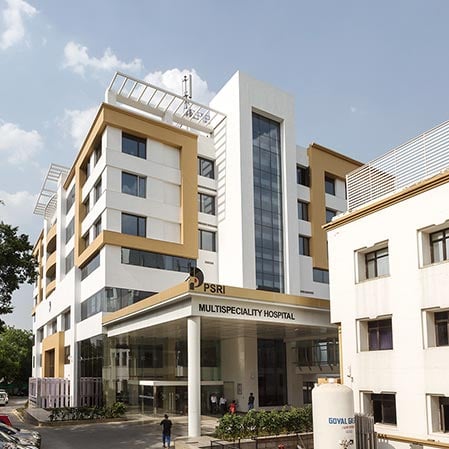
PSRI sjukhus, Delhi
Pushpawati Singhania Research Institute (PSRI Hospital), New Delhi, är ett ledande multi-specialty tertiärvårdssjukhus som grundades 1996 av JK Group....
Ackrediteringar
Faciliteter
Liknande förfaranden
Galleri
FAQ


Vår webbplats använder cookies. Sekretesspolicy.