HoLEP vs TURP for Enlarged Prostate: Which Procedure Is Better?

23/6/2026, 5:46:37 PM 10 min read Utalii wa Matibabu
HoLEP vs TURP for Enlarged Prostate: Which Procedure Is Better?
HoLEP vs TURP: Quick Comparison

For most patients, HoLEP provides better long-term outcomes than TURP. It removes more prostate tissue, causes less bleeding, lowers the risk of repeat surgery, and can treat larger prostates. TURP remains an effective option for smaller prostates when HoLEP expertise is unavailable.


In summary:


  • HoLEP is generally preferred for prostates over 80 g
  • HoLEP has lower reoperation rates
  • HoLEP causes less bleeding
  • HoLEP is safer for patients taking blood thinners
  • TURP remains effective for smaller prostates


HoLEP vs TURP Comparison Table

Feature

HoLEP

TURP

TechniqueLaser enucleation of the prostate adenomaElectrical resection of prostate tissue
Suitable Prostate SizeSmall, medium, and very large prostatesBest suited for prostates under 80 grams
Tissue RemovalMore complete removalPartial tissue removal
Bleeding RiskLowerHigher
Blood Transfusion RiskLowerHigher
Use in Patients on Blood ThinnersOften possible with specialist assessmentUsually requires temporary interruption of anticoagulation
Hospital StayTypically 1–2 daysTypically 2–3 days
Catheter DurationUsually 1–2 daysUsually 2–3 days
Risk of Repeat SurgeryLowerHigher
Recovery TimeApproximately 4–6 weeksApproximately 4–6 weeks
Best ForLarge prostates, patients on blood thinners, those seeking maximum durabilitySmall to moderate-sized prostates when HoLEP is unavailable


Most men who need surgery for an enlarged prostate encounter two options. Their urologist mentions TURP, perhaps with a brief description of an electrical loop cutting away tissue. Then, increasingly, HoLEP comes up, a laser-based technique that some doctors describe as more complete and more durable. The patient is left to choose between two procedures without a clear sense of what actually distinguishes them.


The short answer is this: TURP resects the prostate. HoLEP enucleates it. The distinction matters clinically because enucleation removes the obstructing adenoma more completely, like a walnut being removed from its shell rather than scooped from it. Studies confirm that HoLEP yields better functional outcomes at 6, 12, and 24 months post-surgery, with lower rates of bleeding, blood transfusion, urethral stricture, and reoperation than TURP.


TURP remains a valid and widely performed procedure, particularly for prostates under 60 to 80 grams where the outcome difference narrows. But for larger glands, patients on blood thinners, and those who want the lowest chance of needing a second operation, the evidence consistently favours HoLEP.


What Is BPH and When Is Surgery Recommended?

Benign Prostatic Hyperplasia (BPH) is a non-cancerous enlargement of the prostate gland that compresses the urethra and restricts urine flow. It affects 60 percent of men by age 60 and over 80 percent by age 80, making it one of the most common urological conditions worldwide.


Symptoms include:


  • Weak or interrupted urine stream
  • Frequent urination, particularly at night (nocturia)
  • Urgency and difficulty postponing urination
  • Incomplete bladder emptying, confirmed on ultrasound post-void residual volume
  • Urinary retention in severe cases, where the bladder cannot empty at all

Medication (alpha-blockers and 5-alpha reductase inhibitors) manages mild to moderate symptoms. Surgery is recommended when:


  • Symptoms are severe on the International Prostate Symptom Score (IPSS)
  • Urinary retention has occurred
  • Bladder stones, recurrent infections, or kidney damage have developed
  • The patient cannot tolerate or no longer responds adequately to medication


What Is TURP and How Does It Work?

Transurethral Resection of the Prostate has been the standard surgical treatment for BPH for the past 4 decades. A resectoscope, a rigid instrument with a camera and an electrical loop, is passed through the urethra. The loop cuts away the obstructing inner prostate tissue piece by piece, widening the urethral channel. The resected fragments are flushed out for histopathological analysis.


Monopolar vs Bipolar TURP

Traditional TURP uses a monopolar electrical current, which requires a non-conductive irrigation fluid (glycine). When this fluid is absorbed in significant amounts, it causes a dilutional hyponatraemia called TUR syndrome, a potentially serious but now rare complication.


Bipolar TURP uses saline irrigation, eliminating TUR syndrome risk. Most modern centres now perform bipolar TURP as standard. The functional outcomes of bipolar and monopolar TURP are equivalent; the difference lies in safety, particularly during longer procedures or in larger prostates.


When TURP Is Most Appropriate

  • Prostates under 60 to 80 grams where complete resection is achievable within a safe operative time
  • Centres where HoLEP expertise is not available
  • Patients with smaller glands and moderate symptoms where the outcome difference between TURP and HoLEP is smaller


What Is HoLEP and How Is It Different From TURP?

Holmium Laser Enucleation of the Prostate uses a high-powered holmium laser to separate the entire obstructing adenoma from the prostate capsule in anatomical tissue planes, exactly as it would be removed during open simple prostatectomy, but endoscopically, without any skin incision.


Once enucleated, the adenoma lobes are pushed into the bladder and then morcellated (divided into retrievable pieces) by a separate instrument called a morcellator. The tissue is sent for histopathology, which also screens for incidental prostate cancer.


Why Enucleation Produces More Complete Removal

TURP removes the obstructing tissue by cutting into it repeatedly from the inside. Some tissue remains behind, particularly deeper tissue near the capsule, which can regrow over the years. HoLEP follows the natural tissue planes between the adenoma and the surgical capsule, removing the obstructing tissue as a unit. 


A 2024 to 2025 prospective trial found that both prostate resection volume and resection efficiency were significantly higher with HoLEP than with TURP in prostates weighing 60 to 100 grams.


Why HoLEP Is Size-Independent

Because HoLEP follows a dissection plane rather than cutting through tissue, it can safely enucleate prostates of 100, 200, or even 400 grams. These sizes would require open simple prostatectomy or robotic-assisted simple prostatectomy without this technique. TURP becomes impractical and higher-risk for prostates above 80 grams due to bleeding and the time required to complete the resection.


Which Procedure Has Better Outcomes: HoLEP or TURP?

HoLEP produces better functional outcomes than TURP, with lower complication rates, across most measured parameters in the published evidence.


What a Meta-Analysis of 13 Randomised Controlled Trials Found

Compared with TURP, HoLEP was associated with:


  • Better maximum urinary flow rate (Qmax) at 12 and 24 months post-surgery
  • Lower post-void residual volume at 1, 6, and 12 months
  • Shorter catheterisation time and hospital stay
  • Significantly lower risk of blood transfusion and hyponatraemia
  • Lower urethral stricture rate: 9.4 percent with TURP versus 5.7 percent with HoLEP in a large comparative study
  • Greater postoperative dysuria with HoLEP in the short term (temporary, resolves within weeks)

HoLEP takes longer to perform, and the morcellation step requires specific equipment and training. A urologist performing 10 HoLEP procedures per year carries a different experience profile than one performing 100.


A 2026 Korean retrospective analysis of real-world data confirmed that HoLEP is associated with significantly lower reoperation rates, reduced long-term dependence on alpha-blockers and 5-alpha reductase inhibitors, and decreased risk of urethral stricture compared with TURP.


Which Procedure Is Better for Large Prostates?

For prostates over 80 grams, HoLEP is the preferred endoscopic option and the only one that avoids open surgery entirely.


TURP for a prostate over 80 to 100 grams carries a longer operative time, higher blood loss, greater risk of incomplete resection, and a higher rate of requiring conversion to open surgery. 


Before HoLEP became widely available, the standard recommendation for prostates over 80 to 100 grams was open simple prostatectomy, which involves a skin incision and significantly longer recovery.


A 2024 to 2025 study directly comparing TURP and HoLEP for prostates weighing 60 to 100 grams found that HoLEP showed statistically significant improvements in IPSS and pain scores, and greater PSA reduction at three months, with higher resected volume and greater resection efficiency, though at the cost of longer operative time.


Can HoLEP Be Done on Patients Taking Blood Thinners?

Yes, and this is one of HoLEP's most clinically important advantages for older patients.


Many men with BPH requiring surgery are also on anticoagulant or antiplatelet medication for cardiac conditions, including warfarin, rivaroxaban, apixaban, aspirin, or clopidogrel. TURP generally requires stopping blood thinners for a period before surgery, which carries cardiovascular risk for patients on anticoagulation for atrial fibrillation, mechanical heart valves, or coronary stents.


HoLEP's laser energy seals blood vessels during enucleation, resulting in significantly less intraoperative bleeding than with TURP. This haemostatic effect means HoLEP can be performed safely in patients who cannot interrupt anticoagulation, provided careful anaesthetic and urological management is in place. For patients in this category, HoLEP is often the only safe surgical option without the risks associated with stopping anticoagulation.


What Are the Risks and Side Effects of Each Procedure?

Both procedures carry risks that patients should understand before deciding.


Shared Risks

  • Retrograde ejaculation: Semen enters the bladder rather than exiting during orgasm, occurring in 60 to 90 percent of TURP patients and 70 to 80 percent of HoLEP patients. It is harmless but permanent and reduces or eliminates ejaculatory volume.
  • Urinary tract infection: Prophylactic antibiotics are standard for both procedures
  • Temporary urinary urgency or incontinence: More common with HoLEP in the first weeks, as the bladder adjusts to the reduced urethral resistance; typically resolves within four to eight weeks
  • Urethral stricture: More common with TURP (9.4 percent) than HoLEP (5.7 percent) in comparative data


Risks Specific to TURP

  • TUR syndrome (now rare with bipolar technique): Dilutional hyponatraemia from absorption of irrigation fluid. Essentially eliminated with bipolar TURP and saline irrigation.
  • Higher reoperation rate: Published data consistently show TURP requires repeat procedures more often than HoLEP over five to ten years, due to incomplete tissue removal and regrowth


Risks Specific to HoLEP

  • Temporary dysuria: Burning during urination in the early postoperative weeks is more common with HoLEP than TURP and is the most frequent patient complaint in the first two to four weeks
  • Longer operative time: HoLEP takes 30 to 60 minutes longer than TURP on average, which adds to anaesthetic time
  • Morcellator-related bladder injury: Rare, occurs in under 0.5 percent of cases, and relates to technique rather than the enucleation itself


How Much Does HoLEP and TURP Cost in India?

TURP in India costs INR 70,000 to INR 1,50,000 (approximately USD 840 to USD 1,800). HoLEP costs USD 3,000 to USD 6,000, reflecting the specialised laser equipment and additional operative time.


Cost Breakdown

Component

TURP (INR)

HoLEP (INR)

Surgeon's fee12,000 to 30,00025,000 to 70,000
Anaesthesia6,000 to 10,0008,000 to 15,000
Operating theatre8,000 to 18,00012,000 to 25,000
Laser or electrosurgical equipment5,000 to 10,00020,000 to 50,000
Morcellator (HoLEP only)N/A10,000 to 20,000
Hospital stay per night (ward)3,000 to 7,0003,500 to 8,000
Pre-operative tests (PSA, uroflowmetry, TRUS)3,000 to 8,0003,000 to 8,000
Catheter and medications2,000 to 4,0002,000 to 4,000
Histopathology (prostate tissue analysis)1,500 to 3,0001,500 to 3,000

Global Cost Comparison

Country

TURP (USD)

HoLEP (USD)

India840 to 1,8003,000 to 6,000
Turkey2,000 to 3,5004,000 to 7,000
Thailand4,000 to 7,0006,000 to 10,000
UK (private)5,000 to 10,0008,000 to 15,000
USA10,000 to 20,00015,000 to 30,000

What Does Recovery Look Like After HoLEP vs TURP?

Both procedures are performed through the urethra under spinal or general anaesthesia, with no external incisions. Recovery timelines are similar but differ on a few practical points.


Recovery Comparison

Milestone

TURP

HoLEP

Catheter removal2 to 3 days1 to 2 days
Hospital discharge2 to 3 days1 to 2 days
Urine clarity3 to 5 days2 to 4 days
Temporary urgency/dysuria2 to 4 weeks4 to 8 weeks (more common)
Return to light activity1 to 2 weeks1 to 2 weeks
Full recovery4 to 6 weeks4 to 6 weeks
Need for repeat procedure (10 years)HigherSignificantly lower

International patients should plan a 7- to 10-day stay in India for either procedure, including operative admission, catheter removal, and postoperative uroflowmetry before flying home.


Summary

The evidence does not leave much ambiguity. HoLEP produces more complete tissue removal, better long-term functional outcomes, lower reoperation rates, less bleeding, and a lower stricture rate than TURP. For large prostates, for patients on blood thinners, and for men seeking the most durable single procedure, HoLEP is the better option.


TURP retains a legitimate role for smaller prostates at centres where HoLEP expertise is not available, and for patients for whom the temporary dysuria and longer operative time of HoLEP outweigh its long-term advantages.


India's leading urology centres offer both procedures. HoLEP, at USD 3,000 to USD 6,000 in India, costs between 60 and 80 percent less than the same procedure in the United Kingdom or the United States. For a procedure that is likely to be a one-time, lifelong fix rather than a bridge to the next operation, that saving represents meaningful value.


Need Help Choosing Between HoLEP and TURP? 

Share your prostate ultrasound report, PSA results, uroflowmetry findings, IPSS score, and other relevant medical records with the Qonaq Health experts for a personalised assessment. Fill out the enquiry form to connect with experienced urologists in India who specialise in advanced treatments for enlarged prostate (BPH)


Disclaimer: This article provides general educational information about HoLEP and TURP as surgical treatments for benign prostatic hyperplasia. It does not constitute medical advice and must not replace a consultation with a qualified urologist. Individual treatment decisions depend on prostate size, patient comorbidities, surgical risk, and surgeon expertise. Patients should consult a urologist before making any decisions about prostate surgery.

Hospitali zinazohusiana

Gundua hospitali na vituo vya matibabu vinavyohusiana na mada hii kwa huduma bora za afya.
Hospitali ya Bahcelievler ya Hifadhi ya Matibabu
Platinamu
Tazama maelezo

Hospitali ya Bahcelievler ya Hifadhi ya Matibabu

Istanbul, Uturuki

Hospitali ya Medical Park Bahcelievler ni hospitali iliyoidhinishwa na JCI ya vitanda 242 huko Istanbul, iliyoanzishwa mwaka wa 2007. Imeenea katika m...

Multi-specialty
Imara 2007
242 vitanda
Vibali
Joint Commission International (JCI)
Vifaa
+13
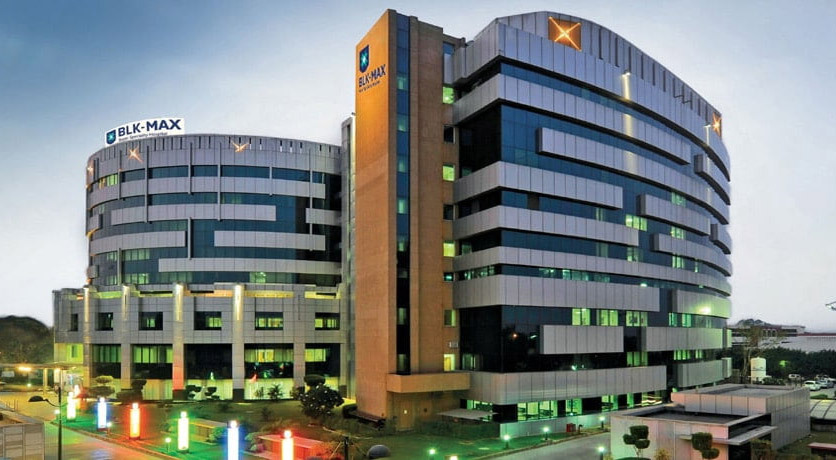
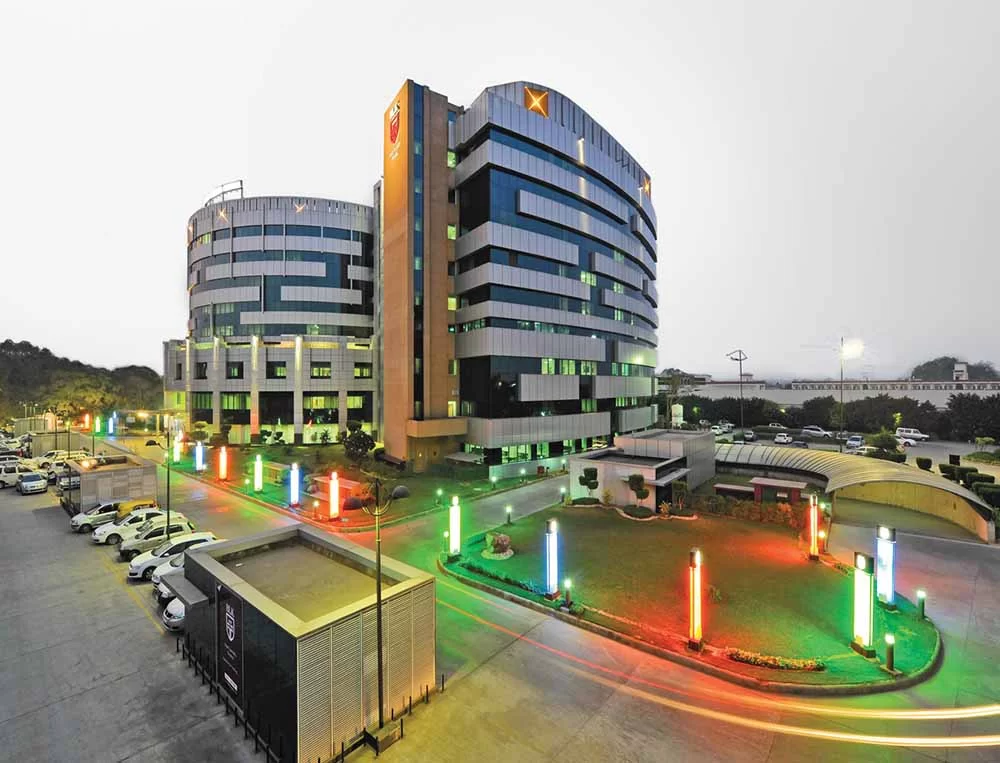
BLK-Max Super Specialty Hospital, New Delhi
Platinamu
Tazama maelezo

BLK-Max Super Specialty Hospital, New Delhi

New Delhi, India

BLK-Max Super Specialty Hospital huko New Delhi ni mojawapo ya taasisi kuu za afya ya India, inayotoa vitanda 650, kumbi 22 za upasuaji za hali ya juu...

Multi-specialty
Imara 1959
650 vitanda
Vibali
Joint Commission International (JCI)
National Accreditation Board for Hospitals & Healthcare Providers (NABH)
Vifaa
+13
Taasisi ya Utafiti ya Fortis Memorial (FMRI), Gurgaon
Platinamu
Tazama maelezo

Taasisi ya Utafiti ya Fortis Memorial (FMRI), Gurgaon

Gurgaon, India

Taasisi ya Utafiti ya Fortis Memorial (FMRI), Gurgaon, ni hospitali ya kiwango cha kimataifa ya wataalamu mbalimbali iliyoanzishwa mwaka wa 2013. Hosp...

Multi-specialty
Imara 2013
330 vitanda
Vibali
Joint Commission International (JCI)
National Accreditation Board for Hospitals & Healthcare Providers (NABH)
Vifaa
+13
Hospitali ya Artemis, Gurgaon
Platinamu
Tazama maelezo

Hospitali ya Artemis, Gurgaon

Gurgaon, India

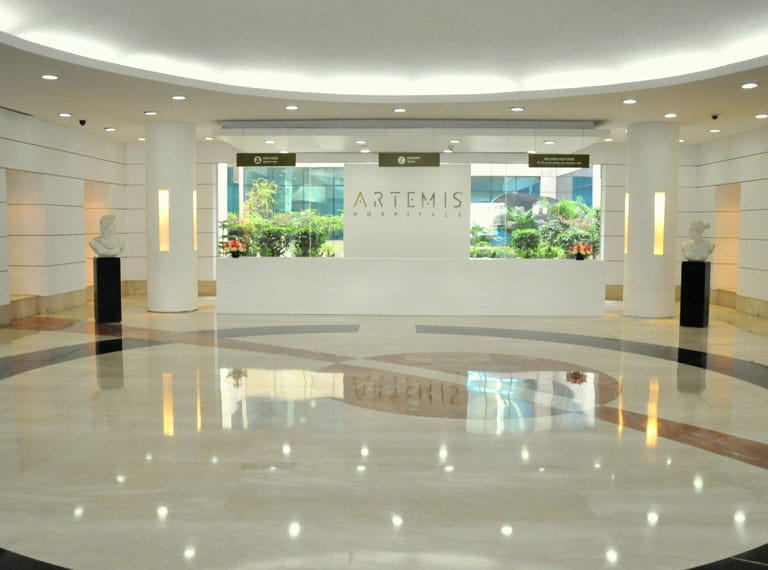
Hospitali ya Artemis, Gurgaon, ni hospitali ya wataalamu wengi iliyoidhinishwa na JCI ambayo ilianzishwa mwaka wa 2007. Inatoa vitanda 750+ na miundom...

Multi-specialty
Imara 2007
750 vitanda
Vibali
Joint Commission International (JCI)
National Accreditation Board for Hospitals & Healthcare Providers (NABH)
International Organization for Standardization (ISO)
Vifaa
+13
Hospitali ya Kokilaben Dhirubhai Ambani, Mumbai
Platinamu
Tazama maelezo

Hospitali ya Kokilaben Dhirubhai Ambani, Mumbai

Mumbai, India

Hospitali ya Kokilaben Dhirubhai Ambani, Mumbai, ni JCI, NABH, NABL, na hospitali ya quaternary iliyoidhinishwa na CAP iliyoanzishwa mwaka wa 2009. Pa...

Multi-specialty
Imara 2009
750 vitanda
Vibali
Joint Commission International (JCI)
National Accreditation Board for Hospitals & Healthcare Providers (NABH)
International Organization for Standardization (ISO)
Vifaa
+13
Hospitali za Medicover, Hitech City, Hyderabad
Platinamu
Tazama maelezo

Hospitali za Medicover, Hitech City, Hyderabad

Hyderabad, India

Hospitali za Medicover, Hitech City, Hyderabad, ni hospitali ya utaalamu wa hali ya juu yenye vitanda 400 iliyoidhinishwa na NABH iliyoanzishwa mwaka ...

Multi-specialty
Imara 2011
400 vitanda
Vibali
National Accreditation Board for Hospitals & Healthcare Providers (NABH)
Joint Commission International (JCI)
Vifaa
+13

Madaktari wanaohusiana

Ungana na madaktari wenye uzoefu na wataalamu wa matibabu katika uwanja huu.

Dk. Bibhas Ranjan Kundu

Dk. Bibhas Ranjan Kundu

Mshauri Mkuu

40 miaka ya uzoefu
Tazama maelezo
Dkt. Revathi R

Dkt. Revathi R

Mshauri

22 miaka ya uzoefu
Tazama maelezo
Dk. Prasad Raju Kalidindi

Dk. Prasad Raju Kalidindi

Mshauri Mkuu
25 miaka ya uzoefu
Tazama maelezo
Dk. Shakir Tabrez

Dk. Shakir Tabrez

Mkurugenzi wa ziada

17 miaka ya uzoefu
Tazama maelezo
Wichean Kamolpornvijit

Wichean Kamolpornvijit

Mshauri

38 miaka ya uzoefu
Tazama maelezo
Dk. Ukrid Kesthong

Dk. Ukrid Kesthong

Mshauri

10 miaka ya uzoefu
Tazama maelezo

Nakala zinazohusiana

Chunguza nakala zaidi na ufahamu juu ya mada sawa za kiafya.
PCNL dhidi ya ESWL kwa Mawe ya Figo: Ni Lipi Bora na Lini?
Utalii wa Matibabu

PCNL dhidi ya ESWL kwa Mawe ya Figo: Ni Lipi Bora na Lini?

1/7/2026, 5:09:43 PM
dk 10 kusoma
Wagonjwa wawili walio na mawe kwenye figo wanaweza kukaa katika kliniki moja na kuondoka na mapendekezo tofauti kabisa ya matibabu. Mtu hupata ESWL, t...
Soma zaidi
Urekebishaji wa MCL na Meniscus nchini India: Upasuaji, Kiwango cha Mafanikio, na Uponyaji
Utalii wa Matibabu

Urekebishaji wa MCL na Meniscus nchini India: Upasuaji, Kiwango cha Mafanikio, na Uponyaji

1/7/2026, 4:09:39 PM
dk 15 kusoma
Knee injuries rarely arrive alone. The medial collateral ligament (MCL) and the menisci sit on the same side of the joint and take force from the same...
Soma zaidi
Upasuaji wa Kurekebisha Cuff ya Rotator nchini India: Utaratibu, Viwango vya Mafanikio na Gharama
Utalii wa Matibabu

Upasuaji wa Kurekebisha Cuff ya Rotator nchini India: Utaratibu, Viwango vya Mafanikio na Gharama
1/7/2026, 3:51:06 PM
13 dakika kusoma
Reaching for a glass on a high shelf, putting on a jacket, sleeping on one side-these are the small, automatic movements that a torn rotator cuff turn...
Soma zaidi
Best Countries for Orthopaedic Surgery and Sports Medicine in 2026
Utalii wa Matibabu

Best Countries for Orthopaedic Surgery and Sports Medicine in 2026

1/7/2026, 2:07:25 PM
13 min read
The question of where to have orthopaedic surgery involves more than finding the lowest price. A patient with a complex ACL tear alongside meniscal da...
Soma zaidi
Upasuaji wa Kurekebisha ACL nchini India: Utaratibu, Gharama, na Kiwango cha Mafanikio
Utalii wa Matibabu

Upasuaji wa Kurekebisha ACL nchini India: Utaratibu, Gharama, na Kiwango cha Mafanikio

1/7/2026, 1:27:59 PM
dk 16 kusoma
Chozi la ACL linajitangaza waziwazi. Wagonjwa wengi huelezea pop wakati wa kuumia, ikifuatiwa na uvimbe wa haraka na hisia zisizofurahi kwamba goti li...
Soma zaidi
Ubadilishaji wa Mabega ya Nyuma nchini India: Gharama, Utaratibu, Urejeshaji

Utalii wa Matibabu

Ubadilishaji wa Mabega ya Nyuma nchini India: Gharama, Utaratibu, Urejeshaji

30/6/2026, 6:09:19 PM
13 dakika kusoma
Bega ndilo kiungo kinachotembea zaidi katika mwili wa binadamu, lakini wakati mshipa mkubwa wa kuzungusha, arthritis inayoendelea, au mgawanyiko tata ...
Soma zaidi

Mwandishi

Tazama Zote
Dr. Riya Shree

Mkuu - Huduma za Wagonjwa wa Kimataifa

Mkuu - Huduma za Wagonjwa wa Kimataifa Qonaq Afya na Ustawi
Kliniki Physiotherapist

Dk. Riya Shree ni mtaalamu wa tiba ya mwili ambaye alimaliza mafunzo yake katika Hospitali ya Mata Chanan Devi, New Delhi, akipata uzoefu wa kuhudumia wagonjwa na urekebishaji. Alihudumu kwenye mstar... Soma zaidi

Tovuti yetu hutumia kuki. Sera ya faragha.