Je, Matibabu ya Saratani Yamefanikiwa Nchini India?

10/2/2026, 11:00:33 AM 8 min read Medical Tourism
Je, Matibabu ya Saratani Yamefanikiwa Nchini India?

Cancer treatmentsuccess depends on early diagnosis, appropriate therapy, and consistent follow-up. Global cancer statistics show wide variation in outcomes, driven by access to care and treatment timing. Studies report that five-year survival rates improve significantly when patients receive stage-appropriate treatment using modern oncology methods. India treats a large volume of cancer cases every year across multiple cancer types, which allows doctors to gain extensive clinical experience.


International patients often choose India as a treatment destination because of access to surgery, chemotherapy, radiation therapy, targeted therapy, and immunotherapy within one care pathway. Understanding how doctors define and measure cancer treatment success helps patients assess outcomes realistically and plan treatment decisions with clarity.


What Does Successful Cancer Treatment Mean From a Medical Perspective?

Successful cancer treatment does not rely on a single outcome. Doctors define success using several clinical measures. These measures focus on disease control, survival, and quality of life.


  • Doctors first assess treatment response. Tumor shrinkage, disease stabilization, or complete remission indicates a positive response. Imaging studies and laboratory tests help confirm these changes.
  • Long-term disease control also matters. Doctors track whether cancer returns after treatment. Longer disease-free intervals suggest better treatment effectiveness.
  • Quality of life remains a meaningful outcome. Doctors evaluate pain control, organ function, and the ability to perform daily activities. Treatments that preserve function and reduce long-term complications support meaningful recovery.

Success varies by cancer type and stage. Doctors explain expected outcomes clearly during treatment planning. This clarity helps patients understand realistic goals of care.


Which Factors Influence Cancer Treatment Outcomes?

Several factors influence how well cancer treatment works. Doctors assess these factors before selecting a treatment plan.


  • Cancer Type and Stage:Early-stage cancers respond better to treatment. Advanced-stage disease often requires combination therapy. Tumor biology also affects response.
  • Patient Health and Medical History:Overall health influences tolerance to treatment. Pre-existing conditions can affect recovery. Doctors adjust therapy based on physical resilience.
  • Accuracy of Diagnosis and Staging:Precise staging guides appropriate treatment choice. Imaging and biopsy results play a critical role. Accurate staging improves outcome prediction.
  • Timely Start of Treatment:Early treatment limits disease progression. Delays can reduce effectiveness. Prompt intervention supports better control.
  • Treatment Selection and Planning:Doctors match therapy to cancer behavior. Personalized planning improves response. Multimodal treatment often delivers stronger results.


What Cancer Treatment Options Are Commonly Used In India Today?

Doctors in India use a range of cancer treatment options based on cancer type and stage. Treatment planning focuses on disease control and patient tolerance.


  • Surgical Cancer Treatment:Doctors remove tumors when cancer remains localized. Minimally invasive and organ-preserving techniques support functional recovery. Surgery often forms the first step in treatment.
  • Chemotherapy:Doctors use chemotherapy to destroy cancer cells or slow their growth. Treatment may occur before surgery, after surgery, or as primary therapy. Drug selection depends on cancer behavior.
  • Radiation Therapy:Doctors use radiation to target cancer cells precisely. Radiation helps control tumors and reduce the risk of recurrence. Treatment planning protects nearby healthy tissue.
  • Targeted Therapy:Doctors select targeted drugs based on tumor characteristics. These drugs act on specific molecular pathways. Targeted therapy helps limit damage to normal cells.
  • Immunotherapy:Doctors use immunotherapy to activate the immune system to fight cancer. This approach benefits selected cancers. Response varies by tumor type and immune profile.

Doctors often combine treatments. Multimodal care improves outcomes in many cancers.


Which Advanced Oncology Technologies Support Cancer Care In India?

Cancer care in India is powered by the same cutting-edge technology found in top US and European hospitals. Doctors use these precision tools to target tumors with sub-millimeter accuracy, sparing healthy organs and significantly reducing side effects.


  • Proton Beam Therapy:Available at India's leading cancer centers (such as Apollo Proton Cancer Centre), this is the world's most advanced form of radiation. It targets tumors (especially in the brain, eye, or spine) without damaging the healthy tissue behind them.
  • CyberKnife and TomoTherapy:These robotic radiosurgery systems track moving tumors (such as lung tumors) in real time, adjusting the radiation beam instantly as the patient breathes, ensuring 100% accuracy.
  • Da Vinci Xi Systems:Surgeons use 4th Generation robotic arms to remove complex tumors (Prostate, Uterus, Colorectal) through tiny incisions. It leads to less blood loss, faster recovery, and better preservation of nerve function.
  • Liquid Biopsy:A revolutionary non-invasive blood test that can detect small fragments of tumor DNA (ctDNA) in the bloodstream. Doctors use this to spot early signs of recurrence months before they appear on a standard scan.
  • Next-Generation Sequencing (NGS):Instead of guessing which drug works, doctors use NGS to decode the tumor's entire genetic makeup. It allows them to identify specific mutations and prescribe Targeted Immunotherapy that attacksonlythe cancer cells.
  • PET-CT with PSMA and DOTANOC:Standard scans often miss small cancer spreads. Indian hospitals use specialized radioactive tracers (like PSMA for Prostate cancer) to light up even the smallest microscopic cancer cells, ensuring the diagnosis is accurate from Day 1.
  • Integrated Oncology Information Systems:Hospitals use platforms like IBM Watson or Varian Eclipse to calculate the safest radiation dose plans, double-checked by AI to prevent human error.


How Do Doctors In India Measure Cancer Treatment Outcomes?

Doctors measure cancer treatment outcomes using clinical and functional indicators. These indicators help assess whether treatment achieves its intended goals.


  • Treatment Response Assessment:Doctors evaluate tumor response through imaging and laboratory tests. Reduction in tumor size or disease stabilization indicates a positive response. These findings guide further treatment decisions.
  • Remission and Disease Control:Doctors monitor whether the cancer enters remission after treatment. Complete or partial remission reflects treatment effectiveness. Long-term disease control remains a vital outcome marker.
  • Survival and Progression Tracking:Doctors track overall survival and progression-free intervals. Longer periods without disease progression suggest better outcomes. These measures vary by cancer type and stage.
  • Quality of Life Evaluation:Doctors assess pain levels, organ function, and daily activity capacity. Preserving function and comfort forms an essential part of outcome evaluation. Treatment success includes physical and functional well-being.
  • Follow-Up Monitoring:Doctors schedule regular follow-up visits and tests. Ongoing monitoring helps detect recurrence early. Early detection supports timely intervention.


5-Year Survival Rates: Top Indian Hospitals vs. Global Benchmarks

Cancer TypeGlobal BenchmarkTop Indian HospitalsWhy Is It Comparable?
Breast Cancer90% - 99%90% - 95%Standardized use of Breast Conservation Surgery & Targeted Therapy.
Prostate Cancer95% - 98%94% - 97%Widespread use of Robotic Surgery (Da Vinci) and PSMA PET Scans.
Head & Neck Cancer75% - 85%75% - 80%Expertise in complex reconstruction and Microvascular surgery.
Cervical Cancer91% - 93%80% - 85%High volume of cases leads to immense surgical expertise.
Colorectal Cancer90% - 91%80% - 88%Adoption of Robotic Colorectal Surgery and advanced ostomy care.
Kidney Cancer92% - 93%88% - 92%Use of Robotic Partial Nephrectomy to save the kidney.
Ovarian Cancer92% - 94%75% - 85%Adoption of HIPEC (Heated Chemo) and radical cytoreductive surgery.

(Data refers to Early-Stage/Localized disease treated at JCI/NABH accredited Centers of Excellence)


Does Early Diagnosis Improve Cancer Treatment Success In India?

Early diagnosis plays a significant role in the success of cancer treatment. Doctors achieve better outcomes when they detect cancer at an earlier stage.


  • Accurate Staging at Diagnosis:Early detection allows precise staging. Accurate staging guides appropriate treatment selection. Correct staging improves outcome prediction.
  • Wider Treatment Options:Early-stage cancer offers more treatment choices. Surgery and localized therapies often achieve better control. Advanced disease limits available options.
  • Lower Treatment Burden:Early treatment usually requires less aggressive therapy. Reduced treatment intensity lowers complication risk. Patients often tolerate treatment better.
  • Improved Recovery Expectations:Patients diagnosed early often experience a smoother recovery. A shorter treatment duration supports a faster return to daily activities. Recovery planning becomes more predictable.
  • Better Long-Term Disease Control:Early intervention limits disease spread. This control improves long-term outcomes. Timely treatment supports sustained remission in many cases.


How Does Multidisciplinary Cancer Care Affect Treatment Results?

At India's top cancer centers, your case isn't seen by just one doctor. It is reviewed by aTumor Board,a committee of 6-8 experts (Surgeons, Medical Oncologists, Radiologists) who meet to design a consensus plan. It ensures you get a 'Second, Third, and Fourth Opinion' all at once, reducing the risk of error.


  • Collaborative Treatment Planning:Surgeons, medical oncologists, radiation oncologists, radiologists, and pathologists review each case together. Joint planning helps align treatment goals. This coordination reduces fragmented care.
  • Balanced Clinical Decisions:Each specialist contributes a different clinical perspective. Combined input helps avoid over-treatment or under-treatment. Decisions reflect disease behavior and patient condition.
  • Improved Treatment Sequencing:Multidisciplinary teams carefully plan the order of surgery, chemotherapy, and radiation. Proper sequencing improves response and limits complications. Coordinated timing supports smoother recovery.
  • Consistent Monitoring and Adjustment:Teams review treatment response at defined intervals. Adjustments occur when response changes. This flexibility improves disease control.


What Role Does Recovery And Follow-Up Play In Long-Term Outcomes?

Recovery and follow-up care influence long-term cancer outcomes significantly. Doctors view treatment as an ongoing process rather than a single event.


  • Structured Recovery Planning:Doctors outline recovery expectations before treatment begins. Clear guidance helps patients manage physical limitations. Planned recovery reduces avoidable complications.
  • Monitoring for Recurrence:Regular follow-up visits help detect recurrence early. Imaging and laboratory tests support ongoing assessment. Early intervention improves control when the disease returns.
  • Management of Treatment Effects:Some treatments cause delayed side effects. Follow-up care helps manage these effects early. Timely management supports long-term quality of life.
  • Support for Functional Recovery:Doctors monitor nutrition, strength, and daily activity levels. Supportive care improves physical resilience. Functional recovery forms part of treatment success.

Consistent follow-up strengthens long-term outcomes. Doctors emphasize continuity of care after active treatment ends.


How Do International Patients Experience Cancer Treatment In India?

International patients receive cancer treatment in India through a planned, coordinated care pathway. Doctors focus on timely evaluation, clear communication, and realistic recovery planning.


  • Pre-Arrival Medical Review:Doctors review reports before travel. This review confirms the diagnosis and treatment direction. Early assessment helps reduce delays after arrival.
  • Defined Treatment Timelines:Doctors share expected timelines for diagnosis, treatment, and recovery. Clear schedules help patients plan travel and stay. Predictable timelines reduce uncertainty.
  • Coordinated Care During Treatment:Care teams align diagnostics, therapy sessions, and follow-up visits. Daily monitoring supports treatment continuity. Coordination helps patients focus on recovery.
  • Recovery and Stay Planning:Doctors clearly explain recovery expectations. Guidance covers activity limits and follow-up needs. Clear advice helps patients plan their return travel safely.
  • Ongoing Communication After Treatment:Doctors continue follow-up through report review when patients return home. Continued communication supports long-term monitoring. This approach helps maintain care continuity.


Conclusion

Cancer treatment success depends on accurate diagnosis, appropriate therapy, and consistent follow-up. In India, doctors use modern oncology technologies, multidisciplinary planning, and structured recovery care to support realistic treatment outcomes. International patients who seek clarity on suitability, timelines, and expectations can begin with a professional medical review to understand available options and plan care with confidence.

Hospitali zinazohusiana

Gundua hospitali na vituo vya matibabu vinavyohusiana na mada hii kwa huduma bora za afya.
Hospitali ya Matibabu ya Bahcelievler
PLATINUM
Tazama maelezo

Hospitali ya Matibabu ya Bahcelievler

Istanbul, Uturuki

Hospitali ya Medical Park Bahcelievler ni hospitali iliyoidhinishwa na JCI ya vitanda 242 huko Istanbul, iliyoanzishwa mwaka wa 2007. Imeenea katika m...

Multi-specialty
Imara 2007
242 vitanda
Vibali
Joint Commission International (JCI)
Vifaa
+13
BLK-Max Super Specialty Hospital, New Delhi
PLATINUM
Tazama maelezo

BLK-Max Super Specialty Hospital, New Delhi

New Delhi, India

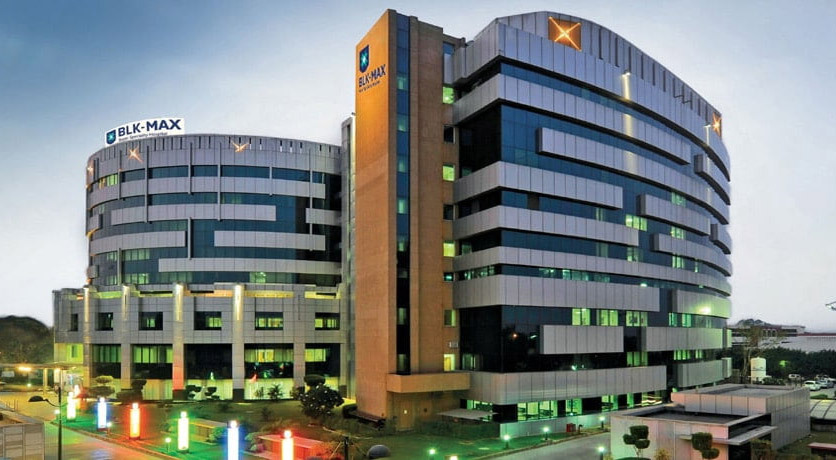
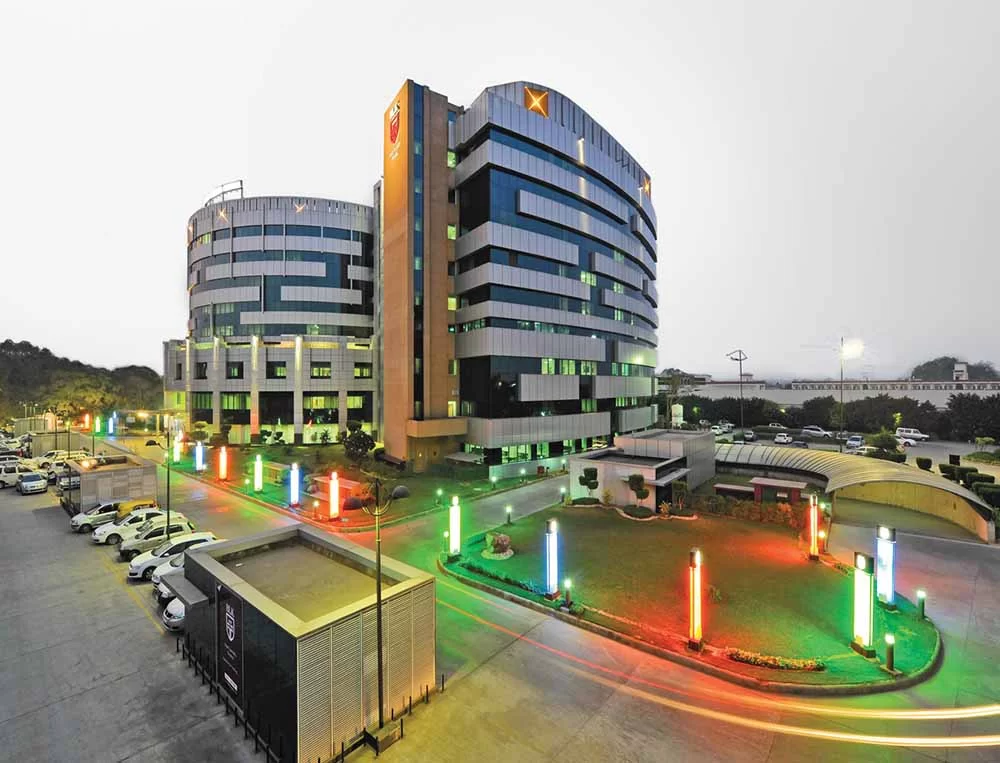
BLK-Max Super Specialty Hospital huko New Delhi ni mojawapo ya taasisi kuu za afya ya India, inayotoa vitanda 650, kumbi 22 za upasuaji za hali ya juu...

Multi-specialty
Imara 1959
650 vitanda
Vibali
Joint Commission International (JCI)
National Accreditation Board for Hospitals & Healthcare Providers (NABH)
Vifaa
+13
Taasisi ya Utafiti ya Fortis Memorial (FMRI), Gurgaon
PLATINUM
Tazama maelezo

Taasisi ya Utafiti ya Fortis Memorial (FMRI), Gurgaon

Gurgaon, India

Taasisi ya Utafiti ya Fortis Memorial (FMRI), Gurgaon, ni hospitali ya kiwango cha kimataifa ya wataalamu mbalimbali iliyoanzishwa mwaka wa 2013. Hosp...

Multi-specialty
Imara 2013
330 vitanda
Vibali
Joint Commission International (JCI)
National Accreditation Board for Hospitals & Healthcare Providers (NABH)
Vifaa
+13
Hospitali ya Artemis, Gurgaon
PLATINUM
Tazama maelezo

Hospitali ya Artemis, Gurgaon

Gurgaon, India

Hospitali ya Artemis, Gurgaon, ni hospitali ya wataalamu wengi iliyoidhinishwa na JCI ambayo ilianzishwa mwaka wa 2007. Inatoa vitanda 750+ na miundom...

Multi-specialty
Imara 2007
750 vitanda
Vibali
Joint Commission International (JCI)
National Accreditation Board for Hospitals & Healthcare Providers (NABH)
International Organization for Standardization (ISO)
Vifaa
+13
Hospitali ya Kokilaben Dhirubhai Ambani, Mumbai
PLATINUM
Tazama maelezo

Hospitali ya Kokilaben Dhirubhai Ambani, Mumbai

Mumbai, India

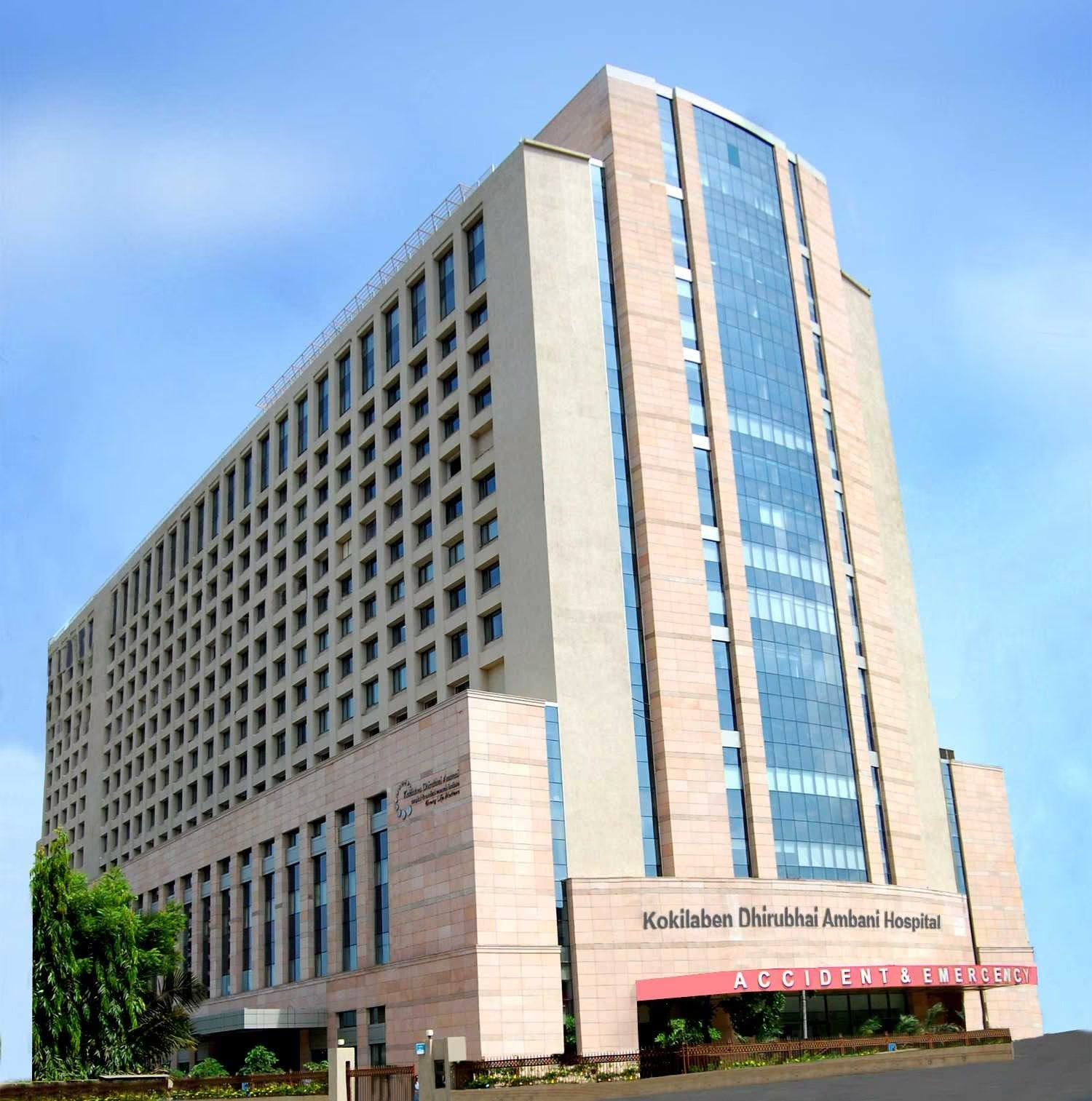
Hospitali ya Kokilaben Dhirubhai Ambani, Mumbai, ni JCI, NABH, NABL, na hospitali ya quaternary iliyoidhinishwa na CAP iliyoanzishwa mwaka wa 2009. Pa...

Multi-specialty
Imara 2009
750 vitanda
Vibali
Joint Commission International (JCI)
National Accreditation Board for Hospitals & Healthcare Providers (NABH)
International Organization for Standardization (ISO)
Vifaa
+13
Hospitali za Medicover, Hitech City, Hyderabad
PLATINUM
Tazama maelezo

Hospitali za Medicover, Hitech City, Hyderabad

Hyderabad, India

Hospitali za Medicover, Hitech City, Hyderabad, ni hospitali ya utaalamu wa hali ya juu yenye vitanda 400 iliyoidhinishwa na NABH iliyoanzishwa mwaka ...

Multi-specialty
Imara 2011
400 vitanda
Vibali
National Accreditation Board for Hospitals & Healthcare Providers (NABH)
Joint Commission International (JCI)
Vifaa
+13

Madaktari wanaohusiana

Ungana na madaktari wenye uzoefu na wataalamu wa matibabu katika uwanja huu.
Indranil Khan

Indranil Khan

Consultant

8 miaka ya uzoefu
Tazama maelezo
Dkt. Chandramohan K

Dkt. Chandramohan K

Senior Consultant

27 miaka ya uzoefu
Tazama maelezo
Dkt. Bhavin Visariya

Dkt. Bhavin Visariya

Consultant

10 miaka ya uzoefu
Tazama maelezo
Dk Suraj Chiraniya

Dk Suraj Chiraniya

Senior Consultant

16 miaka ya uzoefu
Tazama maelezo
Dk. Ninad Katdare

Dk. Ninad Katdare

Consultant

12 miaka ya uzoefu
Tazama maelezo
Dk. Ankit Mahuvakar

Dk. Ankit Mahuvakar

Consultant

16 miaka ya uzoefu
Tazama maelezo

Nakala zinazohusiana

Chunguza nakala zaidi na ufahamu juu ya mada sawa za kiafya.
Je! Upasuaji wa Mgongo Nje ya Nchi ni salama?
Medical Tourism

Je! Upasuaji wa Mgongo Nje ya Nchi ni salama?

2/4/2026, 1:32:33 PM
8 min read
Matatizo ya mgongo huathiri mamilioni ya wagonjwa duniani kote. Masharti kama vile diski iliyoteleza, stenosis ya mgongo, na ugonjwa wa uti wa mgongo ...
Soma zaidi
Jinsi ya Kujitayarisha kwa Kupandikiza Kiungo Nje ya Nchi: Orodha ya Hakiki ya Matibabu, Kisheria na Usafiri
Medical Tourism

Jinsi ya Kujitayarisha kwa Kupandikiza Kiungo Nje ya Nchi: Orodha ya Hakiki ya Matibabu, Kisheria na Usafiri

2/4/2026, 1:03:37 PM
7 min read
Kupandikiza chomboinahitaji mipango makini katika kila hatua. Wakati wagonjwa wanasafiri nje ya nchi kwa upasuaji wa upandikizaji, maandalizi huwa muh...
Soma zaidi
Nchi Bora za Kupandikiza Kiungo: Mwongozo wa 2026 wa Gharama, Nyakati za Kusubiri, na Mahitaji ya Kisheria
Medical Tourism

Nchi Bora za Kupandikiza Kiungo: Mwongozo wa 2026 wa Gharama, Nyakati za Kusubiri, na Mahitaji ya Kisheria

2/4/2026, 9:05:33 AM
7 min read
Mahitaji ya kimataifa yaupasuaji wa kupandikiza chomboinaendelea kuongezeka kila mwaka. Mamilioni ya wagonjwa wanaishi na kushindwa kwa viungo vya mwi...
Soma zaidi
Back Pain or Something More? When Does a Spine Tumor Require Surgery?

Medical Tourism

Back Pain or Something More? When Does a Spine Tumor Require Surgery?

1/3/2026, 12:51:20 PM
9 min read
Wakati uchunguzi unahusisha mgongo, swali la kwanza ni karibu kila wakati:'Je, bado nitaweza kutembea?'Mnamo 2026, utunzaji wa uvimbe wa uti wa mgongo...
Soma zaidi
Je, Unaweza Kuishi Muda Gani Baada ya Kupandikiza Kiungo?
Medical Tourism

Je, Unaweza Kuishi Muda Gani Baada ya Kupandikiza Kiungo?

1/3/2026, 12:19:15 PM
7 min read
Unapoambiwa unahitaji akupandikiza, swali la kwanza linalokupata mara nyingi huwa gumu zaidi kuuliza:Hii itaninunua saa ngapi?   Utafutaji wa mtanda...
Soma zaidi
Nani Anaweza Kupata Kupandikiza Kiungo nchini India? Sheria za Kustahiki Zimefafanuliwa

Medical Tourism

Nani Anaweza Kupata Kupandikiza Kiungo nchini India? Sheria za Kustahiki Zimefafanuliwa

1/3/2026, 12:00:36 PM
7 min read
Kushindwa kwa viungo bado ni changamoto inayokua ya kiafya duniani. Ugonjwa sugu wa figo huathiri mamilioni ya watu ulimwenguni kote, na maelfu ya wag...
Soma zaidi

Mwandishi

Tazama Zote
Dkt. Deepanshu Siwach

Sr. Medical Writer

Sr. Medical Content Writer Qonaq Health and Wellness
Doctor of Pharmacy

Dk. Deepanshu Siwach ni mfamasia wa kimatibabu mwenye uzoefu na shahada ya Udaktari wa Famasia. Ana uzoefu wa zaidi ya miaka 4 na amefanya kazi na maelfu ya wagonjwa. Amehusishwa na baadhi ya hospit... Soma zaidi

Tovuti yetu hutumia kuki. Sera ya faragha.