
Kwa nini India Ndio Nchi Bora kwa Matibabu ya Saratani
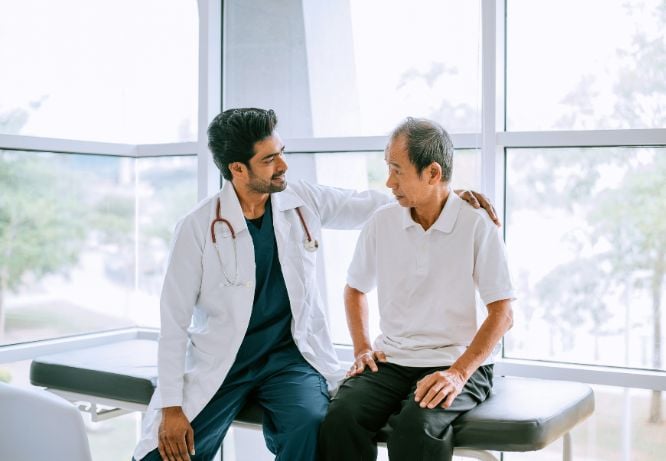
India has emerged as a leading destination for cancer treatment among international patients. The country combines advanced medical care with affordability, timely access, and structured patient support. These factors influence treatment decisions for patients seeking quality oncology care outside their home regions.
Cancer treatment often involves complex planning, multiple therapies, and long recovery periods. Patients look for destinations that offer reliability, medical expertise, and continuity of care. India meets these expectations through a strong oncology ecosystem supported by experienced specialists and modern infrastructure.
Global patients also value clarity during treatment planning. Indian cancer centers provide organized evaluation, defined treatment pathways, and predictable timelines. Such clarity reduces uncertainty during a critical health phase and supports informed decision-making.
As a result, cancer treatment in India continues to attract patients seeking balanced care that aligns quality with practical considerations.
Why Do International Patients Choose India for Cancer Treatment?
International patients choose India for cancer treatment because the country delivers consistent clinical outcomes with manageable treatment costs. Oncology care in India focuses on accuracy, safety, and patient-specific planning rather than standardized treatment delivery.
- Indian oncologists treat a wide range of cancers across all stages. High patient volumes strengthen diagnostic judgment and treatment precision. Doctors manage early detection cases, advanced disease, and treatment-resistant cancers using evidence-based protocols.
- Cost plays a vital role in treatment decisions. Cancer treatment costs in India remain lower than in many global destinations, without compromising medical standards. Affordable care allows patients to complete full treatment cycles, including surgery, chemotherapy, radiation, and follow-up.
- Timely access further strengthens India’s appeal. Hospitals reduce waiting periods for consultations and diagnostics. Faster treatment initiation supports better disease control and emotional stability during the early stages of therapy.
These factors together position India as a trusted choice for international cancer patients seeking reliable and comprehensive oncology care.
How Does India Provide Advanced Cancer Treatment Technology?
India supports cancer treatment through continuous investment in modern medical technology. Oncology centers use advanced diagnostic and treatment systems such as PET-CT, CyberKnife, TrueBeam Linear Accelerators, and Da Vinci Robotic Systems, which support accuracy, safety, and personalized care planning.
- Diagnostics:Cancer hospitals rely on high-resolution imaging for tumor detection and staging. Accurate imaging helps doctors identify cancer spread and select appropriate treatment pathways. Precise staging improves decision-making across surgery, chemotherapy, and radiation therapy.
- Radiation Oncology: Radiation oncology departments use precision-based delivery techniques. These systems allow controlled radiation targeting while limiting exposure to surrounding healthy tissue. Reduced tissue damage helps patients tolerate treatment better and maintain treatment schedules.
- Medical Oncology: Medical oncology teams follow updated drug protocols for chemotherapy, targeted therapy, and immunotherapy. Doctors tailor medication choices based on cancer biology and patient health status. Regular monitoring helps teams adjust treatment when response patterns change.
- Surgical Oncology: Surgical oncology teams perform minimally invasive and robotic procedures for suitable cancer cases. Smaller incisions support faster recovery and lower complication risk. Care teams plan surgery carefully to preserve function and quality of life.
- Multidisciplinary Tumor Board:Multidisciplinary tumor boards guide complex cancer decisions. Specialists review diagnostic findings together and align treatment goals. Collaborative planning enhances treatment accuracy and consistency of outcomes.
What Makes Cancer Treatment in India Cost-Effective for Global Patients?
Cancer treatment often creates long-term financial pressure for patients and families. India offers cost-effective oncology care without reducing treatment quality or clinical safety. Treatment in India can be60% to 80% cheaperthan in Western countries. For example, a procedure costing $100,000 in the US might cost $15,000 in India, covering accommodation and travel.
Lower operational expenses help keep treatment prices affordable. Hospitals manage infrastructure, staffing, and supply chains efficiently. These efficiencies reduce overall treatment cost while maintaining clinical standards.
Cancer care in India often includes:
- Diagnostic evaluation and staging.
- Surgical or non-surgical treatment planning.
- Chemotherapy or radiation therapy cycles.
- Supportive care and follow-up planning.
Affordable pricing allows patients to complete full treatment courses as recommended. Treatment continuity supports better disease control and reduces the risk of relapse from incomplete therapy.
Transparent cost planning supports international treatment decisions. Hospitals share structured estimates before treatment begins. Predictable expenses help patients manage travel, accommodation, and recovery planning with confidence.
How Do Indian Oncologists Deliver Personalized Cancer Care?
Cancer treatment requires careful evaluation and individualized planning. Indian oncologists focus on tailoring treatment based on cancer type, disease stage, and overall patient health. Personalized care improves treatment response and reduces unnecessary side effects.
- Oncologists begin treatment planning with adetailed diagnostic review. Imaging, pathology, and staging reports guide therapy selection. Doctors consider tumor behavior, genetic markers, and prior treatment history when designing care plans.
- Treatment personalization continues throughout therapy. Doctorsclosely monitor the responseand adjust medication dosages, radiation schedules, or surgical timing when needed. Ongoing assessment helps maintain treatment effectiveness during long treatment courses.
- Clinical experienceplays a significant role in decision-making. Indian oncologists treat large numbers of cancer patients each year. Regular exposure to diverse cancer cases strengthens clinical judgment and outcome planning.
- Aclear explanation of treatment goalssupports patient confidence. Doctors outline therapy steps, expected outcomes, and recovery timelines in simple language. Informed patients follow treatment plans more consistently, which supports better results.
Why Does Multidisciplinary Cancer Care Improve Outcomes in India?
Cancer treatment often involves multiple medical specialties. Indian cancer centers emphasize coordinated care through multidisciplinary teams. Collaborative planning improves treatment accuracy and consistency.
A multidisciplinary team typically includes medical oncologists, surgical oncologists, radiation oncologists, radiologists, and pathologists. Each specialist contributes clinical insight during treatment planning. Combined expertise leads to balanced decision-making.
- Team-based care supports complextreatment sequencing. Doctors carefully align surgery, chemotherapy, and radiation schedules. Proper sequencing reduces complications and improves treatment tolerance.
- Regular case discussionshelp teams manage challenging cancer cases. Specialists review diagnostic findings together and adjust care plans when disease behavior changes. Coordinated monitoring supports timely intervention during treatment.
- Multidisciplinary care alsoimproves continuity.Patients receive consistent guidance across departments without fragmented decision-making. Coordinated care enhances treatment confidence and long-term planning.
How Does India Support International Cancer Patients Throughout Treatment?
International patients require more than medical care when traveling for cancer treatment. India supports global patients through organized care coordination and structured assistance during every stage of treatment.
- Cancer centers assist patients before arrival by reviewing medical reports and outlining treatment plans.Early evaluationhelps patients understand expected timelines and required therapies. Precise planning reduces uncertainty before travel.
- Hospitals offerdedicated coordination teamsfor international patients. These teams manage appointment scheduling, treatment timelines, and communication between departments. Coordinated care prevents delays and confusion during complex treatment phases.
- Support services also extend beyond clinical care. Many centersassist with medical visas, accommodation arrangements, and language interpretation. These services help patients and families focus on treatment rather than logistics.
- Continuous guidanceduring treatment improves patient confidence. Care coordinators help patients navigate long treatment schedules and follow-up planning. Structured support plays a key role in maintaining treatment continuity.
Why Do Short Waiting Times Matter for Cancer Treatment in India?
Timely treatment plays a critical role in cancer management. Delays in diagnosis or therapy can affect disease progression and treatment outcomes. India offers shorter waiting periods compared to many global destinations.
- Hospitals schedule consultations and diagnostic tests quickly. Faster access allows doctors to confirm a diagnosis and begin treatment without prolonged waiting. Early initiation supports better disease control.
- Shorter waiting times also reduce emotional stress. A cancer diagnosis often creates anxiety and uncertainty. Prompt treatment planning helps patients regain a sense of direction and control.
- Efficient scheduling supports treatment continuity. Patients complete diagnostic evaluation, surgery, chemotherapy, or radiation within planned timelines. Predictable scheduling helps international patients manage travel and recovery planning more effectively.
Quick access combined with organized care strengthens trust in cancer treatment in India and improves the overall treatment experience for global patients.
How Does India Maintain Quality and Safety in Cancer Care?
Quality and safety remain central to cancer treatment planning in India. Cancer centers follow structured clinical protocols to maintain treatment accuracy and patient safety throughout care. Many top Indian cancer hospitals hold JCI accreditation, the gold standard in global healthcare, ensuring safety protocols identical to those of US and UK hospitals.
- Doctors rely onstandardized diagnostic teststo confirm the type and stage of cancer. Accurate diagnosis reduces treatment errors and supports appropriate therapy selection. Regular case reviews help maintain consistency across departments.
- Treatment delivery followsdefined safety checks. Oncology teams verify treatment plans before chemotherapy, radiation therapy, or surgery. These checks reduce medication errors and improve procedural accuracy.
- Infection controlalso plays an essential role in cancer care. Hospitals follow strict hygiene practices and patient monitoring protocols. These measures protect patients with weakened immune systems during treatment.
- Ongoing treatment monitoringsupports safety during long therapy cycles. Doctors closely track side effects, treatment response, and recovery progress. Early identification of complications allows timely intervention and care adjustment.
How Does India Address Supportive and Palliative Cancer Care?
Cancer treatment affects physical strength, emotional health, and overall well-being. Indian cancer centers integrate supportive care alongside active treatment to improve patient comfort and tolerance of treatment.
- Pain managementforms an essential part of supportive care. Doctors address cancer-related pain using structured medication plans and monitoring. Effective pain control helps patients continue treatment with greater comfort.
- Nutrition supporthelps maintain strength during therapy. Diet plans focus on energy needs, treatment side effects, and recovery goals. Proper nutrition supports immunity and treatment response.
- Psychological supportis also provided during cancer care. Counseling services help patients manage anxiety, fear, and emotional stress. Emotional stability improves treatment adherence and overall recovery experience.
- Palliative care teamssupport patients with advanced disease or complex symptoms. Care plans focus on comfort, dignity, and symptom control. Early palliative support improves quality of life during long treatment journeys.
Why India Works Well for Long-Term Cancer Treatment and Follow-Up
Cancer care often extends beyond active treatment. Long-term monitoring plays a key role in disease control and recovery. India supports extended cancer care through structured follow-up planning and continuity-focused services.
Doctors createfollow-up schedulesbased on cancer type and treatment response. These schedules include imaging, laboratory tests, and clinical reviews. Regular monitoring helps doctors detect recurrence early and manage late treatment effects.
Indian cancer centers also supportcontinuity across treatment phases. Patients receive guidance on medication use, lifestyle adjustment, and symptom monitoring after primary therapy ends. Clear post-treatment planning reduces uncertainty during recovery.
Many centers offer follow-up coordination for international patients after they return home.Ongoing communicationsupports continuity and reassures patients during long-term care. Structured follow-up strengthens outcomes and long-term confidence.
To Summarise
For patients facing a cancer diagnosis, India offers more than just treatment. It provides a pathway to world-class recovery without the financial burden. If you are considering your options, India stands ready with the expertise and care you deserve.
Hospitali zinazohusiana
Gundua hospitali na vituo vya matibabu vinavyohusiana na mada hii kwa huduma bora za afya.
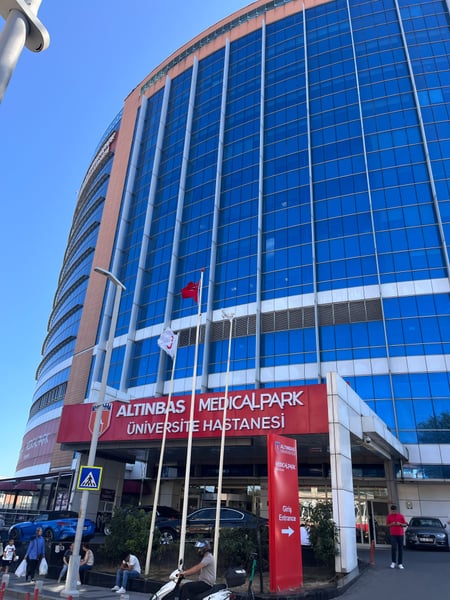
Hospitali ya Matibabu ya Bahcelievler
Hospitali ya Medical Park Bahcelievler ni hospitali iliyoidhinishwa na JCI ya vitanda 242 huko Istanbul, iliyoanzishwa mwaka wa 2007. Imeenea katika m...
Vibali
Vifaa
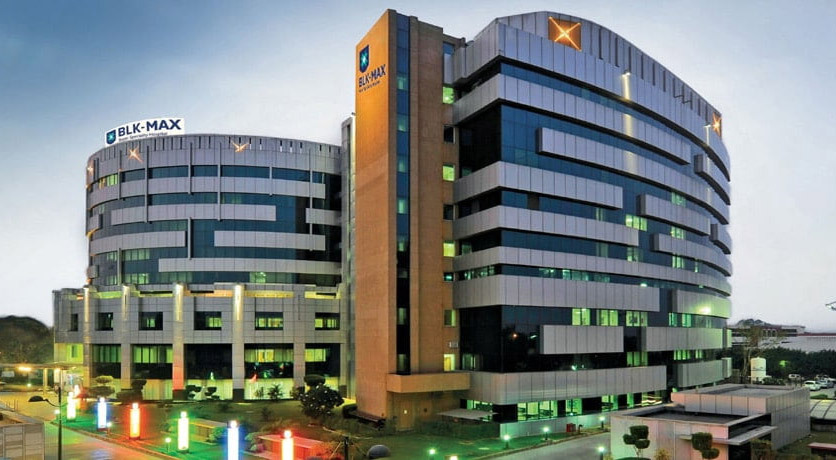
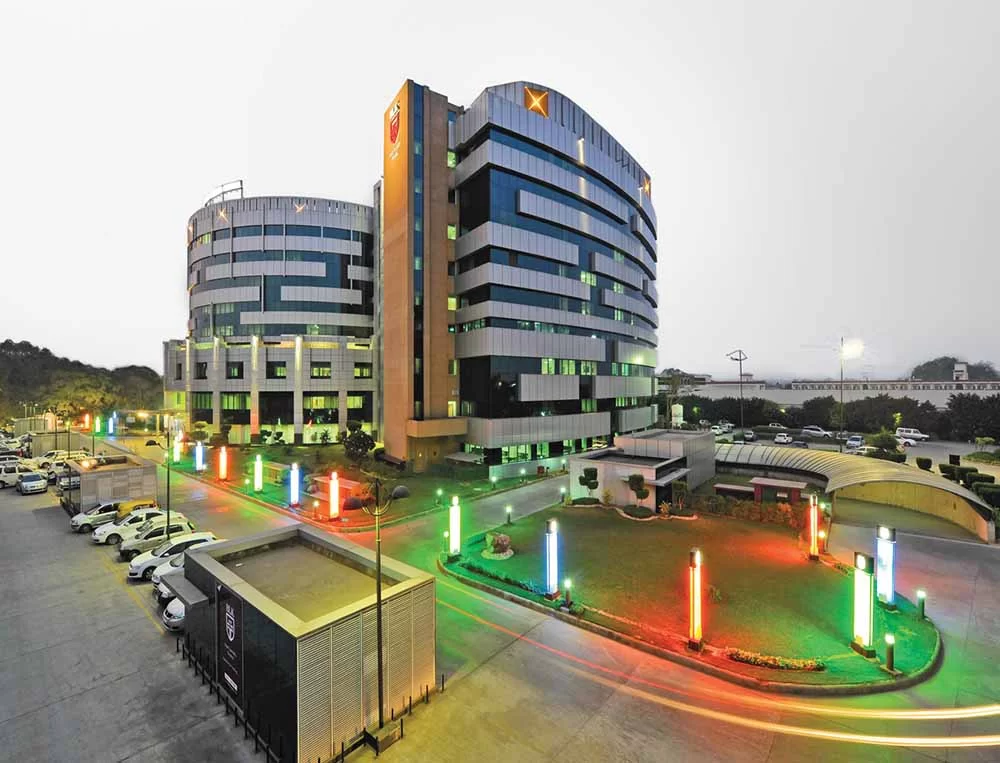
BLK-Max Super Specialty Hospital, New Delhi
BLK-Max Super Specialty Hospital huko New Delhi ni mojawapo ya taasisi kuu za afya ya India, inayotoa vitanda 650, kumbi 22 za upasuaji za hali ya juu...
Vibali


Vifaa
Taasisi ya Utafiti ya Fortis Memorial (FMRI), Gurgaon
Taasisi ya Utafiti ya Fortis Memorial (FMRI), Gurgaon, ni hospitali ya kiwango cha kimataifa ya wataalamu mbalimbali iliyoanzishwa mwaka wa 2013. Hosp...
Vibali


Vifaa

Hospitali ya Artemis, Gurgaon
Hospitali ya Artemis, Gurgaon, ni hospitali ya wataalamu wengi iliyoidhinishwa na JCI ambayo ilianzishwa mwaka wa 2007. Inatoa vitanda 750+ na miundom...
Vibali



Vifaa
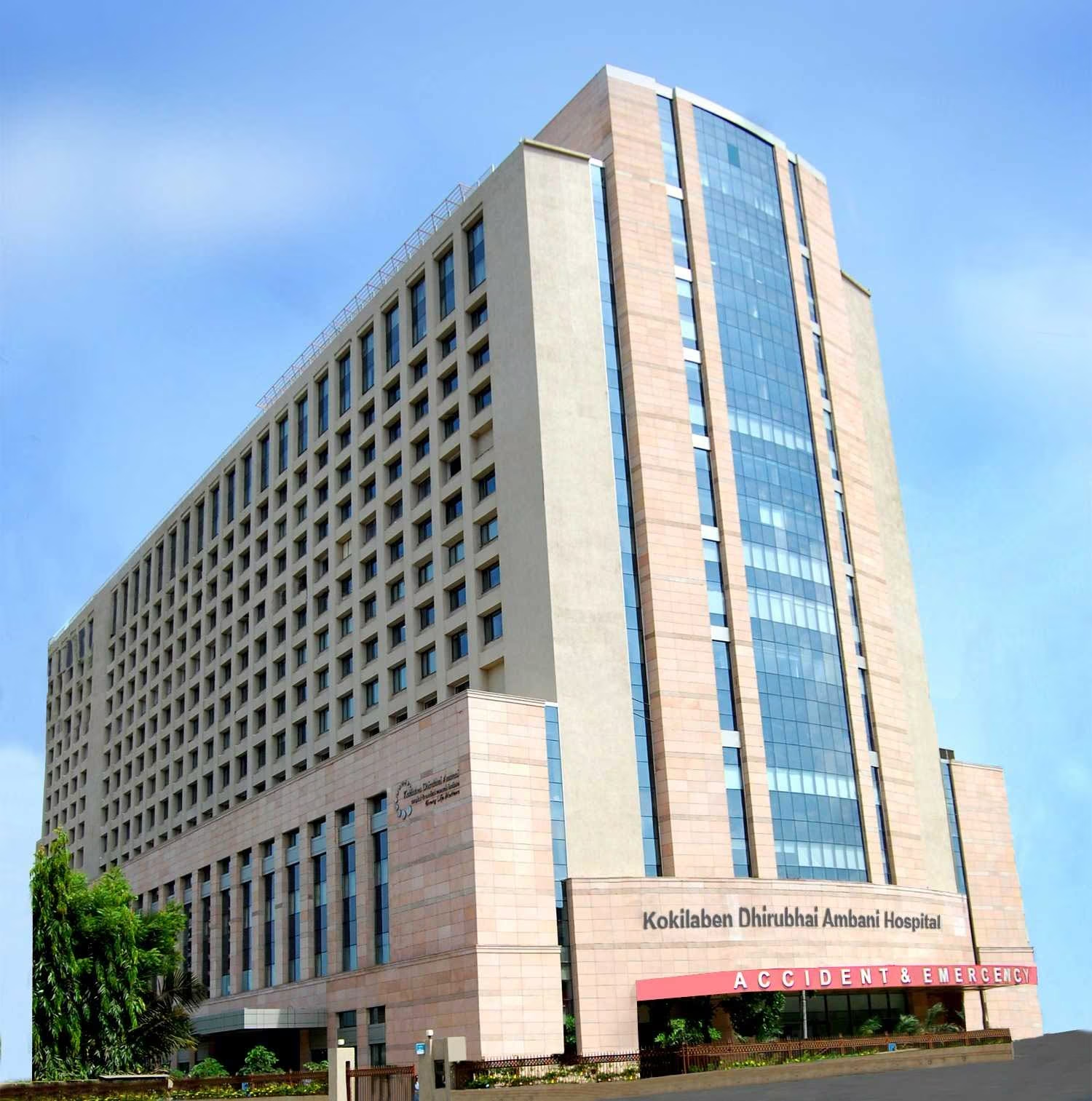
Hospitali ya Kokilaben Dhirubhai Ambani, Mumbai
Hospitali ya Kokilaben Dhirubhai Ambani, Mumbai, ni JCI, NABH, NABL, na hospitali ya quaternary iliyoidhinishwa na CAP iliyoanzishwa mwaka wa 2009. Pa...
Vibali


Vifaa
Hospitali za Medicover, Hitech City, Hyderabad
Hospitali za Medicover, Hitech City, Hyderabad, ni hospitali ya utaalamu wa hali ya juu yenye vitanda 400 iliyoidhinishwa na NABH iliyoanzishwa mwaka ...
Vibali


Vifaa
Madaktari wanaohusiana
Ungana na madaktari wenye uzoefu na wataalamu wa matibabu katika uwanja huu.
Indranil Khan
Consultant

Dkt. Chandramohan K
Senior Consultant

Dkt. Bhavin Visariya
Consultant

Dk Suraj Chiraniya
Senior Consultant
Dk. Ninad Katdare
Consultant

Dk. Ankit Mahuvakar
Consultant
Nakala zinazohusiana
Chunguza nakala zaidi na ufahamu juu ya mada sawa za kiafya.
Je! Upasuaji wa Mgongo Nje ya Nchi ni salama?

Jinsi ya Kujitayarisha kwa Kupandikiza Kiungo Nje ya Nchi: Orodha ya Hakiki ya Matibabu, Kisheria na Usafiri
Nchi Bora za Kupandikiza Kiungo: Mwongozo wa 2026 wa Gharama, Nyakati za Kusubiri, na Mahitaji ya Kisheria
Back Pain or Something More? When Does a Spine Tumor Require Surgery?

Je, Unaweza Kuishi Muda Gani Baada ya Kupandikiza Kiungo?
Nani Anaweza Kupata Kupandikiza Kiungo nchini India? Sheria za Kustahiki Zimefafanuliwa

Mwandishi
Tazama ZoteDk. Deepanshu Siwach ni mfamasia wa kimatibabu mwenye uzoefu na shahada ya Udaktari wa Famasia. Ana uzoefu wa zaidi ya miaka 4 na amefanya kazi na maelfu ya wagonjwa. Amehusishwa na baadhi ya hospit... Soma zaidi
Tovuti yetu hutumia kuki. Sera ya faragha.
