
Upasuaji wa Njia ya Tumbo Gharama katika India
Kuhusu Upasuaji wa Njia ya Tumbo
Upasuaji wa Gastric Bypass ni Nini?
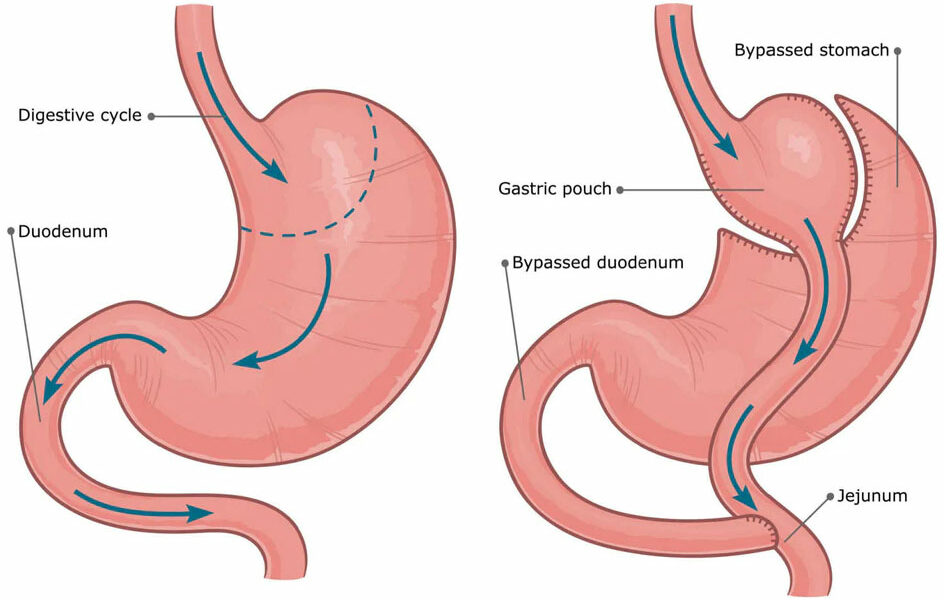
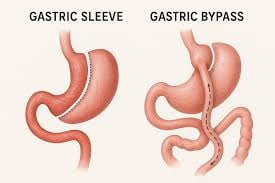
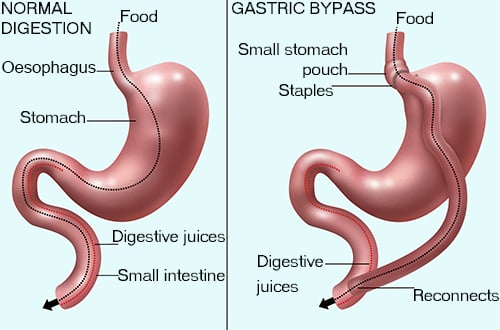
Upasuaji wa njia ya utumbo ni aina ya utaratibu wa kupunguza uzito ambao huingilia jinsi tumbo lako na utumbo mdogo hushughulikia chakula. Katika upasuaji huu, daktari wa upasuaji wa bariatric huunda mfuko mdogo kwenye sehemu ya juu ya tumbo. Kifuko hiki basi huunganishwa moja kwa moja katikati ya utumbo mwembamba. Husababisha kukwepa sehemu nyingine ya tumbo na utumbo mwembamba wa juu.
Matokeo yake, unahisi kushiba baada ya kula chakula kidogo, na mwili wako unachukua kalori chache. Hatua hii mbili (kula kidogo na kunyonya kidogo) husababisha kupoteza uzito kwa kasi. Upasuaji huo pia hubadilisha jinsi homoni fulani zinavyofanya kazi, kusaidia kudhibiti hamu ya kula na kuboresha viwango vya sukari kwenye damu.
Utaratibu huu unapendekezwa kwa watu walio na ugonjwa wa kunona sana ambao hawajaona matokeo kupitia lishe na mazoezi. Mara nyingi hutumiwa kutibu masuala ya afya kama vile aina ya 2 DM, shinikizo la damu, na apnea ya usingizi, ambayo yanahusishwa na fetma.
Nani Anahitaji Upasuaji wa Gastric Bypass?
Upasuaji wa gastric bypass inashauriwa kwa watu ambao wana uzito mkubwa na hawawezi kupoteza uzito kupitia mabadiliko ya maisha au dawa. Kwa kawaida hupendekezwa kwa wale walio na Body Mass Index (BMI) ya 40 au zaidi, au BMI ya 35 au zaidi wenye matatizo ya afya yanayohusiana na fetma.
Unaweza kuwa mgombea ikiwa una:
- Aina ya 2 ya kisukari ambayo ni ngumu kudhibiti
- Shinikizo la damu au ugonjwa wa moyo
- Apnea ya kuzuia usingizi
- Maumivu ya viungo au masuala ya uhamaji kutokana na uzito
- Ugonjwa wa ini wa mafuta au reflux ya asidi inayosababishwa na fetma
Madaktari pia huangalia umri wako, historia ya matibabu, na uwezo wa kufuata miongozo ya baada ya upasuaji. Uamuzi huo unategemea utayari wa kimwili na kiakili kwa upasuaji. Sio kila mtu anayehitimu, na tathmini kamili inahitajika kabla ya kuidhinishwa.
Je, ni Faida Gani za Upasuaji wa Gastric Bypass?
Upasuaji wa njia ya utumbo sio tu chombo cha kupoteza uzito lakini pia ni utaratibu wa kubadilisha maisha ambayo inaboresha afya kwa ujumla. Kubadilisha jinsi mfumo wa usagaji chakula unavyofanya kazi husaidia wagonjwa kushinda changamoto zinazohusiana na unene wa kupindukia na kusababisha afya njema ya muda mrefu. Faida huenda zaidi ya kiwango, kuathiri afya ya kimwili, ustawi wa kihisia, na maisha ya kila siku kwa njia za kudumu.
- Kupunguza Uzito kwa Ufanisi:Njia ya utumbo husaidia kupunguza uzito wa mwili kupitia vitendo viwili kuu. Inazuia kiasi gani unaweza kula kwa kufanya tumbo ndogo. Pia huweka kikomo cha kalori ngapi mwili wako unachukua kwa kupita sehemu ya utumbo mwembamba. Mchanganyiko huu husababisha kupoteza uzito haraka na kudumu zaidi kuliko lishe au mazoezi peke yake.
- Uboreshaji wa hali ya matibabu:Upasuaji mara nyingi husababisha msamaha au uboreshaji mkubwa katika hali kama vile kisukari cha aina ya 2, BP ya juu, na cholesterol ya juu. Wagonjwa wengi wanaona wanaweza kupunguza au kuacha dawa baada ya utaratibu. Pia husaidia katika kupunguza hatari ya kiharusi na ugonjwa wa moyo kwa muda.
- Msaada kutoka kwa Matatizo Yanayohusiana na Unene:Watu walio na apnea ya usingizi, maumivu ya viungo, reflux ya asidi, au ugonjwa wa ini ya mafuta mara nyingi huona nafuu baada ya kupoteza uzito. Kwa shinikizo la chini kwenye viungo na viungo, usumbufu wa kimwili huelekea kupungua, na kufanya harakati iwe rahisi na usingizi zaidi wa utulivu.
- Ubora wa Maisha ulioimarishwa:Baada ya upasuaji, kazi ya kila siku inakuwa rahisi. Viwango vya nishati hupanda, kujiamini kunaimarika, na watu wengi hufurahia hali bora ya kihisia. Mabadiliko haya mara nyingi husababisha ushiriki mkubwa katika shughuli za kijamii, familia, na kazi.
- Manufaa ya Afya ya Muda Mrefu:Kwa usimamizi thabiti wa uzito na utunzaji wa ufuatiliaji, wagonjwa mara nyingi huishi maisha marefu na yenye afya. Upasuaji huo unapunguza hatari ya magonjwa kadhaa sugu na inaboresha umri wa kuishi kwa watu wanaokabiliwa na ugonjwa wa kunona sana.
Upasuaji wa Gastric Bypass Unafanywaje?
Upasuaji wa njia ya utumbo ni utaratibu unaorekebisha jinsi mfumo wa usagaji chakula unavyoshughulikia chakula. Inapunguza ni kiasi gani mtu anaweza kula na kubadilisha jinsi virutubisho vinavyofyonzwa. Upasuaji wa kupoteza uzito kawaida hufanywa kwa kutumia mbinu ya uvamizi mdogo, ambayo husaidia kupunguza muda wa kupona na hatari za upasuaji.
- Uundaji wa Mfuko wa Tumbo Ndogo:Daktari wa upasuaji huanza kwa kugawanya tumbo katika sehemu mbili. Mfuko mdogo huundwa juu, ambayo inakuwa tumbo jipya la kazi. Mfuko huu unashikilia chakula kidogo, na kusaidia wagonjwa kujisikia kushiba haraka.
- Urekebishaji wa njia ya utumbo mdogo:Sehemu ya utumbo mwembamba imejitenga na kuunganishwa tena kwenye mfuko mdogo wa tumbo. Inapita sehemu ya chini ya tumbo na sehemu ya juu ya utumbo mdogo, kupunguza unyonyaji wa kalori na virutubishi.
- Njia ya Laparoscopic au Robotic:Upasuaji kawaida hufanywa kwa njia ya laparoscopy kwa kutumia chale ndogo. Kamera na vyombo vinaingizwa ili kukamilisha hatua bila kufungua tumbo. Katika baadhi ya hospitali, mifumo ya roboti hutumiwa kwa usahihi zaidi na udhibiti.
- Muda na Urejeshaji:Kawaida utaratibu huchukua masaa mawili hadi manne. Wagonjwa wengi wa upasuaji wa bariatric hukaa hospitalini kwa siku tano hadi saba na huanza kutembea ndani ya masaa 24 hadi 48. Maji huletwa hatua kwa hatua, ikifuatiwa na vyakula laini chini ya uongozi wa mtaalamu wa lishe.
Pata mpango wa matibabu ya bure
Kuhusu Upasuaji wa Njia ya Tumbo katika India
What is the Cost of Gastric Bypass Surgery in India?
The cost of gastric bypass surgery in India generally falls between ₹4,00,000 and ₹6,00,000. In US dollars, this equals approximately $5,000 to $7,500, depending on the exchange rate. This range covers the standard laparoscopic procedure in most accredited hospitals. It includes the surgeon's fee, anesthesia charges, hospital stay, preoperative tests, and immediate post-surgery care.
If the surgery is done using robotic assistance or advanced laparoscopic equipment, the cost may rise to ₹8,50,000, or around $10,200. In contrast, a simplified version like the mini gastric bypass is usually less expensive, with prices starting from ₹3,50,000 or $4,200.
Each hospital has its own pricing system based on the surgeon's experience, hospital reputation, and whether the package includes extra services like diet consultations, extended stay, or interpreter support. Patients are encouraged to confirm what is included before committing, as this ensures clarity on total expenses.
What's Typically Included
The quoted price for gastric bypass surgery usually covers all primary medical services during the hospital stay. It includes the surgeon's fee, anesthesia, operating theatre use, hospital room charges, routine nursing care, and the medications given while admitted. Pre-surgery evaluations such as blood tests, ECG, and imaging are also commonly included, along with consultations from the surgical and anesthesia teams. In some hospitals, initial dietary counseling and a few follow-up visits after discharge are part of the package.
What's Usually Not Included
Certain costs fall outside the standard surgical package. These often include medicines needed after discharge, special supplements, and extended hospital stays due to unexpected complications. If additional scans or procedures are required beyond the standard workup, they may be charged separately. Accommodation for family members, personal meals, interpreter services, and airport transfers are not usually part of the base price. International patients should also budget for airfare and visa fees, which the hospital does not handle.
Breakdown of Gastric Bypass Surgery Costs in India
- Pre-Surgery Evaluation: A complete set of diagnostic tests is done before surgery to assess your health. These may include blood work, ECG, imaging scans, and other checks. The cost varies by hospital and usually falls between ₹15,000 and ₹30,000.
- Surgical Procedure: The main surgical cost includes the use of surgical instruments, staplers, the surgeon's fee, anesthesia, and operation room charges. Standard laparoscopic surgery starts from ₹3,50,000 and can go up to ₹6,00,000, depending on the technique used.
- Hospital Stay and Immediate Recovery: You will stay in the hospital for 5 to 7 days under close monitoring. Room category, medication, and nursing care affect the cost, which ranges from ₹50,000 to ₹1,00,000.
- Post-Surgery Counseling: Nutritional counseling, psychological evaluation, and follow-up with a dietician are essential. If not included in the main package, this typically costs between ₹10,000 and ₹25,000.
- Follow-Up Visits: Most hospitals include 1 or 2 free follow-ups. Additional visits, if required, may cost between ₹5,000 and ₹10,000.
Cost Component | Estimated Price (INR) | Estimated Price (USD) |
Pre-Surgery Evaluation | ₹15,000 – ₹30,000 | $180 – $360 |
Surgery and Equipment | ₹3,50,000 – ₹6,00,000 | $4,200 – $7,200 |
Hospital Stay & Recovery | ₹50,000 – ₹1,00,000 | $600 – $1,200 |
Counseling & Support | ₹10,000 – ₹25,000 | $120 – $300 |
Follow-Up Consultations | ₹5,000 – ₹10,000 | $60 – $120 |
Cost Comparison with Other Countries
Gastric bypass surgery in India is far more affordable compared to many countries offering similar standards of care.
- In the United States, the cost typically ranges from $20,000 to $35,000. It often excludes additional charges like pre-op consultations, follow-up visits, and extended stays.
- In the UK and Australia, prices can fall between $17,000 and $30,000, with longer waiting periods and more expensive hospital services.
Other medical tourism hubs such as Thailand and the UAE offer the surgery at lower prices than Western countries, but still higher than in India.
- Thailand's rates range between $7,000 and $12,000, while the UAE averages around $15,000 to $25,000 due to higher hospital operating costs.
- In comparison, India offers the same procedure starting at just $5,000, often as an all-inclusive package, making it a cost-effective and transparent option for international patients.
Country | Average Cost (USD) | Inclusions and Considerations |
| India | $5,000 – $7,500 | Includes hospital stay, surgery, and basic tests |
| USA | $20,000 – $35,000 | Often excludes follow-ups and stay extras |
| UK | $18,000 – $30,000 | Public hospitals have long waitlists |
| Australia | $17,000 – $28,000 | Higher due to service and facility charges |
| UAE | $15,000 – $25,000 | Expensive due to imported tech and workforce |
| Thailand | $7,000 – $12,000 | Slightly higher but competitive in Asia |
What are the Factors Affecting Gastric Bypass Surgery Cost in India?
The total cost of gastric bypass surgery in India depends on several elements. These factors vary by location, hospital infrastructure, and the patient's specific health needs. Knowing these cost-determinant factors helps patients make informed decisions and prepare financially.
- Choice of Hospital and City: Hospitals in metro cities with international certifications often charge more. Facilities with advanced infrastructure, robotic equipment, and multilingual support teams have higher service fees.
- Experience of the Surgeon: Surgeons with global training, a high volume of successful surgeries, and advanced certifications may charge premium fees. However, their skill often ensures fewer complications and shorter recovery times.
- Type of Surgery Performed: Traditional laparoscopic surgery is cost-effective, while robotic-assisted surgery costs more due to the technology involved. The use of imported staplers or special instruments also adds to the cost.
- Length of Hospital Stay: Longer recovery or unplanned ICU stays due to medical complications increase room and service charges. Choosing a higher room category, such as a deluxe private room, also affects the total bill.
- Add-On Services and Post-Op Care: Some packages include dietary counseling, post-op follow-ups, and airport transfers for international patients. When these services are billed separately, the total expense rises.
Why Is Gastric Bypass Surgery Cheaper in India?
Gastric bypass surgery in India costs less due to a combination of factors that reduce overall healthcare expenses without affecting the quality of treatment.
- Lower Hospital Operating Costs: Hospitals in India manage daily operations at significantly lower costs compared to Western facilities. From building maintenance to staffing, the overall expenses are reduced. It enables them to offer surgical packages at more accessible rates.
- Affordable Surgeon and Staff Fees: Highly skilled surgeons in India often charge less than their peers in the US or UK. Despite the lower cost, many have received training abroad and perform large volumes of surgeries each year, ensuring both expertise and efficiency.
- Locally Manufactured Medical Supplies: India produces many of its own surgical tools and medical equipment. Since there are fewer import costs, hospitals can avoid the high expenses tied to foreign-made products, and patients benefit from this price advantage.
- Lower Cost of Living: The general cost of living in India is low, and this is reflected in hospital room charges, meals, diagnostics, and post-operative care. These savings directly reduce the total expense for medical travelers.
- Efficient Healthcare Delivery: Indian hospitals offer packaged services that combine diagnostics, surgery, accommodation, and post-op care. This streamlined approach lowers administrative overhead and makes the pricing transparent and predictable.
Services for International Patients Undergoing Gastric Bypass Surgery in India
Traveling abroad for medical care can feel overwhelming, especially after a major surgery like a gastric bypass. To ease this journey, many Indian hospitals offer dedicated services designed specifically for international patients. These services help bridge language, cultural, and logistical gaps. With personalized care and coordinated support, patients from around the world can focus on healing while everything else is taken care of.
- Pre-Treatment Support: Hospitals that serve international patients usually offer end-to-end support starting before your journey. It includes help with choosing the right surgeon, arranging online consultations, and receiving a detailed cost estimate. Many hospitals also provide a visa invitation letter to speed up the medical visa process. A dedicated case manager may be assigned to answer questions and coordinate appointments before arrival.
- Airport Pickup and Transportation: Upon landing in India, patients are welcomed by a hospital representative or travel coordinator. Airport transfers are arranged in advance to ensure comfort and safety. Some hospitals offer private transport not only for the initial pickup but also for local travel between the hospital and hotel, if needed during the stay.
- Language and Translation Services: To avoid communication issues, many hospitals employ interpreters who speak Arabic, French, Russian, Swahili, and other languages. Written documents, consent forms, and dietary instructions are also available in different languages to ensure clarity and comfort throughout the treatment process.
- Accommodation for Attendants: Patients traveling with family members or caregivers can access hospital guest rooms, hotel tie-ups, or nearby serviced apartments. These accommodations are clean, secure, and located close to the hospital, making it easier for attendants to be present during the recovery phase.
- Cultural and Dietary Considerations: Special dietary arrangements are made for international patients based on their religious or cultural needs. Hospitals take care to respect meal preferences, whether halal, vegetarian, or otherwise. Some facilities also offer prayer areas and customized amenities to make patients feel more at home.
- Post-Treatment Follow-Up: Once the surgery is complete and the patient returns home, support continues through virtual follow-ups. Hospitals often arrange video consultations and share medical reports electronically. Ongoing access to dietitians and the surgical team helps ensure proper recovery and weight management after returning to your country.
What is the Success Rate of Gastric Bypass Surgery?
Gastric bypass procedure has one of the highest success rates among bariatric surgeries. When performed by trained specialists and followed by proper aftercare, it leads to significant weight loss and long-term health benefits.
- Weight Loss Outcomes: Patients typically lose between 60% and 80% of their excess weight within 12 to 18 months. Most of this weight is lost in the first year, with continued improvement in the second year.
- Surgical Safety and Complication Rates: Modern gastric bypass surgery, especially when done laparoscopically, has a complication rate of less than 5%. With experienced surgeons and proper pre-surgery screening, the risk of significant problems is very low.
- Long-Term Results: Studies show that most patients maintain their weight loss for over 10 years after surgery. Continued medical follow-ups, proper nutrition, and lifestyle adjustments are key to staying healthy after the procedure.
Recovery Timeline After Gastric Bypass Surgery
Recovery after gastric bypass surgery takes place in stages and requires both medical support and personal commitment. Healing is not just physical. It involves adapting to a new diet, lifestyle, and mindset. The recovery timeline varies slightly for each person, but most follow a structured pattern that begins in the hospital and continues for several months. Knowing what to expect at each stage helps patients prepare for a smoother and more successful outcome.
Hospital Stay: First 5 to 7 Days
Most patients stay in the hospital for about five to seven days after the procedure. During this time, doctors monitor vital signs, manage pain, and watch for complications such as bleeding or infection. Patients start drinking clear fluids within 24 to 48 hours and may begin walking short distances to promote blood circulation. Nutritionists begin educating patients on how to transition to a new diet.
Week 1 to Week 3: Early Recovery at Home
Once discharged, gastric bypass patients continue their recovery at home. During this period, activity levels remain low, and the focus is on healing and adjusting to a liquid or puréed diet. The body starts to adapt to the new digestive system. Mild fatigue, soreness, or constipation may occur but gradually improve. Doctors usually schedule a follow-up appointment within the first two weeks to check wound healing and progress.
Week 4 to Week 6: Return to Light Activity
By the fourth week, many patients feel more energetic. They begin to eat soft, protein-rich foods and may resume light activities such as short walks, desk jobs, or basic household tasks. Physical strain and lifting heavy objects are still avoided. Energy levels steadily rise, and many patients report improved mood and sleep patterns.
Week 7 to Week 12: Full Transition to Solid Food
Between weeks seven and twelve, patients slowly reintroduce regular solid food. Meals remain small and low in sugar and fat. Chewing thoroughly and eating slowly are crucial to avoid nausea or discomfort. Regular physical activity is encouraged, and patients may start low-impact exercises like swimming, cycling, or yoga with medical approval.
3 Months and Beyond: Long-Term Maintenance
By the third month, the body has adjusted to the new anatomy. Most patients experience steady weight loss, often averaging 5 to 7 kilograms per month. Energy improves, clothing fits better, and co-existing health issues like diabetes and blood pressure start showing noticeable improvement. Regular checkups continue to monitor vitamin levels, weight trends, and mental health. Long-term success depends on sticking to dietary guidelines, taking supplements, and staying active.
Upasuaji wa Njia ya Tumbo kulinganisha gharama na nchi
Linganisha Upasuaji wa Njia ya Tumbo gharama katika nchi tofauti kufanya uamuzi sahihi juu ya matibabu yako.
| Nchi | Anuwai ya gharama (USD) | Akiba inayowezekana | Hatua |
|---|---|---|---|
IndiaSasaThamani bora | $5,000 - $75,000 | — | Pata nukuu |
Kumbuka: Gharama zinaweza kutofautiana kulingana na uchaguzi wa hospitali, aina ya chumba, huduma za ziada, na mahitaji ya matibabu ya mtu binafsi.
Hospitali zinazoongoza kwa Upasuaji wa Njia ya Tumbo katika India

BLK-Max Super Specialty Hospital, New Delhi
BLK-Max Super Specialty Hospital huko New Delhi ni mojawapo ya taasisi kuu za afya ya India, inayotoa vitanda 650, kumbi 22 za upasuaji za hali ya juu...
Vibali


Vifaa

Hospitali ya Maalum ya Max Smart Super, Saket, New Delhi
Max Smart Super Specialty Hospital, Saket, ni hospitali ya huduma ya juu ya vitanda 250 huko Delhi Kusini. Inatoa huduma ya juu ya matibabu na upasuaj...
Vibali
Vifaa
Hospitali ya PSRI, Delhi
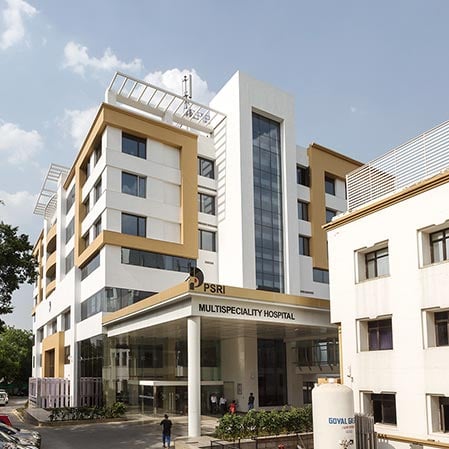
Taasisi ya Utafiti ya Pushpawati Singhania (Hospitali ya PSRI), New Delhi, ni hospitali inayoongoza ya huduma ya juu ya elimu ya juu iliyoanzishwa mwa...
Vibali
Vifaa
Taratibu zinazofanana
Matunzio
Maswali
Mhakiki
Tazama Zote
Dr. Arun Prasad is a highly accomplished Surgical Gastroenterologist based in South Delhi, with over 35 years of extensive experience in general, gastrointestinal, bariatric, and robotic surgery. He... Soma zaidi

Tovuti yetu hutumia kuki. Sera ya faragha.