
Hysterectomy Gharama katika India
Kuhusu Hysterectomy
Hysterectomy ni nini?
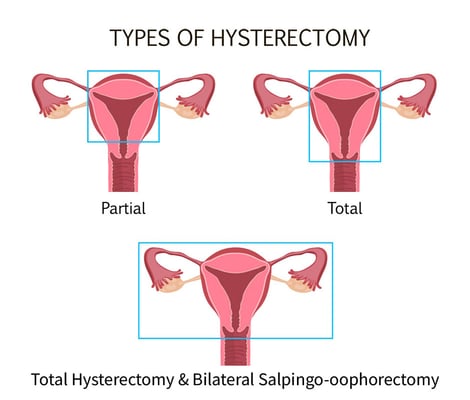
Hysterectomy, pia inajulikana kamaupasuaji wa kuondoa uterasi, ni utaratibu unaoondoa mfuko wa uzazi ili kutibu magonjwa mbalimbali yanayoathiri afya ya uzazi ya wanawake. Madaktari wanapendekeza wakati matibabu mengine yanaposhindwa kudhibiti dalili kama vile kutokwa na damu nyingi, maumivu makali, au uwepo wa uvimbe.
Mara baada ya uterasi kuondolewa, hedhi huacha kabisa, na mwanamke hawezi kuwa mjamzito. Hata hivyo, utaratibu mara nyingi huleta msamaha kutoka kwa usumbufu wa muda mrefu na kuboresha ubora wa maisha.
Madaktari wa upasuaji nchini India hufanya aina tofauti za taratibu za hysterectomy kulingana na hali:
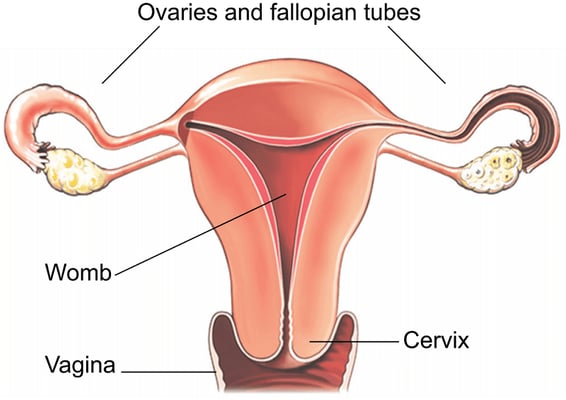
- Jumla ya hysterectomy:Huondoa uterasi na kizazi.
- Upasuaji wa sehemu (ndogo):Huondoa sehemu ya juu tu ya uterasi, na kuacha seviksi ikiwa shwari.
- Hysterectomy kali:Huondoa seviksi, uterasi, na tishu zinazozunguka, kwa kawaida kwa saratani.
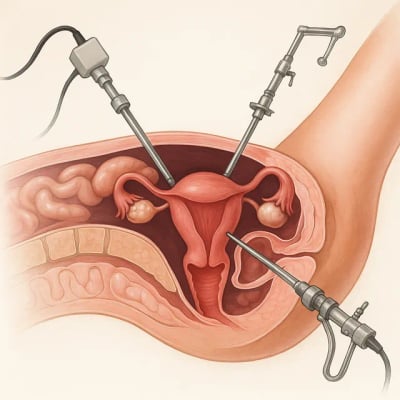
Hospitali za kisasa sasa zinafanya kazihysterectomy ya laparoscopicnahysterectomy iliyosaidiwa na roboti, ambayo inahusisha chale ndogo badala ya upasuaji wa wazi. Mbinu hizi husababisha maumivu kidogo, kupoteza damu kidogo, na kupona haraka.
Ni Masharti Gani Yanayohitaji Hysterectomy?
Madaktari wanapendekeza upasuaji wa kuondoa uterasi wakati mwanamke anapatwa na maumivu ya muda mrefu ya pelvic, kutokwa na damu nyingi, au magonjwa yanayoathiri uterasi na viungo vya karibu. Upasuaji unakuwa muhimu wakati dawa au matibabu yasiyo ya uvamizi yanaposhindwa kudhibiti dalili au kuacha kuendelea kwa ugonjwa.
- Fibroids ya Uterine:Fibroids ni ukuaji usio na kansa ndani ya uterasi. Ukuaji huu unaweza kusababisha kutokwa na damu nyingi, maumivu ya pelvic, na uvimbe. Wakati fibroids inakua kubwa au kurudi baada ya matibabu mengine, hysterectomy ya laparoscopic hutoa unafuu wa kudumu na kuzuia kujirudia.
- Endometriosis:Tishu zinazozunguka uterasi hukua nje ya uterasi, na kusababisha maumivu na kutokwa na damu bila mpangilio. Katika hali mbaya, kuondoa uterasi husaidia kuondoa chanzo cha maumivu na kurejesha faraja.
- Kuvimba kwa Uterasi:Prolapse hutokea wakati misuli ya pelvic iliyodhoofika inasababisha uterasi kuanguka kwenye mfereji wa uke. Hysterectomy hurekebisha tatizo, hupunguza shinikizo, na kurejesha muundo wa pelvic.
- Kutokwa na damu kwa Uterasi kwa muda mrefu:Wanawake wengine hupata damu ya hedhi isiyodhibitiwa ambayo haijibu dawa au tiba ya homoni. Kuondoa uterasi huacha kutokwa na damu kabisa na kuboresha ustawi wa jumla.
- Adenomyosis:Katika hali hii, safu ya ndani ya uterasi inakua ndani ya safu ya misuli, na kusababisha maumivu, vipindi vizito. Upasuaji wa kuondoa uterasi huwa chaguo bora zaidi wakati maumivu na kutokwa na damu huingilia maisha ya kila siku.
- Saratani ya Uterasi, Mlango wa Kizazi au Ovari:Wakati saratani inakua ndani au karibu na uterasi, madaktari hufanya upasuaji wa kuondoa tishu zote zilizoathiriwa. Upasuaji huu huzuia kuenea kwa saratani na kuboresha nafasi za kuishi.
- Maambukizi makali au Shida:Katika hali nadra, maambukizo, kiwewe, au matatizo kutoka kwa upasuaji uliopita huharibu uterasi zaidi ya kurekebishwa. Upasuaji wa upasuaji basi inakuwa muhimu ili kulinda afya ya mgonjwa na kuzuia hali zinazohatarisha maisha.
Je, Hysterectomy Inafanywaje?
Madaktari wa upasuaji hufanya hysterectomy chinianesthesia ya jumla, kulingana na hali ya mgonjwa. Lengo la utaratibu ni kuondoa uterasi kwa usalama wakati wa kulinda viungo vya karibu kama vile kibofu na ovari. Mbinu inategemea ugonjwa huo, ukubwa wa uterasi, na upendeleo wa mgonjwa.
Upasuaji wa kuondoa uterasi kawaida huchukuasaa mbili hadi tatu, kulingana na njia iliyotumiwa na utata wa kesi. Wagonjwa wengi huanza kutembea siku inayofuata na polepole huanza shughuli za kila siku kwa wiki chache zijazo.
Hysterectomy ya Tumbo
- Katika hysterectomy ya tumbo, daktari wa upasuaji hufanya chale kwenye tumbo la chini.
- Mbinu hii inaruhusu mwonekano wazi wa miundo ya pelvic na inapendekezwa wakati fibroids kubwa au saratani iko.
- Wagonjwa kawaida hukaa hospitalini kwa siku nne hadi tano baada ya upasuaji huu.
Hysterectomy ya Uke
- Katika hysterectomy ya uke, madaktari wa upasuaji huondoa uterasi kupitia mfereji wa uke, bila chale yoyote ya tumbo.
- Madaktari wanapendekeza njia hii wakati uterasi ni ya ukubwa wa kawaida na sakafu ya pelvic ni imara.
- Ahueni ni haraka, na muda wa kukaa hospitalini kwa ujumla ni mfupi.
Upasuaji wa Laparoscopic
- Katika upasuaji huu usio na uvamizi mdogo, daktari wa upasuaji hufanya mikato machache kwenye tumbo.
- Mrija mwembamba wenye kamera (laparoscope) huongoza upasuaji, wakati vyombo maalum huondoa uterasi kwa usalama.
- Njia hii husababisha maumivu kidogo, upotezaji mdogo wa damu, na uponyaji wa haraka.
- Wagonjwa wengi huenda nyumbani ndani ya siku mbili hadi tatu.
Upasuaji unaosaidiwa na Roboti
- Upasuaji unaosaidiwa na roboti humpa daktari wa upasuaji usahihi ulioimarishwa na maono ya 3D.
- Inaruhusu mienendo inayodhibitiwa na ufikiaji bora wa maeneo ambayo ni ngumu kufikiwa.
- Mbinu hii ni ya manufaa kwa hysterectomy tata au inayohusiana na saratani na inaongoza kwa matokeo bora ya kurejesha.
Pata mpango wa matibabu ya bure
Kuhusu Hysterectomy katika India
What Is the Cost of a Hysterectomy in India?
The average cost of a hysterectomy in India ranges from USD 2,000 to 4,000, depending on the surgical method, the city, and the hospital facilities.
Expense Category | Estimated Cost (USD) |
| Pre-surgery tests and consultation | 150 – 300 |
| Surgeon and anesthesia charges | 800 – 1,200 |
| Operating theatre and equipment | 400 – 700 |
| Hospital stay (2–4 days) | 400 – 600 |
| Post-surgery medicines and care | 250 – 400 |
| Total Estimated Cost | 2,000 – 4,000 |
Cost Variation by Surgery Type
Type of Hysterectomy | Estimated Cost (USD) |
| Vaginal Hysterectomy | 2,000 – 2,500 |
| Abdominal Hysterectomy | 2,500 – 3,000 |
| Laparoscopic Hysterectomy | 3,000 – 3,500 |
| Robotic Hysterectomy | 3,500 – 4,000 |
Minimally invasive methods like laparoscopic and robotic hysterectomy cost slightly more but offer faster recovery, smaller scars, and less postoperative pain.
Value for International Patients
Patients from abroad benefit from transparent pricing and all-inclusive packages that cover the main medical expenses. Hospitals also provide complete assistance for travel, accommodation, and visa documentation, ensuring a smooth experience from arrival to recovery.
What Does the Cost of a Hysterectomy in India Include and Exclude?
Hospitals in India offer well-defined hysterectomy packages to simplify treatment planning and make it transparent. Knowing what is included in the cost helps patients prepare their budgets confidently and avoid surprises later.
Inclusions:
The standard hysterectomy package in India generally includes:
- Preoperative evaluation, including blood tests, imaging, and specialist consultations.
- Surgeon and anesthesia charges for the entire duration of the operation.
- Operation theatre expenses, including surgical instruments and disposables.
- Hospital stay for 2–4 days, including nursing and room facilities.
- Medications and intravenous fluids during the hospital stay.
- Post-surgery monitoring and follow-up check before discharge.
- Routine pain management and wound dressing until recovery is stable.
These inclusions ensure that most essential medical expenses are part of a single, transparent package.
Exclusions:
Some costs fall outside the main package and depend on each patient's unique needs.
- International and domestic travel expenses.
- Accommodation or meals outside the hospital for patients and attendants.
- An extended hospital stay beyond the standard recovery period.
- Special diagnostic tests, such as MRI, biopsy, or hormonal analysis, if advised separately.
- Post-discharge medications for continued care at home.
What Factors Affect the Cost of Hysterectomy in India?
The total cost of uterus removal surgery in India depends on several medical and non-medical factors. Each patient's case is unique, and the final estimate reflects the surgery type, condition severity, and overall treatment plan.
- Type of Surgery Performed: The cost varies depending on the surgical approach. A laparoscopic or robotic hysterectomy costs more than a vaginal or open procedure because of advanced equipment and specialized instruments.
- Underlying Condition: Hysterectomy for fibroids or prolapse costs less than surgery for cancer or complex endometriosis. Cancer-related cases require additional testing, longer surgery, and advanced reconstruction, which affect the total cost.
- Duration of Hospital Stay: Most patients stay for two to four days after surgery. Extended stays for observation, infection control, or slow recovery increase accommodation and medication expenses.
- Diagnostic and Preoperative Tests: Ultrasound, MRI, or biopsy may be necessary before surgery to confirm the diagnosis and plan the procedure. Each additional test adds to the total package cost but ensures precise surgical outcomes.
- Patient's Age and Health Condition: Older patients or those with conditions such as diabetes, hypertension, or obesity require extra monitoring and medication. These factors may increase the total cost.
- Technology and Hospital Infrastructure: Hospitals equipped with robotic systems, advanced ICUs, and digital monitoring charge higher fees, but they offer safer surgery and faster recovery.
- Postoperative Care and Follow-Up: Some patients need physiotherapy, hormone therapy, or dietary counseling after surgery. These services add to the total expense based on personal recovery requirements.
How Does the Cost of Hysterectomy in India Compare with Other Countries?
India offers high-quality hysterectomy surgery at a significantly lower cost than in most Western and Asian countries. Patients receive advanced care, modern surgical options, and personalized recovery support, all at a fraction of international prices.
Country | Average Cost (USD) | Savings Compared to India |
| India | 2,000 – 4,000 | — |
| United States | 10,000 – 18,000 | 75–85% |
| United Kingdom | 8,000 – 14,000 | 70–80% |
| Singapore | 6,000 – 8,500 | 50–60% |
| Thailand | 4,500 – 6,000 | 35–45% |
| UAE | 7,000 – 10,000 | 55–65% |
Even with travel and accommodation expenses, patients save up to 80% by choosing India for hysterectomy surgery. The combination of affordability, safety, and advanced technology makes India one of the most trusted destinations for women's health procedures worldwide.
What Is the Recovery and Hospital Stay Like After a Hysterectomy?
Recovery after a hysterectomy depends on the type of surgery performed and the patient's overall health. Most women recover steadily, regain strength within a few weeks, and experience noticeable relief from symptoms that affect their quality of life.
Hospital Stay
- The hospital stay usually lasts two to four days.
- Patients who undergo laparoscopic or vaginal hysterectomy often go home sooner than those who have open abdominal surgery.
- During this time, doctors monitor vital signs, control pain, and ensure the bladder and bowels function normally before discharge.
Immediate Recovery Phase
- In the first 24–48 hours, patients rest in bed and receive fluids and medication through an IV line.
- Doctors encourage gentle walking soon after surgery to improve circulation and prevent stiffness.
- A urinary catheter may stay in place for a day or two and is removed once normal function returns.
At-Home Recovery
Once discharged, patients continue recovery at home with the following guidelines:
- Eat light, nutritious meals and stay hydrated.
- Avoid lifting heavy weights for 4 to 6 weeks.
- Take prescribed medicines regularly.
- Keep the surgical site clean and dry.
- Attend follow-up visits for wound checks and progress review.
Light activities such as walking or desk work can usually begin after 2 weeks, while full recovery may take 6 to 8 weeks, depending on the surgical method.
What Is the Success Rate of Hysterectomy in India?
The success rate of hysterectomy in India ranges from 95% to 98%, depending on the type of surgery and the patient's overall health. This high success rate reflects India's advanced surgical technology, skilled specialists, and structured postoperative care.
For most women, a hysterectomy completely resolves symptoms such as heavy bleeding, chronic pelvic pain, or fibroid-related discomfort. Patients report significant improvement in energy levels, emotional balance, and daily comfort within weeks of recovery.
Complications are rare when experienced gynecologic surgeons perform surgery. Modern laparoscopic and robotic techniques reduce blood loss, infection risk, and recovery time, ensuring safer outcomes for all age groups.
International and local patients consistently report high satisfaction after hysterectomy in India. Relief from long-term symptoms and renewed physical comfort improve confidence, mobility, and overall well-being.
Why Should You Choose India for Hysterectomy?
India stands out as a leading MVT destination for hysterectomy, combining advanced care, skilled surgeons, and affordable pricing. International patients receive quality treatment with comfort, safety, and personalized attention.
- Expert Gynecologic Surgeons: India's surgeons perform thousands of hysterectomies every year. Their experience ensures precision, minimal complications, and excellent recovery outcomes.
- Advanced Medical Infrastructure: Hospitals use modern laparoscopic and robotic systems that reduce pain, accelerate healing, and lower infection risk.
- Affordable and Transparent Cost: Treatment costs in India are 70–80% lower than in Western countries. Hospitals provide clear, all-inclusive packages with no hidden charges.
- Comprehensive International Support: Dedicated teams assist with visa documentation, airport transfers, and accommodation, ensuring a seamless experience for international patients.
- Short Waiting Time: Patients can schedule surgery within days of sharing medical reports, allowing faster diagnosis and quicker recovery.
- Comfortable Communication: English-speaking staff and culturally sensitive care make communication simple and stress-free throughout the treatment journey.
- Proven Global Trust: India's consistently high success rates, modern facilities, and patient-focused approach attract women from more than 70 countries each year.
Hysterectomy kulinganisha gharama na nchi
Linganisha Hysterectomy gharama katika nchi tofauti kufanya uamuzi sahihi juu ya matibabu yako.
| Nchi | Anuwai ya gharama (USD) | Akiba inayowezekana | Hatua |
|---|---|---|---|
IndiaSasaThamani bora | $2,000 - $4,000 | — | Pata nukuu |
Kumbuka: Gharama zinaweza kutofautiana kulingana na uchaguzi wa hospitali, aina ya chumba, huduma za ziada, na mahitaji ya matibabu ya mtu binafsi.
Hospitali zinazoongoza kwa Hysterectomy katika India

BLK-Max Super Specialty Hospital, New Delhi
BLK-Max Super Specialty Hospital huko New Delhi ni mojawapo ya taasisi kuu za afya ya India, inayotoa vitanda 650, kumbi 22 za upasuaji za hali ya juu...
Vibali


Vifaa

Hospitali ya Maalum ya Max Smart Super, Saket, New Delhi
Max Smart Super Specialty Hospital, Saket, ni hospitali ya huduma ya juu ya vitanda 250 huko Delhi Kusini. Inatoa huduma ya juu ya matibabu na upasuaj...
Vibali
Vifaa

Hospitali ya PSRI, Delhi
Taasisi ya Utafiti ya Pushpawati Singhania (Hospitali ya PSRI), New Delhi, ni hospitali inayoongoza ya huduma ya juu ya elimu ya juu iliyoanzishwa mwa...
Vibali
Vifaa
Taratibu zinazofanana
Matunzio
Maswali
Mhakiki
Tazama Zote
Dr. Anita K. Sharma is a highly respected obstetrician and gynaecologist with over four decades of clinical, academic, and leadership experience. She has managed complex high-risk pregnancies and ad... Soma zaidi

Tovuti yetu hutumia kuki. Sera ya faragha.