Tiba inayolengwa Gharama katika India
Kuhusu Tiba inayolengwa
Je, ni Tiba Inayolengwa katika Matibabu ya Saratani?
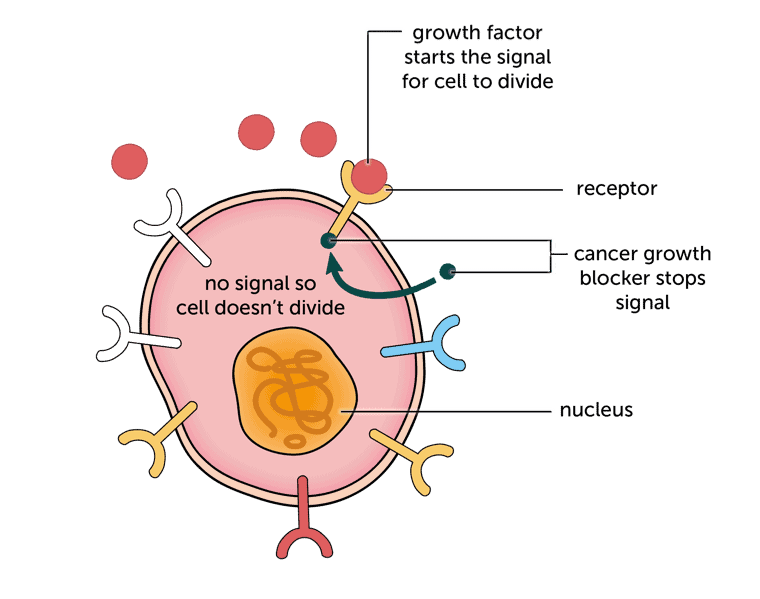
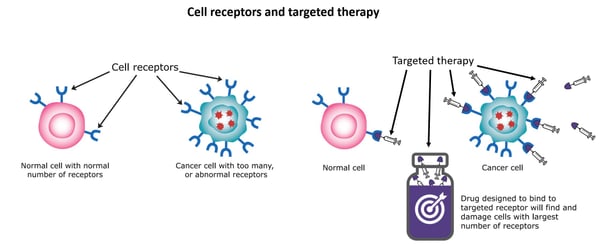
Tiba inayolengwa ni aina ya matibabu ya saratani ambayo hutumia dawa au vitu vingine kutambua na kushambulia seli za saratani huku zikiokoa seli nyingi zenye afya. Tofauti na chemotherapy ya kitamaduni, ambayo huathiri seli zinazogawanyika kwa haraka kwa ujumla, tiba inayolengwa hufanya kazi kwa kuingilia molekuli maalum zinazohusika katika ukuaji wa seli za saratani, kuendelea na kuendelea kuishi.
Dawa hizi zimeundwa "kulenga" upungufu katika jeni au protini ambazo zinawajibika kwa mgawanyiko usiodhibitiwa wa seli za saratani. Kwa kuzuia ishara hizi muhimu, tiba inayolengwa inaweza kuzuia saratani kukua au kutokomeza seli za saratani. Katika baadhi ya matukio, inaweza kusaidia mfumo wa kinga kutambua na kupambana na tumor kwa ufanisi zaidi.
Tiba inayolengwa hutumiwa sana katika saratani kama vile:
- Saratani ya matiti (HER2-chanya)
- Saratani ya mapafu (EGFR au mabadiliko ya ALK)
- Saratani ya utumbo mpana (KRAS, mabadiliko ya BRAF)
- Saratani za damu kama leukemia na lymphoma (malengo ya CD20, BCL-2)
- Kansa za figo, ini na tezi dume zenye viashirio maalum vya jeni
Aina hii ya matibabu imeleta mapinduzi makubwa ya saratani, haswa katika saratani ya kiwango cha juu na kesi zilizorudi tena, ambapo matibabu ya kawaida yanaweza kukosa kufanya kazi tena. Tiba inayolengwa inaweza kutolewa peke yake au kwa kushirikiana na chemotherapy, mionzi, kinga ya mwili, au matibabu ya homoni, kulingana na aina na hatua ya saratani.
Je, Chemotherapy na Tiba inayolengwa ni Sawa?
Hapana, chemotherapy na tiba inayolengwa nisi sawa, ingawa zote mbili zinatumika kutibu saratani. Tiba inayolengwa na ya kidini hutofautiana katika jinsi zinavyofanya kazi, jinsi zinavyotolewa, na jinsi zinavyoathiri mwili.
Tiba inayolengwa
Tiba inayolengwa imeundwa ilikushambulia seli za saratani kwa usahihikwa kuzingatia jeni maalum, protini, au molekuli nyingine zinazosaidia saratani kukua au kuenea. Dawa hizi hazidhuru seli nyingi zenye afya na huchaguliwa kulingana na wasifu wa kipekee wa Masi ya tumor ya mgonjwa.
- Usahihi-umakini
- Madhara machache
- Imebinafsishwa kwa aina ya saratani
- Hufanya kazi vyema wakati mabadiliko yanayojulikana yanapatikana
- Inaweza kutolewa kwa namna ya vidonge au infusions za IV
Tiba ya kemikali
Chemotherapy, kwa upande mwingine, ni ya jumla zaidi. Inashambuliaseli zote zinazokua haraka, iwe ni kansa au afya. Inajumuisha seli kwenye nywele, njia ya usagaji chakula na uboho, ndiyo maana tiba ya kemikali mara nyingi husababisha madhara zaidi kama vile kupoteza nywele, kichefuchefu na uchovu.
- Shambulio lisilo maalum
- Uwezekano mkubwa zaidi wa kuharibu tishu zenye afya
- Inatumika kwa aina nyingi za saratani
- Kawaida hutolewa kupitia IV au sindano
Tofauti Muhimu
Fikiria kama hii:Tiba ya kemikali ni kama kutumia bunduki, huku tiba inayolengwa ni kama kutumia kielekezi cha leza. Zote mbili zinaweza kuwa na ufanisi, lakini tiba inayolengwa kwa kawaida hupendekezwa wakati saratani ina mabadiliko maalum ambayo yanaweza kutumiwa. Katika mipango mingi ya matibabu, madaktari wanaweza kuchanganya mbinu zote mbili ili kuongeza ufanisi, hasa katika saratani kali au ya juu.
Tiba Inayolengwa Inafanyaje Kazi?
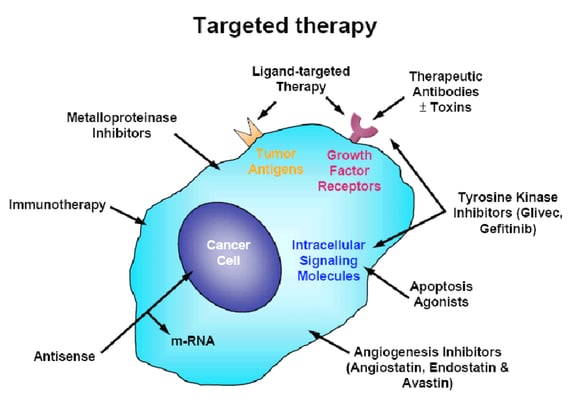
Tiba inayolengwa hufanya kazi kwa kuingilia jeni fulani, protini, au mazingira ya tishu ambayo husaidia seli za saratani kukua na kuishi. Dawa hizi zimeundwa kutambua seli za saratani kulingana na alama maalum za kibaolojia na kisha kuzuia ishara wanazotumia kuzidisha au kuenea.
Mchakato huanza nakutambua malengo ya molekuli,ambayo ni hali isiyo ya kawaida au mabadiliko yanayopatikana katika seli za saratani lakini sio katika zile za kawaida. Pindi malengo haya yanapotambuliwa kupitia upimaji wa kijeni au alama ya viumbe, wataalamu wa saratani huchagua dawa ambayo huzuia au kubadilisha utendakazi wa walengwa hao.
Tiba inayolengwa hufanya kazi kwa njia tofauti:
- Kuzuia ishara za ukuaji wa seli:Dawa zingine husimamisha ishara zinazoambia seli za saratani kukua bila kudhibitiwa.
- Kuchochea kifo cha seli (apoptosis):Matibabu fulani huamsha mifumo ya ndani ambayo husababisha seli za saratani kujiangamiza.
- Kukata usambazaji wa damu (kizuizi cha angiogenesis):Wakala wengine huacha uundaji wa mishipa mpya ya damu, njaa ya tumor ya virutubisho.
- Kuashiria seli za saratani kwa uharibifu:Kingamwili za monoclonal zinaweza kuashiria seli za saratani ili mfumo wa kinga uweze kuzitambua na kuziharibu.
- Kutoa vitu vya cytotoxic moja kwa moja kwa seli za saratani:Dawa zingine hubeba chembe za mionzi au sumu moja kwa moja kwenye tumor.
Je! ni aina gani tofauti za Tiba inayolengwa inayotumika?
Madaktari wa magonjwa ya saratani hutumia wigo mpana wa matibabu yanayolengwa ambayo yanalingana na viwango vya matibabu vya kimataifa. Kila aina hufanya kazi kwa njia maalum za kuendesha kansa, na kufanya matibabu kuwa sahihi zaidi na yaliyolengwa kwa wagonjwa binafsi.
Hapa kuna aina za kawaida za matibabu yaliyolengwa yanayopatikana katika vituo vya saratani:
Kingamwili za Monoclonal (mAbs)
Hizi ni kingamwili zilizotengenezwa na maabara zinazoiga mfumo wa kinga. Wanashikamana na protini maalum zinazopatikana kwenye uso wa seli za saratani, kuzuia kazi zao au kuziweka alama kwa uharibifu wa kinga. Baadhi pia hutoa chemotherapy au mawakala wa mionzi moja kwa moja kwenye seli za saratani.
Mifano:Trastuzumab (saratani ya matiti chanya HER2), Rituximab (B-cell lymphoma), Cetuximab (saratani ya colorectal)
Vizuizi vya Kinase vya Tyrosine (TKIs)
TKI ni molekuli ndogo zinazoingia kwenye seli za saratani na kuzuia vimeng'enya vinavyoitwa tyrosine kinases, ambavyo vinahusika katika kusambaza ishara za ukuaji. Kwa kuvuruga ishara hizi, madawa ya kulevya huacha au kupunguza kasi ya maendeleo ya tumor.
Mifano:Imatinib (CML), Erlotinib (saratani ya mapafu chanya EGFR), Sunitinib (saratani ya figo)
Vizuizi vya Angiogenesis
Dawa hizi huzuia uundaji wa mishipa mpya ya damu ambayo tumors zinahitaji kukua. Kwa kukata ugavi wa oksijeni na virutubisho, seli za tumor hatua kwa hatua hupungua au kuacha kuenea.
Mfano:Bevacizumab (hutumika katika saratani ya colorectal, mapafu, na ovari)
mTOR na PARP Inhibitors
Haya ni makundi mapya zaidi ya mawakala walengwa ambao huzuia protini zinazohusika katika ukarabati na ukuaji wa seli. Vizuizi vya PARP, haswa, vimeonyesha matokeo yenye nguvu katika saratani ya ovari na matiti iliyobadilishwa BRCA.
Mifano:Everolimus (mTOR), Olaparib (PARP)
Vizuizi vya Proteasome
Hutumiwa sana katika saratani za damu kama vile myeloma nyingi, dawa hizi huzuia mashine za seli zinazohusika na kuvunja protini, na kusababisha seli za saratani kujilimbikiza taka na kufa.
Mfano:Bortezomib
Tiba Zisizolengwa (Virekebishaji vya Majibu ya Kibiolojia)
Hizi ni tiba za mseto ambazo zote hulenga vialama mahususi vya saratani na kuongeza mwitikio wa mfumo wa kinga. Ni muhimu sana katika saratani ya hali ya juu au iliyorudi tena.
Tiba Inayolengwa Inapendekezwa Lini?
Tiba inayolengwa huwekwa kwa uangalifu wakati uvimbe hubeba mabadiliko maalum ya kijeni au alama za protini ambazo zinaweza "kulengwa" na dawa fulani. Kabla ya kuanza matibabu, madaktari hufanya vipimo vya molekuli au biomarker ili kuangalia ikiwa saratani inaelezea malengo haya.
Tiba inayolengwa kawaida hupendekezwa katika hali zifuatazo:
- Wakati Saratani Ina Mabadiliko Mahususi ya Kinasaba:Ikiwa upimaji utaonyesha mabadiliko kama vile EGFR katika saratani ya mapafu au HER2 katika saratani ya matiti, dawa zinazolengwa huwa safu ya kwanza ya ulinzi.
- Wakati Tiba ya Kawaida ya Kemia Ina Ufanisi Mdogo:Katika hali nyingi, ikiwa uvimbe hauitikii vyema kwa tiba ya kemikali ya kawaida au ikiwa saratani inarudi baada ya matibabu ya awali, tiba inayolengwa huletwa ili kukomesha kuendelea zaidi.
- Wakati Matibabu ya Usahihi Inahitajika kwa Uvumilivu Bora:Tiba inayolengwa mara nyingi hutumiwa wakati mgonjwa hawezi kuvumilia chemotherapy kali. Kwa kuwa inafanya kazi kwa kuchagua, husababisha uharibifu mdogo kwa seli zenye afya na kawaida huvumiliwa vyema, haswa kwa wagonjwa wazee au dhaifu.
- Wakati Saratani Imeenea (Hatua ya Metastatic):Madaktari wanapendekeza tiba inayolengwa katika saratani ya hali ya juu au metastatic ambapo lengo ni kurefusha maisha, kupunguza dalili, na kudumisha ubora wa maisha. Wagonjwa wengi kama hao hujibu vyema matibabu yao yanapolinganishwa na baiolojia ya kipekee ya uvimbe.
- Katika Mipangilio ya Matengenezo au Kisaidizi:Baadhi ya wagonjwa hupokea dawa zinazolengwa baada ya matibabu ya awali (kama vile upasuaji au chemotherapy) ili kupunguza hatari ya kujirudia. Mara nyingi huonekana katika leukemia au itifaki za saratani ya matiti.
Je, Tiba Inayolengwa Inapatikana kwa Aina zote za Saratani?
Hapana, tiba inayolengwa nihaipatikani kwa aina zote za saratani. Inatumika tu wakati uvimbe una mabadiliko maalum ya kijeni au viashirio vya protini ambavyo dawa zinazolengwa zinaweza kuchukua hatua. Ndiyo maanamtihani wa molekuli ni muhimu.Inamwambia daktari ikiwa saratani yako ina "lengo" ambalo dawa inaweza kugonga.
Ambapo Tiba Inayolengwa Inafanya Kazi Vizuri
Inatumika sana katika saratani kama vile:
- Saratani isiyo ndogo ya mapafu ya seli (EGFR, ALK, mabadiliko ya ROS1)
- Saratani ya matiti (HER2-chanya)
- Saratani ya utumbo mpana (aina ya pori ya KRAS/BRAF)
- leukemia ya myeloid sugu (kromosomu ya Philadelphia)
- Limphoma (CD20-chanya B-cell lymphomas)
- Figo, ini, ovari, na saratani ya tezi yenye mabadiliko yanayoweza kutekelezwa
Wakati Haifai
Ikiwa saratani yakohaibebi mabadiliko yanayojulikanaau usemi wa protini unaolingana na dawa inayopatikana, tiba inayolengwa huenda isifanye kazi. Katika hali kama hizo, tiba ya kidini, tiba ya kinga, au mionzi inaweza kupendekezwa badala yake.
Tiba inayolengwa haitegemei aina ya saratani pekee. Ni kwa msingi wamuundo wa kibaolojia wa tumor. Wagonjwa wawili walio na saratani sawa wanaweza kuhitaji matibabu tofauti kabisa kulingana na wasifu wao wa maumbile.
Wataalamu wa Oncolojia Huamuaje Ikiwa Tiba Inayolengwa Itakufanyia Kazi?
Kabla ya kuanzisha tiba inayolengwa, madaktari lazima wathibitishe ikiwa uvimbe wa mgonjwa una mabadiliko maalum au usemi wa protini ambao unaweza kutibiwa kwa ufanisi kwa dawa zinazolengwa. Inahitaji usahihi navipimo vya juu vya uchunguzi, ambayo hufanya msingi wa mpango wa matibabu ya kibinafsi.
- Upimaji wa Molekuli (Uchambuzi wa Mabadiliko ya Kinasaba):Huu ndio mtihani muhimu zaidi. Kwa kutumia sampuli ya tishu kutoka kwa biopsy, maabara hukagua mabadiliko maalum kama vile EGFR, ALK, KRAS, HER2, BRAF, au BRCA, kulingana na aina ya saratani. Inasaidia madaktari kufanana na dawa inayofaa kwa wasifu wa tumor ya mgonjwa.
- Immunohistokemia (IHC):Upimaji wa IHC unahusisha kutia rangi kwenye tishu za uvimbe ili kugundua kuwepo au kujieleza kupita kiasi kwa protini maalum kwenye uso wa seli ya saratani. Inatumika sana kwa HER2, PD-L1, na alama za CD katika uvimbe dhabiti na lymphoma.
- Mseto wa Fluorescence In Situ (SAMAKI):FISH ni jaribio maalum linalotumiwa kugundua kasoro za kromosomu na upangaji upya wa jeni. Mara nyingi hupendekezwa kwa saratani ya mapafu ya ALK-chanya au ukuzaji wa HER2 katika saratani ya matiti wakati matokeo ya IHC yana utata.
- Mpangilio wa Kizazi Kijacho (NGS):NGS inatoa mwonekano mpana zaidi kwa kukagua jeni nyingi mara moja. Jaribio hili ni la manufaa katika hali ngumu ambapo zaidi ya mabadiliko moja yanaweza kusababisha saratani. Inazidi kutumiwa nchini India kwa saratani ya kiwango cha juu au sugu ya matibabu.
- Biopsy ya Kioevu (Si lazima):Wakati uvimbe haupatikani kwa urahisi au biopsy haiwezekani, kipimo cha damu (kioevu biopsy) kinaweza kufanywa ili kugundua vipande vya DNA kutoka kwa seli za saratani zinazozunguka kwenye mkondo wa damu.
- Vipimo vya Damu vya Kawaida na Paneli za Utendaji wa Kiungo:Vipimo hivi hutathmini kazi ya ini, figo na uboho ili kuhakikisha kuwa mgonjwa anaweza kuvumilia kwa usalama dawa zinazolengwa.
Pata mpango wa matibabu ya bure
Kuhusu Tiba inayolengwa katika India
What is the Treatment Protocol for Targeted Therapy in India?
In India, the protocol for delivering targeted therapy follows a stepwise, evidence-based approach, combining global treatment guidelines with personalized care. The process begins with confirming if the patient's cancer is eligible for targeted treatment based on molecular characteristics.
- Diagnostic Workup: The journey starts with advanced testing. Doctors order molecular profiling, genetic sequencing, and immunohistochemistry to identify specific markers or mutations like EGFR, ALK, HER2, or BRAF.
- Multidisciplinary Case Review: A tumor board, typically including a medical oncologist, pathologist, radiologist, and molecular biologist, reviews the test results to confirm whether targeted therapy is the right fit for the case.
- Drug Selection Based on Mutation Type: Once a target is confirmed, oncologists prescribe an appropriate drug. The choice may depend on factors like drug availability (original vs. biosimilar), patient age, comorbidities, and past treatment responses.
- Initiation of Treatment: The therapy is administered in either of two ways:
- Oral tablets/capsules: Taken at home under supervision (e.g., TKIs)
- IV infusions in daycare centers: Given in hospital settings (e.g., monoclonal antibodies)
- Each cycle may last 3–4 weeks, and the total number of cycles varies depending on how the patient responds.
- Monitoring and Follow-Up: Patients undergo regular imaging (PET-CT, MRI) and blood tests to evaluate tumor response. Dose adjustments or drug switching may be done if the cancer stops responding or side effects appear.
- Long-Term Maintenance or Transition: If the tumor responds well, doctors may continue maintenance therapy for several months or years. If resistance develops, alternative targeted agents or combination therapies are explored.
Targeted Therapy Cost in India
The cost of targeted therapy in India typically ranges between ₹1,50,000 to ₹4,00,000 ($1,800 to $4,800) per cycle, depending on several factors such as the type of drug, the cancer being treated, and the duration of treatment. Some patients may require just a few cycles, while others (especially those on maintenance therapy) may continue for several months or even years.
Some of the factors that influence the price are:
- Type of Targeted Drug: Branded drugs like Trastuzumab, Bevacizumab, or Osimertinib can be expensive, while biosimilar versions reduce the cost significantly without compromising quality.
- Cancer Type and Mutation: A therapy for HER2-positive breast cancer may cost less per cycle than a drug used in lung cancer with an ALK mutation.
- Cycle Duration and Frequency: Most treatments follow 21-day or 28-day cycles, and the total cost increases with more cycles.
- Mode of Administration: Oral drugs are often cheaper than intravenous (IV) infusions, which also incur administration and daycare charges.
- Hospital Category: Treatment at premium cancer centers in metro cities may cost more due to high-end infrastructure and services.
Cancer Type | Drug Type Example | Approx. Cost Per Cycle (INR) | Cost in USD |
| Breast Cancer (HER2+) | Trastuzumab | ₹1,80,000 – ₹2,80,000 | $2,200 – $3,300 |
| Lung Cancer (EGFR/ALK+) | Osimertinib / Crizotinib | ₹2,00,000 – ₹4,00,000 | $2,400 – $4,800 |
| Colorectal Cancer (KRAS wild-type) | Cetuximab / Bevacizumab | ₹1,50,000 – ₹2,50,000 | $1,800 – $3,000 |
| CML / Leukemia | Imatinib / Dasatinib | ₹50,000 – ₹1,20,000 | $600 – $1,450 |
| Kidney / Liver Cancer | Sunitinib / Sorafenib | ₹90,000 – ₹1,80,000 | $1,100 – $2,200 |
Note: These prices are indicative. Drug prices vary based on brand vs. biosimilar, import status, and hospital markup.
What's Included in the Targeted Therapy Package?
When receiving targeted therapy in India, patients often benefit from comprehensive care packages that cover far more than just the medication. These packages are designed to streamline treatment and eliminate hidden expenses, making it easier for patients and caregivers to plan financially.
Standard inclusions in a targeted therapy treatment package are:
- Oncology Consultations
- Pre-Treatment Investigations
- Daycare Drug Administration (If IV-based)
- Medication Cost (One Cycle)
- Daycare or Short Hospital Stay (if required)
- Follow-Up Review and Reports
Cost Breakdown of Targeted Therapy in India
The total cost of targeted therapy depends on multiple components that go beyond the drug itself. Below is a detailed breakdown of what contributes to the overall expense of each cycle:
- Initial Oncology Consultation: Before therapy begins, patients undergo a thorough review with an oncologist. It helps assess medical history, current condition, and treatment suitability. This consultation usually costs between ₹2,000 to ₹5,000 ($25–$60).
- Genetic and Biomarker Testing: Since targeted therapy is based on specific mutations, the cost of molecular diagnostics like EGFR, ALK, HER2, or NGS panels is a critical part of the initial workup. These tests can cost ₹20,000 to ₹60,000 ($240–$720), depending on the complexity.
- Drug Cost Per Cycle: This is the most expensive component. Branded targeted drugs range between ₹1,20,000 and ₹3,50,000 ($1,450–$4,200) per cycle, though biosimilars may cost less.
- Administration Charges: For intravenous drugs, daycare, or infusion charges are added. It typically costs ₹5,000 to ₹10,000 ($60–$120) per cycle.
- Supportive Medications and Monitoring – Anti-allergy medications, antiemetics, and organ monitoring tests are often required during each cycle and may cost an additional ₹5,000 to ₹15,000 ($60–$180).
- Follow-Up Consultations and Imaging: Post-treatment reviews, scans (CT, PET-CT), and lab tests are done periodically to evaluate the effectiveness of the therapy. These may add ₹8,000 to ₹20,000 ($100–$240) across the treatment duration.
Cost Component | Estimated Cost (INR) | Estimated Cost (USD) |
| Initial Consultation | ₹2,000 – ₹5,000 | $25 – $60 |
| Genetic/Biomarker Testing | ₹20,000 – ₹60,000 | $240 – $720 |
| Targeted Drug (Per Cycle) | ₹1,20,000 – ₹3,50,000 | $1,450 – $4,200 |
| Daycare/Infusion Charges | ₹5,000 – ₹10,000 | $60 – $120 |
| Supportive Medicines & Monitoring | ₹5,000 – ₹15,000 | $60 – $180 |
| Follow-up and Imaging | ₹8,000 – ₹20,000 | $100 – $240 |
Total Estimated Cost Per Cycle: ₹1,60,000 – ₹4,60,000 ($1,950 – $5,500)
Cost Comparison: India vs Other Countries
Targeted cancer therapy is often prohibitively expensive in many developed countries. In contrast, India offers the same FDA-approved drugs, internationally trained oncologists, and advanced hospital facilities at a significantly reduced cost, making it a global hub for affordable precision oncology.
The table below compares the average cost per cycle of targeted therapy across countries:
Country | Average Cost Per Cycle (USD) | Inclusions |
| India | $1,800 – $4,800 | Drug cost, oncologist consultation, diagnostics, daycare charges, follow-up |
| United States | $10,000 – $25,000+ | Drug only; excludes hospital stay and diagnostics in most cases |
| United Kingdom | $8,000 – $20,000 (Private Care) | Drug + consultation; NHS options are limited to UK residents |
| Canada | $9,000 – $18,000 | Public care is often restricted to citizens; private care is expensive |
| UAE/Middle East | $7,500 – $15,000 | Includes branded drugs and hospital stay; higher cost due to import pricing |
| Singapore | $6,000 – $12,000 | Advanced care, but overall cost is 2–3x that of India |
| Thailand | $4,000 – $8,000 | Lower cost than the West, but still higher than India for long-term treatment |
Why India Is More Affordable:
- Access to cost-effective biosimilars
- Local manufacturing of key oncology drugs
- Competitive pricing in private hospitals
- Lower consultation and hospital overheads
- Government-regulated drug pricing policies for life-saving medications
Despite the price advantage, India doesn't cut corners. Hospitals maintain international accreditation, use the same treatment protocols as in the US/UK, and are staffed with globally trained oncologists.
What Services are Available for International Cancer Patients in India?
India has become a preferred destination for targeted cancer therapy among international patients, thanks not just to its medical affordability, but also its end-to-end patient support system. From the moment you express interest in treatment, dedicated medical teams and coordinators work to simplify your journey.
- Hassle-Free Arrival Support: Patients receive airport pick-up services, fast-tracked medical visas, and help with travel logistics, including flight booking, ambulance transfers (if needed), and local transportation during treatment.
- Personalized Hospital Assistance: Dedicated International Desks handle everything from appointments to billing. Language interpreters (Arabic, Russian, French, and others) ensure clear communication. Patients are assigned treatment coordinators who stay in touch 24/7 for any queries.
- Affordable Accommodation Options: Hospitals often partner with nearby guesthouses, serviced apartments, and hotels to offer clean and affordable accommodation for patients and their families during extended treatments like targeted therapy.
- Medical Documentation and Visa Support: Assistance with medical visa letters and embassy documents. Help with compiling and translating medical reports for pre-arrival evaluation.
- Post-Treatment Follow-Up from Abroad: Many hospitals offer online follow-up consultations with oncologists, so patients don't need to travel back unless necessary. Scans and blood reports can be reviewed digitally with the medical team.
- Emotional and Nutritional Support: Some cancer centers also offer psychological counseling, dietary guidance, and access to patient communities to support holistic healing during therapy.
Is Targeted Therapy Covered by Insurance or Government Schemes?
Targeted therapy is often one of the costliest components of cancer care, which raises a crucial question: Does insurance or government support in India cover it? The answer depends on the type of insurance policy and the patient's eligibility for public schemes.
Private Health Insurance
Most comprehensive health insurance plans in India now cover targeted therapy under their inpatient hospitalization benefit or daycare procedures. However, patients must ensure:
- The policy does not have a cap on chemotherapy or cancer treatment expenses.
- The specific drug prescribed is listed in the insurer's formulary.
- Pre-authorization is obtained before beginning the treatment.
Some insurers may partially cover the cost of the drug and fully cover administration, diagnostics, and hospitalization. It's essential to read the fine print and confirm inclusions with the provider.
Employee/Corporate Insurance Policies
Employees covered under group medical insurance through their company often receive broader coverage for cancer therapies, including targeted therapy. However, limits and co-pay clauses may apply.
Government Schemes (for Indian Citizens)
Several national and state-run schemes offer assistance for economically weaker sections:
- Ayushman Bharat – PM-JAY: Covers certain cancers and therapies, but access to high-cost targeted drugs is limited under standard packages.
- State Health Schemes: Some states provide financial aid through programs like Arogyasri (Telangana/AP), Karunya (Kerala), and CM Relief Funds.
- NGO and Hospital-Based Support: Select hospitals and cancer NGOs in India offer patient assistance programs, donor support, or drug discounts for eligible low-income patients.
For International Patients
International medical tourists generally do not qualify for Indian government subsidies. However, hospitals often negotiate special rates, offer generic/biosimilar alternatives, and tailor therapy plans based on budget without compromising care quality.
What is the Success Rate of Targeted Therapy in India?
The success of targeted therapy largely depends on how accurately the treatment is matched to the patient's cancer profile. In India, leading cancer centers have achieved high response rates and longer survival outcomes, especially when therapy is guided by genetic and molecular testing.
Because targeted therapy is designed to block the specific mechanisms that drive tumor growth, it often works faster and more effectively than conventional treatments in eligible patients.
Success rates vary by cancer type, stage, and mutation. But when used appropriately, results are impressive:
- Non-Small Cell Lung Cancer (EGFR/ALK mutations): 60%–80% of patients show a major response; many achieve stable disease for 12–24 months.
- HER2-Positive Breast Cancer: Over 50% of patients experience tumor shrinkage; with combined treatments, 5-year survival improves significantly.
- CML (Chronic Myeloid Leukemia): Over 90% of patients respond well to TKIs like imatinib, with many entering long-term remission.
- Colorectal Cancer (KRAS wild-type): Patients treated with EGFR inhibitors often show prolonged progression-free survival.
- Lymphoma (CD20+ B-cell): Rituximab-based therapies have drastically improved remission and relapse-free periods.
Factors Behind India's Success in Targeted Therapy:
- Accurate diagnostics: Molecular profiling ensures the right drug is chosen from the start.
- International treatment protocols: Hospitals follow NCCN, ESMO, and ASCO guidelines.
- Access to biosimilars and FDA-approved originals: Enables continuous, uninterrupted therapy.
- Multidisciplinary teams: Oncologists, pathologists, and radiologists work together to monitor progress.
Note: Targeted therapy may not "cure" advanced cancers in every case, but it often halts progression, reduces tumor burden, and improves quality of life. In some cases, it converts inoperable tumors into operable ones or prepares the body for further curative treatments.
Recovery and Monitoring After Targeted Therapy
Recovery after targeted therapy doesn't always follow the same path as chemotherapy. Since these drugs are designed to act selectively on cancer cells, patients often experience a more manageable recovery period. However, close monitoring is essential to track effectiveness and manage side effects.
Most patients undergoing targeted therapy in India remain active and continue their daily routines. It is especially true for oral therapies taken at home. Unlike chemotherapy, there's usually no hair loss, intense nausea, or severe fatigue.
Regular Monitoring Is Crucial
Doctors closely monitor patients during and after each cycle. It includes:
- Blood Tests: To evaluate organ function (mainly liver and kidneys) and detect early signs of toxicity.
- Imaging Scans: CT, MRI, or PET-CT scans are done periodically to assess whether the tumor is shrinking or staying stable.
- Mutation Reassessment: In cases where the cancer becomes resistant, additional molecular testing may be done to switch to a second-line targeted drug.
- Symptom Check-ins: Oncologists review symptoms like rash, diarrhea, elevated blood pressure, or fatigue to adjust dosages if needed.
Duration of Recovery
Recovery time varies. For patients on short-term targeted therapy, recovery can begin within weeks after stopping treatment. For maintenance or long-term therapy, side effects may be mild, but continuous monitoring is needed over months or years.
Tiba inayolengwa kulinganisha gharama na nchi
Linganisha Tiba inayolengwa gharama katika nchi tofauti kufanya uamuzi sahihi juu ya matibabu yako.
| Nchi | Anuwai ya gharama (USD) | Akiba inayowezekana | Hatua |
|---|---|---|---|
IndiaSasaThamani bora | $1,800 - $4,800 | — | Pata nukuu |
Kumbuka: Gharama zinaweza kutofautiana kulingana na uchaguzi wa hospitali, aina ya chumba, huduma za ziada, na mahitaji ya matibabu ya mtu binafsi.
Hospitali zinazoongoza kwa Tiba inayolengwa katika India
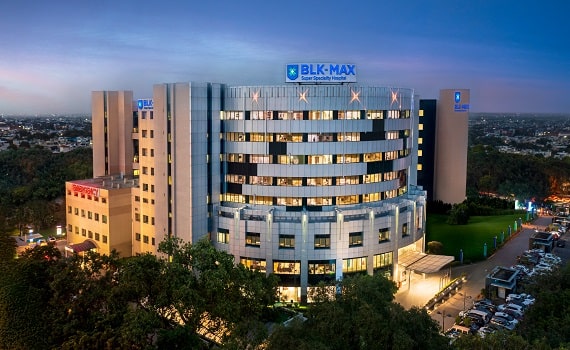
BLK-Max Super Specialty Hospital, New Delhi
BLK-Max Super Specialty Hospital huko New Delhi ni mojawapo ya taasisi kuu za afya ya India, inayotoa vitanda 650, kumbi 22 za upasuaji za hali ya juu...
Vibali
Vifaa
Hospitali ya Maalum ya Max Smart Super, Saket, New Delhi
Max Smart Super Specialty Hospital, Saket, ni hospitali ya huduma ya juu ya vitanda 250 huko Delhi Kusini. Inatoa huduma ya juu ya matibabu na upasuaj...
Vibali
Vifaa
Hospitali ya PSRI, Delhi
Taasisi ya Utafiti ya Pushpawati Singhania (Hospitali ya PSRI), New Delhi, ni hospitali inayoongoza ya huduma ya juu ya elimu ya juu iliyoanzishwa mwa...
Vibali
Vifaa
Taratibu zinazofanana
Matunzio
Maswali
Mhakiki
Tazama Zote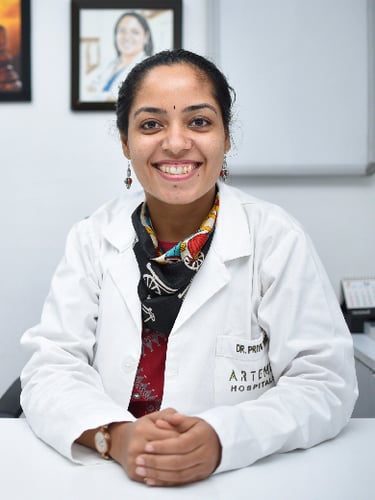
Dr. Priya Tiwari is a renowned medical oncologist trained at the prestigious All India Institute of Medical Sciences (AIIMS). She specializes in comprehensive cancer care and is committed to deliver... Soma zaidi

Tovuti yetu hutumia kuki. Sera ya faragha.