
Buyrak transplantatsiyasi Narxi Hindiston
Haqida Buyrak transplantatsiyasi
Buyrak transplantatsiyasi nima?
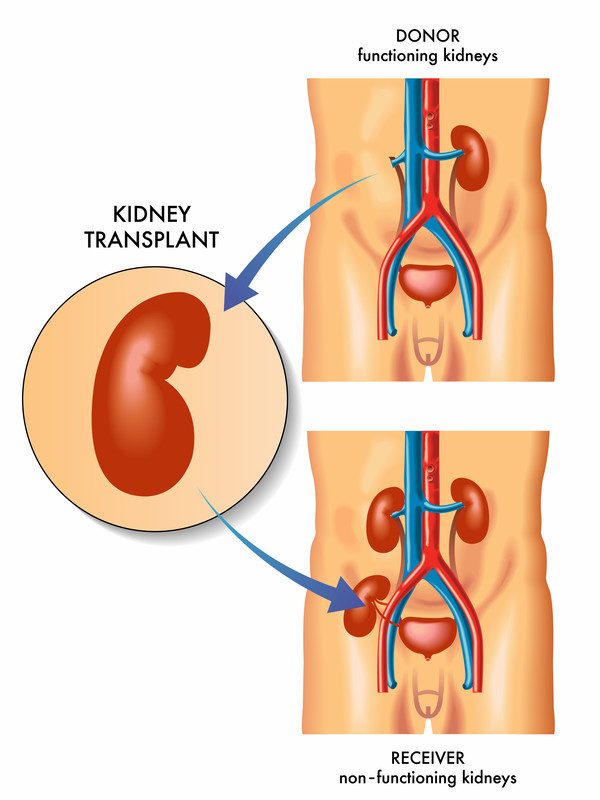
Buyrak transplantatsiyasi - bu buyrak yetishmovchiligining so'nggi bosqichi bo'lgan bemorlarni davolashda qo'llaniladigan hayotni saqlaydigan jarrohlik muolajasi yokisurunkali buyrak kasalligiularning buyraklari qondan chiqindi va suyuqliklarni samarali filtrlay olmasa. Uzoq muddatli dializga tayanish o'rniga, bemor a oladidonordan sog'lom buyrak, so'ngra kasal buyrak funktsiyalarini o'z zimmasiga olish uchun ularning tanasiga jarrohlik yo'li bilan implantatsiya qilinadi.
Donor buyragi a dan kelishi mumkintirik donor(oila a'zosi yoki yaqin qarindoshi) yoki avafot etgan donor(o'limdan keyin organ donorligiga rozi bo'lgan shaxs). Sog'lom hayot uchun faqat bitta buyrak funktsiyasi etarli bo'lib, donorning uzoq muddatli sog'lig'iga zarar etkazmasdan, buyrak donatsiyasini foydali variantga aylantiradi.
Qachon buyrak transplantatsiyasi kerak?
Buyrak transplantatsiyasi odatda ikkala buyrak yo'qolganida tavsiya etiladifunktsiyalarining 85% dan 90% gacha, va odam kirdiyakuniy bosqich buyrak kasalligi (ESRD)- surunkali buyrak kasalligining oxirgi bosqichi (CKD). Bu vaqtda buyraklar endi qonni samarali filtrlay olmaydi, chiqindilarni olib tashlay olmaydi yoki suyuqlik va elektrolitlar muvozanatini tartibga solmaydi, natijada organizmda toksinlar to'planadi.
Ushbu bosqichdagi bemorlarning aksariyati dastlab qo'yiladidializ, bu sun'iy buyrak vazifasini bajaradi. Biroq, dializ ko'p vaqt talab etadi, ko'pincha kasalxonaga yoki klinikaga haftasiga bir necha marta tashrif buyurishni talab qiladi va vaqt o'tishi bilan bemorning sog'lig'i va hayot sifatiga salbiy ta'sir ko'rsatishi mumkin.
Buyrak transplantatsiyasi quyidagi hollarda zarur bo'ladi:
- Bemor boshdan kechirmoqdadializning tez-tez asoratlari, masalan, infektsiyalar, qon bosimining beqarorligi yoki qon tomirlariga kirishning buzilishi.
- Qon testlari ko'rsatadibuyraklar faoliyatining progressiv yomonlashishi(odatda GFR <15 ml/min).
- belgilari borsuyuqlikning haddan tashqari yuklanishi, kamqonlik, suyak kasalligi yoki buyrak funktsiyasining buzilishi bilan bog'liq boshqa alomatlarnazorat qilinmaydidiyaliz yoki dori vositasida.
- Bemor a dan qochishni xohlaydidiyalizning umriva jismoniy va hissiy jihatdan transplantatsiyaga tayyor deb hisoblanadi.
Ayrim hollarda,Preemptiv transplantatsiyaAgar tegishli donor mavjud bo'lsa, bemor dializni boshlashdan oldin transplantatsiya qilingan taqdirda hisoblanadi. Ushbu variant ko'pincha yaxshi natijalarga olib keladi, shu jumladan transplantatsiyaning uzoq umr ko'rishi va hayot sifatining yaxshilanishi.
Buyrak etishmovchiligiga olib keladigan umumiy kasalliklarga quyidagilar kiradi:
- 1-toifa va 2-toifa diabet (diabetik nefropatiya)
- Gipertenziya (yuqori qon bosimi)
- Buyrakning polikistik kasalligi (irsiy holat)
- Surunkali glomerulonefrit
- Takroriy buyrak infektsiyalari yoki to'siqlar
Nima uchun transplantatsiya uzoq muddatli dializdan ko'ra yaxshiroq?
Dializ qondan chiqindi mahsulotlarni olib tashlash orqali bemorning hayotini saqlab qolishi mumkin bo'lsa-da, bu hayot tarziga jiddiy cheklovlar va uzoq muddatli sog'liq uchun xavf tug'diradi. Muvaffaqiyatli buyrak transplantatsiyasi:
- O'rtacha umr ko'rishni yaxshilaydi
- Hayot sifatini oshiradi
- Muntazam dializ seanslaridan ozodlikni taklif qiladi
- Bemorlarga ish yoki oddiy kundalik faoliyatga qaytish imkonini beradi
Buyrak transplantatsiyasini olgan ko'plab bemorlar 10-20 yil yoki undan ko'proq davom etishi mumkin bo'lgan, ayniqsa, to'g'ri tibbiy yordam va kuzatuv bilan ishlaydigan yangi buyrak bilan normal hayot tarzidan zavqlanadilar.
Buyrak transplantatsiyasiga kimlar munosib?
Buyrak etishmovchiligi bo'lgan barcha bemorlar transplantatsiya qilish huquqiga ega emas. Buyrak transplantatsiyasiga muvofiqlik bir qator tibbiy, psixologik va logistika omillariga bog'liq. Maqsad, qabul qiluvchi va donor (agar tirik bo'lsa) jarrohlik uchun etarlicha sog'lom bo'lishini va transplantatsiya uzoq muddatli muvaffaqiyatga erishish uchun eng yaxshi imkoniyatga ega bo'lishini ta'minlashdir.
Qabul qiluvchining muvofiqligining asosiy mezonlari:
- ESRDning tasdiqlangan tashxisi: Bemorda odatda glomerulyar filtratsiya tezligi 15 ml/min dan kam bo'lgan buyrak etishmovchiligining oxirgi bosqichi (ESRD) bo'lishi kerak.
- Yosh va jismoniy tayyorgarlik: Qattiq yosh chegarasi bo'lmasa-da, ko'pchilik transplantatsiya markazlari 70 yoshdan kichik bo'lgan bemorlarni afzal ko'rishadi, aks holda jismoniy sog'lig'i yaxshi. Keksa bemorlar, agar ular jismonan sog'lom bo'lsa va jiddiy xavf omillari bo'lmasa, hali ham munosib bo'lishi mumkin.
- Nazorat qilinmagan infektsiyalar yoki faol saratonning yo'qligi: Bemorlar sil, gepatit yoki saraton kasalligidan xoli bo'lishi kerak. Agar ilgari saraton kasalligi bilan davolangan bo'lsa, kasalliksiz davr talab qilinishi mumkin.
- Yurak va o'pka salomatligi: Kuchli yurak-qon tomir tizimi juda muhim, chunki jarrohlik anesteziyani o'z ichiga oladi va yurak va o'pkalarni stressga olib kelishi mumkin.
- Transplantatsiyadan keyingi parvarish bo'yicha majburiyat: Bemorlar aqliy jihatdan sog'lom bo'lishi va har kuni immunosupressiv dori-darmonlarni qabul qilishga sodiq bo'lishi kerak va ular muntazam ravishda kuzatuv tashriflariga borishlari kerak.
- Giyohvand moddalarni suiiste'mol qilish yo'q: Spirtli ichimliklar, giyohvand moddalar yoki tamaki mahsulotlarini faol iste'mol qilish operatsiyadan keyingi parvarish uchun xavf tug'dirishi sababli transplantatsiyani kechiktirishi yoki diskvalifikatsiya qilishi mumkin.
Tirik donor transplantatsiyasi uchun:
- Donor orasida bo'lishi kerak18 va 65 yoshda, aqliy qobiliyatli va ixtiyoriy ravishda xayriya qilishga tayyor.
- Donorlar borligiga ishonch hosil qilish uchun to'liq baholashdan o'tishlari kerakikkita sog'lom buyrakvatibbiy sharoitlar yo'qdiabet, gipertoniya yoki buyrak kasalliklari kabi.
- Hindistonda tirik donorlar a bo'lishi kerakyaqin qarindoshi(ota-ona, aka-uka, turmush o'rtog'i yoki bolalari) Inson organlarini transplantatsiya qilish to'g'risidagi qonunga (THOA) muvofiq. Aloqador bo'lmagan donorlar maxsus axloqiy va huquqiy ruxsatnomalarni talab qiladi.
Buyrak transplantatsiyasi protseduralarining har xil turlari qanday?
Buyrak transplantatsiyasi bir martalik operatsiya emas. Transplantatsiya jarayonining turi, birinchi navbatda, donor buyragining manbasiga, transplantatsiyaning shoshilinchligiga va retsipientning sog'lig'iga bog'liq.
Tirik donor buyrak transplantatsiyasi
Bu, ayniqsa Hindiston kabi mamlakatlarda eng keng tarqalgan va afzal qilingan transplantatsiya turi. Ushbu protsedurada sog'lom odam (odatda oila a'zosi) buyraklaridan birini bemorga beradi. Omon qolish uchun faqat bitta sog'lom buyrak kerak bo'lganligi sababli, tirik donorlik ham xavfsiz, ham yuqori samarali hisoblanadi.
Ikki kichik tur mavjud:
- Tegishli tirik donor transplantatsiyasi: Donor yaqin qon qarindoshi, masalan, ota-ona yoki bola. Bu odatda yaxshi muvofiqlikni va rad etish ehtimolini kamaytiradi.
- Aloqasiz tirik donor transplantatsiyasi: Donor biologik jihatdan bog'liq emas, lekin hissiy jihatdan bog'liq bo'lishi mumkin (masalan, turmush o'rtog'i yoki do'sti). Hindiston qonunchiligiga ko'ra, bunday hollarda huquqiy va axloqiy tasdiqlar majburiydir.
Afzalliklar:
- Qisqaroq kutish vaqti
- Yaxshiroq organ mosligi
- Yuqori uzoq muddatli muvaffaqiyat darajasi
O'lgan donor (kadavra) buyrak transplantatsiyasi
O'lgan donorning buyragi transplantatsiyasida buyrak miyasi o'lgan donordan olinadi, u ilgari organ donorligiga rozi bo'lgan yoki oilasi donorlikni ma'qullagan. O'lgan donor transplantatsiyasi Hindistonda organlarni donorlik darajasi pastligi sababli kamroq tarqalgan, ammo xabardorlik yaxshilanmoqda.
Qabul qiluvchi odatda kutish ro'yxatiga qo'yiladi va mos keladigan organ mavjud bo'lganda transplantatsiya amalga oshiriladi.
Afzalliklar:
- Tirik donori bo'lmagan bemorlar uchun javob beradi
- Ko'proq odamlar uchun transplantatsiya imkoniyatini kengaytiradi
Kamchiliklari:
- Uzoqroq kutish muddatlari
- Tirik donor buyraklar bilan solishtirganda omon qolish darajasi biroz pastroq
ABO-mos kelmaydigan buyrak transplantatsiyasi
An'anaga ko'ra, buyrak transplantatsiyasi donor va qabul qiluvchining qon guruhlariga mos kelishini talab qiladi. Biroq, immunosupressiv terapiya va plazmaferez (qondan antikorlarni olib tashlaydigan jarayon) yutuqlari bilan endi ABO mos kelmaydigan transplantatsiyalarni muvaffaqiyatli amalga oshirish mumkin.
Agar jonli donor qon guruhiga mos kelmasa, bu foydalidir. Rad etish xavfini kamaytirish uchun bemor transplantatsiyadan oldin maxsus davolanishdan o'tadi.
Mulohazalar:
- Transplantatsiyadan oldingi qo'shimcha davolanish tufayli biroz yuqori narx
- Muvaffaqiyat darajasi sezilarli darajada yaxshilangan bo'lsa-da, asoratlar xavfi ortdi
Preemptiv buyrak transplantatsiyasi
Bu bemor dializ boshlanishidan oldin amalga oshiriladigan proaktiv transplantatsiya. Bu surunkali surunkali buyrak kasalligi bo'lgan shaxslar va tayyor donorlar uchun ideal. Tadqiqotlar shuni ko'rsatadiki, preemptiv transplantatsiya quyidagilarga olib keladi:
- Yaxshiroq uzoq muddatli buyrak funktsiyasi
- Pastroq asoratlar darajasi
- Hayot sifatini yaxshilash
Hamma bemorlar ham talablarga javob bermaydi, ammo buni qilganlar uchun bu parvarishning oltin standarti hisoblanadi.
Bepul davolash rejasini oling
Hindiston yilda Buyrak transplantatsiyasi haqida
How Is a Kidney Transplant Done in India?
India has become a global destination for kidney transplant surgery, thanks to its advanced medical infrastructure, skilled transplant teams, and personalized care. Below is a clear step-by-step overview of how a kidney transplant is typically performed in Indian hospitals.
Step 1: Pre-Transplant Evaluation
Before undergoing a transplant, both the recipient and donor (if living) undergo comprehensive medical evaluations. These include:
- Blood tests (ABO and HLA typing)
- Imaging studies (ultrasound, CT scan, chest X-ray)
- Cardiac and respiratory assessments
- Psychological and counseling sessions
It ensures both are medically fit and that the recipient's immune system will accept the donor organ.
Step 2: Donor Matching and Legal Clearance
If a living donor is involved, blood group and tissue compatibility are checked. For unrelated donors, special approvals are required through an Authorization Committee under Indian transplant laws.
For deceased donor transplants, the patient must register with a government-regulated waiting list, and matching is done based on urgency and compatibility.
Step 3: Admission and Pre-Surgery Preparation
Once the transplant is cleared, both donor and recipient are admitted to the hospital 1–2 days prior. Medical staff prepare the recipient's body by adjusting medications and conducting final checks. Consent forms are reviewed, and immunosuppressive therapy may be initiated before surgery.
Step 4: Transplant Surgery
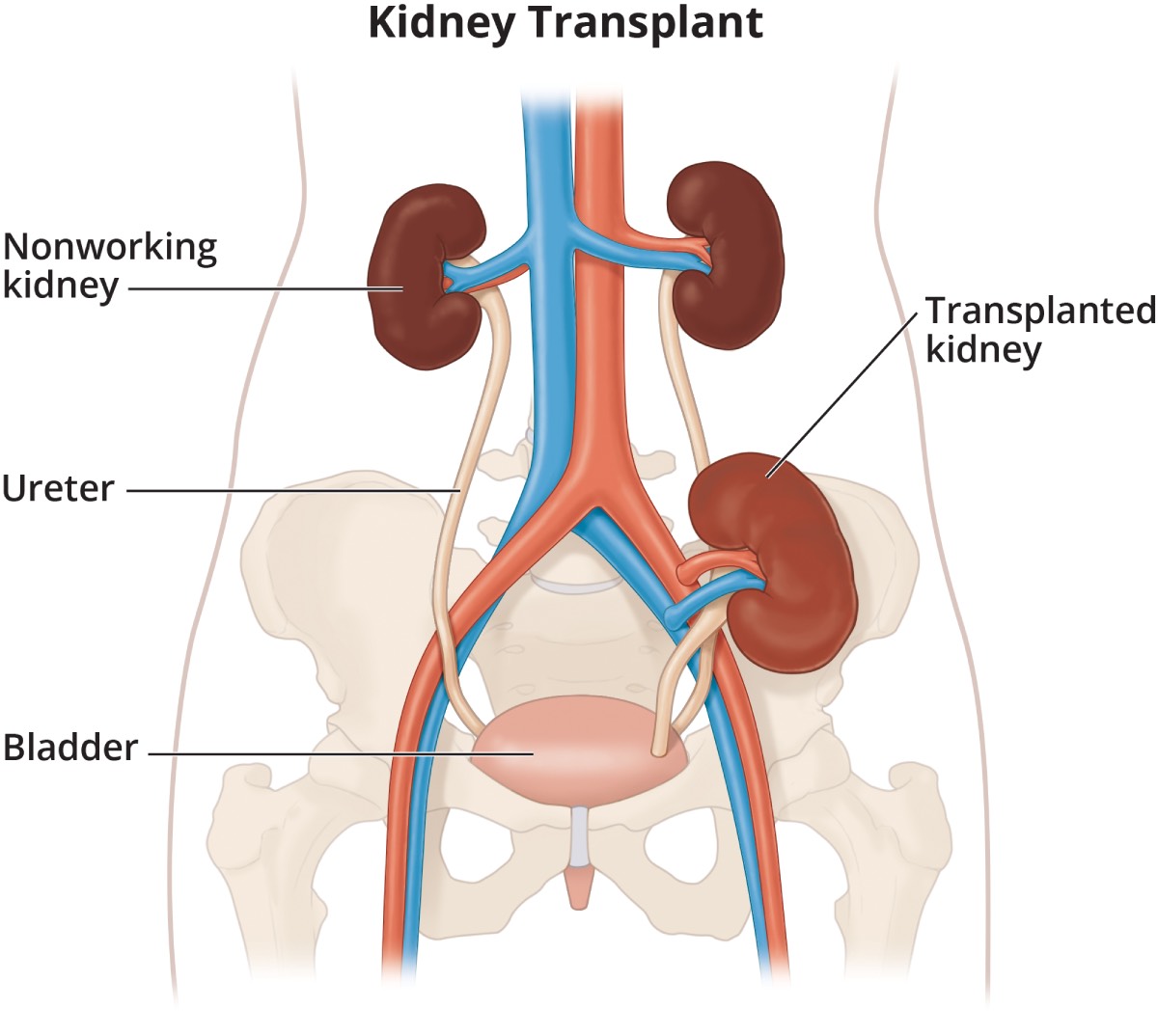
The surgery is a little bit long and takes 3 to 4 hours. It is typically performed under general anesthesia. The donated kidney is placed in the lower abdomen (not the original kidney location), and the blood vessels and ureter are connected to allow proper blood flow and urine output.
- In living donor transplants, the donor kidney is removed laparoscopically or via a small incision.
- The old kidneys are usually not removed unless there is chronic infection or complications.
Step 5: Post-Operative Recovery
After surgery, the recipient is moved to a high-dependency unit or ICU for monitoring. Most KT patients stay in the hospital for 7 to 10 days. The donor is discharged in 3 to 5 days, depending on their recovery.
Immunosuppressive medications begin immediately to prevent organ rejection. Patients receive:
- Infection control treatment
- Pain management
- Nutritional guidance
- Fluid and electrolyte monitoring
Use of Advanced Immunosuppressants and Techniques in India
Indian transplant hospitals use the latest-generation immunosuppressants such as tacrolimus, mycophenolate mofetil, and biologics (like basiliximab or thymoglobulin) that reduce rejection risks without weakening the immune system too much.
Additionally, many Indian centers adopt:
- Minimally invasive laparoscopic donor nephrectomy to reduce donor recovery time
- Plasmapheresis and desensitization for ABO-incompatible transplants
- Real-time ultrasound and Doppler guidance for accurate vascular anastomosis
- Electronic medication monitoring systems for post-transplant adherence
What is the Cost of a Kidney Transplant in India?
The cost of a kidney transplant in India is more affordable compared to many Western and Middle Eastern countries, making it a preferred destination for overseas patients. On average, the cost of a kidney transplant in India ranges from ₹6,00,000 to ₹10,00,000, which is approximately $7,000 to $12,000.
Kidney Transplant Cost Breakdown in India
Component | Estimated Cost (INR) | Estimated Cost (USD) | Description |
| Initial Consultation and Evaluation | ₹50,000 – ₹1,00,000 | $600 – $1,200 | Includes nephrologist and transplant surgeon consultation, blood tests, and imaging. |
| Donor Compatibility and Testing | ₹70,000 – ₹1,20,000 | $850 – $1,400 | Covers HLA typing, cross-matching, and full donor workup. |
| Surgical Procedure | ₹2,00,000 – ₹3,50,000 | $2,400 – $4,200 | Includes surgery fees, anesthesia, OT charges, and donor operation if applicable. |
| Hospital Stay (10–14 days) | ₹1,00,000 – ₹2,00,000 | $1,200 – $2,400 | Covers standard ward or private room, ICU if required, and nursing care. |
| Post-Operative Medications | ₹50,000 – ₹1,50,000 | $600 – $1,800 | Includes immunosuppressants and infection-prevention drugs. |
| Follow-Up Visits and Monitoring | ₹30,000 – ₹80,000 | $350 – $950 | Includes regular check-ups, bloodwork, and drug-level monitoring. |
| Miscellaneous and Admin Costs | ₹20,000 – ₹50,000 | $240 – $600 | Legal documentation, diet planning, physiotherapy, and local logistics. |
It is an all-inclusive estimate for both the recipient and donor, making India one of the most affordable and transparent destinations for kidney transplant surgery worldwide.
What's Included in the Cost of a Kidney Transplant in India?
Most hospitals offer comprehensive transplant packages that typically include:
- Donor and recipient evaluation: Blood group matching, HLA typing, cross-matching, cardiac and kidney function tests, and imaging
- Legal documentation and authorization processing: Especially for unrelated or foreign donors
- Surgical procedures: Kidney harvesting (for living donors), transplant surgery, anesthesia, and surgical team charges
- Hospital stay: 7–10 days for the recipient and 3–5 days for the donor, including ICU and ward charges
- Post-surgery medications: Including immunosuppressants during the initial hospital stay
- Follow-up consultations: Post-discharge recovery supervision and lab monitoring during the first few weeks
Please note: Additional expenses may apply if there are complications, need for plasmapheresis, or long-term follow-up beyond the included stay.
Kidney Transplant Cost Comparison: India vs Other Countries
India provides world-class kidney transplant services at the most affordable rates globally. For patients from Africa, the Middle East, South Asia, and even developed nations, choosing India means accessing quality care, expert surgeons, and comprehensive treatment packages, all at one-fifth or less of the cost in other countries.
Country | Kidney Transplant Cost (Approx.) |
| India | $7,000 – $12,000 (₹6 – ₹10 lakh) |
| USA | $300,000 – $400,000 |
| UK | $70,000 – $100,000 |
| UAE | $40,000 – $70,000 |
| Thailand | $18,000 – $25,000 |
Why Is Kidney Transplant in India So Affordable?
There are several reasons why India can offer kidney transplant procedures at a fraction of the cost charged in countries like the USA, UK, or UAE, without compromising the standard of care:
- Lower operating and infrastructure costs in Indian hospitals
- Highly skilled surgeons are available at much lower fees than their Western counterparts
- Economic cost of medications, including immunosuppressants, produced locally
- Government-regulated healthcare pricing in many states and private hospitals
Kidney Transplant Costs Based on Patient Condition
The actual cost of a kidney transplant in India can vary based on several real-life clinical situations. These variations depend on the complexity of the case, the donor type, the need for desensitization, and the post-operative recovery duration. Below are some practical cost scenarios to help international patients understand what to expect.
- Standard Kidney Transplant with Living Related Donor: For patients undergoing a planned kidney transplant with a healthy, HLA-matched living donor (such as a sibling or parent), the total cost typically ranges from ₹6,00,000 to ₹7,00,000 (approximately $7,000 to $8,500). It includes evaluation, surgery, hospital stay, and essential medications.
- ABO-Incompatible Kidney Transplant: If the donor has an incompatible blood group, special procedures like plasmapheresis and immunoadsorption are required before transplant. It increases the overall cost from ₹8,00,000 to ₹10,00,000 (around $9,500 to $12,000). These transplants are becoming increasingly common in India due to advancements in immunosuppressive protocols.
- Kidney Transplant from a Deceased Donor: In case of a deceased donor (cadaveric transplant), additional registration, waiting period, and ICU monitoring may be needed. The cost usually falls within ₹6,50,000 to ₹8,50,000 ($7,500 to $10,000), depending on how long the recipient needs pre-transplant hospitalization.
- Pediatric Kidney Transplant: For children needing kidney transplantation, the cost can rise slightly due to the need for pediatric ICU care, specialized surgeons, and tailored drug regimens. On average, the price ranges from ₹7,00,000 to ₹9,00,000 (roughly $8,000 to $11,000).
- Complex Cases with Comorbidities: Patients with pre-existing conditions like diabetes, hypertension, or cardiac issues may need extra diagnostics and longer recovery time. In such cases, the total transplant cost may range from ₹10,00,000 to slightly higher ($12,000 or more), depending on the complexity.
What are the Factors Affecting Kidney Transplant Cost in India?
While India offers some of the most affordable kidney transplant packages in the world, the final cost can still vary from patient to patient. Several medical and logistical factors come into play, such as donor compatibility, hospital selection, recovery duration, and post-transplant care.
- Type of Donor (Living or Deceased): Transplants from living, related donors are generally more affordable and can be planned. Deceased donor transplants may require longer ICU stays and emergency logistics, raising overall costs.
- Donor-Recipient Compatibility: If the donor has an incompatible blood group or tissue mismatch, additional treatments like plasmapheresis or desensitization are needed. These procedures significantly increase the cost of the transplant.
- Hospital and City of Treatment: Top-tier transplant hospitals in metro cities like Hyderabad or Bangalore may charge more due to advanced infrastructure and higher service standards. However, they also offer better surgical outcomes and post-op care.
- Room Type and Length of Hospital Stay: Choosing a private deluxe room over a shared ward results in higher accommodation charges. Additionally, any complications that necessitate an extended stay in the ICU or inpatient care will be factored into the final bill.
- Medication and Immunosuppressant Costs: Initial post-transplant drugs are potent and expensive. The cost of lifelong immunosuppressive medication, particularly during the first 6–12 months, significantly contributes to the total expenditure.
- Patient's Overall Health and Comorbidities: Patients with diabetes, hypertension, or heart conditions may require additional tests, consultations, and a longer recovery time. These add to the diagnostic and monitoring costs.
- Legal and Regulatory Documentation: Foreign patients often require additional documentation and legal clearances for ethical donor evaluation and transplant approval, which can increase administrative expenses.
- Post-Transplant Monitoring and Complication Management: Unexpected complications, such as rejection or infection, may require ICU care, dialysis, or re-admission. It results in higher out-of-pocket costs beyond the standard package.
International Patient Services for Kidney Transplant in India
India is renowned not only for its affordable treatment but also for offering world-class support services specifically designed for international patients. These value-added services ensure that your kidney transplant journey is safe, smooth, and stress-free.
- Dedicated International Patient Coordinators: Most top hospitals in India have specialized teams that handle everything from visa letters to airport pickups. These coordinators act as your point of contact throughout the treatment process.
- Assistance with Medical Visa and Travel Arrangements: Hospitals often help in issuing medical invitation letters, scheduling embassy appointments, and guiding patients through the medical visa process. They also assist with booking affordable flights and local transfers.
- Language Translation Support: Professional interpreters are available in many Indian hospitals to assist patients from Arabic, French, Russian, Swahili, Bengali, and Spanish-speaking countries.
- Affordable Accommodation for Family Members: Hospitals often provide on-campus or nearby guest houses and partner hotels at discounted rates, making it easier for family members or attendants to stay comfortably during the recovery period.
- Pre-Arrival Medical Opinion: You can share your reports before traveling and receive a free treatment plan and cost estimate from a senior nephrologist.
- Post-Treatment Follow-up via Telemedicine: After discharge, many Indian hospitals offer online video consultations, prescription support, and ongoing monitoring through telehealth platforms.
Concierge Services for Local Support: Some hospitals provide services such as currency exchange, SIM card arrangement, medical interpreters, and city tours for family members, making the experience more patient-friendly.
Buyrak transplantatsiyasi Mamlakat bo'yicha xarajatlarni taqqoslash
Tibbiy davolanishingiz haqida asosli qaror qabul qilish uchun turli mamlakatlardagi Buyrak transplantatsiyasi xarajatlarni solishtiring.
| Mamlakat | Narxlar oralig'i (AQSh dollari) | Potentsial tejash | Harakat |
|---|---|---|---|
HindistonHozirgiEng yaxshi qiymat | $7,000 - $12,000 | — | Iqtibosni oling |
Eslatma: Xarajatlar kasalxonani tanlashda, xona turi, qo'shimcha xizmatlar va tibbiy talablarga asoslanishi mumkin.
Hindiston yilda Buyrak transplantatsiyasi uchun yetakchi kasalxonalar

BLK-Max super ixtisoslashtirilgan kasalxonasi, Nyu-Dehli
Nyu-Dehlidagi BLK-Max Super Specialty Hospital 650 o'rinli yotoq, 22 ta ilg'or operasiya teatri va 13 ta mukammallik markazlarini taklif qiluvchi Hind...
Akkreditatsiya


Muvofiqliklar

Max Smart Super maxsus kasalxonasi, Saket, Nyu-Dehli
Max Smart Super Specialty Hospital, Saket - Janubiy Dehlidagi 250 o'rinli uchinchi darajali shifoxona. U 22 dan ortiq mutaxassisliklar, jumladan, yura...
Akkreditatsiya
Muvofiqliklar
PSRI kasalxonasi, Dehli
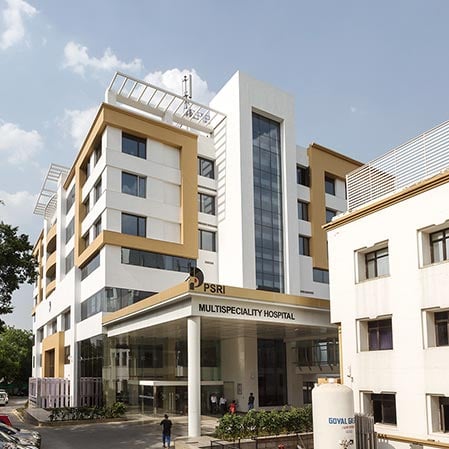
Pushpawati Singhania tadqiqot instituti (PSRI kasalxonasi), Nyu-Dehli, 1996 yilda JK Group tomonidan tashkil etilgan etakchi ko'p ixtisoslashgan uchin...
Akkreditatsiya
Muvofiqliklar
Shunga o'xshash protseduralar
Galereya
TSS
Sharhlovchi
Hammasini ko'rish
Rais va katta maslahatchi - jigar transplantatsiyasi
Doktor Vivek Vij - bu sohada 15 yildan ortiq tajribaga ega bo'lgan kashshof jigar transplantatsiyasi jarrohi. Fortis kasalxonalarida jigar transplantatsiyasi va gepatobiliar fanlar bo'limi raisi sifat... Ko'proq o'qish

Bizning veb-saytimiz cookie-fayllardan foydalanadi. Maxfiylik siyosati.