
Jigar transplantatsiyasi Narxi Hindiston
Haqida Jigar transplantatsiyasi
Jigar transplantatsiyasi nima?
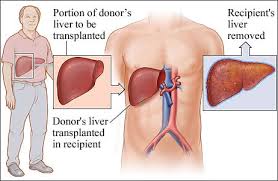
Jigar transplantatsiyasi hayotni saqlab qoladigan jarrohlik muolaja bo'lib, unda kasal/shikastlangan jigar boshqa odamning sog'lom jigari bilan almashtiriladi. Bu yangi jigar tirik donordan (jigarining bir qismini beradigan) yoki o'lgan donordan (o'limdan keyin jigarini donorlik qiladigan) kelib chiqishi mumkin. Jigar ovqat hazm qilish, qondan toksinlarni olib tashlash va muhim oziq moddalarni saqlashda hal qiluvchi rol o'ynaydigan muhim tana organidir. Ishlaydigan jigar bo'lmasa, tana yopila boshlaydi.
Jigarning ko'plab jiddiy kasalliklarida dori-darmonlar va boshqa davolash usullari endi yordam bermasligi mumkin. Bu vaqtda jigar transplantatsiyasi omon qolish uchun yagona imkoniyatga aylanadi. Operatsiya shikastlangan jigarni olib tashlaydi va uning o'rniga barcha muhim funktsiyalarni bajara oladigan sog'lom jigarni qo'yadi.
Kimga jigar transplantatsiyasi kerak?
Jigar kasalligi bo'lgan hamma ham transplantatsiyaga muhtoj emas. Ammo jigar ishdan chiqa boshlaganda va tanani sog'lom saqlay olmaganda, shifokorlar jigar transplantatsiyasi haqida o'ylashni boshlaydilar. Ushbu hayotni qutqaruvchi operatsiya ko'pincha jigar kasalligining so'nggi bosqichidagi bemorlar yoki jigar saratonining ayrim turlari bo'lganlar uchun eng yaxshi variant hisoblanadi.
Jigar transplantatsiyasini talab qiladigan umumiy holatlar
Jigar etishmovchiligi ko'p odamlarda, odatda, bir necha oy yoki yillar davomida to'plangan zarardan keyin asta-sekin rivojlanadi. Biror kishi transplantatsiyaga muhtoj bo'lishi mumkin bo'lgan eng keng tarqalgan sabablar:
- Siroz: Bu eng tez-tez uchraydigan sababdir. Sirozda jigar to‘qimasi chandiqlanib, qotib qoladi, bu qon oqimini to‘xtatadi va jigarning sog‘lom faoliyatini buzadi. Spirtli ichimliklarni suiiste'mol qilish, gepatit va yog'li jigar kasalliklari ko'pincha sirozga olib keladi.
- Alkogolsiz yog'li jigar kasalligi (NAFLD): Bu jigarda yog 'to'planib, vaqt o'tishi bilan yallig'lanishni keltirib chiqarganda sodir bo'ladi.
- Uzoq muddatli gepatit B yoki C: Surunkali virusli infektsiyalar jigar hujayralariga zarar etkazadi va asta-sekin jigar etishmovchiligiga olib keladi.
- Jigar saratoni (gepatotsellyulyar karsinoma): Ba'zi hollarda, jigarda boshlangan saraton erta aniqlanib, transplantatsiya qilinsa, hali ham davolanishi mumkin.
- O'tkir jigar etishmovchiligi: Bu jigar funktsiyasining to'satdan yo'qolishi, ko'pincha dori dozasini oshirib yuborish (masalan, paratsetamol), infektsiyalar yoki toksik ta'sir tufayli.
Shifokorlar muvofiqlikni qanday hal qilishadi?
Shifokorlar darhol transplantatsiya qilishni maslahat bermaydilar. Birinchidan, ular jigar qanchalik yaxshi ishlashini tekshirish uchun bir nechta testlarni o'tkazadilar. TheMELD ball(Oxirgi bosqich jigar kasalligi modeli) shifokorlarga qachon transplantatsiya zarurligini hal qilishga yordam beradi. Bal qancha yuqori bo'lsa, shoshilinchlik shunchalik yuqori bo'ladi.
Bemorlar boshqa shartlarga ham javob berishlari kerak. Masalan, ular:
- Katta operatsiyani boshdan kechirish uchun etarlicha sog'lom bo'ling.
- Jigardan tashqarida faol infektsiyalar yoki saraton mavjud emas.
- Transplantatsiyadan keyin parvarish qilish bo'yicha ko'rsatmalarga rioya qilish belgilarini ko'rsating.
Shifokorlar hissiy va aqliy tayyorgarlikni ham baholaydilar. Jigar transplantatsiyasini tiklash umr bo'yi parvarish va dori-darmonlarni talab qilganligi sababli, bemorlar sog'lig'ini saqlash uchun qat'iy majburiyat ko'rsatishlari kerak.
Jigar transplantatsiyasining har xil turlari qanday?
Jigar transplantatsiyasi operatsiyasi bemorning sog'lig'iga, donorning mavjudligiga va protseduraning dolzarbligiga qarab turli shakllarda mavjud. Jigar transplantatsiyasining har bir turi o'ziga xos afzalliklarga ega va transplantatsiya guruhi tomonidan to'liq tibbiy ko'rikdan so'ng tanlanadi.
Tirik donor jigar transplantatsiyasi
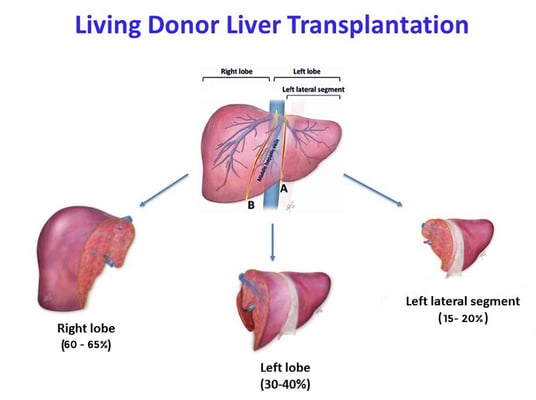
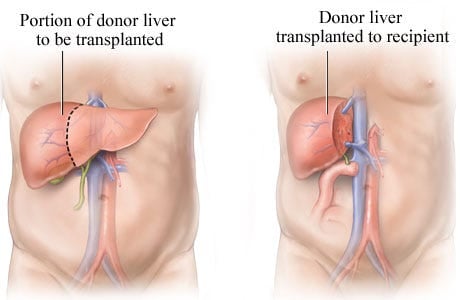
Tirik donor jigar transplantatsiyasi jarayoni sog'lom odamdan jigarning bir qismini (odatda o'ng yoki chap bo'lak) olish va uni qabul qiluvchiga ko'chirishni o'z ichiga oladi. Ushbu turdagi transplantatsiya mumkin, chunki jigar operatsiyadan keyingi bir necha hafta ichida donorda ham, qabul qiluvchida ham o'zining to'liq hajmini tiklash uchun noyob qobiliyatga ega.
Tirik donor jigar transplantatsiyasi donor sifatida tayyor va sog'lom oila a'zosi yoki do'sti bo'lgan bolalar yoki kattalar uchun eng mos keladi. Ushbu turdagi asosiy afzalliklarga qisqaroq kutish vaqtlari, operatsiyani oldindan rejalashtirish qobiliyati va yaxshi organ sifati va vaqtlari tufayli yuqori muvaffaqiyat darajasi kiradi.
O'lgan donorning jigar transplantatsiyasi
O'lgan donor jigar transplantatsiyasi yaqinda vafot etgan va a'zolarini donorlik qilgan odamning to'liq jigaridan foydalanadi. Jigar ehtiyotkorlik bilan saqlanadi va olib tashlanganidan keyin muhim vaqt oralig'ida bemorga ko'chiriladi.
O'lgan donor jigar transplantatsiyasi tegishli tirik donorga ega bo'lmagan bemorlarga tavsiya etiladi. Biroq, mos o'lgan donor a'zolarining cheklanganligi sababli u uzoqroq kutish vaqtlarini o'z ichiga olishi mumkin. Odatda jigar kasalligining oxirgi bosqichi yoki o'tkir jigar etishmovchiligi bo'lgan bemorlarda amalga oshiriladi.
Split jigar transplantatsiyasi
Split jigar transplantatsiyasi operatsiyasi vafot etgan donorning jigarini ikki qismga bo'lishdan iborat bo'lib, keyinchalik ular ikki xil qabul qiluvchiga, odatda bitta kattalar va bitta bolaga ko'chiriladi. Bu juda ixtisoslashgan protsedura bo'lib, mukammal jarrohlik aniqligi va shifoxona infratuzilmasini talab qiladi.
Ajratilgan jigar transplantatsiyasi foydalidir, chunki ular bitta donor qilingan jigar bilan ikki hayotni saqlab qolishga imkon beradi. Ushbu usul ko'pincha bolalarda jigar transplantatsiyasi holatlarida qo'llaniladi, bu erda qabul qiluvchi kichikroq transplantatsiya qilishni talab qiladi.
Yordamchi jigar transplantatsiyasi
Yordamchi jigar transplantatsiyasi bemorning kasallangan jigarini to'liq almashtirish o'rniga, qisman donor jigarini implantatsiya qilishni o'z ichiga oladi. Bu usul mahalliy jigarning vaqt o'tishi bilan tiklanishi ehtimoli mavjud bo'lganda, masalan, zaharlanish yoki virusli gepatit tufayli o'tkir jigar etishmovchiligi holatlarida ko'rib chiqiladi.
Yordamchi jigar transplantatsiyasi asosan yosh bemorlarda yoki shifokorlar jigarning asl funktsiyasini saqlab qolishni xohlaydigan holatlarda qo'llaniladi. Agar bemorning jigari tuzalib ketsa, donor grefti qisqarishi yoki hatto keyingi jarayonda olib tashlanishi mumkin.
Jigar transplantatsiyasi qanday amalga oshiriladi?
Jigar transplantatsiyasi jarayoni eng yaxshi natijalarni ta'minlash uchun ehtiyotkorlik bilan tuzilgan protokolga amal qiladi. Butun sayohat baholash, donor tanlash, jarrohlik amaliyoti va operatsiyadan keyingi tiklanishni o'z ichiga oladi. Har bir qadamni tushunish bemorlar va ularning oilalarini aqliy, jismoniy va moliyaviy jihatdan tayyorlashga yordam beradi.
Transplantatsiyadan oldingi baholash
Jarrohlar jigar transplantatsiyasi operatsiyasi eng yaxshi davolash usuli ekanligini tasdiqlash uchun to'liq tibbiy baholash o'tkazish orqali jarayonni boshlaydilar. Baholash qon testlari, ko'rish skanerlari, yurak va o'pka faoliyatini baholash va psixologik maslahatlarni o'z ichiga oladi.
Transplantatsiya guruhi, shuningdek, nazoratsiz infektsiyalar yoki og'ir yurak kasalliklari kabi har qanday kontrendikatsiyani tekshiradi. Faqat muvofiqlik mezonlariga javob beradiganlar transplantatsiya jarayonida oldinga siljiydilar.
Donorlarni moslashtirish va tayyorlash
Agar bemorda tirik donor bo'lsa, shifokorlar xavfsiz moslikni ta'minlash uchun muvofiqlik testlarini o'tkazadilar. O'lgan donor transplantatsiyasi uchun bemorning ismi transplantatsiya kutish ro'yxatiga qo'shiladi. Moslashish qon guruhini, jigar hajmini va umumiy salomatlikni tekshirishni o'z ichiga oladi.
Tegishli donor tasdiqlangandan so'ng, donor ham, qabul qiluvchi ham yakuniy tibbiy ko'rikdan o'tadi va operatsiya oldidan rejalashtirishdan o'tadi. Tirik donor bo'lsa, transplantatsiya sanasi oldindan rejalashtirilgan.
Jigar transplantatsiyasi operatsiyasi
Operatsiya ilg'or jigar transplantatsiyasi texnologiyasi bilan jihozlangan steril operatsiya xonasida amalga oshiriladi. Transplantatsiya qiluvchi jarrohlar kasallangan jigarni olib tashlashadi va uni donordan sog'lom jigar yoki jigar segmenti bilan almashtiradilar.
Operatsiya odatda 8 dan 12 soatgacha davom etadi. Tajribali jigar transplantatsiyasi jarrohlari xavflarni minimallashtirish va aniqlikni ta'minlash uchun anesteziologlar va yordamchi xodimlar bilan birga ishlaydi.
Jarrohlikdan keyingi tez tibbiy yordam ko'rsatish
Jarrohlikdan so'ng bemor yaqindan kuzatib borish uchun intensiv terapiya bo'limiga (ICU) o'tkaziladi. Shifokorlar muntazam ravishda hayotiy belgilarni, jigar faoliyatini va tananing yangi organga munosabatini tekshiradilar.
ICUda qolish vaqtida bemorlar organlarni rad etishning oldini olish uchun immunosupressant dorilarni va infektsiyalarni oldini olish uchun antibiotiklarni oladi.
Kasalxonada qolish va tiklanish
Hindistonda jigar transplantatsiyasidan keyin kasalxonada qolish 2 haftadan 3 haftagacha davom etadi. Bemorlar shifokor nazorati ostida asta-sekin yurish, ovqatlanish va asosiy faoliyatni davom ettirishni boshlaydilar.
Transplantatsiya guruhi bemorni va parvarish qiluvchilarni gigiena, ovqatlanish, jarohatni parvarish qilish va bo'shatishdan oldin dori-darmonlar jadvali bo'yicha o'rgatadi.
Uzoq muddatli kuzatuv va monitoring
Bo'shatilgandan so'ng, bemorlar dastlabki bir necha oy davomida muntazam ravishda kuzatuv tashriflarida qatnashadilar. Ushbu tashriflar qon testlari, ultratovush tekshiruvi va dori dozalarini sozlashni o'z ichiga oladi.
Shifokorlar organlarni rad etish belgilari, infektsiyalar va boshqa asoratlarni kuzatadilar. Uzoq muddatli parvarish jigar faoliyatini yaxshi ta'minlashga yordam beradi va bemor sog'lom qoladi.
Bepul davolash rejasini oling
Hindiston yilda Jigar transplantatsiyasi haqida
What is the Cost of a Liver Transplant in India?
The liver transplant cost in India ranges between ₹20 lakhs to ₹30 lakhs, which is approximately $23,000 to $36,000. It includes most of the essential services required for a successful transplant and postoperative recovery. Compared to countries like the United States or the United Kingdom, India offers world-class liver transplant services at a significantly lower price.
What's Included in the Liver Transplant Package in India?
Most liver transplant packages in India cover a comprehensive list of medical and surgical services, which include:
- Pre-transplant evaluation: This includes blood tests, imaging scans (such as MRI or CT), liver function tests, and cardiopulmonary assessments. These tests help determine whether the patient is fit for transplant.
- Surgical procedure charges: The actual cost of liver transplant surgery includes operating theater charges, surgeon's fees, anesthetist fees, and the cost of medical equipment used during the procedure.
- Donor surgery expenses: In the case of a living donor liver transplant, the cost also includes evaluation, hospitalization, and surgery for the donor.
- Intensive Care Unit (ICU) stay: The transplant recipient requires ICU support for several days post-surgery to monitor vital signs and manage complications.
- Hospital stay for both donor and recipient: Typically, recipients remain in the hospital for 2 to 3 weeks while donors stay for about a week.
- Immunosuppressive medications: These are critical drugs that prevent the immune system from rejecting the transplanted liver. The initial cost of these medications is included in the package.
- Nursing and ward care: High-quality postoperative care is provided by trained nurses and medical staff to ensure proper recovery.
- Follow-up consultations (initial period): Some hospitals include a few months of follow-up visits, blood tests, and follow-up monitoring in the overall transplant cost.
India's liver transplant centers also offer value-added services, such as dietary planning, physiotherapy, and counseling, particularly for international patients, as part of a comprehensive care plan.
Cost Breakdown of Liver Transplant in India
The complete cost structure of liver transplant in India includes various stages such as medical evaluations, surgery, hospital stay, medications, and donor care. Below is a detailed cost breakdown of what you can expect.
- Pre-Transplant Evaluation Cost: Doctors perform several diagnostic tests before scheduling the surgery. These include blood tests, imaging scans, cardiac evaluations, and consultations with specialists. The cost for liver transplant pre-evaluation ranges between ₹1,50,000 and ₹2,50,000 (approximately $1,800 to $3,000).
- Liver Transplant Surgery Cost: The surgical cost of liver transplant covers the operation theater, surgeon's fee, anesthetist, surgical team, and equipment. It is the most considerable portion of the expense, ranging from ₹10 lakhs to ₹15 lakhs ($12,000 to $18,000).
- Donor Surgery and Care Cost: In living donor transplants, the donor also undergoes surgery. It includes hospital admission, donor evaluation, and surgical fees. The donor surgery cost in India ranges from ₹3 lakhs to ₹5 lakhs ($3,500 to $6,000).
- Postoperative ICU and Hospital Stay: Patients typically spend several days in the ICU, followed by recovery in a general ward or private room. The ICU and hospitalization cost ranges between ₹3 lakhs and ₹4 lakhs ($3,500 to $4,800).
- Immunosuppressive Medication Cost: After transplant, patients need lifelong medications to prevent organ rejection. The initial cost of the immunosuppressive drug is approximately ₹1 lakh to ₹1.5 lakh ($1,200 to $1,800), which may increase depending on the patient's response to treatment.
- Follow-up Tests and Consultation Charges: After discharge, doctors continue to monitor the patient's progress through regular blood tests and check-ups. The first few months of follow-up care can cost between ₹50,000 and ₹1,00,000 ($600 to $1,200).
Expense Component | Cost in INR | Cost in USD |
| Pre-transplant Evaluation | ₹1,50,000 – ₹2,50,000 | $1,800 – $3,000 |
| Liver Transplant Surgery | ₹10,00,000 – ₹15,00,000 | $12,000 – $18,000 |
| Donor Surgery and Care | ₹3,00,000 – ₹5,00,000 | $3,500 – $6,000 |
| ICU & Hospital Stay | ₹3,00,000 – ₹4,00,000 | $3,500 – $4,800 |
| Immunosuppressive Medications | ₹1,00,000 – ₹1,50,000 | $1,200 – $1,800 |
| Follow-up Care | ₹50,000 – ₹1,00,000 | $600 – $1,200 |
| Total Estimated Cost | ₹20,00,000 – ₹30,00,000 | $23,000 – $36,000 |
Liver Transplant Cost Comparison: India vs Other Countries
India is a preferred destination for liver transplant surgery because of its cost-effectiveness without compromising on quality. When comparing liver transplant costs globally, India consistently offers some of the most affordable options while maintaining excellent outcomes.
In countries such as the United States or the United Kingdom, the total cost of a liver transplant can be overwhelming. Patients often face long waiting times and high out-of-pocket expenses due to insurance deductibles. On the other hand, Indian hospitals provide world-class liver transplant procedures at a fraction of the international cost.
Country | Average Liver Transplant Cost (USD) | Key Highlights |
| India | $23,000 – $36,000 | Affordable, shorter wait time, skilled surgeons |
| United States | $5,00,000 – $8,00,000 | Very high cost, long waiting period |
| United Kingdom | $3,00,000 – $4,50,000 | High cost, availability mostly through the NHS |
| UAE | $1,20,000 – $2,00,000 | Expensive, limited number of transplant centers |
| Turkey | $70,000 – $1,00,000 | Growing medical hub, still costlier than India |
| Singapore | $2,50,000 – $3,50,000 | High-tech facilities but high cost |
India stands out as a country that provides advanced liver transplant surgeries at economical rates. Even after including travel, accommodation, and postoperative recovery costs, the total expense in India remains significantly lower than in most developed nations.
Additionally, Indian hospitals provide comprehensive support to international patients, ensuring a smooth and stress-free process. Choosing India for a liver transplant not only saves money but also reduces waiting time, improves access to skilled doctors, and ensures personalized care.
What are the Factors Affecting Liver Transplant Cost in India?
The liver transplant cost in India can vary widely based on several critical elements related to both the patient and the healthcare facility. These factors influence overall medical expenses, and understanding them provides patients with better clarity on what to expect financially.
- Type of Liver Transplant: Living donor liver transplant usually costs more because it includes two surgeries, one for the donor and one for the patient. Deceased donor transplant may involve costs for coordination and organ matching.
- Hospital and City: The cost of a liver transplant varies depending on the hospital's reputation and location. Premium hospitals in metro cities like Delhi or Mumbai may charge more due to advanced facilities and expert teams.
- Surgeon's Experience: Surgeons with years of transplant experience may charge higher fees. However, their skills often lead to better outcomes and fewer complications.
- Patient's Health Condition: If the patient has advanced liver failure or multiple health issues, they may require additional tests, a more extended ICU stay, and more medications, which can increase the overall cost.
- Donor-Related Expenses: A living donor transplant includes donor screening, surgery, and postoperative care. These services are billed along with the recipient's transplant package.
- Length of Hospital Stay: Patients who recover slowly or need ICU care for longer periods will incur higher hospital bills. The length of hospital stay directly impacts total expenses.
- Post-Transplant Medicines: Immunosuppressants and follow-up tests are essential after surgery. These long-term medications can increase the overall cost by several lakhs.
Why Choose India for Liver Transplant?
India has become one of the top destinations for liver transplants due to its blend of affordability and high medical standards. Patients from across the globe travel here to receive expert care without compromising on quality.
- World-Class Surgeons with Global Training: India boasts some of the most experienced liver transplant surgeons, who have received training at leading institutions worldwide. Their expertise ensures safe procedures and excellent outcomes.
- Advanced Hospitals with Modern Infrastructure: Top hospitals in India offer cutting-edge technology, advanced ICUs, and dedicated transplant units. These facilities follow strict international protocols for safety, hygiene, and postoperative care.
- Affordable Liver Transplant Packages: Liver transplants in India are significantly less expensive than those in countries like the US or the UK. Despite the lower cost, patients receive comprehensive care, including donor surgery and intensive aftercare.
- High Donor Availability and Efficient Coordination: India has a growing living donor program and is steadily improving deceased donor networks. Hospitals here are adept at managing the complex logistics of transplant coordination.
- Minimal Waiting Time and Faster Procedures: Compared to the long waiting lists in many Western countries, India offers quicker evaluation, faster matching, and prompt surgery scheduling, which is critical for patients with urgent liver conditions.
- Holistic Care for International Patients: From visa assistance and travel planning to local language support and post-discharge guidance, Indian hospitals offer a smooth experience for foreign patients seeking liver transplant treatment.
What Services are Provided to Overseas Patients?
India offers a comprehensive range of support services to ensure that overseas patients feel safe, comfortable, and well cared for throughout their liver transplant journey. These services make the entire process, from planning to recovery, stress-free and efficient.
- Dedicated Case Managers for Personalized Care: Each patient is assigned a case manager who acts as the single point of contact. The manager helps coordinate appointments, doctor consultations, surgery schedules, and follow-ups, ensuring seamless communication throughout the treatment.
- Visa Assistance and Medical Invitations: Hospitals in India provide official visa invitation letters (VILs) and help patients and their caregivers with visa applications. Many institutions have tie-ups with embassies to expedite the process.
- Airport Pick-up and Local Travel Support: Many medical travel packages include complimentary airport pick-up and drop-off services. Additionally, hospital teams assist in arranging safe transportation between the hotel, hospital, and recovery accommodations.
- Multilingual Translators and Cultural Support: Most top hospitals have in-house interpreters for Arabic, French, Spanish, Russian, Swahili, and other widely spoken languages. They also assist with local cultural needs and dietary preferences.
- Affordable Guest House and Recovery Stay Options: Hospitals partner with nearby guest houses, serviced apartments, and budget hotels that offer safe and hygienic stays for patients and families. These are often within walking distance of the hospital.
- Currency Exchange and Payment Assistance: The hospital's support teams assist with currency exchange, international payment options, and guidance on utilizing health insurance (if applicable). Some hospitals even allow advance deposits through bank transfers.
- Post-Discharge Care and Follow-Up Support: Even after discharge, hospitals in India offer teleconsultation services and ongoing follow-up with the transplant team. Patients can stay connected with their doctors even after returning home.
What is the Success Rate and Survival After Liver Transplant in India?
Liver transplant outcomes in India have improved significantly, thanks to advancements in surgical techniques, experienced transplant teams, and comprehensive postoperative care. India now offers survival rates that match many leading global transplant centers, while keeping the treatment affordable.
- 1-Year Survival Rate After Liver Transplant: The average 1-year survival rate for liver transplant patients in India is between 85% and 90%. It means that the vast majority of patients recover well after the procedure, especially when the transplant is done at a reputed center with skilled specialists.
- 5-Year Survival Rate After Liver Transplant: The 5-year survival rate ranges from 70% to 75%, depending on the patient's underlying condition, age, and adherence to medications and follow-up protocols. Long-term success also depends on early detection of complications and regular monitoring.
Factors That Improve Liver Transplant Outcomes in India
Liver transplant success is higher when the procedure is performed at transplant centers with a high volume of patients and multidisciplinary teams. Early referral, optimal patient health before surgery, a compatible donor match, and consistent postoperative care also play key roles in improving survival rates.
India's Strength in Delivering High-Quality Transplants
Many Indian hospitals follow international protocols, such as those established by the AASLD (American Association for the Study of Liver Diseases) and the EASL (European Association for the Study of the Liver). The adherence to global standards, combined with state-of-the-art ICUs and access to affordable medications, helps ensure strong outcomes.
Recovery Timeline After Liver Transplant in India
Recovering from a liver transplant is a gradual process that happens in several stages. Each phase is essential for building strength, preventing complications, and adjusting to life with a new liver.
- Hospital Stay (2–3 Weeks): Most patients stay in the hospital for around 2 to 3 weeks after the transplant. The first 7–10 days are usually spent in the ICU, where doctors closely monitor the patient's condition, check liver function, and manage any signs of infection or rejection.
- Initial Home Recovery (First 3 Months): After discharge, patients need to follow strict rest and hygiene routines at home. During the first 3 months, they attend regular follow-up visits, undergo blood tests, and take medications to suppress the immune system (immunosuppressants). It is important to avoid crowded places and eat a well-balanced, low-salt diet during this time.
- Gradual Return to Routine (3–6 Months): Between 3 to 6 months, many patients begin to feel stronger and return to light activities. Doctors may reduce the dosage of certain medications, and the body starts adapting to the new liver. It's vital to closely monitor blood pressure, weight, and blood sugar levels.
- Long-Term Recovery and Lifestyle (6 Months–1 Year): By 6 to 12 months, most patients can resume work or school and return to an everyday daily life. However, long-term medication is essential, along with periodic liver function tests and check-ups. Maintaining a healthy lifestyle, avoiding alcohol, eating nutritious food, and staying active, is crucial for lifelong success after transplant.
Jigar transplantatsiyasi Mamlakat bo'yicha xarajatlarni taqqoslash
Tibbiy davolanishingiz haqida asosli qaror qabul qilish uchun turli mamlakatlardagi Jigar transplantatsiyasi xarajatlarni solishtiring.
| Mamlakat | Narxlar oralig'i (AQSh dollari) | Potentsial tejash | Harakat |
|---|---|---|---|
HindistonHozirgiEng yaxshi qiymat | $23,000 - $36,000 | — | Iqtibosni oling |
Eslatma: Xarajatlar kasalxonani tanlashda, xona turi, qo'shimcha xizmatlar va tibbiy talablarga asoslanishi mumkin.
Hindiston yilda Jigar transplantatsiyasi uchun yetakchi kasalxonalar

BLK-Max super ixtisoslashtirilgan kasalxonasi, Nyu-Dehli
Nyu-Dehlidagi BLK-Max Super Specialty Hospital 650 o'rinli yotoq, 22 ta ilg'or operasiya teatri va 13 ta mukammallik markazlarini taklif qiluvchi Hind...
Akkreditatsiya


Muvofiqliklar

Max Smart Super maxsus kasalxonasi, Saket, Nyu-Dehli
Max Smart Super Specialty Hospital, Saket - Janubiy Dehlidagi 250 o'rinli uchinchi darajali shifoxona. U 22 dan ortiq mutaxassisliklar, jumladan, yura...
Akkreditatsiya
Muvofiqliklar
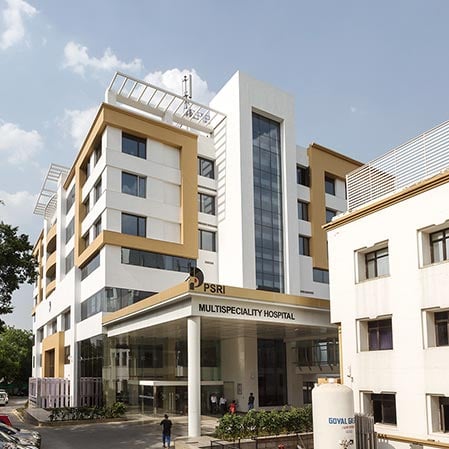
PSRI kasalxonasi, Dehli
Pushpawati Singhania tadqiqot instituti (PSRI kasalxonasi), Nyu-Dehli, 1996 yilda JK Group tomonidan tashkil etilgan etakchi ko'p ixtisoslashgan uchin...
Akkreditatsiya
Muvofiqliklar
Shunga o'xshash protseduralar
Galereya
TSS
Sharhlovchi
Hammasini ko'rish
Rais va katta maslahatchi - jigar transplantatsiyasi
Doktor Vivek Vij - bu sohada 15 yildan ortiq tajribaga ega bo'lgan kashshof jigar transplantatsiyasi jarrohi. Fortis kasalxonalarida jigar transplantatsiyasi va gepatobiliar fanlar bo'limi raisi sifat... Ko'proq o'qish

Bizning veb-saytimiz cookie-fayllardan foydalanadi. Maxfiylik siyosati.