
Ildiz hujayra transplantatsiyasi Narxi Hindiston
Haqida Ildiz hujayra transplantatsiyasi
Ildiz hujayra transplantatsiyasi nima?
Ildiz hujayra transplantatsiyasi - bu kasallik, kimyoterapiya yoki ayrim qon kasalliklari tufayli iligi shikastlangan bemorlarda sog'lom suyak iligini tiklaydigan protsedura. Ushbu davolashning maqsadi qizil qon tanachalari, oq qon hujayralari va trombotsitlarni yaratish uchun mas'ul bo'lgan "ona hujayralar" bo'lgan sog'lom ildiz hujayralarini kiritish orqali tanaga yana normal qon hujayralarini ishlab chiqarishga yordam berishdir.
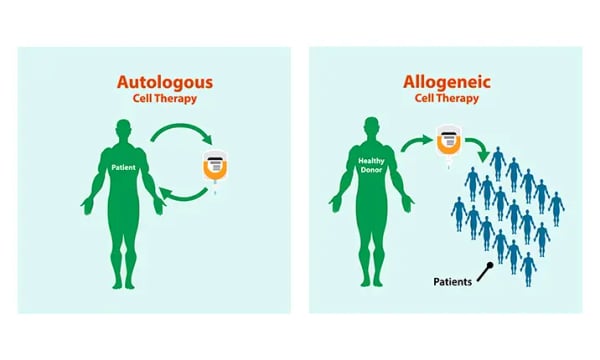
Ushbu ildiz hujayralari bemorning o'z tanasidan olinishi mumkin (anotologik transplantatsiya) yoki donordan (deb yuritiladiallogenik transplantatsiya). Ba'zi hollarda, oila a'zolaridan qisman o'yindan foydalanish mumkin, bu a deb ataladihaploidentsial transplantatsiya.
Ildiz hujayra transplantatsiyasi ko'pincha quyidagi kasalliklardan aziyat chekadigan odamlar uchun tavsiya etiladi:
- Leykemiya
- Lenfoma
- Ko'p miyelom
- Aplastik anemiya
- Talassemiya
- Ba'zi immunitet tanqisligi kasalliklari
Jarayon transplantatsiya oldidan baholashdan boshlab, yuqori dozali kimyoterapiya yoki radiatsiya (kasal hujayralarni yo'q qilish uchun), so'ngra ildiz hujayralarining haqiqiy infuzioni va nihoyat transplantatsiyadan keyingi ehtiyotkorlik bilan tiklanish davrini o'z ichiga olgan bir necha bosqichlarni o'z ichiga oladi.
Murakkab bo'lsa-da, ildiz hujayra transplantatsiyasi hayot uchun xavfli bo'lgan bemorlarga yangi umid beradi.
Ildiz hujayra transplantatsiyasining har xil turlari qanday?
Ildiz hujayra transplantatsiyasi ildiz hujayralarining manbasiga qarab tasniflanadi. To'g'ri turni tanlash davolanayotgan kasallikka, donorning mavjudligiga, bemorning sog'lig'ining holatiga va shifokorning tavsiyasiga bog'liq.
Avtolog ildiz hujayra transplantatsiyasi (o'z-o'zidan olingan)
Otologik transplantatsiyada bemorning o'z ildiz hujayralari davolash uchun ishlatiladi. Bu hujayralar qon oqimidan yoki suyak iligidan yig'iladigacha; ... dan oldinyuqori dozali kimyoterapiya yoki radiatsiya bilan og'rigan bemor. Saraton yoki kasal hujayralar yo'q qilingandan so'ng, ildiz hujayralari sog'lom ilikni qayta tiklashga yordam berish uchun tanaga qaytariladi.
Bu usul asosan quyidagilarda qo'llaniladi:
- Ko'p miyelom
- Hodgkin yoki non-Xodgkin limfomalarining qaytalanishi
- Bolalardagi ba'zi qattiq o'smalar
Afzalliklari:
- Graft-versus-host kasalligi (GVHD) xavfi yo'q, chunki hujayralar bemordan keladi.
- Immunitetni rad etish xavfi past.
- Kasalxonada qolish qisqaroq va dastlabki tiklanish tezroq.
Biroq, to'plangan ildiz hujayralarining ba'zilarida saraton izlari bo'lishi mumkinligi xavfi mavjud, shuning uchun bu turdagi leykemiyaning ayrim turlari uchun mos emas.
Allogenik ildiz hujayra transplantatsiyasi (donordan olingan)
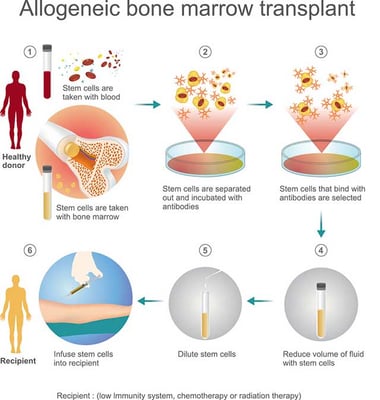
Allogenik transplantatsiya boshqa odamning ildiz hujayralaridan foydalanadi - odatda genetik jihatdan mos keladiaka-uka,qarindosh, yokibog'liq bo'lmagan donor. Transplantatsiyadan oldin test chaqiriladiHLA yozishdonor va bemor o'rtasidagi muvofiqlikni ta'minlash uchun amalga oshiriladi. Ushbu usul odatda davolash uchun ishlatiladi:
- O'tkir va surunkali leykemiyalar
- Aplastik anemiya
- Talassemiya kabi irsiy qon kasalliklari
- Miyelodisplastik sindromlar (MDS)
Afzalliklari:
- Donor ildiz hujayralari qolgan saraton hujayralariga ham hujum qilishi mumkin - bu foydali ta'sir sifatida tanilgangreft-versus-leykemiyata'sir.
- Sog'lom donor ildiz hujayralari bemorning tanasida yangi immunitet tizimini yaratadi.
Xavflar:
- imkoniyatiGVHD, bu erda donorning immun hujayralari qabul qiluvchining tanasiga hujum qiladi.
- Ayniqsa, dastlabki 100 kun ichida ehtiyotkorlik bilan kuzatishni talab qiladi.
Allogenik transplantatsiya autologga qaraganda ancha murakkab va qimmatroq, lekin ko'plab yuqori xavfli holatlarda davolash mumkin.
Gaploidentik ildiz hujayra transplantatsiyasi (yarim mos donor)
Gaploidentik ildiz hujayra transplantatsiyasi allogenik transplantatsiya shakli bo'lib, donor faqat a50% genetik moslik. Ushbu parametr to'liq mos keladigan donorni topa olmaydigan bemorlar uchun idealdir. Ko'pincha donor sifatida oila a'zolari (masalan, ota-onalar, bolalar yoki aka-ukalar) ishlatiladi.
Immunosupressiv terapiyadagi so'nggi yutuqlar ushbu turdagi transplantatsiyani hatto resurslar cheklangan sharoitlarda ham xavfsizroq va muvaffaqiyatliroq qildi. Odatda quyidagilar uchun ishlatiladi:
- Leykemiya
- Lenfoma
- Aplastik anemiya
- Talassemiya, agar mos keladigan birodar bo'lmasa
Taroziga soling:
- Deyarli har bir bemor yarim mos keladigan oila donorini topishi mumkin.
- Tez donor mavjudligi transplantatsiya jarayonini tezlashtiradi.
Kamchiliklari:
- Moslashgan aka-uka transplantatsiyasi bilan solishtirganda immunitetning asoratlari xavfi yuqori.
- Mutaxassis parvarishi va yaqin monitoringni talab qiladi.
Kindik ichakchasidagi qon transplantatsiyasi
Umbilikal ichakning ildiz hujayralarini ko'chirib o'tkazish tug'ilish paytida kindik qonidan to'plangan ildiz hujayralaridan foydalanadi. Bu hujayralar kordon qon banklarida saqlanadi va transplantatsiya uchun, ayniqsa bolalarda ishlatilishi mumkin. Garchi bu hujayralar HLA nomuvofiqligiga ko'proq moslashgan bo'lsa-da, ularning soni kamroq, bu esa kattalarda foydalanishni cheklaydi.
Ildiz hujayra transplantatsiyasi kimga kerak?
Ildiz hujayra transplantatsiyasi ko'pincha ahayotni saqlab qolish uchun davolashsuyak iligi endi to'g'ri ishlamaydigan odamlar uchun. Buning sababi bo'lishi mumkinsaraton, agenetik buzuqlik, yoki aimmunitet tizimining jiddiy etishmovchiligi. Bunday hollarda noto'g'ri yoki vayron qilingan ilikni sog'lom ildiz hujayralari bilan almashtirish tanaga yana normal qon hujayralarini ishlab chiqarishni boshlashga yordam beradi.
Ildiz hujayra transplantatsiyasi odatda tavsiya etiladigan asosiy shartlar:
Qon saratoni
Qon saratoni tashxisi qo'yilgan ko'plab bemorlar uzoq muddatli davolash rejasining bir qismi sifatida transplantatsiya qilishni talab qiladi. Bularga quyidagilar kiradi:
- Leykemiya: Ayniqsa, o'tkir limfoblastik leykemiya (ALL) va o'tkir miyeloid leykemiya (AML). Transplantlar saraton hujayralarini yo'q qilishga va sog'lom ilikni tiklashga yordam beradi.
- Lenfoma: Hodgkin va Non-Hodgkin limfomasi, ayniqsa relaps yoki agressiv shakllarda.
- Ko'p miyelom: Avtolog ildiz hujayra transplantatsiyasi ko'pincha remissiyani uzaytirish uchun dastlabki kimyoterapiyadan keyin qo'llaniladi.
Suyak iligi etishmovchiligining buzilishi
Agar ilik etarlicha sog'lom qon hujayralarini ishlab chiqarmasa, transplantatsiya zarur bo'ladi:
- Aplastik anemiya: Tana etarli miqdorda yangi qon hujayralari ishlab chiqarishni to'xtatadigan kasallik.
- Miyelodisplastik sindrom (MDS): Qon hujayralari yomon shakllangan yoki ishlamay qolgan kasalliklar guruhi.
- Paroksismal tungi gemoglobinuriya (PNH): Qizil qon hujayralarini yo'q qiladigan va pıhtılaşma xavfini oshiradigan noyob kasallik.
Irsiy qon kasalliklari
Muayyan genetik sharoitga ega bo'lgan bolalar va yoshlar ildiz hujayralarini transplantatsiya qilish orqali davolanishga erishishlari mumkin:
- Talassemiya mayor: Ayniqsa, mos keladigan donorga ega bo'lgan yosh bemorlarda ildiz hujayra transplantatsiyasi umrbod qon quyish zaruratini bartaraf qilishi mumkin.
- O'roqsimon hujayra kasalligi: Og'ir yoki takroriy holatlarda, standart davolash samarasiz bo'lganda transplantatsiya taklif qilinishi mumkin.
- Fankoni anemiyasi: Suyak iligiga ta'sir qiladigan va aplastik anemiya yoki saratonga olib keladigan noyob irsiy holat.
Immunitet tanqisligi sindromlari va takrorlangan yoki chidamli saratonlar
Ba'zi odamlar zaif immunitet bilan tug'iladi, bu ularni tez-tez infektsiyalarga moyil qiladi. Ildiz hujayra transplantatsiyasi ularning immunitetini tiklashi mumkin. Bunga misollar kiradi:
- Og'ir kombinatsiyalangan immunitet tanqisligi (SCID)
- Viskott-Aldrich sindromi
- Surunkali granulomatoz kasallik
Agar standart kimyoterapiya yoki radiatsiya muvaffaqiyatsiz bo'lsa yoki kasallik remissiyadan keyin qaytsa, shifokorlar oxirgi, ammo kuchli variant sifatida ildiz hujayra transplantatsiyasini maslahat berishlari mumkin.
Ildiz hujayra transplantatsiyasi tartibi qanday?
Ildiz hujayra transplantatsiyasi puxta rejalashtirilgan, bir necha hafta davomida amalga oshiriladigan ko'p bosqichli davolashdir. Jarayon bemorni tayyorlash, ildiz hujayralarini to'plash va quyish, so'ngra tiklanish davrida tananing reaktsiyasini boshqarishni o'z ichiga oladi. Har bir qadam transplantatsiya qilingan ildiz hujayralarini ushlab turishi va sog'lom qon hujayralarini ishlab chiqarishni boshlashi uchun juda muhimdir.
Transplantatsiyadan oldingi baholash
Transplantatsiyadan oldin bemorning ushbu protsedurani bajarish uchun etarli darajada sog'lig'ini tekshirish uchun to'liq sog'lig'ini baholash amalga oshiriladi. Bunga quyidagilar kiradi:
- Qon testlari
- Ko'rish skanerlari (masalan, ko'krak qafasi rentgenogrammasi yoki kompyuter tomografiyasi)
- Yurak va o'pka funktsiyasi testlari
- Suyak iligi biopsiyasi (ba'zi hollarda)
- Donorlarni moslashtirish uchun HLA tiplash (allojenik yoki haploidentsial transplantatsiyalarda)
Shifokorlar, shuningdek, infektsiyalarni tekshiradi, organlar faoliyatini baholaydi va transplantatsiya natijalariga ta'sir qilishi mumkin bo'lgan boshqa xavf omillarini aniqlaydi.
Konditsioner terapiyasi
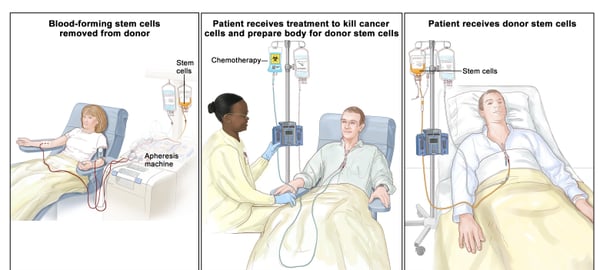
Baholash tugagandan so'ng, bemor qabul qiladikonditsioner davolash, bu odatda o'z ichiga oladiyuqori dozali kimyoterapiya,radiatsiya terapiyasi, yoki ikkalasining kombinatsiyasi. Ushbu bosqich juda muhim, chunki:
- Suyak iligidagi saraton yoki kasal hujayralarni yo'q qiladi
- Immunitet tizimini bostiradi va transplantatsiyani rad etish xavfini kamaytirishga yordam beradi
- Yangi ildiz hujayralari o'sishi uchun joy yaratadi
Bemorning kasalligi va transplantatsiya turiga qarab konditsionerlik bir necha kundan bir haftagacha davom etishi mumkin.
Ildiz hujayralar to'plami
Transplantatsiyadan oldin ildiz hujayralari yig'iladi. Bu turli yo'llar bilan amalga oshirilishi mumkin:
- Bemorning qonidan(otologik transplantatsiya uchun)
- Donorning qoni yoki suyak iligidan(allojenik transplantatsiyalar uchun)
- Kindik qonidan, agar ilgari saqlangan va moslashtirilgan bo'lsa
Yig'ish jarayoni odatda og'riqsiz va nazorat ostida amalga oshiriladi.
Ildiz hujayra infuzioni
Konditsionerdan so'ng, to'plangan ildiz hujayralari eritiladi (agar muzlatilgan bo'lsa) va qon quyish kabi bemorning qon oqimiga quyiladi. Transplantatsiyaning bu qismi oddiy va odatda bir necha soat davom etadi.
Infuziya qilinganidan so'ng, ildiz hujayralari suyak iligiga o'tadi va jarayonni boshlaydichizish,bu davrda ular yangi, sog'lom qon hujayralarini ishlab chiqarishni boshlaydilar.
Qayta tiklash va o'yma monitoringi
Infuziondan keyingi kunlar eng muhim hisoblanadi. Bemorni diqqat bilan kuzatib boradi:
- INFEKTSION (immunitet juda past bo'lgani uchun)
- Organ funktsiyasi
- Graft-versus-host kasalligi (donorga asoslangan transplantatsiyalarda)
- Qon ketish yoki qon quyish kerak
Engraftment odatda atrofida boshlanadi10 dan 20 kungachainfuziondan keyin. Bu vaqt davomida qo'llab-quvvatlovchi yordam, jumladan antibiotiklar, og'riq qoldiruvchi vositalar, ozuqaviy yordam va qon mahsulotlari kerak bo'lishi mumkin.
Bepul davolash rejasini oling
Hindiston yilda Ildiz hujayra transplantatsiyasi haqida
What Is the Cost of Stem Cell Transplant in India?
The cost of a stem cell transplant in India typically ranges between ₹15,00,000 and ₹35,00,000 (approximately $18,000 to $42,000), depending on several factors, including the type of transplant, the hospital, and the patient's clinical condition. The cost usually covers the full course of treatment, from evaluation to post-transplant care.
A standard stem cell transplant package at Indian hospitals includes:
- Pre-transplant evaluations such as HLA typing, imaging, blood tests, and infection screening.
- Hospital admission and inpatient care in specialized isolation rooms with HEPA filters.
- High-dose chemotherapy or radiation therapy for conditioning.
- Stem cell collection, processing, and storage (for autologous or donor-based procedures).
- Transplantation procedure including stem cell infusion and infusion-related care.
- Post-transplant monitoring such as infection control, blood transfusions, and supportive medications.
- Initial follow-up care for around 30–60 days after discharge (varies by center).
In some cases, additional expenses may arise for donor identification (for unrelated transplants), treatment of complications like graft-versus-host disease (GVHD), or extended ICU stay. International patients may also need to account for travel, visa, food, and accommodation costs separately.
Detailed Cost Breakdown of Stem Cell Transplant in India
The overall cost of a stem cell transplantation in India, which ranges between $18,000 and $42,000, can be better understood when broken down into individual components. Each phase of the transplant journey involves specific medical and logistical expenses.
- The initial phase includes pre-transplant evaluations, which typically cost between ₹1,00,000 and ₹2,00,000. These evaluations involve blood tests, imaging, heart and lung assessments, and donor matching (HLA typing), which are essential before proceeding with the transplant.
- The hospital stay accounts for a significant portion of the cost. For most patients, inpatient care in a high-efficiency isolation unit can cost anywhere between ₹4,00,000 and ₹7,00,000, depending on the duration of admission, which usually ranges from two to four weeks. Isolation rooms equipped with HEPA filters are essential for reducing the risk of infection during periods of immune suppression.
- The stem cell collection and processing charges vary depending on whether the transplant is autologous or allogeneic. For autologous transplants, the cost ranges from ₹2,00,000 to ₹4,00,000, while allogeneic transplants can cost ₹3,00,000 to ₹6,00,000, particularly if donor stem cells need to be mobilized and stored.
- Chemotherapy or conditioning therapy, which is administered before the transplant to destroy cancerous or damaged cells, adds around ₹1,50,000 to ₹3,00,000 to the total bill. Some cases may require additional radiation sessions, which are charged separately.
- The actual transplantation procedure, which includes stem cell infusion, medication, transfusions, and close monitoring, typically ranges between ₹3,00,000 and ₹5,00,000.
- Post-transplant care, including infection control, immunosuppressive drugs, supportive injections, and routine blood monitoring for the first 30–60 days, can cost another ₹2,00,000 to ₹4,00,000. This phase may also include the treatment of complications, such as graft-versus-host disease (GVHD), which can increase the cost if additional hospitalization is required.
Cost Component | Estimated Cost (INR) | Estimated Cost (USD) |
| Pre-Transplant Evaluation | ₹1,00,000 – ₹2,00,000 | $1,200 – $2,400 |
| Hospital Stay (Isolation & ICU) | ₹4,00,000 – ₹7,00,000 | $4,800 – $8,400 |
| Stem Cell Collection & Processing | ₹2,00,000 – ₹6,00,000 | $2,400 – $7,200 |
| Chemotherapy / Conditioning Therapy | ₹1,50,000 – ₹3,00,000 | $1,800 – $3,600 |
| Transplant Procedure & Infusion | ₹3,00,000 – ₹5,00,000 | $3,600 – $6,000 |
| Post-Transplant Medications & Monitoring | ₹2,00,000 – ₹4,00,000 | $2,400 – $4,800 |
| Total Estimated Cost | ₹15,00,000 – ₹35,00,000 | $18,000 – $42,000 |
Note: Prices may vary based on the type of transplant (autologous vs. allogeneic), complications, duration of stay, and the hospital chosen.
Cost Comparison: Stem Cell Transplant in India vs Other Countries
One of the biggest reasons overseas patients from more than 120 nations choose India for stem cell transplant is the significant cost advantage. While hospitals in India offer internationally accredited care with top-notch medical technology, the total expense remains a fraction of what it would cost in many Western countries.
Country | Average Cost (USD) | Inclusions |
| India | $18,000 – $42,000 | Complete transplant package including hospitalization, chemo, transplant, follow-up |
| United States | $120,000 – $250,000 | Usually excludes post-op stay and long-term care |
| United Kingdom | $100,000 – $200,000 | NHS may cover UK residents; private hospitals are costly |
| Canada | $110,000 – $210,000 | Public system covers locals; private costs for foreigners are high |
| Singapore | $60,000 – $120,000 | Excellent care, but overall expensive |
| UAE / Middle East | $80,000 – $150,000 | High-quality services, but at a premium price |
| Thailand | $30,000 – $50,000 | Competitive pricing, though still more than India |
Despite the lower pricing, the quality of care in India remains on par with global standards — making it an ideal destination for patients who need timely, affordable, and effective stem cell transplant care.
What Factors Affect Stem Cell Transplant Cost in India?
The cost of a stem cell transplant in India can vary widely between patients. While the average range falls between ₹15,00,000 and ₹35,00,000, several key factors influence where a patient falls within this spectrum.
- Type of Transplant: The most significant cost variation arises from the kind of stem cell transplant being performed. An autologous transplant is less expensive than an allogeneic transplant. Haploidentical and unrelated donor transplants further increase costs due to added testing, stem cell procurement, and immune-suppressive care.
- Donor Availability and Matching: If a matched sibling donor is available, the process is more straightforward and more cost-effective. However, when a matched unrelated donor or cord blood unit must be sourced from a registry, the cost rises.
- Choice of Hospital and City: Renowned multispecialty centers in metropolitan areas like Delhi, Mumbai, or Bangalore may charge more due to their premium infrastructure and advanced infection control systems.
- Length of Hospital Stay: If complications arise (such as infections or delayed engraftment), the hospital stay can extend, thereby increasing the overall bill.
- Post-Transplant Complications: Some patients may experience graft-versus-host disease (GVHD), serious infections, or organ dysfunction, especially after allogeneic transplants. Managing these complications requires additional medications, supportive care, or even re-hospitalization, all of which increase the total expenditure.
- Medications and Supportive Therapy: Costs for growth factors, antifungals, antivirals, and immunosuppressants can accumulate over the first few months of treatment.
- Follow-up and Recovery Needs: After discharge, the patient may require frequent follow-up tests, blood transfusions, or extended nutritional and physical rehabilitation services.
Why Choose India for Stem Cell Transplant?
India has become one of the world's leading destinations for stem cell transplant due to a rare combination of world-class treatment, experienced doctors, and affordable pricing. For patients facing complex blood disorders and life-threatening conditions, India offers not only clinical excellence but also personalized, compassionate care at a fraction of the global cost.
- Internationally Accredited Hospitals: India offers top-tier hospitals with JCI and NABH accreditations. These centers are equipped with HEPA-filtered transplant units and advanced laboratories that adhere to global standards.
- Expert Transplant Specialists: India boasts highly experienced doctors who have successfully handled hundreds of transplants. Many have received training in Europe or the US, ensuring access to world-class care.
- Cost-Effective Treatment: The cost of stem cell transplant in India is just a fraction of what it costs in the West, starting from ₹15 lakh. Yet, the quality of care remains uncompromised.
- High Success Rates: Indian hospitals report strong success rates, with over 80% for autologous transplants and up to 75% for matched donor transplants. These outcomes align with global benchmarks.
- Fast Treatment Without Waitlists: Unlike Western countries, where waiting for a transplant can take months, Indian hospitals can begin treatment quickly after evaluation and donor confirmation.
- Dedicated International Patient Support: From visa letters and airport pickups to translators and hotel booking, Indian hospitals offer full logistical support to patients traveling from abroad.
- Donor Flexibility: India has a strong track record in performing haploidentical and unrelated donor transplants. It benefits patients who don't have a fully matched sibling donor.
What Services Are Available for International Patients Undergoing Stem Cell Transplant in India?
India is a global hub for medical tourism, and top hospitals ensure that international patients receive not only excellent medical care but also comprehensive logistical and emotional support throughout their treatment journey.
- Medical Visa Assistance: Hospitals provide official invitation letters to help patients and donors secure a fast-track medical visa from Indian embassies. Many also guide families through the visa application process.
- Airport Pickup and Transfers: On arrival, patients are offered airport pickup services with a hospital representative to ensure safe and direct transport to the medical facility or hotel.
- Dedicated International Patient Coordinator: A multilingual coordinator is assigned to manage appointments, hospital admissions, discharge planning, and communication with doctors throughout the treatment.
- Affordable Accommodation Options: Hospitals either have in-house guest rooms or tie-ups with nearby hotels and serviced apartments for long-term stays. These are comfortable, hygienic, and budget-friendly for patient families.
- Language Interpretation Services: For non-English speakers, interpretation support is available in Arabic, French, Swahili, Bengali, and other major languages, facilitating easy communication with doctors and staff.
- Donor and Family Support: In allogeneic transplants, donors often accompany the patient. Hospitals assist in arranging donor evaluations, accommodations, and documentation for both parties.
- Food and Cultural Considerations: Hospitals often provide customized food options that take into account cultural and dietary needs, including halal, vegetarian, and African cuisine upon request.
- Post-Treatment Follow-up Coordination: Once the patient returns home, hospitals maintain ongoing communication through email, video consultations, and WhatsApp support to track recovery and manage medications.
These services are designed to make the process smooth and stress-free, allowing patients to focus entirely on their healing while the hospital handles the rest.
What Is the Success Rate and Recovery Timeline of Stem Cell Transplant in India?
Stem cell transplant is a complex and high-stakes treatment, but with the right medical team and supportive care, it offers excellent long-term outcomes. In India, the success rate of stem cell transplants is comparable to that of top international centers, while the recovery journey is carefully managed through structured protocols.
Success Rate of Stem Cell Transplant in India
The success of a stem cell transplant depends on multiple factors, including the patient's age, disease type, donor match, and the timing of the transplant. That said, India has built a strong track record of high success rates across various transplant types.
- Autologous Stem Cell Transplant: In cases like multiple myeloma or relapsed lymphoma, where the patient's own stem cells are used, India reports success rates of 80–90%. Since there is no risk of rejection, these procedures are generally safer and have quicker recovery times.
- Allogeneic Stem Cell Transplant: For patients receiving donor stem cells — especially those with leukemia, thalassemia, or aplastic anemia — success rates range from 60% to 75%, provided there is a suitable donor match and a timely transplant.
- Haploidentical Transplants (Half-Matched Donors): With improvements in immunosuppressive therapy and GVHD management, India has achieved survival rates of 50–70% even in high-risk haploidentical transplants.
- Pediatric Thalassemia and Immune Disorders: Children with matched sibling donors often see success rates above 90%, particularly when transplanted early in the disease course.
Success is typically measured by engraftment (the acceptance of new stem cells), the absence of severe graft-versus-host disease (GVHD), and long-term disease-free survival. Indian hospitals adhere to global protocols for transplant eligibility, infection control, and complication management, resulting in consistently positive outcomes.
Recovery Timeline After Stem Cell Transplant in India
Recovery after a stem cell transplant is gradual and closely supervised. While the hospital stay is just a few weeks, complete recovery can take several months.
- Hospital Stay (2-4 Weeks): Patients remain hospitalized during the transplant and engraftment phases. During this time, they are kept in protective isolation to reduce the risk of infection. Daily blood tests are performed to track the recovery of WBCs, RBCs, and platelets.
- Engraftment Period (10 to 20 Days Post-Infusion): This is the period when the transplanted stem cells begin producing new blood cells. Signs of engraftment include rising white cell counts and improved immunity. Fever, rashes, or gastrointestinal symptoms may occur and are treated promptly.
- Initial Home Recovery (1 to 3 Months): After discharge, patients continue recovering at home or in hotel apartments near the hospital. They must follow strict hygiene practices, avoid crowds, and attend frequent follow-ups. During this phase, they may require supportive medications, such as antivirals, antifungals, and immune boosters.
- Immune System Rebuilding (3 to 12 Months): It can take up to one year for the immune system to recover fully, especially in allogeneic or haploidentical transplants. Patients are gradually re-vaccinated during this time and closely monitored for late complications.
- Return to Normal Life (6 to 12 Months): Most patients resume work, school, or everyday activities within 6 to 12 months, depending on their overall condition. Physical strength, mental well-being, and quality of life steadily improve during this time with good nutrition, rest, and rehabilitation.
Ildiz hujayra transplantatsiyasi Mamlakat bo'yicha xarajatlarni taqqoslash
Tibbiy davolanishingiz haqida asosli qaror qabul qilish uchun turli mamlakatlardagi Ildiz hujayra transplantatsiyasi xarajatlarni solishtiring.
| Mamlakat | Narxlar oralig'i (AQSh dollari) | Potentsial tejash | Harakat |
|---|---|---|---|
HindistonHozirgiEng yaxshi qiymat | $18,000 - $42,000 | — | Iqtibosni oling |
Eslatma: Xarajatlar kasalxonani tanlashda, xona turi, qo'shimcha xizmatlar va tibbiy talablarga asoslanishi mumkin.
Hindiston yilda Ildiz hujayra transplantatsiyasi uchun yetakchi kasalxonalar

BLK-Max super ixtisoslashtirilgan kasalxonasi, Nyu-Dehli
Nyu-Dehlidagi BLK-Max Super Specialty Hospital 650 o'rinli yotoq, 22 ta ilg'or operasiya teatri va 13 ta mukammallik markazlarini taklif qiluvchi Hind...
Akkreditatsiya


Muvofiqliklar
Max Smart Super maxsus kasalxonasi, Saket, Nyu-Dehli
Max Smart Super Specialty Hospital, Saket - Janubiy Dehlidagi 250 o'rinli uchinchi darajali shifoxona. U 22 dan ortiq mutaxassisliklar, jumladan, yura...
Akkreditatsiya
Muvofiqliklar
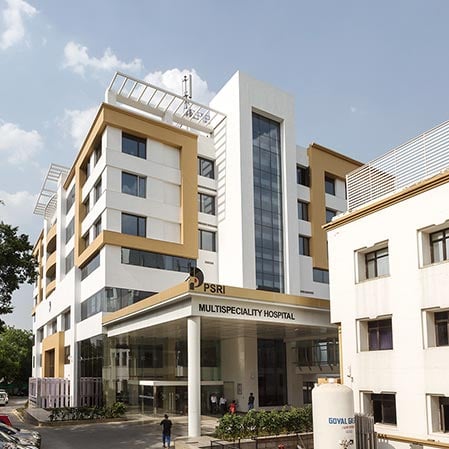
PSRI kasalxonasi, Dehli
Pushpawati Singhania tadqiqot instituti (PSRI kasalxonasi), Nyu-Dehli, 1996 yilda JK Group tomonidan tashkil etilgan etakchi ko'p ixtisoslashgan uchin...
Akkreditatsiya
Muvofiqliklar
Shunga o'xshash protseduralar
Galereya
TSS
Sharhlovchi
Hammasini ko'rish
Rais va katta maslahatchi - jigar transplantatsiyasi
Doktor Vivek Vij - bu sohada 15 yildan ortiq tajribaga ega bo'lgan kashshof jigar transplantatsiyasi jarrohi. Fortis kasalxonalarida jigar transplantatsiyasi va gepatobiliar fanlar bo'limi raisi sifat... Ko'proq o'qish

Bizning veb-saytimiz cookie-fayllardan foydalanadi. Maxfiylik siyosati.