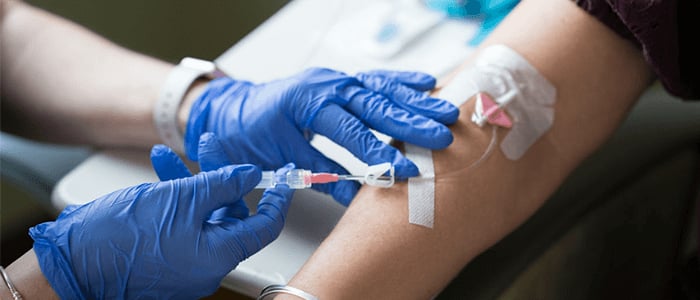
هل يمكن علاج السرطان بدون جراحة؟
Cancer treatment does not always require surgery. Advances in oncology now allow doctors to treat certain cancers using non-surgical methods such as radiation therapy, chemotherapy, targeted therapy, and immunotherapy. Many international patients explore these options when planning cancer treatment in India, especially when surgery may not offer an added benefit or when organ preservation matters.
Understanding when cancer can respond to non-surgical treatment helps patients set realistic expectations. It also supports better planning for treatment timelines, recovery, and follow-up care when considering available treatment options in India.
What Does "Curable" Mean In Cancer Treatment Without Surgery?
The term "curable" carries a specific medical meaning in cancer care. Doctors use it to describe long-term disease control rather than the immediate disappearance of cancer.
Doctors consider cancer curable when treatment removes all detectable disease and prevents its return over time. This outcome requires sustained remission, not a short-term response. Follow-up plays a critical role in confirming a cure.
In non-surgical cancer treatment, a cure often depends on cancer sensitivity to therapy. Some cancers respond fully to radiation, chemotherapy, or systemic therapies. In such cases, doctors may avoid surgery to preserve organs and function.
Doctors also differentiate between cure and control. Certain cancers remain controllable for many years without surgery. Long-term control allows patients to live with stable disease and a good quality of life.
Which Types Of Cancer Can Be Treated Without Surgery?
Not all cancers require surgery for effective treatment. Doctors treat several cancer types successfully using non-surgical approaches when clinical conditions allow.
- Blood and Bone Marrow Cancers:Leukemia, lymphoma, and multiple myeloma do not require surgical removal. Doctors rely on chemotherapy, targeted therapy, immunotherapy, and bone marrow–based treatments. These cancers respond to systemic therapy rather than local surgery.
- Early-Stage and Radiosensitive Cancers:Certain early-stage cancers respond well to radiation therapy alone. Examples include select head and neck cancers, cervical cancer, and prostate cancer. Precision radiation helps control disease while preserving nearby organs.
- Cancers With High Chemotherapy Response:Some tumors shrink or resolve completely with chemotherapy. Germ cell tumors and certain pediatric cancers show a strong response to chemo. Doctors monitor the response closely before considering surgery.
- Advanced or Inoperable Cancers:Some cancers do not allow safe surgery due to location or spread. Doctors focus on non-surgical treatment to control the disease and relieve symptoms. These approaches aim to improve survival and quality of life.
Doctors assess cancer type, stage, and biology before recommending non-surgical treatment. When patients seek care in India, this evaluation guides safe and appropriate treatment planning.
What Non-Surgical Cancer Treatment Options Are Available In India Today?
Doctors in India use several non-surgical cancer treatment options based on cancer type and stage. These treatments aim to destroy cancer cells or control disease progression.
- Chemotherapy:Medical oncologists use chemotherapy to kill rapidly dividing cancer cells. Treatment may occur alone or in combination with other therapies. Drug choice depends on cancer behavior and patient health.
- Radiation Therapy:Radiation oncologists use radiation to target cancer cells precisely. Radiation works as a primary treatment for selected cancers. Modern techniques help protect healthy tissue.
- Targeted Therapy:Doctors select targeted drugs based on tumor characteristics. These therapies act on specific molecular pathways. This approach limits damage to normal cells.
- Immunotherapy:Physicians use it to activate the immune system to fight cancer. This treatment benefits selected cancers. Response depends on immune and tumor factors.
- Hormonal Therapy:Doctors use hormonal therapy for hormone-sensitive cancers. This approach slows cancer growth. Treatment often supports long-term disease control.
Doctors may combine non-surgical treatments. Multimodal planning improves response and outcome reliability.
Can I Cure Cancer Without Losing an Organ?
One of the most significant advantages of choosing cancer treatment in India is the focus on"Organ Preservation Protocols."Indian oncologists prioritize curing the cancer while keeping the body intact, ensuring you return home not just cancer-free, but with your quality of life preserved.
Instead of immediately removing a damaged organ, top Indian centers use a combination of precision Chemotherapy and Radiation to shrink and destroy the tumor. This approach prevents permanent disability.
- Laryngeal (Throat) Cancer:For early-to-mid stage cancers, Indian specialists use Concurrent Chemo-Radiation to cure the disease without removing the voice box. It saves patients from permanent voice loss or the need for a permanent stoma (hole in the neck) to breathe.
- Bladder Cancer (Tri-Modality Therapy):In the West, the standard is often removing the entire bladder (Radical Cystectomy). In India, doctors use Tri-Modality Therapy, a combination of robotic scraping (TURBT), chemotherapy, and radiation, allowing many patients to keep their natural bladder and avoid a urostomy bag.
- Breast Cancer (Oncoplastic Surgery):Mastectomy (complete removal) is no longer the only option. Indian surgeons use oncoplastic techniques combining cancer surgery with plastic surgery to perform a "Lumpectomy." It removes the lump while immediately reshaping the breast, preserving its natural appearance.
- Rectal and Anal Cancer:Through advanced protocols (like the Nigro Protocol), doctors can often cure anal cancer using only Chemotherapy and Radiation. It preserves the anal sphincter muscles, sparing patients the need for a permanent colostomy bag.
How Does Radiation Therapy Help Treat Cancer Without Surgery?
Radiation therapy plays a key role in non-surgical cancer treatment. Doctors use it to destroy cancer cells while preserving organ function.
- Definitive Radiation Treatment:Doctors use radiation as the primary treatment for certain cancers. This approach aims to achieve a cure without surgery. Precision planning improves effectiveness.
- Advanced Radiation Techniques:Doctors rely on modern radiation delivery systems. Image guidance improves targeting accuracy. Focused treatment limits exposure to the surrounding tissue.
- Organ Preservation Benefits:Radiation helps treat cancer while maintaining organ structure. This benefit matters in head and neck, prostate, and cervical cancers. Functional preservation improves quality of life.
- Combination With Systemic Therapy:Doctors often combine radiation with chemotherapy or targeted therapy. This combination increases cancer cell sensitivity. Combined treatment improves control rates.
Can Chemotherapy Alone Cure Certain Cancers?
Chemotherapy alone can cure certain cancers in specific situations. Doctors base this decision on cancer type, stage, and biological behavior.
Some cancers respond strongly to chemotherapy. Blood cancers such as leukemia and lymphoma often achieve remission through drug-based treatment alone. Chemotherapy targets cancer cells throughout the body.
Certain solid tumors also show high chemotherapy sensitivity. Germ cell tumors and some pediatric cancers respond well to systemic treatment. Doctors monitor the response closely using imaging and laboratory tests.
Chemotherapy does not cure every cancer. Many solid tumors require combination treatment for better control.
Doctors explain these limitations clearly during planning.
What Role Do Targeted Therapy And Immunotherapy Play In Non-Surgical Cancer Care?
Targeted therapy and immunotherapy have expanded non-surgical cancer treatment options. Doctors use these treatments when cancer shows specific biological features.
- Targeted therapyfocuses on molecular changes within cancer cells. Doctors select drugs after tumor profiling. This approach improves accuracy and reduces harm to normal cells.
- Immunotherapy strengthens the body's immune response against cancer. Doctors use it for cancers that respond to immune activation. Treatment effectiveness depends on tumor and immune factors.
These therapies often support long-term disease control. Some patients achieve durable remission without surgery. Doctors monitor response through regular follow-up.
In India, access to molecular testing supports the appropriate use of these treatments. Doctors rely on careful selection to ensure benefit and safety.
How Do Doctors Decide When Surgery Is Not Required?
Doctors decide against surgery after careful clinical evaluation. This decision depends on disease behavior, treatment response, and patient health.
- Doctors first assesscancer stage and location. Tumors that respond well to radiation or systemic therapy may not require surgical removal. Imaging and biopsy results guide this assessment.
- Treatment responseprediction also matters. Doctors review evidence on how similar cancers respond to non-surgical therapy. Strong expected response supports non-surgical planning.
- Patient healthplays a key role. Some patients may not be able to tolerate surgery safely due to medical conditions or reduced physical reserve. Non-surgical treatment can offer effective disease control with a lower risk.
- Doctors also considerorgan preservation. When surgery risks loss of function, doctors may prefer radiation or systemic therapy. This approach helps maintain quality of life.
In India, multidisciplinary teams review these factors together. Combined expertise supports balanced and individualized decision-making.
Does Early Diagnosis Improve Non-Surgical Treatment Success In India?
Early diagnosis improves the success of non-surgical cancer treatment. Doctors achieve better outcomes when they detect cancer before it spreads widely.
- Early-stage cancer allowsprecise treatment planning. Radiation and systemic therapy work more effectively when the disease burden remains low. Limited spread improves response rates.
- Doctors also gainwider treatment optionswith early diagnosis. Some cancers respond fully to non-surgical treatment at an early stage. Advanced disease often requires more aggressive care.
- Early detectionreduces treatment intensity. Lower treatment burden supports better tolerance and recovery. Patients often experience fewer long-term effects.
In India, access to diagnostic imaging and pathology supports accurate staging. Timely evaluation helps doctors plan non-surgical treatment with clearer expectations.
How Do Doctors Monitor Cancer After Non-Surgical Treatment?
Doctors monitor cancer closely after non-surgical treatment to assess response and detect recurrence early. Monitoring forms a critical part of long-term care.
- Doctorsschedule follow-up visitsat defined intervals. These visits include physical examination and symptom review. Regular assessment helps track recovery progress.
- Imaging studiesplay an essential role in monitoring. Doctors use scans to evaluate tumor response and confirm remission. Imaging also helps detect early signs of recurrence.
- Laboratory testssupport follow-up care. Blood markers and other tests provide additional information about disease activity. Doctors interpret these results alongside imaging findings.
- Doctors also assessfunctional recovery and treatment effects. Monitoring includes evaluation of organ function and daily activity levels. This approach supports quality of life after treatment.
Consistent follow-up allows timely intervention when needed. Doctors adjust care based on monitoring results and patient condition.
How Do International Patients Access Non-Surgical Cancer Treatment In India?
International patients access non-surgical cancer treatment in India through a planned care process. Early coordination supports timely and appropriate treatment.
- Doctors begin by reviewing medical reports before travel. This review confirms the diagnosis and suitability for non-surgical treatment. Early assessment helps define treatment direction.
- Doctors then outline treatment options and expected timelines. Precise planning helps patients prepare for travel and stay. Predictable schedules reduce uncertainty.
- During treatment, care teams coordinate therapy sessions and monitoring. Doctors closely monitor the response and adjust treatment when required. This coordination supports continuity of care.
- After treatment, doctors provide follow-up guidance. Patients receive information on recovery, monitoring, and report sharing after returning home. Continued communication supports long-term care planning.
Key Takeaway
Cancer can be curable without surgery in selected cases. Doctors rely on radiation therapy, chemotherapy, targeted therapy, and immunotherapy when cancer biology allows effective non-surgical control. In India, access to modern oncology technology and structured follow-up supports realistic treatment planning for international patients seeking non-surgical cancer care.
المستشفيات ذات الصلة
اكتشف المستشفيات والمراكز الطبية المتعلقة بهذا الموضوع لخدمات الرعاية الصحية عالية الجودة.
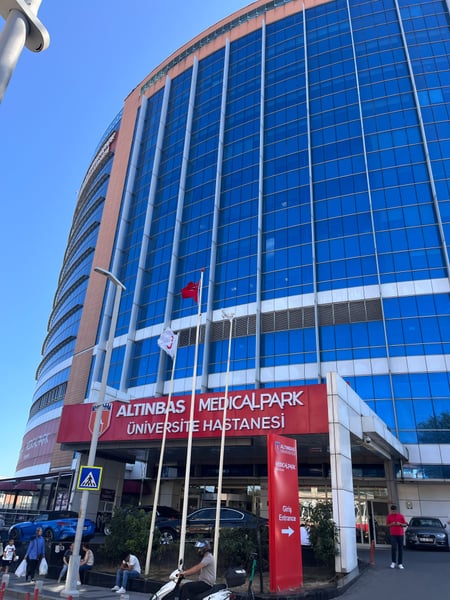
مستشفى ميديكال بارك بهجيليفلر
مستشفى ميديكال بارك باهجيليفلر هو مستشفى معتمد من اللجنة الدولية المشتركة في إسطنبول يضم 242 سريرًا، وقد تم إنشاؤه في عام 2007. يمتد على مساحة 33000 م...
الاعتماد
مرافق
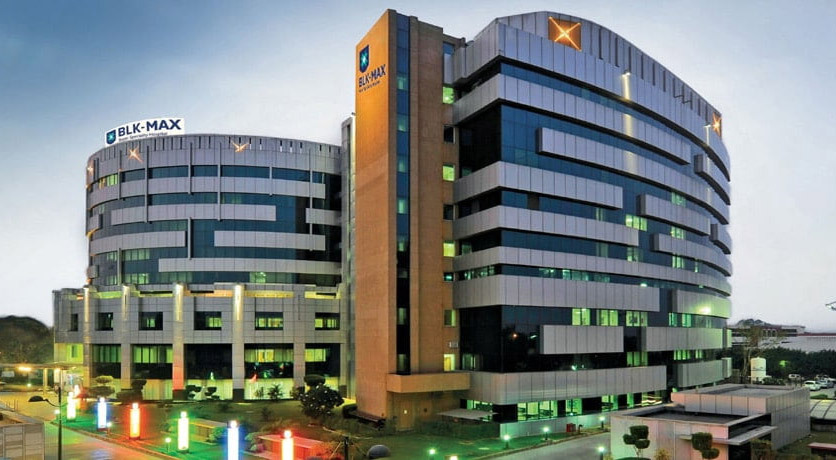
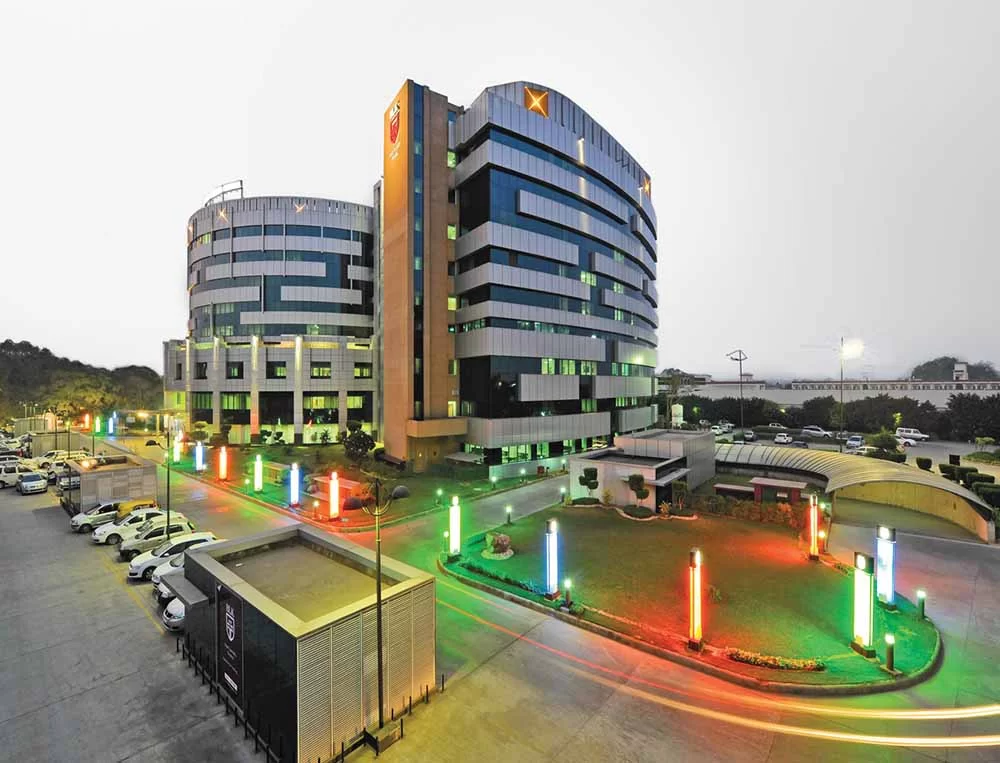
مستشفى بي إل كيه-ماكس سوبر التخصصي، نيودلهي
يعد مستشفى BLK-Max Super Specialty Hospital في نيودلهي أحد مؤسسات الرعاية الصحية الرائدة في الهند، حيث يقدم 650 سريرًا و22 غرفة عمليات متقدمة و13 مركز...
الاعتماد

مرافق
معهد فورتيس للأبحاث التذكارية (FMRI)، جورجاون
معهد فورتيس التذكاري للأبحاث (FMRI)، جورجاون، هو مستشفى عالمي متعدد التخصصات تم إنشاؤه في عام 2013. يوفر المستشفى 330 سريرًا و15 غرفة عمليات و105 أسرة...
الاعتماد


مرافق

Artemis Hospital, Gurgaon
مستشفى أرتميس، جورجاون، هو مستشفى متعدد التخصصات معتمد من اللجنة الدولية المشتركة (JCI) تم إنشاؤه في عام 2007. ويقدم أكثر من 750 سريرًا وبنية تحتية عا...
الاعتماد



مرافق
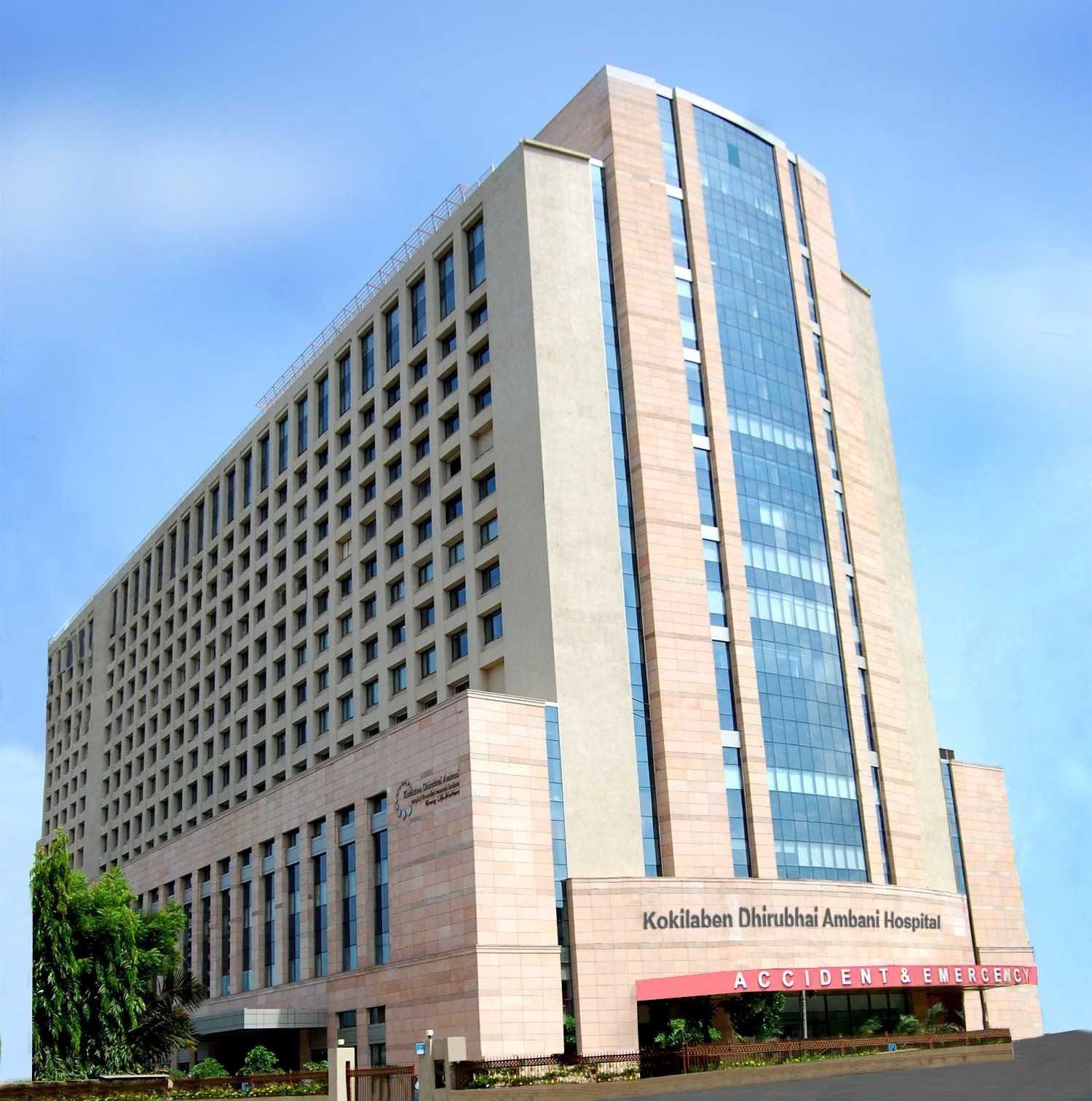
مستشفى كوكيلابين ديروبهاي أمباني، مومباي
مستشفى كوكيلابين ديروبهاي أمباني، مومباي، هو مستشفى رعاية رباعية معتمد من JCI وNABH وNABL وCAP، وقد تم تأسيسه في عام 2009. مع 750 سريرًا و180 سريرًا ل...
الاعتماد


مرافق
مستشفيات ميدي كوفر، مدينة هايتك، حيدر أباد
مستشفيات ميدي كوفر، هايتك سيتي، حيدر أباد، هي مستشفى فائقة التخصص معتمدة من NABH تضم 400 سرير، وقد تم تأسيسها في عام 2011. وهي جزء من ميدي كوفر، وهي ع...
الاعتماد


مرافق
الأطباء ذات الصلة
تواصل مع الأطباء ذوي الخبرة والمتخصصين الطبيين في هذا المجال.
دكتور أندرانيل خان
Consultant
الدكتور شاندراموهان ك
Senior Consultant

الدكتور بهافين فيساريا
Consultant

الدكتور سوراج شيرانيا
Senior Consultant
الدكتور نيناد كاتدار
Consultant
دكتور أنكيت ماهوفاكار
Consultant
المقالات ذات الصلة
استكشاف المزيد من المقالات والرؤى حول مواضيع صحية مماثلة.
Back Pain or Something More? When Does a Spine Tumor Require Surgery?

كم من الوقت يمكنك العيش بعد زراعة الأعضاء؟
من يمكنه إجراء عملية زرع الأعضاء في الهند؟ شرح قواعد الأهلية
زرع نخاع العظم مقابل العلاج بالخلايا التائية CAR-T: أيهما أفضل لسرطان الدم؟
هل يمكنك النجاة من سرطان الدم دون زراعة نخاع العظم؟
هل زراعة نخاع العظم تستحق التكلفة؟ دليل مالي وطبي للمرضى الدوليين في الهند

مؤلف
عرض الكلالدكتور ديبانشو سيواتش هو صيدلي سريري ذو خبرة وحاصل على درجة دكتوراه في الصيدلة. لديه أكثر من 4 سنوات من الخبرة وعمل مع آلاف المرضى. لقد ارتبط ببعض أفضل المستشفيات، مثل Artemis Gurgaon وكلية Teertha... اقرأ المزيد
يستخدم موقعنا ملفات تعريف الارتباط. سياسة الخصوصية.