
Immunotherapy Cost in India
About Immunotherapy
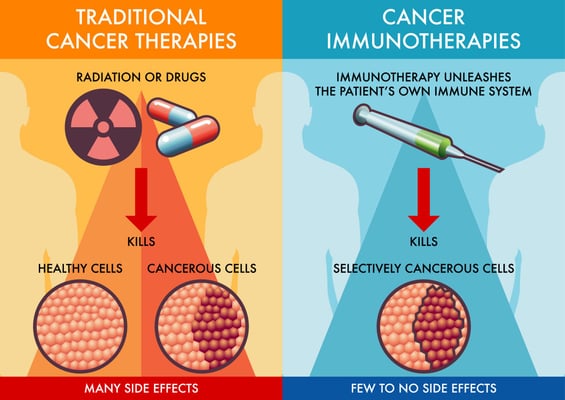
Over 20 million new cancer cases are diagnosed globally every year, and for many patients, immunotherapy has become a game-changer in cancer treatment. Unlike traditional chemotherapy, which targets both healthy and cancer cells, immunotherapy stimulates the body's immune system to identify and destroy cancer cells naturally.
What Is Immunotherapy?
Immunotherapy is a modern cancer treatment that helps your body's immune system recognize and destroy cancer cells. Instead of directly attacking the tumor, it trains your immune cells — such as T cells and antibodies — to detect and fight cancer more effectively.
This therapy works by boosting natural defenses, restoring immune balance, and blocking signals that help cancer hide from immune attack. It is now used as a primary or combination treatment for many cancers, especially when chemotherapy or radiation alone is not enough.
Immunotherapy can be used to:
- Stop or slow cancer growth
- Prevent cancer from spreading
- Strengthen the immune system after surgery or chemotherapy
- Improve survival and long-term remission
It has become one of the most promising breakthroughs in oncology, offering targeted, less toxic, and longer-lasting results compared to conventional treatments.
What Are the Different Types of Immunotherapy?
Immunotherapy is not a single treatment. It includes several specialized methods designed to enhance or modify the immune system's targeting of cancer. Each type works differently depending on the type and stage of cancer.
Immune Checkpoint Inhibitors
These are the most common forms of immunotherapy. They block proteins (like PD-1, PD-L1, and CTLA-4) that prevent immune cells from attacking cancer. By turning off these "checkpoints," the immune system can more effectively detect and destroy cancer cells.
Used for: Lung, skin (melanoma), kidney, liver, and bladder cancers.
Monoclonal Antibodies (mAbs)
These lab-made antibodies are designed to attach to specific proteins on cancer cells. mAbs help the immune system identify and destroy tumor cells or deliver radioactive or toxic substances directly to the cancer.
Used for: Breast, colon, and head and neck cancers.
CAR-T Cell Therapy
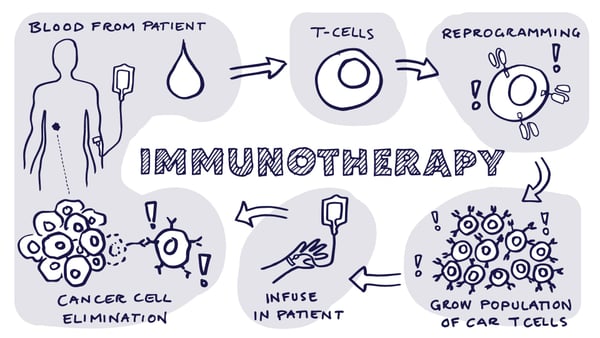
CAR-T (Chimeric Antigen Receptor T-cell) therapy is one of the most advanced immunotherapies. It involves collecting a patient's T-cells, modifying them in a lab to recognize cancer, and reintroducing them into the body. These engineered T-cells then actively hunt and kill cancer cells.
Used for: Blood cancers such as lymphoma, leukemia, and multiple myeloma.
Cancer Vaccines
Unlike preventive vaccines (like HPV), cancer vaccines are therapeutic — they help the immune system recognize and attack existing cancer. They can also prevent certain cancers from coming back after initial treatment.
Used for: Melanoma, prostate, and some types of cervical and bladder cancers.
Immune System Modulators
These drugs boost overall immune activity rather than targeting specific cancer cells. They enhance the body's natural immune response, enabling it to fight tumors more effectively.
Used for: Kidney cancer, melanoma, and some types of sarcoma.
How Is Immunotherapy Given?
Immunotherapy is administered in several ways, depending on the type of drug and the patient's condition. It can be given through an IV (intravenous infusion), by injection, or even orally in some cases. Treatment schedules are customized for each cancer patient and may continue for several months or years.
- Intravenous (IV) Infusion: This is the most common method. Immunotherapy drugs are delivered directly into the bloodstream through a vein. Each therapy session can last between 30 minutes and 2 hours, depending on the drug used. Patients usually receive treatment every 2 to 4 weeks, followed by rest periods.
- Subcutaneous or Intramuscular Injection: Some immunotherapy drugs can be injected into the subcutaneous tissue or into the muscle. These are often used for maintenance or booster doses after initial IV treatments.
- Oral Immunotherapy (Tablets or Capsules): Certain newer drugs can be taken orally. These are convenient but require strict monitoring to track immune response and side effects.
- Topical Immunotherapy: In some skin cancers, like early-stage melanoma, topical creams are applied directly to stimulate a local immune response.
- CAR-T Cell Infusion (Specialized Therapy): In CAR-T therapy, a patient's own T cells are collected, modified in a lab, and reinfused into the patient's body. This process takes several weeks and is performed in specialized cancer centers.
Immunotherapy is given in cycles. Each cycle includes a treatment session followed by a rest period. The overall duration can vary from 6 months to 2 years, depending on the cancer type, drug response, and patient tolerance.
Get a Free Treatment Plan
About Immunotherapy in India
What Is the Cost of Immunotherapy in India?
The average cost of immunotherapy in India ranges from USD 1,800 to USD 4,500 per cycle (₹1.5 lakh – ₹3.7 lakh per cycle). The total cost depends on the type of cancer, the drug used, the number of treatment cycles, and the hospital choice.
Type of Immunotherapy | Estimated Cost per Cycle (INR) | Approx. Cost (USD) |
| Checkpoint inhibitors (e.g., Nivolumab, Pembrolizumab) | ₹1,50,000 – ₹3,50,000 | $1,800 – $4,200 |
| Monoclonal antibodies | ₹1,20,000 – ₹2,80,000 | $1,400 – $3,300 |
| Cancer vaccines | ₹80,000 – ₹1,50,000 | $950 – $1,800 |
| CAR-T cell therapy (advanced) | ₹25,00,000 – ₹45,00,000 | $30,000 – $55,000 |
| Cytokine therapy / immune modulators | ₹70,000 – ₹1,20,000 | $850 – $1,450 |
Note: CAR-T cell therapy is among the most advanced and high-cost options, usually performed at specialized oncology centers.
What Are the Monthly and Annual Costs of Immunotherapy?
The number of immunotherapy sessions varies for each patient based on cancer type, disease stage, and response. Here's an approximate range for treatment planning:
Duration | Average Total Cost (INR) | Approx. USD Equivalent |
| 1 month (1–2 sessions) | ₹2,00,000 – ₹5,00,000 | $2,400 – $6,000 |
| 6 months | ₹10,00,000 – ₹22,00,000 | $12,000 – $26,000 |
| 12 months | ₹20,00,000 – ₹45,00,000 | $24,000 – $55,000 |
Each patient's treatment plan is unique. The oncologist determines the number of cycles, drug type, and duration based on tumor response and overall health.
What Does the Cost Include and Exclude?
Immunotherapy costs in India are typically offered as comprehensive treatment packages that cover consultations, drug administration, and post-treatment care. However, knowing what's included and what's not helps patients plan their medical journey more confidently.
Cost Includes:
- Oncologist Consultation and Treatment Planning
- Immunotherapy Drugs and Infusion Charges
- Anesthetist or Nursing Support (if required)
- Hospital or Day-Care Facility Charge
- Pre- and Post-Session Monitoring
- Routine Medications and Supportive Care
- Follow-Up Consultations
Cost Excludes:
- Pre-treatment Investigations
- Advanced Genetic or Biomarker Tests
- Hospital Admission (if complications occur)
- Travel, Visa, and Accommodation
- Combination or Add-On Therapies
- Long-Term Maintenance Drugs
City-Wise Immunotherapy Cost in India
The cost of immunotherapy in India varies from city to city based on the hospital's oncology infrastructure, the oncologist's experience, and the drug brand used. Metro cities like Delhi, Mumbai, and Bangalore typically have slightly higher prices due to advanced facilities and access to global cancer drugs.
Here's a general comparison of average immunotherapy costs across major Indian cities:
City | Average Cost per Cycle (INR) | Approx. Cost (USD) |
| New Delhi | ₹1,60,000 – ₹3,50,000 | $1,900 – $4,200 |
| Mumbai | ₹1,70,000 – ₹3,80,000 | $2,000 – $4,600 |
| Bangalore | ₹1,50,000 – ₹3,20,000 | $1,800 – $3,900 |
| Chennai | ₹1,40,000 – ₹3,00,000 | $1,700 – $3,600 |
| Hyderabad | ₹1,40,000 – ₹3,20,000 | $1,700 – $3,900 |
| Pune | ₹1,20,000 – ₹2,80,000 | $1,450 – $3,400 |
| Gurgaon | ₹1,60,000 – ₹3,50,000 | $1,900 – $4,200 |
| Kolkata | ₹1,20,000 – ₹2,70,000 | $1,450 – $3,200 |
What Factors Affect the Cost of Immunotherapy in India?
The total cost of immunotherapy in India depends on multiple factors. Each patient's treatment plan is unique so that prices can vary even for the same cancer type.
- Type of Immunotherapy Used: Different drugs have different price ranges. Checkpoint inhibitors like Pembrolizumab (Keytruda) and Nivolumab (Opdivo) are more expensive than monoclonal antibodies or immune modulators. CAR-T cell therapy, a highly advanced personalized treatment, is the most costly form of immunotherapy.
- Type and Stage of Cancer: The cost varies by cancer type, stage, and progression. Cancers that require multiple drug combinations or longer treatment cycles tend to have higher overall expenses.
- Drug Brand and Dosage: International drug brands imported from the US or Europe cost more than Indian equivalents. The oncologist decides the dosage and number of cycles required for each patient, which significantly affects the total cost.
- Hospital Category and Facilities: Top-tier hospitals in Delhi, Mumbai, and Gurgaon with dedicated cancer centers and clinical research units charge higher rates.
- Oncologist's Expertise: Highly experienced oncologists and immunotherapy specialists may charge higher consultation or supervision fees.
- Number of Cycles Required: Most immunotherapies are administered over multiple cycles. Patients who respond early may need fewer doses, whereas others may require long-term or maintenance therapy, increasing total costs.
- Additional Supportive Treatments: In some cases, immunotherapy is combined with chemotherapy, radiation, or targeted therapy to improve outcomes. Combination therapies increase the overall cost but also improve treatment effectiveness.
How Does the Cost in India Compare with Other Countries?
Immunotherapy in India offers the same advanced cancer treatment options as those available in the US, UK, or Singapore, but at a fraction of the price. Patients receive access to global drug brands, modern infusion centers, and internationally trained oncologists while saving up to 70% on overall treatment costs.
India's affordability does not compromise on quality. The same FDA- and EMA-approved immunotherapy drugs are used, often sourced directly from certified global manufacturers.
Country | Average Cost per Cycle (USD) | Savings Compared to India |
| India | $1,800 – $4,500 | — |
| United States | $10,000 – $18,000 | 70–75% lower |
| United Kingdom | $8,000 – $14,000 | 65–70% lower |
| United Arab Emirates | $6,000 – $10,000 | 60–65% lower |
| Singapore | $7,000 – $12,000 | 55–65% lower |
| Thailand | $4,000 – $6,000 | 40–50% lower |
Why India Offers Better Value
India's strong pharmaceutical ecosystem, lower medical infrastructure costs, and skilled oncology workforce make treatment far more affordable than in Western nations. Many leading hospitals in India use the same imported drugs and protocols as used globally, but offer therapy at far lower operational costs.
Patients from Africa, the Middle East, and Asia frequently travel to India for immunotherapy because it combines global standards, cost transparency, and comprehensive care coordination, all in one place.
What Is the Success Rate of Immunotherapy in India?
Immunotherapy has revolutionized cancer care in India, achieving success rates between 40% and 70% depending on the cancer type and stage. For some cancers, such as melanoma and lymphoma, response rates can exceed 75%, especially when combined with other modern treatments.
Success is measured by tumor shrinkage, improved survival, and long-term remission, with many patients living cancer-free for years after treatment. The success rate in India is comparable to that of top cancer centers in the UK, Europe, and the US, thanks to the availability of advanced drugs, precision diagnostics, and internationally trained oncologists.
What are the Different Types of Cancers Treated with Immunotherapy?
Immunotherapy is now used for a wide range of cancers, both solid and blood-based. Here are some of the most common types treated successfully in India:
- Lung Cancer: Checkpoint inhibitors like Nivolumab and Pembrolizumab improve long-term survival.
- Melanoma: One of the highest response rates among all cancers treated with immunotherapy.
- Kidney (Renal Cell) Cancer: Frequently treated with monoclonal antibodies or combination therapy.
- Liver and Bladder Cancer: Checkpoint inhibitors show good control over tumor recurrence.
- Lymphoma and Leukemia: CAR-T cell therapy and monoclonal antibodies deliver excellent remission results.
- Head and Neck Cancer: Immunotherapy helps manage recurrence and late-stage disease.
- Breast and Cervical Cancer: Used in select cases with positive biomarker profiles (PD-L1 or HER2).
The treatment plan is personalized based on genetic and biomarker testing, helping identify which patients are most likely to respond to specific immunotherapy drugs.
What is the Difference Between Immunotherapy and Targeted Therapy?
Though both are advanced cancer treatments, their working mechanisms are different.
Feature | Immunotherapy | Targeted Therapy | |
| Action | Boosts the body’s immune system to attack cancer cells | Directly targets genetic mutations or proteins in cancer cells | |
| Goal | Strengthens immune defense for long-term control | Blocks specific growth signals to stop tumor spread | |
| Duration | Usually given over several months to years | Typically shorter cycles, depending on response | |
| Side Effects | Immune-related (fatigue, mild inflammation) | Organ-specific (liver, kidney, or skin reactions) | |
| Cancers Treated | Wide range (solid & blood cancers) | Mostly gene-mutated cancers (e.g., EGFR, ALK, HER2) |
Immunotherapy focuses on empowering the immune system, while targeted therapy focuses on disabling the cancer itself. In many cases, both treatments are combined to achieve better and longer-lasting results.
India's world-class oncology programs offer all major forms of immunotherapy and targeted therapy, often as part of personalized cancer care plans tailored to each patient's genetic and clinical profile.
Immunotherapy Cost Comparison by Country
Compare Immunotherapy costs across different countries to make an informed decision about your medical treatment.
| Country | Cost Range (USD) | Potential Savings | Action |
|---|---|---|---|
IndiaCurrentBest Value | $1,800 - $4,500 | — | Get Quote |
Note: Costs may vary based on hospital choice, room type, additional services, and individual medical requirements. Contact us for a personalized quote.
Leading Hospitals for Immunotherapy in India

BLK-Max Super Speciality Hospital, New Delhi
BLK-Max Super Speciality Hospital in New Delhi is one of India's premier healthcare institutions, offering 650 beds, 22 advanced operation theatres, a...
Accreditations


Facilities

Max Smart Super Speciality Hospital, Saket, New Delhi
Max Smart Super Speciality Hospital, Saket, is a 250-bed tertiary care hospital in South Delhi. It offers advanced medical and surgical care across 22...
Accreditations
Facilities
PSRI Hospital, Delhi
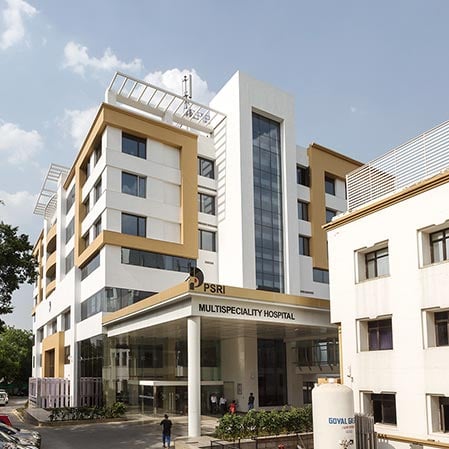
Pushpawati Singhania Research Institute (PSRI Hospital), New Delhi, is a leading multi-specialty tertiary care hospital established in 1996 by the JK ...
Accreditations
Facilities
Similar Procedures
Gallery
FAQ


Our website uses cookies. By clicking on accept you give your consent to the use of cookies as per our Privacy Policy.