
حول جراحة الصرع
ما هو الصرع؟
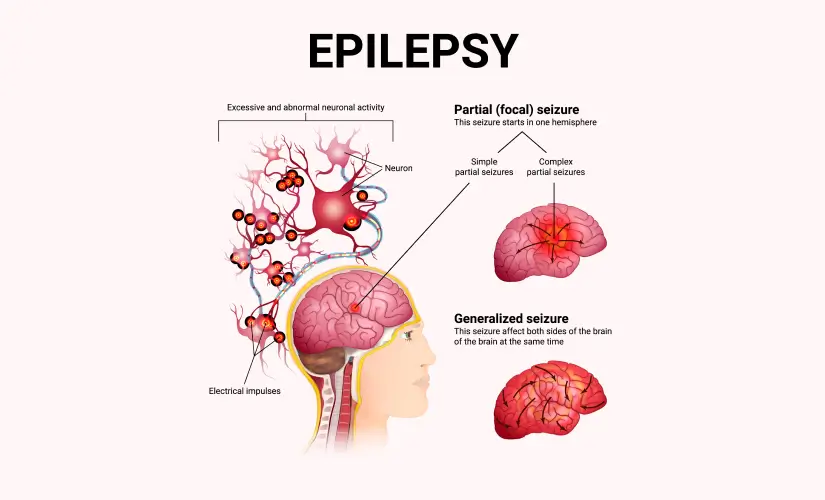
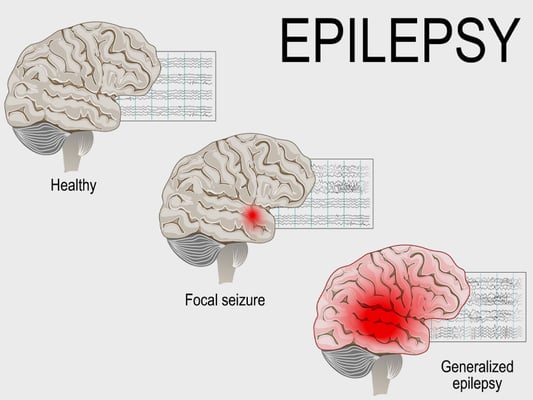
الصرع هو اضطراب مزمن يصيب الشخصنوبات متكررة وغير مبررة. تحدث هذه النوبات نتيجة لتدفقات مفاجئة وغير طبيعية من النشاط الكهربائي في الدماغ مما يعطل وظائف المخ الطبيعية. على الرغم من أن السبب الدقيق غير معروف دائمًا، إلا أن الصرع يمكن أن ينجم عن إصابة الدماغ أو العدوى أو السكتة الدماغية أو الأورام أو الحالات الوراثية.
يمكن أن تختلف النوبات في الصرع بشكل كبير. قد يتسبب بعضها في سقوط الشخص أو اهتزازه بشكل لا يمكن السيطرة عليه أو فقدان الوعي. وقد تكون حالات أخرى أكثر دقة، مثل لحظات قصيرة من التحديق أو الارتباك أو الأحاسيس غير العادية. لتشخيص مرض الصرع، يجب أن يكون الشخص مصاباً بهعلى الأقل نوبتين غير مبررتينالتي لم تكن ناجمة عن محفزات مؤقتة مثل الحمى أو انخفاض نسبة السكر في الدم.
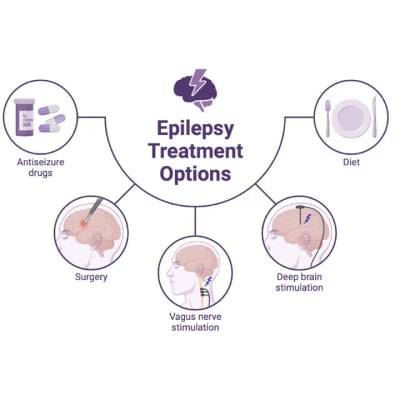
يؤثر الصرع على الأشخاص من جميع الأعمار، ولكنه غالبًا ما يبدأ في مرحلة الطفولة أو في وقت لاحق من مرحلة البلوغ. من خلال بروتوكول العلاج الصحيح، يمكن لمعظم الأشخاص المصابين بالصرع إدارة حالتهم بفعالية. يبدأ العلاج عادة بالأدوية، ولكن عندما تفشل الأدوية في السيطرة على النوبات (خاصة بعد تجربة نوعين أو أكثر)، فقد يفكر الأطباء في إجراء عملية جراحية أو علاجات تعتمد على الأجهزة.
لقد مكنت التطورات الحديثة في التصوير العصبي ورسم خرائط الدماغ من التحديد الدقيق لأصول النوبات في الدماغ، مما يسهلالعمليات الجراحية المستهدفة للغاية. بالنسبة للعديد من المرضى الذين يعانون من الصرع المقاوم للأدوية، وخاصة أولئك الذين يعانون من نوبات بؤرية، توفر الجراحة فرصة حقيقية للسيطرة على النوبات على المدى الطويل وتحسين نوعية الحياة.
ما هي جراحة الصرع؟
جراحة الصرع هي إجراء طبي متخصص مصمم لمساعدة الأشخاص الذين لا تتحسن نوباتهم بالأدوية وحدها. عادة ما يفكر الأطباء في إجراء عملية جراحية عندما يكون لدى الشخصالصرع المقاوم للأدويةمما يعني أنهم جربوا العديد من الأدوية المضادة للنوبات دون نجاح. الهدف من الجراحة هو إما إزالة أو فصل جزء الدماغ الذي تبدأ فيه النوبات، مما يمنح المريض فرصة أفضل ليعيش حياة خالية من النوبات.
هناك أنواع مختلفة من جراحات الصرع، ويعتمد الاختيار على مكان ظهور النوبات وكيفية تأثيرها على الدماغ. على سبيل المثال، إذا نشأت النوبات من منطقة صغيرة محددة لا تتحكم في الوظائف الحيوية مثل الكلام أو الحركة، فقد تتم إزالة هذا الجزء بأمان. وفي حالات أخرى، قد يقوم الأطباء بإجراء عملية جراحية قطعية لقطع الإشارات غير الطبيعية في الدماغ دون إزالة أي نسيج.
على عكس الأدوية التي تسيطر فقط على النوبات، تهدف الجراحة إلى ذلكالقضاء على نشاط النوبات أو تقليله بشكل ملحوظ في المصدر. إنه ليس علاجًا من الدرجة الأولى، ولكن بالنسبة للعديد من المرضى، وخاصة أولئك الذين عانوا لسنوات، فإنه يوفر طريقًا نحو صحة أفضل واستقلالية ونوعية حياة أفضل بشكل عام.
ما هي الأنواع المختلفة لجراحة الصرع؟
تتضمن جراحة الصرع مجموعة من الإجراءات المتخصصة المصممة لعلاج النوبات. يعتمد نوع الجراحة المختارة على أصل النوبات في الدماغ، وشدتها، والحالة الصحية العامة للمريض. يتم تنفيذ هذه الإجراءات عادةً بواسطة جراحي أعصاب ذوي خبرة وتدعمها تقنيات مثل تصوير الدماغ، والمراقبة أثناء العملية، وفي بعض المراكز، المساعدة الآلية.
فيما يلي بعض الأنواع الأكثر شيوعًا من جراحات الصرع التي يتم إجراؤها في جميع أنحاء العالم:
- استئصال الفص الصدغي:تعد عملية استئصال الفص الصدغي واحدة من أكثر جراحات الصرع التي يتم إجراؤها على نطاق واسع في جميع أنحاء العالم. يقوم الجراحون بإزالة جزء من الفص الصدغي حيث تبدأ النوبات، عادة في المرضى الذين يعانون من صرع الفص الصدغي المتوسط (MTLE). يتمتع هذا النوع من الجراحة بأحد أعلى معدلات النجاح، حيث يتمتع ما يصل إلى 70-80٪ من المرضى بالحرية من النوبات على المدى الطويل. وهو فعال بشكل خاص للبالغين والأطفال الأكبر سنًا الذين لديهم نوبات بؤرية تنشأ من هذه المنطقة.
- استئصال الآفة:يستهدف استئصال الآفة آفة يمكن تحديدها بوضوح من خلال فحوصات الدماغ، مثل الورم أو الورم الكهفي أو خلل التنسج القشري، وهو المسؤول عن إثارة النوبات. يقوم الجراح بإزالة الآفة فقط وجزء صغير من أنسجة المخ المحيطة. يعتبر هذا الإجراء فعالاً للغاية عندما تكون الآفة هي السبب الوحيد للنوبات، كما أنه يقلل من خطر التأثير على وظائف المخ الطبيعية.
- بضع الجسم الثفني:هذه عملية جراحية انفصالية حيث يتم قطع الجسم الثفني (حزمة من الألياف العصبية التي تربط نصفي الدماغ) جزئيًا أو كليًا. يتم إجراؤه عادة عند الأطفال الذين يعانون من نوبات معممة شديدة، وخاصة نوبات السقوط أو النوبات التوترية التي تؤدي إلى السقوط والإصابات المتكررة. في حين أن بضع الجسم الثفني قد لا يوقف النوبات تمامًا، إلا أنه غالبًا ما يقلل من شدتها وتكرارها، مما يوفر حياة أكثر أمانًا للمريض.
- استئصال نصف الكرة المخية أو بضع نصف الكرة المخية:تُستخدم هذه الجراحة في المقام الأول عند الأطفال الصغار الذين يعانون من نوبات منتشرة تقتصر على نصف الكرة المخية، وتتضمن إما إزالة جانب واحد من الدماغ أو فصله. قد تتطلب حالات مثل التهاب الدماغ راسموسن أو التشوهات القشرية واسعة النطاق هذا الإجراء. على الرغم من تعقيد الأمر، فإن العديد من الأطفال يعانون من تحسينات كبيرة في السيطرة على النوبات والنمو بعد ذلك، مع تكيف نصف الكرة المتبقي مع مرور الوقت.
- التحويلات الفرعية المتعددة (MST):عندما يكون تركيز النوبة بالقرب من جزء أساسي من الدماغ (مثل منطقة الكلام أو الحركة) ولا يمكن إزالته، فإن MST يوفر خيارًا أكثر أمانًا. في هذه التقنية، يقوم الجراحون بإجراء قطع صغيرة (قطع) في الطبقة الخارجية للدماغ لتعطيل مسارات النوبات دون إزالة أي نسيج. إنه أقل استخدامًا ولكنه يمكن أن يكون فعالًا في حالات محددة.
- جراحة الاستئصال بالليزر (الاستئصال الحراري بالليزر المجسم):تقدم بعض مراكز طب الأعصاب المتقدمة الآن الاستئصال بالليزر بأقل تدخل جراحي لعلاج الصرع. يتضمن الإجراء إدخال ألياف ليزر رفيعة في بؤرة النوبة وتدمير الأنسجة باستخدام الحرارة. وتشمل الفوائد إقامة أقصر في المستشفى، والتعافي بشكل أسرع، والحد الأدنى من الندبات. وهو مناسب بشكل أفضل للمرضى الذين يعانون من بؤر نوبة صرع صغيرة ومحددة جيدًا.
- تحفيز العصب المبهم (VNS):على الرغم من أنها ليست عملية جراحية بالمعنى التقليدي، إلا أنها تتضمن زرع جهاز تحت جلد منطقة الصدر يرسل نبضات كهربائية إلى العصب المبهم، مما يساعد على تقليل تكرار النوبات. يتم استخدامه غالبًا عندما لا تكون جراحة الدماغ خيارًا.
من يحتاج إلى جراحة الصرع؟
لن يحتاج كل شخص مصاب بالصرع إلى إجراء عملية جراحية، ولكن بالنسبة للبعض، تصبح الجراحة الخيار الأفضل بعد فشل العلاجات الأخرى.
- المرضى الذين يعانون من الصرع المقاوم للأدوية:المرشحون الأساسيون لجراحة الصرع هم الأشخاص الذين يعانون من الصرع المقاوم للأدوية (DRE). وهذا يعني أنهم يستمرون في التعرض للنوبات حتى بعد تجربة اثنين على الأقل من الأدوية المناسبة المضادة للنوبات بالجرعات الصحيحة ولمدة معقولة. تشير الدراسات إلى أن فرص الشفاء من النوبات تنخفض بشكل ملحوظ بعد فشل تناول دواءين، ولهذا السبب تصبح الجراحة بديلاً قابلاً للتطبيق في هذه المرحلة.
- الأشخاص الذين يعانون من النوبات البؤرية:تعمل الجراحة بشكل أفضل عندما تبدأ النوبات من منطقة معينة من الدماغ، والتي يشار إليها غالبًا باسم بؤرة النوبات. تُعرف هذه بالنوبات البؤرية أو الجزئية، وقد تنتشر أو لا تنتشر إلى مناطق أخرى من الدماغ. إذا تمكن الأطباء من تحديد مصدر النوبة من خلال مراقبة مخطط كهربية الدماغ، أو التصوير بالرنين المغناطيسي، أو اختبارات التصوير الأخرى، تصبح الجراحة خيارًا قويًا.
- المرضى الذين تؤثر نوباتهم على حياتهم اليومية:يعاني بعض الأفراد من نوبات تتداخل بشدة مع أنشطتهم اليومية، مثل المشي أو العمل أو الذهاب إلى المدرسة أو حتى الحفاظ على سلامتهم الشخصية. يمكن أن تؤدي النوبات المتكررة إلى العزلة الاجتماعية، ومشاكل الصحة العقلية، والإصابات الناجمة عن السقوط أو الحوادث. عندما لا تساعد الأدوية وتتدهور نوعية الحياة، قد يوصي الأطباء بإجراء عملية جراحية للسيطرة على النوبات واستعادة الاستقلال.
- الأطفال الذين يعانون من مخاطر النمو بسبب النوبات:عند الأطفال، يمكن أن تؤثر النوبات غير المنضبطة سلبًا على نمو الدماغ والقدرة على التعلم والسلوك. غالبًا ما يوصي أطباء أعصاب الأطفال في الهند بإجراء عملية جراحية مبكرة للأطفال المصابين بالصرع الشديد لحماية الوظيفة الإدراكية وتعزيز نتائج أفضل على المدى الطويل. في مثل هذه الحالات، يمكن أن يؤدي التدخل الجراحي المبكر إلى اللحاق بركب النمو وتحسين نوعية الحياة.
- المرضى المعرضون لخطر SUDEP:قد يكون الأشخاص الذين يعانون من نوبات توترية رمعية معممة متكررة أكثر عرضة لخطر الوفاة المفاجئة غير المتوقعة في مرض الصرع (SUDEP). إن تقليل النوبات أو القضاء عليها من خلال الجراحة يمكن أن يقلل بشكل كبير من هذا الخطر. بالنسبة لبعض المرضى، يصبح هذا قرارًا منقذًا للحياة.
- المرشحين الذين تم تحديدهم من خلال التقييم قبل الجراحة:قبل التوصية بإجراء عملية جراحية، تجري المستشفيات في الهند تقييمًا متعمقًا قبل الجراحة، والذي يتضمن المراقبة المستمرة لتخطيط كهربية الدماغ بالفيديو، والتصوير بالرنين المغناطيسي والتصوير المقطعي بالإصدار البوزيتروني، والاختبارات النفسية العصبية، ورسم الخرائط الوظيفية (للكلام والحركة والذاكرة). يتم اختيار الأشخاص الذين تم تحديد مصدر نوبة الصرع لديهم بوضوح والذين يستوفون معايير السلامة لإجراء الجراحة فقط.
ما هي فوائد جراحة الصرع؟
توفر جراحة الصرع الأمل للأفراد الذين تظل نوباتهم غير قابلة للسيطرة على الرغم من تناول أدوية متعددة. بالنسبة للعديد من هؤلاء المرضى، يمكن أن تؤدي الجراحة إلى تحسينات تغير حياتهم.
- الحد من النوبات أو القضاء عليها:الفائدة الأكثر إلحاحا وملاحظة هي الانخفاض الكبير في تكرار النوبات، وفي كثير من الحالات، الحرية الكاملة للنوبات. اعتمادًا على نوع الجراحة وموقع بؤرة النوبات، قد يتوقف ما يصل إلى 70-80٪ من المرضى عن النوبات تمامًا بعد الجراحة.
- تحسين نوعية الحياة:عندما تصبح النوبات أقل تواترا أو تختفي تماما، غالبا ما يجد المرضى أن حياتهم اليومية تتحسن بشكل كبير. وقد يستعيدون استقلالهم، ويعودون إلى المدرسة أو العمل، ويقودون السيارة مرة أخرى (اعتمادًا على القوانين المحلية)، وينخرطون بشكل كامل في الأنشطة الاجتماعية والعائلية.
- جرعات أقل أو أقل من الأدوية:يتناول العديد من الأشخاص المصابين بالصرع العديد من الأدوية المضادة للنوبات، مما يؤدي غالبًا إلى آثار جانبية مثل التعب ومشاكل الذاكرة والدوخة وتغيرات المزاج. بعد الجراحة الناجحة، يتمكن بعض المرضى من تقليل عدد الأدوية التي يتناولونها أو حتى التوقف عن تناولها تمامًا تحت إشراف طبي.
- المكاسب المعرفية والتنموية عند الأطفال:قد يعاني الأطفال المصابون بالصرع غير المنضبط من تأخر الكلام وضعف الأداء الأكاديمي ومشاكل سلوكية بسبب النوبات المتكررة والآثار الجانبية للأدوية. لا يمكن للجراحة في سن مناسب أن تقلل النوبات فحسب، بل يمكنها أيضًا تحسين التطور المعرفي وقدرات التعلم والتفاعل الاجتماعي.
- تعزيز الصحة العاطفية والعقلية:العيش مع نوبات متكررة يمكن أن يسبب الاكتئاب والقلق والعزلة. أفاد العديد من المرضى أنهم يشعرون بمزيد من التفاؤل والثقة بعد الجراحة، خاصة إذا توقفت نوباتهم أو أصبحت أقل تواتراً.
- الاستقرار على المدى الطويل:مع الرعاية والمتابعة المناسبة بعد العملية الجراحية، يمكن أن تكون نتائج جراحة الصرع طويلة الأمد. يظل العديد من المرضى خاليين من النوبات أو خاضعين للسيطرة بشكل جيد لسنوات أو حتى عقود بعد الجراحة.
ما هي الآثار الجانبية لجراحة الصرع؟
في حين أن جراحة الصرع تقدم فوائد كبيرة، مثل تقليل النوبات وتحسين نوعية الحياة، إلا أنها لا تزال جراحة دماغية، ومثل أي عملية جراحية، فإنها تحمل بعض المخاطر.
- الارتباك المؤقت أو التعب:بعد الجراحة، وخاصة خلال الأيام القليلة الأولى، غالبًا ما يعاني المرضى من الارتباك أو التعب أو النعاس.
- صعوبات في الذاكرة أو اللغة:اعتمادًا على منطقة الدماغ المصابة، قد يواجه بعض الأفراد مشكلات مؤقتة أو خفيفة في الذاكرة أو اللغة أو التركيز.
- الضعف أو الخدر:في حالات نادرة، يمكن أن تسبب الجراحة ضعفًا أو وخزًا أو تنميلًا في جانب واحد من الجسم إذا تأثرت المناطق الحركية في الدماغ.
- التغيرات في الرؤية أو الحسية:أبلغ بعض المرضى عن اضطرابات بصرية أو تغيرات في مجال رؤيتهم بعد الجراحة، خاصة عندما تشمل الجراحة الفص القذالي أو الصدغي.
- التغيرات المزاجية والعاطفية:قد تحدث تغيرات مزاجية مثل الاكتئاب أو القلق أو التهيج بشكل مؤقت بعد الجراحة. يمكن أن تنتج هذه التحولات عن التغيرات في كيمياء الدماغ، أو ضغوط الجراحة، أو التكيف مع حياة جديدة دون نوبات.
- المخاطر الجراحية:كما هو الحال مع أي عملية جراحية، هناك مخاطر طبية قياسية، بما في ذلك العدوى أو النزيف أو ردود الفعل على التخدير.
الجدول الزمني للشفاء بعد جراحة الصرع
التعافي من جراحة الصرع هو عملية تتم خطوة بخطوة وتتضمن الشفاء الجسدي والتكيف العقلي والرعاية الطبية المستمرة. على الرغم من أن تجربة كل مريض تختلف قليلاً، إلا أن هناك جدولًا زمنيًا عامًا يتبعه معظم الأشخاص. عادةً ما يستغرق التعافي عدة أسابيع إلى أشهر، اعتمادًا على نوع جراحة الصرع التي يتم إجراؤها والصحة العامة للفرد.
فترة ما بعد الجراحة المباشرة (0-1 أسبوع)
بعد الجراحة، يقضي المرضى عادةً بضع ساعات في غرفة الإنعاش قبل نقلهم إلى جناح المستشفى الخاضع للمراقبة أو وحدة العناية المركزة، خاصة إذا كان الإجراء معقدًا. خلال هذه المرحلة، يراقب الأطباء عن كثب وظائف المخ، والعلامات الحيوية، وتقدم الشفاء في موقع الجراحة. من الشائع حدوث صداع خفيف أو تورم أو تعب، ويتم التحكم في الألم بالأدوية.
يبقى معظم مرضى الصرع في المستشفى لمدة تقريبية5 ل 7 أيام، على الرغم من أن الإجراءات الأكثر شمولاً، مثل استئصال نصف الكرة المخية، قد تتطلب إقامة أطول قليلاً. خلال هذا الوقت، يبدأ المرضى في الحركة اللطيفة ويتم تقييمهم من قبل أطباء الأعصاب وفرق إعادة التأهيل.
مرحلة التعافي المبكر (2-6 أسابيع)
بعد الخروج من المستشفى، يواصل المرضى تعافيهم في المنزل أو في مركز إعادة التأهيل قصير المدى. وقد يظلون يشعرون بالتعب أو التشويش العقلي، خاصة في الأسبوعين الأولين. يقوم الأطباء بجدولة زيارات المتابعة لمراقبة التقدم، وإزالة الغرز أو الدبابيس حسب الضرورة، وضبط الأدوية حسب الحاجة.
خلال هذه المرحلة، يقوم الأطباء بتنشيط أو ضبط أي أجهزة مزروعة (مثل VNS) ومراجعة نشاط النوبات. يلاحظ العديد من المرضى انخفاضًا في النوبات بعد فترة وجيزة من الجراحة، على الرغم من أن الفوائد الكاملة قد تستغرق وقتًا للظهور. يمكن عادةً استئناف الأنشطة اليومية الخفيفة في الداخل2-3 أسابيعلكن المهام التي تتطلب التركيز قد تستغرق وقتًا أطول.
إعادة التأهيل والتكيف (1-3 أشهر)
اعتمادا على نوع الجراحة، قد يحتاج المرضىالعلاج المهني، العلاج الطبيعي، أو علاج النطق. تساعد هذه الخدمات على تحسين القوة والتنسيق والذاكرة واللغة في حالة حدوث أي عجز أثناء الجراحة.
تتم أيضًا مراقبة المرضى بعناية للتأكد من عدم حدوث تغيرات عاطفية، حيث أن هذا هو وقت التكيف العقلي. يشعر بعض الأشخاص بموجة من الثقة بعد السيطرة على النوبات، بينما يشعر آخرون بالقلق بشأن العودة إلى الحياة اليومية.
التعافي والمتابعة على المدى الطويل (3 أشهر وما بعدها)
بحلول مرور ثلاثة أشهر، استأنف معظم المرضى العديد من أعمالهم الروتينية اليومية. غالبًا ما يبدأ أولئك الذين لم يعانوا من النوبات بعد الجراحة في تقليل تناول الأدوية تحت إشراف طبيب الأعصاب، على الرغم من أن هذه العملية قد تستغرق عدة أشهر.
يتم إجراء متابعات منتظمة لمدة سنة إلى سنتين على الأقل لمراقبة صحة الدماغ ومستويات الدواء والوظيفة الإدراكية. في بعض الحالات، يتم إجراء المزيد من التقييمات إذا استمرت النوبات أو عادت.
يمكن للمرضى الذين يستجيبون جيدًا للجراحة العودة إلى الجراحة في كثير من الأحيانالقيادة والعمل والتواصل الاجتماعي، والتمتع بنوعية حياة أفضل من ذي قبل.
احصل على خطة علاج مجانية
حول جراحة الصرع في الهند
ما هي تكلفة جراحة الصرع في الهند؟
تعد تكلفة جراحة الصرع في الهند أقل تكلفة مقارنة بالعديد من الدول الغربية، مع الحفاظ على معايير عالية من السلامة والنتائج السريرية. غالبًا ما يختار المرضى الدوليون الهند للحصول على رعاية جراحية عصبية متقدمة مقابل جزء صغير من الرسوم المفروضة في الولايات المتحدة أو المملكة المتحدة أو أوروبا.
تتراوح تكلفة جراحة الصرع في الهند منمن 4000 دولار إلى 9000 دولاراعتمادًا على عدة عوامل، بما في ذلك نوع الجراحة والبنية التحتية للمستشفى وخبرة الجراح ومدة الإقامة في المستشفى. وفيما يلي تفصيل عام حسب نوع الجراحة:
- تكلفة أاستئصال الفص الصدغيفي الهند يتراوح من5000 دولار إلى 7000 دولار، اعتمادا على المستشفى ومدى تعقيد الجراحة.
- أاستئصال الآفةتكاليف عادة بين4000 دولار و 6000 دولارخاصة عندما تكون الآفة محددة بوضوح ويمكن الوصول إليها بسهولة.
- للمرضى الذين يخضعون لبضع الجسم الثفني، التكلفة تقع في نطاق6000 دولار إلى 8000 دولار.
- أاستئصال نصف الكرة المخية أو بضع نصف الكرة المخيةكونها عملية جراحية أكثر شمولاً وتعقيدًا، يتراوح سعرها بين7000 دولار و 9000 دولار.
- جراحة الاستئصال بالليزر، عندما يكون ذلك متاحًا، عادةً ما يتكلف ما بين6500 دولار و 9000 دولار، وتوفير بديل الغازية الحد الأدنى.
- تكلفةتحفيز العصب المبهم (VNS)، بما في ذلك سعر الجهاز المزروع، يتراوح عادة من8000 دولار إلى 12000 دولار.
تتضمن هذه الحزم عادةً ما يلي:
- فحوصات ما قبل الجراحة (التصوير بالرنين المغناطيسي، تخطيط كهربية الدماغ، الاختبارات النفسية العصبية)
- الإجراء الجراحي والتخدير
- الإقامة في المستشفى (عادة من 5 إلى 10 أيام)
- مراقبة وحدة العناية المركزة (إذا لزم الأمر)
- الأدوية أثناء القبول
- الرعاية اللاحقة للعمليات الجراحية والمتابعة المبكرة
التكلفة مقارنة بالدول الأخرى
غالبًا ما يواجه المرضى من دول مثل الولايات المتحدة وكندا والمملكة المتحدة وأستراليا تكاليف تتراوح بين30.000 دولار إلى 70.000 دولارأو أكثر لإجراءات مماثلة. فهو يجعل الهند خيارًا جذابًا للعائلات التي تبحث عن رعاية الخبراء دون تحمل عبء مالي.
ما هي العوامل التي تؤثر على تكلفة جراحة الصرع في الهند؟
تختلف التكلفة الإجمالية لجراحة الصرع في الهند من مريض إلى آخر بناءً على عدة عوامل طبية ولوجستية. في حين أن الرسوم الجراحية الأساسية قد تكون متشابهة عبر المستشفيات، إلا أن عناصر محددة تتعلق بحالة المريض واحتياجات العلاج وتفضيلات المستشفى غالبًا ما تؤثر على التكلفة النهائية.
- نوع الجراحة التي يتم إجراؤها:الاختلاف الأكثر أهمية في التكلفة يأتي من نوع جراحة الصرع التي يتم إجراؤها. على سبيل المثال، عادةً ما تكون عملية استئصال الفص الصدغي أقل تكلفة من عملية استئصال نصف الكرة المخية أو إجراء تحفيز العصب المبهم (VNS)، والذي يتضمن جهازًا قابلاً للزرع.
- اختيار المستشفى والمدينة:غالبًا ما تختلف النفقات الجراحية حسب المدينة والمستشفى. قد تتقاضى المستشفيات في مدن المترو مثل مومباي أو بنغالور رسومًا أعلى من تلك الموجودة في المدن الصغيرة.
- خبرة الجراح وخبرة الفريق:عادةً ما يطلب جراحو الأعصاب ذوو الخبرة العالية وفرق جراحة الصرع الشاملة رسومًا أعلى، وهو ما يمكن أن ينعكس في إجمالي تكلفة العلاج.
- الاختبارات والتصوير قبل الجراحة:قبل الجراحة، يخضع المرضى لتقييم مفصل قد يشمل فحوصات التصوير بالرنين المغناطيسي ومراقبة مخطط كهربية الدماغ بالفيديو وفحوصات PET أو SPECT والتقييمات النفسية العصبية. يمكن أن يؤثر عدد وتعقيد هذه الاختبارات بشكل كبير على التكلفة الإجمالية للعلاج.
- مدة الإقامة في المستشفى ورعاية العناية المركزة:قد يحتاج بعض المرضى إلى إقامة أطول في المستشفى، خاصة أولئك الذين يخضعون لإجراءات معقدة أو يعانون من مضاعفات ما بعد الجراحة.
- نوع الغرفة والإقامة:يمكن أن تؤثر أيضًا الغرف الخاصة والأجنحة الفاخرة ووسائل الراحة للمرضى، مثل إقامة المرافقين أو الوجبات المخصصة، على التكلفة الإجمالية.
- التعافي بعد الجراحة والأدوية:قد تتطلب الأسابيع الأولى بعد الجراحة إجراء فحوصات متابعة وأدوية وإعادة تأهيل بدني أو معرفي.
لماذا تختار الهند لجراحة الصرع؟
تعد الهند مركزًا عالميًا لجراحة الصرع، وذلك بفضل مزيجها الفريد من الخبرة الطبية والبنية التحتية الحديثة والأسعار المعقولة. يسافر المرضى من جميع أنحاء العالم إلى الهند كل عام بحثًا عن رعاية عصبية متقدمة تتميز بالجودة العالية والفعالية من حيث التكلفة.
- جراحو أعصاب من الطراز العالمي حاصلون على تدريب عالمي:الهند هي موطن لعدد متزايد من جراحي الأعصاب المدربين تدريبا عاليا والمتخصصين في جراحة الصرع. إنهم يتمتعون بسنوات من الخبرة في التعامل مع حالات الصرع المعقدة، سواء لدى البالغين أو الأطفال، ويتمتعون بالمهارة في جميع الإجراءات ذات الصلة.
- التكنولوجيا المتقدمة وأدوات التشخيص:تم تجهيز المستشفيات الرائدة في الهند بأحدث التقنيات اللازمة لجراحة الصرع الآمنة والدقيقة. وتشمل هذه التقنيات التصوير بالرنين المغناطيسي عالي الدقة، ومراقبة مخطط كهربية الدماغ بالفيديو، وفحص PET وSPECT، وأنظمة الملاحة العصبية، ورسم خرائط الدماغ أثناء العملية.
- معدلات نجاح عالية مقارنة بالغرب:تبلغ المستشفيات الهندية باستمرار عن معدلات حرية النوبات تتراوح بين 60-80%، اعتمادًا على الإجراء وملف المريض. بالإضافة إلى انخفاض النوبات، يتمتع العديد من المرضى بتحسينات كبيرة في الوضوح العقلي والتنقل والرفاهية العاطفية ونوعية الحياة بشكل عام.
- حزم العلاج فعالة من حيث التكلفة:أحد الأسباب الأكثر إلحاحا لاختيار الهند هو انخفاض تكلفة العلاج بشكل كبير. يمكن أن تكلف جراحات الصرع في الهند أقل بنسبة 60-80% من نظيراتها في الدول الغربية، دون المساس بالجودة.
- الرعاية المتعددة اللغات والحساسة ثقافياً:توفر المستشفيات الهندية بيئة دافئة وشاملة للمرضى الدوليين. توفر العديد من المؤسسات مترجمين فوريين، وموظفين متعددي اللغات، ورعاية تراعي الثقافة، مما يضمن شعور المرضى وأسرهم بالفهم والاحترام.
- لا توجد قوائم انتظار وعملية مبسطة:على عكس العديد من البلدان التي تتطلب أنظمة الرعاية الصحية العامة فترات انتظار طويلة، يتم إجراء جراحة الصرع في الهند على وجه السرعة. بمجرد تأكيد التشخيص واكتمال التقييمات السابقة للجراحة، يخضع معظم المرضى لعملية جراحية في غضون أيام قليلة.
خدمات للمرضى الدوليين
قامت أفضل المستشفيات وميسري السياحة الطبية في الهند بتطوير خدمات متخصصة لجعل جراحة الصرع متاحة وخالية من التوتر للمرضى الذين يسافرون من الخارج. منذ اللحظة التي يعبر فيها المريض عن اهتمامه حتى فترة طويلة بعد الجراحة، تم تصميم النظام لتوفير الراحة والوضوح والراحة في كل خطوة.
- المساعدة في الحصول على التأشيرة الطبية:غالبًا ما تصدر المستشفيات خطاب دعوة للحصول على التأشيرة، مما يساعد المرضى في الحصول على تأشيرة طبية بسرعة. في كثير من الحالات، تتم معالجة التأشيرة بشكل سريع لأولئك الذين يخضعون لعلاجات عصبية، خاصة إذا كانت النوبات متكررة أو تغير حياتهم.
- الاستقبال في المطار والنقل المحلي:تقدم معظم المستشفيات الكبرى خدمات الاستقبال في المطار لضمان وصول المرضى بأمان وراحة. يتم أيضًا ترتيب وسائل النقل المحلية لزيارات المتابعة والاختبارات التشخيصية والخروج.
- الإقامة والوجبات بأسعار معقولة:يمكن للمرضى الاختيار من بين مجموعة من أماكن الإقامة القريبة، بما في ذلك دور الضيافة والفنادق الفاخرة. تم تصميم خدمات الوجبات وفقًا للاحتياجات الغذائية، بما في ذلك الخيارات النباتية أو الحلال أو المناسبة لمرضى السكري.
- خدمات الترجمة الفورية:التواصل أمر بالغ الأهمية أثناء العلاج. ولهذا السبب توفر أفضل المستشفيات مترجمين فوريين يجيدون اللغة العربية والفرنسية والإسبانية والروسية والسواحيلية والمزيد، اعتمادًا على منطقة المريض.
- منسقو المرضى الدوليون المخصصون:يتم تعيين منسق لكل مريض دولي يعمل كنقطة اتصال واحدة طوال الرحلة الطبية. يساعد المنسق في الدخول إلى المستشفى، والمواعيد، وإعداد الفواتير، وإعداد المستندات، وتخطيط الخروج.
- رعاية المتابعة:غالبًا ما تقوم المستشفيات بجدولة الاستشارات عن بعد بعد عودة المريض إلى المنزل للتحقق من تقدم عملية التعافي وإدارة الأدوية ومعالجة أي مخاوف.
- دعم السفر والتوثيق:يساعد منسقو المرضى في صرف العملات وخطابات التأمين وتمديد التأشيرات وشهادات اللياقة البدنية للعودة إلى المنزل.
مقارنة تكاليف جراحة الصرع حسب البلد
قارن تكاليف جراحة الصرع عبر البلدان المختلفة لاتخاذ قرار مدروس بشأن علاجك الطبي.
| البلد | نطاق التكلفة (دولار أمريكي) | التوفير المحتمل | الإجراء |
|---|---|---|---|
الهندالحاليأفضل قيمة | $4,000 - $9,000 | — | احصل على عرض سعر |
ملاحظة: قد تختلف التكاليف بناءً على اختيار المستشفى ونوع الغرفة والخدمات الإضافية والمتطلبات الطبية الفردية. اتصل بنا للحصول على عرض سعر شخصي.
المستشفيات الرائدة لـ جراحة الصرع في الهند
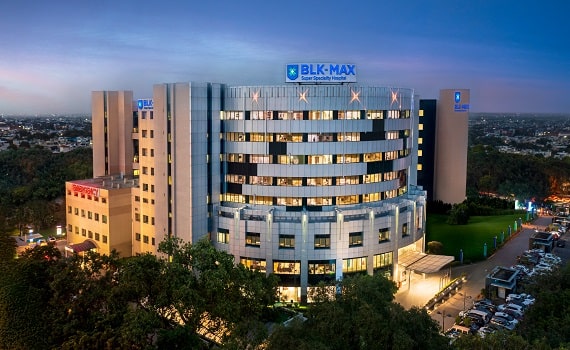
مستشفى بي إل كيه-ماكس سوبر التخصصي، نيودلهي
يعد مستشفى BLK-Max Super Specialty Hospital في نيودلهي أحد مؤسسات الرعاية الصحية الرائدة في الهند، حيث يقدم 650 سريرًا و22 غرفة عمليات متقدمة و13 مركز...
الاعتمادات

المرافق
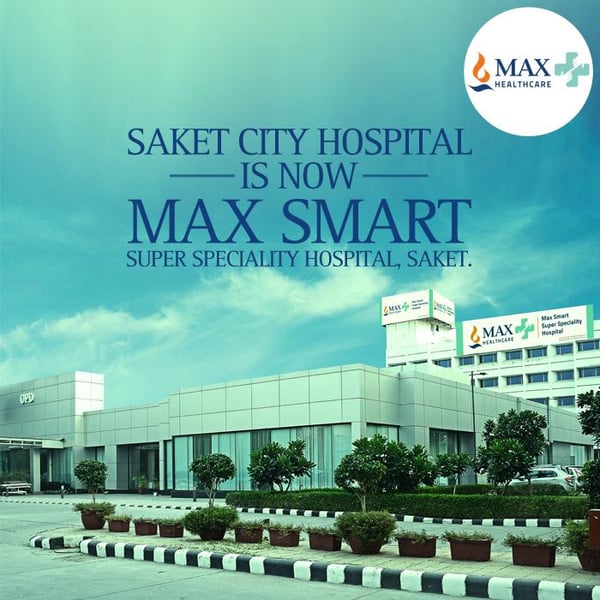
مستشفى ماكس سمارت سوبر التخصصي، ساكيت، نيودلهي
مستشفى ماكس سمارت سوبر التخصصي، ساكيت، هو مستشفى للرعاية الثالثية يضم 250 سريرًا في جنوب دلهي. ويقدم رعاية طبية وجراحية متقدمة في أكثر من 22 تخصصًا، ب...
الاعتمادات
المرافق
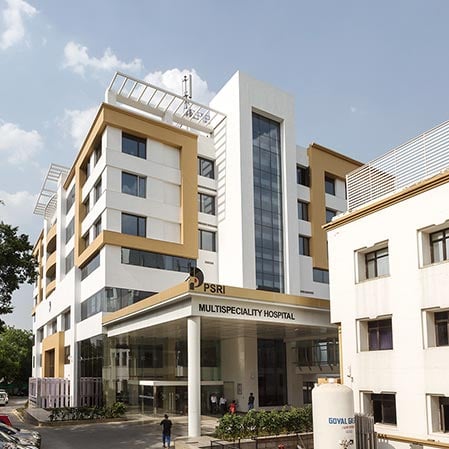
مستشفى PSRI، دلهي
معهد بوشباواتي سينغانيا للأبحاث (مستشفى PSRI)، نيودلهي، هو مستشفى رائد متعدد التخصصات للرعاية الثالثية تم إنشاؤه في عام 1996 من قبل مجموعة JK. وتشتهر ...
الاعتمادات
المرافق
إجراءات مشابهة
المعرض
الأسئلة الشائعة
المراجع
عرض الكل
الدكتور إس كيه راجان هو جراح عمود فقري مدرب دوليًا ومعتمد من AO ويتمتع بخبرة واسعة في إدارة اضطرابات العمود الفقري المعقدة. وقد تدرب في مؤسسات وطنية وعالمية رائدة، بما في ذلك PGI شانديغار، ومستشفى ج... اقرأ المزيد

يستخدم موقعنا ملفات تعريف الارتباط. سياسة الخصوصية.