
حول عيب الحاجز البطيني - جراحة VSD
ما هو عيب الحاجز البطيني (VSD)؟
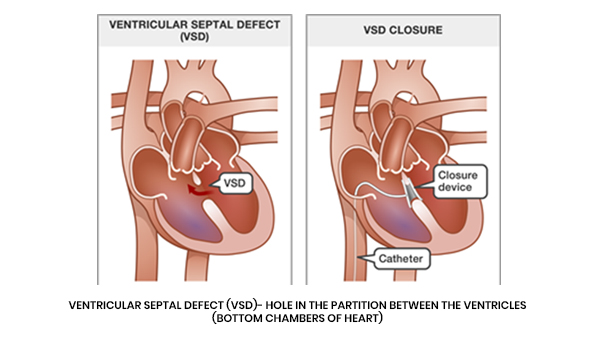
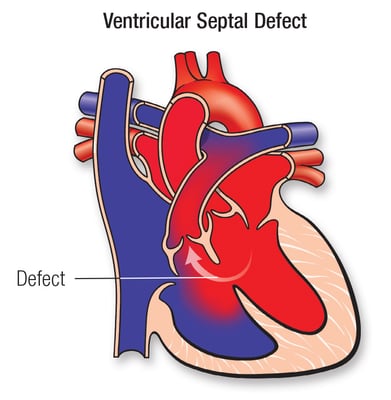
عيب الحاجز البطيني ، أو VSD ، هو ثقب في الحاجز يفصل بين غرفتي القلب السفلية - البطينين الأيمن والأيسر. يتسبب الخلل في خلط الدم الغني بالأكسجين من البطين الأيسر مع الدم المحروم من الأكسجين في البطين الأيمن. نتيجة لذلك ، يجب أن يعمل القلب بجهد أكبر لضخ كمية كافية من الأكسجين إلى الجسم.
يصنف الأطباء VSD كواحد من أكثر عيوب القلب الخلقية شيوعًا التي يتم تشخيصها عند الرضع والأطفال. في كثير من الحالات الخفيفة ، ينغلق العيب من تلقاء نفسه خلال السنوات القليلة الأولى من الحياة. ومع ذلك ، لا تزول العيوب الكبيرة بشكل طبيعي ويمكن أن تؤدي إلى مضاعفات مثل ارتفاع ضغط الدم في الرئتين (ارتفاع ضغط الدم الرئوي) أو قصور القلب أو تأخر النمو عند الأطفال.
من المهم التفريق بينVSDs الصغيرة والكبيرة. قد تمر العيوب الطفيفة دون أن يلاحظها أحد بسبب عدم وجود أعراض وغالبًا لا تتطلب جراحة. من ناحية أخرى ، عادة ما تسبب VSDs الكبيرة أعراضًا شديدة في وقت مبكر من الحياة وتتطلب تدخلًا جراحيًا لمنع تلف القلب على المدى الطويل.
ما هي الأنواع المختلفة لعيوب الحاجز البطيني (VSD)؟
يصنف الأطباء VSDs بناءً على موقعهم داخل الحاجز البطيني. يمكن أن يؤثر كل نوع على وظيفة القلب بشكل مختلف ويمكن أن يؤثر على اختيار التقنية الجراحية وتكلفة العلاج. يساعد فهم نوع VSD أطباء القلب على التخطيط للنهج الأكثر فعالية وأمانًا للإغلاق.
- VSD حول الغشاء:وهو النوع الأكثر شيوعًا من VSD ، ويقع بالقرب من صمامات القلب في الجزء العلوي من الحاجز. غالبًا ما يفضل الجراحون جراحة القلب المفتوح لإصلاح هذه العيوب بسبب قربها من هياكل القلب الحرجة. من المرجح أن تتطلب VSDs المحيطة بالغشاء تصحيحًا جراحيًا ، خاصةً عندما تؤدي إلى تلف الصمام أو أعراض قصور القلب.
- VSD العضلي:تظهر VSDs العضلية في الجزء السفلي من الحاجز ويمكن أن تختلف في الحجم والعدد. في بعض الأطفال ، قد تكون هناك العديد من أجهزة VSD العضلية - وهي حالة يشار إليها باسم "الجبن السويسري". يمكن أن تنغلق هذه في بعض الأحيان بشكل طبيعي بمرور الوقت ، ولكن قد تحتاج العيوب الأكبر أو المتعددة إلى التدخل. غالبًا ما يكون إغلاق الجهاز خيارًا ، مما يجعل العلاج أقل توغلاً.
- مدخل VSD:تم العثور على VSDs المدخل بالقرب من الصمامات ثلاثية الشرفات والصمامات التاجية. هذه العيوب أقل شيوعًا وغالبًا ما تحدث كجزء من حالات شذوذ خلقية أكثر تعقيدًا ، مثل عيوب الحاجز الأذيني البطيني (AVSD). يتطلب إصلاح VSDs المدخل عادة جراحة قلب مفتوح وقد يزيد من التعقيد العام وتكلفة العلاج.
- منفذ VSD (Supracristal VSD):تقع بالقرب من مسارات التدفق الخارجة ، وهي نادرة نسبيًا ولكنها قد تؤدي إلى هبوط الصمام إذا تركت دون علاج. غالبًا ما توجد هذه العيوب في السكان الآسيويين وعادة ما يتم علاجها بالإغلاق الجراحي. نظرًا لموقعها ، قد تتطلب هذه العمليات الجراحية رعاية إضافية وفترة تعافي أطول.
يمثل كل نوع VSD تحديات فريدة. قد تتضمن VSDs المحيطة والمخرج جراحات أكثر تعقيدًا ، بينما تسمح VSDs العضلية غالبًا بالإغلاق المستند إلى الجهاز. لا يؤثر نوع VSD على أعراض الطفل وتشخيصه فحسب ، بل يؤثر أيضًا بشكل مباشر على التخطيط الجراحي وتكاليف العلاج.
ما هي الأعراض التي تشير إلى الحاجة إلى جراحة VSD؟
لا تتطلب جميع عيوب الحاجز البطيني (VSDs) جراحة ، خاصة إذا كان العيب بسيطًا ولا يسبب أي مشكلة. ومع ذلك، عندما تستمر الأعراض وتتضح، قد يوصي الأطباء بالإغلاق الجراحي. فيما يلي علامات التحذير الرئيسية التي تشير إلى الحاجة إلى الجراحة:
- صعوبات التنفس أثناء الرضاعة:غالبًا ما يعاني الأطفال الذين يعانون من VSDs كبيرة من صعوبة في التنفس ، خاصة أثناء تناول الطعام. قد تلاحظين التنفس السريع أو الشخير أو التوقف المتكرر أثناء الرضاعة. هذه العلامات تعني أن القلب يعمل بجد ولا يستطيع ضخ الدم بكفاءة.
- ضعف الوزن والنمو:قد لا يكتسب الأطفال الذين يعانون من VSD وزنًا كافيًا أو يختبرون نموًا طبيعيًا. تحرق أجسامهم المزيد من السعرات الحرارية لدعم زيادة نشاط القلب ، مما يترك طاقة أقل للنمو الصحي. تسمى هذه الحالة "فشل الازدهار" وغالبًا ما تتطلب تدخلًا جراحيًا في الوقت المناسب.
- التهابات الصدر المتكررة:عدوى الجهاز التنفسي المتكررة ، مثل الالتهاب الرئوي أو التهاب الشعب الهوائية ، شائعة عند الأطفال المصابين بـ VSD غير المصححة. يؤدي تدفق الدم الزائد إلى الرئتين إلى خلق ضغط مما يسهل تطور العدوى. يمكن للجراحة أن تقلل بشكل كبير من هذا الخطر.
- زرقة (الجلد المزرق أو الشفاه):في بعض الحالات، قد يختلط الدم الفقير بالأكسجين مع الدم الغني بالأكسجين، مما يؤدي إلى صبغة مزرقة على الشفاه أو الأصابع أو الجلد. تُعرف الحالة باسم الزرقة وتشير إلى انخفاض إمداد الجسم بالأكسجين ، وهي علامة عاجلة على الحاجة إلى الجراحة.
- علامات قصور القلب:VSD الكبيرة تضع ضغطًا إضافيًا على القلب. بمرور الوقت ، يمكن أن يسبب هذا أعراض قصور القلب ، مثل تورم الساقين أو التعب أو التهيج أو ضربات القلب السريعة. لا تتحسن هذه الأعراض عادة بدون تصحيح جراحي.
إجراء جراحة VSD: كيف يتم إجراؤها؟
يتم إجراء جراحة عيب الحاجز البطيني لإغلاق الثقب بين الغرف السفلية للقلب. قد يستخدم الأطباء جراحة القلب المفتوح أو بطريقة أقل توغلاً، حسب حجم العيب وموقعه. إليك كيفية عمل كلا النهجين:
جراحة القلب المفتوح لإغلاق VSD
في معظم الحالات ، يقوم الجراحون بإجراء جراحة القلب المفتوح لإصلاح VSDs الكبيرة أو المعقدة.
- الخطوة 1: التخدير والتحضير:يتم وضع المريض تحت التخدير العام. يتم وضع أنبوب التنفس، ويقوم الفريق الجراحي بإعداد منطقة الصدر.
- الخطوة 2: استخدام آلة القلب والرئة:يوقف الأطباء القلب مؤقتًا ويربطون المريض بجهاز تجاوز القلب والرئة. تحافظ هذه الآلة على تدفق الدم والأكسجين عبر الجسم أثناء الجراحة.
- الخطوة 3: فتح الصدر والقلب:يقوم الجراح بعمل شق أسفل مركز الصدر للوصول إلى القلب. يفتحون القلب ليجدوا عيب الحاجز.
- الخطوة 4: إغلاق العيب:يستخدم الجراح رقعة أو غرز اصطناعية لإغلاق الحفرة. تصبح الرقعة جزءًا من أنسجة القلب بمرور الوقت.
- الخطوة 5: إعادة تشغيل القلب:بمجرد إغلاق العيب ، يزيل الجراح المريض من آلة المجازة ويعيد تشغيل القلب. يتم إغلاق الصدر ويتم نقل المريض إلى وحدة العناية المركزة للمراقبة.
إغلاق الجهاز (النهج القائم على القسطرة)
بالنسبة لـ VSDs الأصغر ، خاصة تلك من النوع العضلي ، قد يستخدم الأطباء طريقة طفيفة التوغل تسمى الإغلاق القائم على القسطرة.
- الخطوة 1: إدخال القسطرة:يقوم طبيب القلب بإدخال أنبوب رفيع (قسطرة) في وريد في الفخذ ويوجهه إلى القلب.
- الخطوة 2: وضع جهاز الإغلاق:باستخدام إرشادات التصوير ، يضع الطبيب جهاز إغلاق خاص في الحفرة. يوسع ويسد العيب من كلا الجانبين.
- الخطوة 3: لا يلزم إجراء جراحة مفتوحة:لا يتضمن قطع الصدر أو استخدام آلة القلب والرئة. معظم المرضى يعودون إلى منازلهم في غضون 1-2 أيام.
مدة الجراحة
- تستغرق عملية القلب المفتوح عادة من 3 إلى 5 ساعات.
- يستغرق إغلاق الجهاز عادةً من ساعة إلى ساعتين.
احصل على خطة علاج مجانية
حول عيب الحاجز البطيني - جراحة VSD في الهند
ما هي تكلفة جراحة عيب الحاجز البطيني (VSD) في الهند؟
تعد تكلفة جراحة عيب الحاجز البطيني (VSD) في الهند أقل تكلفة من العديد من البلدان الأخرى. في المتوسط، تتكلف جراحة VSD في الهند ما بين2.5 ألف روبية هندية و5.5 ألف روبية هندية، وهو تقريبًا3000 دولار إلى 6500 دولار. تعتمد التكلفة الدقيقة على نوع الجراحة والمستشفى وحالة المريض.
ماذا تشمل هذه التكلفة عادة؟
تقدم معظم المستشفيات في الهند حزم جراحة VSD الشاملة. تغطي هذه عادةً ما يلي:
- استشارة الطبيب ورسوم الجراحة
- الاختبارات التشخيصية قبل العملية مثل تخطيط صدى القلب وتخطيط القلب وتحاليل الدم
- رسوم غرفة العمليات وتكاليف التخدير
- استخدام جهاز تحويل مسار القلب والرئة (إذا تم إجراء عملية جراحية مفتوحة)
- رسوم وحدة العناية المركزة وغرفة المستشفى طوال مدة الإقامة
- الأدوية والمواد الاستهلاكية المستخدمة أثناء وبعد الجراحة
- الرعاية التمريضية وجلسات العلاج الطبيعي
- متابعة ما بعد الجراحة، عادة لمدة 1-2 أسابيع
توزيع التكلفة حسب نوع جراحة VSD في الهند
تعتمد التكلفة الإجمالية لجراحة VSD في الهند بشكل أساسي على نوع الإجراء الذي يتم إجراؤه. هناك خياران رئيسيان: الإغلاق الجراحي للقلب المفتوح والإغلاق بالجهاز (القائم على القسطرة). وإليك كيفية تقسيم التكلفة عادةً:
تكلفة الإغلاق الجراحي
إذا كان العيب كبيرًا أو معقدًا، عادةً ما يوصي الأطباء بإجراء جراحة القلب المفتوح. وهو ينطوي على إجراء شق في الصدر واستخدام آلة تحويل مسار القلب والرئة.
- متوسط التكلفة: 3.5 ألف روبية هندية - 5.5 ألف روبية هندية (4200 دولار - 6500 دولار)
- يشمل:
- رسوم مسرح العمليات
- استخدام آلة المجازة القلبية الرئوية
- رسوم الفريق الجراحي
- البقاء في وحدة العناية المركزة لمدة 2-3 أيام
- الأدوية والمواد الجراحية
- 5-7 أيام من الإقامة في المستشفى
تكلفة إغلاق الجهاز (على أساس القسطرة).
بالنسبة للعيوب الصغيرة أو المتوسطة الحجم، قد يستخدم الأطباء إجراء قسطرة طفيفة التوغل. يتم إدخال جهاز من خلال وعاء دموي لإغلاق الثقب، وتجنب الجراحة المفتوحة.
- متوسط التكلفة: 2.5 ألف روبية هندية - 4 آلاف روبية هندية (3000 دولار - 4800 دولار)
- يشمل:
- الإجراء واستخدام مختبر القسطرة
- تكلفة زرع الجهاز
- إقامة أقصر في وحدة العناية المركزة (يوم واحد أو أقل)
- الإقامة في المستشفى حوالي 2-3 أيام
- الرعاية والأدوية بعد العملية
الاختبارات التشخيصية والتصوير
قبل الجراحة، من الضروري إجراء تقييم كامل للقلب:
- مخطط صدى القلب: 2000 روبية هندية - 4000 روبية هندية
- التصوير بالرنين المغناطيسي للقلب أو الأشعة المقطعية(إذا لزم الأمر): 5000 روبية هندية - 10000 روبية هندية
- اختبارات الدم والفحوصات الروتينية: 1000 روبية هندية - 2500 روبية هندية
تكاليف إضافية يجب مراعاتها
- التخدير والمراقبة: 15,000 روبية هندية – 30,000 روبية هندية
- رسوم الجراح وطبيب التخدير: 40,000 روبية هندية - 80,000 روبية هندية
- أدوية ما بعد الجراحة والمضادات الحيوية: 10,000 – 20,000 روبية هندية
- زيارات المتابعة وفحص الصدى بعد الخروج من المستشفى: 2000 روبية هندية - 5000 روبية هندية لكل زيارة
مقارنة تكلفة جراحة VSD: الهند مقابل دول أخرى
عندما يتعلق الأمر بجراحة القلب، تقدم الهند أحد الحلول الأكثر فعالية من حيث التكلفة على مستوى العالم، وخاصة للمرضى الدوليين الذين يبحثون عن رعاية عالية الجودة وبأسعار معقولة. إليك كيفية مقارنة تكلفة جراحة VSD (عيب الحاجز البطيني) عبر البلدان:
دولة | متوسط تكلفة جراحة VSD |
| الهند | 3000 دولار - 6500 دولار |
| الولايات المتحدة الأمريكية | 30,000 دولار – 50,000 دولار |
| المملكة المتحدة | 25,000 دولار - 40,000 دولار |
| سنغافورة | 20,000 دولار - 35,000 دولار |
| تايلاند | 8,000 دولار - 12,000 دولار |
لماذا تعد جراحة VSD أكثر تكلفة في الهند؟
يتساءل العديد من المرضى الدوليين عن سبب تكلفة جراحة VSD في الهند مقارنة بالدول الغربية. تكمن الإجابة في عدة عوامل تجعل الهند فعالة من حيث التكلفة وموثوقة لعلاجات القلب.
- انخفاض تكاليف التشغيل والعمالة:تعمل المستشفيات في الهند بتكاليف تشغيلية وعمالية أقل بكثير. ومن رواتب الطاقم الطبي إلى صيانة البنية التحتية، تقلل هذه الوفورات من الفاتورة النهائية للمرضى، دون التأثير على جودة العلاج.
- أسعار تنافسية من أفضل المستشفيات الخاصة:تقدم المستشفيات الخاصة في الهند رعاية قلبية ذات مستوى عالمي بأسعار مصممة لجذب المرضى الدوليين. تتبع العديد من المستشفيات نماذج التسعير القائمة على القيمة وتقدم حزمًا تغطي الجراحة والإقامة في وحدة العناية المركزة والاستشارات والأدوية.
- ارتفاع حجم الجراحة يعني كفاءة أكبر:تقوم المستشفيات الهندية بإجراء عدد كبير من جراحات VSD سنويًا، خاصة عند مرضى الأطفال. يؤدي هذا الحجم الكبير إلى بناء خبرة الجراح والكفاءة التشغيلية، مما يقلل التكاليف مع زيادة معدلات النجاح.
- تكنولوجيا طبية ميسورة التكلفة ومتقدمة:تستخدم مراكز القلب الهندية أحدث المعدات الجراحية والتشخيصية، والتي غالبًا ما يتم استيرادها من الولايات المتحدة أو أوروبا. على الرغم من استخدام نفس التكنولوجيا أو تكنولوجيا مشابهة، تظل تكلفة الرعاية أقل بكثير بسبب الممارسات المبسطة.
- فواتير شفافة وشاملة:تقدم العديد من المستشفيات الهندية عروضًا شاملة للمرضى الدوليين. تقضي هذه الباقات على مفاجآت الفواتير وتمكن العائلات من التخطيط لرحلتهم الطبية بثقة.
ما هي العوامل التي تؤثر على تكلفة جراحة VSD في الهند؟
تتأثر تكلفة جراحة VSD في الهند بعدة عوامل خاصة بالمريض والإجراءات.
- عمر المريض:غالبًا ما تتطلب جراحة الرضع والأطفال الصغار فرقًا متخصصة في أمراض القلب للأطفال، ومعدات دقيقة، ومراقبة موسعة لوحدة العناية المركزة. يمكن أن يؤدي إلى زيادة طفيفة في التكلفة مقارنة بالجراحة عند الأطفال الأكبر سنا أو البالغين.
- نوع الخلل وتعقيده:عادةً ما يحتاج VSD الصغير أو البسيط إلى إغلاق مباشر. ومع ذلك، قد تتطلب الثقوب الكبيرة أو المتعددة أو VSDs الموجودة بالقرب من الصمامات نهجًا جراحيًا أكثر تعقيدًا. ويضيف إلى كل من المدة الجراحية والتكلفة.
- طريقة الإغلاق:تعد جراحة القلب المفتوح مع إغلاق الرقعة أقل تكلفة بشكل عام من إغلاق الجهاز القائم على القسطرة، والذي يتضمن أجهزة مستوردة ومهارات متخصصة في أمراض القلب التداخلية.
- المستشفى والمدينة المختارة:قد تتقاضى المستشفيات في المناطق الحضرية، مثل دلهي أو مومباي أو بنغالور، رسومًا أعلى قليلاً بسبب بنيتها التحتية ومرافقها المتقدمة.
- خبرة الجراح ومشاركة الفريق:قد تفرض الفرق الأكثر خبرة رسومًا احترافية أعلى، ولكن هذا يؤدي غالبًا إلى نتائج أفضل وأوقات تعافي أقصر.
- مدة الإقامة في وحدة العناية المركزة والمستشفى:قد يتمكن المرضى الذين يتعافون بسرعة من مغادرة وحدة العناية المركزة والمستشفى عاجلاً، مما يؤدي إلى انخفاض إجمالي النفقات. من ناحية أخرى، يمكن أن تؤدي المضاعفات أو التعافي البطيء إلى زيادة مدة الإقامة، مما يزيد من الفاتورة النهائية.
- التشخيص الإضافي ورعاية المتابعة:يتم أيضًا تضمين اختبارات ما قبل الجراحة مثل مخطط صدى القلب أو التصوير بالرنين المغناطيسي للقلب أو تصوير الأوعية الدموية وزيارات المتابعة بعد الجراحة في بعض الباقات، بينما قد يتم تحصيل رسوم أخرى بشكل منفصل.
معدل الشفاء والنجاح بعد جراحة VSD في الهند
يعد التعافي من جراحة عيوب الحاجز البطيني جزءًا مهمًا من رحلة الشفاء. في الهند، وبفضل جراحي القلب المهرة، ووحدات العناية المركزة المتقدمة، وفرق الرعاية المنسقة جيدًا، يتعافى معظم المرضى جيدًا بعد الجراحة.
ما هو الجدول الزمني للتعافي بعد جراحة VSD؟
عادةً ما يحدث التعافي بعد جراحة VSD على مراحل. وإليك كيف تسير الأمور عادة:
مباشرة بعد الجراحة
- مباشرة بعد العملية، يتم نقل المريض إلىوحدة العناية المركزة للقلب (CICU).
- تكون مراقبة العلامات الحيوية وإيقاع القلب ومستويات الأكسجين وتوازن السوائل ثابتة.
- يبقى معظم المرضى في وحدة العناية المركزة لمدة1 إلى 3 أيام، حسب أعمارهم وحالتهم.
- غالبًا ما تكون هناك حاجة إلى دعم التنفس (جهاز التنفس الصناعي) لفترة قصيرة، وخاصة عند الرضع.
الإقامة في المستشفى
- بعد الخروج من وحدة العناية المركزة، يقضي المرضى وقتًا آخر4 إلى 5 أيامفي جناح القلب العام.
- تبدأ إدارة الألم والعناية بالجروح والتغذية التدريجية والتعبئة اللطيفة.
- بواسطةاليوم السابع أو الثامن، معظم المرضى مستقرون بما يكفي لخروجهم من المستشفى.
في المنزل الانتعاش
- في المنزل، يكون التعافي سلسًا في الغالب. يُنصح الآباء بمراقبة الجرح وإعطاء الأدوية في الوقت المناسب والتأكد من تجنب الطفل للإجهاد البدني.
- عادة ما تتم جدولة زيارات المتابعة في1-2 أسابيعومرة أخرى فيشهر واحدعلامة.
- عادة ما يستغرق التعافي الكامل من جراحة VSDمن 4 إلى 6 أسابيععلى الرغم من أن بعض الأطفال قد يستغرقون وقتًا أطول لاستعادة قوتهم الكاملة.
ما الذي يساعد على تسريع عملية التعافي؟
تلعب المستشفيات الهندية دورًا حيويًا في ضمان التعافي السلس. وإليك الطريقة:
- خيارات الغازية الحد الأدنى(مثل إغلاق الجهاز) يقلل الألم ويسمح بالشفاء بشكل أسرع.
- اخصائيين تغذية اطفالالمساعدة في إنشاء خطط غذائية تدعم إصلاح الأنسجة ووظيفة المناعة.
- العلاج الطبيعي بعد الجراحةيساعد الأطفال الأكبر سنًا على استعادة القدرة على التحمل بأمان.
- التربية الأسريةتعلم الجلسات الآباء كيفية مراقبة علامات العدوى أو تراكم السوائل في المنزل.
توفر المستشفيات أيضًا دعمًا عبر الهاتف على مدار الساعة طوال أيام الأسبوع خلال الأسابيع القليلة الأولى بعد الخروج، خاصة للمرضى الدوليين الذين قد يقيمون في مساكن التعافي القريبة.
ما هو معدل نجاح جراحة VSD في الهند؟
معدل نجاح جراحة VSD في الهند هوعالية للغاية، وخاصة في مراكز القلب العليا.
- لحالات غير معقدة، نسبة النجاح هيفوق 98%.
- في الحالات المعقدة أوالرضع الصغار جدًاتبقى معدلات النجاح مرتفعة، متجاوزة90%،اعتمادًا على وجود عوامل خطر إضافية.
- عمليات الإغلاق المستندة إلى الجهازغالبًا ما تسفر عن نتائج شبه مثالية عند إجرائها على أيدي ذوي الخبرة.
ما الذي يجعل المستشفيات الهندية ناجحة جدًا في عمليات VSD؟
هناك عدة أسباب تفسر معدلات النجاح العالية:
- جراحي قلب الأطفال المدربين تدريباً عالياًمع سنوات من الخبرة.
- استخدامالتقنيات الحديثة وأجهزة الإغلاق المستوردة.
- مخلصوحدات العناية المركزة لقلب الأطفالمع المعدات المتطورة ورعاية الأطفال حديثي الولادة.
- حازمبروتوكولات مكافحة العدوىتعتبر حاسمة بشكل خاص للأطفال الرضع والرضع.
- الوصول إلى بأسعار معقولة،رعاية ما بعد الجراحة عالية الجودةيساعد على منع المضاعفات وتحسين النتائج.
خدمات الدعم للمرضى الدوليين الذين يبحثون عن جراحة VSD في الهند
قد يكون السفر إلى الخارج لإجراء عملية جراحية في القلب مثل تصحيح VSD أمرًا مرهقًا. ولهذا السبب تقدم أفضل المستشفيات في الهند دعمًا مخصصًا للمرضى الدوليين لجعل الرحلة سلسة وآمنة وخالية من التوتر. منذ اللحظة التي تملأ فيها نموذج الاستشارة الأولية حتى تتعافى تمامًا، تقف الفرق الطبية الهندية بجانبك وتقدم لك المساعدة الكاملة.
- استشارة ما قبل الوصول:تقدم المستشفيات الهندية استشارات مجانية عبر الإنترنت لمراجعة التقارير الطبية وتقديم خطط علاجية مخصصة قبل سفرك.
- المساعدة في الحصول على التأشيرة:تقدم المستشفيات خطابات دعوة للحصول على التأشيرة وترشدك خلال عملية الحصول على التأشيرة الطبية لجعل السفر سلسًا وخاليًا من المتاعب.
- الاستقبال في المطار والتحويلات:تقوم فرق متخصصة بترتيب خدمات النقل من المطار والنقل إلى المستشفى، لذلك لا داعي للقلق بشأن وسائل النقل المحلية.
- تفسير اللغة:يتوفر مترجمون فوريون مدربون للغات العالمية الرئيسية، مما يضمن فهمك لكل التفاصيل الطبية بوضوح.
- مساعدة السكن:يساعد موظفو الدعم في حجز دور الضيافة أو الفنادق القريبة التي تتوافق مع ميزانيتك وتفضيلات الراحة الخاصة بك.
- منسقو المرضى الشخصيون:سيتم تعيين منسق لك لإدارة كل شيء، بحيث يكون لديك دائمًا شخص يمكنك الاعتماد عليه.
- الوجبات والاحتياجات الغذائية:يمكن للمرضى الدوليين طلب وجبات مخصصة تلبي متطلباتهم الغذائية أو الدينية المحددة أثناء إقامتهم في المستشفى.
- المتابعة والرعاية اللاحقة:وحتى بعد الخروج من المستشفى، توفر المستشفيات متابعة افتراضية عبر مكالمات الفيديو لضمان التعافي السلس في المنزل.
مقارنة تكاليف عيب الحاجز البطيني - جراحة VSD حسب البلد
قارن تكاليف عيب الحاجز البطيني - جراحة VSD عبر البلدان المختلفة لاتخاذ قرار مدروس بشأن علاجك الطبي.
| البلد | نطاق التكلفة (دولار أمريكي) | التوفير المحتمل | الإجراء |
|---|---|---|---|
الهندالحاليأفضل قيمة | $3,000 - $6,500 | — | احصل على عرض سعر |
ملاحظة: قد تختلف التكاليف بناءً على اختيار المستشفى ونوع الغرفة والخدمات الإضافية والمتطلبات الطبية الفردية. اتصل بنا للحصول على عرض سعر شخصي.
المستشفيات الرائدة لـ عيب الحاجز البطيني - جراحة VSD في الهند
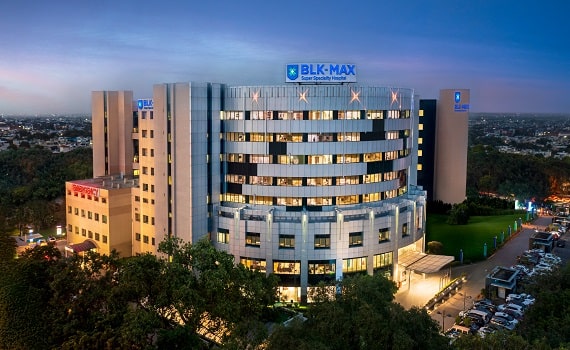
مستشفى بي إل كيه-ماكس سوبر التخصصي، نيودلهي
يعد مستشفى BLK-Max Super Specialty Hospital في نيودلهي أحد مؤسسات الرعاية الصحية الرائدة في الهند، حيث يقدم 650 سريرًا و22 غرفة عمليات متقدمة و13 مركز...
الاعتمادات
المرافق
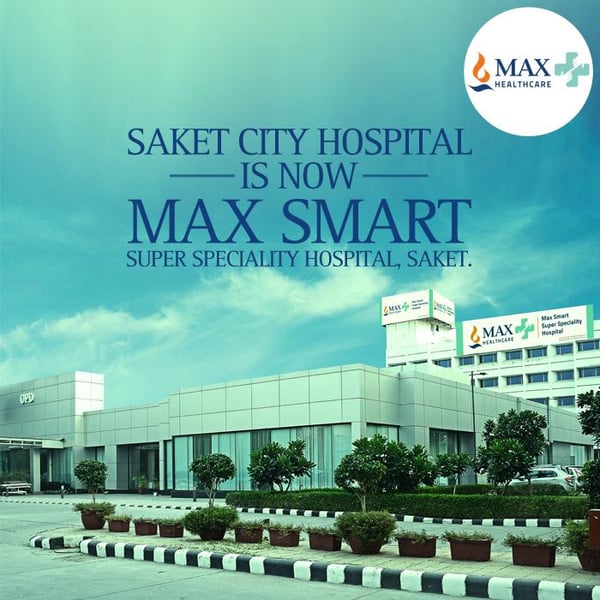
مستشفى ماكس سمارت سوبر التخصصي، ساكيت، نيودلهي
مستشفى ماكس سمارت سوبر التخصصي، ساكيت، هو مستشفى للرعاية الثالثية يضم 250 سريرًا في جنوب دلهي. ويقدم رعاية طبية وجراحية متقدمة في أكثر من 22 تخصصًا، ب...
الاعتمادات
المرافق
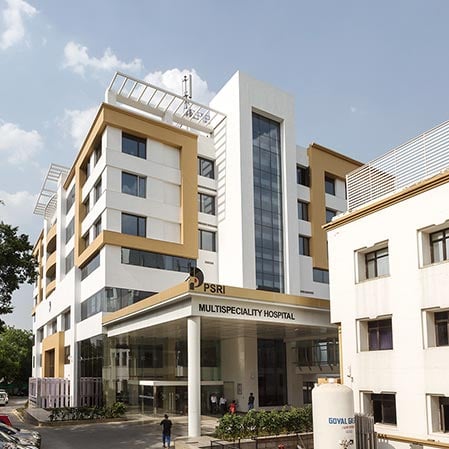
مستشفى PSRI، دلهي
معهد بوشباواتي سينغانيا للأبحاث (مستشفى PSRI)، نيودلهي، هو مستشفى رائد متعدد التخصصات للرعاية الثالثية تم إنشاؤه في عام 1996 من قبل مجموعة JK. وتشتهر ...
الاعتمادات
المرافق
إجراءات مشابهة
المعرض
الأسئلة الشائعة
المراجع
عرض الكل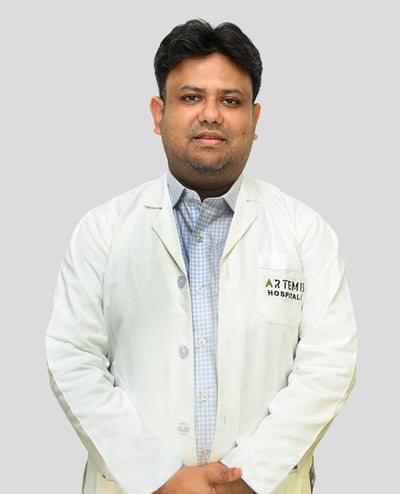
الدكتور بيسواروب بوركاياستا هو جراح قلب وصدر وأوعية دموية ذو مهارات عالية ويتمتع بخبرة واسعة في زراعة القلب والرئة. He has worked across leading Indian hospitals, gaining strong clinical and surgica... اقرأ المزيد

يستخدم موقعنا ملفات تعريف الارتباط. سياسة الخصوصية.