
গভীর মস্তিষ্ক উদ্দীপনা (DBS) খরচ ভারত এ
সম্পর্কে গভীর মস্তিষ্ক উদ্দীপনা (DBS)
ডিপ ব্রেন স্টিমুলেশন (ডিবিএস) কি?
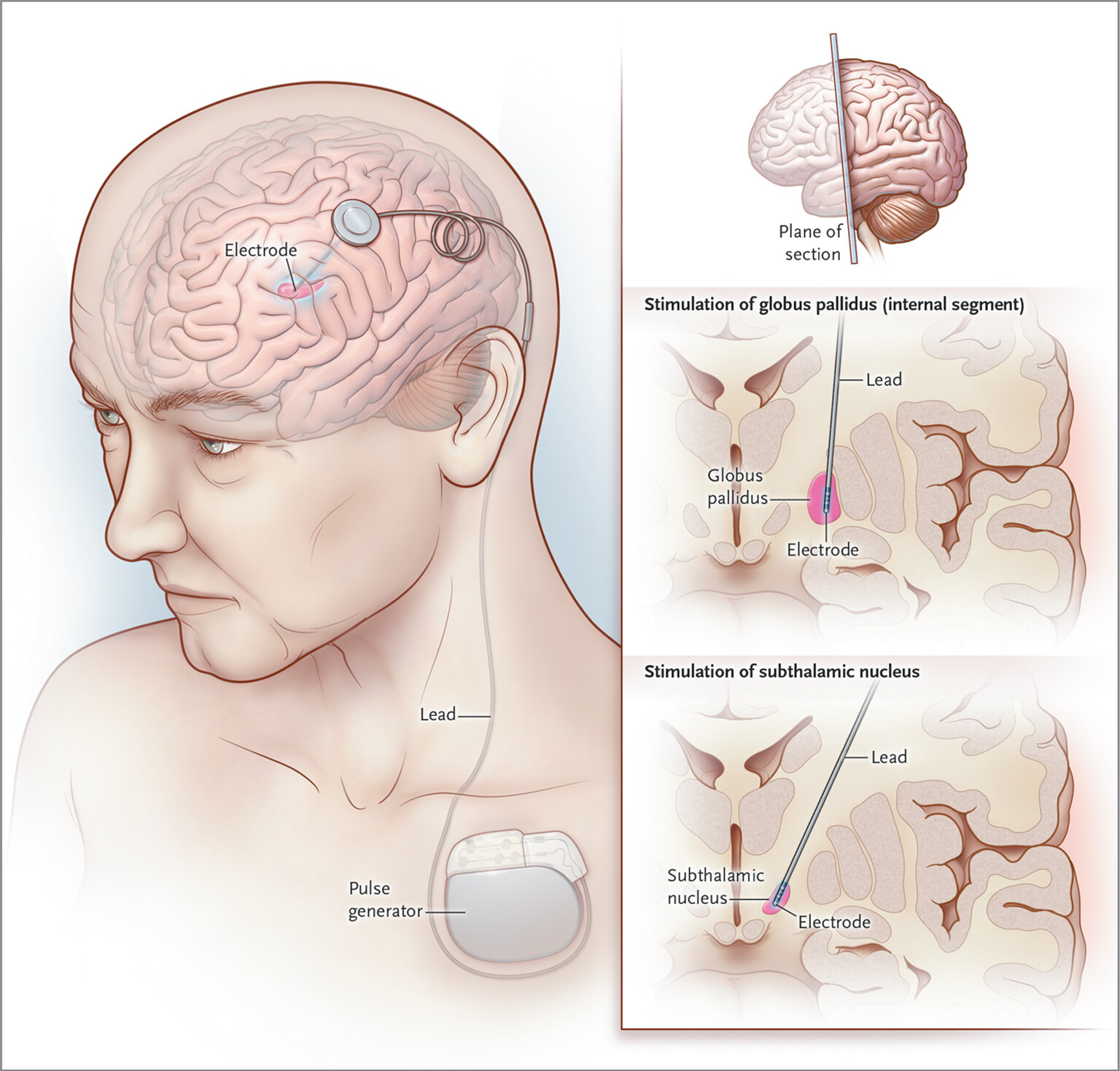
ডিপ ব্রেইন স্টিমুলেশন, ডিবিএস নামে সংক্ষেপে, এমন একটি পদ্ধতি যা মস্তিষ্কে একটি ক্ষুদ্র যন্ত্র ইমপ্লান্ট করা জড়িত যাতে নড়াচড়া এবং মেজাজ নিয়ন্ত্রণের জন্য দায়ী নির্দিষ্ট মস্তিষ্কের এলাকায় বৈদ্যুতিক স্পন্দন সরবরাহ করা হয়। চিকিত্সকরা এই কৌশলটি ব্যবহার করে স্নায়বিক এবং মানসিক রোগের লক্ষণগুলি নিয়ন্ত্রণ করতে সাহায্য করে যা একা ওষুধে ভাল সাড়া দেয় না।
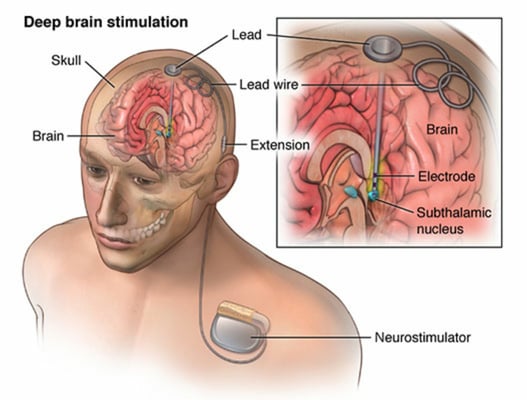
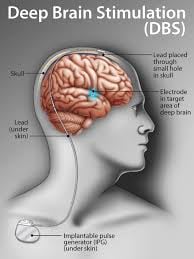
পদ্ধতির মধ্যে রয়েছে মস্তিষ্কের লক্ষ্যবস্তু অঞ্চলে পাতলা ইলেক্ট্রোড স্থাপন করা এবং নিউরোস্টিমুলেটর নামক একটি ব্যাটারি চালিত ডিভাইসের সাথে সংযুক্ত করা, যা সাধারণত বুক বা পেটের কাছে ত্বকের নীচে বসানো হয়। ডিভাইস দ্বারা প্রেরিত বৈদ্যুতিক ডালগুলি অস্বাভাবিক মস্তিষ্কের সংকেতগুলিকে সংশোধন করতে সাহায্য করে, উল্লেখযোগ্যভাবে মোটর নিয়ন্ত্রণ এবং অন্যান্য স্নায়বিক ফাংশন উন্নত করে।
ডিবিএস স্নায়বিক ব্যাধি নিরাময় করে না, তবে এটি নাটকীয়ভাবে লক্ষণগুলি হ্রাস করে, জীবনের মান উন্নত করে এবং অনেক রোগীর ওষুধের প্রয়োজনীয়তা হ্রাস করে। এটি একটি নিরাপদ, বিপরীতমুখী এবং সামঞ্জস্যযোগ্য থেরাপি হিসাবে বিবেচিত হয় যা সময়ের সাথে সাথে রোগীর ক্রমবর্ধমান চাহিদার সাথে মেলে।
কেন গভীর মস্তিষ্কের উদ্দীপনা সঞ্চালিত হয়?
ডাক্তাররা কিছু স্নায়বিক ব্যাধিগুলির লক্ষণগুলি পরিচালনা করার জন্য গভীর মস্তিষ্কের উদ্দীপনা করেন যা ওষুধের পর্যাপ্ত প্রতিক্রিয়া জানায় না। পদ্ধতিটি জড়িত অবস্থার জন্য উপকারীঅস্বাভাবিক মস্তিষ্কের কার্যকলাপ, আন্দোলন, আচরণ, বা মেজাজ সঙ্গে সমস্যা ফলে. যখন ওষুধগুলি কার্যকারিতা হারায় বা গুরুতর পার্শ্বপ্রতিক্রিয়া সৃষ্টি করে, তখন DBS লক্ষণ নিয়ন্ত্রণের জন্য একটি নির্ভরযোগ্য, দীর্ঘমেয়াদী সমাধান দেয়।
ডিবিএস এই ব্যাধিগুলি নিরাময় করে না, তবে এটি নাটকীয়ভাবে দৈনন্দিন কার্যকারিতা উন্নত করতে পারে, কম্পন কমাতে পারে, চলাচল নিয়ন্ত্রণ উন্নত করতে পারে এবং ওষুধের উপর নির্ভরতা কমাতে পারে। যে রোগীরা ক্রমাগত ঝাঁকুনি, কঠোরতা বা ধীর গতির সাথে লড়াই করে তারা প্রায়শই ডিবিএসের পরে উল্লেখযোগ্য স্বস্তি অনুভব করে।
সাধারণত DBS এর সাথে চিকিত্সা করা শর্তগুলির মধ্যে রয়েছে:
- পারকিনসন রোগ:ডিবিএস কম্পন, পেশীর দৃঢ়তা, নড়াচড়ার ধীরতা এবং হাঁটার অসুবিধা কমাতে সাহায্য করে। এটি সাধারণত বিবেচনা করা হয় যখন ওষুধগুলি কার্যকরভাবে কাজ করা বন্ধ করে দেয় বা অনিচ্ছাকৃত নড়াচড়া (ডিস্কিনেসিয়াস) এর মতো জটিলতা সৃষ্টি করে।
- অপরিহার্য কম্পন:এই অবস্থা অনিয়ন্ত্রিত কাঁপুনি সৃষ্টি করে, সাধারণত হাতে। ডিবিএস কম্পন স্থিতিশীল করার জন্য নির্দিষ্ট মস্তিষ্কের অঞ্চলগুলিকে লক্ষ্য করে যা ড্রাগ থেরাপির সাথে উন্নতি করে না।
- ডাইস্টোনিয়া:ডাইস্টোনিয়া রোগীদের ক্ষেত্রে, ডিবিএস বেদনাদায়ক, অনিচ্ছাকৃত পেশী সংকোচন এবং অস্বাভাবিক ভঙ্গি নিয়ন্ত্রণে সহায়তা করতে পারে।
- মৃগীরোগ:যারা খিঁচুনি বিরোধী ওষুধে সাড়া দেয় না তাদের মধ্যে খিঁচুনির ফ্রিকোয়েন্সি এবং তীব্রতা কমাতে ডাক্তাররা ডিবিএস ব্যবহার করেন।
- অবসেসিভ-বাধ্যতামূলক ব্যাধি (ওসিডি):গুরুতর, চিকিত্সা-প্রতিরোধী ক্ষেত্রে, ডিবিএস বাধ্যতামূলক চিন্তাভাবনা এবং ক্রিয়াকলাপের সাথে জড়িত মস্তিষ্কের সার্কিটগুলিকে লক্ষ্য করে মেজাজ এবং আচরণ নিয়ন্ত্রণে সহায়তা করতে পারে।
- ট্যুরেট সিন্ড্রোম (নির্বাচিত ক্ষেত্রে):ডিবিএস এমন ব্যক্তিদের উপকার করতে পারে যারা গুরুতর টিকগুলি অনুভব করে যা দৈনন্দিন জীবনে হস্তক্ষেপ করে এবং অন্যান্য চিকিত্সায় সাড়া দেয় না।
ডাক্তাররা শুধুমাত্র পুঙ্খানুপুঙ্খ মূল্যায়নের পরেই ডিবিএস সুপারিশ করেন এবং সাধারণত যখন রক্ষণশীল চিকিত্সা দীর্ঘস্থায়ী ত্রাণ প্রদান করতে ব্যর্থ হয়। এটি এমন রোগীদের ক্ষেত্রে সবচেয়ে কার্যকর যারা অন্যথায় সুস্থ এবং নিরাপদে অস্ত্রোপচার করতে পারে।
ডিবিএস পদ্ধতি কিভাবে কাজ করে?
গভীর মস্তিষ্কের উদ্দীপনা মস্তিষ্কের নির্দিষ্ট কিছু অংশে নিয়ন্ত্রিত বৈদ্যুতিক সংকেত পাঠিয়ে কাজ করে যা অস্বাভাবিক নড়াচড়া বা আচরণের জন্য দায়ী। লক্ষ্য হল ত্রুটিপূর্ণ মস্তিষ্কের সংকেতগুলিকে নিয়ন্ত্রণ করা বা বাধা দেওয়া যা পারকিনসন্স রোগ, অপরিহার্য কম্পন বা ডাইস্টোনিয়ার মতো পরিস্থিতিতে লক্ষণ সৃষ্টি করে।
সিস্টেম তিনটি প্রধান উপাদান নিয়ে গঠিত:
- ইলেক্ট্রোড (লিড):এগুলি হল পাতলা, উত্তাপযুক্ত তার যা নিউরোসার্জন মস্তিষ্কের সাবধানে লক্ষ্যবস্তুতে স্থাপন করে। প্রতিটি ইলেক্ট্রোডের একাধিক যোগাযোগ বিন্দু রয়েছে, যা সুনির্দিষ্ট উদ্দীপনার জন্য অনুমতি দেয়।
- এক্সটেনশন তার:এই তারটি মাথার নিচে ঘাড় থেকে বুক পর্যন্ত চামড়ার নিচে চলে। এটি মস্তিষ্কের ইলেক্ট্রোডকে নিউরোস্টিমুলেটরের সাথে সংযুক্ত করে।
- নিউরোস্টিমুলেটর (পালস জেনারেটর):এটি একটি ছোট, ব্যাটারি চালিত ডিভাইস যা ত্বকের নীচে, পেট বা কলারবোনের কাছে লাগানো হয়। এটি বৈদ্যুতিক আবেগ তৈরি করে এবং মস্তিষ্কের ইলেক্ট্রোডগুলিতে পাঠায়।
অস্ত্রোপচার প্রক্রিয়া
ডিবিএস পদ্ধতি সাধারণত দুটি পর্যায়ে ঘটে, প্রায়শই এক বা দুই দিনের মধ্যে ছড়িয়ে পড়ে:
পর্যায় 1 - ইলেক্ট্রোড বসানো:সার্জনরা মস্তিষ্কের লক্ষ্য এলাকাকে সুনির্দিষ্টভাবে সনাক্ত করতে এমআরআই এবং সিটি স্ক্যানের মতো উন্নত ইমেজিং কৌশল ব্যবহার করেন। ট্র্যাজেক্টোরি পরিকল্পনা করার পরে, তারা মাথার খুলিতে একটি ছোট খোলার তৈরি করে যার মাধ্যমে তারা ইলেক্ট্রোডগুলি ঢোকায়। কিছু ক্ষেত্রে, রোগী অস্ত্রোপচারের এই অংশের সময় জেগে থাকে, ডাক্তারদের রিয়েল-টাইমে প্রতিক্রিয়া এবং গতিবিধি পর্যবেক্ষণ করে ইলেক্ট্রোড বসানো পরীক্ষা করার অনুমতি দেয়।
পর্যায় 2 - উদ্দীপকের ইমপ্লান্টেশন:ইলেক্ট্রোড স্থাপন করার পরে, রোগীকে সাধারণ অ্যানেশেসিয়া দেওয়া হয়। সার্জন তারপর ত্বকের নিচে নিউরোস্টিমুলেটর ডিভাইস ইমপ্লান্ট করেন এবং এক্সটেনশন তার ব্যবহার করে মস্তিষ্কের ইলেক্ট্রোডের সাথে সংযুক্ত করেন। একবার সংযুক্ত হয়ে গেলে, সিস্টেমটি সঠিক ফাংশন নিশ্চিত করার জন্য পরীক্ষা করা হয়।
ডিভাইস সক্রিয়করণ এবং সমন্বয়
ডাক্তাররা সাধারণত অস্ত্রোপচারের কয়েক দিন থেকে কয়েক সপ্তাহ পরে উদ্দীপক সক্রিয় করে। একটি হ্যান্ডহেল্ড প্রোগ্রামিং ডিভাইস ব্যবহার করে, তারা রোগীর নির্দিষ্ট লক্ষণগুলির সাথে মেলে সেটিংসকে সূক্ষ্মভাবে তৈরি করে। সর্বোত্তম উদ্দীপনা প্যাটার্ন অর্জনের জন্য প্রক্রিয়াটির জন্য কয়েক সপ্তাহ ধরে একাধিক সেশনের প্রয়োজন হতে পারে।
রোগীরা বাড়িতে নির্দিষ্ট সেটিংস সামঞ্জস্য করতে এবং প্রয়োজন অনুসারে ডিভাইসটি চালু বা বন্ধ করার জন্য একটি দূরবর্তী নিয়ামকও পান।
গভীর মস্তিষ্কের উদ্দীপনা লক্ষণগুলি নিয়ন্ত্রণ করার জন্য একটি নমনীয় এবং সামঞ্জস্যযোগ্য উপায় সরবরাহ করে। সময়ের সাথে সাথে, ডাক্তাররা প্রয়োজন অনুসারে ডিভাইসটিকে পুনরায় প্রোগ্রাম করতে পারেন, যা ডিবিএসকে একটি অত্যন্ত ব্যক্তিগতকৃত এবং অভিযোজিত থেরাপি করে তোলে।
একটি বিনামূল্যে চিকিত্সা পরিকল্পনা পান
ভারত এ গভীর মস্তিষ্ক উদ্দীপনা (DBS) সম্পর্কে
What Is the Cost of Deep Brain Stimulation Surgery in India?
The cost of deep brain stimulation DBS surgery in India is more affordable compared to most Western countries, making it a preferred MVT destination for international patients. While the exact price varies based on several medical and logistical factors, India consistently offers high-quality care at a fraction of the cost.
In India, the cost of deep brain stimulation surgery generally ranges between $18,000 and $30,000. It includes major expenses, such as hospital stay, surgical fees, the DBS device (neurostimulator and leads), pre-surgical imaging, anesthesia, and postoperative recovery.
For international patients, hospitals often provide all-inclusive packages that include not only treatment services but also airport transfers, international coordinators, and post-discharge consultations.
Here is a typical breakdown of DBS cost in India:
Type of DBS Surgery | Estimated Cost (USD) |
| Single-sided DBS (Unilateral) | $18,000 – $22,000 |
| Both-sided DBS (Bilateral) | $25,000 – $30,000 |
| Rechargeable battery implant | $30,000 – $35,000 (optional) |
| Non-rechargeable battery implant | $18,000 – $25,000 |
Note: Rechargeable systems cost more upfront but last longer (up to 15 years), while non-rechargeable ones typically need replacement every 3–5 years.
What Does the Cost Usually Include?
Most reputed hospitals in India include the following services in their DBS surgery package:
- Preoperative investigations (MRI, CT scan, blood work, neurological assessment)
- Consultation with neurologist and neurosurgeon
- DBS electrodes and neurostimulator (device)
- Neurosurgery (typically two-stage)
- Hospital stay in a private or semi-private room (5–10 days)
- Intensive care monitoring after surgery
- Programming and activation of the DBS device
- Medications during hospitalization
- Postoperative follow-up before discharge
- Airport pickup and drop-off services for overseas patients
What's Not Included in the Base Price?
While most essentials are covered, international patients should budget separately for:
- Airfare and travel insurance
- Visa application fees
- Extra hospital stay (if recovery takes longer)
- Long-term rehabilitation or physiotherapy
- Hotel accommodation for family or caregivers
- Optional services like sightseeing or wellness therapy (if desired)
- Additional follow-up programming sessions (can be virtual or in-person)
What Factors Affect the Cost of DBS in India?
The total cost of deep brain stimulation (DBS) surgery varies from patient to patient, depending on several key medical and logistical factors. Hospitals typically provide a cost estimate based on the patient's condition, preferences, and type of treatment required. Some of the main elements that influence the final cost are:
- Type of Surgery (Unilateral or Bilateral DBS): The cost depends heavily on whether the surgery involves one side (unilateral) or both sides (bilateral) of the brain. Bilateral DBS is more complex and involves more hardware, longer surgical time, and extended postoperative care, resulting in higher overall expenses.
- Type of Neurostimulator (Rechargeable vs. Non-Rechargeable): Rechargeable neurostimulators last up to 15 years and are ideal for younger patients who want to avoid multiple surgeries. However, they are more expensive upfront. Non-rechargeable devices cost less initially but typically require replacement every 3 to 5 years, which may add to long-term costs.
- Brand of the DBS System: Hospitals in India utilize globally recognized brands such as Medtronic, Abbott, and Boston Scientific. Advanced models, which feature directional leads and wireless programming, tend to cost more than standard options. Patients can choose the brand based on their needs and budget.
- Hospital Location and Infrastructure: Hospitals in major metropolitan cities, such as Delhi, Mumbai, or Bangalore, may charge more due to higher operational costs, advanced surgical facilities, and international accreditations. Smaller towns may offer lower prices with comparable medical expertise.
- Experience of the Neurosurgeon: Highly experienced neurosurgeons specializing in DBS often charge more for their services. However, their expertise increases the likelihood of a successful procedure, faster recovery, and fewer complications.
- Duration of Hospital Stay: Most DBS patients stay in the healthcare facility for about 5 to 10 days. However, complications or slow recovery may extend the stay, increasing room charges, medication costs, and monitoring expenses.
- Post-Surgery Device Programming: After surgery, the neurostimulator must be programmed and adjusted to suit the patient's symptoms. Some hospitals include the first few sessions in their package, while others may charge separately for extended follow-ups.
Why Should You Choose India for DBS Surgery?
India has become a global destination for deep brain stimulation surgery due to its combination of world-class healthcare, internationally trained neurosurgeons, and remarkably affordable pricing. Thousands of international patients trust Indian hospitals each year for advanced neurological care, including DBS, because of the exceptional medical outcomes and patient-centered approach.
- Affordable Cost Without Compromising Quality: The cost of DBS in India is significantly lower than in countries such as Singapore, the USA, Australia, the UK, or Germany, often 60% to 70% less, without compromising on the quality of the surgery or equipment. Patients have access to the same FDA-approved DBS systems used worldwide, including those from Medtronic, Abbott, and Boston Scientific. This cost advantage allows patients to access life-changing treatment while staying within budget, especially important for those from countries where DBS is either too expensive or unavailable.
- Experienced Neurosurgeons and Neurologists: India boasts a large pool of highly qualified neurosurgeons who specialize in functional and stereotactic neurosurgery. Many have trained or practiced in the United States, Europe, or Australia and have performed hundreds of successful DBS surgeries. Their vast experience in handling complex cases of Parkinson's disease, essential tremor, dystonia, and epilepsy ensures safe surgical outcomes and accurate electrode placement.
- Advanced Technology and Infrastructure: Top Indian hospitals are equipped with cutting-edge technologies, including intraoperative MRI, neuro-navigation, robotic surgery systems, and 3D imaging to ensure precision during DBS implantation. These tools improve safety, reduce complications, and enhance the effectiveness of the procedure. Many hospitals also offer hybrid operating rooms and specialized DBS programming centers, where neurologists can fine-tune stimulation settings after surgery.
- Internationally Accredited Hospitals: Leading hospitals in India are accredited by the Joint Commission International (JCI) or the National Accreditation Board for Hospitals and Healthcare Providers (NABH). These certifications ensure that the hospital sticks to the highest international standards for safety, hygiene, patient rights, and clinical outcomes.
- Comprehensive Pre- and Post-Surgery Care: From detailed preoperative evaluations to postoperative programming and rehabilitation, Indian hospitals offer a full spectrum of healthcare under one roof. It includes medication management, physiotherapy, psychiatric support (if needed), and long-term follow-ups through teleconsultation. Doctors work as part of multidisciplinary teams to monitor and adjust treatment as needed, helping patients get the best possible outcome from their DBS therapy.
Success Rate and Long-Term Results of DBS in India
Deep brain stimulation is a highly successful and effective treatment for various neurological conditions, primarily when performed at experienced centers in India. With skilled neurosurgeons, advanced technologies, and international standards of care, DBS in India delivers consistently high success rates and long-term symptom control for eligible patients.
What Is the Success Rate of DBS in India?
India reports an average success rate of 80% to 90% for deep brain stimulation, particularly for Parkinson's disease, essential tremor, and dystonia. In Parkinson's patients, DBS typically results in a 60%–80% improvement in motor symptoms such as tremors, stiffness, and slow movement. For patients with essential tremor, the reduction in tremor severity can be as high as 85%, resulting in improvements in quality of life.
Dystonia patients also respond well, though improvements may occur more gradually over several months. In drug-resistant epilepsy and selected psychiatric disorders like OCD, DBS has shown promising results when performed at specialized centers under rigorous evaluation.
What Do Long-Term Results Show?
Long-term outcomes from DBS surgery in India remain favorable. Many patients experience sustained symptom relief for 5 to 15 years, depending on their condition, the type of device used, and their adherence to follow-up care with their care team. Rechargeable stimulators tend to last longer, minimizing the need for repeated surgeries.
Patients often report:
- Improved movement control and balance
- Reduced need for medications and their side effects
- Enhanced ability to perform daily activities
- Better emotional stability and mood regulation
- Higher levels of independence and social interaction
Follow-up programming plays a vital role in achieving and maintaining these outcomes. Indian hospitals offer ongoing support through in-person or remote consultations to fine-tune the stimulation settings, ensuring optimal device performance.
What Is the Recovery Timeline After DBS Surgery?
Recovery after deep brain stimulation surgery is generally smooth and well-managed when performed at advanced neurosurgical centers. Most international patients can expect to stay in the hospital for 5 to 10 days, followed by a brief recovery period before resuming their daily activities. Full recovery, including device activation and symptom control, can take several weeks.
What Happens Immediately After Surgery?
After the electrodes and neurostimulator are implanted, patients spend the first 24 to 48 hours in the intensive care unit (ICU) or a high-dependency ward for close monitoring. The medical team checks for any complications, such as bleeding, infection, or swelling, and provides supportive care as needed. Pain and discomfort at the incision sites are usually mild and manageable with medication.
By the third or fourth day, most patients are able to walk around and eat normally. Once the surgical wounds start to heal, doctors discharge the patient with a list of precautions and a follow-up plan.
When Is the DBS Device Activated?
Doctors do not activate the neurostimulator immediately after surgery. They typically wait 2 to 4 weeks for the brain to heal and for post-surgical swelling to subside. Once the healing process is complete, the DBS system is activated and programmed using a handheld device.
During the initial programming session, the neurologist adjusts the stimulation levels to match the patient's symptoms. It is a delicate process that may require multiple sessions to achieve optimal results. Most hospitals in India offer remote programming options for international patients once they return to their home country.
What Is Long-Term Recovery Like?
After the device is activated, patients typically begin to notice a gradual improvement in symptoms, including tremors, rigidity, and involuntary movements. It can take several weeks to a few months to achieve full benefit, depending on the neurological condition being treated and the body's response to stimulation.
Patients may need to reduce or adjust their medications during this period. Doctors usually monitor them closely and make recommendations accordingly. Many patients report feeling more independent and capable of performing daily tasks without assistance within 6 to 12 weeks of activation.
Is DBS Surgery Safe for International Patients?
Yes, deep brain stimulation surgery in India is safe for international patients, provided they receive care from accredited hospitals with experienced neurosurgeons and neurologists. Indian medical centers that perform DBS adhere to strict international safety protocols, use FDA-approved devices, and follow globally accepted surgical standards.
How Does India Ensure Safety During DBS?
Top hospitals in India utilize advanced imaging tools, such as MRI, CT, and intraoperative neuro-navigation, to accurately identify and target the specific brain regions responsible for a patient's symptoms. These tools reduce the risk of complications and enhance surgical precision. Many hospitals also utilize intraoperative electrophysiological monitoring, which enables surgeons to fine-tune electrode placement in real-time while monitoring patient responses.
The surgery is performed in modular, sterile operating rooms with dedicated neuroanesthesia and ICU teams on standby. Hospitals follow comprehensive checklists, adhere to aseptic techniques, and utilize real-time surgical guidance to minimize infection risk and ensure optimal patient outcomes.
How Do Doctors Minimize Risks?
Indian neurosurgeons assess every international patient thoroughly before recommending DBS. They review medical history, perform detailed neurological assessments, and conduct imaging studies. It ensures that only suitable candidates proceed with the surgery, thereby reducing avoidable risks.
After surgery, patients receive close monitoring in high-dependency units or neurosurgical ICUs. Hospitals use continuous cardiac, neurological, and respiratory monitoring to detect and manage any early complications.
What Services Are Offered for International Patients?
Indian hospitals go beyond just providing high-quality medical treatment. They provide a full range of services tailored to the needs of international patients undergoing deep brain stimulation surgery. These services ensure that patients traveling from abroad receive not only expert medical care but also seamless support throughout their journey, from the first inquiry to post-surgical recovery and follow-up.
- Visa Assistance and Invitation Letters: Hospitals in India assist patients in obtaining a medical visa by issuing official invitation letters and providing the supporting documentation required by Indian embassies. International patient coordinators guide patients through the visa application process.
- Airport Pickup and Drop-Off: Most hospitals offer complimentary airport transfers, ensuring that patients and their caregivers are picked up upon arrival and safely transported to the hospital or a designated hotel. Return transfers are also arranged after discharge, creating a hassle-free travel experience.
- Language Interpretation Services: To bridge communication gaps, hospitals offer professional interpreters in various languages, including Arabic, French, Spanish, Russian, Swahili, and others. This service helps patients understand medical advice, communicate with doctors, and feel confident about their care.
- Dedicated International Patient Coordinators: Every international patient is assigned a dedicated coordinator who serves as a single point of contact. This coordinator assists with medical appointments, billing, accommodations, and all logistical needs, enabling patients to focus solely on their treatment and recovery.
- Assistance with Accommodation and Meals: Hospitals help international patients and their families find comfortable accommodation near the hospital, ranging from guesthouses to star-rated hotels. Some hospitals offer in-facility attendant stay and meals, often included in the treatment package.
- Currency Exchange and SIM Card Support: Upon arrival, many hospitals provide assistance with currency exchange, mobile SIM card activation, and local transportation arrangements, ensuring that international patients remain connected and well-supported throughout their stay.
- Post-Surgery Follow-Up and Remote Monitoring: After the DBS device is implanted and programmed, international patients return home. Indian hospitals offer telemedicine follow-up services, where neurologists remotely adjust stimulation settings for patients. It allows patients to receive continuous care without having to return to India for each follow-up.
- Travel Support and Sightseeing Options (Optional): For patients interested in exploring India after their recovery, some hospitals or partnered agencies offer wellness tourism and sightseeing packages. These experiences are designed to help patients and families enjoy their trip while maintaining their postoperative care routine.
দেশ অনুযায়ী গভীর মস্তিষ্ক উদ্দীপনা (DBS) খরচ তুলনা
আপনার চিকিৎসার বিষয়ে সচেতন সিদ্ধান্ত নিতে বিভিন্ন দেশে গভীর মস্তিষ্ক উদ্দীপনা (DBS) খরচ তুলনা করুন।
| দেশ | খরচের পরিসর (USD) | সম্ভাব্য সাশ্রয় | কার্যক্রম |
|---|---|---|---|
ভারতবর্তমানসেরা মূল্য | $18,000 - $30,000 | — | কোট পান |
নোট: হাসপাতাল নির্বাচন, রুমের ধরন, অতিরিক্ত সেবা এবং ব্যক্তিগত চিকিৎসার প্রয়োজনীয়তার উপর ভিত্তি করে খরচ ভিন্ন হতে পারে। ব্যক্তিগত কোটের জন্য আমাদের সাথে যোগাযোগ করুন।
ভারত এ গভীর মস্তিষ্ক উদ্দীপনা (DBS) এর জন্য শীর্ষ হাসপাতাল
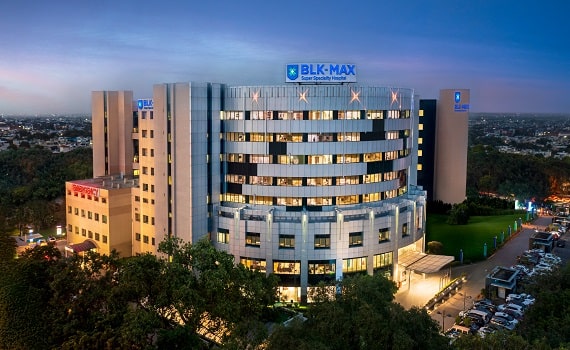
বিএলকে-ম্যাক্স সুপার স্পেশালিটি হাসপাতাল, নতুন দিল্লি
নয়াদিল্লির BLK-ম্যাক্স সুপার স্পেশালিটি হাসপাতাল ভারতের অন্যতম প্রধান স্বাস্থ্যসেবা প্রতিষ্ঠান, যেখানে 650টি শয্যা, 22টি উন্নত অপারেশন থিয়েটার এবং 1...
স্বীকৃতি
সুবিধা
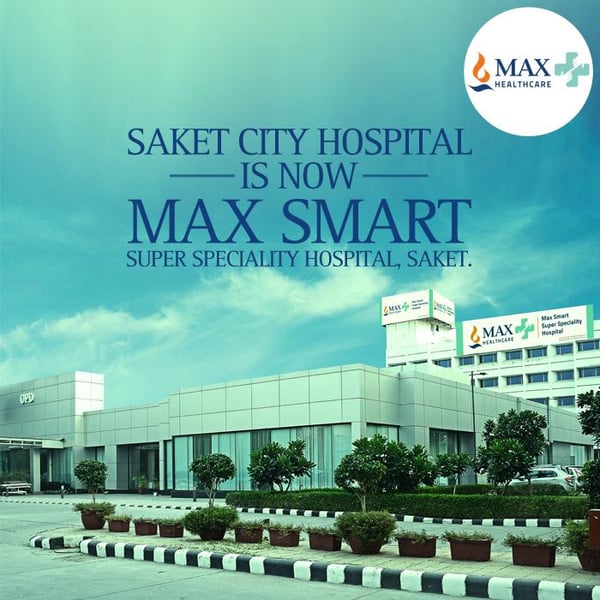
ম্যাক্স স্মার্ট সুপার স্পেশালিটি হাসপাতাল, সাকেত, নতুন দিল্লি
ম্যাক্স স্মার্ট সুপার স্পেশালিটি হাসপাতাল, সাকেত, দক্ষিণ দিল্লির একটি 250-শয্যার টারশিয়ারি কেয়ার হাসপাতাল। এটি কার্ডিয়াক সায়েন্স, অনকোলজি, অর্থোপে...
স্বীকৃতি
সুবিধা
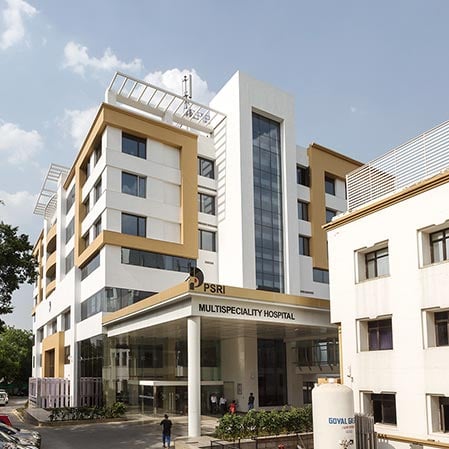
পিএসআরআই হাসপাতাল, দিল্লি
পুষ্পবতী সিংহানিয়া রিসার্চ ইনস্টিটিউট (PSRI হাসপাতাল), নয়া দিল্লি, জে কে গ্রুপ দ্বারা 1996 সালে প্রতিষ্ঠিত একটি নেতৃস্থানীয় মাল্টি-স্পেশালিটি টারশি...
স্বীকৃতি
সুবিধা
অনুরূপ পদ্ধতি
গ্যালারি
প্রশ্ন উত্তর

আমাদের ওয়েবসাইট কুকিজ ব্যবহার করে। গোপনীয়তা নীতি.