
Cirugía de epilepsia Cost in India
Acerca de Cirugía de epilepsia
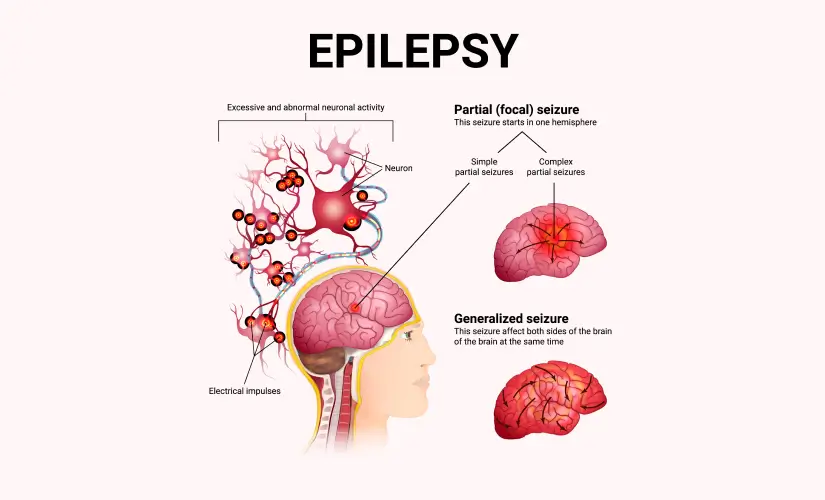
What Is Epilepsy?
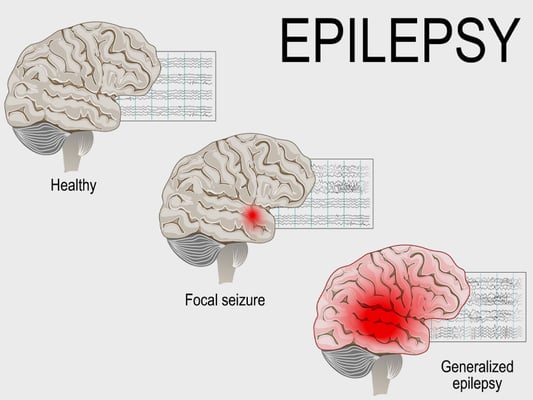
Epilepsy is a chronic disorder that causes a person to experience repeated, unprovoked seizures. These seizures happen due to sudden, abnormal bursts of electrical activity in the brain that interrupt normal brain function. While the exact cause isn't always known, epilepsy can result from brain injury, infections, stroke, tumors, or genetic conditions.
Seizures in epilepsy can vary widely. Some may cause a person to fall, shake uncontrollably, or lose consciousness. Others may be more subtle, such as brief moments of staring, confusion, or unusual sensations. For a diagnosis of epilepsy, a person must have had at least two unprovoked seizures that were not caused by temporary triggers like fever or low blood sugar.
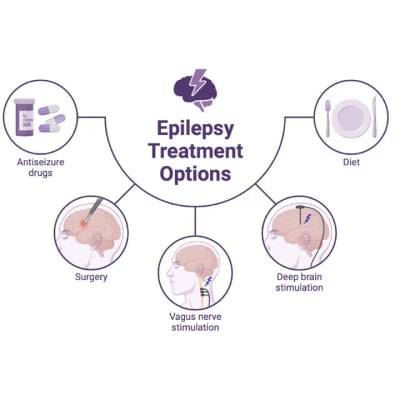
Epilepsy affects people of all ages, but it often begins in childhood or later adulthood. With the right treatment protocol, most people with epilepsy can manage their condition effectively. Treatment typically starts with medications, but when drugs fail to control the seizures (especially after trying two or more types), doctors may consider surgery or device-based therapies.
Modern advances in neuroimaging and brain mapping have enabled the precise localization of seizure origins in the brain, facilitating highly targeted surgical procedures. For many patients with drug-resistant epilepsy, especially those with focal seizures, surgery offers a real chance at long-term seizure control and a better quality of life.
What Is Epilepsy Surgery?
Epilepsy surgery is a specialized medical procedure designed to help people whose seizures do not improve with medication alone. Doctors usually consider surgery when a person has drug-resistant epilepsy, meaning they've tried multiple anti-seizure medicines without success. The goal of the surgery is to either remove or disconnect the part of the brain where the seizures begin, giving the patient a better chance at leading a seizure-free life.
There are different types of epilepsy surgeries, and the choice depends on where the seizures originate and how they affect the brain. For instance, if seizures arise from a small, specific area that does not control vital functions such as speech or movement, that part may be safely removed. In other cases, doctors may perform a disconnective surgery to interrupt the abnormal signals in the brain without removing any tissue.
Unlike medications that only control seizures, surgery aims to eliminate or significantly reduce seizure activity at the source. It is not a first-line treatment, but for many patients, especially those who've suffered for years, it offers a path toward better health, independence, and overall quality of life.
What are the Different Types of Epilepsy Surgery?
Epilepsy surgery includes a range of specialized procedures designed to treat seizures. The type of surgery chosen depends on the origin of the seizures in the brain, their severity, and the patient's overall health condition. These procedures are typically performed by experienced neurosurgeons and supported by technologies such as brain imaging, intraoperative monitoring, and, in some centers, robotic assistance.
A few of the most common types of epilepsy surgeries performed worldwide are:
- Temporal Lobectomy: Temporal lobectomy is one of the most widely performed epilepsy surgeries worldwide. Surgeons remove a portion of the temporal lobe where seizures begin, usually in patients with mesial temporal lobe epilepsy (MTLE). This type of surgery has one of the highest success rates, with up to 70–80% of patients achieving long-term seizure freedom. It is particularly effective for adults and older children who have focal seizures originating from this area.
- Lesionectomy: A lesionectomy targets a clearly identifiable lesion on brain scans, such as a tumor, cavernoma, or cortical dysplasia, that is responsible for triggering seizures. The surgeon removes only the lesion and a small margin of surrounding brain tissue. This procedure is considered highly effective when the lesion is the sole cause of seizures, and it minimizes the risk of affecting normal brain functions.
- Corpus Callosotomy: This is a disconnective surgery where the corpus callosum (a bundle of nerve fibers connecting the two halves of the brain) is partially or fully severed. It is typically performed in children with severe generalized seizures, especially drop attacks or tonic seizures that result in frequent falls and injuries. While corpus callosotomy may not completely stop seizures, it often reduces their severity and frequency, offering a safer life for the patient.
- Hemispherectomy or Hemispherotomy: Used primarily in young children with widespread seizures confined to one hemisphere of the brain, this surgery involves either removing or disconnecting one side of the brain. Conditions like Rasmussen's encephalitis or extensive cortical malformations may require this procedure. Despite its complexity, many children experience dramatic improvements in seizure control and development afterward, with the remaining hemisphere adapting over time.
- Multiple Subpial Transections (MST): When the seizure focus lies near an essential part of the brain (such as the speech or motor area) and cannot be removed, MST offers a safer option. In this technique, surgeons make tiny cuts (transections) in the brain's outer layer to disrupt seizure pathways without removing any tissue. It's less commonly used but can be effective in select cases.
- Laser Ablation Surgery (Stereotactic Laser Thermoablation): Some advanced neurology centers now offer minimally invasive laser ablation for epilepsy. The procedure involves inserting a thin laser fiber into the seizure focus and destroying the tissue using heat. The benefits include a shorter hospital stay, faster recovery, and minimal scarring. It is best suited for patients with small, well-defined seizure foci.
- Vagus Nerve Stimulation (VNS): Although not strictly surgical in the traditional sense, VNS involves implanting a device under the skin of the chest area that sends electrical pulses to the vagus nerve, helping reduce seizure frequency. It is often used when brain surgery is not an option.
Who Needs Epilepsy Surgery?
Not every person with epilepsy will need surgery, but for some, it becomes the best option after other treatments fail.
- Patients with Drug-Resistant Epilepsy: The primary candidates for epilepsy surgery are people who have drug-resistant epilepsy (DRE). It means they continue to experience seizures even after trying at least two appropriate anti-seizure medications at the correct doses and for a reasonable duration. Studies show that the chances of becoming seizure-free drop significantly after two failed medications, which is why surgery becomes a viable alternative at this stage.
- People with Focal Seizures: Surgery works best when seizures start from a specific area of the brain, often referred to as the seizure focus. These are known as focal or partial seizures, and they may or may not spread to other areas of the brain. If doctors can pinpoint the source of the seizure through EEG monitoring, MRI, or other imaging tests, surgery becomes a strong option.
- Patients Whose Seizures Affect Daily Life: Some individuals experience seizures that severely interfere with their daily activities, such as walking, working, attending school, or even maintaining personal safety. Frequent seizures can lead to social isolation, mental health issues, and injuries from falls or accidents. When medications do not help and quality of life suffers, doctors may recommend surgery to control the seizures and restore independence.
- Children with Developmental Risk Due to Seizures: In children, uncontrolled seizures can negatively affect brain development, learning ability, and behavior. Pediatric neurologists in India often recommend surgery early for children with severe epilepsy to protect cognitive function and promote better long-term outcomes. In such cases, early surgical intervention can lead to developmental catch-up and improved quality of life.
- Patients at Risk of SUDEP: People with frequent generalized tonic-clonic seizures may be at higher risk of sudden unexpected death in epilepsy (SUDEP). Reducing or eliminating seizures through surgery can significantly lower this risk. For some patients, this becomes a life-saving decision.
- Candidates Identified Through Pre-Surgical Evaluation: Before recommending surgery, hospitals in India conduct an in-depth pre-surgical evaluation, which includes continuous video EEG monitoring, MRI and PET scans, neuropsychological testing, and functional mapping (for speech, movement, and memory). Only those whose seizure origin is clearly identified and who meet safety criteria are selected for surgery.
What are the Benefits of Epilepsy Surgery?
Epilepsy surgery offers hope to individuals whose seizures remain uncontrolled despite taking multiple medications. For many of these patients, surgery can lead to life-changing improvements.
- Seizure Reduction or Elimination: The most immediate and noticeable benefit is a significant decrease in seizure frequency, and in many cases, complete seizure freedom. Depending on the type of surgery and location of the seizure focus, up to 70–80% of patients may stop having seizures altogether after surgery.
- Improved Quality of Life: When seizures become less frequent or disappear entirely, patients often find that their daily life improves dramatically. They may regain independence, return to school or work, drive again (depending on local laws), and engage more fully in social and family activities.
- Fewer or Lower Doses of Medications: Many people with epilepsy take multiple anti-seizure drugs, often leading to side effects such as fatigue, memory problems, dizziness, and mood changes. After successful surgery, some patients are able to reduce the number of medications they take or even discontinue them altogether under medical supervision.
- Cognitive and Developmental Gains in Children: Children with uncontrolled epilepsy may suffer from delayed speech, poor academic performance, and behavioral problems due to repeated seizures and medication side effects. Surgery at an appropriate age can not only reduce seizures but also improve cognitive development, learning abilities, and social interaction.
- Enhanced Emotional and Mental Health: Living with frequent seizures can cause depression, anxiety, and isolation. Many patients report feeling more optimistic and confident after surgery, especially if their seizures stop or become less frequent.
- Long-Term Stability: With appropriate post-operative care and follow-up, the results of epilepsy surgery can be long-lasting. Many patients remain seizure-free or well-controlled for years or even decades after surgery.
What are the Side Effects of Epilepsy Surgery
While epilepsy surgery offers significant benefits, like seizure reduction and improved quality of life, it is still a brain surgery, and like any surgery, it carries some risks.
- Temporary Confusion or Fatigue: After surgery, especially during the first few days, patients often experience confusion, fatigue, or drowsiness.
- Memory or Language Difficulties: Depending on the area of the brain that is affected, some individuals may experience temporary or mild issues with memory, language, or concentration.
- Weakness or Numbness: In rare cases, surgery can cause weakness, tingling, or numbness on one side of the body if motor areas of the brain are affected.
- Vision or Sensory Changes: Some patients report visual disturbances or changes in their field of vision after surgery, especially when surgery involves the occipital or temporal lobes.
- Mood and Emotional Shifts: Mood changes such as depression, anxiety, or irritability may occur temporarily after surgery. These shifts can result from changes in brain chemistry, the stress of surgery, or adjusting to a new life without seizures.
- Surgical Risks: As with any surgery, there are standard medical risks, including infection, bleeding, or reactions to anesthesia.
Recovery Timeline After Epilepsy Surgery
Recovering from epilepsy surgery is a step-by-step process that involves physical healing, mental adjustment, and ongoing medical care. While every patient's experience is slightly different, there is a general timeline most people follow. Recovery typically spans several weeks to months, depending on the type of epilepsy surgery performed and the individual's overall health.
Immediate Post-Surgery Period (0–1 Week)
After the surgery, patients usually spend a few hours in the recovery room before being transferred to a monitored hospital ward or ICU, especially if the procedure was complex. During this phase, doctors closely monitor brain function, vital signs, and the surgical site's healing progress. Mild headaches, swelling, or fatigue are common, and pain is controlled with medication.
Most epilepsy patients remain in the hospital for approximately 5 to 7 days, although more extensive procedures, such as hemispherectomy, may require a slightly more extended stay. During this time, patients begin gentle movement and are evaluated by neurologists and rehabilitation teams.
Early Recovery Phase (2–6 Weeks)
After discharge, patients continue their recovery at home or in a short-term rehabilitation center. They may still feel tired or mentally foggy, especially in the first couple of weeks. Doctors schedule follow-up visits to monitor progress, remove stitches or staples as necessary, and adjust medications as needed.
During this phase, doctors activate or fine-tune any implanted devices (like a VNS) and review seizure activity. Many patients notice a reduction in seizures soon after surgery, though full benefits may take time to appear. Light daily activities can usually resume within 2–3 weeks, but tasks requiring concentration may take longer.
Rehabilitation and Adjustment (1–3 Months)
Depending on the type of surgery, patients may require occupational therapy, physical therapy, or speech therapy. These services help improve strength, coordination, memory, and language if any deficits occurred during surgery.
Patients are also carefully monitored for emotional changes, as this is a time of mental adjustment. Some people feel a surge of confidence after gaining seizure control, while others experience anxiety about returning to everyday life.
Long-Term Recovery and Follow-Up (3 Months and Beyond)
By the three-month mark, most patients have resumed many of their everyday routines. Those who were seizure-free post-surgery often begin tapering off medications under their neurologist's guidance, though this process can take many months.
Regular follow-ups are conducted for at least one to two years to monitor brain health, medication levels, and cognitive function. In some cases, further evaluations are done if seizures persist or return.
Patients who respond well to surgery can often return to driving, working, and socializing, enjoying a better quality of life than before.
Obtenga un plan de tratamiento gratuito
About Cirugía de epilepsia in India
¿Cuál es el costo de la cirugía de epilepsia en la India?
El costo de la cirugía de epilepsia en la India es más asequible en comparación con muchos países occidentales, al tiempo que se mantienen altos estándares de seguridad y resultados clínicos. Los pacientes internacionales a menudo eligen la India para recibir atención neuroquirúrgica avanzada por una fracción de los honorarios que se cobran en los EE. UU., el Reino Unido o Europa.
El costo de la cirugía de epilepsia en la India oscila entre$4,000 a $9,000,dependiendo de varios factores, incluido el tipo de cirugía, la infraestructura hospitalaria, la experiencia del cirujano y la duración de la estancia hospitalaria. Aquí hay un desglose general por tipo de cirugía:
- El costo de unlobectomía temporalen la India oscila entre$5,000 a $7,000, dependiendo del hospital y de la complejidad de la cirugía.
- Alesionectomíanormalmente cuesta entre$4.000 y $6.000, especialmente cuando la lesión está claramente definida y es de fácil acceso.
- Para pacientes sometidos a uncuerpo callosotomía, el costo se encuentra dentro del rango de$6,000 a $8,000.
- Ahemisferectomía o hemisferotomía, al ser una cirugía más extensa y compleja, tiene un precio entre$7,000 y $9,000.
- Cirugía de ablación con láser, cuando está disponible, normalmente cuesta entre$6,500 y $9,000, proporcionando una alternativa mínimamente invasiva.
- El costo deestimulación del nervio vago (ENV), incluido el precio del dispositivo implantado, normalmente oscila entre$8,000 a $12,000.
Estos paquetes suelen incluir:
- Investigaciones preoperatorias (MRI, EEG, pruebas neuropsicológicas)
- Procedimiento quirúrgico y anestesia.
- Estancia hospitalaria (normalmente de 5 a 10 días)
- Monitoreo en UCI (si es necesario)
- Medicamentos durante el ingreso.
- Cuidados postoperatorios y seguimiento temprano.
Costo comparado con otros países
Los pacientes de países como EE. UU., Canadá, el Reino Unido y Australia a menudo enfrentan costos que van desde$30,000 a $70,000o más para procedimientos similares. Esto convierte a la India en una opción atractiva para las familias que buscan atención especializada sin una carga financiera.
¿Qué factores afectan el costo de la cirugía de epilepsia en la India?
El costo total de la cirugía de epilepsia en la India varía de un paciente a otro según varios factores médicos y logísticos. Si bien los honorarios quirúrgicos básicos pueden ser similares en todos los hospitales, los elementos específicos relacionados con la condición del paciente, las necesidades de tratamiento y las preferencias del hospital a menudo influyen en el costo final.
- Tipo de Cirugía Realizada:La variación de costos más significativa proviene del tipo de cirugía de epilepsia que se realiza. Por ejemplo, una lobectomía temporal suele ser más asequible que una hemisferectomía o un procedimiento de estimulación del nervio vago (ENV), que implica un dispositivo implantable.
- Elección de Hospital y Ciudad:Los gastos quirúrgicos suelen diferir según la ciudad y el hospital. Los hospitales de ciudades metropolitanas como Mumbai o Bangalore pueden cobrar más que los de ciudades más pequeñas.
- Experiencia del cirujano y conocimientos del equipo:Los neurocirujanos altamente experimentados y los equipos integrales de cirugía de epilepsia suelen cobrar tarifas más altas, lo que puede reflejarse en el costo total del tratamiento.
- Pruebas e imágenes prequirúrgicas:Antes de la cirugía, los pacientes se someten a una evaluación detallada que puede incluir resonancias magnéticas, monitorización por video EEG, exploraciones PET o SPECT y evaluaciones neuropsicológicas. La cantidad y la complejidad de estas pruebas pueden afectar significativamente el costo total del tratamiento.
- Duración de la estancia hospitalaria y la atención en la UCI:Algunos pacientes pueden requerir una estadía hospitalaria más prolongada, particularmente aquellos que se someten a procedimientos complejos o experimentan complicaciones posquirúrgicas.
- Tipo de Habitación y Alojamiento:Las habitaciones privadas, las suites de lujo y las comodidades para los pacientes, como estadía con acompañante o comidas personalizadas, también pueden afectar el costo total.
- Recuperación posquirúrgica y medicamentos:Las primeras semanas después de la cirugía pueden requerir exploraciones de seguimiento, medicamentos y rehabilitación física o cognitiva.
¿Por qué elegir India para la cirugía de epilepsia?
India es un centro mundial para la cirugía de la epilepsia, gracias a su combinación única de experiencia médica, infraestructura moderna y precios asequibles. Pacientes de todo el mundo viajan a la India cada año en busca de atención neurológica avanzada que sea a la vez de alta calidad y rentable.
- Neurocirujanos de clase mundial con capacitación global:India alberga un número cada vez mayor de neurocirujanos altamente capacitados que se especializan en cirugía de la epilepsia. Aportan años de experiencia en el manejo de casos complejos de epilepsia, tanto en adultos como en niños, y están capacitados en todos los procedimientos relevantes.
- Tecnología avanzada y herramientas de diagnóstico:Los hospitales líderes de la India están equipados con las últimas tecnologías necesarias para una cirugía de epilepsia segura y precisa. Estos incluyen resonancia magnética de alta resolución, monitoreo de video EEG, exploraciones PET y SPECT, sistemas de neuronavegación y mapeo cerebral intraoperatorio.
- Altas tasas de éxito comparables a las de Occidente:Los hospitales indios informan sistemáticamente tasas de ausencia de convulsiones del 60 al 80%, según el procedimiento y el perfil del paciente. Además de una reducción de las convulsiones, muchos pacientes disfrutan de mejoras significativas en la claridad mental, la movilidad, el bienestar emocional y la calidad de vida en general.
- Paquetes de tratamiento rentables:Una de las razones más convincentes para elegir la India es el costo dramáticamente menor del tratamiento. Las cirugías de epilepsia en la India pueden costar entre un 60% y un 80% menos que en los países occidentales, sin comprometer la calidad.
- Atención multilingüe y culturalmente sensible:Los hospitales indios ofrecen un ambiente cálido e inclusivo para los pacientes internacionales. Muchas instituciones brindan intérpretes, personal multilingüe y atención culturalmente sensible, asegurando que los pacientes y sus familias se sientan comprendidos y respetados.
- Sin listas de espera y proceso simplificado:A diferencia de muchos países donde los sistemas de salud pública implican largos tiempos de espera, la cirugía de epilepsia en la India se programa con prontitud. Una vez que se confirma el diagnóstico y se completan las evaluaciones prequirúrgicas, la mayoría de los pacientes se someten a cirugía a los pocos días.
Servicios para pacientes internacionales
Los principales hospitales y facilitadores de turismo médico de la India han desarrollado servicios especializados para hacer que la cirugía de la epilepsia sea accesible y sin estrés para los pacientes que viajan desde el extranjero. Desde el momento en que un paciente expresa interés hasta mucho después de la cirugía, el sistema está diseñado para brindar comodidad, claridad y conveniencia en cada paso.
- Asistencia para Visa Médica:Los hospitales suelen emitir una carta de invitación para la visa, lo que ayuda a los pacientes a obtener una visa médica rápidamente. En muchos casos, el procesamiento de visas se acelera para quienes se someten a tratamientos neurológicos, especialmente si las convulsiones son frecuentes o alteran la vida.
- Recogida en el aeropuerto y transporte local:La mayoría de los hospitales importantes ofrecen servicios de recogida en el aeropuerto para garantizar que los pacientes lleguen de forma segura y cómoda. También se organiza transporte local para visitas de seguimiento, pruebas diagnósticas y alta.
- Alojamiento y comidas asequibles:Los pacientes pueden elegir entre una variedad de alojamientos cercanos, incluidas casas de huéspedes y hoteles de lujo. Los servicios de comidas se adaptan a las necesidades dietéticas, incluidas opciones vegetarianas, halal o aptas para diabéticos.
- Servicios de interpretación de idiomas:La comunicación es crucial durante el tratamiento. Es por eso que los mejores hospitales ofrecen intérpretes con fluidez en árabe, francés, español, ruso, suajili y más, según la región del paciente.
- Coordinadores de pacientes internacionales dedicados:A cada paciente internacional se le asigna un coordinador que actúa como único punto de contacto durante todo el recorrido médico. El coordinador ayuda con la admisión hospitalaria, las citas, la facturación, la preparación de documentos y la planificación del alta.
- Atención de seguimiento:Los hospitales suelen programar teleconsultas después de que el paciente regresa a casa para verificar el progreso de la recuperación, administrar los medicamentos y abordar cualquier inquietud.
- Soporte para Viajes y Documentación:Los coordinadores de pacientes ayudan con el cambio de moneda, cartas de seguro, extensiones de visa y certificados de aptitud física para regresar a casa.
Comparación de Costos de Cirugía de epilepsia por País
Compare los costos de Cirugía de epilepsia en diferentes países para tomar una decisión informada sobre su tratamiento médico.
| País | Rango de Costo (USD) | Ahorros Potenciales | Acción |
|---|---|---|---|
INIndiaActualMejor Valor | $4,000 - $9,000 | — | Obtener Cotización |
Nota: Los costos pueden variar según la elección del hospital, tipo de habitación, servicios adicionales y requisitos médicos individuales. Contáctanos para una cotización personalizada.
Hospitales Líderes para Cirugía de epilepsia en India
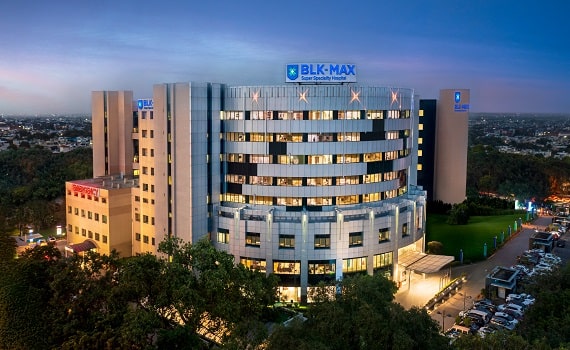
BLK-Max Super Speciality Hospital, New Delhi
BLK-Max Super Speciality Hospital in New Delhi is one of India's premier healthcare institutions, offering 650 beds, 22 advanced operation theatres, a...
Acreditaciones
Instalaciones
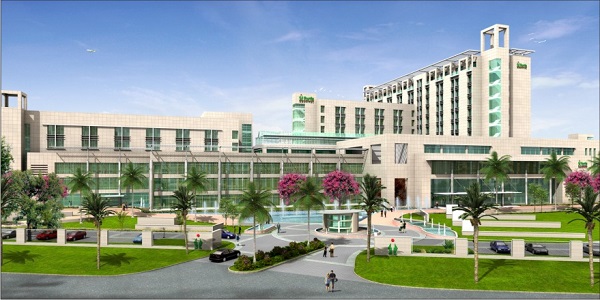
Fortis Memorial Research Institute (FMRI), Gurgaon
Fortis Memorial Research Institute (FMRI), Gurgaon, is a world-class multi-specialty hospital established in 2013. The hospital offers 330 beds, 15 op...
Acreditaciones
Instalaciones
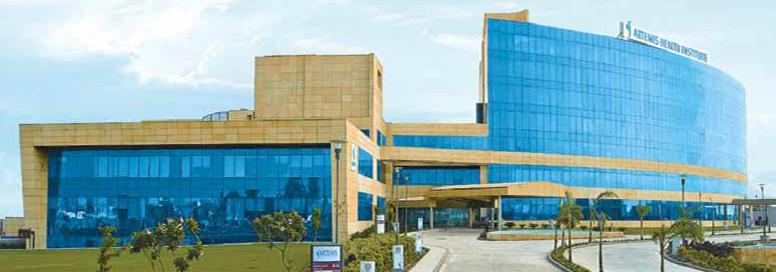
Artemis Hospital, Gurgaon
Artemis Hospital, Gurgaon, is a JCI accredited multispecialty hospital that was established in 2007. It offers 750+ beds and world -class infrastructu...
Acreditaciones

Instalaciones
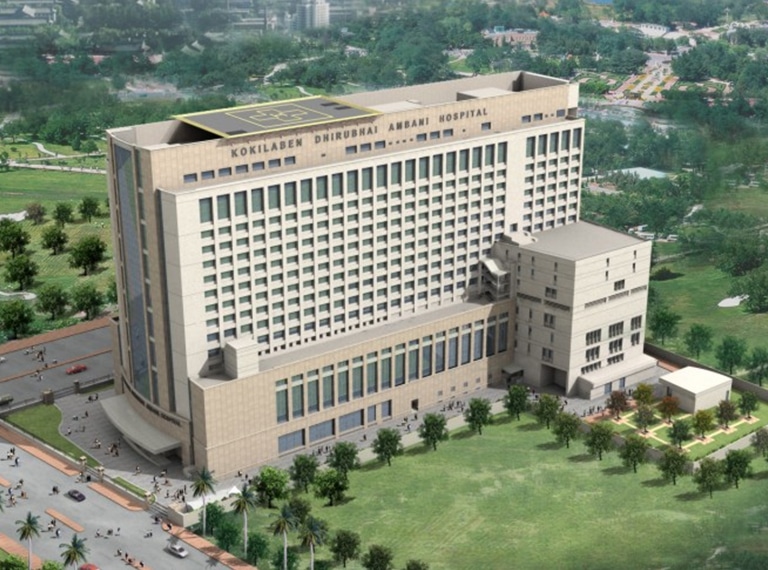
Kokilaben Dhirubhai Ambani Hospital, Mumbai
Kokilaben Dhirubhai Ambani Hospital, Mumbai, is a JCI, NABH, NABL, and CAP-accredited quaternary care hospital established in 2009. With 750 beds, 180...
Acreditaciones
Instalaciones
Medicover Hospitals, Hitech City, Hyderabad
Medicover Hospitals, Hitech City, Hyderabad, is a 400-bed NABH-accredited super-specialty hospital established in 2011. It is part of Medicover, a glo...
Acreditaciones
Instalaciones
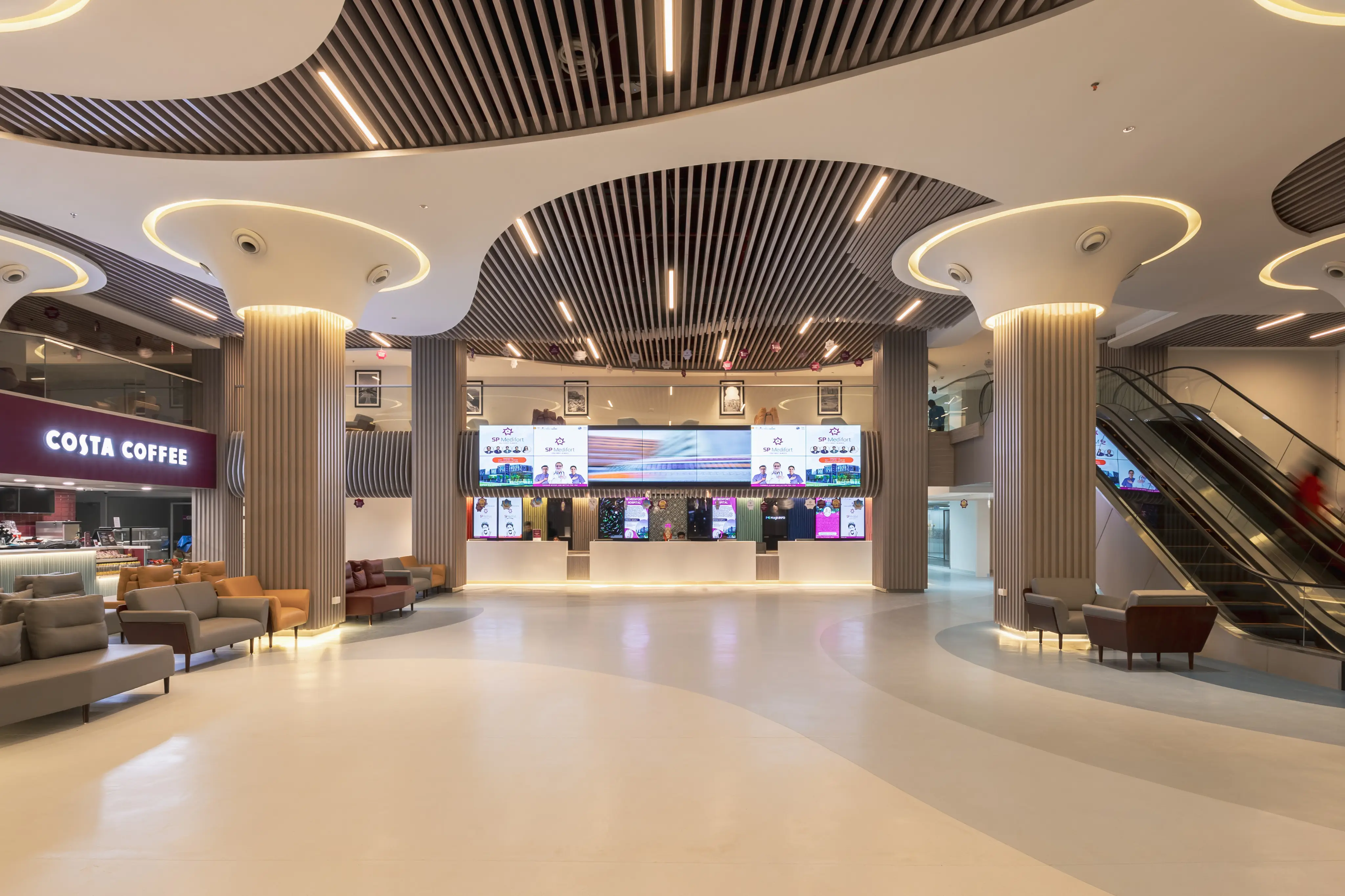
SP Medifort Hospital
SP Medifort, Thiruvananthapuram, is a JCI-accredited, 475-bed multi-super-specialty hospital spread across 500,000 sq. ft. The hospital houses 10 modu...
Acreditaciones
Instalaciones
Gleneagles Global Health City, Chennai
Gleneagles Global Health City, Chennai, is a 200-bed quaternary-care hospital and part of the IHH Healthcare network, one of the world’s largest priva...
Acreditaciones
Instalaciones
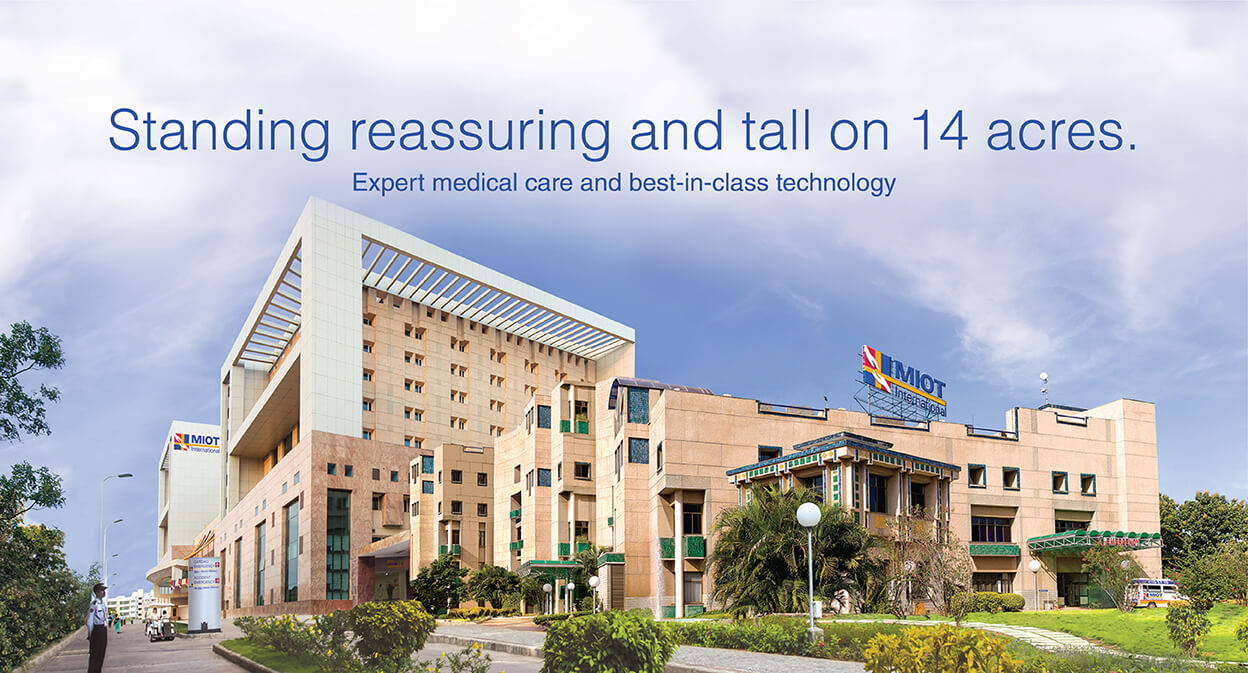
MIOT International, Chennai
MIOT International, Chennai, is a 1,000-bed NABH- and NABL-accredited multispecialty hospital serving patients from more than 130 countries. Establish...
Acreditaciones
Instalaciones
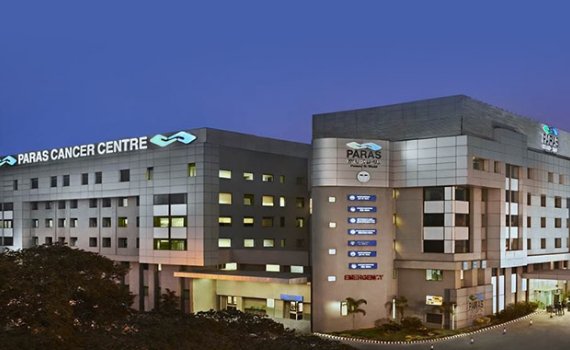
Paras Hospital, Gurgaon
Paras Hospital, Gurgaon, established in 2006, is a 300-bed NABH- and NABL-accredited tertiary care hospital offering over 36 super specialties. The ho...
Acreditaciones
Instalaciones
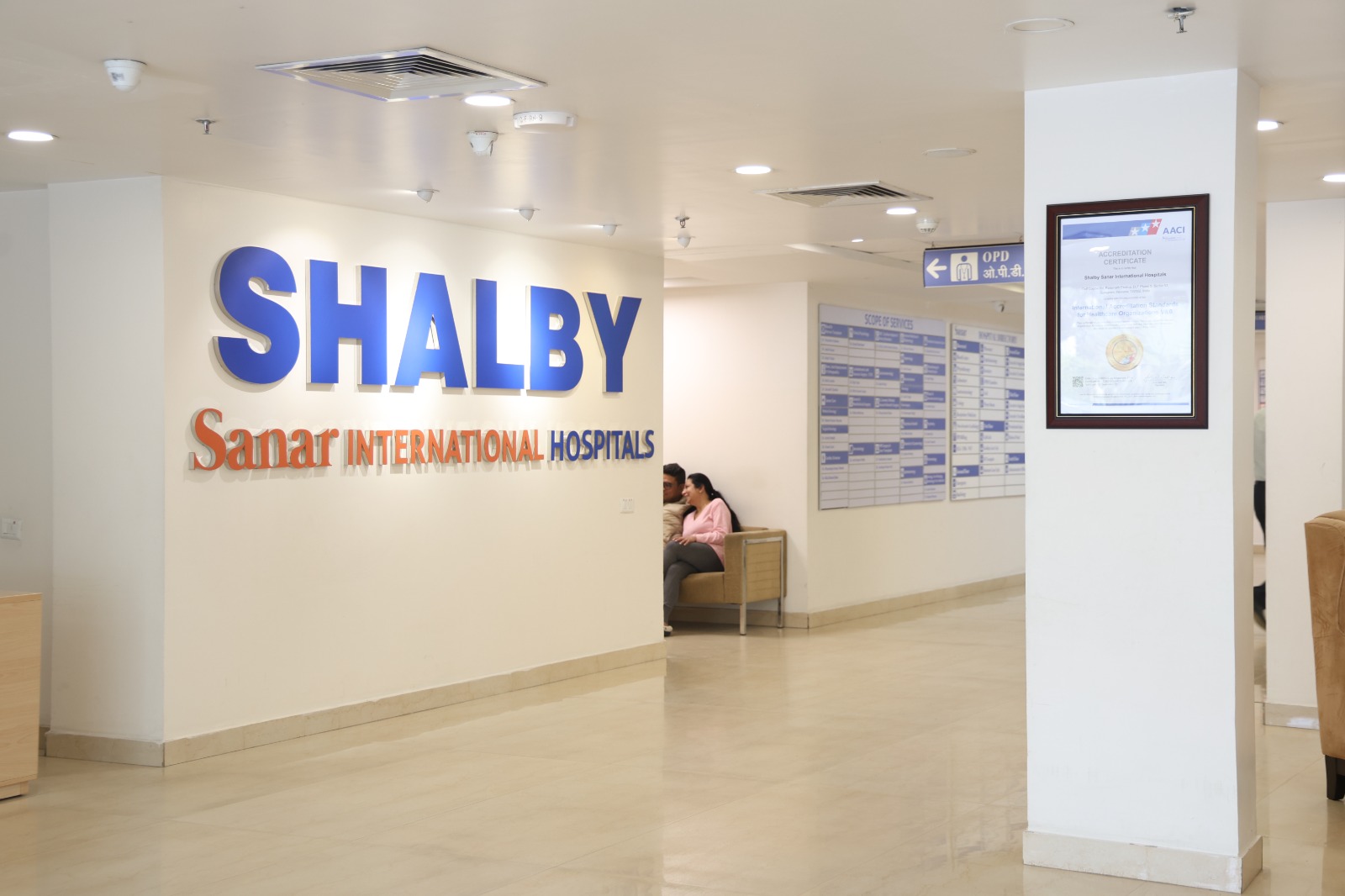
Shalby Sanar International Hospital, Gurgaon
Shalby Sanar International Hospital, Gurgaon, is a 150-bed NABH-accredited multispecialty hospital offering advanced care in oncology, cardiology, org...
Acreditaciones

Instalaciones
Procedimientos Similares
Galería
Preguntas Frecuentes

Nuestro sitio web usa cookies. política de privacidad.