
Resección Transuretral de Próstata (RTUP) Costo en India
Acerca de Resección Transuretral de Próstata (RTUP)
Una próstata agrandada es un trastorno común que afecta a los hombres a medida que envejecen, a menudo causando problemas urinarios, como dificultad para orinar, flujo débil o micción frecuente. Cuando los medicamentos no logran aliviar estos síntomas, los médicos pueden aconsejar un procedimiento quirúrgico llamado resección transuretral de la próstata (TURP).
La TURP ayuda a restaurar el flujo normal de orina al eliminar el exceso de tejido que bloquea la uretra. El procedimiento es mínimamente invasivo, no requiere incisiones externas y ofrece una recuperación rápida con alivio duradero.
Esta cirugía ha sido laTratamiento estándar de oro para la hiperplasia prostática benigna (HPB)Durante décadas, ofreciendo a los hombres un mejor control urinario y calidad de vida. Con herramientas quirúrgicas avanzadas y técnicas modernas, TURP ofrece resultados seguros y efectivos para pacientes de todas las edades.
¿Qué es la resección transuretral de la próstata?
La resección transuretral de la próstata es una cirugía mínimamente invasiva que elimina el exceso de tejido de la próstata bloqueando el flujo de orina a través de la uretra. Los médicos usan este procedimiento para tratar la HPB, un agrandamiento no canceroso de la próstata que afecta a muchos hombres mayores de 50 años.
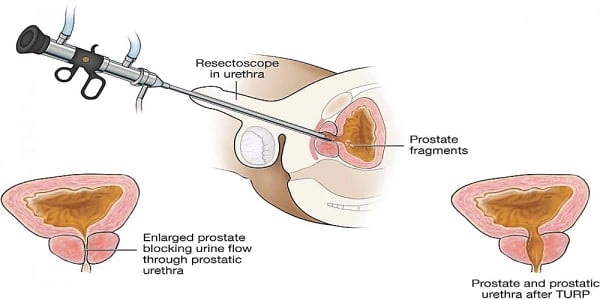
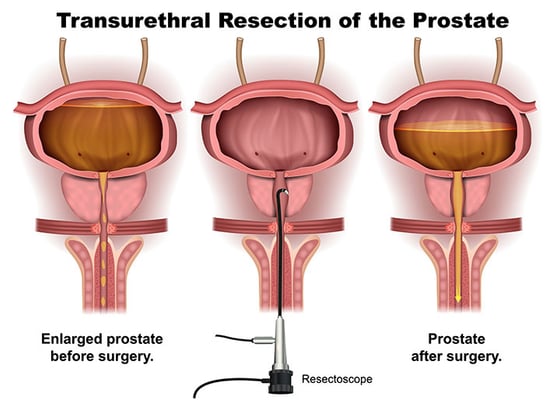
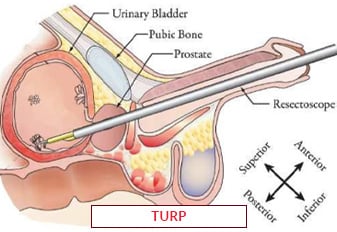
Durante la TURP, los cirujanos usan un instrumento especial llamadoresectoscopio, que se inserta a través de la uretra (el pasaje urinario natural). El resectoscopio permite al médico ver claramente la próstata y eliminar el tejido cubierto de maleza utilizando una corriente eléctrica o energía láser, sin realizar cortes externos.
Este enfoque ayuda a aliviar los síntomas como:
- Flujo de orina débil o interrumpido
- Necesidad frecuente o urgente de orinar
- Vaciado de vejiga incompleta
- Micción nocturna (nocturia)
- Retención urinaria o infección debido a bloqueo
La RTUP mejora la función urinaria casi de inmediato y ayuda a los pacientes a recuperar la comodidad y el control. Sigue siendo una de las soluciones más eficaces y probadas en el tiempo para el agrandamiento de la próstata en todo el mundo.
¿Cuándo recomiendan los médicos la cirugía TURP?
Los médicos recomiendan la resección transuretral de la próstata cuando una próstata agrandada comienza a causar problemas urinarios importantes o cuando los medicamentos no brindan alivio. El objetivo de TURP es eliminar la obstrucción y restaurar el flujo de orina suave.
La TURP es ideal para hombres que tienen síntomas de moderado a severo de HBP que interfieren con la vida diaria o que presentan riesgos para la salud de la vejiga.
Los médicos generalmente recomiendan TURP cuando experimentas:
- Dificultad para iniciar o mantener el flujo de orina
- Corriente débil o interrumpida
- dolor de orinar o presión de la vejiga
- Necesidad frecuente de orinar, especialmente por la noche
- Retención urinaria (incapacidad de vaciar completamente la vejiga)
- Infecciones urinarias repetidas (ITU)
- Piedras vesicales o sangrado causado por agrandamiento de la próstata
- Daño renal debido a la obstrucción urinaria a largo plazo
Evaluación médica antes de la cirugía
Antes de recomendar TURP, los médicos realizan una evaluación detallada que incluye:
- Examen rectal digital (DRE)Para evaluar el tamaño de la próstata
- ultrasonidoPara medir el volumen de la próstata y comprobar la orina residual
- Prueba de flujo de orinaPara evaluar la gravedad de bloqueo
- análisis de sangrePara determinar la función renal y descartar otras condiciones
¿Cómo se realiza la cirugía de TURP?
Los médicos realizan TURP utilizando una técnica mínimamente invasiva que elimina el exceso de tejido prostático a través del pasaje urinario, sin ninguna incisión externa. La cirugía suele tomar60 a 90 minutosy se realiza bajo anestesia espinal o general.
- Preparación y anestesia:El paciente recibe anestesia para asegurar la comodidad durante la cirugía. Los médicos insertan un resectoscopio (un tubo delgado y flexible con una cámara y un bucle quirúrgico) a través de la uretra para acceder a la glándula prostática.
- Resección del tejido prostático:Usando el resectoscopio, el cirujano elimina suavemente la capa por capa de tejido prostático sobre crecida. Los fragmentos retirados se enjuagan en la vejiga y se lavan a través del catéter al final del procedimiento.
- Control de sangrado y riego:Los cirujanos usan corriente eléctrica o energía láser para sellar vasos sanguíneos pequeños y detener el sangrado. El riego continuo con líquido estéril mantiene el área quirúrgica despejada para una visibilidad precisa.
- Colocación del catéter:Después de la extracción de tejido, los médicos colocan un catéter urinario para permitir que la orina se drene libremente mientras la vejiga cura. Este catéter suele permanecer en su lugar durante 24 a 48 horas.
- Recuperación y monitoreo:Los pacientes permanecen en el hospital durante 1 a 2 días después de la cirugía para el monitoreo. Una vez que la orina se aclara y la función de la vejiga se estabiliza, se retira el catéter y el paciente puede orinar normalmente.
¿Cuáles son los beneficios de la cirugía TURP?
TURP sigue siendo uno de los tratamientos más efectivos y fiables para hombres con próstata agrandada. El procedimiento ofrece un alivio rápido de los síntomas urinarios y una mejora a largo plazo en la función de la vejiga.
Estos son los beneficios clave de la cirugía TURP:
- Restaura el flujo de orina normal:TURP elimina el tejido que bloquea la uretra, permitiendo que la orina pase libremente. Los pacientes experimentan alivio inmediato de la corriente débil, el esfuerzo y el vaciado de la vejiga incompleto.
- Proporciona alivio a largo plazo:A diferencia de los medicamentos que solo controlan los síntomas, la TURP elimina permanentemente el exceso de tejido y ofrece resultados duraderos. La mayoría de los hombres disfrutan de la función urinaria normal durante 10 años o más después de la cirugía.
- Mínimo invasivo y sin cicatrices:El procedimiento no requiere incisiones externas. Los cirujanos lo realizan completamente a través de la uretra, lo que significa que no hay cicatrices visibles, un dolor mínimo y una recuperación más rápida.
- Estancia hospitalaria corta y recuperación rápida:La mayoría de los pacientes permanecen en el hospital durante uno o dos días y retoman actividades ligeras en una semana. El catéter generalmente se retira dentro de las 48 horas y la micción normal se reanuda poco después.
- Previene el daño de la vejiga y los riñones:Al restaurar el flujo de orina normal, la TURP previene las complicaciones a largo plazo, como cálculos vesicales, infecciones del tracto urinario o daño renal causado por la retención urinaria.
- Mejora la calidad de vida:Después de la cirugía, los hombres informan una mejora del flujo de orina, una urgencia reducida y menos viajes nocturnos al baño.
Obtenga un plan de tratamiento gratuito
Acerca de Resección Transuretral de Próstata (RTUP) en India
¿Cuál es el costo de la cirugía TURP en la India?
El costo de la resección transuretral de próstata (RTUP) en la India oscila entreUSD 2.000 y USD 3.800(aproximadamente1.65.000 INR – 3.10.000 INR). El precio depende de la ubicación del hospital, la experiencia del urólogo, la tecnología utilizada y la condición médica del paciente.
Los hospitales indios utilizan tecnologías avanzadas.sistemas de resección endoscópica y bipolarque garantizan una eliminación precisa del tejido, una reducción del sangrado y una recuperación más rápida, todo ello a un coste significativamente menor en comparación con los países occidentales.
Tipo de Procedimiento | Costo estimado (USD) | Costo estimado (INR) |
| RTUP estándar (monopolar) | $2,000 – $2,800 | 1.65.000 INR – 2.30.000 INR |
| TURP bipolar (Sistema Avanzado) | $2,800 – $3,500 | 2.30.000 INR – 2.90.000 INR |
| Láser TURP / HoLEP (Enucleación con láser de holmio) | $3,000 – $3,800 | 2.50.000 INR – 3.10.000 INR |
Nota:El costo final puede variar según el tamaño de la próstata, la categoría del hospital, el tipo de habitación y cualquier prueba o tratamiento adicional requerido antes o después de la cirugía.
Inclusiones y Exclusiones en el Paquete de Costos
Los hospitales de la India ofrecen paquetes claros y completos para TURP. Comprender lo que se incluye y lo que se excluye ayuda a los pacientes a planificar su tratamiento con confianza y evitar costos inesperados.
Incluye costos:
La mayoría de los paquetes TURP estándar incluyen:
- Evaluación preoperatoria y pruebas diagnósticas (análisis de sangre, prueba de flujo de orina, ECG, ecografía)
- Honorarios de consulta para el urólogo y anestesista.
- Gastos de quirófano y anestesia
- Procedimiento TURP utilizando tecnología monopolar, bipolar o láser
- Estancia hospitalaria de 1 a 2 días con cuidados de enfermería
- Medicamentos y consumibles durante la hospitalización.
- Configuración del sistema de cateterismo e irrigación.
- Monitorización postoperatoria y seguimiento antes del alta.
Estas inclusiones aseguran que todo el proceso quirúrgico y de recuperación inmediata esté completamente cubierto.
Exclusiones de costos:
Los siguientes elementos pueden no formar parte del paquete estándar a menos que se especifique lo siguiente:
- Una estancia hospitalaria prolongada más allá de la duración del paquete.
- Tratamiento adicional para condiciones no relacionadas.
- Mejoras de habitación o solicitudes de alojamiento especiales
- Gastos de viaje, visa y alojamiento para pacientes internacionales.
- Cirugía de revisión o complicaciones que requieren procedimientos adicionales.
¿Cómo se compara el costo de la TURP en la India con el de otros países?
El costo de la RTUP en la India es significativamente menor que en la mayoría de los países occidentales y asiáticos. Aunque la calidad de la atención, la tecnología quirúrgica y los estándares de seguridad coinciden con los puntos de referencia globales.
Los hospitales de la India utilizan tecnologías avanzadas.sistemas TURP bipolares y láser, ofreciendo precisión y recuperación más rápida a una fracción del costo. Esta asequibilidad, combinada con urólogos expertos e instalaciones de última generación, atrae a miles de pacientes internacionales cada año.
País | Costo promedio (USD) |
| India | $2,000 – $3,800 |
| Estados Unidos | $9,000 – $15,000 |
| Reino Unido | $7,000 – $12,000 |
| Singapur | $5,500 – $9,000 |
| Tailandia | $3,800 – $6,000 |
| Pavo | $3,000 – $5,000 |
¿Qué factores afectan el costo de la cirugía TURP en la India?
El costo de la resección transuretral de la próstata en la India varía según varios factores clave. Comprenderlos ayuda a los pacientes y sus familias a planificar su presupuesto de tratamiento de manera más efectiva y a elegir el mejor hospital para sus necesidades.
- Tipo de Procedimiento TURP:La TURP monopolar es el método estándar y es más asequible. La TURP bipolar utiliza tecnología avanzada que reduce el sangrado y permite una recuperación más rápida. La RTUP con láser o HoLEP (enucleación de la próstata con láser de holmio) es la opción más avanzada, pero un poco más cara.
- Tamaño de la próstata y complejidad quirúrgica:Las próstatas más grandes tardan más en operarse y pueden requerir instrumentos especializados o un tiempo de anestesia prolongado, lo que puede aumentar ligeramente los costos.
- Experiencia y calificación del cirujano:Los urólogos altamente experimentados y con formación endoscópica avanzada pueden cobrar honorarios profesionales más altos.
- Categoría y ubicación del hospital:Los hospitales de primer nivel en ciudades metropolitanas como Delhi, Mumbai, Bangalore y Chennai cobran tarifas más altas debido a su avanzada infraestructura y acreditación.
- Estadía hospitalaria y tipo de habitación:El costo depende de cuánto tiempo permanezca en el hospital (generalmente de 1 a 2 días) y de la categoría de habitación que seleccione (estándar, semiprivada o de lujo).
- Pruebas preoperatorias y cuidados posoperatorios:Se pueden agregar al paquete pruebas de diagnóstico adicionales, como ultrasonido, ECG y pruebas de función renal.
- Estado de salud del paciente:Los pacientes con diabetes, afecciones cardíacas u otras enfermedades crónicas pueden necesitar atención especializada, seguimiento más prolongado o medicamentos adicionales. Puede aumentar el coste final.
¿Cuál es el tiempo de recuperación y la tasa de éxito después de la TURP?
La recuperación después de la resección transuretral de la próstata suele ser rápida y sencilla porque el procedimiento es mínimamente invasivo. La mayoría de los hombres experimentan una mejora inmediata en el flujo de orina y la comodidad de la vejiga unos días después de la cirugía.
El período medio de recuperación es2 a 4 semanas, dependiendo de la salud del paciente, edad y tipo de procedimiento realizado (RTUP monopolar, bipolar o láser).
Cronograma de recuperación
Escenario | Periodo de tiempo | Lo que sucede |
| Estancia hospitalaria | 1-2 días | Los médicos controlan la producción de orina y retiran el catéter una vez que está limpio. |
| Recuperación inicial | 3 a 5 días | Los pacientes notan una mejora en el flujo de orina y una reducción de la presión de la vejiga. |
| Regreso al trabajo | 1 a 2 semanas | Las actividades ligeras y el trabajo de escritorio pueden reanudarse de forma segura. |
| Recuperación completa | 3 a 4 semanas | El sistema urinario sana por completo y toda la hinchazón cede. |
Pautas de atención posquirúrgica
Los médicos recomiendan algunas precauciones simples para favorecer la curación y prevenir complicaciones:
- Beba muchos líquidos para enjuagar la vejiga.
- Evite levantar objetos pesados o hacer esfuerzos durante 3 a 4 semanas.
- Siga los antibióticos y analgésicos recetados.
- Evite la cafeína y el alcohol hasta que se lo indique el médico.
- Asista a todas las visitas de seguimiento para garantizar una recuperación adecuada.
La mayoría de los pacientes de RTUP pueden regresar a sus actividades físicas normales, incluido el ejercicio, dentro de4 a 6 semanas.
Tasa de éxito de la cirugía TURP
La tasa de éxito de la cirugía TURP en India supera95%, y la mayoría de los pacientes informan un alivio completo de los síntomas urinarios. Después de la recuperación, los hombres disfrutan de:
- Flujo de orina más fuerte e ininterrumpido.
- Frecuencia y urgencia reducidas
- Mejor control de la vejiga
- Mejora de la calidad del sueño debido a menos episodios de micción nocturna
¿Por qué debería elegir India para la cirugía TURP?
India se ha convertido en uno de los destinos más confiables para la RTUP, ya que combina experiencia urológica avanzada, tecnología médica moderna y precios asequibles. Algunas de las razones clave por las que miles de pacientes internacionales eligen India para la RTUP son:
- Urólogos altamente experimentados:Los urólogos de la India están capacitados internacionalmente y realizan miles de RTUP y procedimientos de próstata cada año. Su precisión y experiencia garantizan resultados seguros, eficaces y sin complicaciones.
- Tecnología y equipos avanzados:Los hospitales utilizan los últimos sistemas TURP bipolar y láser, que minimizan el sangrado, acortan las estadías hospitalarias y brindan una recuperación más rápida. Las imágenes endoscópicas y la monitorización en tiempo real mejoran la precisión quirúrgica.
- Precios asequibles y transparentes:La cirugía TURP en la India cuesta un 70% menos que en los países occidentales, incluso cuando se realiza con el equipo más avanzado. Los paquetes todo incluido brindan claridad financiera sin cargos ocultos.
- Hospitales acreditados internacionalmente:Los hospitales líderes de la India cuentan con la acreditación NABH y JCI, lo que garantiza el cumplimiento de los estándares sanitarios mundiales en materia de calidad, seguridad y atención al paciente.
- Apoyo Postoperatorio Integral:Los hospitales brindan planes de recuperación detallados, consultas de seguimiento y apoyo virtual para pacientes internacionales después del alta.
Comparación de Costos de Resección Transuretral de Próstata (RTUP) por País
Compare los costos de Resección Transuretral de Próstata (RTUP) en diferentes países para tomar una decisión informada sobre su tratamiento médico.
| País | Rango de Costo (USD) | Ahorros Potenciales | Acción |
|---|---|---|---|
IndiaActualMejor Valor | $2,000 - $3,800 | — | Obtener Cotización |
Nota: Los costos pueden variar según la elección del hospital, tipo de habitación, servicios adicionales y requisitos médicos individuales. Contáctanos para una cotización personalizada.
Hospitales Líderes para Resección Transuretral de Próstata (RTUP) en India

Hospital de súper especialidades BLK-Max, Nueva Delhi
El BLK-Max Super Specialty Hospital de Nueva Delhi es una de las principales instituciones sanitarias de la India y ofrece 650 camas, 22 quirófanos av...
Acreditaciones


Instalaciones

Hospital de súper especialidades Max Smart, Saket, Nueva Delhi
Max Smart Super Specialty Hospital, Saket, es un hospital de atención terciaria de 250 camas en el sur de Delhi. Ofrece atención médica y quirúrgica a...
Acreditaciones
Instalaciones
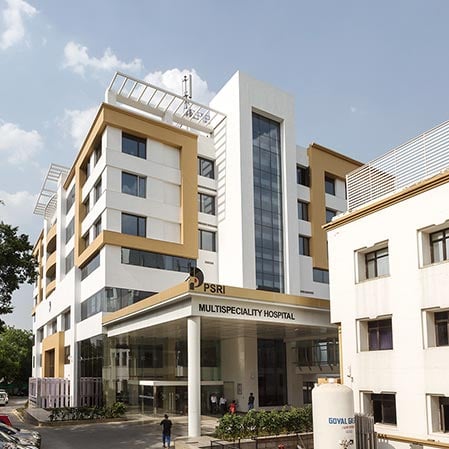
Hospital PSRI, Delhi
El Instituto de Investigación Pushpawati Singhania (Hospital PSRI), Nueva Delhi, es un hospital líder de atención terciaria de múltiples especialidade...
Acreditaciones
Instalaciones
Procedimientos Similares
Galería
Preguntas Frecuentes


Nuestro sitio web usa cookies. política de privacidad.