







Qu'est-ce que la fermeture du PDA en Inde ?
La fermeture du dispositif de type canal artériel (PDA) est une procédure cardiaque peu invasive utilisée pour fermer une ouverture anormale (ductus arteriosus) entre l'aorte et l'artère pulmonaire qui ne se ferme pas après la naissance. En Inde, la fermeture des dispositifs PDA est généralement effectuée dans les centres cardiaques avancés à l'aide de techniques modernes basées sur des cathéters et de protocoles acceptés au niveau international. Un dispositif de fermeture spécial est inséré dans un cathéter et placé dans l'ouverture pour arrêter le flux sanguin anormal, améliorant la fonction cardiaque et pulmonaire sans avoir besoin d'une chirurgie à cœur ouvert.
Symptômes de PDA chez les patients recherchant la fermeture d'appareils en Inde
Les patients, en particulier les nourrissons et les jeunes enfants, atteints de PDA peuvent présenter des symptômes tels que :
- Respiration rapide ou difficulté à respirer
- Alimentation médiocre et croissance lente (chez les nourrissons)
- Infections respiratoires fréquentes
- Fatigue ou transpiration pendant l'alimentation
- souffle cardiaque détecté à l'examen
- Essoufflement pendant l'activité (chez les enfants plus âgés/adultes)
- battement de coeur irrégulier dans certains cas
Les patients présentant ces symptômes visitent souvent des hôpitaux spécialisés dans le cœur en Inde pour le diagnostic et le traitement.
Comment choisir le bon hôpital pour la fermeture d'appareils PDA en Inde ?
Tenez compte des facteurs suivants lors de la sélection d'un hôpital :
- Expérience de cardiologues pédiatriques et de spécialistes interventionnels
- Disponibilité du laboratoire de cathétérisme cardiaque avancé
- Accréditation hospitalière (NABH, JCI)
- Expertise en procédures pédiatriques mini-invasives
- USI et établissements de soins pédiatriques
- Taux de réussite et résultats pour les patients
- Avis et témoignages de patients
- Services aux patients internationaux
- Tarification de traitement transparent
Quels sont les meilleurs hôpitaux pour la fermeture d'appareils PDA en Inde ?
Certains des principaux hôpitaux en Inde pour la fermeture des appareils PDA et les soins cardiaques pédiatriques comprennent:
- Institut de cardiologie d'escorte Fortis
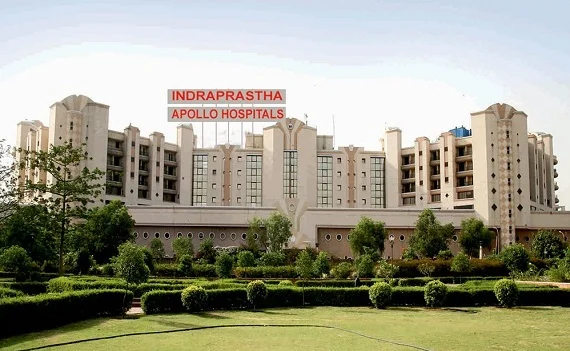
- Hôpitaux Apollon
- Medanta - La Médicalité
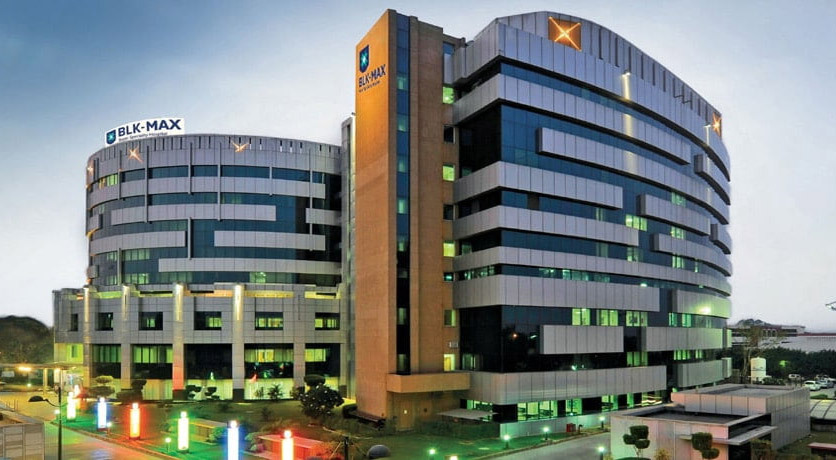
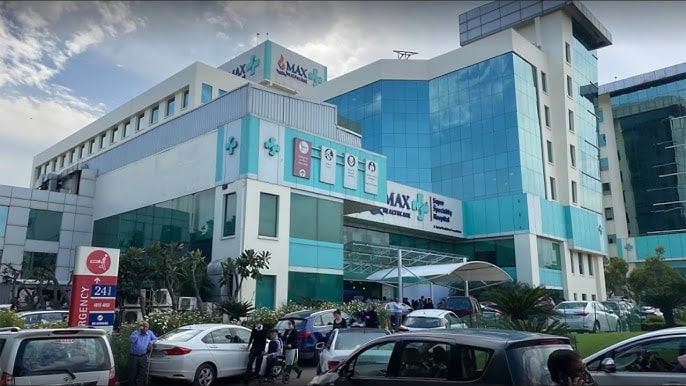
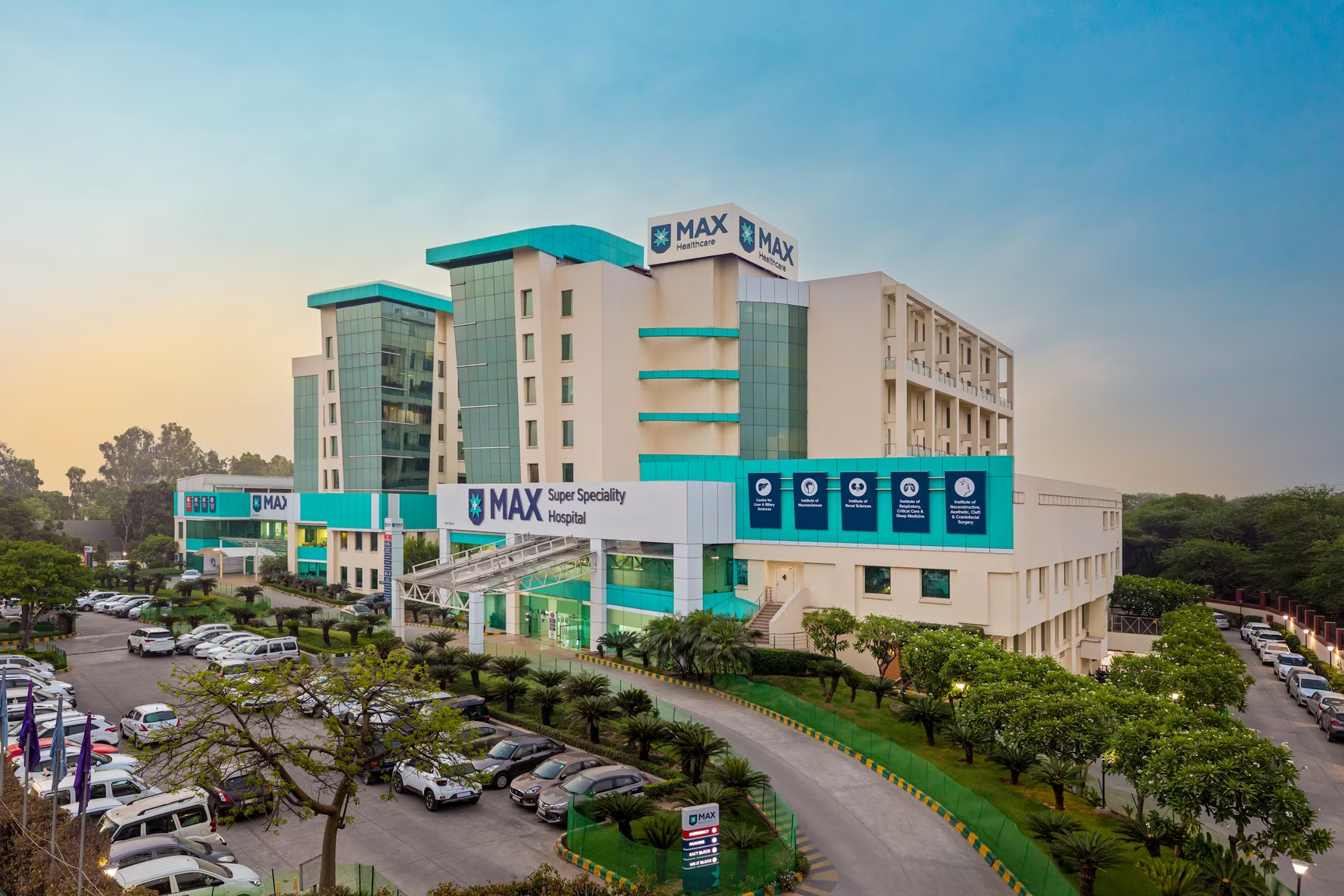
- Hôpital de la super spécialité Max
- Santé Narayana
Comment la fermeture de l'appareil PDA est-elle effectuée en Inde ?
La fermeture du dispositif PDA est effectuée par un cardiologue interventionnel dans un laboratoire de cathétérisme. La procédure comprend généralement :
- Administration d'une anesthésie locale ou d'une sédation légère (anesthésie générale chez les enfants)
- Insertion d'un cathéter fin dans un vaisseau sanguin (généralement dans l'aine)
- Guider le cathéter vers le site du cœur et du PDA
- Déploiement d'un dispositif de fermeture pour sceller l'ouverture
- Confirmation du placement correct à l'aide de l'imagerie
- Retrait du cathéter et surveillance du patient
leprocédurePrend généralement environ 30 minutes à 1 heure.
Avantages de la fermeture de l'appareil PDA en Inde
Cette procédure offre plusieurs avantages, notamment :
- Minimum invasif sans chirurgie majeure
- Court séjour à l'hôpital
- Récupération rapide
- Prévient les complications telles que l'insuffisance cardiaque ou les infections
- Améliore la respiration et la croissance des enfants
- Taux de réussite élevé
- Traitement rentable en Inde
Facteurs affectant le taux de réussite de la fermeture des dispositifs PDA en Inde
Le taux de réussite est généralement très élevé mais dépend de :
- Taille et type de PDA
- Âge et santé globale du patient
- Présence d'autres maladies cardiaques
- Expérience du cardiologue interventionnel
- Qualité des installations d'imagerie et de laboratoire de cathétérisme
- Soins et suivi post-procédure
Combien de temps faut-il pour récupérer de la fermeture de l'appareil PDA en Inde ?
La récupération après la fermeture de l'appareil PDA est généralement rapide :
- Séjour hospitalier : 1 jour (sortie le jour même)
- Activités normales : Reprendre dans quelques jours
- Restrictions minimales après procédure
- Récupération complète : en une semaine
- Visites de suivi requises pour surveiller le placement des appareils
Pourquoi les patients internationaux choisissent-ils l'Inde pour les procédures cardiaques ?
L'Inde est une destination privilégiée pour les traitements cardiaques en raison de :
- Cardiologues expérimentés et pédiatriques
- Hôpitaux cardiaques avancés avec technologie moderne
- Coûts de traitement abordables
- Temps d'attente courts
- Taux de réussite élevés dans les procédures peu invasives
- Équipes de soins de santé anglophones
- Visa médical et assistance voyage
- Services aux patients internationaux dédiés
Récupération après la fermeture de l'appareil PDA
La récupération après la fermeture de PDA est fluide et rapide. La plupart des patients peuvent marcher dans les heures qui suivent la procédure et sont sortis dans les 24 heures. Les enfants reprennent généralement une activité normale en quelques jours. Les patients internationaux peuvent souvent rentrer chez eux dans les 3 à 5 jours suivant l'autorisation médicale. Un suivi régulier garantit une bonne cicatrisation et un fonctionnement correct de l'appareil.
Pourquoi nous choisir pour la fermeture de périphériques PDA en Inde ?
- Coordinateurs internationaux de patients dévoués
- Collaboration avec les meilleurs hôpitaux cardiaques en Inde
- Aide médicale de bout en bout pour voyages médicaux
- Forfaits de traitement et de voyage personnalisés
- Prix abordables et transparents
- Soutien patient 24/24/7
- Confié par les patients mondiaux
Commencez votre parcours de traitement cardiaque dès aujourd'hui
Si vous planifiez la fermeture de votre appareil PDA en Inde, notre équipe d'experts est là pour vous guider à chaque étape. Nous assurons une expérience de traitement sûre, fluide et abordable adaptée à vos besoins.
Contactez-nousAujourd'hui, pour recevoir un plan de traitement personnalisé et une estimation des coûts pour la fermeture de l'appareil PDA en Inde.