
ការវះកាត់ដុំសាច់ខួរក្បាល តម្លៃក្នុង ប្រទេសឥណ្ឌា
អមបី ការវះកាត់ដុំសាច់ខួរក្បាល
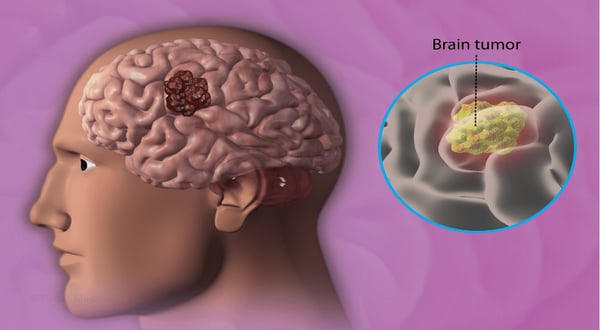
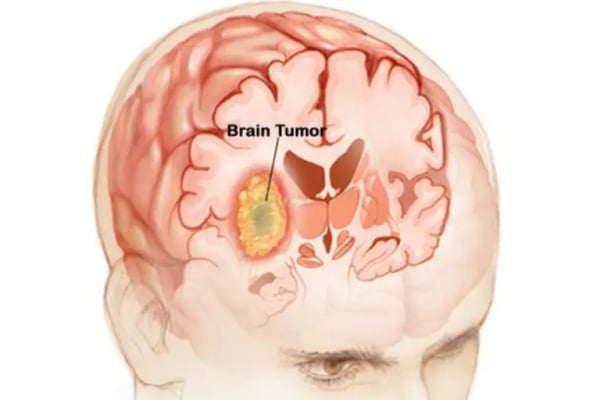
ជារៀងរាល់ឆ្នាំច្រើនជាង300,000 នាក់នៅទូទាំងពិភពលោកត្រូវបានគេធ្វើរោគវិនិច្ឆ័យថាមានដុំសាច់ខួរក្បាល។ វាគឺជាលក្ខខណ្ឌដែលអាចប៉ះពាល់ដល់ចលនា ការនិយាយ ការចងចាំ និងសូម្បីតែបុគ្គលិកលក្ខណៈ។ ប៉ុន្តែដោយសារការវះកាត់ប្រព័ន្ធប្រសាទទំនើប អ្វីដែលធ្លាប់ត្រូវបានគេចាត់ទុកថាជាការគំរាមកំហែងដល់អាយុជីវិត ឥឡូវនេះអាចព្យាបាលបានដោយសុវត្ថិភាព និងមានប្រសិទ្ធភាព។
ជាមួយនឹងហេដ្ឋារចនាសម្ព័ន្ធលំដាប់ពិភពលោក ប្រព័ន្ធរុករកសរសៃប្រសាទ និងឧបករណ៍ MRI ខាងក្នុង អ្នកជំងឺឥឡូវនេះទទួលបានអត្ថប្រយោជន៍ពីការដកដុំសាច់ចេញ ការជាសះស្បើយលឿនជាងមុន និងហានិភ័យផ្នែកសរសៃប្រសាទតិចតួចបំផុត។
តើការវះកាត់ដុំសាច់ខួរក្បាលគឺជាអ្វី?
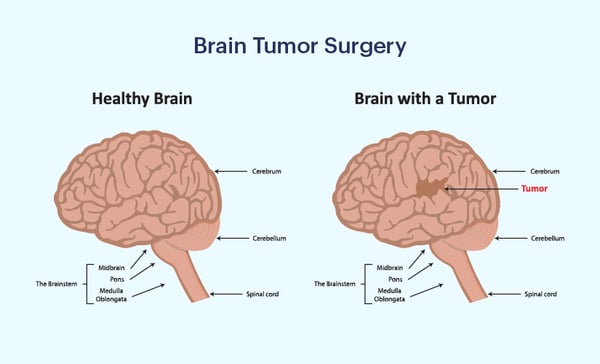
ការវះកាត់ដុំសាច់ក្នុងខួរក្បាល គឺជាវិធីវះកាត់សរសៃប្រសាទឯកទេស ដើម្បីដកការលូតលាស់ ឬដុំពកមិនធម្មតាចេញពីខួរក្បាល។ គោលដៅចម្បងនៃការវះកាត់គឺដើម្បីលុបបំបាត់ដុំសាច់ឱ្យបានច្រើនតាមដែលអាចធ្វើទៅបានដោយសុវត្ថិភាព ខណៈពេលដែលការពារជាលិកាខួរក្បាលដែលមានសុខភាពល្អ និងមុខងារសំខាន់ៗដូចជាចលនា ការនិយាយ និងការចងចាំ។
គ្រូពេទ្យវះកាត់ប្រើបច្ចេកទេសកម្រិតខ្ពស់ រួមទាំងការវះកាត់មីក្រូ ការវះកាត់សរសៃប្រសាទ និងការត្រួតពិនិត្យក្នុងការវះកាត់ ដើម្បីប្រតិបត្តិការជាមួយនឹងភាពជាក់លាក់បំផុត។ បច្ចេកវិជ្ជាទាំងនេះជួយកំណត់ព្រំដែនដុំសាច់បានយ៉ាងត្រឹមត្រូវ ធានាការដកដុំសាច់ចេញជាអតិបរមា ជាមួយនឹងការខូចខាតសរសៃប្រសាទតិចតួចបំផុត។
ការវះកាត់ដុំសាច់ខួរក្បាលអាចត្រូវបានអនុវត្តសម្រាប់ទាំងពីរស្លូត (មិនមែនមហារីក)និងសាហាវ (មហារីក)ដុំសាច់។ ក្នុងករណីជាច្រើន វាក្លាយជាផ្នែកមួយនៃផែនការព្យាបាលដ៏ទូលំទូលាយ ដែលរួមមានការព្យាបាលដោយវិទ្យុសកម្ម ការព្យាបាលដោយប្រើគីមី ឬការព្យាបាលដោយគោលដៅសម្រាប់ការគ្រប់គ្រងជំងឺពេញលេញ។
ការវះកាត់ខួរក្បាលទំនើបគឺមានសុវត្ថិភាព ប្រសិទ្ធភាព និងរាតត្បាតតិចតួច ដែលអាចឱ្យអ្នកជំងឺជាសះស្បើយបានលឿន និងទទួលបានគុណភាពជីវិតរបស់ពួកគេឡើងវិញឆាប់ៗ។
តើដុំសាច់ក្នុងខួរក្បាលមានប៉ុន្មានប្រភេទ?
ដុំសាច់ខួរក្បាលត្រូវបានចាត់ថ្នាក់ដោយផ្អែកលើកន្លែងដែលពួកគេមានប្រភពដើម និងកម្រិតនៃការឈ្លានពានរបស់ពួកគេ។ ការដឹងពីប្រភេទទាំងនេះជួយវេជ្ជបណ្ឌិតកំណត់ផែនការវះកាត់ និងការព្យាបាលប្រកបដោយប្រសិទ្ធភាពបំផុត។
ផ្អែកលើប្រភពដើម
- ដុំសាច់ខួរក្បាលបឋម៖ទាំងនេះមានប្រភពចេញពីខួរក្បាល ឬជាលិកាដែលនៅជិតៗដូចជា ស្រោមខួរ ក្រពេញភីតូរីស ឬសរសៃប្រសាទខួរក្បាល។ ពួកវាអាចមានលក្ខណៈស្លូតបូត (លូតលាស់យឺត) ឬសាហាវ (មហារីក)។ ឧទាហរណ៍ទូទៅរួមមាន:
- គ្លីអូម៉ា៖ កើតចេញពីកោសិកា glial និងបង្កើតបានប្រហែល 30% នៃដុំសាច់ខួរក្បាលទាំងអស់។
- ជំងឺ Meningiomas៖ ជាធម្មតាដុំសាច់ស្រាលដែលដុះនៅក្នុងភ្នាសគ្របដណ្តប់ខួរក្បាល។
- Adenomas ក្រពេញភីតូរីស៖ ដុំសាច់ទាំងនេះប៉ះពាល់ដល់ក្រពេញភីតូរីស ដែលជារឿយៗបណ្តាលឱ្យមានអតុល្យភាពអ័រម៉ូន។
- សរសៃប្រសាទសូរស័ព្ទ (Schwannomas)៖ អភិវឌ្ឍលើសរសៃប្រសាទដែលគ្រប់គ្រងការស្តាប់ និងតុល្យភាព។
- ថ្នាំ Medulloblastomas៖ ដុំសាច់សាហាវ ប៉ុន្តែអាចព្យាបាលបាន ជាញឹកញាប់ឃើញលើកុមារ។
- ដុំសាច់ខួរក្បាលបន្ទាប់បន្សំ (Metastatic)៖ទាំងនេះកើតឡើងនៅពេលដែលមហារីករីករាលដាលពីសរីរាង្គផ្សេងទៀត (ដូចជាសួត សុដន់ តម្រងនោម ឬពោះវៀនធំ) ទៅកាន់ខួរក្បាល។ ពួកវាច្រើនកើតមានចំពោះមនុស្សពេញវ័យ ហើយជាធម្មតាត្រូវការការរួមបញ្ចូលគ្នានៃការវះកាត់ វិទ្យុសកម្ម និងការព្យាបាលដោយប្រើគីមី។
ផ្អែកលើឥរិយាបថ និងអត្រាកំណើន
- ដុំសាច់សាហាវ៖ការរីកលូតលាស់យឺត ជាធម្មតាត្រូវបានបង្ខាំងនៅតំបន់មួយ ហើយទំនងជាមិនសូវកើតឡើងវិញបន្ទាប់ពីការដកយកចេញ។
- ដុំសាច់សាហាវ៖លូតលាស់លឿននិងរាតត្បាត; អាចរាលដាលទៅជាលិកាខួរក្បាលដែលនៅក្បែរនោះ ឬលេចចេញជាថ្មីវិញ សូម្បីតែបន្ទាប់ពីការព្យាបាល។
ផ្អែកលើទីតាំង
ដុំសាច់អាចវិវឌ្ឍនៅតំបន់ផ្សេងៗដូចជា lobe frontal (ឥរិយាបថ ចលនា) lobe temporal (ការនិយាយ ការចងចាំ) ឬ cerebellum (តុល្យភាព ការសម្របសម្រួល)។ ទីតាំងរបស់ដុំសាច់មានតួនាទីយ៉ាងសំខាន់ក្នុងការរៀបចំផែនការវះកាត់ និងព្យាករណ៍ពីការជាសះស្បើយឡើងវិញ។
តើការវះកាត់ដុំសាច់ក្នុងខួរក្បាលត្រូវបានធ្វើដោយរបៀបណា?
ការវះកាត់ដុំសាច់ក្នុងខួរក្បាលគឺជានីតិវិធីដែលមានភាពជាក់លាក់ខ្ពស់ដែលធ្វើឡើងដោយគ្រូពេទ្យវះកាត់សរសៃប្រសាទដោយប្រើរូបភាពកម្រិតខ្ពស់ ការណែនាំតាមកុំព្យូទ័រ និងឧបករណ៍មីក្រូវះកាត់។ ជំហាននីមួយៗត្រូវបានគ្រោងទុកដោយប្រុងប្រយ័ត្នដើម្បីយកដុំសាច់ចេញដោយសុវត្ថិភាព ខណៈពេលដែលការពារមុខងារសំខាន់ៗរបស់ខួរក្បាល។
- ផែនការមុនពេលវះកាត់៖មុនពេលវះកាត់ អ្នកជំងឺទទួលការពិនិត្យ MRI, CT, ឬការស្កែនខួរក្បាលមុខងារ ដើម្បីកំណត់ទំហំ ជម្រៅ និងជិតនៃសរសៃប្រសាទ ឬសរសៃឈាមសំខាន់ៗរបស់ដុំសាច់។ ក្នុងករណីស្មុគស្មាញ កម្មវិធីរុករកសរសៃប្រសាទ និងមុខងារ MRI (fMRI) ត្រូវបានប្រើដើម្បីកំណត់ទីតាំងតំបន់ដែលគ្រប់គ្រងការនិយាយ ចក្ខុវិស័យ ឬចលនា។
- ការប្រើថ្នាំសន្លប់ និងទីតាំងអ្នកជំងឺ៖ការវះកាត់ដុំសាច់ក្នុងខួរក្បាលជាធម្មតាត្រូវបានអនុវត្តក្រោមការប្រើថ្នាំសន្លប់ទូទៅ។ នៅក្នុងករណីដែលបានជ្រើសរើស ជាពិសេសនៅពេលដែលដុំសាច់នៅជិតកន្លែងនិយាយ ឬចលនាសំខាន់ៗ គ្រូពេទ្យវះកាត់ធ្វើការវះកាត់ខួរក្បាល។
- Craniotomy (បើកលលាដ៍ក្បាល)៖ផ្នែកតូចមួយនៃលលាដ៍ក្បាលត្រូវបានដកចេញដោយប្រុងប្រយ័ត្នដើម្បីចូលទៅកាន់ខួរក្បាល។ ការបើកនេះត្រូវបានធ្វើឱ្យតូចតាមដែលអាចធ្វើទៅបាន ដើម្បីកាត់បន្ថយការរបួស និងជួយឱ្យឆាប់ជាសះស្បើយ។
- ការដកដុំសាច់ចេញ៖នៅក្រោមមីក្រូទស្សន៍ប្រតិបត្តិការ ឬអង់ដូស្កុប គ្រូពេទ្យវះកាត់យកដុំសាច់ចេញឱ្យបានច្រើនតាមដែលអាចធ្វើទៅបានដោយប្រើឧបករណ៍ជាក់លាក់។ ប្រព័ន្ធណែនាំតាមពេលវេលាជាក់ស្តែង រួមទាំង MRI អន្តរប្រតិបត្តិការ និងការរុករកតាមសរសៃប្រសាទ ជំនួយក្នុងការបញ្ជាក់ពីការដកចេញទាំងស្រុង ខណៈពេលដែលរក្សាជាលិកាខួរក្បាលដែលមានសុខភាពល្អ។
- ការបិទ និងការស្តារឡើងវិញ៖បន្ទាប់ពីការដកដុំសាច់ចេញ ឆ្អឹងលលាដ៍ក្បាលត្រូវបានជំនួស និងធានាសុវត្ថិភាព។ អ្នកជំងឺត្រូវបានប្តូរទៅ neuro-ICU រយៈពេល 24-48 ម៉ោងនៃការសង្កេត។ ភាគច្រើនជាសះស្បើយក្នុងរយៈពេល 5-10 ថ្ងៃ អាស្រ័យលើប្រភេទ និងទីតាំងនៃដុំសាច់។
- ការត្រួតពិនិត្យក្រោយពេលវះកាត់៖ការស្កែនតាមក្រោយត្រូវបានធ្វើឡើងដើម្បីពិនិត្យមើលជាលិកាដុំសាច់ដែលនៅសេសសល់។ ដោយផ្អែកលើរបាយការណ៍រោគវិទ្យា ការព្យាបាលដោយវិទ្យុសកម្មបន្ថែម ឬការព្យាបាលដោយគីមីអាចត្រូវបានណែនាំសម្រាប់ការគ្រប់គ្រងពេញលេញ។
ទទួលបានផែនការព្យាបាលដោយឥតគិតថ្លៃ
អំពី ការវះកាត់ដុំសាច់ខួរក្បាល ក្នុង ប្រទេសឥណ្ឌា
What Is the Cost of Brain Tumour Surgery in India?
The average cost of brain tumour surgery in India ranges between ₹3,50,000 and ₹8,00,000 ($4,200 – $9,600). The total cost depends on the tumour's size, type, location, and whether advanced technologies such as neuronavigation or intraoperative MRI are used.
Type of Surgery | Average Cost (INR) | Approx. USD Cost |
| Conventional Craniotomy | ₹3,00,000 – ₹5,00,000 | $3,600 – $6,000 |
| Endoscopic Brain Surgery | ₹3,50,000 – ₹6,00,000 | $4,200 – $7,200 |
| Stereotactic (Image-Guided) Surgery | ₹4,00,000 – ₹7,00,000 | $4,800 – $8,400 |
| Awake Craniotomy | ₹4,50,000 – ₹8,00,000 | $5,400 – $9,600 |
| Skull Base or Pituitary Surgery | ₹3,00,000 – ₹6,50,000 | $3,600 – $7,800 |
Additional Costs (if Required)
Treatment Component | Average Cost (INR) | Approx. USD Cost |
| MRI / CT Brain Scan | ₹15,000 – ₹30,000 | $180 – $360 |
| Biopsy / Histopathology | ₹10,000 – ₹25,000 | $120 – $300 |
| Radiation Therapy (IMRT/IGRT) | ₹2,50,000 – ₹6,00,000 | $3,000 – $7,200 |
| Chemotherapy (6 cycles) | ₹1,50,000 – ₹3,50,000 | $1,800 – $4,200 |
| ICU Stay (per day) | ₹8,000 – ₹15,000 | $95 – $180 |
- Advanced microsurgical or endoscopic techniques slightly increase costs but reduce complications and hospital stay.
- If post-surgery radiotherapy or chemotherapy is required, the total cost may rise by 30–40%.
- Some brain tumour surgeries qualify for cashless insurance or international patient packages with fixed pricing.
Cost Includes
- Doctor Consultations and Neurosurgeon Fees: All consultations, surgical planning, and daily visits by the neurosurgeon and medical team during hospitalization.
- Surgery and Operation Theatre Charges: Complete surgical procedure costs, including anaesthesia, consumables, instruments, and OT staff.
- Hospital Stay and ICU Care: Room charges, nursing care, and ICU observation (typically 1–2 days) after surgery.
- Routine Diagnostic and Imaging Tests: Includes basic blood work, CT or MRI scans used for surgical planning and post-surgery evaluation.
- Medications and Consumables: All drugs, fluids, and surgical materials used during the hospital stay.
- Post-Surgery Physiotherapy and Rehabilitation: Initial physical therapy or mobility training sessions are included during the inpatient period.
- Follow-Up Consultation (Initial): Most hospitals include one post-discharge follow-up visit as part of the package.
Cost Excludes
- Advanced Imaging or Functional Scans: PET-CT, fMRI, or neuro-navigation mapping may incur additional costs if not included in the base package.
- High-End Implants or Special Instruments: Imported clips, mesh, or specialized hardware (if needed for reconstruction) are charged separately.
- Extended ICU or Hospital Stay: Stays beyond the standard recovery period (5–10 days) may incur additional costs.
- Adjuvant Treatments: Any chemotherapy, radiation therapy, or targeted therapy recommended post-surgery.
- International Travel and Accommodation: Visa fees, flights, and hotel stays for patients or caregivers are not part of hospital packages.
- Long-Term Rehabilitation or Home Nursing: Extended physiotherapy or home-based care services are billed outside the primary surgical package.
City-Wise Brain Tumour Surgery Cost in India
The cost of surgical removal of the brain tumour varies by city, hospital infrastructure, neurosurgeon expertise, and available technology. Metropolitan hospitals are usually equipped with advanced neuronavigation, endoscopic, and robotic systems.
Below is a city-wise comparison of the average cost of brain tumour surgery in India:
City | Average Cost (INR) | Approx. USD Cost |
| New Delhi | ₹4,00,000 – ₹8,00,000 | $4,800 – $9,600 |
| Mumbai | ₹4,50,000 – ₹8,50,000 | $5,400 – $10,200 |
| Bangalore | ₹3,80,000 – ₹7,50,000 | $4,560 – $9,000 |
| Chennai | ₹3,50,000 – ₹7,00,000 | $4,200 – $8,400 |
| Hyderabad | ₹3,50,000 – ₹7,50,000 | $4,200 – $9,000 |
| Gurgaon | ₹4,00,000 – ₹8,50,000 | $4,800 – $10,200 |
| Pune | ₹3,20,000 – ₹6,50,000 | $3,840 – $7,800 |
| Kochi | ₹3,00,000 – ₹6,00,000 | $3,600 – $7,200 |
| Kolkata | ₹3,20,000 – ₹6,80,000 | $3,840 – $8,160 |
- Delhi, Mumbai, and Gurgaon lead in robotic, image-guided, and minimally invasive brain tumour surgeries.
- Bangalore, Chennai, and Hyderabad offer a balance of cutting-edge care and moderate pricing, making them ideal for long or complex treatments.
- Tier-2 cities such as Pune, Kochi, and Kolkata provide cost-effective yet safe alternatives, with excellent post-surgical recovery outcomes.
What Factors Affect the Cost of Brain Tumour Surgery in India?
The total cost of brain tumour surgery in India depends on several clinical and logistical factors. Each case is unique, influenced by the tumour's location, complexity, and the technologies used during the procedure.
- Type and Location of Tumor: Tumors near critical areas, such as the brainstem or speech centers, require microsurgical precision and intraoperative mapping, which increases overall cost. Superficial or benign tumours are simpler to remove and less expensive.
- Type of Surgery Performed: Costs vary by surgical method, including conventional craniotomy, endoscopic, and stereotactic image-guided surgery. Minimally invasive or awake procedures utilize advanced tools, which reduce hospital stay and recovery time.
- Technology and Equipment Used: Hospitals using neuronavigation, intraoperative MRI, or robotic systems may charge higher fees. However, these technologies improve tumour removal accuracy and reduce postoperative complications.
- Surgeon's Experience and Team Expertise: Highly experienced neurosurgeons and multidisciplinary teams (neuro-anaesthetists, physiotherapists, oncologists) contribute to better outcomes, and slightly higher consultation or surgical fees.
- Hospital Category and Accreditation: JCI- and NABH-accredited hospitals, which often feature advanced ICUs, rehabilitation units, and 24/7 neuro-monitoring facilities, tend to have higher package rates than smaller centers.
- Duration of Hospital Stay: Most patients stay 5–10 days post-surgery. Complex or recurrent tumours requiring longer ICU or ward care can raise the total cost.
- Post-Surgical Care and Rehabilitation: Following surgery, speech therapy, physiotherapy, or occupational therapy may be necessary. These add minor but important follow-up expenses to support complete recovery.
- Additional Treatments (If Needed): If the tumor is malignant, chemotherapy or radiotherapy may be recommended following surgery, which can increase the overall cost of care.
How Does the Cost in India Compare with Other Countries?
Brain tumour surgery in India offers world-class precision and outcomes at one of the lowest costs globally. Hospitals utilize the same FDA- and CE-approved surgical systems, neuronavigation technology, and intraoperative imaging as those found in leading US and European centers.
Country | Average Cost (USD) | Savings Compared to India |
| India | $4,200 – $9,600 | — |
| United States | $45,000 – $75,000 | 75–80% lower |
| United Kingdom | $35,000 – $60,000 | 70–75% lower |
| United Arab Emirates | $25,000 – $40,000 | 65–70% lower |
| Singapore | $20,000 – $35,000 | 60–65% lower |
| Thailand | $12,000 – $18,000 | 50–60% lower |
Why India Offers Better Value
- Advanced technology: Modern neuronavigation, intraoperative MRI, and endoscopic systems.
- Skilled neurosurgeons: High-volume centers with excellent outcomes in complex brain surgeries.
- Integrated care: Surgery, ICU care, and rehabilitation under one hospital stay.
- Transparent pricing: Fixed packages with detailed cost breakdowns for international patients.
What Does Recovery After Brain Tumour Surgery Look Like?
Recovery after brain tumour surgery depends on the tumour's location, type of surgery, and patient health — but most patients regain mobility and independence within a few weeks. Modern surgical techniques in India, such as microsurgery and endoscopic approaches, help ensure faster healing with fewer complications.
Hospital Stay and Immediate Recovery
Patients usually spend 1–2 days in the ICU for close neurological monitoring, followed by 5–7 days in a regular ward. Pain, swelling, or mild fatigue are common in the first week but subside with medication and rest. By the time of discharge, most patients are able to walk, eat, and communicate normally.
Home Recovery and Rehabilitation
At home, recovery continues for 4–6 weeks. Patients may experience temporary fatigue or mild weakness, depending on the brain area involved. Doctors often recommend:
- Physiotherapy to improve balance and coordination.
- Speech or occupational therapy if speech or hand movements were affected.
- Nutritional support to aid healing and brain function.
Follow-up MRI scans are done at 1 and 3 months post-surgery to ensure no tumour regrowth or fluid buildup.
Returning to Normal Life
Most patients resume light activities within a month and return to work or travel after 6 to 8 weeks, based on their progress. For malignant tumours, chemotherapy or radiotherapy may begin once the surgical wound has fully healed.
Emotional and Cognitive Recovery
It's normal to experience mood swings or mild concentration issues during recovery. Counselling, mental health support, and family involvement play a key role in emotional healing. Many Indian hospitals offer dedicated neuro-rehabilitation programs that combine physical and psychological care to facilitate a comprehensive recovery.
Long-Term Follow-Up
Patients are advised to maintain regular follow-ups every 6–12 months for MRI scans and neurological assessments. Lifestyle habits, such as getting enough sleep and maintaining a balanced diet, also support long-term brain health.
What Is the Success Rate of Brain Tumour Surgery in India?
Brain tumour surgery in India has a success rate of 80% to 95%, depending on the tumour's size, location, and whether it is benign or malignant. With the use of advanced neuronavigation, intraoperative MRI, and awake craniotomy techniques, Indian neurosurgeons achieve outcomes comparable to those of the world's top centers.
Success is defined not only by tumor removal but also by the preservation of neurological function (speech, memory, and mobility) and the patient's ability to return to everyday life.
- Benign Brain Tumours: For non-cancerous tumours, such as meningioma, pituitary adenoma, or acoustic neuroma, complete removal is possible in over 90% of cases. Recurrence rates remain below 10%, and most patients return to their normal lives within a few weeks.
- Malignant or Complex Tumours: For aggressive or deep-seated cancers, the success rate averages 70–85%, depending on tumour type and response to adjuvant therapy (radiation or chemotherapy). Combined treatment significantly improves both survival and long-term disease control.
- Pediatric Brain Tumours: India's leading pediatric neurosurgery units achieve 85–90% tumour control in children, using microsurgical and endoscopic techniques that minimize long-term side effects.
ការវះកាត់ដុំសាច់ខួរក្បាល ការប្រៀបធៀបតម្លៃតាមប្រទេស
ប្រៀបធៀបការចំណាយ ការវះកាត់ដុំសាច់ខួរក្បាល នៅទូទាំងប្រទេសផ្សេងៗដើម្បីធ្វើការសម្រេចចិត្តប្រកបដោយព័ត៌មានអំពីការព្យាបាលវេជ្ជសាស្រ្តរបស់អ្នក។
| រសុករេស | ជួរចំណាយ (ដុល្លារអាមេរិក) | ការសន្សំសក្តានុពល | កិច្ច |
|---|---|---|---|
ប្រទេសឥណ្ឌាថ្ផី currentតម្លៃដ៏ល្អបំផុត | $4,200 - $9,600 | — | ទទួលបានការដកស្រង់ |
សម្គាល់ៈ ការចំណាយអាចខុសគ្នាអាស្រ័យលើជម្រើសមន្ទីរពេទ្យប្រភេទរបៀបសេវាកម្មបន្ថែមនិងតម្រូវការផ្នែកវេជ្ជសាស្រ្តនីមួយៗ។
មន្ទីរពេទ្យឈានមុខគេសម្រាប់ ការវះកាត់ដុំសាច់ខួរក្បាល ក្នុង ប្រទេសឥណ្ឌា
ឧទ្យានវេជ្ជសាស្ត្រ Bahcelievler មន្ទីរពេទ្យ
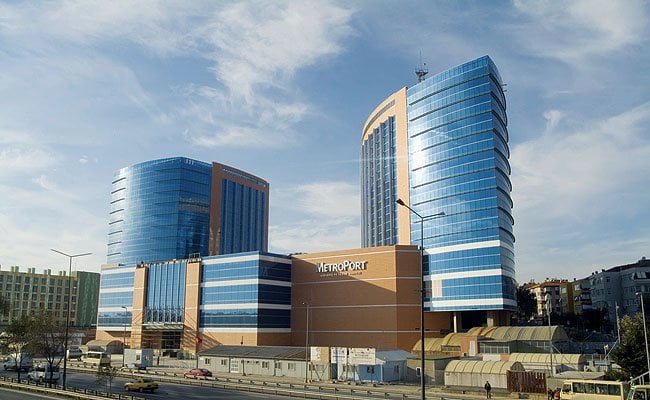
Medical Park Bahcelievler Hospital គឺជាមន្ទីរពេទ្យដែលមានការទទួលស្គាល់ពី JCI ដែលមានគ្រែ 242 នៅទីក្រុងអ៊ីស្តង់ប៊ុល ដែលបានបង្កើតឡើងក្នុងឆ្នាំ 2007។ លាតសន...
ការទទួលស្គាល់
មធ្យោបាយបរិក្ខារ
មន្ទីរពេទ្យ Hisar Intercontinental ទីក្រុងអ៊ីស្តង់ប៊ុល។
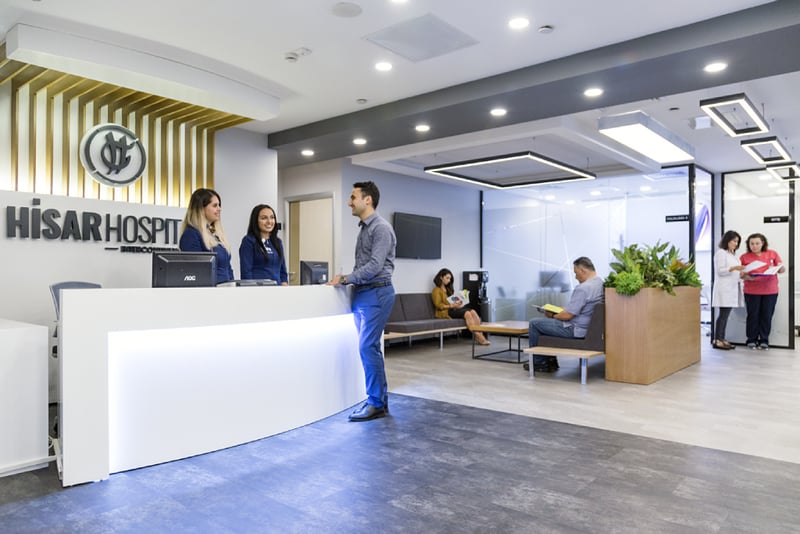
មន្ទីរពេទ្យ Hisar Intercontinental ក្នុងទីក្រុងអ៊ីស្តង់ប៊ុល គឺជាមន្ទីរពេទ្យពហុឯកទេសដែលមានគ្រែចំនួន 212 ដែលត្រូវបានទទួលស្គាល់ដោយ JCI ដែលលាតសន្ធឹងលើផ្ទៃ...
ការទទួលស្គាល់
មធ្យោបាយបរិក្ខារ
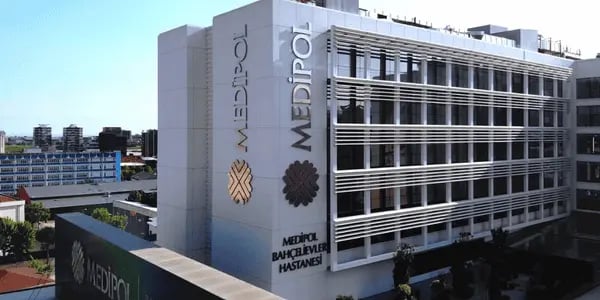
មន្ទីរពេទ្យ Medipol Bahçelievler
មន្ទីរពេទ្យ Medipol Bahçelievler គឺជាមន្ទីរពេទ្យឯកជនទំហំ 441 គ្រែក្នុងទីក្រុងអ៊ីស្តង់ប៊ុល ដែលបានចាប់ផ្តើមប្រតិបត្តិការក្នុងខែឧសភា ឆ្នាំ 2022។ គ្របដណ្ត...
ការទទួលស្គាល់
មធ្យោបាយបរិក្ខារ
នីតិវិធីស្រដៀងគ្នា
ការវះកាត់ខួរក្បាលដែលរាតត្បាតតិចតួចបំផុត។ ក្នុង ប្រទេសឥណ្ឌា
វិចិរតសាល
សំណួរគេសួរញឹកញាប់
អ្នកវិស្វិក
មើលទាំងអស់
Dr. Priya Tiwari is a renowned medical oncologist trained at the prestigious All India Institute of Medical Sciences (AIIMS). She specializes in comprehensive cancer care and is committed to deliver... អានបន្ថែម

គេហទំព័ររបស់យើងប្រើខូឃីស៍។ គោលការណ៍ភាពឯកជន.