
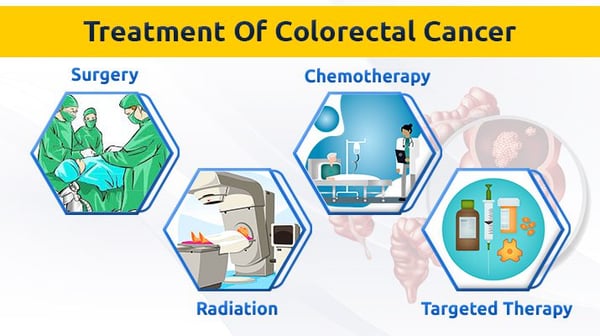
ការព្យាបាលជំងឺមហារីកពោះវៀនធំ តម្លៃក្នុង ប្រទេសឥណ្ឌា
អមបី ការព្យាបាលជំងឺមហារីកពោះវៀនធំ
មហារីកពោះវៀនធំគឺជាមហារីកមួយក្នុងចំណោមមហារីកទូទៅបំផុតនៅទូទាំងពិភពលោក។ ទោះជាយ៉ាងណាក៏ដោយ ក៏ជាផ្នែកមួយនៃការការពារបំផុត និងអាចព្យាបាលបានខ្ពស់ផងដែរ នៅពេលរកឃើញដំបូង។ យោងតាមអង្គការសុខភាពពិភពលោក (WHO) វាជាប់ចំណាត់ថ្នាក់ក្នុងចំណោមមហារីកកំពូលទាំងបីនៅទូទាំងពិភពលោកជាមួយនឹងជាង1.9 លានករណីថ្មី។រាយការណ៍ជារៀងរាល់ឆ្នាំ។ ទោះបីជាចំនួនទាំងនេះក៏ដោយ អត្រារស់រានមានជីវិតនៅតែបន្តប្រសើរឡើង ដោយសារភាពជឿនលឿនក្នុងការពិនិត្យដំបូង ការវះកាត់រាតត្បាតតិចតួច និងការព្យាបាលផ្ទាល់ខ្លួន។
ជំងឺនេះច្រើនតែចាប់ផ្តើមដោយស្ងប់ស្ងាត់ ដោយមានរោគសញ្ញាតិចតួច ឬគ្មាននៅដំណាក់កាលដំបូងរបស់វា។ យូរៗទៅ វាអាចរំខានដល់ការរំលាយអាហារ អាហាររូបត្ថម្ភ និងសុខភាពទូទៅ។ សព្វថ្ងៃនេះ ការថែទាំវេជ្ជសាស្រ្ដដ៏ទំនើប មិនត្រឹមតែផ្តោតទៅលើការយកដុំសាច់ចេញប៉ុណ្ណោះទេ ថែមទាំងលើការយកដុំសាច់ចេញទៀតផង។រក្សាមុខងារពោះវៀនធម្មតា។,ការពារការកើតឡើងវិញ។និងធានាគុណភាពជីវិតរបស់អ្នកជំងឺអំឡុងពេល និងក្រោយពេលព្យាបាល។
តើមហារីកពោះវៀនធំ និងប្រភេទរបស់វាជាអ្វី?
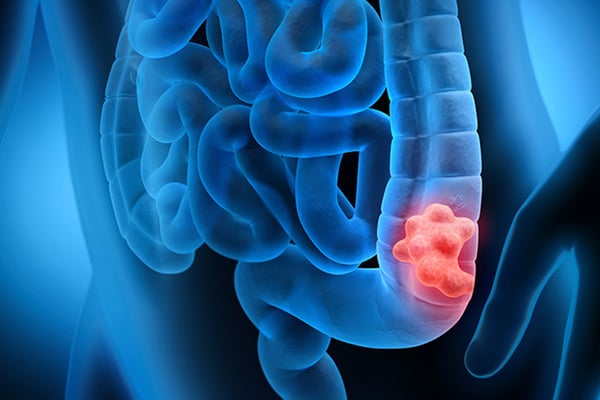
មហារីកពោះវៀនធំចាប់ផ្តើមនៅក្នុងស្រទាប់នៃពោះវៀនធំ ដែលរួមមានពោះវៀនធំនិងរន្ធគូថ. ពោះវៀនធំស្រូបយកទឹក និងសារធាតុចិញ្ចឹមពីអាហារដែលលេបចូល ខណៈពេលដែលរន្ធគូថរក្សាទុកកាកសំណល់មុនពេលយកចេញ។ មហារីកកើតឡើងនៅពេលដែលកោសិកាលូតលាស់ដោយមិនអាចគ្រប់គ្រងបាននៅក្នុងតំបន់ទាំងនេះ បង្កើតជាដុំសាច់ដែលអាចរាលដាលដល់ជាលិកានៅជិតៗ ឬសរីរាង្គឆ្ងាយ។
មហារីកពោះវៀនធំភាគច្រើនចាប់ផ្តើមជាការលូតលាស់តូចៗpolyps. Polyps ទាំងនេះដំបូងឡើយមានលក្ខណៈស្លូតបូត ប៉ុន្តែយូរៗទៅ ប្រភេទខ្លះអាចក្លាយទៅជាមហារីក។ ការរកឃើញ និងយកពួកវាចេញឱ្យបានឆាប់ ជាញឹកញាប់តាមរយៈការឆ្លុះពោះវៀនធំជាប្រចាំ អាចការពារជំងឺនេះបានទាំងស្រុង។
វេជ្ជបណ្ឌិតចាត់ថ្នាក់មហារីកពោះវៀនធំទៅជាប្រភេទសំខាន់ៗមួយចំនួន ដោយផ្អែកលើកន្លែងដែលវាចាប់ផ្តើម និងរបៀបដែលកោសិកាមានឥរិយាបទ៖
- Adenocarcinoma៖នេះគឺជាប្រភេទទូទៅបំផុតដែលមានចំនួនជិត 95% នៃមហារីកពោះវៀនធំទាំងអស់។ វាចាប់ផ្តើមពីកោសិកាក្រពេញដែលដាក់ស្រទាប់ពោះវៀនធំ និងរន្ធគូថ ដែលផលិតស្លស។
- មហារីកសួត៖ប្រភេទរងនេះផលិតទឹករំអិលច្រើនហួសហេតុ ដែលអាចធ្វើឱ្យមហារីកពោះវៀនធំកាន់តែឈ្លានពាន និងពិបាករកឃើញ។ វាតំណាងឱ្យប្រហែល 10-15% នៃដុំសាច់ពោះវៀនធំទាំងអស់។
- មហារីកកោសិការ Signet Ring Cell Carcinoma៖ទម្រង់ដ៏កម្រ ប៉ុន្តែឈ្លានពាន វារីករាលដាលយ៉ាងឆាប់រហ័ស ហើយជារឿយៗប៉ះពាល់ដល់បុគ្គលវ័យក្មេង។ វាមានចំនួនតិចជាង 1% នៃករណីទាំងអស់ ប៉ុន្តែតម្រូវឱ្យមានការគ្រប់គ្រងឯកទេស។
- មហារីកកោសិកា Squamous និងទម្រង់កម្រផ្សេងទៀត៖មហារីកទាំងនេះវិវត្តចេញពីកោសិកាផ្ទៃរាបស្មើនៃរន្ធគូថ ឬពីប្រភេទជាលិកាកម្រផ្សេងទៀត។ ទោះបីជាមិនធម្មតាក៏ដោយ ពួកគេអាចត្រូវការវិធីសាស្រ្តព្យាបាលរួមបញ្ចូលគ្នា រួមទាំងការព្យាបាលដោយវិទ្យុសកម្ម និងការព្យាបាលដោយគីមី។
មហារីកពោះវៀនធំអាចប៉ះពាល់ដល់នរណាម្នាក់ ប៉ុន្តែហានិភ័យកើនឡើងបន្ទាប់ពីអាយុ 50 ឆ្នាំ។ជាពិសេសចំពោះអ្នកដែលមានប្រវត្តិគ្រួសារ រលាកពោះវៀន ឬរបបអាហារខ្ពស់ក្នុងសាច់ក្រហម និងកែច្នៃ។ ការពិនិត្យជាទៀងទាត់នៅតែជាឧបករណ៍ដ៏មានប្រសិទ្ធភាពបំផុតសម្រាប់ការបង្ការ និងការរកឃើញដំបូង។
តើរោគសញ្ញានៃជំងឺមហារីកពោះវៀនធំមានអ្វីខ្លះ?
មហារីកពោះវៀនធំច្រើនតែវិវឌ្ឍន៍ដោយស្ងៀមស្ងាត់។ នៅដំណាក់កាលដំបូងរបស់វា វាអាចបណ្តាលឱ្យមានរោគសញ្ញាតិចតួច ឬគ្មាន ដែលនេះជាមូលហេតុដែលមនុស្សជាច្រើនត្រូវបានគេធ្វើរោគវិនិច្ឆ័យឃើញតែបន្ទាប់ពីការពិនិត្យជាប្រចាំ។ នៅពេលដែលមហារីកពោះវៀនធំរីកចម្រើន រោគសញ្ញាកាន់តែគួរឱ្យកត់សម្គាល់ ហើយអាចប៉ះពាល់ដល់ការរំលាយអាហារ ទម្លាប់ពោះវៀន និងកម្រិតថាមពលទាំងមូល។
រោគសញ្ញាទូទៅរួមមានៈ
- ការផ្លាស់ប្តូរទម្លាប់ពោះវៀន ដូចជា រាគជាប់ជាប្រចាំ ទល់លាមក ឬឆ្លាស់គ្នារវាងអ្នកទាំងពីរ។
- ឈាមក្នុងលាមក ឬលាមកងងឹត បង្ហាញថាមានឈាមក្នុងពោះវៀនធំ ឬរន្ធគូថ។
- ឈឺពោះ ហើមពោះ ឬរមួលក្រពើដែលមិនបាត់។
- អារម្មណ៍នៃការបន្ទោរបង់ពោះវៀនមិនពេញលេញ សូម្បីតែបន្ទាប់ពីឆ្លងកាត់លាមកក៏ដោយ។
- ការស្រកទម្ងន់ដែលមិនអាចពន្យល់បាន ឬបាត់បង់ចំណង់អាហារក្នុងរយៈពេលខ្លី។
- អស់កម្លាំងជាប់លាប់ ឬខ្សោយ ជារឿយៗបណ្តាលមកពីការបាត់បង់ឈាមខាងក្នុង និងភាពស្លេកស្លាំង។
តិចជាងធម្មតា ប៉ុន្តែទាក់ទងនឹងសញ្ញា
- លាមកតូចចង្អៀត ឬរាងជាខ្សែបូ
- ចង្អោរ ឬក្អួតដែលមិនអាចពន្យល់បាន។
- ឈឺចាប់នៅផ្នែកខាងក្រោមខ្នង ឬតំបន់អាងត្រគាក
- ជម្ងឺខាន់លឿង ប្រសិនបើមហារីករាលដាលដល់ថ្លើម
រោគសញ្ញាទាំងនេះមិនតែងតែបង្ហាញពីជំងឺមហារីកទេ។ ស្ថានភាពដូចជាជំងឺឬសដូងបាត ការឆ្លងមេរោគ ឬជំងឺពោះវៀនដែលឆាប់ខឹងអាចបណ្តាលឱ្យមានបញ្ហាស្រដៀងគ្នា។ ទោះជាយ៉ាងណាក៏ដោយ នៅពេលដែលបញ្ហាទាំងនេះនៅតែបន្តកើតមានលើសពីពីរបីសប្តាហ៍ វាចាំបាច់ក្នុងការពិគ្រោះជាមួយគ្រូពេទ្យឯកទេសខាងក្រពះពោះវៀន ឬអ្នកជំនាញខាងជំងឺមហារីកសម្រាប់ការវាយតម្លៃ។
តើមហារីកពោះវៀនត្រូវបានគេធ្វើរោគវិនិច្ឆ័យយ៉ាងដូចម្តេច?
ការធ្វើរោគវិនិច្ឆ័យទាន់ពេលវេលា និងត្រឹមត្រូវ គឺជាមូលដ្ឋានគ្រឹះនៃការព្យាបាលជំងឺមហារីកពោះវៀនធំប្រកបដោយជោគជ័យ។ គ្រូពេទ្យជំនាញខាងជំងឺមហារីកប្រើការរួមបញ្ចូលគ្នានៃការពិនិត្យរាងកាយ ការធ្វើតេស្តរូបភាព និងការស៊ើបអង្កេតមន្ទីរពិសោធន៍ ដើម្បីរកមើលជំងឺនេះ កំណត់ដំណាក់កាលរបស់វា និងរៀបចំផែនការយុទ្ធសាស្រ្តព្យាបាលដែលមានប្រសិទ្ធភាពបំផុត។
ប្រវត្តិវេជ្ជសាស្ត្រ និងការពិនិត្យរាងកាយ
វេជ្ជបណ្ឌិតចាប់ផ្តើមដោយការពិភាក្សាអំពីរោគសញ្ញារបស់អ្នក ទម្លាប់នៃការរស់នៅ និងប្រវត្តិគ្រួសារនៃជំងឺមហារីក។ ការពិនិត្យរាងកាយលម្អិតជួយកំណត់អត្តសញ្ញាណភាពមិនធម្មតាដែលអាចមើលឃើញ ឬអាចមើលឃើញ ជាពិសេសប្រសិនបើដុំសាច់មានទីតាំងនៅត្រង់រន្ធគូថ។
ការពិនិត្យ និងវិភាគរោគវិនិច្ឆ័យ
- ការឆ្លុះពោះវៀនធំ៖ការឆ្លុះពោះវៀនធំនៅតែជាស្តង់ដារសម្រាប់រកមើលជំងឺមហារីកពោះវៀនធំ។ ក្នុងអំឡុងពេលធ្វើតេស្តនេះ វេជ្ជបណ្ឌិតប្រើបំពង់ដែលអាចបត់បែនបានជាមួយនឹងកាមេរ៉ាដើម្បីពិនិត្យពោះវៀនធំ និងរន្ធគូថ។ ការលូតលាស់គួរឲ្យសង្ស័យ ឬដុំពកអាចត្រូវបានយកចេញ ឬធ្វើកោសល្យវិច័យក្នុងអំឡុងពេលនីតិវិធីដូចគ្នា។
- Sigmoidoscopy៖ការធ្វើតេស្តនេះផ្តោតលើផ្នែកខាងក្រោមនៃពោះវៀនធំ និងរន្ធគូថ។ វាត្រូវបានគេប្រើជាញឹកញាប់នៅពេលដែលរោគសញ្ញាត្រូវបានធ្វើមូលដ្ឋានីយកម្ម ឬនៅពេលដែលការឆ្លុះពោះវៀនធំពេញលេញមិនត្រូវបានទាមទារ។
- ការធ្វើតេស្តផ្អែកលើលាមក៖ការធ្វើតេស្តទាំងនេះរកឃើញឈាមលាក់ ឬ DNA មិនធម្មតានៅក្នុងសំណាកលាមក។ ជម្រើសរួមមានការធ្វើតេស្តឈាម Fecal Occult (FOBT) ការធ្វើតេស្ត Fecal Immunochemical Test (FIT) និងការធ្វើតេស្ត DNA លាមកដូចជាCologuard®។
- ការធ្វើតេស្តរូបភាព៖ការស្កែន CT, MRI, និង PET-CT ជួយឱ្យគ្រូពេទ្យមើលឃើញដុំសាច់នេះ វាយតម្លៃថាតើវាបានរីករាលដាលដល់សរីរាង្គផ្សេងទៀត និងរៀបចំផែនការវះកាត់ ឬវិទ្យុសកម្មបានត្រឹមត្រូវ។ CT Colonography (Virtual Colonoscopy) ផ្តល់នូវជម្រើសដែលមិនរាតត្បាតសម្រាប់អ្នកជំងឺដែលមិនអាចធ្វើការវះកាត់ពោះវៀនធំតាមបែបប្រពៃណី។
- ការធ្វើកោសល្យវិច័យ៖ការធ្វើកោសល្យវិច័យផ្តល់នូវការធ្វើរោគវិនិច្ឆ័យច្បាស់លាស់បំផុត។ គ្រូពេទ្យជំនាញពិនិត្យលើសំណាកជាលិកាតូចមួយនៅក្រោមមីក្រូទស្សន៍ ហើយបញ្ជាក់ថាតើកោសិកាមានមហារីកឬអត់។
ការធ្វើតេស្តឈាម និងការវិភាគហ្សែន
វេជ្ជបណ្ឌិតអាចបញ្ជាឱ្យធ្វើតេស្តដើម្បីពិនិត្យសញ្ញាសម្គាល់ដុំសាច់ដូចជា CEA (Carcinoembryonic Antigen) ដែលជួយតាមដានការវិវត្តនៃជំងឺ។ ការធ្វើតេស្តហ្សែន និងម៉ូលេគុលកំណត់អត្តសញ្ញាណការផ្លាស់ប្តូរជាក់លាក់ (ដូចជា KRAS ឬ BRAF) ដែលដឹកនាំការសម្រេចចិត្តព្យាបាលតាមគោលដៅ។
តើអ្វីទៅជាជម្រើសព្យាបាលជំងឺមហារីកពោះវៀនធំ?
ការព្យាបាលមហារីកពោះវៀនអាស្រ័យលើដំណាក់កាលមហារីក ទីតាំងដុំសាច់ និងសុខភាពទូទៅរបស់អ្នកជំងឺ។ គោលដៅសំខាន់គឺបំផ្លាញកោសិកាមហារីក ការពារការកើតឡើងវិញ និងស្តារមុខងារពោះវៀនធម្មតាឡើងវិញ។
ការវះកាត់
ការវះកាត់នៅតែជាមូលដ្ឋានគ្រឹះនៃការព្យាបាលជំងឺមហារីកពោះវៀនធំ។ វាផ្តល់នូវឱកាសខ្ពស់បំផុតក្នុងការព្យាបាល ជាពិសេសនៅពេលដែលជំងឺមហារីកត្រូវបានរកឃើញនៅដំណាក់កាលដំបូង។ គ្រូពេទ្យវះកាត់យកដុំសាច់ចេញ រួមជាមួយនឹងរឹមនៃជាលិកាពោះវៀនធំដែលមានសុខភាពល្អ និងកូនកណ្តុរនៅជិតៗ ដើម្បីកាត់បន្ថយហានិភ័យនៃការកើតឡើងវិញ។
ប្រភេទនៃការវះកាត់៖
- Polypectomy និងការវះកាត់ក្នុងស្រុក៖ប្រើសម្រាប់មហារីកដំណាក់កាលដំបូងដែលបង្ខាំងទៅនឹងដុំពកតូចៗ។ គ្រូពេទ្យវះកាត់យកពួកវាចេញអំឡុងពេលធ្វើការឆ្លុះពោះវៀនធំដោយមិនមានស្នាមវះធំ
- Collectomy៖នីតិវិធីនេះពាក់ព័ន្ធនឹងការដកផ្នែក ឬទាំងអស់នៃពោះវៀនធំដែលមានដុំសាច់ចេញ។ គ្រូពេទ្យវះកាត់អាចអនុវត្តវាតាមរយៈការវះកាត់ចំហរតាមបែបប្រពៃណី ឬវិធីវះកាត់ laparoscopic រាតត្បាតតិចតួចបំផុត ឬបច្ចេកទេសជំនួយដោយមនុស្សយន្ត ដែលអនុញ្ញាតឱ្យការជាសះស្បើយលឿនជាងមុន។
- ការវះកាត់ពោះវៀនធំ ឬ Ileostomy៖ក្នុងករណីមួយចំនួន ការបើកបណ្តោះអាសន្នត្រូវបានបង្កើតឡើងនៅក្នុងពោះ ដើម្បីអនុញ្ញាតឱ្យកាកសំណល់ឆ្លងកាត់ ប្រសិនបើពោះវៀនត្រូវការសម្រាកបន្ទាប់ពីការវះកាត់។
- ការវះកាត់ឆ្លងទន្លេ៖ចំពោះជំងឺមហារីករន្ធគូថក្នុងដំណាក់កាលដំបូង គ្រូពេទ្យវះកាត់អាចយកដុំសាច់ចេញដោយផ្ទាល់តាមរន្ធគូថដោយមិនបាច់វះកាត់ពោះ។
ភាពជឿនលឿននៃបច្ចេកទេសវះកាត់ឥឡូវនេះអនុញ្ញាតឱ្យមាននីតិវិធីថែរក្សាសរសៃប្រសាទ និង sphincter ជួយអ្នកជំងឺរក្សាការគ្រប់គ្រងពោះវៀនធម្មតា និងគុណភាពនៃជីវិតបន្ទាប់ពីការជាសះស្បើយឡើងវិញ។
ការព្យាបាលដោយប្រើគីមី
ការព្យាបាលដោយប្រើគីមីប្រើថ្នាំដែលបំផ្លាញកោសិកាមហារីកដែលបែងចែកយ៉ាងឆាប់រហ័ស។ អាចត្រូវចាក់ថ្នាំគីមីមុនពេលវះកាត់ (ការព្យាបាលដោយ neoadjuvant) ដើម្បីបង្រួមដុំសាច់ ឬក្រោយពេលវះកាត់ (ការព្យាបាលដោយបន្ថែម) ដើម្បីកម្ចាត់កោសិកាមហារីកដែលនៅសេសសល់។
ថ្នាំដែលប្រើជាទូទៅ៖
- 5-ហ្វ្លុយអូរ៉ាស៊ីល (5-FU)
- Oxaliplatin
- Irinotecan
- Capecitabine (Xeloda)
របបផ្សំដូចជាFOLFOXឬហ្វូលហ្វីរីគឺជាការព្យាបាលស្តង់ដារសម្រាប់ជំងឺកម្រិតខ្ពស់ ឬមេតាស្ទិក។ ពិធីការការព្យាបាលដោយប្រើគីមីទំនើបគឺអាចអត់ឱនបានច្រើនជាងសព្វថ្ងៃនេះ ជាមួយនឹងថ្នាំដែលមានប្រសិទ្ធភាពដើម្បីគ្រប់គ្រងផលប៉ះពាល់ដូចជាចង្អោរ ឬអស់កម្លាំង។
ការព្យាបាលដោយកាំរស្មី
ការព្យាបាលដោយវិទ្យុសកម្មប្រើកាំរស្មីថាមពលខ្ពស់ដើម្បីសម្លាប់កោសិកាមហារីក ឬបញ្ឈប់ពួកវាពីការរីកធំ។ វាត្រូវបានគេប្រើជាទូទៅបំផុតសម្រាប់មហារីករន្ធគូថដើម្បីបង្រួមដុំសាច់មុនពេលវះកាត់ ឬកាត់បន្ថយការកើតឡើងវិញក្រោយការវះកាត់។
បច្ចេកវិជ្ជាទំនើបៗដូចជា ការព្យាបាលដោយវិទ្យុសកម្មតាមបែបអាំងតង់ស៊ីតេ (IMRT) និងការព្យាបាលដោយកាំរស្មីតាមរូបភាព (IGRT) បញ្ជូនវិទ្យុសកម្មយ៉ាងជាក់លាក់ទៅកាន់ដុំសាច់ខណៈពេលដែលរក្សាទុកជាលិកាដែលមានសុខភាពល្អ។
ការព្យាបាលគោលដៅ
ថ្នាំគោលដៅវាយប្រហារលើម៉ូលេគុលជាក់លាក់ដែលជួយកោសិកាមហារីកលូតលាស់។ ការព្យាបាលទាំងនេះមិនប៉ះពាល់ដល់កោសិកាធម្មតាទេ ធ្វើឱ្យពួកវាមានភាពច្បាស់លាស់ជាងការព្យាបាលដោយប្រើគីមីស្តង់ដារ។
ឱសថគោលដៅទូទៅរួមមានៈ
- ថ្នាំ Bevacizumab (Avastin)៖ រារាំងការបង្កើតសរសៃឈាមដែលចិញ្ចឹមដុំសាច់។
- Cetuximab (Erbitux)និងPanitumumab (Vectibix)៖ រារាំងអ្នកទទួល EGFR នៅលើកោសិកាមហារីក។
ការព្យាបាលតាមគោលដៅមានអត្ថប្រយោជន៍សម្រាប់ជំងឺមហារីកពោះវៀនធំដែលរាលដាល ហើយជារឿយៗត្រូវបានផ្សំជាមួយការព្យាបាលដោយគីមីសម្រាប់ការគ្រប់គ្រងកាន់តែប្រសើរ។
ការព្យាបាលដោយភាពស៊ាំ
Immunotherapy ជួយឱ្យប្រព័ន្ធការពាររាងកាយទទួលស្គាល់ និងវាយប្រហារកោសិកាមហារីក។ វាត្រូវបានប្រើជាចម្បងសម្រាប់អ្នកជំងឺដែលមានអស្ថិរភាពមីក្រូផ្កាយរណបខ្ពស់ (MSI-H) ឬជំងឺមហារីកពោះវៀនធំមិនស៊ីគ្នា (dMMR) ។
គ្រឿងញៀនដូចជាPembrolizumab (Keytruda)និងNivolumab (Opdivo)បានបង្ហាញលទ្ធផលល្អ ជាពិសេសនៅក្នុងករណីកម្រិតខ្ពស់ ឬកើតឡើងដដែលៗ។
ការថែទាំព្យាបាល និងគាំទ្រ
សម្រាប់ដំណាក់កាលជឿនលឿន វេជ្ជបណ្ឌិតផ្តោតលើការកែលម្អគុណភាពជីវិតតាមរយៈការធូរស្រាលនៃរោគសញ្ញា,ការគ្រប់គ្រងការឈឺចាប់, និងការគាំទ្រអាហារូបត្ថម្ភ. ការថែទាំអ្នកជំងឺធ្វើការរួមជាមួយនឹងការព្យាបាលវេជ្ជសាស្រ្តដើម្បីរក្សាការលួងលោម សេចក្តីថ្លៃថ្នូរ និងសុខុមាលភាពផ្លូវចិត្ត។
ទទួលបានផែនការព្យាបាលដោយឥតគិតថ្លៃ
អំពី ការព្យាបាលជំងឺមហារីកពោះវៀនធំ ក្នុង ប្រទេសឥណ្ឌា
What Is the Cost of Colon Cancer Treatment in India?
Colon cancer treatment costs in India vary depending on the stage of the disease, the type of treatment required, and the hospital or oncology center chosen. On average, the cost ranges between ₹2,50,000 and ₹9,00,000 (approximately $3,000 to $10,800) for complete treatment, including surgery, chemotherapy, and radiation.
Average Cost of Colorectal Cancer Treatment in India
Treatment Type | Average Cost (INR) | Average Cost (USD) |
| Diagnostic Tests and Biopsy | ₹15,000 – ₹40,000 | $180 – $480 |
| Surgery (Colectomy / Rectal Resection) | ₹2,50,000 – ₹5,00,000 | $3,000 – $6,000 |
| Chemotherapy (Per Cycle) | ₹35,000 – ₹80,000 | $420 – $960 |
| Full Chemotherapy Course (6–12 cycles) | ₹2,00,000 – ₹6,00,000 | $2,400 – $7,200 |
| Radiation Therapy (IMRT / IGRT) | ₹1,50,000 – ₹3,00,000 | $1,800 – $3,600 |
| Targeted Therapy | ₹1,80,000 – ₹4,00,000 | $2,150 – $4,800 |
| Immunotherapy (Per Dose) | ₹2,50,000 – ₹4,50,000 | $3,000 – $5,400 |
| Total Comprehensive Treatment (Estimated) | ₹2,50,000 – ₹9,00,000+ | $3,000 – $10,800+ |
- Early-stage cancers requiring only surgery or limited chemotherapy are less expensive.
- Advanced or metastatic cancers that involve multiple treatment modalities, such as targeted or immunotherapy, can increase costs.
- Minimally invasive or robotic surgeries may have a higher upfront cost but provide faster recovery and fewer hospital days.
Even at the upper range, colorectal cancer treatment in India costs significantly less than in most Western countries, while maintaining the same medical standards, technologies, and success rates.
Hospitals and cancer centers usually offer all-inclusive treatment plans that cover medical, surgical, and inpatient services. However, certain costs may vary depending on individual requirements and treatment duration.
Inclusions:
A comprehensive colorectal cancer treatment package generally covers the following:
- Oncologist and surgeon consultation fees
- Pre-operative evaluation and investigations (blood tests, imaging, colonoscopy, biopsy)
- Hospitalization and operation theatre charges
- Anesthesia and surgery fees
- Chemotherapy or radiation therapy sessions as prescribed in the treatment plan
- Post-operative medications and in-hospital nursing care
- Routine follow-up visits during the treatment period
- Patient support services, including diet planning and physiotherapy, if required
These inclusions ensure that the medical aspects of diagnosis, treatment, and immediate recovery are covered transparently without hidden costs.
Exclusions:
Some expenses may fall outside the standard cost package and are billed separately, such as:
- High-cost targeted or immunotherapy drugs are not included in basic packages
- An additional hospital stay beyond the recommended duration
- Advanced molecular or genetic tests for personalized therapy decisions
- Post-discharge medications and at-home care supplies
- Travel, visa, and accommodation for international patients and attendants
- Management of unrelated medical conditions identified during treatment
Hospitals typically provide a detailed cost estimate before starting treatment, outlining all potential inclusions and exclusions.
City-Wise Colorectal Cancer Treatment Cost in India
The cost of colorectal cancer treatment varies across major Indian cities depending on hospital infrastructure, technology, oncologist expertise, and overall living costs. While top-tier hospitals in metro cities may charge slightly more, the level of expertise, advanced equipment, and comprehensive care justify the investment.
City | Average Treatment Cost (INR) | Average Treatment Cost (USD) |
| Delhi NCR | ₹3,00,000 – ₹9,00,000 | $3,600 – $10,800 |
| Mumbai | ₹3,50,000 – ₹9,50,000 | $4,200 – $11,400 |
| Bangalore | ₹2,80,000 – ₹8,50,000 | $3,350 – $10,200 |
| Chennai | ₹2,70,000 – ₹8,00,000 | $3,250 – $9,600 |
| Hyderabad | ₹2,50,000 – ₹7,50,000 | $3,000 – $9,000 |
| Pune | ₹2,60,000 – ₹7,80,000 | $3,100 – $9,350 |
| Kolkata | ₹2,40,000 – ₹7,00,000 | $2,900 – $8,400 |
How Does the Cost in India Compare to Other Countries?
Colorectal cancer treatment in India offers the same level of medical expertise, advanced technology, and surgical precision as leading global cancer centers, but at a much lower cost. The primary difference lies not in the quality of care but in the lower infrastructure, operational, and medication expenses, which make treatment in India significantly more affordable for international patients.
Country | Average Total Cost (USD) | Approximate Cost (INR) |
| India | $3,000 – $10,800 | ₹2,50,000 – ₹9,00,000 |
| United States | $40,000 – $80,000 | ₹33,00,000 – ₹66,00,000 |
| United Kingdom | $30,000 – $60,000 | ₹24,00,000 – ₹49,50,000 |
| Singapore | $25,000 – $50,000 | ₹20,50,000 – ₹41,00,000 |
| Thailand | $15,000 – $25,000 | ₹12,00,000 – ₹20,50,000 |
| UAE / Dubai | $20,000 – $40,000 | ₹16,50,000 – ₹33,00,000 |
What Factors Affect the Cost of Colorectal Cancer Treatment in India?
Colorectal cancer treatment costs can differ from one patient to another. The total expense depends on several personal and medical factors, including the stage of cancer, the type of treatment needed, and the hospital where treatment is provided.
Here are the main factors that influence the overall cost:
- Stage of Cancer: Early-stage cancer usually needs surgery and limited therapy, making it less expensive. Advanced stages require multiple treatments, such as chemotherapy, radiation, or immunotherapy, which increases the total cost.
- Type of Treatment: The combination of therapies plays a significant role. Surgery, chemotherapy, radiation, targeted therapy, and immunotherapy each add differently to the overall cost depending on what your doctor recommends.
- Hospital and Facilities: Hospitals with modern technology, robotic surgery systems, and advanced cancer care units charge higher fees than smaller centers. The quality of infrastructure and patient comfort also affect the price.
- Doctor's Experience: Senior oncologists and surgeons with specialized training may charge more, but their experience improves accuracy, safety, and success rates.
- Diagnostic and Imaging Tests: Tests such as colonoscopy, biopsy, CT, MRI, or PET-CT are essential for diagnosis and follow-up. Each test adds a smaller portion to the total cost.
- Length of Hospital Stay: Most patients stay in the hospital for about 5–10 days after surgery. Extended stays, especially for complex or advanced cases, can increase the final bill.
- Medications Used: Standard chemotherapy drugs are relatively affordable. However, newer treatments such as targeted drugs or immunotherapy are more expensive because of their advanced technology and import costs.
What Is the Recovery Time and Success Rate After Colorectal Cancer Treatment?
Recovery after colorectal cancer treatment depends on the type of surgery, stage of the disease, and overall health of the patient. With modern surgical techniques and improved post-operative care, recovery is faster, and long-term outcomes are excellent.
Recovery Timeline
- Hospital Stay: Most colon cancer patients stay in the hospital for 5–10 days after surgery.
- Initial Recovery Phase: The first two weeks focus on wound care, pain control, and regaining bowel function.
- Return to Routine: Light activity resumes within 4–6 weeks, while complete recovery usually takes about 2–3 months.
- Combined Therapy Recovery: Patients who receive chemotherapy or radiation may experience temporary fatigue, which improves gradually with supportive care.
- Diet and Lifestyle: Doctors recommend a light, nutritious diet and gentle physical activity to promote bowel health and overall strength.
Success Rate
Colorectal cancer has one of the highest survival rates among major cancers when treated early.
- Early-stage (Stage I–II) cancers show 90–95% long-term survival after surgery and adjuvant therapy.
- Stage III cases have a 70–80% success rate with combined treatment.
- Even advanced or metastatic cancers benefit from targeted and immunotherapy drugs, improving survival and maintaining a good quality of life.
Today, with advanced surgical precision, effective drug therapies, and comprehensive post-care, many patients recover fully and return to normal, active lives after colorectal cancer treatment.
Why Choose India for Colon Cancer Treatment?
India has become a leading destination for advanced cancer care, offering a rare combination of world-class medical expertise, modern infrastructure, and affordable pricing.
- Experienced Oncologists: India is home to highly qualified cancer specialists trained in leading global institutions. Many oncologists specialize specifically in colorectal and gastrointestinal cancers.
- Advanced Technology: Hospitals use the latest tools, including robotic-assisted surgery, IMRT/IGRT radiation therapy, PET-CT imaging, and targeted or immunotherapy protocols that meet international standards.
- Comprehensive Cancer Centers: Major hospitals offer a multidisciplinary approach, combining surgical, medical, and radiation oncology under one roof for comprehensive care.
- Affordable Costs: Treatment in India costs up to 70% less than in Western countries, even though the same advanced technology and protocols are used.
- High Success Rates: Indian centers report excellent survival outcomes, especially for early-stage cancers, supported by strong follow-up and rehabilitation programs.
Comprehensive Support for International Patients
Hospitals in India provide dedicated services to make medical travel smooth and stress-free for international patients.
- Pre-Arrival Assistance: Medical coordinators review case details, arrange doctor consultations, and share transparent treatment cost estimates before travel.
- Travel and Visa Help: Hospitals issue visa invitation letters and assist with travel planning and accommodation.
- Arrival Coordination: Airport pickup, hospital transfers, and dedicated patient relations officers ensure a seamless experience from arrival to discharge.
- Language and Cultural Support: Multilingual staff and translators help patients communicate easily with doctors and nurses.
- Post-Treatment Follow-Up: After returning home, patients continue to receive online consultations and medical advice to monitor recovery and long-term health.
ការព្យាបាលជំងឺមហារីកពោះវៀនធំ ការប្រៀបធៀបតម្លៃតាមប្រទេស
ប្រៀបធៀបការចំណាយ ការព្យាបាលជំងឺមហារីកពោះវៀនធំ នៅទូទាំងប្រទេសផ្សេងៗដើម្បីធ្វើការសម្រេចចិត្តប្រកបដោយព័ត៌មានអំពីការព្យាបាលវេជ្ជសាស្រ្តរបស់អ្នក។
| រសុករេស | ជួរចំណាយ (ដុល្លារអាមេរិក) | ការសន្សំសក្តានុពល | កិច្ច |
|---|---|---|---|
ប្រទេសឥណ្ឌាថ្ផី currentតម្លៃដ៏ល្អបំផុត | $3,000 - $10,800 | — | ទទួលបានការដកស្រង់ |
សម្គាល់ៈ ការចំណាយអាចខុសគ្នាអាស្រ័យលើជម្រើសមន្ទីរពេទ្យប្រភេទរបៀបសេវាកម្មបន្ថែមនិងតម្រូវការផ្នែកវេជ្ជសាស្រ្តនីមួយៗ។
មន្ទីរពេទ្យឈានមុខគេសម្រាប់ ការព្យាបាលជំងឺមហារីកពោះវៀនធំ ក្នុង ប្រទេសឥណ្ឌា
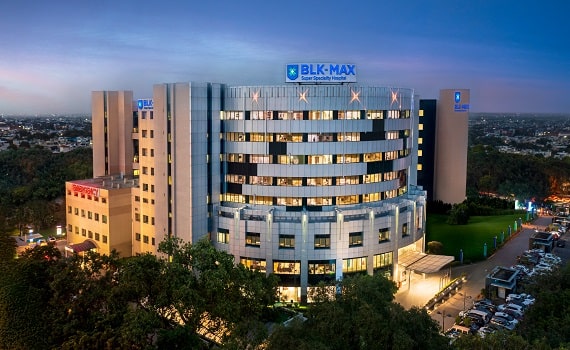
មន្ទីរពេទ្យឯកទេស BLK-Max ទីក្រុងញូវដេលី
មន្ទីរពេទ្យ BLK-Max Super Specialty Hospital នៅទីក្រុងញូវដេលី គឺជាស្ថាប័នថែទាំសុខភាពលំដាប់កំពូលមួយរបស់ប្រទេសឥណ្ឌា ដែលផ្តល់ជូននូវគ្រែចំនួន 650 រោងមហោស្...
ការទទួលស្គាល់

មធ្យោបាយបរិក្ខារ
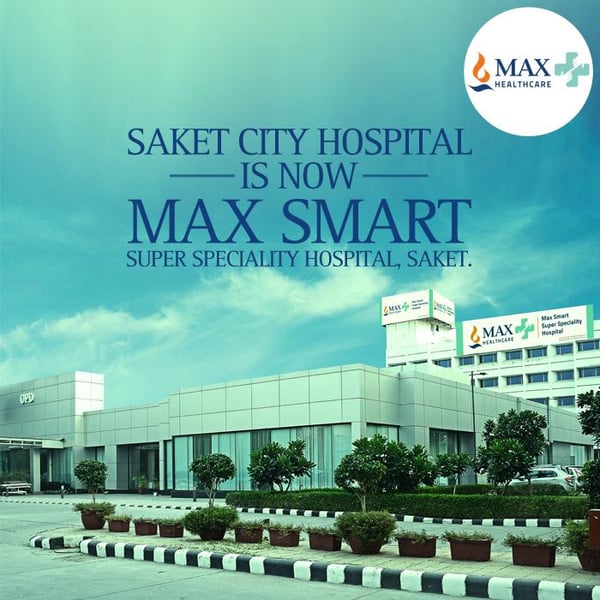
មន្ទីរពេទ្យ Max Smart Super Specialty Hospital, Saket, New Delhi
មន្ទីរពេទ្យ Max Smart Super Specialty Hospital, Saket គឺជាមន្ទីរពេទ្យថែទាំកម្រិត 250 គ្រែនៅ South Delhi ។ វាផ្តល់ជូននូវការថែទាំវេជ្ជសាស្រ្ត និងការវះកា...
ការទទួលស្គាល់
មធ្យោបាយបរិក្ខារ
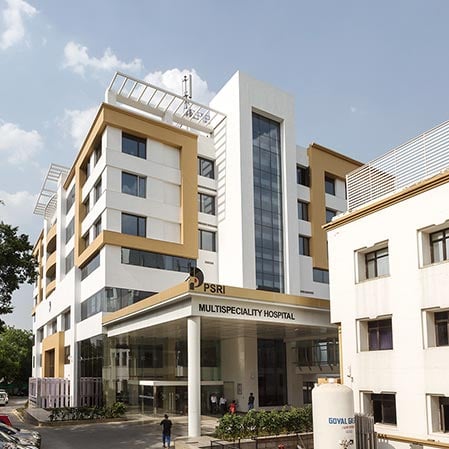
មន្ទីរពេទ្យ PSRI ទីក្រុងដេលី
វិទ្យាស្ថានស្រាវជ្រាវ Pushpawati Singhania (មន្ទីរពេទ្យ PSRI) ទីក្រុងញូវដេលី គឺជាមន្ទីរពេទ្យថែទាំថ្នាក់ឧត្តមសិក្សាពហុឯកទេសឈានមុខគេដែលបានបង្កើតឡើងក្នុង...
ការទទួលស្គាល់
មធ្យោបាយបរិក្ខារ
នីតិវិធីស្រដៀងគ្នា
វិចិរតសាល
សំណួរគេសួរញឹកញាប់
អ្នកវិស្វិក
មើលទាំងអស់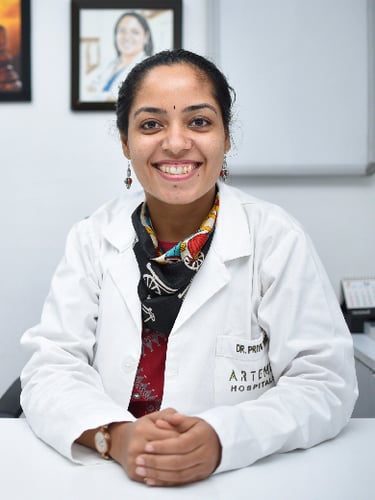
Dr. Priya Tiwari is a renowned medical oncologist trained at the prestigious All India Institute of Medical Sciences (AIIMS). She specializes in comprehensive cancer care and is committed to deliver... អានបន្ថែម

គេហទំព័ររបស់យើងប្រើខូឃីស៍។ គោលការណ៍ភាពឯកជន.