
Kyphoplasty តម្លៃក្នុង ប្រទេសឥណ្ឌា
អមបី Kyphoplasty
ការបាក់ឆ្អឹងកងខ្នងអាចបណ្តាលឱ្យមានការឈឺចាប់ខ្លាំង បាត់បង់ការចល័ត និងការកន្ត្រាក់គួរឱ្យកត់សម្គាល់នៃឥរិយាបថ។ ការបាក់ឆ្អឹងទាំងនេះច្រើនតែកើតឡើងនៅពេលដែលឆ្អឹងចុះខ្សោយជំងឺពុកឆ្អឹង របួស ឬដុំសាច់ដួលរលំនៅក្រោមភាពតានតឹងធម្មតា។ ចំពោះអ្នកជំងឺជាច្រើន ការឈឺចាប់ជាលទ្ធផលអាចធ្ងន់ធ្ងរល្មមនឹងកម្រិតចលនាប្រចាំថ្ងៃ និងកាត់បន្ថយគុណភាពជីវិតទាំងមូល។
Kyphoplasty បានផ្លាស់ប្តូររបៀបដែលវេជ្ជបណ្ឌិតគ្រប់គ្រងការបាក់ឆ្អឹងឆ្អឹងខ្នងបែបនេះ។ វាគឺជា កនីតិវិធីឆ្អឹងខ្នងរាតត្បាតតិចតួចបំផុត។រចនាឡើងដើម្បីរក្សាលំនឹងឆ្អឹងខ្នង ស្ដារកម្ពស់ និងបំបាត់ការឈឺចាប់ស្ទើរតែភ្លាមៗ។ ក្នុងរយៈពេលមួយទសវត្សរ៍ចុងក្រោយនេះ kyphoplasty បានធ្វើឱ្យអ្នកជំងឺត្រឡប់ទៅសកម្មភាពធម្មតាវិញក្នុងរយៈពេលប៉ុន្មានថ្ងៃ ដោយលុបបំបាត់តម្រូវការសម្រាប់ការវះកាត់បើកចំហ ឬសម្រាកនៅមន្ទីរពេទ្យយូរ។
នីតិវិធីនេះទទួលបានការទទួលស្គាល់ទូទាំងពិភពលោកសម្រាប់សុវត្ថិភាព ល្បឿន និងប្រសិទ្ធភាពក្នុងការគ្រប់គ្រងការបាក់ឆ្អឹង ជាពិសេសចំពោះអ្នកជំងឺវ័យចំណាស់ ឬអ្នកជំងឺពុកឆ្អឹង។ វាភ្ជាប់គម្លាតរវាងថ្នាំបំបាត់ការឈឺចាប់ និងការវះកាត់ឆ្អឹងខ្នងដ៏ស្មុគស្មាញ ដោយផ្តល់នូវដំណោះស្រាយគោលដៅដែលស្តារស្ថេរភាពឆ្អឹងខ្នង និងការតម្រឹម។
តើ Kyphoplasty ជាអ្វី?
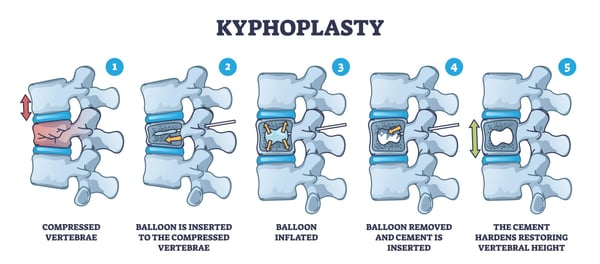
Kyphoplasty គឺជាការវះកាត់ដែលរាតត្បាតតិចតួចបំផុតដែលព្យាបាលការបាក់ឆ្អឹងកងខ្នងដ៏ឈឺចាប់ (ការបាក់ឆ្អឹងតូចៗដែលបណ្តាលឱ្យឆ្អឹងកងខ្នងដួលរលំ ឬបាត់បង់កម្ពស់)។ វាមានគោលបំណងធ្វើឱ្យឆ្អឹងបាក់ឆ្អឹងមានស្ថេរភាព,ស្តារកម្ពស់ឆ្អឹងខ្នង, និងកាត់បន្ថយការឈឺចាប់ស្ទើរតែភ្លាមៗ។
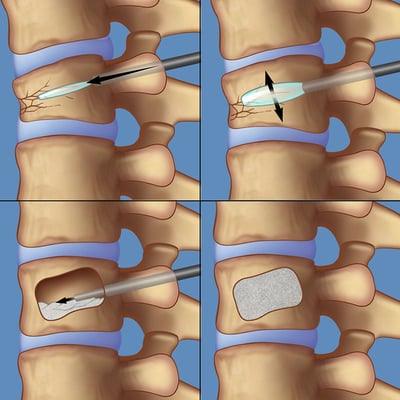
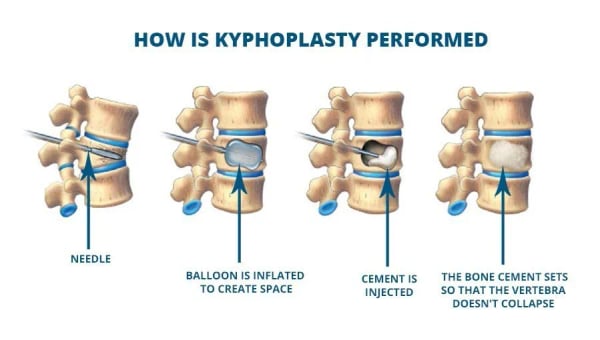
ក្នុងអំឡុងពេលនៃនីតិវិធី អ្នកឯកទេសឆ្អឹងខ្នងបញ្ចូលបំពង់តូចចង្អៀតតាមស្បែកចូលទៅក្នុងឆ្អឹងកងដែលបាក់ក្រោមការណែនាំ fluoroscopic (X-ray) ។ បន្ទាប់មក ប៉េងប៉ោងតូចមួយត្រូវបានបំប៉ោងដោយថ្នមៗនៅខាងក្នុងឆ្អឹង ដើម្បីបង្កើតលំហ និងកែតម្រូវកម្ពស់របស់វា។ វេជ្ជបណ្ឌិតបំពេញប្រហោងឆ្អឹងដោយស៊ីម៉ង់ត៍ឆ្អឹងថ្នាក់វេជ្ជសាស្ត្រ ដែលរឹងយ៉ាងរហ័ស រក្សាលំនឹងឆ្អឹងខ្នង និងបំបាត់ការឈឺចាប់។
Kyphoplasty ជាធម្មតាត្រូវបានអនុវត្តក្រោមការប្រើថ្នាំសន្លប់ទូទៅ ចំណាយពេលតិចជាងមួយម៉ោងក្នុងមួយឆ្អឹងកង ហើយជាធម្មតាមិនតម្រូវឱ្យមានការស្នាក់នៅមន្ទីរពេទ្យមួយយប់នោះទេ។ វាអនុញ្ញាតឱ្យអ្នកជំងឺដើរនៅថ្ងៃដដែលទទួលបានចលនាឡើងវិញ និងបន្តសកម្មភាពប្រចាំថ្ងៃក្នុងរយៈពេលខ្លី។
តើនៅពេលណាដែល Kyphoplasty ត្រូវការ?
Kyphoplasty ត្រូវបានណែនាំសម្រាប់អ្នកជំងឺដែលទទួលរងពីការបាក់ឆ្អឹងឆ្អឹងកងខ្នង (VCFs)ដែលបណ្តាលឱ្យឈឺខ្នងធ្ងន់ធ្ងរ និងកំណត់ការចល័ត។ ការបាក់ឆ្អឹងទាំងនេះច្រើនតែបណ្តាលមកពីជំងឺពុកឆ្អឹងរបួស ឬមហារីកដែលធ្វើឱ្យឆ្អឹងឆ្អឹងខ្នងចុះខ្សោយ។
វេជ្ជបណ្ឌិតជាធម្មតាពិចារណា kyphoplasty នៅពេលដែលការព្យាបាលដែលមិនវះកាត់ ដូចជាការសម្រាក ថ្នាំបំបាត់ការឈឺចាប់ ឬការពត់ធ្មេញ បរាជ័យក្នុងការបន្ថយរោគសញ្ញាក្នុងរយៈពេលពីរបីសប្តាហ៍។ គោលដៅគឺដើម្បីរក្សាលំនឹងការបាក់ឆ្អឹង មុនពេលដែលវាជាសះស្បើយដោយមិនត្រឹមត្រូវ ដែលអាចនាំឱ្យមានការឈឺចាប់រ៉ាំរ៉ៃ ឬខូចទ្រង់ទ្រាយឆ្អឹងខ្នង។
Kyphoplasty ត្រូវបានណែនាំជាទូទៅសម្រាប់៖
- ការបាក់ឆ្អឹងឆ្អឹងកងខ្នង Osteoporotic៖ការបាត់បង់ឆ្អឹងដែលទាក់ទងនឹងអាយុអាចធ្វើឱ្យឆ្អឹងខ្នងមានភាពផុយស្រួយ។ សូម្បីតែសំពាធស្រាលៗ ឬការធ្លាក់អាចបណ្តាលឱ្យបាក់ឆ្អឹងដែលឆ្លើយតបយ៉ាងល្អទៅនឹង kyphoplasty ។
- របួសឆ្អឹងខ្នង៖ចំពោះអ្នកជំងឺវ័យក្មេង ផលប៉ះពាល់ភ្លាមៗ ឬគ្រោះថ្នាក់អាចបណ្តាលឱ្យមានការបាក់ឆ្អឹងឆ្អឹងខ្នងដាច់ស្រយាលដែលសមរម្យសម្រាប់នីតិវិធីនេះ។
- ការខូចខាតឆ្អឹងទាក់ទងនឹងជំងឺមហារីក៖ការបាក់ឆ្អឹងឆ្អឹងខ្នងដោយសារការរាលដាល (មហារីករាលដាលដល់ឆ្អឹង) ឬជំងឺ myeloma ច្រើនអាចត្រូវបានធ្វើឱ្យមានស្ថេរភាពជាមួយ kyphoplasty ដើម្បីកាត់បន្ថយការឈឺចាប់ និងការពារការដួលរលំបន្ថែមទៀត។
- ឈឺខ្នងរ៉ាំរ៉ៃ ឬធ្ងន់ធ្ងរ៖នៅពេលដែលការព្យាបាលបែបអភិរក្សមិនអាចគ្រប់គ្រងការឈឺចាប់រយៈពេល 4-6 សប្តាហ៍ kyphoplasty ជួយបន្ថយសម្ពាធ និងស្តារស្ថេរភាពឆ្អឹងខ្នង។
- ការខូចទ្រង់ទ្រាយឆ្អឹងខ្នងរីកចម្រើន៖ប្រសិនបើឆ្អឹងខ្នងចាប់ផ្តើមពត់ទៅមុខដោយសារតែការបាក់ឆ្អឹងច្រើនដង (kyphosis) ការអន្តរាគមន៍ទាន់ពេលវេលាការពារការកោងកាន់តែអាក្រក់ និងការបាត់បង់កម្ពស់។
អ្នកណាអាចមិនមែនជាបេក្ខជនល្អ។
Kyphoplasty មិនសមរម្យសម្រាប់អ្នកជំងឺគ្រប់រូប។ វាប្រហែលជាមិនត្រូវបានណែនាំទេ នៅពេលដែលការបាក់ឆ្អឹងចាស់ និងជាសះស្បើយពេញលេញ ប្រសិនបើមានការឆ្លងមេរោគឆ្អឹងខ្នង ឬប្រសិនបើរចនាសម្ព័ន្ធឆ្អឹងត្រូវបានខូចខាតខ្លាំងពេកដើម្បីទប់ស៊ីម៉ងត៍ដោយសុវត្ថិភាព។
អ្នកឯកទេសខាងឆ្អឹងខ្នងសម្រេចចិត្តថាមានភាពសមស្របបន្ទាប់ពីពិនិត្យមើលការស្កេន MRI ឬ CT និងវាយតម្លៃដង់ស៊ីតេឆ្អឹង លំនាំការឈឺចាប់ និងស្ថេរភាពនៃការបាក់ឆ្អឹង។
តើ Kyphoplasty ត្រូវបានអនុវត្តយ៉ាងដូចម្តេច?
Kyphoplasty គឺជានីតិវិធីខ្លីដែលណែនាំដោយរូបភាពដែលស្ដារស្ថេរភាព និងកម្ពស់ដល់ឆ្អឹងកងដែលបាក់។ គ្រូពេទ្យវះកាត់អនុវត្តវាក្រោមការប្រើថ្នាំសន្លប់ក្នុងមូលដ្ឋាន ឬទូទៅ អាស្រ័យលើស្ថានភាពរបស់អ្នកជំងឺ និងចំនួនឆ្អឹងខ្នងដែលកំពុងព្យាបាល។
- ការរៀបចំនិងទីតាំង៖អ្នកជំងឺដេកផ្អៀងលើតុវះកាត់ឯកទេស។ បន្ទាប់ពីសម្អាត និងក្រៀវកន្លែងនោះ គ្រូពេទ្យស្ពឹកស្បែក ឬចាក់ថ្នាំស្ពឹកទូទៅ ដើម្បីធានាបាននូវផាសុកភាពពេញលេញ។
- ការបញ្ចូលម្ជុលណែនាំ៖ដោយប្រើរូបភាព fluoroscopic (X-ray) ជាបន្តបន្ទាប់ គ្រូពេទ្យវះកាត់ឆ្អឹងខ្នងបានបញ្ចូលម្ជុលស្តើង និងប្រហោងតាមរយៈស្នាមវះតូចមួយនៅខាងក្រោយ ហើយបញ្ចូលវាទៅក្នុងឆ្អឹងកងដែលបាក់ដោយមានការគ្រប់គ្រងយ៉ាងច្បាស់លាស់។
- អតិផរណាប៉េងប៉ោង៖ប៉េងប៉ោងតូចចង្អៀតមួយត្រូវបានឆ្លងកាត់ម្ជុល ហើយបំប៉ោងចូលទៅក្នុងឆ្អឹងថ្នមៗ។ ជំហាននេះលើកឆ្អឹងកងខ្នងដែលដួលរលំ កែតម្រូវការតម្រឹមឆ្អឹងខ្នង និងបង្កើតប្រហោងសម្រាប់ដាក់ស៊ីម៉ងត៍។
- ការបំពេញស៊ីម៉ងត៍៖នៅពេលដែលឆ្អឹងឡើងដល់កម្ពស់ដែលចង់បាននោះ ប៉េងប៉ោងត្រូវបានបន្ទោបង់ និងដកចេញ។ គ្រូពេទ្យវះកាត់ចាក់ស៊ីម៉ងត៍ឆ្អឹងកម្រិតវេជ្ជសាស្រ្ដទៅក្នុងប្រហោងធ្មេញ។ ស៊ីម៉ងត៍រឹងយ៉ាងឆាប់រហ័ស (ជាធម្មតាក្នុងរយៈពេលប៉ុន្មាននាទី) ធ្វើឱ្យឆ្អឹងកងខ្នងមានស្ថេរភាពជាអចិន្ត្រៃយ៍។
- ការបិទ និងការស្តារឡើងវិញ៖គ្រូពេទ្យវះកាត់យកឧបករណ៍ចេញ ហើយបង់រុំតូចមួយដើម្បីបិទបាំងស្នាមវះ ដោយសារនីតិវិធីមិនតម្រូវឱ្យមានស្នាមដេរ ការស្តារឡើងវិញចាប់ផ្តើមភ្លាមៗបន្ទាប់ពីការវះកាត់រួចរាល់។ ជាធម្មតា អ្នកជំងឺអាចដើរក្នុងរយៈពេលមួយម៉ោង ហើយត្រូវបានរំសាយចេញនៅថ្ងៃតែមួយ ឬថ្ងៃបន្ទាប់។
Kyphoplasty ជាធម្មតាចំណាយពេល30-60 នាទីក្នុងមួយឆ្អឹងកងនិងបណ្តាលឱ្យបាត់បង់ឈាមតិចតួច។ អ្នកជំងឺជាធម្មតាជួបប្រទះការធូរស្រាលគួរឱ្យកត់សម្គាល់ក្នុងរយៈពេលពី 24 ទៅ 48 ម៉ោង ដែលអនុញ្ញាតឱ្យមានភាពងាយស្រួលក្នុងការវិលត្រឡប់ទៅរកការចល័ត និងសកម្មភាពប្រចាំថ្ងៃ។
តើអ្វីជាភាពខុសគ្នារវាង Kyphoplasty និង Vertebroplasty?
Vertebroplasty និង kyphoplasty គឺជានីតិវិធីដែលរាតត្បាតតិចតួចបំផុតដែលត្រូវបានប្រើដើម្បីព្យាបាលការបាក់ឆ្អឹងកងខ្នង។ ពួកគេចែករំលែកនូវគោលដៅរួមមួយ — ដើម្បីបំបាត់ការឈឺចាប់ និងធ្វើឱ្យឆ្អឹងបាក់ឆ្អឹងមានស្ថេរភាព — ប៉ុន្តែពួកគេខុសគ្នានៅក្នុងបច្ចេកទេស គោលបំណង និងលទ្ធផល។
Kyphoplasty មិនត្រឹមតែធ្វើឱ្យឆ្អឹងកងខ្នងមានស្ថេរភាពប៉ុណ្ណោះទេ ថែមទាំងជួយស្ដារកម្ពស់ និងកែតម្រូវការតម្រឹមឆ្អឹងខ្នង ដែលឆ្អឹងកងខ្នងមិនអាចធ្វើបាន។
ទិដ្ឋភាព | Vertebroplasty | Kyphoplasty |
| គោលបំណង | រក្សាលំនឹងឆ្អឹងខ្នងដែលបាក់ និងបំបាត់ការឈឺចាប់ | រក្សាលំនឹងឆ្អឹងខ្នង ស្ដារកម្ពស់ និងកែកោងឆ្អឹងខ្នង |
| បច្ចេកទេស | ស៊ីម៉ងត៍ឆ្អឹងត្រូវបានចាក់ដោយផ្ទាល់ទៅក្នុងឆ្អឹងកងដែលបាក់ | ប៉េងប៉ោងមួយត្រូវបានបំប៉ោងដំបូងដើម្បីស្ដារកម្ពស់ បន្ទាប់មកស៊ីម៉ងត៍ត្រូវបានចាក់ |
| ការស្ដារឡើងវិញនូវកម្ពស់ | មិនមានការស្តារកម្ពស់ទេ។ | បាទ/ចាស ការស្ដារឡើងវិញដោយផ្នែកទៅពេញលេញគឺអាចធ្វើទៅបាន |
| ការកែតម្រូវការខូចទ្រង់ទ្រាយ | ការកែតម្រូវតិចតួចបំផុត។ | ការកែតម្រូវយ៉ាងសំខាន់នៃឥរិយាបថ kyphotic (ទៅមុខ-ពត់) |
| រយៈពេលនៃនីតិវិធី | 30-45 នាទីក្នុងមួយឆ្អឹងកង | 45-60 នាទីក្នុងមួយឆ្អឹងកង |
| ហានិភ័យនៃការលេចធ្លាយស៊ីម៉ងត៍ | ខ្ពស់ជាងបន្តិច ដោយសារស៊ីម៉ងត៍ត្រូវបានចាក់ក្រោមសម្ពាធ | ទាបជាង, ដូចជាបែហោងធ្មែញមួយត្រូវបានបង្កើតឡើងមុនពេលដាក់ស៊ីម៉ងត៍ |
| បំបាត់ការឈឺចាប់ | លឿននិងមានប្រសិទ្ធភាព | រហ័ស និងមានប្រសិទ្ធភាព ជាញឹកញាប់ជាមួយនឹងការកែលម្អការតម្រឹមឆ្អឹងខ្នង |
| ករណីប្រើប្រាស់ទូទៅ | ការបាក់ឆ្អឹង osteoporotic ដោយគ្មានការខូចទ្រង់ទ្រាយគួរឱ្យកត់សម្គាល់ | ឆ្អឹងខ្នងដួលរលំ ឬកោងឆ្អឹងខ្នងដែលទាមទារការកែកម្ពស់ |
ខណៈពេលដែលនីតិវិធីទាំងពីរបំបាត់ការឈឺចាប់យ៉ាងមានប្រសិទ្ធភាព kyphoplasty ផ្តល់នូវអត្ថប្រយោជន៍បន្ថែមនៃការស្តារកម្ពស់ឆ្អឹងខ្នង និងកាត់បន្ថយការលេចធ្លាយស៊ីម៉ងត៍។ ជាទូទៅវាត្រូវបានគេពេញចិត្តចំពោះការបាក់ឆ្អឹងនាពេលថ្មីៗនេះ និងអ្នកជំងឺដែលមានការខូចទ្រង់ទ្រាយឆ្អឹងខ្នងដែលអាចមើលឃើញ ឬការដួលរលំនៃឆ្អឹងខ្នងដ៏សំខាន់។ Vertebroplasty នៅតែជាជម្រើសដ៏ល្អសម្រាប់ការបំបាត់ការឈឺចាប់ក្នុងការបាក់ឆ្អឹងដែលមានលក្ខណៈសាមញ្ញ និងមានស្ថេរភាព។
ទទួលបានផែនការព្យាបាលដោយឥតគិតថ្លៃ
អំពី Kyphoplasty ក្នុង ប្រទេសឥណ្ឌា
What Is the Cost of Kyphoplasty in India?
The cost of kyphoplasty in India depends on several factors, including the number of vertebrae treated, hospital infrastructure, and the type of approach used (single or bilateral). On average, kyphoplasty costs between ₹2,00,000 and ₹4,50,000 (approximately $2,400 – $5,400) per level.
The total expense may increase slightly when treating multiple fractures or when additional spinal imaging, anesthesia, or overnight observation is required. Compared to major spinal surgeries, kyphoplasty remains significantly more affordable and involves a shorter hospital stay with faster recovery.
Type of Kyphoplasty | Description | Average Cost (INR) | Average Cost (USD) |
| Single-Level Kyphoplasty | Treatment for one fractured vertebra | ₹2,00,000 – ₹3,00,000 | $2,400 – $3,600 |
| Two-Level Kyphoplasty | Treatment for two adjacent vertebrae | ₹3,00,000 – ₹4,00,000 | $3,600 – $4,800 |
| Multi-Level Kyphoplasty | More than two vertebrae treated | ₹4,00,000 – ₹5,00,000+ | $4,800 – $6,000+ |
| Balloon-Assisted (Advanced) Kyphoplasty | Uses high-precision tools and cement control systems | ₹3,50,000 – ₹4,50,000 | $4,200 – $5,400 |
- Single vertebral fractures are less expensive and often performed as day-care procedures.
- Multiple fractures or advanced image-guided kyphoplasty increase the total cost.
Inclusions in the Kyphoplasty Cost Package
A standard kyphoplasty treatment package generally includes:
- Consultation and surgeon’s fees (spine specialist and anesthesiologist)
- Pre-procedure investigations: MRI, CT scan, X-rays, and routine blood tests
- Operating theatre and anesthesia charges
- Medical consumables (balloon system, bone cement, catheters, syringes)
- Hospital stay (1–2 days) with nursing and monitoring
- Medications and pain management during hospitalization
- Post-procedure physiotherapy consultation
- Follow-up visit within the first few weeks after discharge
These inclusions ensure that patients receive comprehensive treatment and support throughout their recovery, without any hidden expenses during their hospital stay.
Exclusions in the Kyphoplasty Cost Package
Some costs may not be included in the basic treatment package, such as:
- Additional imaging after discharge or for unrelated conditions
- Extended hospital stay due to medical complications or personal preference
- Advanced or imported implants beyond standard use
- Specialized post-procedure rehabilitation or long-term physiotherapy
- Medications after discharge and home-care supplies
- Travel, accommodation, and visa-related expenses for international patients
Hospitals in India provide a detailed cost breakdown before admission, allowing patients to understand exactly what is included and excluded in their package. This transparency builds trust and ensures complete financial clarity before treatment begins.
City-Wise Kyphoplasty Cost in India
The cost of kyphoplasty varies slightly from one city to another, depending on hospital standards, the expertise of the neurosurgeon or spine specialist, and regional healthcare costs. Metropolitan centers tend to have higher prices due to advanced technology and infrastructure, while mid-sized cities offer equally high-quality treatment at more economical rates.
City | Average Cost (INR) | Average Cost (USD) |
| Delhi NCR | ₹2,50,000 – ₹4,50,000 | $3,000 – $5,400 |
| Mumbai | ₹2,80,000 – ₹4,80,000 | $3,350 – $5,750 |
| Bangalore | ₹2,50,000 – ₹4,30,000 | $3,000 – $5,200 |
| Chennai | ₹2,30,000 – ₹4,00,000 | $2,750 – $4,800 |
| Hyderabad | ₹2,20,000 – ₹3,80,000 | $2,650 – $4,500 |
| Pune | ₹2,10,000 – ₹3,60,000 | $2,500 – $4,300 |
| Kolkata | ₹2,00,000 – ₹3,50,000 | $2,400 – $4,200 |
How Does the Cost in India Compare to Other Countries?
Kyphoplasty in India offers the same level of clinical precision, surgical safety, and advanced technology as in top international hospitals, but at significantly lower costs. The difference primarily lies in operational and administrative expenses, rather than in the quality of care or the expertise of the medical team.
Country | Average Cost (USD) | Approximate Cost (INR) |
| India | $2,400 – $5,400 | ₹2,00,000 – ₹4,50,000 |
| United States | $15,000 – $30,000 | ₹12,50,000 – ₹25,00,000 |
| United Kingdom | $12,000 – $25,000 | ₹10,00,000 – ₹20,80,000 |
| Singapore | $10,000 – $20,000 | ₹8,30,000 – ₹16,60,000 |
| Thailand | $7,000 – $12,000 | ₹5,80,000 – ₹10,00,000 |
| UAE / Dubai | $8,000 – $15,000 | ₹6,60,000 – ₹12,50,000 |
What Factors Affect the Cost of Kyphoplasty in India?
The total cost of kyphoplasty in India depends on several medical and logistical factors. Each patient’s treatment is individualized based on the number of vertebrae involved, imaging requirements, and overall hospital setup. Here are the main factors that influence the final cost:
- Number of Vertebrae Treated: Treating one vertebra costs less than procedures involving two or more. Each additional level adds to the overall expense.
- Type of Kyphoplasty: Advanced balloon-assisted or image-guided kyphoplasty requires specialized tools, increasing precision and safety, but also total cost.
- Hospital Category and Location: Tertiary care and JCI-accredited hospitals in metropolitan areas, such as Delhi or Mumbai, charge slightly more than mid-tier hospitals in cities like Hyderabad or Pune.
- Surgeon’s Experience: Neurosurgeons or spine specialists with international training and expertise in minimally invasive spine procedures may have higher professional fees, which reflect skill and success rates.
- Imaging and Diagnostic Tests: MRI, CT scans, or bone density tests are essential for surgical planning. Advanced imaging (intraoperative fluoroscopy or 3D navigation) increases accuracy but adds to cost.
- Type of Anesthesia Used: General anesthesia is slightly more expensive than local anesthesia, especially for multi-level procedures or patients requiring closer monitoring.
- Medical Consumables: The type and brand of bone cement, balloon systems, and catheters used can influence the total package cost. Imported systems tend to be more expensive.
- Hospital Stay Duration: Most patients are discharged within 24 hours. However, extended observation due to age, pain, or additional medical issues can lead to increased costs.
- Rehabilitation and Post-Treatment Support: Some patients benefit from physiotherapy and postural correction therapy after kyphoplasty, which can modestly increase total expenses.
What Is the Recovery Time and Success Rate After Kyphoplasty?
Recovery after kyphoplasty is typically quick, which is one of the reasons patients opt for this minimally invasive spine procedure. Most people notice significant pain relief within 24 to 48 hours after surgery and regain mobility almost immediately.
In most cases, patients return home the same day or within 24 hours of the surgery. During the first few days, soreness at the injection site is normal and usually resolves quickly. Doctors usually recommend avoiding heavy lifting or strenuous bending for about four to six weeks, although light daily activities can resume within a few days.
Most patients can walk, climb stairs, and carry out personal routines soon after discharge. Doctors may advise physiotherapy or posture correction exercises for older adults or those with multiple fractures to improve strength and spinal alignment.
Follow-up appointments are scheduled at two weeks, one month, and three months after the procedure. These visits allow doctors to monitor healing, ensure pain relief, and confirm that the vertebra remains stable on imaging scans.
Success Rate
Kyphoplasty has an excellent track record for relieving pain and improving spinal stability. Clinical studies report:
- 90–95% of patients experience immediate and lasting pain relief.
- 80–90% regain full mobility within the first month.
- The risk of significant complications is less than 2% when performed by experienced spine surgeons.
Success rates are higher when kyphoplasty is done soon after the fracture occurs, ideally within the first 6–8 weeks. Prompt treatment prevents spinal deformity, reduces the need for more potent pain medications, and significantly enhances quality of life.
Why Choose India for Kyphoplasty?
- Expert Spine Surgeons: India’s leading spine specialists have extensive experience in treating vertebral compression fractures and performing image-guided kyphoplasty with precision.
- Advanced Technology: Top hospitals are equipped with intraoperative fluoroscopy, balloon-assisted systems, 3D navigation, and bone cement control devices, ensuring accuracy, safety, and faster recovery.
- Comprehensive Multidisciplinary Care: Patients receive care from a coordinated team that includes orthopedic surgeons, anesthesiologists, physiotherapists, and rehabilitation experts.
- Affordable Treatment Packages: Kyphoplasty in India costs 60–70% less than in the US, UK, or Singapore, while maintaining international clinical standards.
- High Success and Patient Satisfaction: Indian centers consistently achieve high success rates, accompanied by strong post-procedure outcomes. Rapid recovery and personalized rehabilitation make treatment safe and patient-friendly.
Comprehensive Support for International Patients
Hospitals across India provide complete logistical and emotional support to international patients before, during, and after their stay.
- Pre-Arrival Coordination: Medical teams review patient reports, provide cost estimates, and help with visa and travel planning.
- Arrival Assistance: Dedicated coordinators handle airport pickup, hospital registration, and accommodation support for patients and their companions.
- Language and Cultural Support: Multilingual staff and interpreters ensure smooth communication between patients, doctors, and caregivers.
- Post-Procedure Follow-Up: After discharge, patients receive virtual consultations, rehabilitation guidance, and recovery monitoring through digital platforms.
Kyphoplasty ការប្រៀបធៀបតម្លៃតាមប្រទេស
ប្រៀបធៀបការចំណាយ Kyphoplasty នៅទូទាំងប្រទេសផ្សេងៗដើម្បីធ្វើការសម្រេចចិត្តប្រកបដោយព័ត៌មានអំពីការព្យាបាលវេជ្ជសាស្រ្តរបស់អ្នក។
| រសុករេស | ជួរចំណាយ (ដុល្លារអាមេរិក) | ការសន្សំសក្តានុពល | កិច្ច |
|---|---|---|---|
ប្រទេសឥណ្ឌាថ្ផី currentតម្លៃដ៏ល្អបំផុត | $2,400 - $5,400 | — | ទទួលបានការដកស្រង់ |
សម្គាល់ៈ ការចំណាយអាចខុសគ្នាអាស្រ័យលើជម្រើសមន្ទីរពេទ្យប្រភេទរបៀបសេវាកម្មបន្ថែមនិងតម្រូវការផ្នែកវេជ្ជសាស្រ្តនីមួយៗ។
មន្ទីរពេទ្យឈានមុខគេសម្រាប់ Kyphoplasty ក្នុង ប្រទេសឥណ្ឌា
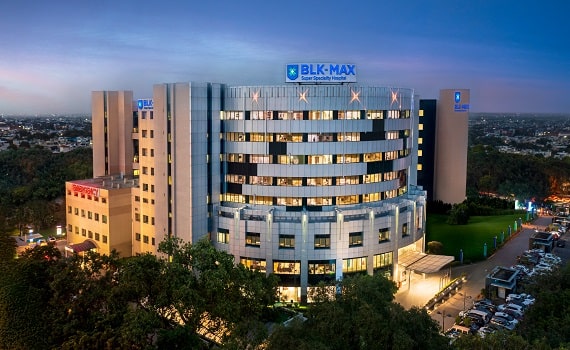
មន្ទីរពេទ្យឯកទេស BLK-Max ទីក្រុងញូវដេលី
មន្ទីរពេទ្យ BLK-Max Super Specialty Hospital នៅទីក្រុងញូវដេលី គឺជាស្ថាប័នថែទាំសុខភាពលំដាប់កំពូលមួយរបស់ប្រទេសឥណ្ឌា ដែលផ្តល់ជូននូវគ្រែចំនួន 650 រោងមហោស្...
ការទទួលស្គាល់


មធ្យោបាយបរិក្ខារ

មន្ទីរពេទ្យ Max Smart Super Specialty Hospital, Saket, New Delhi
មន្ទីរពេទ្យ Max Smart Super Specialty Hospital, Saket គឺជាមន្ទីរពេទ្យថែទាំកម្រិត 250 គ្រែនៅ South Delhi ។ វាផ្តល់ជូននូវការថែទាំវេជ្ជសាស្រ្ត និងការវះកា...
ការទទួលស្គាល់
មធ្យោបាយបរិក្ខារ
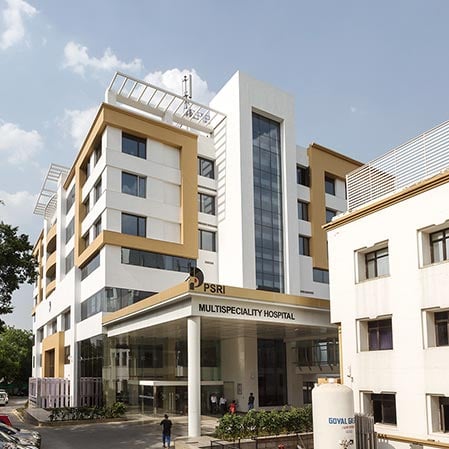
មន្ទីរពេទ្យ PSRI ទីក្រុងដេលី
វិទ្យាស្ថានស្រាវជ្រាវ Pushpawati Singhania (មន្ទីរពេទ្យ PSRI) ទីក្រុងញូវដេលី គឺជាមន្ទីរពេទ្យថែទាំថ្នាក់ឧត្តមសិក្សាពហុឯកទេសឈានមុខគេដែលបានបង្កើតឡើងក្នុង...
ការទទួលស្គាល់
មធ្យោបាយបរិក្ខារ
នីតិវិធីស្រដៀងគ្នា
វិចិរតសាល
សំណួរគេសួរញឹកញាប់
អ្នកវិស្វិក
មើលទាំងអស់
Dr. SK Rajan is an internationally trained and AO-certified Spine Surgeon with extensive expertise in managing complex spinal disorders. He has trained at leading national and global institutions, i... អានបន្ថែម

គេហទំព័ររបស់យើងប្រើខូឃីស៍។ គោលការណ៍ភាពឯកជន.