
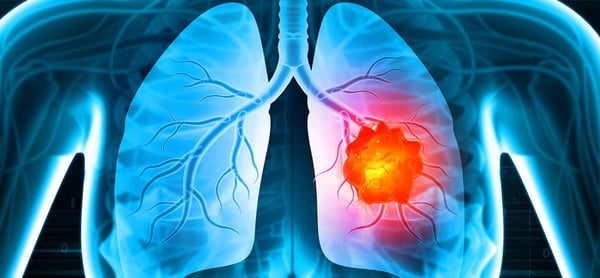
ការព្យាបាលជំងឺមហារីកសួត តម្លៃក្នុង ប្រទេសឥណ្ឌា
អមបី ការព្យាបាលជំងឺមហារីកសួត
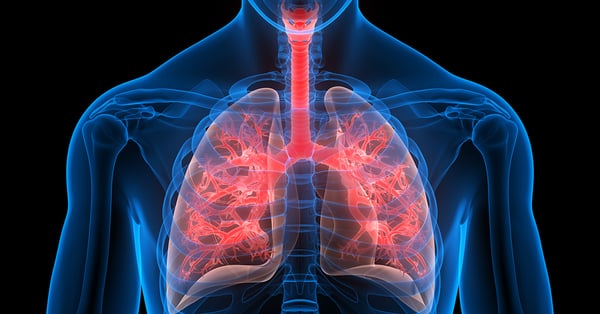
មហារីកសួតគឺជាទម្រង់ធ្ងន់ធ្ងរបំផុតមួយនៃជំងឺមហារីកនៅទូទាំងពិភពលោក។ វាកើតឡើងនៅពេលដែលកោសិកាមិនធម្មតានៅក្នុងសួតចាប់ផ្តើមកើនឡើងដោយមិនអាចគ្រប់គ្រងបាន បង្កើតជាដុំសាច់ដែលរំខានដល់ការដកដង្ហើមធម្មតា និងការផ្លាស់ប្តូរអុកស៊ីសែន។ ស្ថានភាពនេះអាចវិវឌ្ឍន៍ទៅផ្នែកណាមួយនៃសួត ហើយប្រសិនបើទុកចោលមិនបានព្យាបាលទេ វាអាចរាលដាលដល់សរីរាង្គសំខាន់ៗផ្សេងទៀតដូចជាថ្លើម ឆ្អឹង ខួរក្បាល ឬសុដន់។
ជំងឺនេះប៉ះពាល់ដល់មនុស្សរាប់លាននាក់នៅទូទាំងពិភពលោកជារៀងរាល់ឆ្នាំ ហើយជាមូលហេតុចម្បងនៃការស្លាប់ដោយសារជំងឺមហារីក។ ទោះបីជាយ៉ាងណាក៏ដោយ ជាមួយនឹងការរកឃើញដំបូង ការធ្វើរោគវិនិច្ឆ័យកម្រិតខ្ពស់ និងជម្រើសនៃការព្យាបាលបែបទំនើប អ្នកជំងឺជាច្រើនឥឡូវនេះអាចគ្រប់គ្រងជំងឺមហារីកសួតប្រកបដោយប្រសិទ្ធភាព និងនាំឱ្យជីវិតកាន់តែយូរ និងមានសុខភាពល្អ។
ភាពជឿនលឿនថ្មីៗនៃជំងឺមហារីក រួមទាំងការព្យាបាលតាមគោលដៅ ការព្យាបាលដោយភាពស៊ាំ និងការវះកាត់រាតត្បាតតិចតួច បានធ្វើឱ្យលទ្ធផលនៃការព្យាបាលប្រសើរឡើង និងគុណភាពនៃជីវិតសម្រាប់អ្នកជំងឺនៅគ្រប់ដំណាក់កាលនៃជំងឺ។
មហារីកសួតជាអ្វី?
មហារីកសួតគឺជាជំងឺរ៉ាំរ៉ៃដែលកោសិកាមិនធម្មតាលូតលាស់ដោយមិនអាចគ្រប់គ្រងបាននៅក្នុងសួត។ កោសិកាទាំងនេះបង្កើតជាដុំសាច់ដែលរំខានដល់មុខងារសួតធម្មតា ដែលធ្វើឱ្យវាពិបាកសម្រាប់រាងកាយក្នុងការទទួលបានអុកស៊ីសែនគ្រប់គ្រាន់។ យូរ ៗ ទៅកោសិកាមហារីកទាំងនេះអាចរីករាលដាលទៅជាលិកាជិតខាងឬផ្នែកផ្សេងទៀតនៃរាងកាយតាមរយៈចរន្តឈាមឬប្រព័ន្ធឡាំហ្វាទិច។
មហារីកសួតមានពីរប្រភេទធំៗ ដែលនីមួយៗមានលំនាំលូតលាស់ខុសៗគ្នា៖
- មហារីកសួតមិនមែនកោសិកាតូច (NSCLC)៖នេះគឺជាប្រភេទទូទៅបំផុតដែលមានចំនួនជិត 85-90% នៃករណីមហារីកសួតទាំងអស់។ វាលូតលាស់យឺត ហើយរួមបញ្ចូលប្រភេទរងដូចជា មហារីកកោសិកា squamous មហារីក adenocarcinoma និងមហារីកកោសិកាធំ។
- មហារីកសួតកោសិកាតូច (SCLC)៖ប្រភេទនេះមិនសូវកើតមានទេ ប៉ុន្តែមាននិន្នាការរីករាលដាលលឿនជាង។ ជាធម្មតាវាកើតឡើងចំពោះអ្នកដែលមានប្រវត្តិជក់បារី ហើយជារឿយៗត្រូវការការព្យាបាលដោយប្រើគីមី ឬវិទ្យុសកម្មជាការព្យាបាលបឋម។
មូលហេតុពិតប្រាកដនៃជំងឺមហារីកសួតមានភាពខុសប្លែកគ្នា ប៉ុន្តែកត្តាហានិភ័យទូទៅបំផុតគឺការប៉ះពាល់នឹងថ្នាំជក់រយៈពេលវែង។ កត្តារួមចំណែកផ្សេងទៀតរួមមានការបំពុលបរិយាកាស ផ្សែងបារី ការប៉ះពាល់នឹងសារធាតុគីមី និងប្រវត្តិគ្រួសារនៃជំងឺមហារីក។
តើជំងឺមហារីកសួតមានរោគសញ្ញាអ្វី?
នៅដំណាក់កាលដំបូង មហារីកសួតប្រហែលជាមិនបង្ហាញរោគសញ្ញាគួរឱ្យកត់សម្គាល់នោះទេ។ អ្នកជំងឺភាគច្រើនត្រូវបានគេធ្វើរោគវិនិច្ឆ័យឃើញតែបន្ទាប់ពីជំងឺបានរីកចម្រើន ដែលជាមូលហេតុដែលការពិនិត្យ និងវាយតម្លៃវេជ្ជសាស្រ្តទាន់ពេលវេលាគឺចាំបាច់សម្រាប់អ្នកដែលមានហានិភ័យ។
រោគសញ្ញានៃមហារីកសួតប្រែប្រួលអាស្រ័យលើទីតាំង និងដំណាក់កាលរបស់ដុំសាច់ ប៉ុន្តែខាងក្រោមនេះត្រូវបានគេមើលឃើញជាទូទៅ៖
- ក្អកជាប់រហូតដែលមិនបាត់
- ក្អកមានឈាម ឬស្លេស្មពណ៌ច្រែះ
- ដង្ហើមខ្លី ឬពិបាកដកដង្ហើម
- ការឈឺទ្រូងដែលកាន់តែអាក្រក់ទៅៗដោយការក្អក
- ការឆ្លងមេរោគផ្លូវដង្ហើមញឹកញាប់ (ដូចជារលាកទងសួត)
- អស់កម្លាំង និងការស្រកទម្ងន់ដែលមិនអាចពន្យល់បាន។
- ស្អក ឬការផ្លាស់ប្តូរសំឡេង
- ហើមមុខ ឬក (ក្នុងករណីកម្រិតខ្ពស់)
រោគសញ្ញាទាំងនេះមិនតែងតែមានន័យថាមហារីកទេ។ ពួកវាអាចជាប់ទាក់ទងនឹងស្ថានភាពសួតផ្សេងទៀត ប៉ុន្តែរោគសញ្ញាបន្តបន្ទាប់ ឬកាន់តែអាក្រក់ គួរតែត្រូវបានពិនិត្យដោយវេជ្ជបណ្ឌិតភ្លាមៗ។
តើមហារីកសួតត្រូវបានធ្វើរោគវិនិច្ឆ័យដោយរបៀបណា?
ការធ្វើរោគវិនិច្ឆ័យរួមបញ្ចូលការរួមបញ្ចូលគ្នានៃការស៊ើបអង្កេតមន្ទីរពិសោធន៍ ការធ្វើតេស្តដោយរូបភាព និងការយកគំរូជាលិកាដើម្បីបញ្ជាក់ពីវត្តមាន និងដំណាក់កាលនៃមហារីក។
ការធ្វើតេស្តរោគវិនិច្ឆ័យស្តង់ដាររួមមាន:
- កាំរស្មីអ៊ិចទ្រូង៖ជាញឹកញយ ការធ្វើតេស្តរូបភាពដំបូងគេប្រើដើម្បីកំណត់ពីម៉ាស់ ឬស្រមោលមិនប្រក្រតីណាមួយនៅក្នុងសួត។
- CT Scan៖បច្ចេកទេសរូបភាពនេះផ្តល់នូវរូបភាពលម្អិតនៃសួត ដែលអនុញ្ញាតឱ្យកំណត់ទំហំ និងទីតាំងរបស់ដុំសាច់។
- ស្កេន PET-CT៖រកឃើញមហារីករាលដាលទៅសរីរាង្គផ្សេងទៀត និងជួយក្នុងដំណាក់កាល។
- ការឆ្លុះទងសួត៖បំពង់ស្តើងដែលមានកាមេរ៉ាត្រូវបានបញ្ចូលតាមផ្លូវដង្ហើម ដើម្បីមើលឃើញសួត និងប្រមូលសំណាកជាលិកាសម្រាប់ការធ្វើរោគវិនិច្ឆ័យ។
- ការធ្វើកោសល្យវិច័យ៖សំណាកជាលិកាតូចមួយត្រូវបានយកចេញពីសួត ឬកូនកណ្តុរ ដើម្បីបញ្ជាក់ពីប្រភេទមហារីកក្រោមមីក្រូទស្សន៍។
- ការធ្វើតេស្តម៉ូលេគុល៖ជួយកំណត់អត្តសញ្ញាណការផ្លាស់ប្តូរហ្សែនជាក់លាក់ (ដូចជា EGFR ឬ ALK) ដើម្បីណែនាំការព្យាបាលតាមគោលដៅ។
តើមហារីកសួតព្យាបាលដោយរបៀបណា?
ការព្យាបាលជំងឺមហារីកសួតអាស្រ័យលើដំណាក់កាលនៃជំងឺមហារីក និងសុខភាពទូទៅរបស់អ្នកជំងឺ។ ជាមួយនឹងភាពជឿនលឿននៃផ្នែកមហារីក ពេលនេះវេជ្ជបណ្ឌិតមានជម្រើសជាច្រើនដែលអាចគ្រប់គ្រងជំងឺមហារីក បំបាត់រោគសញ្ញា និងបង្កើនគុណភាពនៃជីវិត។
ខាងក្រោមនេះជាវិធីព្យាបាលបឋមដែលប្រើសម្រាប់មហារីកសួត៖
ការវះកាត់
ការវះកាត់ត្រូវបានណែនាំនៅដំណាក់កាលដំបូងនៃជំងឺមហារីកសួតមិនមែនកោសិកាតូច (NSCLC) នៅពេលដែលដុំសាច់ត្រូវបានបង្ខាំងនៅផ្នែកមួយនៃសួត។ នីតិវិធីវះកាត់ស្តង់ដាររួមមាន:
- Lobectomy៖ការដកដុំពកទាំងមូលនៃសួត (ទូទៅបំផុត) ។
- ការវះកាត់សួត៖ការយកចេញនៃសួតទាំងមូល (សម្រាប់ដុំសាច់ធំឬនៅកណ្តាល) ។
- Segmentectomy ឬកាត់ក្រូចឆ្មារ៖ការយកចេញនៃផ្នែកតូចមួយនៃជាលិកាសួតដែលមានដុំសាច់។
បច្ចេកទេសរាតត្បាតតិចតួចបំផុតដូចជាការវះកាត់ដោយវីដេអូជំនួយដោយការវះកាត់រន្ធគូថ (VATS) និងការវះកាត់ដោយមនុស្សយន្តបានកាត់បន្ថយពេលវេលានៃការស្តារឡើងវិញ និងភាពមិនស្រួលក្រោយការវះកាត់។
ការព្យាបាលដោយប្រើគីមី
Chemo ប្រើប្រាស់ថ្នាំដើម្បីសម្លាប់កោសិកាមហារីកដែលបែងចែកយ៉ាងឆាប់រហ័ស។ វាអាចត្រូវបានប្រើ៖
- មុនពេលវះកាត់ (ការព្យាបាលដោយ neoadjuvant) ដើម្បីបង្រួមដុំសាច់។
- បន្ទាប់ពីការវះកាត់ (ការព្យាបាលដោយបន្ថែម) ដើម្បីលុបបំបាត់កោសិកាមហារីកដែលនៅសេសសល់ ឬ
- ជាការព្យាបាលបឋមសម្រាប់ជំងឺមហារីកសួតកម្រិតខ្ពស់ ឬមិនអាចដំណើរការបាន។
ការព្យាបាលដោយប្រើគីមីត្រូវបានគ្រប់គ្រងជាវដ្ត ដែលជារឿយៗរួមផ្សំជាមួយនឹងវិទ្យុសកម្ម ឬថ្នាំដែលមានគោលដៅដើម្បីបង្កើនប្រសិទ្ធភាព។
ការព្យាបាលដោយកាំរស្មី
ការព្យាបាលនេះប្រើប្រាស់កាំរស្មីអ៊ិចដែលមានថាមពលខ្ពស់ ឬកាំរស្មីប្រូតុង ដើម្បីកំណត់គោលដៅ និងបំផ្លាញកោសិកាមហារីក។ វាអាចត្រូវបានអនុវត្ត៖
- ដើម្បីព្យាបាលដុំសាច់ដែលធ្វើមូលដ្ឋានីយកម្មនៅពេលដែលការវះកាត់មិនអាចធ្វើទៅបាន។
- ដើម្បីបំបាត់រោគសញ្ញាដូចជាការហូរឈាមឬ
- បន្ទាប់ពីការវះកាត់ដើម្បីការពារការកើតឡើងវិញ។
ទម្រង់ទំនើប ដូចជា IMRT (ការព្យាបាលដោយប្រើកាំរស្មីតាមបែបអាំងតង់ស៊ីតេ) និងការព្យាបាលដោយវិទ្យុសកម្មរាងកាយ Stereotactic (SBRT) អនុញ្ញាតឱ្យកំណត់គោលដៅច្បាស់លាស់នៃដុំសាច់ខណៈពេលដែលការពារជាលិកាដែលមានសុខភាពល្អ។
ការព្យាបាលគោលដៅ
ការព្យាបាលតាមគោលដៅដំណើរការដោយការទប់ស្កាត់ការផ្លាស់ប្តូរហ្សែនជាក់លាក់ ឬប្រូតេអ៊ីនដែលជំរុញការលូតលាស់នៃជំងឺមហារីក ដូចជាការផ្លាស់ប្តូរ EGFR, ALK ឬ ROS1 ។ ការព្យាបាលទាំងនេះមាននៅក្នុងទម្រង់ថ្នាំគ្រាប់ ឬ infusion ហើយមានប្រសិទ្ធភាពជាពិសេសសម្រាប់អ្នកជំងឺដែលជំងឺមហារីកបង្ហាញពីសញ្ញាសម្គាល់ហ្សែនទាំងនេះ។
ការព្យាបាលដោយភាពស៊ាំ
Immunotherapy ពង្រឹងប្រព័ន្ធការពារធម្មជាតិរបស់រាងកាយ ដើម្បីប្រឆាំងនឹងកោសិកាមហារីក។ ថ្នាំដែលហៅថា Immune checkpoint inhibitors (ដូចជា pembrolizumab ឬ nivolumab) ជួយឱ្យប្រព័ន្ធភាពស៊ាំទទួលស្គាល់ និងសម្លាប់កោសិកាមហារីកកាន់តែមានប្រសិទ្ធភាព។ ការព្យាបាលនេះមានអត្ថប្រយោជន៍ជាពិសេសសម្រាប់ជំងឺមហារីកសួតដំណាក់កាលធ្ងន់ធ្ងរ ឬកើតឡើងវិញ។
ទទួលបានផែនការព្យាបាលដោយឥតគិតថ្លៃ
អំពី ការព្យាបាលជំងឺមហារីកសួត ក្នុង ប្រទេសឥណ្ឌា
What Is the Cost of Lung Cancer Treatment in India?
The average price of lung cancer treatment in India generally ranges between $4,500 and $8,500 (approximately ₹3.7 to ₹7.1 lakhs). The exact price depends on the type and stage of cancer, the treatment approach, and the city and hospital where care is received.
India has become one of the most affordable destinations for comprehensive cancer care, offering access to advanced therapies, including chemotherapy, radiation therapy, targeted therapy, and immunotherapy.
Below is an approximate breakdown of lung cancer treatment costs in India:
Treatment Type | Average Cost (USD) | Approx. Cost (INR) |
| Lung Cancer Surgery (Lobectomy / Pneumonectomy) | $3,500 – $6,000 | ₹2.9 – ₹5.0 lakh |
| Chemotherapy (per cycle) | $300 – $600 | ₹25,000 – ₹50,000 |
| Radiation Therapy (complete course) | $3,000 – $5,000 | ₹2.5 – ₹4.1 lakh |
| Targeted Therapy (per month) | $1,000 – $2,500 | ₹85,000 – ₹2.1 lakh |
| Immunotherapy (per cycle) | $1,500 – $3,000 | ₹1.2 – ₹2.5 lakh |
| PET-CT Scan / Diagnostics | $400 – $800 | ₹33,000 – ₹65,000 |
- The total cost depends on the number of chemotherapy or immunotherapy cycles required.
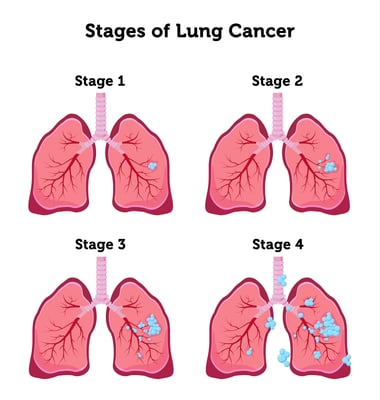
- Patients in early stages (Stage I or II) may require surgery and fewer therapy sessions, resulting in lower expenses.
- For advanced stages (Stage III or IV), where multiple treatments or combination therapies are used, the total cost may be higher.
Cost Inclusions
- Oncologist’s consultation and professional fees
- Surgery or therapy costs, including operating room, anesthesia, and medical consumables
- Hospital stay and nursing care during treatment or recovery
- Routine investigations, such as blood tests, X-rays, and CT scans performed during hospitalization
- Standard medications and supportive care provided during the active treatment phase
- Follow-up consultations within the hospital during the initial recovery period
Cost Exclusions
- Pre-treatment diagnostic tests (PET-CT, biopsy, molecular testing, etc.) performed before admission
- Targeted therapy or immunotherapy drugs, if imported or branded
- An extended hospital stay in case of complications or additional procedures
- Rehabilitation or physiotherapy after surgery
- Travel, visa, and accommodation for the patient and companion
- Post-treatment follow-ups once the patient returns home
What Is the Cost of Lung Cancer Treatment in Different Indian Cities?
The cost of lung cancer treatment in India varies slightly from one city to another. The difference is mainly due to variations in hospital infrastructure, doctor expertise, and overall living costs across each region.
Below is an approximate city-wise cost range to help international patients plan their budget more accurately:
City | Average Cost (USD) | Approx. Cost (INR) |
| New Delhi | $4,500 – $8,000 | ₹3.7 – ₹6.6 lakh |
| Mumbai | $5,000 – $8,500 | ₹4.1 – ₹7.1 lakh |
| Chennai | $4,200 – $7,500 | ₹3.4 – ₹6.2 lakh |
| Bangalore | $4,800 – $8,000 | ₹3.9 – ₹6.6 lakh |
| Hyderabad | $4,500 – $7,800 | ₹3.7 – ₹6.4 lakh |
- Delhi and Mumbai: Known for advanced oncology centers and globally trained specialists; slightly higher but comprehensive.
- Chennai and Hyderabad: Offer excellent medical expertise at moderately lower costs.
- Bangalore: Popular among international patients for modern hospitals and strong patient-support infrastructure.
What Factors Affect the Cost of Lung Cancer Treatment in India?
While India offers lung cancer treatment at a much lower cost than most countries, the final expense can vary depending on several medical and logistical factors. Here are the key elements that influence the total price:
- Type and Stage of Cancer: Early-stage lung cancer (Stage I–II) usually requires surgery or limited therapy, whereas advanced stages (Stage III–IV) need multiple chemotherapy or radiation sessions, which increases overall cost.
- Treatment Method Chosen: The cost differs based on whether the patient undergoes surgery, chemotherapy, radiation therapy, targeted therapy, or immunotherapy.
- Hospital Selection: Multispecialty and internationally accredited hospitals in major cities, such as Delhi, Mumbai, or Bangalore, charge slightly more than smaller regional centers.
- Oncologist’s Experience: Highly experienced or internationally trained oncologists may have higher consultation and procedure fees.
- Type of Medicines Used: Imported or branded chemotherapy, targeted therapy, or immunotherapy drugs are costlier than locally manufactured generic alternatives.
- Duration of Treatment: The number of therapy cycles, hospital stays, and follow-up visits directly impacts the total cost of treatment.
- Patient’s General Health: Patients with other health issues, such as heart or kidney conditions, may require additional medical care or extended hospitalization, which can increase expenses.
- Room Category and Hospital Stay: Selecting a private or deluxe room, or requiring extended post-treatment monitoring, may result in increased total billing.
How Does the Cost in India Compare With Other Countries?
Lung cancer treatment in India is considerably more affordable than in Western and Middle Eastern countries. Despite the lower cost, Indian hospitals offer access to advanced infrastructure, skilled specialists, and modern treatment options.
Below is a general cost comparison:
Country | Average Cost (USD) |
| United States | $35,000 – $60,000 |
| United Kingdom | $30,000 – $50,000 |
| UAE | $25,000 – $40,000 |
| Singapore | $20,000 – $35,000 |
| India | $4,500 – $8,500 |
Patients can save up to 70–80% on total treatment expenses by choosing India, while still receiving internationally standardized medical care. The cost difference is due to lower operational expenses and favorable currency exchange rates, not due to any compromise in treatment quality.
Why Should You Choose India for Lung Cancer Treatment?
India is a leading destination for affordable and advanced cancer care. Patients from around the world choose India for lung cancer treatment due to these key reasons:
- Advanced Oncology Infrastructure: Major Indian hospitals are equipped with state-of-the-art radiation therapy systems, PET-CT scanners, and robotic surgical units.
- Experienced and Globally Trained Oncologists: India’s oncologists have trained at top global institutions and are skilled in the latest cancer therapies, including immunotherapy, targeted therapy, and minimally invasive thoracic surgery.
- Affordable Treatment Packages: Lung cancer treatment in India costs a fraction of what it does in the US or Europe. Despite this price difference, hospitals maintain international standards of hygiene, safety, and care.
- Accredited Hospitals: Most major Indian hospitals that treat international patients are NABH or JCI accredited, ensuring they meet globally recognized quality standards.
- Seamless Patient Support: Hospitals have dedicated international patient service teams to assist with medical visa documentation, airport pickup, accommodation, and post-treatment travel coordination.
- English-Speaking Medical Staff: Doctors, nurses, and coordinators communicate fluently in English, ensuring comfort and clarity for foreign patients throughout their treatment journey.
- Short Waiting Times: Unlike in other developed countries, India offers prompt appointments and immediate treatment scheduling, enabling patients to begin therapy without delay.
What Is the Recovery and Success Rate After Lung Cancer Treatment?
Recovery from lung cancer varies depending on the type of therapy, the stage at which the cancer is detected, and the patient’s overall health. With advances in oncology, both recovery times and success rates have improved significantly in recent times.
Recovery After Treatment
- After Surgery: Patients who undergo surgery such as lobectomy or pneumonectomy usually stay in the hospital for 5 to 7 days. Most lung cancer patients can return to their normal daily activities within 4 to 6 weeks, although it may take several months for their lung function to return to normal.
- After Chemotherapy: Recovery between cycles is typically 1 to 2 weeks, depending on the body’s response and side effects. Supportive medications help manage side effects such as fatigue, nausea, or low immunity.
- After Radiation Therapy: Radiation may cause mild fatigue or irritation in the treated area, which typically improves within a few weeks of completing therapy.
- After Targeted or Immunotherapy: These modern therapies generally cause fewer side effects than chemotherapy. Most patients continue daily activities during treatment, with periodic monitoring by their oncologist.
Success Rate of Lung Cancer Treatment
The success rate of lung cancer treatment depends on the cancer stage and the treatment approach:
- Early-Stage Lung Cancer (Stage I–II): With timely surgery and/or targeted therapy, success rates can reach 60–80%, with many patients living long, healthy lives.
- Locally Advanced (Stage III): Combination therapy (surgery, chemo, radiation) can achieve success rates of around 40–50%.
- Advanced-Stage (Stage IV): For metastatic cancer, targeted and immunotherapy options have extended median survival to 2–5 years in many patients, improving both quality and length of life.
ការព្យាបាលជំងឺមហារីកសួត ការប្រៀបធៀបតម្លៃតាមប្រទេស
ប្រៀបធៀបការចំណាយ ការព្យាបាលជំងឺមហារីកសួត នៅទូទាំងប្រទេសផ្សេងៗដើម្បីធ្វើការសម្រេចចិត្តប្រកបដោយព័ត៌មានអំពីការព្យាបាលវេជ្ជសាស្រ្តរបស់អ្នក។
| រសុករេស | ជួរចំណាយ (ដុល្លារអាមេរិក) | ការសន្សំសក្តានុពល | កិច្ច |
|---|---|---|---|
ប្រទេសឥណ្ឌាថ្ផី currentតម្លៃដ៏ល្អបំផុត | $4,500 - $8,500 | — | ទទួលបានការដកស្រង់ |
សម្គាល់ៈ ការចំណាយអាចខុសគ្នាអាស្រ័យលើជម្រើសមន្ទីរពេទ្យប្រភេទរបៀបសេវាកម្មបន្ថែមនិងតម្រូវការផ្នែកវេជ្ជសាស្រ្តនីមួយៗ។
មន្ទីរពេទ្យឈានមុខគេសម្រាប់ ការព្យាបាលជំងឺមហារីកសួត ក្នុង ប្រទេសឥណ្ឌា
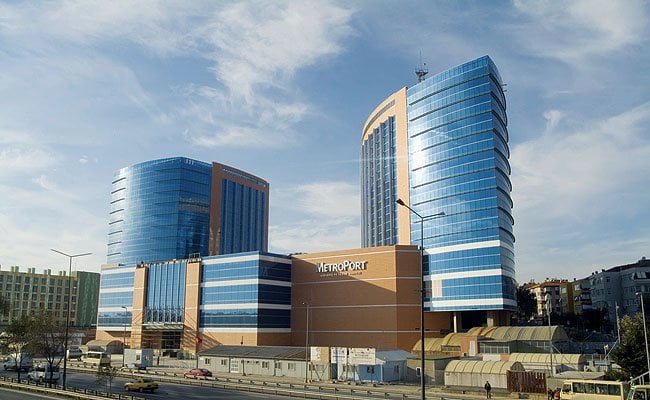
ឧទ្យានវេជ្ជសាស្ត្រ Bahcelievler មន្ទីរពេទ្យ
Medical Park Bahcelievler Hospital គឺជាមន្ទីរពេទ្យដែលមានការទទួលស្គាល់ពី JCI ដែលមានគ្រែ 242 នៅទីក្រុងអ៊ីស្តង់ប៊ុល ដែលបានបង្កើតឡើងក្នុងឆ្នាំ 2007។ លាតសន...
ការទទួលស្គាល់

មធ្យោបាយបរិក្ខារ

មន្ទីរពេទ្យ Hisar Intercontinental ទីក្រុងអ៊ីស្តង់ប៊ុល។
មន្ទីរពេទ្យ Hisar Intercontinental ក្នុងទីក្រុងអ៊ីស្តង់ប៊ុល គឺជាមន្ទីរពេទ្យពហុឯកទេសដែលមានគ្រែចំនួន 212 ដែលត្រូវបានទទួលស្គាល់ដោយ JCI ដែលលាតសន្ធឹងលើផ្ទៃ...
ការទទួលស្គាល់
មធ្យោបាយបរិក្ខារ
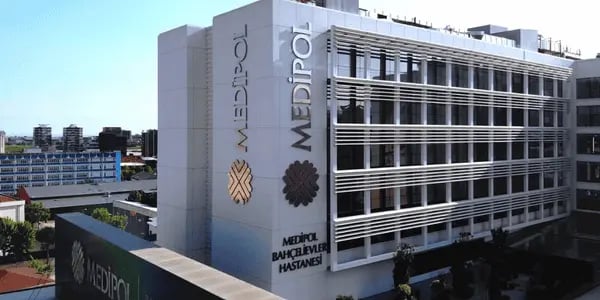
មន្ទីរពេទ្យ Medipol Bahçelievler
មន្ទីរពេទ្យ Medipol Bahçelievler គឺជាមន្ទីរពេទ្យឯកជនទំហំ 441 គ្រែក្នុងទីក្រុងអ៊ីស្តង់ប៊ុល ដែលបានចាប់ផ្តើមប្រតិបត្តិការក្នុងខែឧសភា ឆ្នាំ 2022។ គ្របដណ្ត...
ការទទួលស្គាល់
មធ្យោបាយបរិក្ខារ
នីតិវិធីស្រដៀងគ្នា
វិចិរតសាល
សំណួរគេសួរញឹកញាប់
អ្នកវិស្វិក
មើលទាំងអស់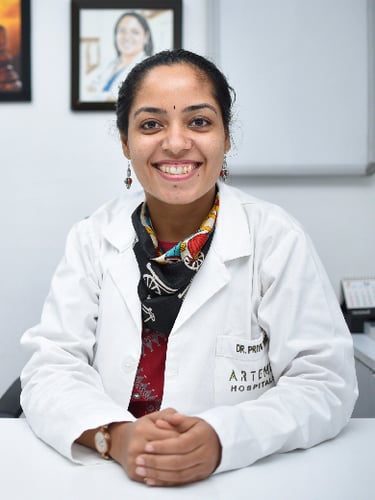
Dr. Priya Tiwari is a renowned medical oncologist trained at the prestigious All India Institute of Medical Sciences (AIIMS). She specializes in comprehensive cancer care and is committed to deliver... អានបន្ថែម

គេហទំព័ររបស់យើងប្រើខូឃីស៍។ គោលការណ៍ភាពឯកជន.