
Tratamento do câncer colorretal Custo em Índia
Sobre Tratamento do câncer colorretal
O câncer colorretal é um dos cânceres mais comuns em todo o mundo. No entanto, também é um dos mais evitáveis e altamente tratáveis quando detectados precocemente. De acordo com a Organização Mundial da Saúde (OMS), a empresa está entre osOs três principais cânceres globalmente, com mais de1,9 milhão de novos casosrelatado a cada ano. Apesar desses números, as taxas de sobrevivência continuam melhorando graças aos avanços na triagem precoce, cirurgia minimamente invasiva e terapias personalizadas.
Esta doença geralmente começa silenciosamente, com poucos ou nenhum sintoma em seus estágios iniciais. Com o tempo, pode interferir na digestão, nutrição e saúde geral. Hoje, o atendimento médico de vanguarda se concentra não apenas na remoção de tumores, mas também emPreservando a função intestinal normal,Prevenindo a recorrênciae garantir a qualidade de vida do paciente durante e após o tratamento.
O que é o câncer colorretal e seus tipos?
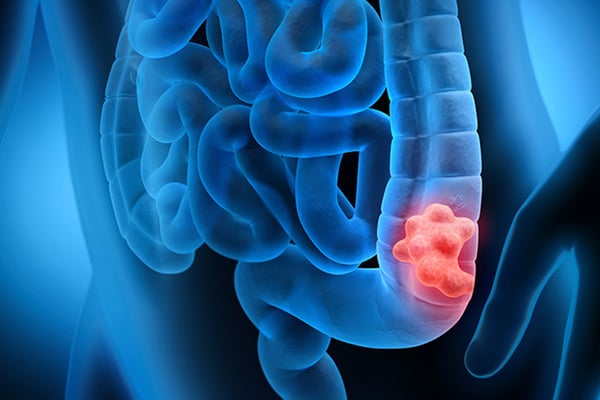
O câncer colorretal começa no revestimento do intestino grosso, que inclui odois pontoseretro. O cólon absorve água e nutrientes dos alimentos ingeridos, enquanto o reto armazena resíduos antes da eliminação. O câncer se desenvolve quando as células crescem incontrolavelmente nessas áreas, formando tumores que podem se espalhar para os tecidos próximos ou órgãos distantes.
A maioria dos cânceres de cólon começa com pequenos crescimentos chamadospólipos. Esses pólipos são inicialmente benignos, mas com o tempo, certos tipos podem se tornar cancerígenos. Detectá-los e removê-los precocemente, geralmente por meio de uma colonoscopia de rotina, pode prevenir completamente a doença.
Os médicos classificam o câncer colorretal em vários tipos principais, com base em onde ele começa e como as células se comportam:
- Adenocarcinoma:Este é o tipo mais comum, representando quase 95% de todos os cânceres colorretais. Começa pelas células glandulares que revestem o cólon e o reto, que produzem muco.
- Adenocarcinoma mucinoso:Este subtipo produz muco excessivo, o que pode tornar o câncer de cólon mais agressivo e mais difícil de detectar. Representa cerca de 10 a 15% de todos os tumores colorretais.
- Carcinoma de células de anel de sinete:Uma forma rara, mas agressiva, se espalha rapidamente e geralmente afeta os mais jovens. Ele representa menos de 1% de todos os casos, mas requer uma gestão especializada.
- Carcinoma de células escamosas e outras formas raras:Esses cânceres se desenvolvem a partir das células planas do reto ou de outros tipos de tecidos raros. Embora incomuns, eles podem exigir abordagens de tratamento combinadas, incluindo radiação e quimioterapia.
O câncer de cólon pode afetar qualquer pessoa, mas oO risco aumenta após os 50 anos, particularmente em pessoas com história familiar, doença inflamatória intestinal ou dietas ricas em carnes vermelhas e processadas. A triagem regular continua sendo a ferramenta mais eficaz para prevenção e detecção precoce.
Quais são os sintomas do câncer colorretal?
O câncer de cólon geralmente se desenvolve silenciosamente. Em seus estágios iniciais, pode causar poucos ou nenhum sintoma, razão pela qual muitas pessoas são diagnosticadas somente após uma triagem de rotina. À medida que o câncer colorretal progride, os sintomas se tornam mais visíveis e podem afetar a digestão, os hábitos intestinais e os níveis de energia geral.
Os sintomas comuns incluem:
- Mudanças nos hábitos intestinais, como diarreia constante, constipação ou alternação entre os dois.
- Sangue nas fezes ou nas fezes escuras indicam sangramento no cólon ou no reto.
- Desconforto abdominal, inchaço ou cãibras que não desaparecem.
- Uma sensação de esvaziamento incompleto, mesmo depois de passar nas fezes.
- Perda de peso inexplicável ou perda de apetite em um curto período.
- Fadiga persistente ou fraqueza, geralmente devido à perda de sangue e anemia interna.
Sinais menos comuns, mas preocupantes
- Fezes estreitas ou em forma de fita
- Náuseas ou vômitos inexplicáveis
- Dor na região lombar ou na região pélvica
- Icterícia, se o câncer se espalhar para o fígado
Esses sintomas nem sempre indicam câncer. Condições como hemorroidas, infecções ou síndrome do intestino irritável podem causar problemas semelhantes. No entanto, quando esses problemas persistirem além de algumas semanas, é essencial consultar um gastroenterologista ou oncologista para avaliação.
Como o câncer de cólon é diagnosticado?
O diagnóstico precoce e preciso é a base de um tratamento bem-sucedido do câncer de cólon. Os oncologistas usam uma combinação de exames físicos, exames de imagem e investigações laboratoriais para detectar a doença, determinar seu estágio e planejar a estratégia de tratamento mais eficaz.
Antecedentes médicos e exame físico
O médico começa discutindo seus sintomas, hábitos de vida e histórico familiar de câncer. Um exame físico detalhado ajuda a identificar anormalidades visíveis ou palpáveis, especialmente se os tumores estiverem localizados na área retal.
Testes de diagnóstico e diagnóstico
- Colonoscopia:A colonoscopia continua sendo o padrão para detectar câncer colorretal. Durante este teste, o médico usa um tubo flexível com uma câmera para examinar o cólon e o reto. Crescimentos suspeitos ou pólipos podem ser removidos ou biopsiados durante o mesmo procedimento.
- Sigmoidoscopia:Este teste se concentra na parte inferior do cólon e do reto. É frequentemente usado quando os sintomas são localizados ou quando não é necessária uma colonoscopia completa.
- Testes baseados em fezes:Esses testes detectam sangue oculto ou DNA anormal em amostras de fezes. As opções incluem o exame de sangue oculto nas fezes (FOBT), teste imunoquímico fecal (FIT) e testes de DNA de fezes, como ColoGuard®.
- Exames de imagem:TC, ressonância magnética e PET-CT ajudam os médicos a visualizar o tumor, avaliar se ele se espalhou para outros órgãos e planejar cirurgia ou radiação com precisão. A colonoscopia por TC (colonoscopia virtual) oferece uma alternativa não invasiva para pacientes incapazes de se submeter à colonoscopia tradicional.
- Biópsia:A biópsia fornece o diagnóstico mais definitivo. O patologista examina uma pequena amostra de tecido ao microscópio e confirma se as células são cancerosas.
Exames de sangue e análise genética
Os médicos podem solicitar exames para verificarmarcadores tumorais, como o CEA (antígeno carcinoembrionico), que ajuda a monitorar a progressão da doença. Testes genéticos e moleculares identificam mutações específicas (como KRAS ou BRAF) que orientam as decisões de terapia direcionadas.
Quais são as opções de tratamento para o câncer de cólon?
O tratamento do câncer de cólon depende do estágio do câncer, da localização do tumor e da saúde geral do paciente. O principal objetivo é destruir as células cancerígenas, prevenir a recorrência e restaurar a função normal do intestino.
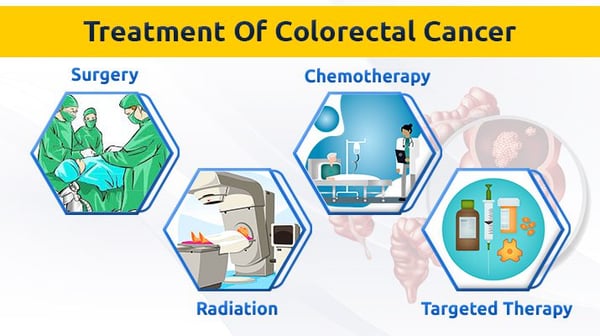
cirurgia
A cirurgia continua sendo a pedra angular do tratamento do câncer colorretal. Ele oferece a maior chance de cura, especialmente quando o câncer é detectado no início. O oncorurgião remove o tumor junto com uma margem de tecido saudável do cólon e linfonodos próximos para reduzir o risco de recorrência.
Tipos de cirurgia:
- Polipectomia e excisão local:Usado para cânceres muito precoces confinados a pequenos pólipos. O cirurgião os remove durante uma colonoscopia sem grandes incisões.
- Colectomia:O procedimento envolve a remoção de parte ou de todo o cólon que contém o tumor. Os cirurgiões podem realizá-lo por meio de cirurgias abertas tradicionais ou técnicas laparoscópicas ou assistidas minimamente invasivas, que permitem uma recuperação mais rápida.
- Colostomia ou ileostomia:Em alguns casos, uma abertura temporária é criada no abdômen para permitir a passagem de resíduos se o intestino precisar de repouso após a cirurgia.
- Cirurgia Transanal:Para cânceres retais em estágio inicial, os cirurgiões podem remover tumores diretamente através do ânus sem incisões abdominais.
Os avanços nas técnicas cirúrgicas agora permitem procedimentos de preservação de nervos e esfíncteres, ajudando os pacientes a manter o controle normal do intestino e a qualidade de vida após a recuperação.
quimioterapia
A quimioterapia usa medicamentos que destroem as células cancerígenas que se dividem rapidamente. A quimioterapia pode ser administrada antes da cirurgia (Terapia neoadjuvante) para diminuir o tumor ou após a cirurgia (terapia adjuvante) para eliminar qualquer célula cancerígena remanescente.
Medicamentos comumente usados:
- 5-fluorouracil (5-FU)
- oxaliplatina
- irinotecano
- Capecitabina (Xeloda)
Regimes de combinação, comofolfoxoufolfiriSão tratamentos padrão para doenças avançadas ou metastáticas. Os protocolos modernos de quimioterapia são muito mais toleráveis atualmente, com medicamentos eficazes para controlar os efeitos colaterais, como náuseas ou fadiga.
radioterapia
A radioterapia usa feixes de alta energia para matar células cancerígenas ou impedi-las de se multiplicar. É mais comumente usado paracâncer retalPara diminuir o tumor antes da cirurgia ou para reduzir a recorrência após a cirurgia.
Tecnologias avançadas, como radioterapia modulada por intensidade (IMRT) e radioterapia guiada por imagem (igrt) fornecem radiação precisamente para o tumor, poupando tecidos saudáveis.
terapia direcionada
Os medicamentos direcionados atacam moléculas específicas que ajudam as células cancerosas a crescer. Essas terapias não prejudicam as células normais, tornando-as mais precisas do que a quimioterapia padrão.
Os medicamentos direcionados comuns incluem:
- Bevacizumab (Avastin): bloqueia a formação de vasos sanguíneos que alimentam os tumores.
- Cetuximab (erbitux)ePanitumumab (Vetibix): Bloqueie os receptores de EGFR nas células cancerígenas.
A terapia direcionada é benéfica para o câncer colorretal metastático e é frequentemente combinada com quimioterapia para melhor controle.
imunoterapia
A imunoterapia ajuda o sistema imunológico do corpo a reconhecer e atacar as células cancerígenas. É usado principalmente para pacientes com câncer colorretal de alta instabilidade (MSI-H) ou incompatibilidade de incompatibilidade de reparos (DMMR).
medicamentos comopembrolizumab (keytruda)eNivolumab (Opdivo)têm apresentado resultados promissores, especialmente em casos avançados ou recorrentes.
Cuidados paliativos e de suporte
Para estágios avançados, os médicos se concentram em melhorar a qualidade de vida por meio deAlívio dos sintomas,controle da dor, esuporte nutricional. Os cuidados paliativos funcionam ao lado do tratamento médico para manter o conforto, a dignidade e o bem-estar emocional.
Obtenha um plano de tratamento gratuito
Sobre Tratamento do câncer colorretal em Índia
Qual é o custo do tratamento do câncer de cólon na Índia?
Os custos do tratamento do câncer de cólon na Índia variam dependendo do estágio da doença, do tipo de tratamento necessário e do hospital ou centro oncológico escolhido. Em média, o custo varia entre₹ 2.50.000 e ₹ 9.00.000 (aproximadamente US$ 3.000 a US$ 10.800)para tratamento completo, incluindo cirurgia, quimioterapia e radiação.
Custo médio do tratamento do câncer colorretal na Índia
Tipo de tratamento | Custo Médio (INR) | Custo médio (USD) |
| Testes de diagnóstico e biópsia | ₹15.000 – ₹40.000 | $ 180 – $ 480 |
| Cirurgia (Colectomia / Ressecção Retal) | ₹2,50.000 – ₹5,00.000 | US$ 3.000 – US$ 6.000 |
| Quimioterapia (por ciclo) | ₹35.000 – ₹80.000 | $ 420 – $ 960 |
| Curso Completo de Quimioterapia (6–12 ciclos) | ₹ 2.00.000 – ₹ 6.00.000 | US$ 2.400 – US$ 7.200 |
| Radioterapia (IMRT/IGRT) | ₹1,50.000 – ₹3.00.000 | US$ 1.800 – US$ 3.600 |
| Terapia direcionada | ₹1,80.000 – ₹4.00.000 | US$ 2.150 – US$ 4.800 |
| Imunoterapia (por dose) | ₹2,50.000 – ₹4,50.000 | US$ 3.000 – US$ 5.400 |
| Tratamento Abrangente Total (Estimado) | ₹2.50.000 – ₹9.00.000+ | $ 3.000 – $ 10.800 + |
- Cânceres em estágio inicialque requerem apenas cirurgia ou quimioterapia limitada são menos dispendiosos.
- Cânceres avançados ou metastáticosque envolvem múltiplas modalidades de tratamento, como terapia direcionada ou imunoterapia, podem aumentar os custos.
- Cirurgias minimamente invasivas ou robóticaspode ter um custo inicial mais alto, mas proporciona uma recuperação mais rápida e menos dias de hospitalização.
Mesmo na faixa superior,tratamento de câncer colorretal na Índiacusta significativamente menos do que na maioria dos países ocidentais, mantendo os mesmos padrões médicos, tecnologias e taxas de sucesso.
Hospitais e centros de câncer geralmente oferecem planos de tratamento com tudo incluído que cobrem serviços médicos, cirúrgicos e de internação. No entanto, certos custos podem variar dependendo das necessidades individuais e da duração do tratamento.
Inclusões:
Um pacote abrangente de tratamento do câncer colorretal geralmente cobre o seguinte:
- Taxas de consulta com oncologista e cirurgião
- Avaliação pré-operatória e investigações (exames de sangue, imagem, colonoscopia, biópsia)
- Taxas de hospitalização e centro cirúrgico
- Taxas de anestesia e cirurgia
- Sessões de quimioterapia ou radioterapia conforme prescrito no plano de tratamento
- Medicamentos pós-operatórios e cuidados de enfermagem hospitalares
- Visitas de acompanhamento de rotina durante o período de tratamento
- Serviços de apoio ao paciente, incluindo planejamento de dieta e fisioterapia, se necessário
Estas inclusões garantem que os aspectos médicos do diagnóstico, tratamento e recuperação imediata sejam cobertos de forma transparente e sem custos ocultos.
Exclusões:
Algumas despesas podem ficar fora do pacote de custos padrão e são cobradas separadamente, como:
- Medicamentos direcionados ou de imunoterapia de alto custo não estão incluídos nos pacotes básicos
- Uma internação hospitalar adicional além da duração recomendada
- Testes moleculares ou genéticos avançados para decisões terapêuticas personalizadas
- Medicamentos pós-alta e suprimentos de cuidados domiciliares
- Viagem, visto e acomodação para pacientes e acompanhantes internacionais
- Gestão de condições médicas não relacionadas identificadas durante o tratamento
Os hospitais normalmente oferecemestimativa detalhada de custos antes de iniciar o tratamento, descrevendo todas as possíveis inclusões e exclusões.
Custo do tratamento do câncer colorretal City-Wise na Índia
O custo do tratamento do câncer colorretal varia entre as principais cidades indianas, dependendo da infraestrutura hospitalar, da tecnologia, da experiência do oncologista e do custo geral de vida. Embora os hospitais de primeira linha nas cidades metropolitanas possam cobrar um pouco mais, o nível de especialização, o equipamento avançado e o atendimento abrangente justificam o investimento.
Cidade | Custo Médio do Tratamento (INR) | Custo médio do tratamento (USD) |
| Deli NCR | ₹3.00.000 – ₹9.00.000 | US$ 3.600 – US$ 10.800 |
| Bombaim | ₹3,50.000 – ₹9,50.000 | US$ 4.200 – US$ 11.400 |
| Bangalore | ₹2,80.000 – ₹8,50.000 | US$ 3.350 – US$ 10.200 |
| Chennai | ₹2,70.000 – ₹8,00.000 | US$ 3.250 – US$ 9.600 |
| Hyderabad | ₹2,50.000 – ₹7,50.000 | US$ 3.000 – US$ 9.000 |
| Puna | ₹2,60.000 – ₹7,80.000 | US$ 3.100 – US$ 9.350 |
| Calcutá | ₹2,40.000 – ₹7,00.000 | US$ 2.900 – US$ 8.400 |
Como o custo na Índia se compara a outros países?
O tratamento do câncer colorretal na Índia oferece o mesmo nível de conhecimento médico, tecnologia avançada e precisão cirúrgica que os principais centros globais de câncer, mas a um custo muito menor. A principal diferença não reside na qualidade dos cuidados, mas nas menores despesas com infra-estruturas, operacionais e medicamentos, que tornam o tratamento na Índia significativamente mais acessível para pacientes internacionais.
País | Custo Total Médio (USD) | Custo aproximado (INR) |
| Índia | US$ 3.000 – US$ 10.800 | ₹2,50.000 – ₹9,00.000 |
| Estados Unidos | US$ 40.000 – US$ 80.000 | ₹33.00.000 – ₹66.00.000 |
| Reino Unido | US$ 30.000 – US$ 60.000 | ₹ 24.00.000 – ₹ 49.50.000 |
| Cingapura | US$ 25.000 – US$ 50.000 | ₹ 20.50.000 – ₹ 41.00.000 |
| Tailândia | US$ 15.000 – US$ 25.000 | ₹12.00.000 – ₹20.50.000 |
| Emirados Árabes Unidos / Dubai | US$ 20.000 – US$ 40.000 | ₹ 16.50.000 – ₹ 33.00.000 |
Quais fatores afetam o custo do tratamento do câncer colorretal na Índia?
Os custos do tratamento do câncer colorretal podem variar de um paciente para outro. A despesa total depende de vários fatores pessoais e médicos, incluindo o estágio do câncer, o tipo de tratamento necessário e o hospital onde o tratamento é realizado.
Aqui estão os principais fatores que influenciam o custo geral:
- Estágio do Câncer:O câncer em estágio inicial geralmente precisa de cirurgia e terapia limitada, o que o torna mais barato. Os estágios avançados requerem múltiplos tratamentos, como quimioterapia, radiação ou imunoterapia, o que aumenta o custo total.
- Tipo de Tratamento:A combinação de terapias desempenha um papel significativo. Cirurgia, quimioterapia, radiação, terapia direcionada e imunoterapia aumentam de forma diferente o custo geral, dependendo do que seu médico recomenda.
- Hospital e Instalações:Hospitais com tecnologia moderna, sistemas de cirurgia robótica e unidades avançadas de tratamento do câncer cobram taxas mais altas do que centros menores. A qualidade da infraestrutura e o conforto do paciente também afetam o preço.
- Experiência do médico:Oncologistas e cirurgiões seniores com treinamento especializado podem cobrar mais, mas sua experiência melhora a precisão, a segurança e as taxas de sucesso.
- Testes de diagnóstico e imagem:Exames como colonoscopia, biópsia, tomografia computadorizada, ressonância magnética ou PET-CT são essenciais para o diagnóstico e acompanhamento. Cada teste adiciona uma parcela menor ao custo total.
- Duração da internação hospitalar:A maioria dos pacientes permanece no hospital por cerca de 5 a 10 dias após a cirurgia. Estadias prolongadas, principalmente para casos complexos ou avançados, podem aumentar a conta final.
- Medicamentos usados:Os medicamentos quimioterápicos padrão são relativamente acessíveis. No entanto, os tratamentos mais recentes, como medicamentos específicos ou imunoterapia, são mais caros devido à sua tecnologia avançada e aos custos de importação.
Qual é o tempo de recuperação e a taxa de sucesso após o tratamento do câncer colorretal?
A recuperação após o tratamento do câncer colorretal depende do tipo de cirurgia, do estágio da doença e da saúde geral do paciente. Com técnicas cirúrgicas modernas e melhores cuidados pós-operatórios, a recuperação é mais rápida e os resultados a longo prazo são excelentes.
Cronograma de recuperação
- Estadia Hospitalar:A maioria dos pacientes com câncer de cólon permanece no hospital por 5 a 10 dias após a cirurgia.
- Fase inicial de recuperação:As primeiras duas semanas concentram-se no cuidado de feridas, controle da dor e recuperação da função intestinal.
- Voltar à rotina:A atividade leve é retomada dentro de 4 a 6 semanas, enquanto a recuperação completa geralmente leva cerca de 2 a 3 meses.
- Recuperação de terapia combinada:Os pacientes que recebem quimioterapia ou radiação podem sentir fadiga temporária, que melhora gradualmente com cuidados de suporte.
- Dieta e estilo de vida:Os médicos recomendam uma dieta leve e nutritiva e atividade física suave para promover a saúde intestinal e a força geral.
Taxa de sucesso
O câncer colorretal tem uma das maiores taxas de sobrevivência entre os principais tipos de câncer quando tratado precocemente.
- Estágio inicial (estágio I-II)show de câncer90–95% de sobrevivência a longo prazoapós cirurgia e terapia adjuvante.
- Estágio IIIcasos têm umTaxa de sucesso de 70–80%com tratamento combinado.
- Atécânceres avançados ou metastáticosbeneficiar de medicamentos direcionados e de imunoterapia, melhorando a sobrevivência e mantendo uma boa qualidade de vida.
Hoje, com precisão cirúrgica avançada, terapias medicamentosas eficazes e pós-atendimento abrangente, muitos pacientes se recuperam totalmente e retornam à vida normal e ativa após o tratamento do câncer colorretal.
Por que escolher a Índia para o tratamento do câncer de cólon?
A Índia tornou-se um destino líder no tratamento avançado do cancro, oferecendo uma rara combinação de conhecimentos médicos de classe mundial, infra-estruturas modernas e preços acessíveis.
- Oncologistas experientes:A Índia abriga especialistas em câncer altamente qualificados, treinados em instituições globais líderes. Muitos oncologistas se especializam especificamente em câncer colorretal e gastrointestinal.
- Tecnologia Avançada:Os hospitais utilizam as ferramentas mais recentes, incluindo cirurgia assistida por robótica, radioterapia IMRT/IGRT, imagens PET-CT e protocolos direcionados ou de imunoterapia que atendem aos padrões internacionais.
- Centros abrangentes de câncer:Os principais hospitais oferecem uma abordagem multidisciplinar, combinando oncologia cirúrgica, médica e de radiação sob o mesmo teto para atendimento abrangente.
- Custos acessíveis:O tratamento na Índia custa até 70% menos do que nos países ocidentais, embora sejam utilizados os mesmos protocolos e tecnologia avançada.
- Altas taxas de sucesso:Os centros indianos relatam excelentes resultados de sobrevivência, especialmente para cancros em fase inicial, apoiados por fortes programas de acompanhamento e reabilitação.
Suporte abrangente para pacientes internacionais
Hospitais na Índia oferecem serviços dedicados para tornar as viagens médicas tranquilas e sem estresse para pacientes internacionais.
- Assistência Pré-Chegada:Os coordenadores médicos analisam os detalhes dos casos, organizam consultas médicas e compartilham estimativas transparentes de custos de tratamento antes da viagem.
- Ajuda para viagens e vistos:Os hospitais emitem cartas-convite para vistos e auxiliam no planejamento de viagens e acomodação.
- Coordenação de Chegada:Recolha no aeroporto, transferências hospitalares e agentes dedicados de relações com os pacientes garantem uma experiência perfeita desde a chegada até à alta.
- Apoio linguístico e cultural:A equipe multilíngue e os tradutores ajudam os pacientes a se comunicarem facilmente com médicos e enfermeiros.
- Acompanhamento Pós-Tratamento:Depois de regressar a casa, os pacientes continuam a receber consultas online e aconselhamento médico para monitorizar a recuperação e a saúde a longo prazo.
Tratamento do câncer colorretal Comparação de custos por país
Compare os custos de Tratamento do câncer colorretal em diferentes países para tomar uma decisão informada sobre o seu tratamento médico.
| País | Faixa de custo (USD) | Poupança potencial | Ação |
|---|---|---|---|
ÍndiaAtualMelhor valor | $3,000 - $10,800 | — | Obter cotação |
Observação: Os custos podem variar de acordo com a escolha do hospital, tipo de quarto, serviços adicionais e requisitos médicos individuais.
Hospitais líderes para Tratamento do câncer colorretal em Índia

Hospital Super Especializado BLK-Max, Nova Delhi
O BLK-Max Super Speciality Hospital em Nova Delhi é uma das principais instituições de saúde da Índia, oferecendo 650 leitos, 22 salas de operações av...
Acreditações


Instalações

Max Smart Super Speciality Hospital, Saket, Nova Delhi
O Max Smart Super Speciality Hospital, Saket, é um hospital terciário com 250 leitos no sul de Delhi. Oferece atendimento médico e cirúrgico avançado ...
Acreditações
Instalações
Hospital PSRI, Delhi
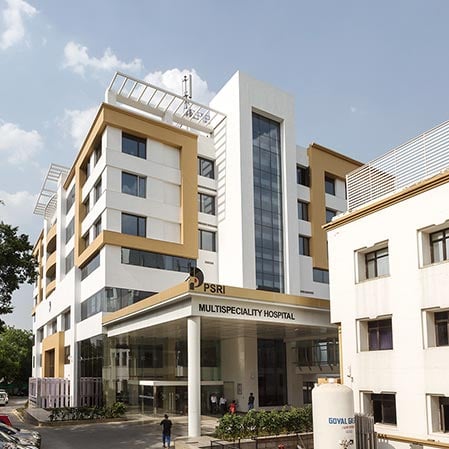
O Instituto de Pesquisa Pushpawati Singhania (Hospital PSRI), em Nova Delhi, é um hospital terciário multiespecializado líder estabelecido em 1996 pel...
Acreditações
Instalações
Procedimentos semelhantes
Galeria
Perguntas frequentes


Nosso site usa cookies. política de Privacidade.