
Transuretral resektion av blåstumör (TURBT) Kostnad i Indien
Om Transuretral resektion av blåstumör (TURBT)
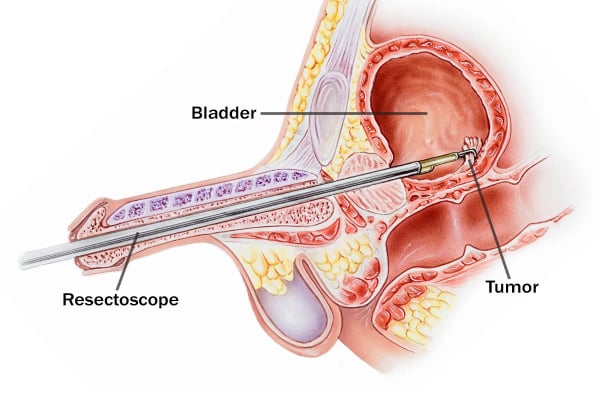
Transuretral resektion av blåstumör (TURBT) är ett minimalt invasivt kirurgiskt ingrepp som läkare använder för att ta bort tumörer från blåsväggen. Operationen utförs genom urinröret med hjälp av ett tunt, upplyst instrument som kallas ett cystoskop, vilket eliminerar behovet av yttre skärsår. TURBT spelar en nyckelroll i både att diagnostisera och behandla blåscancer i ett tidigt skede. Det hjälper till att kontrollera tumörtillväxt, förhindrar återfall och gör det möjligt för läkare att bedöma hur djupt cancern har spridit sig i blåsslemhinnan.
Vad är en blåstumör och hur utvecklas den?
En blåstumör bildas när cellerna i urinblåsan börjar växa okontrollerat. Dessa celler kan bilda en knöl eller tillväxt, vilket kan varaicke-cancerös (godartad)ellercancer (malignt). De flesta blåscancer börjar iurotelceller, samma celler som kantar insidan av urinblåsan och kommer i kontakt med urin.
Vad orsakar blåstumörer?
Flera faktorer kan leda till utvecklingen av blåstumörer:
- Rökning:Kemikalier från tobak samlas i urin och irriterar blåsslemhinnan.
- Kemisk exponering:Människor som arbetar med färger, gummi eller färgämnen kan ha en högre risk.
- Kroniska blåsinfektioner:Långvarig irritation kan orsaka onormala cellförändringar.
- Familjehistoria och ålder:Äldre vuxna och de med genetiska mutationer har en större risk.
Vilka är de vanligaste symtomen på en blåstumör?
Tidiga symtom är vanligtvis milda och kan misstas för urinvägsinfektioner.
Patienter bör konsultera en läkare om de upplever:
- Blod i urinen (hematuri)är det vanligaste tecknet.
- Smärta eller brännmedan du kissar.
- frekvent eller akut urineringutan infektion.
- Bäcken eller nedre rygg obehag, särskilt i senare skeden.
Varför är tidig upptäckt viktigt?
Att upptäcka blåstumörer i ett tidigt skede möjliggör mindre invasiv behandling och bättre långsiktiga resultat. När de fångas tidigt är tumörer vanligtvis begränsade till den inre blåsväggen och kan avlägsnas helt med TURBT. Förseningar i diagnosen kan leda till djupare invasion av cancern i blåsmuskeln, vilket kräver mer omfattande behandling senare.
Hur utförs transuretral resektion av blåstumör?
TURBT-proceduren är ett minimalt invasivt kirurgiskt ingrepp som tar bort onormala utväxter från blåsväggen. det är både endiagnostisk och terapeutiskprocedur, hjälpa läkare att bekräfta tumörtypen samtidigt som de tar bort den på ett säkert sätt.
Vad händer innan operationen?
Innan ingreppet genomgår patienterna en detaljerad utvärdering för att säkerställa att de är lämpliga för operation. det inkluderar:
- blod- och urinprovFör att kontrollera organfunktionen.
- avbildningsstudier,såsom ett ultraljud eller datortomografi, används för att lokalisera tumören.
- cystoskopi, där en liten kamera undersöker insidan av blåsan.
Läkare råder patienter att undvika mat eller dryck i flera timmar före operationen. Ingreppet utförs vanligtvis underspinal eller generell anestesi. Patienten känner ingen smärta under TURBT-operationen.
Hur går TURBT-proceduren till?
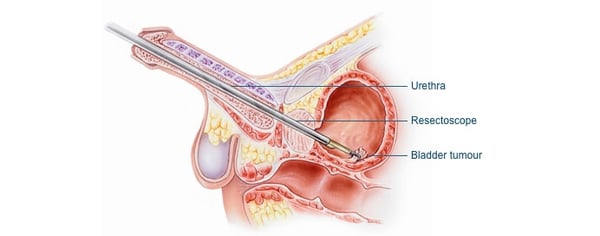
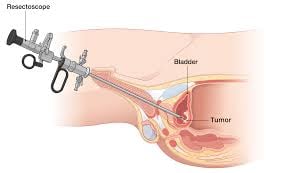
Under TURBT sätter kirurgen in encystoskop(ett tunt, flexibelt rör med kamera och kirurgisk slinga) genom urinröret in i urinblåsan. Det finns inga yttre snitt eller stygn.
Tumören är lokaliserad visuellt, och enresningsslingaDrivs av elektrisk ström används för att försiktigt ta bort cancern från blåsväggen. Små vävnadsprover skickas sedan till laboratoriet för biopsi för att avgöra om tumören är cancer och för att identifiera dess grad och stadium.
Området där tumören togs bort kauteriseras för att förhindra blödning och minska risken för återfall.
Hur lång tid tar operationen?
TURBT-proceduren varar vanligtvis mellan30 och 60 minuter, beroende på antal, storlek och placering av tumörer. I de flesta fall stannar patienter på sjukhuset förTvå till tre dagarFör observation och återhämtning.
Vad händer efter operationen?
Efter ingreppet placerar läkare tillfälligt enurinvägareFör att hjälpa till att dränera urin och låt blåsan läka. Patienter kan märka lätt sveda eller blod i urinen under några dagar. Det är normalt och går vanligtvis över med vila och medicinering. En uppföljande cystoskopi rekommenderas ofta efter några veckor för att säkerställa fullständigt tumörborttagning och för att övervaka eventuella återfall.
Är Turbt en säker procedur?
Ja, Turbt anses vara entrygg och vältolereradIngrepp När det utförs av erfarna kirurger. det medför minimal risk för komplikationer och är ofta detförstahandsbehandlingför tidigt stadium av blåscancer. Eftersom det är minimalt invasivt går återhämtningen snabbt och patienterna återgår till vardagliga aktiviteter inom en kort tid.
Få en gratis behandlingsplan
Om Transuretral resektion av blåstumör (TURBT) i Indien
What Is the Cost of TURBT in India?
The cost of Transurethral Resection of Bladder Tumor (TURBT) in India ranges between USD 1,500 and USD 3,500. It includes hospitalization, anesthesia, surgeon’s fee, operation theatre charges, and post-surgery care. The final cost may vary depending on the patient’s medical condition, tumor complexity, and duration of hospital stay.
Cost Variation Across India
TURBT procedures are available across major Indian cities, including Delhi, Mumbai, Chennai, Bangalore, and Hyderabad. Prices may differ slightly due to the regional cost of living, medical infrastructure, and hospital category. However, even the highest cost in India remains 70–80% lower than prices in Western countries.
Average Cost Breakdown
Expense Category | Estimated Cost (USD) |
| Pre-surgery tests and consultation | 150 – 250 |
| Surgeon and anesthesia charges | 600 – 1,000 |
| Operation theatre and equipment use | 400 – 700 |
| Hospital stay (2–3 days) | 300 – 600 |
| Post-surgery medicines and care | 100 – 200 |
| Total Estimated Cost | 1,500 – 3,500 |
(These are average figures, and the exact price may vary depending on clinical factors)
Why Is TURBT More Affordable in India?
India’s healthcare system offers international-quality treatment at lower operational costs. Key reasons include lower medical expenses, efficient hospital management, and favorable currency exchange rates for foreign patients. Despite lower costs, Indian hospitals maintain high standards of safety, hygiene, and technology.
What Does the TURBT Cost in India Include and Exclude?
Understanding what is covered within the TURBT package cost helps international patients plan their medical journey with confidence. In India, hospitals usually offer transparent pricing that covers all significant aspects of the surgery and stay. However, some expenses may fall outside the base package depending on individual requirements.
Inclusions: What’s Covered in the Cost
The standard cost of Transurethral Resection of Bladder Tumor (TURBT) in India generally includes:
- Preoperative investigations: Routine blood tests, urine analysis, and imaging studies.
- Surgeon’s fee and anesthesia charges: The professional charges of the surgical and anesthesia team.
- Operation theatre usage: Sterile equipment, cystoscope, and resection loop utilization.
- Hospital stay: Standard room accommodation for 2–3 days with nursing care.
- Medications during hospitalization: Antibiotics, pain relievers, and fluids that are administered during recovery.
- Post-surgery follow-up at the hospital: Medical assessment before discharge.
These components are part of the comprehensive hospital package unless the patient’s condition requires additional interventions.
Exclusions: What’s Not Included in the Cost
Certain expenses are typically not part of the base TURBT cost and may vary by patient needs:
- International and domestic travel costs.
- Accommodation outside the hospital for the patient or accompanying family members.
- An additional hospital stay beyond the standard duration due to complications or recovery delays.
- Special diagnostic procedures, such as MRI or PET scans, if advised separately.
- Post-discharge medications for home use.
International patients are encouraged to request a detailed cost breakdown before traveling to ensure complete clarity on all inclusions and exclusions.
How Does the Cost of TURBT in India Compare with Other Countries?
India offers some of the most affordable TURBT packages worldwide, while maintaining strong treatment outcomes and modern surgical standards. This cost advantage helps international patients access high-quality bladder tumor surgery without financial strain.
Country | Average Cost (USD) | Estimated Savings (%) |
| India | 1,500 – 3,500 | — |
| United States | 12,000 – 18,000 | 75–80% |
| United Kingdom | 9,000 – 14,000 | 70–75% |
| Thailand | 3,000 – 5,000 | 40–50% |
| Singapore | 6,000 – 8,500 | 55–65% |
Patients choosing India for TURBT can undergo the same minimally invasive surgery performed with endoscopic and cauterization technology used globally. Even after including travel and accommodation, total expenditure in India remains significantly lower than in Western nations. It enables access to reliable, timely, and effective cancer treatment without compromising safety or comfort.
What Factors Affect the Cost of TURBT in India?
The cost of TURBT in India depends on several medical and non-medical factors. Each patient’s case is unique, and tumor characteristics, patient health, and hospital-related factors influence the final price. Below are the key factors that determine overall cost.
- Tumor Size and Complexity: Larger or multiple bladder tumors require more time for removal and may increase the total procedure cost. Complex cases involving deeper bladder wall invasion often need a longer surgical duration and additional cauterization steps.
- Type of Anesthesia Used: TURBT can be performed under spinal or general anesthesia. The choice depends on patient preference, tumor location, and medical condition. General anesthesia usually adds a slight increase in cost due to extended monitoring and medication use.
- Duration of Hospital Stay: Most patients stay in the hospital for two to three days. However, extended stays for observation, catheter care, or complications may increase expenses related to accommodation, nursing, and medication.
- Diagnostic and Pathology Tests: Pre-surgery evaluations such as ultrasound, cystoscopy, and blood work are necessary for surgical planning. After the procedure, the removed tissue is analyzed in the laboratory to determine tumor type and grade. These pathology tests add to the total cost but are essential for accurate treatment planning.
- Technology and Equipment Used: Advanced endoscopic systems, high-definition cystoscopes, and precision cautery loops improve safety and visibility during surgery. Hospitals equipped with the latest technology can charge slightly more but provide greater accuracy and reduced risk of recurrence.
- Patient’s Overall Health Condition: Patients with existing conditions such as diabetes, hypertension, or kidney disease may require additional monitoring and medications, which can slightly increase costs. Personalized care, ICU observation, or specialist consultations can also affect the final billing.
- Postoperative Care and Follow-Up: Follow-up cystoscopy and medication prescribed after discharge are essential to prevent recurrence. Although these costs are generally minimal, they vary depending on the patient’s recovery rate and the treating physician’s advice.
What Is the Recovery and Hospital Stay Like After TURBT?
Recovery after TURBT is usually quick, as the procedure does not involve any external cuts or stitches. Most patients resume light activities within a few days, and complete recovery typically occurs within 1 to 2 weeks.
Hospital Stay Duration
- Patients are generally kept in the hospital for two to three days after surgery.
- This short stay allows doctors to monitor urine output, manage pain, and ensure there are no signs of infection or bleeding.
- A urinary catheter is placed temporarily to help the bladder drain and heal properly.
- Once urine flow is clear and stable, the catheter is removed, and patients are discharged.
Immediate Post-Surgery Phase
- Mild discomfort, burning during urination, or slight blood in the urine may occur for a few days.
- These symptoms are temporary and managed with oral medications and increased fluid intake.
- Patients are encouraged to rest and drink plenty of water to flush the bladder.
At-Home Recovery
At home, recovery continues under simple precautions. Patients should:
- Avoid strenuous exercise or lifting heavy objects for at least 2 weeks.
- Take all prescribed medications regularly.
- Monitor for fever, clot formation, or persistent pain, and contact the doctor if needed.
- Attend all scheduled follow-up appointments.
Most individuals can return to regular work routines within 10 to 14 days, depending on overall health and the body’s healing rate.
Follow-Up and Monitoring
A follow-up cystoscopy is often recommended a few weeks after the surgery. It helps doctors monitor healing progress and ensure that no new tumor growth has occurred. For some patients, additional preventive therapies such as intravesical chemotherapy may be suggested to reduce recurrence risk.
What Is the Success Rate of TURBT in India?
The success rate of Transurethral Resection of Bladder Tumor (TURBT) in India is generally 90% to 95% for early-stage, non-muscle-invasive bladder cancers. This high success rate reflects India’s use of advanced endoscopic technology, precise surgical techniques, and standardized postoperative follow-up protocols.
- Clinical Effectiveness: TURBT effectively removes visible bladder tumors in the majority of patients, enabling accurate diagnosis and staging via tissue biopsy. When performed in early-stage cases, the procedure often eliminates the tumor, minimizing the need for more invasive surgery. For superficial or low-grade bladder cancers, TURBT alone is sufficient as the primary treatment.
- Recurrence and Long-Term Control: While TURBT successfully removes tumors, bladder cancer tends to recur in some cases. To reduce recurrence, doctors often recommend regular cystoscopic monitoring and, if necessary, intravesical chemotherapy or immunotherapy after surgery. With consistent follow-up and early detection of new lesions, recurrence control rates can reach 85–90%.
- Patient Outcomes: Most patients regain normal bladder function shortly after recovery and lead active, healthy lives. Regular follow-up appointments are critical for early detection of recurrent tumors. With continued surveillance, the long-term prognosis after TURBT in India remains highly favorable.
Factors Influencing Success
Several factors impact long-term success after TURBT:
- Stage and grade of the tumor: Early, low-grade tumors have the best outcomes.
- Complete tumor removal: Precision during surgery reduces the risk of recurrence.
- Postoperative therapy adherence: Timely intravesical treatments help prevent regrowth.
- Lifestyle factors: Quitting smoking and maintaining hydration support bladder health.
Why Should You Choose India for TURBT?
India has become one of the world’s most trusted destinations for Transurethral Resection of Bladder Tumor (TURBT) and other urological treatments. International patients choose India for its combination of advanced medical infrastructure, efficient healthcare delivery, and patient-centered services.
- Advanced Surgical Technology: Hospitals in India use modern endoscopic and cautery systems that ensure precision, minimal blood loss, and faster recovery. Many facilities have integrated high-definition imaging and digital visualization, improving the surgeon’s accuracy during tumor resection.
- Comprehensive Patient Support: International patients receive end-to-end assistance, including treatment coordination, visa support, and post-surgery care guidance. Dedicated patient care teams help manage every step of the journey from airport pickup to follow-up consultation.
- High Treatment Standards: Indian healthcare institutions follow international medical protocols and maintain stringent safety and hygiene standards. Many Indian hospitals are accredited by organizations such as JCI and NABH, ensuring that patients receive care matching global benchmarks.
- Short Waiting Times: Unlike many Western countries, where patients may wait weeks for surgical appointments, TURBT procedures in India are scheduled quickly. It helps patients receive timely diagnosis, treatment, and recovery without unnecessary delays.
- Cultural Comfort and Communication: English is widely spoken across medical facilities, making communication effortless for international patients. Cultural sensitivity, dietary accommodations, and personalized care plans create a comfortable environment throughout the stay.
- Global Reputation for Medical Excellence: India is globally recognized for its skilled surgeons, strong medical education system, and world-class facilities. Combined with affordable care, this reputation attracts thousands of patients annually from the Middle East, Africa, Europe, and Asia for urological treatments like TURBT.
Transuretral resektion av blåstumör (TURBT) Kostnadsjämförelse per land
Jämför Transuretral resektion av blåstumör (TURBT) kostnader mellan olika länder för att fatta ett välgrundat beslut om din medicinska behandling.
| Land | Kostnadsintervall (USD) | Potentiella besparingar | Handling |
|---|---|---|---|
IndienNuvarandeBästa värde | $1,500 - $3,500 | — | Få offert |
Notera: Kostnaderna kan variera beroende på sjukhusval, rumstyp, tilläggstjänster och individuella medicinska krav.
Ledande sjukhus för Transuretral resektion av blåstumör (TURBT) i Indien
BLK-Max Super Specialty Hospital, New Delhi
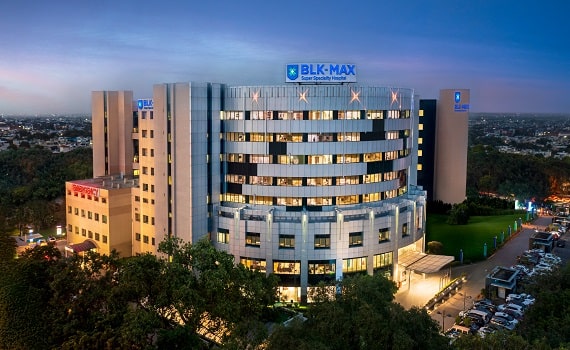
BLK-Max Super Specialty Hospital i New Delhi är en av Indiens främsta vårdinstitutioner, som erbjuder 650 bäddar, 22 avancerade operationssalar och 13...
Ackrediteringar


Faciliteter
Max Smart Super Specialty Hospital, Saket, New Delhi
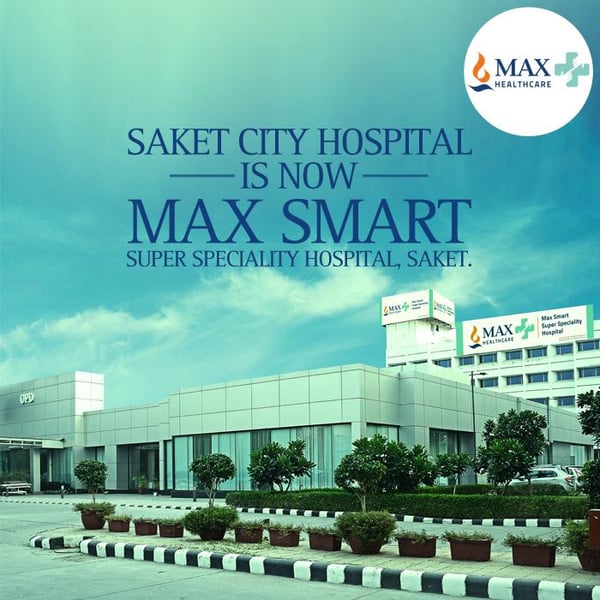
Max Smart Super Specialty Hospital, Saket, är ett sjukhus för tertiärvård med 250 bäddar i södra Delhi. Det erbjuder avancerad medicinsk och kirurgisk...
Ackrediteringar
Faciliteter
PSRI sjukhus, Delhi
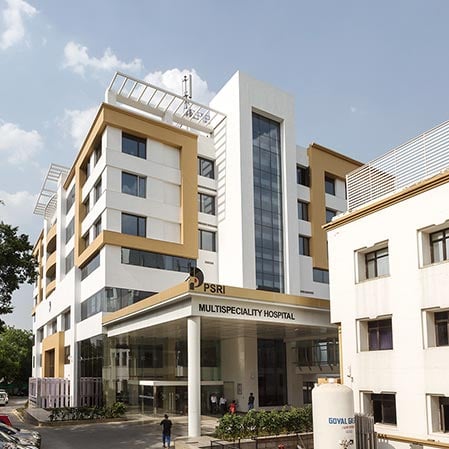
Pushpawati Singhania Research Institute (PSRI Hospital), New Delhi, är ett ledande multi-specialty tertiärvårdssjukhus som grundades 1996 av JK Group....
Ackrediteringar
Faciliteter
Liknande förfaranden
Galleri
FAQ


Vår webbplats använder cookies. Sekretesspolicy.