
Heart Valve Replacement Surgery in India: Types, Technologies, and Recovery
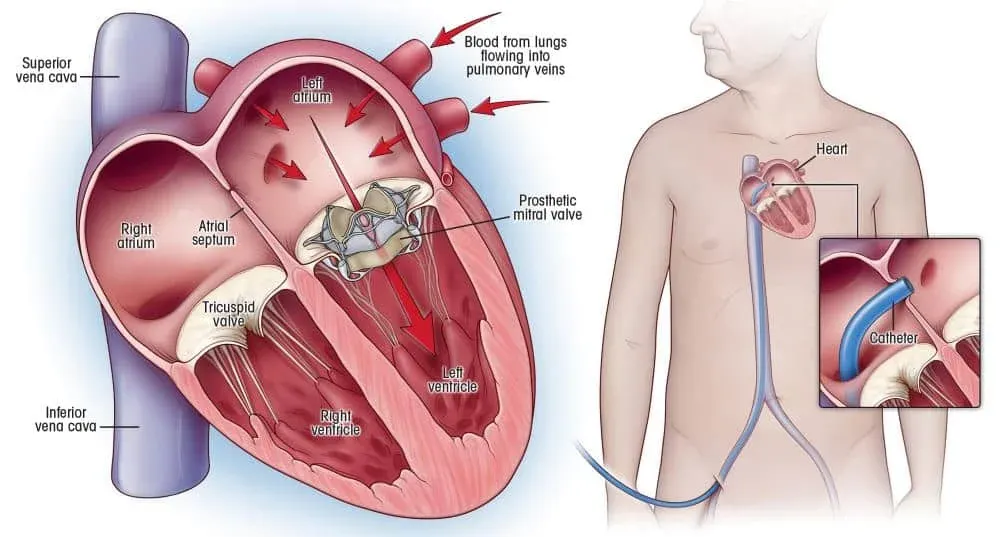
The heart has four valves, and each one has a single job: keep blood moving in the right direction. When one of them fails, the heart compensates for as long as it can. By the time symptoms appear, whether that is breathlessness that used to be rare and now occurs at rest, swelling in the ankles, or the kind of fatigue that sleep does not fix, the valve has usually been deteriorating for years.
Aortic stenosis is the most common cause of valve replacement surgery in adults, affecting an estimated 2 to 5 percent of people over 65 globally. Mitral valve disease, particularly regurgitation, is the second most frequently operated condition. Both conditions are progressive. The window for intervention matters. Surgery performed before severe ventricular remodelling occurs consistently produces better long-term outcomes than surgery delayed until cardiac function has already declined significantly.
India has become a significant destination for international patients who need valve replacement surgery. Surgical valve replacement costs between USD 6,000 and USD 9,000 at accredited Indian cardiac hospitals, compared to USD 75,000 to USD 150,000 in the United States. Transcatheter aortic valve replacement (TAVR), the minimally invasive alternative to open-heart surgery, costs USD 12,000 to USD 18,000 in India, compared with USD 75,000 to USD 125,000 in the US.
What Is Heart Valve Replacement and When Is It Needed?
Heart valve replacement removes a damaged or diseased valve and replaces it with either a mechanical prosthesis or a biological tissue valve. The decision to operate is guided by symptoms, echocardiographic measurements of valve gradient and area, and markers of cardiac stress such as left ventricular size and function.
Valves Most Commonly Replaced
- Aortic valve: The most frequently replaced. Aortic stenosis (narrowing) caused by calcium deposits on the valve leaflets is the dominant indication, particularly in older patients. Aortic regurgitation (leaking) is a separate indication that tends to present in younger patients.
- Mitral valve: Mitral regurgitation is more often repaired than replaced when the anatomy allows. When replacement is necessary, it follows failure or unsuitability for repair, or in cases of rheumatic mitral stenosis, which remains more prevalent in South Asia and the Middle East than in Western populations.
- Tricuspid and pulmonary valves: Less commonly replaced. Tricuspid surgery is more often performed alongside left-sided valve procedures.
When Does Surgery Become Necessary?
Surgery is typically recommended when:
- Severe aortic stenosis with symptoms develops (symptoms are the critical threshold in aortic stenosis, after which the prognosis without surgery deteriorates sharply).
- Severe aortic or mitral regurgitation leads to measurable left ventricular dilatation or dysfunction, even before symptoms appear.
- Rheumatic mitral stenosis reduces valve area below a critical threshold.
- Infective endocarditis destroys valve tissue beyond what antibiotics alone can salvage.
Mechanical vs Biological Valves: Which Is Right for Which Patient?
This is the most consequential choice a valve replacement patient makes, and it is one the patient should fully participate in once the clinical parameters are laid out.
Mechanical Valves
Mechanical valves, including ball-and-cage designs and the bileaflet tilting-disc valves that have become the modern standard (St. Jude Medical and Carbomedics are widely used examples), last the patient's lifetime. A mechanical valve implanted today is unlikely to require replacement.
The tradeoff is lifelong anticoagulation. Mechanical valves are thrombogenic. Without warfarin, blood clots form on the valve and can cause stroke or valve dysfunction. Patients must monitor INR levels regularly and accept a degree of bleeding risk that comes with permanent anticoagulation.
Mechanical valves suit: Younger patients (typically under 50 to 60 years), those who are already on anticoagulation for another reason, and patients in regions where reliable bioprosthetic valve follow-up and redo surgery are less accessible.
Biological (Tissue) Valves
Tissue valves use leaflets derived from porcine (pig) or bovine (cow) pericardium, mounted on a supporting stent. They function more like a natural valve and do not require lifelong anticoagulation beyond the first three months post-implant.
Their limitation is durability. Most tissue valves last 12 to 20 years depending on the patient's age at implantation and the specific valve used. Younger patients experience faster structural valve deterioration. As the patient ages, however, the rate of degeneration slows, which is why biological valves are increasingly preferred for patients over 65.
Tissue valves suit: Patients aged 60-65; those who cannot reliably manage anticoagulation due to lifestyle or geography; patients in developing regions with limited financial resources; and women of childbearing age who wish to avoid teratogenic anticoagulants during a potential pregnancy.
The Valve-in-Valve Horizon
A significant shift in the biological valve calculus is the capability for TAVR-in-TAVR and TAVR-in-SAVR. When a tissue valve eventually degenerates, a new transcatheter valve can often be deployed within the old one, avoiding a second open-heart surgery. This development has made biological valves more attractive to younger patients who would previously have been counselled toward mechanical valves to avoid repeat sternotomy.
Dr. Naresh Trehan, founder and chairman of Medanta The Medicity and one of India's most recognised cardiothoracic surgeons with over 48,000 cardiac surgeries performed, has noted that the valve decision is no longer a purely clinical one: "The patient's life, their ability to monitor medication, their geography, their plans for the next twenty years, all of this is part of the valve conversation. A surgeon who ignores that is not making the right choice, even if the clinical indicators point one way."
Open-Heart SAVR vs Catheter-Based TAVR: What Does the Latest Evidence Show?
The most significant development in valve surgery over the past decade has been the extension of TAVR from high-risk elderly patients to low-risk and younger patients. The evidence at five years from the Evolut Low-Risk Trial, presented in 2025, showed comparable outcomes for TAVR and surgical aortic valve replacement (SAVR) in low-surgical-risk patients with severe aortic stenosis, with no significant difference in the composite of all-cause mortality and disabling stroke between the two groups.
Data from multiple meta-analyses covering low-to-intermediate surgical risk patients show TAVR is associated with lower early mortality and fewer complications, including atrial fibrillation, major bleeding, and acute kidney injury compared to SAVR. However, TAVR is associated with higher rates of permanent pacemaker implantation, paravalvular leaks, and reintervention at longer follow-up.
Who Benefits Most from TAVR?
- Patients with high or intermediate surgical risk where open-heart surgery carries elevated procedural risk
- Patients over 75 where recovery from sternotomy is clinically demanding
- Patients with prior chest surgery where a redo sternotomy carries higher risk
- Frail patients for whom a catheter-based procedure offers a meaningfully shorter recovery
- Patients with a previously implanted biological surgical valve who need valve-in-valve TAVR
Who Is Better Served by SAVR?
- Younger patients (under 70) with low surgical risk, where SAVR data extends to decades versus TAVR's current five to ten years of evidence
- Patients who need concurrent coronary bypass or other cardiac procedures in the same operation
- Cases with anatomical features that make catheter delivery technically challenging, including severe aortic calcification, horizontal aorta, or bicuspid aortic valve anatomy requiring careful sizing
- Patients in whom the need for a permanent pacemaker, which occurs at higher rates after TAVR, would be particularly undesirable
What Does Valve Replacement Cost in India?
Heart valve replacement in India costs USD 6,000 to USD 9,000 for surgical valve replacement (SAVR) and USD 12,000 to USD 18,000 for transcatheter aortic valve replacement (TAVR) at JCI- and NABH-accredited cardiac hospitals.
What Drives the Cost Within the India Range?
Factor | How It Affects Cost |
| Valve type | Mechanical valves cost more upfront than tissue valves; TAVR transcatheter devices carry the highest implant cost |
| Procedure type | TAVR costs more than SAVR due to device cost, despite shorter hospital stay |
| Number of valves | Double valve replacement (aortic + mitral) costs 30 to 50 percent more than single valve |
| Combined procedures | SAVR combined with CABG adds to surgical time and cost |
| Hospital tier | JCI-accredited metropolitan hospitals charge more than tier-2 city facilities |
| ICU duration | Complex cases with prolonged cardiac ICU stays add to the total |
What Is Typically Included?
Most international patient packages at accredited Indian cardiac centres cover:
- Pre-operative investigations: echocardiography, CT angiography for TAVR sizing, blood panel, cardiac assessment
- Surgeon's fee, anaesthesia, cardiac perfusionist (for SAVR)
- Operating theatre and cardiac ICU stay
- The prosthetic valve implant (for SAVR packages; TAVR devices are sometimes quoted separately given their high unit cost)
- Post-operative ward stay and medication during hospital admission
- Cardiology review and discharge echocardiography before discharge
Not typically included: international flights, accommodation, travel insurance, long-term anticoagulation medication after discharge, follow-up echocardiography at home.
Global Cost Comparison
Country | SAVR (USD) | TAVR (USD) |
| India | 6,000 to 9,000 | 12,000 to 18,000 |
| Thailand | 15,000 to 22,000 | 25,000 to 40,000 |
| Turkey | 10,000 to 16,000 | 18,000 to 30,000 |
| Germany | 30,000 to 55,000 | 40,000 to 70,000 |
| UK (private) | 25,000 to 45,000 | 35,000 to 60,000 |
| USA | 75,000 to 150,000 | 75,000 to 125,000 |
Note: Figures are indicative ranges for uninsured international self-pay patients based on published clinic and platform data as of 2026. Final cost depends on case complexity, hospital tier, and valve device selection.
What Technologies Are Available at Indian Valve Centres?
India's leading cardiac hospitals offer the same technological infrastructure found at specialist centres in the US and Europe.
Structural Heart Imaging
- 3D transoesophageal echocardiography (3D-TOE) is the standard intraoperative imaging tool for valve surgery. It provides real-time three-dimensional views of the valve anatomy before, during, and immediately after implantation, allowing the surgical team to confirm adequate positioning and detect paravalvular leak before chest closure or catheter withdrawal.
- CT cardiac angiography with TAVR sizing software is used pre-operatively to plan transcatheter procedures precisely, measuring aortic annulus dimensions and selecting the correct valve size. Indian centres with high TAVR volumes use this routinely for every elective TAVR case.
TAVR Delivery Systems Available in India
India's leading cardiac centres carry both major TAVR platforms:
- Balloon-expandable valves (Sapien family, Edwards Lifesciences): Preferred for patients with smaller annulus dimensions and lower calcification burden
- Self-expanding valves (Evolut family, Medtronic): Preferred for patients with larger annulus dimensions, significant calcification, or bicuspid anatomy in selected cases
Both platforms are available in India. Valve selection is made by the structural heart team based on CT sizing and anatomy, not availability preference.
Minimally Invasive SAVR
For surgical valve replacement, minimally invasive approaches including upper mini-sternotomy and right anterior mini-thoracotomy are available at specialist centres. These access the heart through incisions significantly smaller than a full sternotomy, reducing post-operative pain, shortening ICU stay, and accelerating return to full activity.
What Does Recovery Look Like for International Patients?
Surgical Valve Replacement (SAVR)
- Days 1 to 2: Cardiac ICU monitoring after surgery. Ventilator weaning within 12 to 24 hours in uncomplicated cases.
- Days 3 to 8: Step-down to ward care. Early ambulation, breathing exercises, and cardiac rehabilitation exercises begin.
- Day 7 to 10: Discharge from hospital. Most patients stay in India for 3 to 4 weeks before flying home, allowing for a final echocardiography review and surgeon clearance for the flight.
- Weeks 2 to 6: Home recovery. Sternal precautions apply for 6 weeks (no lifting, pushing, or pulling above a certain weight to protect the sternum during healing).
- Week 6 to 12: Progressive return to full activity. Cardiac rehabilitation is strongly recommended.
Transcatheter Valve Replacement (TAVR)
- Days 1 to 3: Most TAVR patients leave the hospital within 1 to 3 days after the procedure.
- Week 1 to 2: Most international TAVR patients can fly home within ten to fourteen days, following a post-procedure echocardiography review.
- Week 2 to 4: Near-full activity in most cases. The absence of a sternotomy means physical restrictions are minimal compared to open-heart surgery.
- Ongoing: All tissue valve patients (surgical or transcatheter) require antiplatelet therapy for three months post-implant. Mechanical valve patients require lifelong anticoagulation with regular INR monitoring.
Conclusion
The decision patients spend the most time on before travelling to India is usually the destination. The decision that carries more long-term clinical weight is which valve type and which procedure are the right fit for their anatomy, age, lifestyle, and the years ahead.
A 45-year-old who receives a tissue valve, expecting the valve-in-valve TAVR option to be available in 15 years, is making a different clinical bet than a 68-year-old with the same valve receiving TAVR today. Both can be the right decision. Neither is automatic.
India offers the full range of valve types, implantation techniques, and post-operative infrastructure at a fraction of Western costs. What it does not offer automatically is the individualised mechanical-versus-biological, SAVR-versus-TAVR conversation that should precede the booking. Patients who have that conversation clearly, before they travel, consistently make better decisions.
Get Personalised Treatment Assistance
Qonaq Health connects patients seeking advanced cardiac care in India with leading heart specialists and modern healthcare facilities. Whether you need guidance on treatment planning, travel arrangements, or hospital selection, our team is here to help.
Fill out the form to connect with our experts and explore your treatment options with confidence.
Disclaimer: This article provides general educational information about heart valve replacement surgery options in India. It does not constitute medical advice and must not replace a consultation with a qualified cardiologist and cardiac surgeon. Individual treatment decisions depend on valve pathology, cardiac function, surgical risk score, anatomy, and patient preference. Patients should seek the opinion of a multidisciplinary cardiac team before making any decisions.
Hospitali zinazohusiana
Gundua hospitali na vituo vya matibabu vinavyohusiana na mada hii kwa huduma bora za afya.
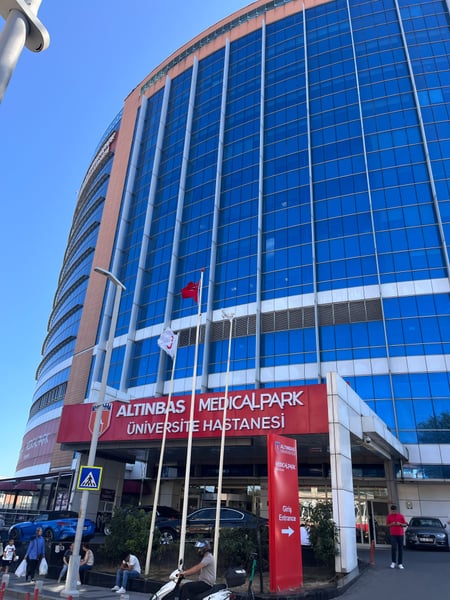
Hospitali ya Bahcelievler ya Hifadhi ya Matibabu
Hospitali ya Medical Park Bahcelievler ni hospitali iliyoidhinishwa na JCI ya vitanda 242 huko Istanbul, iliyoanzishwa mwaka wa 2007. Imeenea katika m...
Vibali

Vifaa

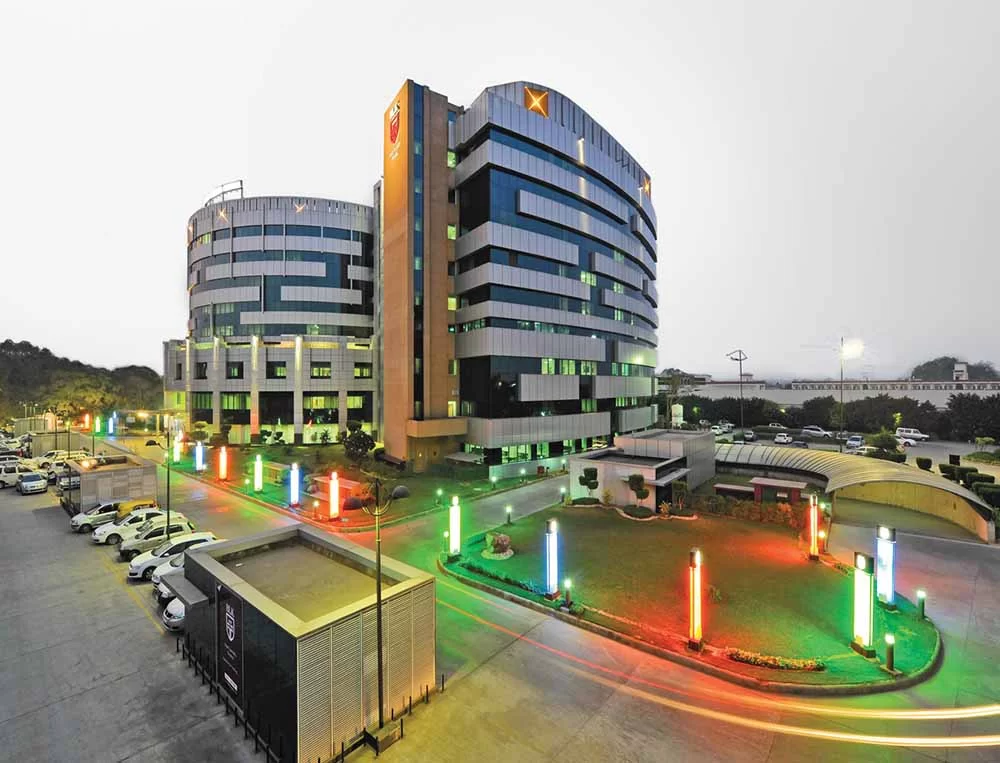
BLK-Max Super Specialty Hospital, New Delhi
BLK-Max Super Specialty Hospital huko New Delhi ni mojawapo ya taasisi kuu za afya ya India, inayotoa vitanda 650, kumbi 22 za upasuaji za hali ya juu...
Vibali


Vifaa
Taasisi ya Utafiti ya Fortis Memorial (FMRI), Gurgaon
Taasisi ya Utafiti ya Fortis Memorial (FMRI), Gurgaon, ni hospitali ya kiwango cha kimataifa ya wataalamu mbalimbali iliyoanzishwa mwaka wa 2013. Hosp...
Vibali


Vifaa
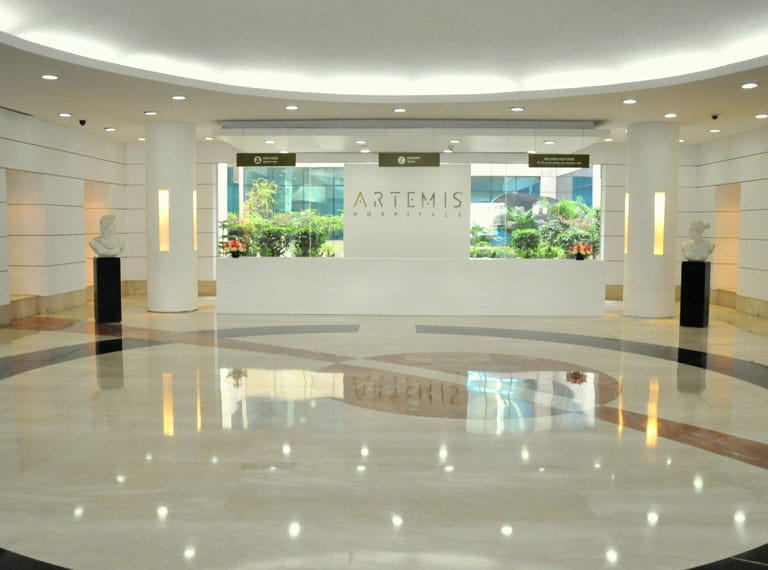
Hospitali ya Artemis, Gurgaon
Hospitali ya Artemis, Gurgaon, ni hospitali ya wataalamu wengi iliyoidhinishwa na JCI ambayo ilianzishwa mwaka wa 2007. Inatoa vitanda 750+ na miundom...
Vibali



Vifaa

Hospitali ya Kokilaben Dhirubhai Ambani, Mumbai
Hospitali ya Kokilaben Dhirubhai Ambani, Mumbai, ni JCI, NABH, NABL, na hospitali ya quaternary iliyoidhinishwa na CAP iliyoanzishwa mwaka wa 2009. Pa...
Vibali


Vifaa

Hospitali za Medicover, Hitech City, Hyderabad
Hospitali za Medicover, Hitech City, Hyderabad, ni hospitali ya utaalamu wa hali ya juu yenye vitanda 400 iliyoidhinishwa na NABH iliyoanzishwa mwaka ...
Vibali


Vifaa
Madaktari wanaohusiana
Ungana na madaktari wenye uzoefu na wataalamu wa matibabu katika uwanja huu.
Dk. Kaushik Mukherjee
Mshauri

Dkt.Supratip Kundu
Mshauri

Dk. Suman Halder
Mshauri wa Kutembelea

Dk Monotosh Panja
Mshauri Mkuu

Dk. Hema Malati Rath
Mshauri Mkuu

Dk Imran Ahmed
Mshauri Mkuu
Nakala zinazohusiana
Chunguza nakala zaidi na ufahamu juu ya mada sawa za kiafya.
India dhidi ya Thailand: Ni Eneo Lipi Bora la Utalii wa Matibabu mnamo 2026?
Robotic Prostatectomy in India: Nerve-Sparing Techniques, Recovery, and Patient Outcomes
Tiba ya Pampu ya Insulini: Jinsi Inavyofanya Kazi, Nani Anafaidika, na Inagharimu Nini mnamo 2026
Unene na Kisukari: Jinsi Upasuaji wa Bariatric Hushughulikia Zote Pamoja
Liposuction nchini India: Mbinu, Gharama, na Recovery Timeline

Upasuaji wa Kuinua uso nchini India: Utaratibu, Uponaji, na Kuchagua Madaktari Bora wa Upasuaji

Mwandishi
Tazama ZoteMkuu - Huduma za Wagonjwa wa Kimataifa
Dk. Riya Shree ni mtaalamu wa tiba ya mwili ambaye alimaliza mafunzo yake katika Hospitali ya Mata Chanan Devi, New Delhi, akipata uzoefu wa kuhudumia wagonjwa na urekebishaji. Alihudumu kwenye mstar... Soma zaidi
Tovuti yetu hutumia kuki. Sera ya faragha.
