
India dhidi ya Thailand: Ni Eneo Lipi Bora la Utalii wa Matibabu mnamo 2026?
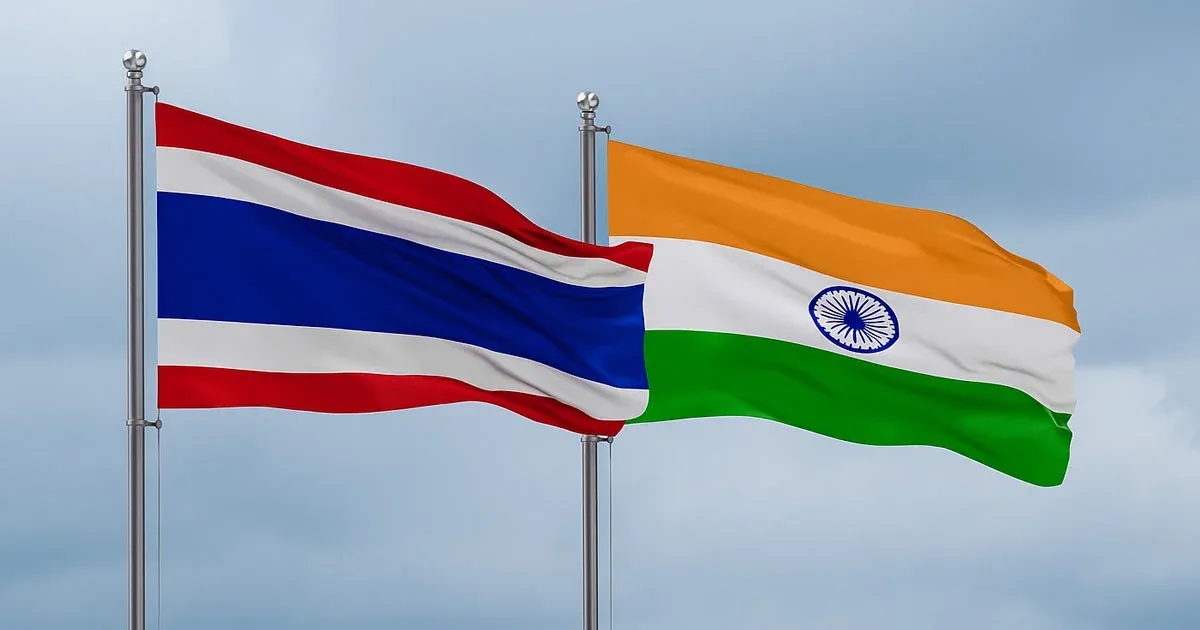
Most patients who research medical tourism in Asia end up comparing the same two destinations. India and Thailand have each built a significant international patient infrastructure over the past three decades, and both attract millions of visitors annually for procedures ranging from cardiac surgery to cosmetic treatments to fertility care.
But they are not interchangeable destinations. They have built their reputations on different strengths, appeal to different patient profiles, and suit different procedures. Choosing between them based on geography, price alone, or the order in which they appear in a search is how patients end up in the wrong place for their specific clinical need.
India's medical tourism market is valued at approximately USD 18.2 billion in 2026, growing at an annual rate of over 12 percent. Thailand received over 2.5 million international healthcare visitors in its peak year, with consistent demand from Western and Asian patients drawn by its hospitality-focused healthcare model. Both destinations have JCI-accredited hospitals, English-speaking medical staff, and procedures priced significantly below Western equivalents.
The differences between them matter far more than the similarities.
How Do India and Thailand Differ as Medical Tourism Destinations?
India and Thailand are both leading medical tourism destinations, but they serve different patient priorities. Understanding the foundational differences between them as medical tourism destinations helps prevent a wasted consultation.
India's Strength: Clinical Expertise, Complex Procedures, and Cost Advantage
India's medical tourism industry is built on clinical scale, specialist expertise, and the ability to manage highly complex cases.
Leading healthcare providers such as Narayana Health in Bangalore perform more than 35,000 cardiac surgeries annually, making it one of the world's highest-volume cardiac centres. Apollo Hospitals Group works with over 12,000 doctors across its network, providing advanced care in cardiology, oncology, organ transplantation, neurosurgery, orthopaedics, and spine surgery.
These are not boutique healthcare facilities. They are large tertiary care centres that treat a high volume of domestic and international patients every year.
High surgical volume directly translates into better outcomes. A cardiac surgeon performing 500 bypass operations per year develops a level of anatomical pattern recognition and procedural consistency that a surgeon performing 50 cannot replicate. It is one of India's most underappreciated advantages.
India also offers a significant cost advantage. Available data indicates that international patients may spend 60% to 70% less for comparable complex procedures than they would in Thailand.
Thailand's Strength: Patient Experience, Hospitality, and Elective Care
Thailand has built its medical tourism reputation around patient comfort, convenience, and a highly developed international patient experience.
Hospitals such as Bumrungrad International Hospital, Bangkok Hospital, and Samitivej Hospital are well known for combining modern medical care with hospitality-focused services. Bumrungrad alone treats more than one million patients annually and has become a recognised destination for international healthcare travellers.
Thailand invested early in services designed specifically for overseas patients, including:
- Multilingual support teams
- Dedicated international patient coordinators
- Concierge and travel assistance services
- Premium inpatient facilities
- Recovery environments that reflect the country's strong hospitality sector
For treatments where clinical outcomes are broadly comparable across destinations, factors such as comfort, convenience, communication, and overall patient experience can play an important role in decision-making.
Where India Holds a Clear Clinical Advantage
India is often the preferred destination for medical tourism for highly complex procedures, particularly in cardiac surgery, oncology, organ transplantation, and neurosurgery. Its combination of high patient volumes, specialist expertise, advanced technology, and lower treatment costs has helped establish the country as a leading global healthcare destination.
Complex Cardiac Surgery
India handles some of the highest volumes of coronary artery bypass surgery, valve replacement, and complex congenital cardiac correction in the world. The institutional depth for rare and complex cardiac cases, including redo CABG, combined valve and bypass procedures, and paediatric cardiac surgery in neonates, is exceptional at India's leading cardiac centres.
Thailand offers quality cardiac surgery, but the caseload and complexity mix that builds subspecialty depth at India's leading centres is not replicated at the same scale.
Oncology and Cancer Treatment
India has become a major destination for cancer care, offering comprehensive treatment across surgical, medical, and radiation oncology.
Leading oncology centres provide:
- Robotic cancer surgery
- Precision radiation therapies, including CyberKnife
- Proton therapy at selected centres
- Bone marrow and stem cell transplantation
- Targeted therapies and immunotherapy for eligible patients
The combination of surgical complexity and access to newer biological therapies at significantly lower cost than the West makes India particularly attractive for cancer patients.
Organ Transplantation and Neurosurgery
India has established programmes for kidney, liver, and heart transplantation, supported by experienced multidisciplinary transplant teams and living donor programmes at leading centres.
The country also has extensive expertise in neurosurgery and spine surgery, including:
- Brain tumour surgery
- Epilepsy surgery
- Skull base surgery
- Complex spinal reconstruction
- Minimally invasive neurosurgical procedures
This depth of expertise makes India a common choice for patients seeking treatment for complex neurological and transplant-related conditions.
Where Thailand Holds a Clear Advantage
Thailand is not simply a cheaper alternative to India with better beaches. It leads in specific categories. Thailand's main advantages in medical tourism are cosmetic surgery, dental care, and patient experience. The country combines internationally recognised healthcare facilities with strong hospitality services, making it a popular choice for patients seeking elective procedures, dental treatment, and recovery-focused medical travel.
Cosmetic and Aesthetic Surgery
Thailand is one of the world's most established destinations for cosmetic and aesthetic procedures. The country has built a strong reputation in:
- Rhinoplasty (nose reshaping)
- Facelift and body contouring procedures
- Breast augmentation and reconstruction
- Gender-affirming surgery
- Non-surgical aesthetic treatments
Cities such as Bangkok and Chiang Mai host high-volume cosmetic surgery centres that cater specifically to international patients. Many facilities combine experienced surgeons, competitive pricing, and dedicated recovery services designed for medical travellers.
For patients travelling specifically for aesthetic procedures, Thailand's combination of clinical quality and recovery environment is difficult to match.\
Dental Tourism
Thailand is a leading destination for dental tourism in Asia, attracting patients from Australia, the United Kingdom, Scandinavia, and other countries where dental treatment can be costly.
Popular treatments include:
- Dental implants
- Full-mouth rehabilitation
- Veneers and smile makeovers
- Crowns and bridges
- Cosmetic dentistry
Many dental centres in Bangkok and Phuket offer advanced technologies such as digital smile design, same-day digital impressions, and CEREC restorations, helping streamline treatment for international patients on limited travel schedules.
Wellness and Recovery Environment
For patients who need a lengthy recovery or who want to combine medical treatment with recuperation in a pleasant environment, Thailand's climate, infrastructure, and hospitality industry create a recovery setting that India's urban hospital corridors cannot replicate. This matters for patients planning extended post-operative stays after cosmetic surgery, fertility treatment, or elective procedures.
How Do Costs Compare Across Common Procedures?
India is consistently less expensive than Thailand for major surgical procedures, but the gap varies significantly by speciality. For elective and cosmetic procedures, the difference is smaller.
Procedure Cost Comparison (USD, International Self-Pay Patients, 2026)
Procedure | India | Thailand | UK | USA |
| Coronary Artery Bypass (CABG) | 5,000 to 9,000 | 12,000 to 18,000 | 20,000 to 44,000 | 70,000 to 150,000 |
| Hip Replacement | 6,000 to 9,000 | 12,000 to 16,000 | 15,000 to 25,000 | 40,000 to 65,000 |
| IVF (one cycle) | 2,500 to 4,500 | 5,000 to 10,000 | 8,000 to 15,000 | 15,000 to 30,000 |
| Rhinoplasty | 1,500 to 4,500 | 3,000 to 7,000 | 6,000 to 12,000 | 8,000 to 15,000 |
| Dental Implant (per tooth) | 500 to 1,200 | 800 to 1,500 | 2,000 to 4,000 | 3,000 to 5,000 |
| Kidney Transplant | 13,000 to 18,000 | 25,000 to 45,000 | 40,000 to 80,000 | 100,000 to 300,000 |
| Liposuction (multi-zone) | 2,000 to 5,000 | 4,000 to 8,000 | 5,000 to 12,000 | 8,000 to 20,000 |
| Spine Fusion Surgery | 5,500 to 8,500 | 10,000 to 18,000 | 18,000 to 35,000 | 40,000 to 100,000 |
Note: Figures are indicative for international self-pay patients at accredited facilities. Individual costs depend on facility tier, procedure complexity, and length of stay.
Which Destination Suits Which Patient?
India is often the better choice for complex, high-acuity treatments and cost-conscious patients, while Thailand is typically preferred for cosmetic procedures, dental care, and recovery-focused medical travel. The best destination depends on the treatment required, budget, travel distance, and personal priorities.
Choose India for:
- Complex cardiac surgery: CABG, valve repair and replacement, congenital cardiac correction, and redo surgery
- Oncology: Cancer surgery, bone marrow transplant, radiation therapy with advanced technology
- Organ transplantation: Kidney, liver, and heart transplant with living donor programmes
- Neurosurgery and spine: Brain tumour surgery, epilepsy surgery, complex spinal reconstruction
- IVF and fertility: High-volume fertility centres with PGT-A and advanced embryology at some of the lowest prices globally
- Patients from GCC, Africa, and Central Asia: Geographic proximity, direct flight connections, and Indian medical visas with fast processing
- Patients prioritising cost above all other factors: India is consistently 40 to 70 percent cheaper than Thailand for most procedures
Choose Thailand for:
- Cosmetic and aesthetic surgery: Rhinoplasty, body contouring, gender-affirming surgery, and aesthetic medicine in a purpose-built environment
- Dental treatment: Implants, full-mouth restorations, and complex aesthetic dentistry at high-quality specialist clinics
- Patients from Australia, Southeast Asia, and Japan: Geographic proximity, familiar cultural environment, and direct connections from major source cities
- Extended recovery stays: Patients who want to combine treatment with rehabilitation or recuperation in a pleasant environment
- Patients who prioritise patient experience and service infrastructure over purely clinical considerations
Practical Logistics: Language, Visas, and Travel
Both India and Thailand have well-developed medical tourism infrastructure, but they offer different advantages when it comes to language support, visa requirements, and travel accessibility. The best option often depends on a patient's country of residence, preferred language, and treatment timeline.
Language
English is spoken across medical staff at accredited hospitals in both countries. India has a structural advantage here: English is an official national language, and many senior physicians have trained in the UK, USA, or Europe. Written documentation, discharge summaries, and follow-up correspondence are produced in English as standard.
Thailand's leading hospitals employ dedicated international patient departments staffed by multilingual professionals. For specific source markets, Arabic, Russian, German, and Japanese support is available at major centres.
Visa and Entry
India introduced dedicated e-Medical Visas through its Heal in India initiative, with streamlined processing for patients from most countries. Accompanying family members can apply for a Medical Attendant Visa at the same time.
Thailand allows most nationalities to enter without a visa for up to 30 days, which is sufficient for most elective procedures. Medical tourists who stay longer than 30 days require a medical non-immigrant visa.
Travel Connections
India offers direct flights to Delhi, Mumbai, Chennai, Hyderabad, and Bangalore from the GCC, UK, Africa, and Central Asia. Travel from Australia and Southeast Asia typically involves one connection.
Bangkok and Phuket connect directly from most of Southeast Asia, Australia, and major European hubs. For patients from the UK and Europe, both destinations require a similar total journey time.
Conclusion
Ranking India and Thailand as medical tourism destinations on a single scale misses the point. Neither country is universally superior. Each is built for a different kind of patient with distinct clinical priorities.
India is the right choice when the procedure is complex, when surgical volume and specialist depth matter most, and when cost is a primary constraint. Thailand is the right choice when the procedure is elective or aesthetic, when recovery environment and patient experience are prioritised, and when Southeast Asian geographic access is a factor.
Patients who approach the decision this way, starting with the clinical need and working backwards to the destination, consistently get better outcomes than those who start with geography or price alone.
Speak With Our Expert
Choosing between India and Thailand can be challenging, especially when comparing treatment options, hospitals, surgeons, and costs across multiple providers.
At Qonaq Health, our team helps international patients evaluate treatment options based on their diagnosis, medical history, budget, and travel preferences. We can assist with:
- Hospital and surgeon selection
- Treatment cost comparisons
- Medical report reviews
- Remote consultation coordination
- Travel and treatment planning
If you are considering treatment abroad, fill out the enquiry form to receive personalised guidance and compare suitable treatment options before making a decision.
Hospitali zinazohusiana
Gundua hospitali na vituo vya matibabu vinavyohusiana na mada hii kwa huduma bora za afya.
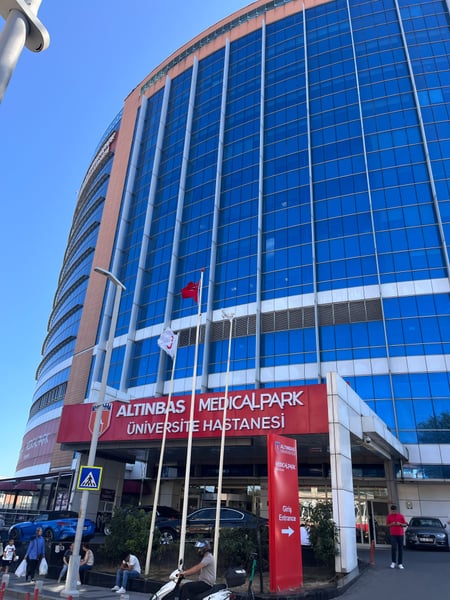
Hospitali ya Bahcelievler ya Hifadhi ya Matibabu
Hospitali ya Medical Park Bahcelievler ni hospitali iliyoidhinishwa na JCI ya vitanda 242 huko Istanbul, iliyoanzishwa mwaka wa 2007. Imeenea katika m...
Vibali
Vifaa
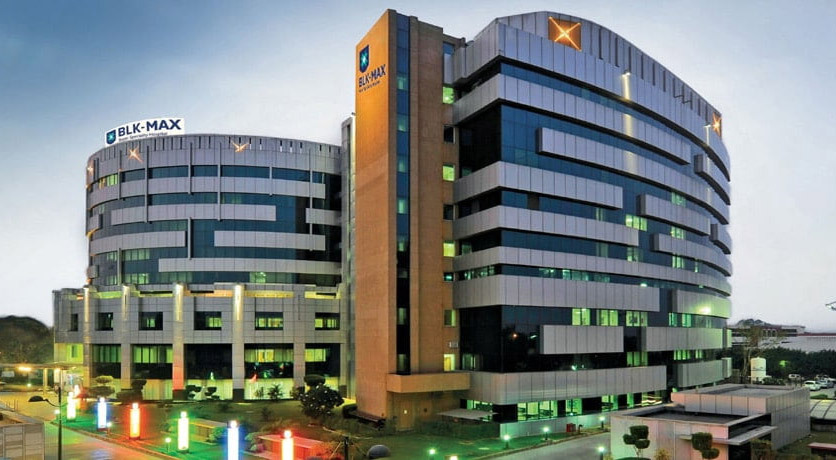
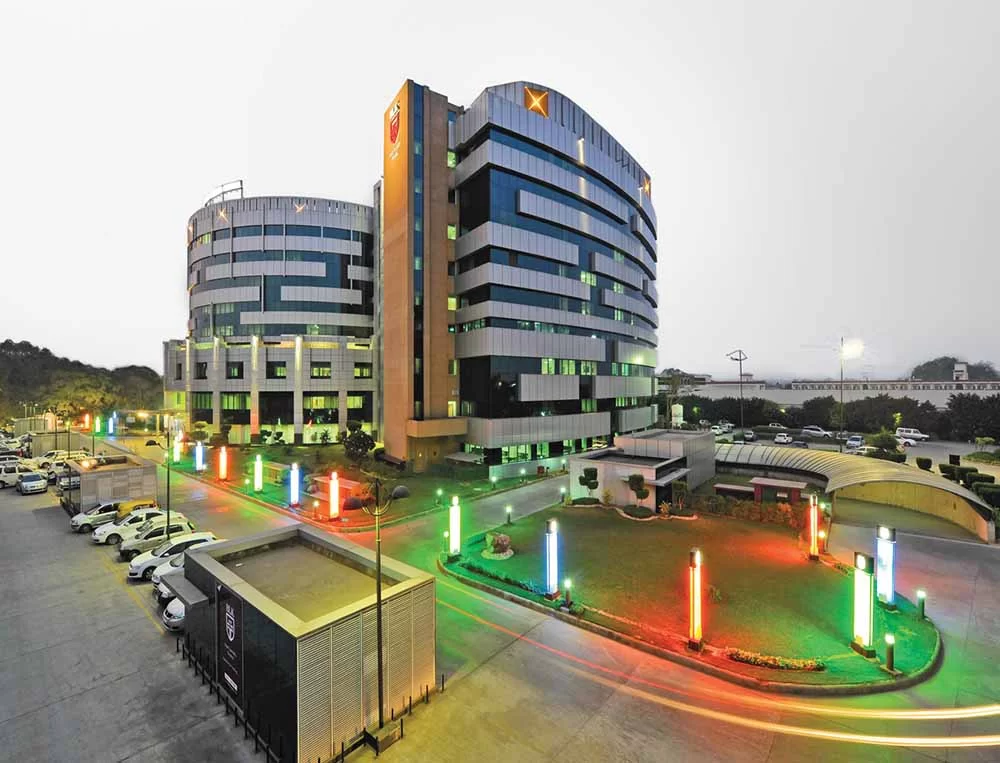
BLK-Max Super Specialty Hospital, New Delhi
BLK-Max Super Specialty Hospital huko New Delhi ni mojawapo ya taasisi kuu za afya ya India, inayotoa vitanda 650, kumbi 22 za upasuaji za hali ya juu...
Vibali


Vifaa
Taasisi ya Utafiti ya Fortis Memorial (FMRI), Gurgaon
Taasisi ya Utafiti ya Fortis Memorial (FMRI), Gurgaon, ni hospitali ya kiwango cha kimataifa ya wataalamu mbalimbali iliyoanzishwa mwaka wa 2013. Hosp...
Vibali


Vifaa
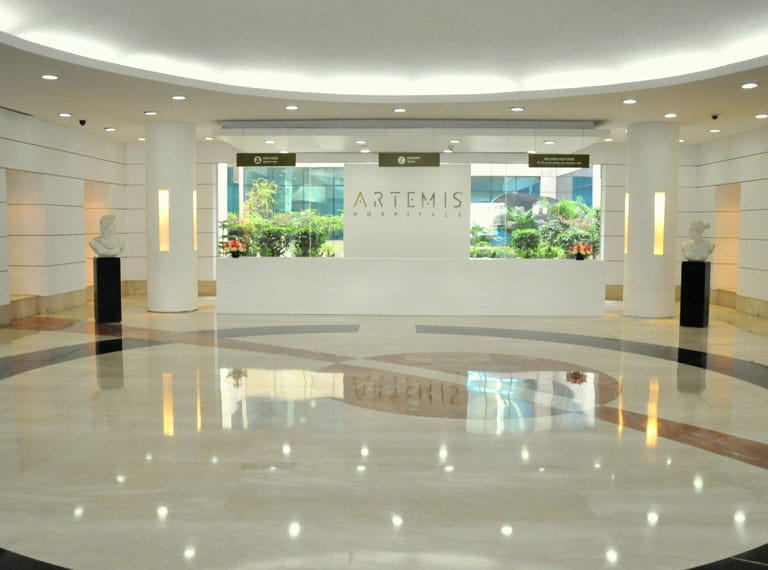
Hospitali ya Artemis, Gurgaon
Hospitali ya Artemis, Gurgaon, ni hospitali ya wataalamu wengi iliyoidhinishwa na JCI ambayo ilianzishwa mwaka wa 2007. Inatoa vitanda 750+ na miundom...
Vibali


Vifaa
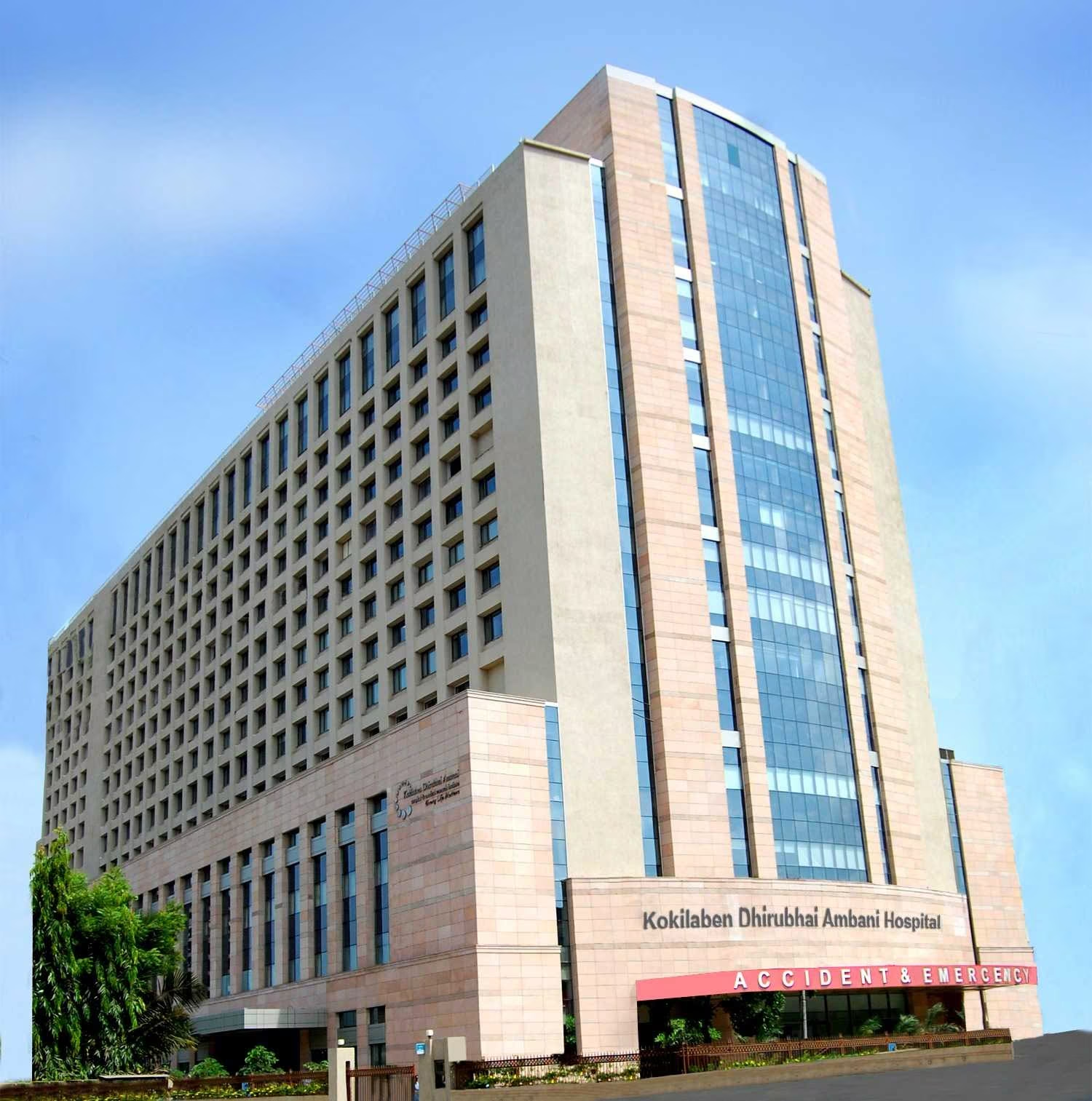
Hospitali ya Kokilaben Dhirubhai Ambani, Mumbai
Hospitali ya Kokilaben Dhirubhai Ambani, Mumbai, ni JCI, NABH, NABL, na hospitali ya quaternary iliyoidhinishwa na CAP iliyoanzishwa mwaka wa 2009. Pa...
Vibali


Vifaa
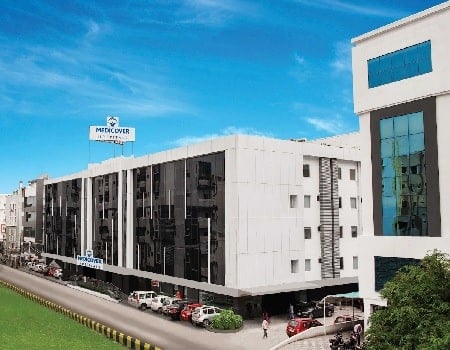
Hospitali za Medicover, Hitech City, Hyderabad
Hospitali za Medicover, Hitech City, Hyderabad, ni hospitali ya utaalamu wa hali ya juu yenye vitanda 400 iliyoidhinishwa na NABH iliyoanzishwa mwaka ...
Vibali


Vifaa
Madaktari wanaohusiana
Ungana na madaktari wenye uzoefu na wataalamu wa matibabu katika uwanja huu.
Dk. Kaushik Mukherjee
Mshauri

Dkt.Supratip Kundu
Mshauri
Dk. Suman Halder
Mshauri wa Kutembelea
Dk. Kanchan Bhattacharyya
Mshauri

Dk. Kalyan Guha
Mshauri
Dk Monotosh Panja
Mshauri Mkuu
Nakala zinazohusiana
Chunguza nakala zaidi na ufahamu juu ya mada sawa za kiafya.
Heart Valve Replacement Surgery in India: Types, Technologies, and Recovery
Robotic Prostatectomy in India: Nerve-Sparing Techniques, Recovery, and Patient Outcomes

Upasuaji wa Kuinua uso nchini Uturuki: Aina, Ahueni, Hatari, na Matokeo Yanayotarajiwa
Tiba ya Pampu ya Insulini: Jinsi Inavyofanya Kazi, Nani Anafaidika, na Inagharimu Nini mnamo 2026

Unene na Kisukari: Jinsi Upasuaji wa Bariatric Hushughulikia Zote Pamoja
Liposuction nchini India: Mbinu, Gharama, na Recovery Timeline

Mwandishi
Tazama ZoteNadeem Malik ni mwandishi aliyejitolea wa matibabu na asili dhabiti ya kitaaluma katika duka la dawa. Ana Shahada ya Kwanza ya Famasia (B.Pharm) kutoka Chuo Kikuu cha Teerthanker Mahaveer, Moradabad, ... Soma zaidi
Tovuti yetu hutumia kuki. Sera ya faragha.
