
Craniotomy Gharama katika India
Kuhusu Craniotomy
Craniotomy ni mojawapo ya taratibu tete na za kuokoa maisha za neurosurgical zinazofanywa leo. Huruhusu madaktari wa upasuaji kufikia ubongo kwa usalama ili kuondoa uvimbe, kurekebisha mishipa ya damu, kupunguza shinikizo, au kutibu majeraha na maambukizi. Pamoja na maendeleo katika upigaji picha, mifumo ya urambazaji, na zana za upasuaji mdogo, craniotomy sasa ni sahihi zaidi, salama, na yenye ufanisi zaidi kuliko hapo awali.
Kila mwaka, maelfu ya wagonjwa duniani kote hupitia craniotomy kwa hali kuanziauvimbe wa ubongo na aneurysmskwakifafa, hematoma, na majeraha ya kiwewe ya ubongo. Mafanikio ya upasuaji wa craniotomy hayategemei tu ujuzi wa upasuaji lakini pia juu ya kupanga kabla ya upasuaji, ufuatiliaji wa ndani ya upasuaji, na utunzaji wa uangalifu baada ya upasuaji.
Maendeleo ya hivi majuzi, kama vile upasuaji wa nyuro unaoongozwa na picha, urambazaji wa nyuro, fuvu macho, na mbinu zisizo vamizi kwa kiasi kikubwa, yamebadilisha matokeo kwa kiasi kikubwa. Njia hizi hupunguza muda wa kupona, kupunguza matatizo ya neva, na kuboresha ubora wa maisha ya muda mrefu.
Craniotomy ni nini?
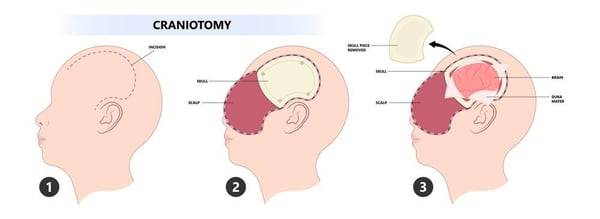
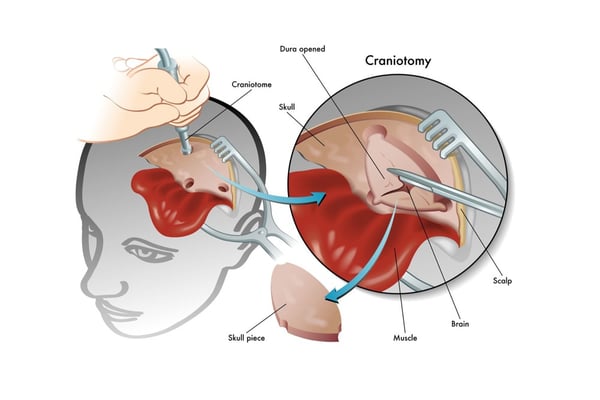
Craniotomy ni autaratibu wa neurosurgicalambapo daktari wa upasuaji huondoa kwa muda sehemu ya fuvu ili kufikia ubongo. Ufunguzi huu, unaoitwa amfupa wa mfupa, humruhusu daktari mpasuaji kutibu magonjwa ndani ya ubongo, kama vile uvimbe, aneurysms, kutokwa na damu, au maambukizi. Baada ya upasuaji wa craniotomy, mfupa wa mfupa hubadilishwa na kuulinda na sahani ndogo au sutures.
Utaratibu unafanywa chini ya anesthesia ya jumla na kuongozwa na zana za juu za kupiga picha kama vileMRI, CT, au mifumo ya urambazaji wa ndani ya neva. Teknolojia hizi humsaidia daktari wa upasuaji kupata eneo sahihi la wasiwasi na kufanya kazi kwa usahihi wa hali ya juu huku akiepuka miundo muhimu ya ubongo.
Kulingana na hali ya mgonjwa, craniotomy inaweza kufanywa kama utaratibu wa dharura (kama vile baada ya jeraha la kichwa) au kama upasuaji uliopangwa (kwa uvimbe au matatizo ya mishipa).
Upasuaji wa kisasa wa neva huzingatia kufanya craniotomies na usumbufu mdogo kwa tishu za ubongo zenye afya. Kwa kutumia mbinu kamamicrosurgery na macho ramani ya ubongo, madaktari wa upasuaji wanaweza kufikia usahihi bora na kupunguza kwa kiasi kikubwa hatari ya matatizo ya baada ya upasuaji.
Je, Craniotomy Inahitajika Wakati Gani?
Madaktari wanapendekeza craniotomy wakati hali ya ubongo inahitaji ufikiaji wa moja kwa moja wa upasuaji ambao hauwezi kudhibitiwa kupitia dawa au njia za uvamizi mdogo. Lengo ni kupunguza shinikizo, kuondoa tishu zisizo za kawaida, au kurekebisha miundo iliyoharibika ndani ya ubongo huku tukihifadhi utendaji wa mfumo wa neva.
- Tumors za ubongo:Madaktari wa upasuaji hufanya craniotomy ili kuondoa au uvimbe wa biopsy ambao hujitokeza ndani au karibu na tishu za ubongo. Inasaidia kupunguza shinikizo na kuzuia uharibifu zaidi wa neva.
- Jeraha la Kiwewe la Ubongo (TBI):Katika hali ya jeraha kali la kichwa, kutokwa na damu au uvimbe kunaweza kuongeza shinikizo la ndani. Craniotomy inaruhusu madaktari wa upasuaji kuondoa vipande vya damu (hematomas) au kupunguza uvimbe.
- Aneurysms na Ulemavu wa Mishipa:Craniotomy hutoa ufikiaji wa kurekebisha aneurysm iliyopasuka au kutibu migongano isiyo ya kawaida ya mishipa ya damu (AVMs) ambayo inaweza kusababisha hatari ya kuvuja damu.
- Ugonjwa wa Kifafa au Kifafa:Dawa inaposhindwa kudhibiti mshtuko, craniotomy inaweza kufanywa ili kuondoa au kutenganisha eneo la ubongo lililoathiriwa.
- Maambukizi ya ubongo au majipu:Katika maambukizo fulani, madaktari wa upasuaji wanaweza kuhitaji kutoa usaha au kuondoa tishu zilizoambukizwa ili kuzuia kuenea.
- Hydrocephalus na Msaada wa Shinikizo la Ubongo:Katika baadhi ya matukio, craniotomy husaidia kuunda njia ya kukimbia maji ya ziada ya cerebrospinal na kupunguza shinikizo la ubongo.
- Biopsy kwa utambuzi:Wakati picha pekee haiwezi kuthibitisha utambuzi, craniotomy inaruhusu sampuli ya tishu kwa uchambuzi sahihi.
Je! ni aina gani za Craniotomy?
Taratibu za craniotomy hutofautiana kulingana na eneo la hali hiyo, madhumuni yake, na mbinu ya neurosurgeon. Kila aina huchaguliwa kwa uangalifu ili kutoa ufikiaji wa juu na usumbufu mdogo kwa tishu za ubongo zenye afya.
Chini ni aina kuu za craniotomy iliyofanywa leo:
- Craniotomy ya jadi:Fomu ya kawaida, hii inahusisha kuunda flap ya mfupa ili kufikia eneo lililoathiriwa la ubongo. Inatumika kuondoa uvimbe wa ubongo, kutibu kuganda kwa damu, au kurekebisha aneurysms.
- Craniotomy ya Stereotactic (Inayoongozwa na Picha):Mbinu hii hutumia upigaji picha wa 3D na urambazaji unaoongozwa na kompyuta ili kubainisha eneo haswa linalolengwa ndani ya ubongo. Inahakikisha usahihi wa juu na mara nyingi hutumiwa kwa biopsy, kuondolewa kwa tumor ndogo, au vidonda vya kina.
- Endoscopic (Hole) Craniotomy:Madaktari wa upasuaji hufanya mkato mdogo na hutumia endoscope (kamera nyembamba, inayonyumbulika) kufanya kazi kupitia chaneli nyembamba. Mbinu hii ya uvamizi mdogo husababisha usumbufu mdogo wa tishu, husababisha makovu madogo, na kufupisha muda wa kupona.
- Amka Craniotomy:Katika hali maalum, haswa wakati uvimbe ukiwa karibu na maeneo muhimu ya ubongo kudhibiti usemi au harakati, mgonjwa hubaki macho kwa sehemu ya upasuaji. Madaktari wa upasuaji hufuatilia majibu ya mgonjwa ili kuhakikisha kwamba kazi muhimu za ubongo zinabaki kuwa sawa.
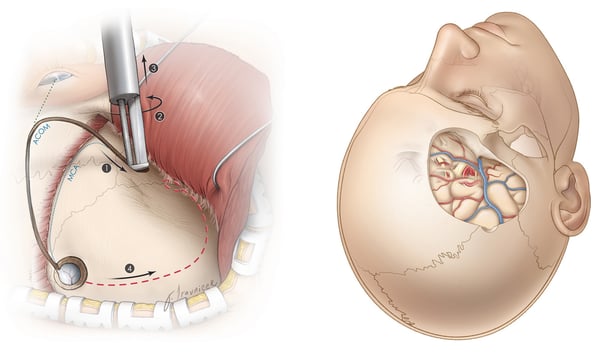
- Craniotomy ya Msingi Iliyopanuliwa au Fuvu:Hutumika kwa uvimbe au aneurysms ziko chini ya fuvu la kichwa au karibu na shina la ubongo. Inahitaji utaalam wa hali ya juu na vyombo maalum ili kufikia maeneo ya kina kwa usalama.
- Craniectomy ya Decompressive:Katika hali za dharura zinazohusisha uvimbe wa ubongo au kiwewe, madaktari wa upasuaji wanaweza kuondoa sehemu ya fuvu kwa muda ili kupunguza shinikizo. Mfupa wa mfupa hubadilishwa mara tu uvimbe unapopungua.
Je! Craniotomy Inafanywaje?
Craniotomy ni utaratibu uliopangwa sana unaochanganya ujuzi wa upasuaji na teknolojia ya juu. Kila hatua imeundwa ili kuhakikisha usalama, usahihi, na ulinzi wa utendaji kazi muhimu wa ubongo.
Ingawa mbinu inaweza kutofautiana kidogo kulingana na hali inayotibiwa, mchakato wa jumla unafuata mlolongo uliopangwa.
- Maandalizi ya awali:Mgonjwa hupitia tathmini ya kina ya neva na picha (MRI au CT) ili kuweka eneo la wasiwasi. Daktari wa anesthesiologist hupitia historia ya matibabu ili kupanga anesthesia na ufuatiliaji muhimu. Katika baadhi ya matukio, madaktari hutumia MRI au ramani ya ubongo inayofanya kazi kutambua maeneo ya ubongo kudhibiti hotuba au harakati.
- Anesthesia na nafasi:Mgonjwa hupokea anesthesia ya jumla, na timu ya upasuaji inaweka kichwa kwa usalama ili kudumisha utulivu. Katika baadhi ya matukio, kama vile craniotomy iliyoamka, mgonjwa hubakia fahamu wakati wa sehemu ya utaratibu ili madaktari wa upasuaji waweze kufuatilia utendaji wa ubongo kwa wakati halisi.
- Chale ya Kichwani na Ufunguzi wa Mifupa:Daktari wa upasuaji hufanya chale iliyopangwa kwa uangalifu juu ya kichwa na kuondoa sehemu ndogo ya mfupa wa fuvu ili kufikia ubongo. Eneo na ukubwa wa ufunguzi huu hutegemea eneo linalotibiwa.
- Matibabu ya hali ya msingi:Ubongo unapofunuliwa, daktari mpasuaji hutumia ala za upasuaji mdogo na mwongozo wa kupiga picha ili kutekeleza utaratibu unaohitajika, kama vile kuondoa uvimbe, kurekebisha mshipa wa damu, kutoa damu iliyoganda, au kupunguza shinikizo.
- Kufunga Fuvu la Kichwa na Kichwa:Baada ya kukamilisha upasuaji, mfupa wa mfupa hubadilishwa na kuulinda na sahani ndogo au sutures. Kisha ngozi ya kichwa imeunganishwa au imefungwa, na mavazi ya kuzaa hutumiwa.
- Uokoaji na Ufuatiliaji:Mgonjwa huhamishwa hadi ICU kwa ufuatiliaji wa karibu wa ishara za neva na kazi muhimu. Ndani ya siku chache, wagonjwa wengi huhamia wodi ya kawaida kwa ajili ya kuendelea kupona na kurekebishwa.
Pata mpango wa matibabu ya bure
Kuhusu Craniotomy katika India
What Is the Cost of a Craniotomy in India?
The cost of craniotomy in India varies depending on the type of surgery, underlying condition, hospital facilities, and the surgeon's expertise. On average, the procedure costs between ₹2,50,000 and ₹7,50,000 (approximately $3,000 – $9,000).
The total expense also depends on whether the surgery is elective or emergency, and whether advanced navigation or endoscopic techniques are used. Complex cases involving tumor removal or vascular repair generally require longer hospital stays and specialized instruments, which can influence overall cost.
Type of Craniotomy | Description | Average Cost (INR) | Average Cost (USD) |
| Standard (Traditional) Craniotomy | Conventional approach for tumors or clots | ₹2,50,000 – ₹4,50,000 | $3,000 – $5,400 |
| Image-Guided / Stereotactic Craniotomy | Uses computer navigation and 3D imaging | ₹3,50,000 – ₹6,00,000 | $4,200 – $7,200 |
| Endoscopic (Keyhole) Craniotomy | Minimally invasive, faster recovery | ₹3,00,000 – ₹5,50,000 | $3,600 – $6,600 |
| Awake Craniotomy | Performed with the patient awake for monitoring | ₹4,00,000 – ₹7,00,000 | $4,800 – $8,400 |
| Decompressive Craniectomy | Done in emergencies for brain swelling | ₹2,80,000 – ₹6,00,000 | $3,300 – $7,200 |
- Early or routine procedures (such as clot evacuation) are usually less expensive.
- Advanced or tumor-related surgeries that require navigation or endoscopy are on the higher end.
- ICU stay, hospital category, and recovery time significantly affect total expenses.
- Most hospitals provide package pricing that includes surgery, anesthesia, hospitalization, and postoperative care.
Inclusions and Exclusions in the Craniotomy Cost Package
Hospitals in India usually offer comprehensive treatment packages that cover the key elements of surgery, hospitalization, and recovery. However, certain services may be billed separately depending on patient needs and hospital policies.
Inclusions:
Most standard craniotomy packages include:
- Neurosurgeon and anesthesiologist fees
- Preoperative investigations (MRI, CT scans, blood tests, ECG)
- Operation theatre and ICU charges
- Anesthesia and surgical consumables
- Hospital stay with nursing care and medications
- Follow-up visits during the recovery phase
These inclusions cover everything necessary for safe surgery, immediate post-op care, and inpatient recovery.
Exclusions:
Certain additional services may not be part of the standard package:
- An extended hospital stay beyond the planned duration
- Special implants, plates, or mesh, if required during skull reconstruction
- Advanced imaging (PET-CT, angiography) is not covered in basic packages
- Post-discharge medications and home care supplies
- Management of unrelated conditions (e.g., cardiac, renal, or diabetic issues)
- Travel, visa, accommodation, and attendant costs for international patients
Hospitals maintain complete transparency by discussing inclusions and exclusions in advance. Patients receive a detailed cost breakdown before admission, ensuring no hidden expenses during or after treatment.
City-Wise Craniotomy Cost in India
The cost of a craniotomy in India varies slightly across cities, depending on hospital standards, surgeon experience, and regional healthcare costs. Major metro cities offer access to advanced neurosurgical infrastructure and internationally trained specialists, while tier-2 cities provide similar-quality care at more affordable prices.
City | Average Cost (INR) | Average Cost (USD) |
| Delhi NCR | ₹3,00,000 – ₹7,00,000 | $3,600 – $8,400 |
| Mumbai | ₹3,50,000 – ₹7,50,000 | $4,200 – $9,000 |
| Bangalore | ₹3,00,000 – ₹6,80,000 | $3,600 – $8,150 |
| Chennai | ₹2,80,000 – ₹6,50,000 | $3,350 – $7,800 |
| Hyderabad | ₹2,70,000 – ₹6,20,000 | $3,250 – $7,450 |
| Pune | ₹2,60,000 – ₹6,00,000 | $3,100 – $7,200 |
| Kolkata | ₹2,50,000 – ₹5,80,000 | $3,000 – $7,000 |
How Does the Cost in India Compare to Other Countries?
Craniotomy in India offers the same level of surgical precision, technology, and safety found in leading global hospitals, but at a fraction of the cost. Patients from around the world travel to India for neurosurgery because the country combines internationally trained neurosurgeons, cutting-edge technology, and affordable treatment packages under a single system.
Country | Average Cost (USD) | Approximate Cost (INR) |
| India | $3,000 – $9,000 | ₹2,50,000 – ₹7,50,000 |
| United States | $35,000 – $70,000 | ₹29,00,000 – ₹58,00,000 |
| United Kingdom | $30,000 – $55,000 | ₹25,00,000 – ₹45,50,000 |
| Singapore | $25,000 – $45,000 | ₹20,50,000 – ₹37,00,000 |
| Thailand | $15,000 – $25,000 | ₹12,30,000 – ₹20,50,000 |
| UAE / Dubai | $20,000 – $40,000 | ₹16,50,000 – ₹33,00,000 |
Even after adding travel and accommodation expenses, patients typically save 60–70% compared to Western countries.
What Factors Affect the Cost of Craniotomy in India?
The cost of craniotomy in India varies based on several medical and practical factors. Each patient's treatment plan is unique, depending on their diagnosis, the complexity of the procedure, and the hospital setup.
- Type of Craniotomy: Traditional craniotomy is generally more affordable, while image-guided, awake, or endoscopic procedures cost more due to advanced technology and specialized instruments.
- Underlying Condition: Costs differ depending on whether the surgery is performed for a brain tumor, trauma, aneurysm, or epilepsy. Complex conditions that require microsurgical precision or vascular repair are typically more expensive.
- Hospital Category and Infrastructure: Premium hospitals with dedicated neurosurgery units, advanced ICUs, and intraoperative imaging systems charge higher fees compared to smaller centers with limited facilities.
- Neurosurgeon's Expertise: Experienced surgeons usually charge higher professional fees but deliver safer, more precise outcomes.
- Technology and Equipment Used: The use of neuronavigation, intraoperative MRI, or endoscopic systems increases precision but also increases costs.
- Duration of Hospital Stay: A typical hospital stay after craniotomy is 5–10 days. Extended ICU or inpatient care for complex cases increases overall cost.
- Medication and Implants: Specialized drugs, bone plates, screws, or synthetic materials used to secure the skull flap can influence total expenses.
- Post-Surgery Rehabilitation: Physical therapy, speech therapy, or occupational rehabilitation may be required, particularly if the surgery involves motor or language centers.
What Is the Recovery Time and Success Rate After Craniotomy?
Recovery after a craniotomy varies depending on the type of surgery, underlying condition, and overall health of the patient. With modern surgical methods, improved anesthesia, and advanced postoperative monitoring, patients now recover faster and experience better long-term outcomes than ever before.
Recovery Timeline
- Hospital Stay: Most craniotomy patients stay in the hospital for 5–10 days after surgery. The first 24–48 hours are spent in the ICU for close neurological monitoring.
- Initial Recovery: In the first week, doctors focus on pain control, wound care, and gradual mobilization. Patients may feel mild fatigue or headaches, which subside over time.
- Return to Normal Activities: Light activity usually resumes within 3–4 weeks. Full recovery, including return to work and daily routines, may take 6–8 weeks, depending on the complexity of surgery.
- Rehabilitation: Some patients may need physiotherapy, speech therapy, or occupational therapy to regain motor skills and coordination. Recovery support programs help restore independence and confidence.
- Follow-Up Care: Regular follow-ups with MRI or CT scans ensure proper healing and check for any recurrence or complications. Most patients visit their neurosurgeon every few months during the first year.
Success Rate
Craniotomy has a high success rate when performed by experienced neurosurgeons in modern facilities.
- For brain tumor removal, success rates range from 80–95%, depending on tumor type and location.
- For trauma or hematoma evacuation, recovery outcomes exceed 90% when treated promptly.
- For aneurysm repair and epilepsy surgery, success rates remain among the best globally due to precision navigation systems and specialized surgical expertise.
Why Choose India for Craniotomy?
India has become a global center for advanced neurosurgery, offering a blend of medical expertise, modern infrastructure, and cost efficiency. Patients from around the world travel to India for craniotomy and other brain procedures because they receive world-class care at a fraction of global prices.
- Highly Experienced Neurosurgeons: India's leading hospitals are staffed by neurosurgeons trained at top global institutes and with extensive experience in complex brain surgeries, including awake and minimally invasive craniotomies.
- Advanced Surgical Technology: Centers are equipped with intraoperative MRI, neuronavigation, microsurgical systems, and endoscopic suites, ensuring precision and safety throughout every procedure.
- Integrated Neuroscience Units: Most top hospitals house multidisciplinary teams of neurologists, anesthesiologists, and rehabilitation experts who collaborate to deliver holistic care from diagnosis to recovery.
- Global-Standard Quality at Lower Costs: Craniotomy in India costs 70% less than in Western countries while maintaining international medical and ethical standards. All major hospitals are accredited by JCI or NABH, ensuring patient safety and transparency.
- High Success and Recovery Rates: With advanced surgical techniques and robust postoperative care, Indian neurosurgery centers achieve excellent outcomes, often comparable to those of top global institutions.
Comprehensive Support for International Patients
Indian hospitals provide full assistance to international patients throughout their treatment journey.
- Pre-Arrival Assistance: Dedicated patient coordinators help with doctor appointments, medical visa letters, cost estimates, and travel planning.
- Arrival and Hospital Coordination: Airport transfers, hospital registration, and interpreter support ensure a smooth experience from admission to discharge.
- Comfortable Stay Arrangements: Assistance with booking a nearby hotel or guesthouse for patients and attendants during the hospital stay.
- Language and Cultural Support: Multilingual staff and interpreters help patients communicate comfortably with their care teams.
- Post-Treatment Follow-Up: After discharge, patients receive continued support through video consultations, rehabilitation guidance, and long-term follow-up care.
Craniotomy kulinganisha gharama na nchi
Linganisha Craniotomy gharama katika nchi tofauti kufanya uamuzi sahihi juu ya matibabu yako.
| Nchi | Anuwai ya gharama (USD) | Akiba inayowezekana | Hatua |
|---|---|---|---|
IndiaSasaThamani bora | $3,000 - $9,000 | — | Pata nukuu |
Kumbuka: Gharama zinaweza kutofautiana kulingana na uchaguzi wa hospitali, aina ya chumba, huduma za ziada, na mahitaji ya matibabu ya mtu binafsi.
Hospitali zinazoongoza kwa Craniotomy katika India

BLK-Max Super Specialty Hospital, New Delhi
BLK-Max Super Specialty Hospital huko New Delhi ni mojawapo ya taasisi kuu za afya ya India, inayotoa vitanda 650, kumbi 22 za upasuaji za hali ya juu...
Vibali


Vifaa

Hospitali ya Maalum ya Max Smart Super, Saket, New Delhi
Max Smart Super Specialty Hospital, Saket, ni hospitali ya huduma ya juu ya vitanda 250 huko Delhi Kusini. Inatoa huduma ya juu ya matibabu na upasuaj...
Vibali
Vifaa
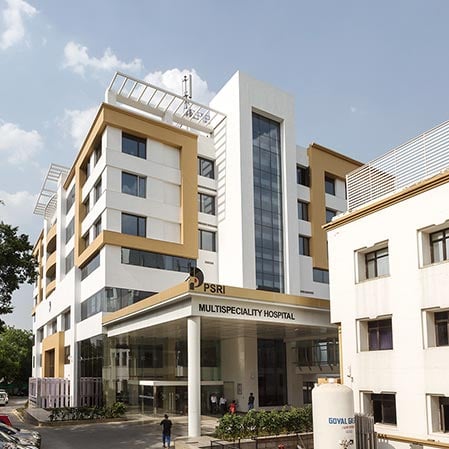
Hospitali ya PSRI, Delhi
Taasisi ya Utafiti ya Pushpawati Singhania (Hospitali ya PSRI), New Delhi, ni hospitali inayoongoza ya huduma ya juu ya elimu ya juu iliyoanzishwa mwa...
Vibali
Vifaa
Taratibu zinazofanana
Ushuhuda
Tazama Zote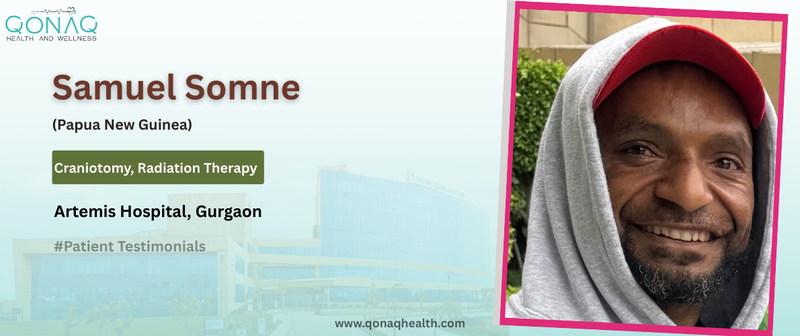
Samuel kutoka Papua New Guinea Alipokea Upasuaji wa Ubongo wa Kuokoa Maisha nchini India
Matunzio
Maswali
Mhakiki
Tazama Zote
Dr. SK Rajan is an internationally trained and AO-certified Spine Surgeon with extensive expertise in managing complex spinal disorders. He has trained at leading national and global institutions, i... Soma zaidi

Tovuti yetu hutumia kuki. Sera ya faragha.