
Upasuaji wa VP Shunt Gharama katika India
Kuhusu Upasuaji wa VP Shunt
Upasuaji wa VP Shunt ni nini?
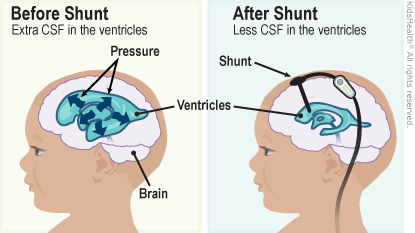
Upasuaji wa VP shunt, au upasuaji wa ventriculoperitoneal shunt, ni utaratibu wa upasuaji wa neva ambao husaidia kuondoa ugiligili wa uti wa mgongo (CSF) kutoka kwa ubongo. Kwa kawaida hutumiwa kutibu hali inayoitwa hydrocephalus, ambapo CSF hujilimbikiza kwenye ventrikali za ubongo, na kusababisha shinikizo kuongezeka ndani ya fuvu. Ikiwa haijatibiwa, hydrocephalus inaweza kusababisha maumivu ya kichwa, uharibifu wa ubongo, matatizo ya maono, na katika hali mbaya, hata kifo.
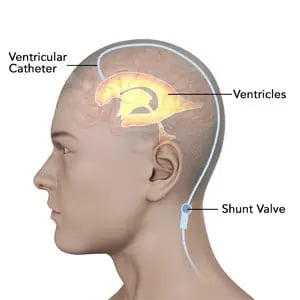
Mfumo wa VP shunt una sehemu tatu kuu:
- Kathetaambayo huingizwa kwenye ventrikali moja ya ubongo ili kukusanya umajimaji uliozidi.
- Mfumo wa valveambayo hudhibiti mtiririko na shinikizo la maji.
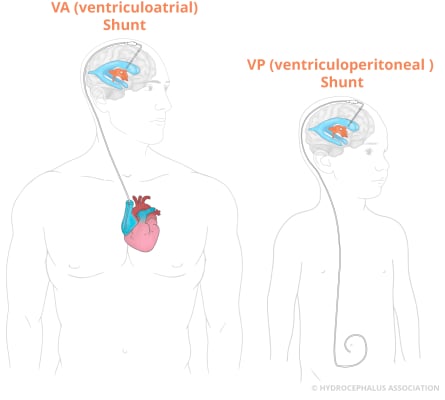
- Bomba la mifereji ya majiambayo hutiririka chini ya ngozi kutoka kichwani hadi kwenye tundu la peritoneal ndani ya tumbo, ambapo umajimaji huo hufyonzwa kwa usalama na mwili.
Madhumuni ya upasuaji nikurekebisha shinikizo la ndani, kupunguza dalili, na kuzuia matatizo zaidi. Shunt inafanya kazi kwa kuendelea na moja kwa moja. Hurekebisha kiwango cha mtiririko wa maji kama inavyohitajika, kulingana na viwango vya shinikizo kwenye ubongo. Vali huhakikisha kuwa maji mengi sana hayajatolewa mara moja.
Upasuaji wa VP shunt unaweza kuwaya muda au ya kudumu, kulingana na sababu na ukali wa mkusanyiko wa maji. Wagonjwa wengine wanaweza kuhitaji marekebisho ya shunt au uingizwaji baada ya muda, haswa watoto ambao bado wanakua au wale wanaopata shida.
Kwa nini Upasuaji wa VP Shunt Unafanywa?
Madaktari hufanya upasuaji wa VP shunt kutibu hali ya matibabu ambayo husababisha mkusanyiko usio wa kawaida wa maji ya cerebrospinal kwenye ubongo. Mkusanyiko wa CSF husababisha hydrocephalus, hali ambayo huongeza shinikizo ndani ya fuvu na kuathiri utendaji wa ubongo. Ikiwa haitadhibitiwa ipasavyo, hidrosefali inaweza kusababisha uharibifu wa kudumu wa neva, ucheleweshaji wa ukuaji, au matatizo ya kutishia maisha.
Lengo kuu la upasuaji nikuhamisha ziada ya CSF mbali na ubongokwa sehemu tofauti ya mwili (kawaida cavity ya tumbo), ambapo mwili unaweza kunyonya kwa kawaida. Shunt hurejesha shinikizo la kawaida ndani ya ubongo na kulinda tishu dhaifu za neural.
Masharti Yanayohitaji Upasuaji wa VP Shunt
Upasuaji wa VP shunt kawaida hupendekezwa kwa hali zifuatazo:
- Congenital Hydrocephalus:Watoto wanaozaliwa na hali hii wanaweza kukuza kichwa na kupata matukio ya kuchelewa kwa sababu ya mkusanyiko wa maji.
- Hydrocephalus inayopatikana:Inaweza kutokea katika umri wowote kutokana na majeraha ya kichwa, maambukizi kama vile uti wa mgongo, kutokwa na damu kwenye ubongo, au uvimbe wa ubongo.
- Hydrocephalus ya Shinikizo la Kawaida (NPH):Hali hii, ambayo mara nyingi huonekana kwa watu wazima, husababisha dalili kama vile ugumu wa kutembea, kutoweza kudhibiti mkojo, na kupoteza kumbukumbu.
- Hydrocephalus ya Baada ya Upasuaji au Baada ya Kuambukiza:Baada ya kufanyiwa upasuaji wa ubongo au kupata maambukizi, wagonjwa wanaweza kuendeleza hydrocephalus ambayo inahitaji usimamizi wa muda mrefu.
- Hydrocephalus inayohusiana na Tumor:Uvimbe wa ubongo unaweza kuzuia mtiririko wa CSF, na kusababisha kuongezeka kwa shinikizo ambalo lazima lipunguzwe kwa upasuaji.
Je! Madaktari Hupendekeza Utaratibu Wakati Gani?
Madaktari wanapendekeza upangaji wa VP shunt wakati mbinu zisizo za upasuaji kama vile dawa au kutoboa kiuno zinashindwa kudhibiti shinikizo la maji au dalili zinapoendelea haraka. Vipimo vya uchunguzi, kama vile MRI au CT scans, husaidia kuthibitisha utambuzi na maamuzi ya matibabu ya mwongozo.
Katika hali za dharura, madaktari wanaweza kufanya upasuaji haraka ili kuzuia uharibifu wa ubongo. Katika hali zilizochaguliwa, hupanga kwa uangalifu, mara nyingi huhusisha madaktari wa neva, radiolojia, na madaktari wa upasuaji wa neva kama sehemu ya timu ya taaluma nyingi.
Je! Utaratibu wa VP Shunt Unafanywaje?
Upasuaji wa VP shunt ni utaratibu wa upasuaji wa neva ambao kwa kawaida huchukua saa 1 hadi 2. Inahusisha uwekaji wa upasuaji wa mfumo wa shunt ambao husaidia kuelekeza maji ya ziada ya cerebrospinal kutoka kwa ubongo hadi kwenye cavity ya tumbo.
Chini ni muhtasari wa hatua kwa hatua wa utaratibu:
- Anesthesia na maandalizi:Mgonjwa hupewa anesthesia ya jumla ili kuhakikisha kuwa anabaki bila fahamu na bila maumivu wakati wote wa upasuaji. Timu ya upasuaji hutayarisha sehemu ya ngozi ya kichwa na tumbo kwa kusafisha na kuivuta kwa mtindo wa kuzaa.
- Uwekaji wa Catheter ya Ventricular:Daktari wa upasuaji wa neva hufanya mkato mdogo kwa msaada wa scalpel na kutoboa tundu dogo kwenye fuvu. Kwa kutumia uelekezi wa kupiga picha (kama vile urambazaji wa nyuro au ultrasound ya ndani ya upasuaji), daktari wa upasuaji huingiza katheta kwenye ventrikali ya kando ya ubongo ili kufikia kiowevu cha uti wa mgongo.
- Uwekaji wa Valve na Mirija:Kisha, daktari wa upasuaji huunda mfuko mdogo chini ya ngozi, ama nyuma ya sikio au kwenye kifua cha juu, ili kuingiza valve ya kudhibiti shinikizo. Vali hii inaunganishwa na katheta ya ventrikali na kudhibiti mtiririko wa CSF.
- Uingizaji wa Catheter ya Distal:Catheter ya pili imefungwa chini ya ngozi kutoka kwa valve chini ya shingo na kifua hadi kwenye cavity ya tumbo (peritoneum). Hapa, maji hutolewa na kufyonzwa na mwili.
- Ukaguzi wa Mwisho na Kufungwa:Timu ya upasuaji hujaribu mfumo mzima ili kuhakikisha mtiririko sahihi wa CSF na miunganisho salama. Mara baada ya kuthibitishwa, chale hufungwa kwa kutumia sutures au kikuu, na mavazi ya kuzaa hutumiwa kwenye eneo hilo.
- Ufuatiliaji wa Baada ya Upasuaji:Baada ya utaratibu, mgonjwa huhamishiwa kwenye chumba cha kupona au ICU ya neurosurgical kwa uchunguzi. Madaktari hufuatilia ishara muhimu, hali ya neva, na uponyaji wa jeraha. Madaktari hudhibiti maumivu na uvimbe kwa kutumia dawa, na wagonjwa wengi huanza kumeza na kufanya harakati nyepesi ndani ya masaa 24.
Aina za Vali za Shunt Zinazotumika
Hospitali za upasuaji wa neva hutumia vali za shinikizo zisizobadilika na vali zinazoweza kupangwa:
- Vipu vya shinikizo zisizohamishikakudumisha kiwango cha mifereji ya maji mara kwa mara na kwa ujumla ni ghali kuliko vali zinazoweza kupangwa.
- Valve zinazoweza kupangwainaweza kubadilishwa nje kwa kutumia kifaa maalum, kutoa kubadilika zaidi, hasa katika watoto au kesi ngumu.
Pata mpango wa matibabu ya bure
Kuhusu Upasuaji wa VP Shunt katika India
What Is the Cost of VP Shunt Surgery in India?
The cost of VP shunt surgery in India ranges between $3,200 and $6,000 for international patients. This cost includes the surgery, hospital stay, consultation charges, basic investigations, anesthesia, and the shunt device itself. Some high-end hospitals may charge slightly more, especially if programmable shunts or extended ICU care are required.
Compared to the USA or UK, where VP shunt surgery can cost $25,000 to $50,000, India offers an equally effective treatment at a fraction of the price, making it a highly preferred destination for medical travelers.
What Does the Cost Typically Include?
Most hospitals offer all-inclusive surgery packages for international patients. These may include:
- Pre-surgery diagnostic tests (MRI, CT, blood work)
- Neurosurgeon and anesthesia fees
- Hospital room charges for 3–7 days (ward or private)
- Surgery costs, including operation theatre and ICU charges
- Cost of the shunt device (fixed or programmable)
- Post-surgery care during hospitalization
- Nursing and physiotherapy services
In some cases, especially at JCI-accredited hospitals, the package also covers:
- Airport pickup and drop-off
- Visa support documentation
- Language interpreter services
- Attendant stay and meals
Additional Expenses That Are Not Always Included
- Cost of international travel and airfare
- Medications required after discharge
- Follow-up programming (in case of programmable valves)
- Extended hospital stay beyond the package duration
- Rare complication management, if any
Programmable vs. Fixed Shunt Cost in India
The cost of a fixed-pressure VP shunt in India typically ranges from $3,200 to $4,000. In contrast, a programmable VP shunt generally costs between $4,500 and $6,000, depending on the hospital, device brand, and associated services. Programmable valves are slightly more expensive but allow doctors to adjust CSF drainage externally using a magnetic device, which can be beneficial in children with growing brains or complex cases.
India's cost advantage makes VP shunt surgery highly accessible to patients from Africa, the Middle East, Southeast Asia, and beyond. Patients receive world-class care at a cost that is transparent, inclusive, and significantly lower than global averages.
What Factors Influence the Cost of VP Shunt Surgery?
Several factors influence the final cost of VP shunt surgery in India, and understanding them helps international patients plan their treatment and budget more effectively.
- Type of Hospital: The choice between a corporate, multi-specialty hospital and a smaller neurosurgical center plays a significant role in pricing. JCI- or NABH-accredited hospitals with advanced infrastructure tend to charge more but offer high-end facilities and international-standard care.
- Neurosurgeon's Experience: Highly experienced neurosurgeons, especially those trained abroad or with hundreds of successful procedures, may have slightly higher fees. However, their expertise often leads to better outcomes and fewer post-op complications, making them a wise investment.
- Type of Shunt Device Used: India offers both fixed-pressure and programmable shunts. Programmable shunts are more expensive but allow for external adjustments to the flow rate without requiring additional surgery. Your treating doctor will recommend the best option based on your condition.
- City of Treatment: Top medical hubs, such as Delhi, Mumbai, Chennai, and Bangalore, may have higher costs due to their advanced infrastructure and high patient volumes. However, cities like Pune, Kochi, and Ahmedabad also offer affordable care with comparable quality.
- Duration of Hospital Stay: A more extended hospital stay due to complications or the need for extended ICU care can increase the total bill. On average, patients stay for 3 to 7 days, depending on their recovery speed and underlying condition.
Why Choose India for VP Shunt Surgery?
India has become a top destination for VP shunt surgery due to its strong combination of world-class medical care, high surgical success rates, and cost-effective treatment packages. International patients trust India not only for the affordability of care but also for the expertise of its neurosurgeons, who are globally trained and widely experienced in treating complex neurological conditions, such as hydrocephalus.
- Highly Skilled Neurosurgeons: Indian neurosurgeons are known for their precision, advanced training, and deep experience in treating both pediatric and adult hydrocephalus. Many have received education or fellowships from the USA, UK, or Europe, and they stay updated with the latest techniques in shunt placement, revision surgeries, and programmable valve technology. Their competence ensures safe outcomes, even in complicated or high-risk cases.
- State-of-the-Art Infrastructure: Top-tier hospitals in India feature modern neurosurgical operating rooms, advanced neuroimaging, and post-operative ICUs designed for neurological care. Facilities are equipped with neuronavigation systems, endoscopic tools, and intraoperative monitoring that increase surgical precision and patient safety.
- Cost Advantage: India offers VP shunt surgery at a fraction of the cost in the US, UK, or Middle Eastern countries, without compromising quality. International patients often save up to 70–80% on their total treatment expenses. This cost-effectiveness extends not just to the surgery, but also to hospital stays, diagnostics, and follow-up care.
- International Patient Support Services: Hospitals in India offer dedicated international patient departments that manage everything—from visa assistance and airport pickups to interpreter services and hotel bookings. It makes the journey easy for patients traveling from Africa, Southeast Asia, the Middle East, or Europe.
- No Waiting Time: Unlike public healthcare systems in some countries where neurosurgery involves long waiting periods, patients in India can schedule VP shunt surgery within a few days of arrival. It is beneficial for patients with hydrocephalus, as timely intervention can prevent serious complications.
What are the Services Available for International Patients?
India's leading hospitals offer a full range of support services specifically designed for international patients undergoing VP shunt surgery.
- Medical Visa Assistance: Hospitals in India offer an official medical visa invitation letter to facilitate patients and their attendants in obtaining fast-track medical visas. Some hospitals even coordinate directly with embassies to simplify the visa approval process.
- Airport Pickup and Drop: International patients receive complimentary or pre-arranged airport pickup and drop services. Hospital representatives greet patients at the airport and arrange safe, private transport to their accommodation or directly to the hospital.
- Interpreter and Language Support: To overcome language barriers, hospitals often assign multilingual coordinators or interpreters who speak Arabic, French, Swahili, Russian, Bengali, and other languages. It ensures that patients fully understand the diagnosis, procedure, and care instructions.
- Assistance with Accommodation: Patient support teams assist in booking hotels, guesthouses, or hospital-attached rooms for both patients and their caregivers. Options are available for all budgets and are conveniently located near the hospital.
- Dedicated Case Managers: Each international patient is assigned a dedicated patient coordinator who guides them through the treatment process, starting from sharing medical opinions to organizing follow-ups, surgery appointments, payments, and travel logistics.
- Priority Appointments and Scheduling: International patients do not need to wait in long queues. Hospitals schedule consultations, imaging tests, and surgeries in advance, often within 48 to 72 hours of the patient's arrival in India.
- Telemedicine and Follow-Up Support: After discharge, hospitals continue to support patients through teleconsultations, WhatsApp updates, and email communications. These follow-ups are essential for patients with programmable VP shunts who may need remote adjustments or monitoring.
Success Rate and Recovery After VP Shunt Surgery in India
VP shunt surgery in India has a high success rate, primarily when performed in specialized neurosurgical centers. On average, Indian hospitals report success rates of 85% to 95%, depending on the underlying condition, patient age, and any pre-existing complications. These outcomes are comparable to, and sometimes even better than, those in Western countries, due to the expertise of Indian neurosurgeons and the use of high-quality, FDA-approved shunt systems.
What Contributes to the High Success Rate?
Indian hospitals adhere to strict surgical protocols, utilize modern imaging guidance, and maintain sterile operating conditions. Skilled neurosurgeons with international training and years of experience perform these procedures, which significantly reduce the risk of complications like infections or shunt malfunction. Moreover, programmable valves offer flexibility in long-term management, particularly in pediatric cases or for patients with fluctuating fluid pressure needs.
Recovery After VP Shunt Surgery
Most patients recover well after VP shunt placement. The typical hospital stay lasts between 3 to 7 days, during which the patient receives IV fluids, antibiotics, and monitoring for any neurological or surgical complications.
By the time of discharge, patients usually experience noticeable relief from symptoms such as headaches, nausea, and balance issues. For children, parents may notice improvements in activity levels, developmental milestones, or a reduction in head size over time.
Post-Surgery Follow-Up and Care
Recovery continues at home, and patients require 1 to 2 weeks of rest before resuming their daily activities. Doctors schedule follow-up visits or virtual consultations to monitor wound healing and ensure the shunt functions properly. In cases involving programmable shunts, the valve settings may be adjusted externally during these follow-ups.
In rare cases, patients may experience shunt malfunction or infection, but early diagnosis and treatment help manage these risks effectively. Most international hospitals in India offer detailed discharge instructions and round-the-clock helplines for follow-up support.
Upasuaji wa VP Shunt kulinganisha gharama na nchi
Linganisha Upasuaji wa VP Shunt gharama katika nchi tofauti kufanya uamuzi sahihi juu ya matibabu yako.
| Nchi | Anuwai ya gharama (USD) | Akiba inayowezekana | Hatua |
|---|---|---|---|
IndiaSasaThamani bora | $3,200 - $6,000 | — | Pata nukuu |
Kumbuka: Gharama zinaweza kutofautiana kulingana na uchaguzi wa hospitali, aina ya chumba, huduma za ziada, na mahitaji ya matibabu ya mtu binafsi.
Hospitali zinazoongoza kwa Upasuaji wa VP Shunt katika India

BLK-Max Super Specialty Hospital, New Delhi
BLK-Max Super Specialty Hospital huko New Delhi ni mojawapo ya taasisi kuu za afya ya India, inayotoa vitanda 650, kumbi 22 za upasuaji za hali ya juu...
Vibali


Vifaa

Hospitali ya Maalum ya Max Smart Super, Saket, New Delhi
Max Smart Super Specialty Hospital, Saket, ni hospitali ya huduma ya juu ya vitanda 250 huko Delhi Kusini. Inatoa huduma ya juu ya matibabu na upasuaj...
Vibali
Vifaa

Hospitali ya PSRI, Delhi
Taasisi ya Utafiti ya Pushpawati Singhania (Hospitali ya PSRI), New Delhi, ni hospitali inayoongoza ya huduma ya juu ya elimu ya juu iliyoanzishwa mwa...
Vibali
Vifaa
Taratibu zinazofanana
Matunzio
Maswali
Mhakiki
Tazama Zote
Dr. SK Rajan is an internationally trained and AO-certified Spine Surgeon with extensive expertise in managing complex spinal disorders. He has trained at leading national and global institutions, i... Soma zaidi

Tovuti yetu hutumia kuki. Sera ya faragha.