
Matibabu ya Saratani ya Mapafu Gharama katika India
Kuhusu Matibabu ya Saratani ya Mapafu
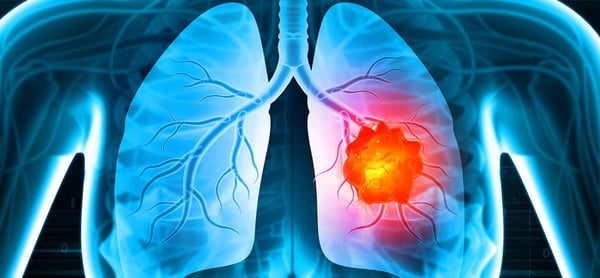
Saratani ya mapafu ni mojawapo ya aina kali zaidi za saratani duniani kote. Inatokea wakati seli zisizo za kawaida katika mapafu zinaanza kuzidisha bila kudhibitiwa, na kutengeneza tumors zinazoingilia kati ya kupumua kwa kawaida na kubadilishana oksijeni. Hali hiyo inaweza kutokea katika sehemu yoyote ya mapafu na, isipotibiwa, inaweza kuenea kwa viungo vingine muhimu kama vile ini, mifupa, ubongo au titi.
Ugonjwa huu huathiri mamilioni ya watu duniani kila mwaka na ni miongoni mwa visababishi vikuu vya vifo vinavyotokana na saratani. Walakini, kwa utambuzi wa mapema, uchunguzi wa hali ya juu, na chaguzi za matibabu ya kisasa, wagonjwa wengi sasa wanaweza kudhibiti saratani ya mapafu kwa ufanisi na kuishi maisha marefu na yenye afya.
Maendeleo ya hivi majuzi katika oncology, ikiwa ni pamoja na tiba lengwa, tiba ya kinga mwilini, na upasuaji mdogo wa uvamizi, yameboresha matokeo ya matibabu na ubora wa maisha kwa wagonjwa katika hatua zote za ugonjwa huo.
Saratani ya Mapafu ni Nini?
Saratani ya mapafu ni ugonjwa sugu ambao seli zisizo za kawaida hukua bila kudhibitiwa kwenye mapafu. Seli hizi huunda uvimbe ambao huingilia utendaji wa kawaida wa mapafu, na hivyo kufanya iwe vigumu kwa mwili kupata oksijeni ya kutosha. Baada ya muda, seli hizi za saratani zinaweza kuenea kwa tishu za jirani au sehemu nyingine za mwili kupitia mfumo wa damu au mfumo wa lymphatic.
Kuna aina mbili kuu za saratani ya mapafu, ambayo kila moja ina mifumo tofauti ya ukuaji:
- Saratani ya Mapafu ya Seli ndogo ndogo (NSCLC):Hii ndiyo aina ya kawaida zaidi, ikichukua karibu 85-90% ya visa vyote vya saratani ya mapafu. Hukua polepole kiasi na inajumuisha aina ndogo kama vile squamous cell carcinoma, adenocarcinoma, na cell carcinoma kubwa.
- Saratani ya Seli Ndogo ya Mapafu (SCLC):Aina hii haipatikani sana lakini inaelekea kuenea kwa haraka zaidi. Kwa kawaida hutokea kwa watu walio na historia ya kuvuta sigara na mara nyingi huhitaji tiba ya kemikali au mionzi kama matibabu ya kimsingi.
Sababu haswa ya saratani ya mapafu hutofautiana, lakini sababu ya kawaida ya hatari ni udhihirisho wa muda mrefu wa tumbaku. Sababu nyingine zinazochangia ni pamoja na uchafuzi wa hewa, moshi wa sigara, mfiduo wa kemikali kazini, na historia ya familia ya saratani.
Je! ni Dalili gani za Saratani ya Mapafu?
Katika hatua zake za mwanzo, saratani ya mapafu inaweza isionyeshe dalili zinazoonekana. Wagonjwa wengi hugunduliwa tu baada ya ugonjwa huo kuendelea, ndiyo sababu uchunguzi wa mapema na tathmini ya matibabu ni muhimu kwa wale walio katika hatari.
Dalili za saratani ya mapafu hutofautiana kulingana na eneo na hatua ya tumor, lakini zifuatazo zinaonekana zaidi:
- Kikohozi cha kudumu ambacho hakiendi
- Kukohoa damu au makohozi yenye rangi ya kutu
- Upungufu wa pumzi au ugumu wa kupumua
- Maumivu ya kifua ambayo huongezeka kwa kukohoa
- Maambukizi ya mara kwa mara ya njia ya upumuaji (kama vile bronchitis)
- Uchovu na kupoteza uzito bila sababu
- Hoarseness au mabadiliko katika sauti
- Kuvimba kwa uso au shingo (katika hali ya juu)
Dalili hizi haimaanishi saratani kila wakati. Wanaweza kuhusishwa na hali nyingine za mapafu, lakini dalili zinazoendelea au zinazozidi zinapaswa kuchunguzwa na daktari mara moja.
Je! Saratani ya Mapafu Inatambuliwaje?
Utambuzi unahusisha mchanganyiko wa uchunguzi wa kimaabara, vipimo vya picha, na sampuli za tishu ili kuthibitisha uwepo na hatua ya saratani.
Vipimo vya kawaida vya utambuzi ni pamoja na:
- X-ray ya kifua:Mara nyingi mtihani wa kwanza wa kupiga picha hutumiwa kutambua molekuli isiyo ya kawaida au kivuli kwenye mapafu.
- CT Scan:Mbinu hii ya kupiga picha hutoa picha za kina za mapafu, kuwezesha uamuzi wa ukubwa na nafasi ya tumor.
- PET-CT Scan:Hugundua saratani kuenea kwa viungo vingine na kusaidia katika staging.
- Bronchoscopy:Mrija mwembamba wenye kamera huingizwa kupitia njia ya hewa ili kuona mapafu na kukusanya sampuli za tishu kwa uchunguzi.
- Biopsy:Sampuli ndogo ya tishu inachukuliwa kutoka kwa mapafu au nodi za limfu ili kudhibitisha aina ya saratani kwa darubini.
- Uchunguzi wa Molekuli:Husaidia kutambua mabadiliko mahususi ya jeni (kama vile EGFR au ALK) ili kuongoza tiba inayolengwa.
Je! Saratani ya Mapafu inatibiwaje?
Matibabu ya saratani ya mapafu inategemea hatua ya saratani na afya ya jumla ya mgonjwa. Pamoja na maendeleo katika oncology, madaktari sasa wana chaguzi nyingi zinazopatikana kudhibiti saratani, kupunguza dalili, na kuboresha ubora wa maisha.
Chini ni njia kuu za matibabu zinazotumiwa kwa saratani ya mapafu:
Upasuaji
Upasuaji unashauriwa katika hatua za awali za saratani ya mapafu ya seli isiyo ndogo (NSCLC), wakati uvimbe umewekwa kwenye sehemu moja ya mapafu. Taratibu za kawaida za upasuaji ni pamoja na:
- Lobectomy:Kuondolewa kwa lobe nzima ya mapafu (ya kawaida zaidi).
- Pneumonectomy:Kuondolewa kwa pafu moja zima (kwa tumors kubwa au katikati).
- Segmentectomy au Uondoaji wa Kabari:Kuondolewa kwa sehemu ndogo ya tishu za mapafu zilizo na tumor.
Mbinu za uvamizi mdogo kama vile upasuaji wa kifua unaosaidiwa na video (VATS) na upasuaji unaosaidiwa na roboti zimepunguza muda wa kupona na usumbufu baada ya upasuaji.
Tiba ya kemikali
Kemo hutumia dawa kuua seli za saratani zinazogawanyika haraka. Inaweza kutumika:
- Kabla ya upasuaji (tiba ya neoadjuvant) ili kupunguza uvimbe,
- Baada ya upasuaji (tiba ya adjuvant) kuondoa seli za saratani iliyobaki, au
- Kama matibabu ya msingi kwa saratani ya mapafu iliyoendelea au isiyoweza kufanya kazi.
Tiba ya kemikali inasimamiwa kwa mizunguko, mara nyingi ikiunganishwa na mionzi au dawa zinazolengwa kwa ajili ya kuboresha ufanisi.
Tiba ya Mionzi
Matibabu haya hutumia X-rays yenye nguvu nyingi au mihimili ya protoni kulenga na kuharibu seli za saratani. Inaweza kutumika:
- Kutibu tumors za ndani wakati upasuaji hauwezekani.
- Ili kupunguza dalili kama vile kutokwa na damu, au
- Baada ya upasuaji ili kuzuia kurudi tena.
Aina za kisasa, kama vile IMRT (Tiba ya Mionzi-Moduli ya Nguvu) na Tiba ya Mionzi ya Mwili ya Stereotactic (SBRT), huwezesha ulengaji kwa usahihi wa uvimbe huku ikilinda tishu zenye afya.
Tiba inayolengwa
Tiba inayolengwa hufanya kazi kwa kuzuia mabadiliko mahususi ya jeni au protini zinazochochea ukuaji wa saratani, kama vile EGFR, ALK, au mabadiliko ya ROS1. Matibabu haya yanapatikana katika fomu ya kidonge au infusion na yanafaa zaidi kwa wagonjwa ambao saratani inaonyesha alama hizi za kijeni.
Tiba ya kinga mwilini
Immunotherapy huimarisha kinga ya asili ya mwili ili kupambana na seli za saratani. Dawa zinazoitwa vizuizi vya ukaguzi wa kinga (kama pembrolizumab au nivolumab) husaidia mfumo wa kinga kutambua na kuua seli za saratani kwa ufanisi zaidi. Tiba hii ni ya manufaa hasa kwa saratani ya mapafu iliyoendelea au ya mara kwa mara.
Pata mpango wa matibabu ya bure
Kuhusu Matibabu ya Saratani ya Mapafu katika India
What Is the Cost of Lung Cancer Treatment in India?
The average price of lung cancer treatment in India generally ranges between $4,500 and $8,500 (approximately ₹3.7 to ₹7.1 lakhs). The exact price depends on the type and stage of cancer, the treatment approach, and the city and hospital where care is received.
India has become one of the most affordable destinations for comprehensive cancer care, offering access to advanced therapies, including chemotherapy, radiation therapy, targeted therapy, and immunotherapy.
Below is an approximate breakdown of lung cancer treatment costs in India:
Treatment Type | Average Cost (USD) | Approx. Cost (INR) |
| Lung Cancer Surgery (Lobectomy / Pneumonectomy) | $3,500 – $6,000 | ₹2.9 – ₹5.0 lakh |
| Chemotherapy (per cycle) | $300 – $600 | ₹25,000 – ₹50,000 |
| Radiation Therapy (complete course) | $3,000 – $5,000 | ₹2.5 – ₹4.1 lakh |
| Targeted Therapy (per month) | $1,000 – $2,500 | ₹85,000 – ₹2.1 lakh |
| Immunotherapy (per cycle) | $1,500 – $3,000 | ₹1.2 – ₹2.5 lakh |
| PET-CT Scan / Diagnostics | $400 – $800 | ₹33,000 – ₹65,000 |
- The total cost depends on the number of chemotherapy or immunotherapy cycles required.
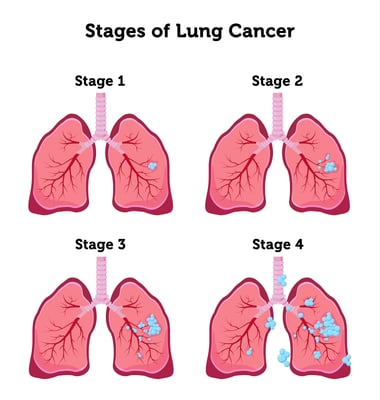
- Patients in early stages (Stage I or II) may require surgery and fewer therapy sessions, resulting in lower expenses.
- For advanced stages (Stage III or IV), where multiple treatments or combination therapies are used, the total cost may be higher.
Cost Inclusions
- Oncologist’s consultation and professional fees
- Surgery or therapy costs, including operating room, anesthesia, and medical consumables
- Hospital stay and nursing care during treatment or recovery
- Routine investigations, such as blood tests, X-rays, and CT scans performed during hospitalization
- Standard medications and supportive care provided during the active treatment phase
- Follow-up consultations within the hospital during the initial recovery period
Cost Exclusions
- Pre-treatment diagnostic tests (PET-CT, biopsy, molecular testing, etc.) performed before admission
- Targeted therapy or immunotherapy drugs, if imported or branded
- An extended hospital stay in case of complications or additional procedures
- Rehabilitation or physiotherapy after surgery
- Travel, visa, and accommodation for the patient and companion
- Post-treatment follow-ups once the patient returns home
What Is the Cost of Lung Cancer Treatment in Different Indian Cities?
The cost of lung cancer treatment in India varies slightly from one city to another. The difference is mainly due to variations in hospital infrastructure, doctor expertise, and overall living costs across each region.
Below is an approximate city-wise cost range to help international patients plan their budget more accurately:
City | Average Cost (USD) | Approx. Cost (INR) |
| New Delhi | $4,500 – $8,000 | ₹3.7 – ₹6.6 lakh |
| Mumbai | $5,000 – $8,500 | ₹4.1 – ₹7.1 lakh |
| Chennai | $4,200 – $7,500 | ₹3.4 – ₹6.2 lakh |
| Bangalore | $4,800 – $8,000 | ₹3.9 – ₹6.6 lakh |
| Hyderabad | $4,500 – $7,800 | ₹3.7 – ₹6.4 lakh |
- Delhi and Mumbai: Known for advanced oncology centers and globally trained specialists; slightly higher but comprehensive.
- Chennai and Hyderabad: Offer excellent medical expertise at moderately lower costs.
- Bangalore: Popular among international patients for modern hospitals and strong patient-support infrastructure.
What Factors Affect the Cost of Lung Cancer Treatment in India?
While India offers lung cancer treatment at a much lower cost than most countries, the final expense can vary depending on several medical and logistical factors. Here are the key elements that influence the total price:
- Type and Stage of Cancer: Early-stage lung cancer (Stage I–II) usually requires surgery or limited therapy, whereas advanced stages (Stage III–IV) need multiple chemotherapy or radiation sessions, which increases overall cost.
- Treatment Method Chosen: The cost differs based on whether the patient undergoes surgery, chemotherapy, radiation therapy, targeted therapy, or immunotherapy.
- Hospital Selection: Multispecialty and internationally accredited hospitals in major cities, such as Delhi, Mumbai, or Bangalore, charge slightly more than smaller regional centers.
- Oncologist’s Experience: Highly experienced or internationally trained oncologists may have higher consultation and procedure fees.
- Type of Medicines Used: Imported or branded chemotherapy, targeted therapy, or immunotherapy drugs are costlier than locally manufactured generic alternatives.
- Duration of Treatment: The number of therapy cycles, hospital stays, and follow-up visits directly impacts the total cost of treatment.
- Patient’s General Health: Patients with other health issues, such as heart or kidney conditions, may require additional medical care or extended hospitalization, which can increase expenses.
- Room Category and Hospital Stay: Selecting a private or deluxe room, or requiring extended post-treatment monitoring, may result in increased total billing.
How Does the Cost in India Compare With Other Countries?
Lung cancer treatment in India is considerably more affordable than in Western and Middle Eastern countries. Despite the lower cost, Indian hospitals offer access to advanced infrastructure, skilled specialists, and modern treatment options.
Below is a general cost comparison:
Country | Average Cost (USD) |
| United States | $35,000 – $60,000 |
| United Kingdom | $30,000 – $50,000 |
| UAE | $25,000 – $40,000 |
| Singapore | $20,000 – $35,000 |
| India | $4,500 – $8,500 |
Patients can save up to 70–80% on total treatment expenses by choosing India, while still receiving internationally standardized medical care. The cost difference is due to lower operational expenses and favorable currency exchange rates, not due to any compromise in treatment quality.
Why Should You Choose India for Lung Cancer Treatment?
India is a leading destination for affordable and advanced cancer care. Patients from around the world choose India for lung cancer treatment due to these key reasons:
- Advanced Oncology Infrastructure: Major Indian hospitals are equipped with state-of-the-art radiation therapy systems, PET-CT scanners, and robotic surgical units.
- Experienced and Globally Trained Oncologists: India’s oncologists have trained at top global institutions and are skilled in the latest cancer therapies, including immunotherapy, targeted therapy, and minimally invasive thoracic surgery.
- Affordable Treatment Packages: Lung cancer treatment in India costs a fraction of what it does in the US or Europe. Despite this price difference, hospitals maintain international standards of hygiene, safety, and care.
- Accredited Hospitals: Most major Indian hospitals that treat international patients are NABH or JCI accredited, ensuring they meet globally recognized quality standards.
- Seamless Patient Support: Hospitals have dedicated international patient service teams to assist with medical visa documentation, airport pickup, accommodation, and post-treatment travel coordination.
- English-Speaking Medical Staff: Doctors, nurses, and coordinators communicate fluently in English, ensuring comfort and clarity for foreign patients throughout their treatment journey.
- Short Waiting Times: Unlike in other developed countries, India offers prompt appointments and immediate treatment scheduling, enabling patients to begin therapy without delay.
What Is the Recovery and Success Rate After Lung Cancer Treatment?
Recovery from lung cancer varies depending on the type of therapy, the stage at which the cancer is detected, and the patient’s overall health. With advances in oncology, both recovery times and success rates have improved significantly in recent times.
Recovery After Treatment
- After Surgery: Patients who undergo surgery such as lobectomy or pneumonectomy usually stay in the hospital for 5 to 7 days. Most lung cancer patients can return to their normal daily activities within 4 to 6 weeks, although it may take several months for their lung function to return to normal.
- After Chemotherapy: Recovery between cycles is typically 1 to 2 weeks, depending on the body’s response and side effects. Supportive medications help manage side effects such as fatigue, nausea, or low immunity.
- After Radiation Therapy: Radiation may cause mild fatigue or irritation in the treated area, which typically improves within a few weeks of completing therapy.
- After Targeted or Immunotherapy: These modern therapies generally cause fewer side effects than chemotherapy. Most patients continue daily activities during treatment, with periodic monitoring by their oncologist.
Success Rate of Lung Cancer Treatment
The success rate of lung cancer treatment depends on the cancer stage and the treatment approach:
- Early-Stage Lung Cancer (Stage I–II): With timely surgery and/or targeted therapy, success rates can reach 60–80%, with many patients living long, healthy lives.
- Locally Advanced (Stage III): Combination therapy (surgery, chemo, radiation) can achieve success rates of around 40–50%.
- Advanced-Stage (Stage IV): For metastatic cancer, targeted and immunotherapy options have extended median survival to 2–5 years in many patients, improving both quality and length of life.
Matibabu ya Saratani ya Mapafu kulinganisha gharama na nchi
Linganisha Matibabu ya Saratani ya Mapafu gharama katika nchi tofauti kufanya uamuzi sahihi juu ya matibabu yako.
| Nchi | Anuwai ya gharama (USD) | Akiba inayowezekana | Hatua |
|---|---|---|---|
IndiaSasaThamani bora | $4,500 - $8,500 | — | Pata nukuu |
Kumbuka: Gharama zinaweza kutofautiana kulingana na uchaguzi wa hospitali, aina ya chumba, huduma za ziada, na mahitaji ya matibabu ya mtu binafsi.
Hospitali zinazoongoza kwa Matibabu ya Saratani ya Mapafu katika India
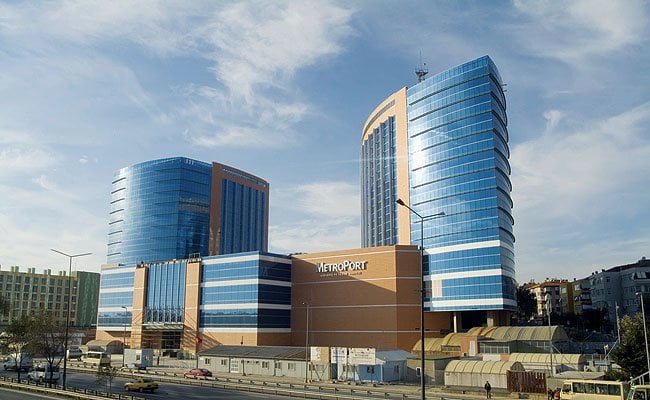
Hospitali ya Bahcelievler ya Hifadhi ya Matibabu
Hospitali ya Medical Park Bahcelievler ni hospitali iliyoidhinishwa na JCI ya vitanda 242 huko Istanbul, iliyoanzishwa mwaka wa 2007. Imeenea katika m...
Vibali
Vifaa

Hospitali ya Hisar Intercontinental, Istanbul
Hospitali ya Hisar Intercontinental huko Istanbul ni hospitali iliyoidhinishwa na JCI, yenye vitanda 212 yenye utaalamu mbalimbali inayochukua mita za...
Vibali
Vifaa
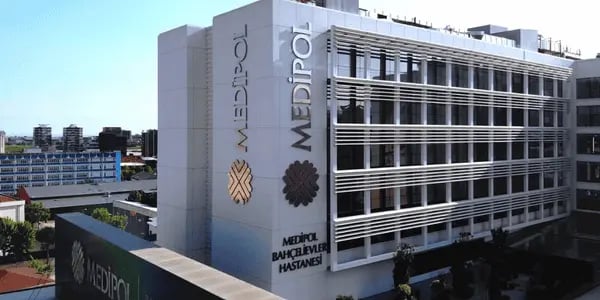
Hospitali ya Medipol Bahçelievler
Hospitali ya Medipol Bahçelievler ni hospitali ya kibinafsi ya vitanda 441 huko Istanbul ambayo ilianza kufanya kazi Mei 2022. Inashughulikia mita za ...
Vibali
Vifaa
Taratibu zinazofanana
Matunzio
Maswali
Mhakiki
Tazama Zote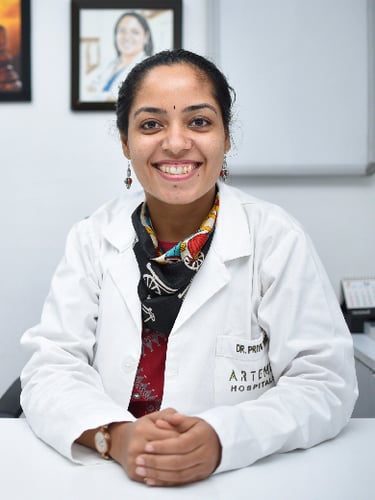
Dr. Priya Tiwari is a renowned medical oncologist trained at the prestigious All India Institute of Medical Sciences (AIIMS). She specializes in comprehensive cancer care and is committed to deliver... Soma zaidi

Tovuti yetu hutumia kuki. Sera ya faragha.