
Kattalashgan prostata uchun Rezum suv bug'lari bilan davolash: Hindistonda protsedura, natijalar va narx
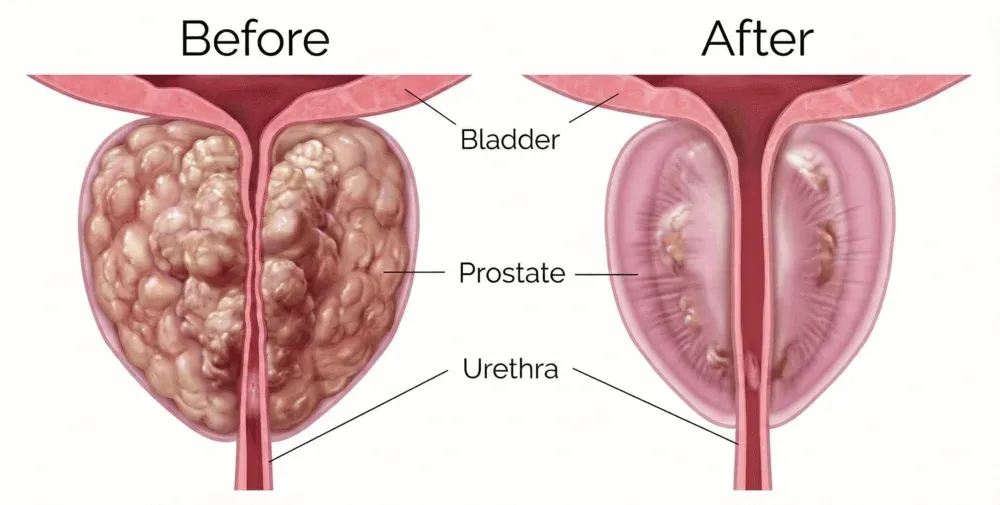
Most men managing an enlarged prostate eventually reach a point where medication has stopped working, or the side effects of long-term alpha-blockers and 5-alpha reductase inhibitors have become their own problem. Surgery is the conventional next step, but the traditional options, TURP and even the newer HoLEP, carry one consequence that younger or sexually active men weigh heavily: retrograde ejaculation in 60 to 90 percent of cases.
Rezūm Water Vapour Therapy sits in the space between medication and surgery. It destroys obstructing prostate tissue using steam injected directly into the gland through the urethra, requires no incision, can be performed in 10 to 15 minutes under local anaesthesia, and preserves ejaculatory function in the large majority of patients. Five-year data show an IPSS improvement of 50% or more sustained over that period, with a retreatment rate of only 4-5%.
Rezūm was FDA-approved in 2015 and reached India in early 2024, with leading hospitals rolling out the technology to meet growing demand from both domestic and international patients. This article explains exactly how it works, who it suits, what the outcomes show, and what it costs.
Rezūm at a Glance
Feature | Details |
| Best for | Moderate BPH |
| Procedure time | 10–15 min |
| Anaesthesia | Local |
| Hospital stay | Same day |
| Recovery | 2–6 weeks |
| Catheter | 5–14 days |
| Preserves ejaculation | Yes (80–90%) |
| Cost in India | USD 4,000–5,500 |
What Is Rezūm Water Vapour Therapy?
Rezūm is a minimally invasive treatment for Benign Prostatic Hyperplasia (BPH) that uses the thermal energy stored in water vapour to destroy the excess prostate tissue pressing on the urethra.
It belongs to a category called Minimally Invasive Surgical Therapies (MISTs), positioned between medication management and surgical resection. Unlike TURP or HoLEP, which mechanically remove or enucleate prostatic tissue or use a laser, Rezūm induces cell death via thermal energy and allows the body to reabsorb the treated tissue naturally over a period of three to twelve weeks.
The device is inserted through the urethra. No skin incision is made. The procedure is performed under local anaesthesia or mild sedation and takes 10 to 15 minutes in most cases. Patients go home the same day.
How Does Rezūm Work Step by Step?
The mechanism of Rezūm is precise and takes place entirely inside the urethra.
- Local anaesthesia or mild sedation is administered to numb the urethra and prostate. General anaesthesia is not required.
- A thin cystoscope-like device is passed through the urethra into the prostatic urethra.
- A small needle deploys through the side of the device into the obstructing prostatic tissue. Injections are placed into the transition zone and into the median lobe if it is present.
- Radiofrequency energy is applied to a small quantity of sterile water inside the device, generating 0.45 mL of steam at 100 to 113 degrees Celsius.
- Steam is injected for 9 seconds at each treatment site. Upon contact with the cooler prostate tissue, it immediately condenses back into water, releasing all its stored thermal energy into the target tissue's cell membranes.
- The thermal energy causes immediate cell death in the treated zone.
- Over the following three to twelve weeks, the immune system absorbs and removes the treated tissue, the prostate shrinks, and urethral compression reduces progressively.
Each treatment session delivers multiple injections, typically 3 to 14, depending on prostate size. For very large prostates, data from a 2024 multicentre registry of 175 patients with prostates averaging 105 mL found that an average of 14 injections was used, with effective symptom improvement recorded across the cohort.
Who Is a Good Candidate for Rezūm?
Rezūm is approved and evidence-supported for prostate volumes from approximately 30 mL to 80 mL in standard practice, with real-world data now supporting its use in selected larger glands.
Ideal Candidates
- Men with moderate to severe BPH symptoms (IPSS 13 or above) who have not responded adequately to medication or who want to avoid long-term medication
- Men who want to preserve ejaculatory function, particularly those under 65 or those in sexually active relationships
- Patients in whom median lobe hyperplasia is contributing to obstruction (Rezūm can target the median lobe directly, unlike some other MIST procedures)
- Patients on anticoagulant therapy who cannot safely stop blood thinners for surgery
- Men seeking a day procedure without general anaesthesia, including older patients or those with significant cardiac or respiratory comorbidities
Who is not a candidate for Rezūm?
- Men with an active urinary tract infection (must be treated before the procedure)
- Patients with a urethral stricture preventing device access
- Men with very large prostates (typically over 100 mL) who require complete relief of bladder outlet obstruction in a single procedure.
- Patients with suspected or confirmed prostate cancer (Rezūm is not a cancer treatment)
Does Rezūm Preserve Sexual Function?
Yes, and this is the most clinically important differentiator from TURP and HoLEP for many patients.
Retrograde ejaculation, where semen enters the bladder instead of exiting during orgasm, affects 60 to 90 percent of men who undergo TURP and 70 to 80 percent after HoLEP. The effect is permanent in most cases. Many men find this acceptable. Many do not.
Rezūm treats obstructing tissue while leaving the external urethral sphincter, the ejaculatory ducts, and the neurovascular bundles largely undisturbed, because the steam is directed into the transition zone tissue rather than the structures bordering the urethra.
A 2025 narrative review across multiple Rezūm studies found that both erectile and ejaculatory function were preserved in most patients, with notable complications such as persistent sexual dysfunction being rare.
For men who place sexual function preservation among their priorities in choosing a BPH treatment, Rezūm and Aquablation are the procedures with the strongest evidence for maintaining this outcome, distinctly ahead of TURP and HoLEP in this specific regard.
What Do the Clinical Outcomes Show for Rezūm?
The evidence base for Rezūm has grown significantly since FDA approval in 2015, with five-year randomised controlled trial data and multiple real-world series now available.
Symptom Improvement
Across multiple studies, Rezūm consistently reduces IPSS by 50 percent or more from baseline. A German high-volume centre series found that IPSS was reduced by 50% (p < 0.001) and the IPSS quality-of-life score was reduced by 53%. Peak urinary flow rate improved by 7.3 mL/s from 10.6 mL/s to 17.9 mL/s. Post-void residual volume decreased by a mean of 136 mL.
Durability at Five Years
Five-year follow-up data from the original Rezūm randomised controlled trial showed a BPH clinical progression rate of just 4.6 percent in Rezūm-treated patients, compared with 11.4 percent for doxazosin monotherapy and 19.3 percent for placebo. The retreatment rate at 5 years was approximately 4-5%, indicating that the vast majority of patients maintained their improvement without additional procedures.
Large Prostate Data
Real-world registry data presented at AUA 2024 covered 175 patients with prostates of 80 mL or larger (median prostate volume 105 mL). Uroflowmetry parameters improved, and the procedure was completed safely across all patients, expanding the practical size range beyond the original trial population.
How Does Rezūm Compare to TURP, HoLEP and Medication?
Feature | Medication | TURP | HoLEP | Rezūm |
| Anaesthesia needed | None | General/spinal | General/spinal | Local / sedation |
| Incision | None | None | None | None |
| Procedure time | N/A | 30 to 90 min | 60 to 150 min | 10 to 15 min |
| Hospital stay | None | 2 to 3 days | 1 to 2 days | Day procedure |
| IPSS improvement | 25 to 35% | 60 to 70% | 65 to 75% | 50%+ |
| Ejaculatory function preserved | Yes | 10 to 40% | 20 to 30% | 80 to 90%+ |
| 5-year retreatment rate | High | 5 to 15% | Lower than TURP | 4 to 5% |
| Suitable with blood thinners | Yes | No (usually) | Yes | Yes |
| Prostate size limit | No limit | Under 80 to 100 g | Any size | 30 to 80 mL (standard) |
Rezūm does not match TURP or HoLEP on the depth of symptom improvement or the completeness of tissue removal. For men with very large prostates or severe, refractory obstruction, HoLEP or open simple prostatectomy provides more definitive deobstruction.
Rezūm's advantage is in the combination it uniquely offers: meaningful symptom improvement, day procedure, no general anaesthesia, and preserved sexual function.
How Much Does Rezūm Cost in India?
Rezūm Water Vapour Therapy in India costs between USD 4,000 and USD 5,500 (approximately INR 3,50,000 to INR 5,00,000), reflecting the cost of the proprietary Boston Scientific disposable device used in each procedure.
Individual Cost Components
Component | Approximate Cost (INR) | USD Approx. |
| Urologist's fee | 25,000 to 60,000 | 300 to 720 |
| Rezūm system and disposable device | 1,80,000 to 2,50,000 | 2,160 to 3,000 |
| Procedure room/day care facility | 20,000 to 40,000 | 240 to 480 |
| Anaesthesia (local or sedation) | 5,000 to 12,000 | 60 to 145 |
| Pre-operative tests (PSA, TRUS, uroflowmetry) | 5,000 to 12,000 | 60 to 145 |
| Post-procedure catheter and care | 3,000 to 8,000 | 36 to 96 |
The disposable Rezūm handpiece accounts for a significant portion of the total cost, which helps explain why Rezūm pricing is higher than TURP in India despite being a shorter, less invasive procedure.
Global Cost Comparison
Country | Rezūm Cost (USD approx.) |
| India | 4,000 to 5,500 |
| Turkey | 3,000 to 5,000 |
| UK (private) | 3,500 to 6,000 |
| USA | 5,000 to 12,000 |
| Australia | 4,500 to 8,000 |
What Does Recovery Look Like After Rezūm?
Rezūm has one of the fastest procedure-to-discharge timelines among BPH treatments, but it has a distinctive recovery characteristic that patients should understand before deciding.
The Catheter Phase
Most patients require a urethral catheter for five to fourteen days after Rezūm. This is because the treated tissue causes temporary swelling in the first two weeks, which can cause urinary retention before the tissue begins to reabsorb. The catheter is removed at a follow-up appointment once voiding is confirmed.
This catheter period is the most frequently cited inconvenience of Rezūm recovery. Patients who travel from abroad should plan to stay until catheter removal is confirmed and voiding is satisfactory.
After Catheter Removal
- Weeks 2 to 4: Mild urinary urgency and frequency as the treated tissue absorbs. It is temporary and expected.
- Week 4 to 6: Most patients notice improvement beginning. The prostate continues to shrink.
- Month 3: Maximum symptom benefit is typically reached, as the tissue reabsorption is largely complete.
International patients generally plan a stay of 2 to 3 weeks in India, covering the procedure, the catheter period, and catheter removal before flying home.
Key Takeaway
Rezūm fills a real clinical gap. For the man whose medication has stopped working but who does not want to accept the near-certain ejaculatory consequences of TURP or HoLEP, there has historically been little to offer. Rezūm changes that with durable five-year data, a 10 to 15 minute in-clinic procedure, no general anaesthesia, and a sexual function preservation profile that neither traditional nor laser prostate surgery matches.
Its limitations are real too. It is not the right choice for very large prostates requiring definitive deobstruction in a single session. The catheter recovery period is a practical inconvenience. And the cost sits above TURP, largely due to the proprietary disposable device.
For the right patient, however, Rezūm delivers meaningful, sustained relief without the trade-offs that have historically made men reluctant to progress from medication to a definitive procedure.
Find Out If You're a Candidate for Rezūm
Not every man with an enlarged prostate is suitable for Rezūm therapy. The decision depends on factors such as prostate size, symptom severity (IPSS), urinary flow rate, PSA level, and imaging findings.
If you're considering treatment in India, Qonaq Health can arrange a remote evaluation with experienced urologists. Share your reports and findings. Our specialists will assess whether Rezūm is the right treatment for you and provide a personalised treatment plan with a detailed cost estimate.
Fill out the consultation form to receive your expert assessment. Most case reviews are completed within 1–2 working days.
Frequently Asked Questions
Is Rezūm better than TURP?
Rezūm and TURP treat enlarged prostate symptoms differently. Rezūm is a minimally invasive procedure that preserves ejaculatory function in most men and usually does not require general anaesthesia or a hospital stay. TURP generally provides greater improvement in urinary flow for larger prostates but carries a higher risk of retrograde ejaculation.
How long do Rezūm results last?
Clinical studies have shown that the benefits of Rezūm can last for at least five years in appropriately selected patients. Most men experience significant and sustained improvement in urinary symptoms, with relatively low retreatment rates during this period.
Does Rezūm affect erectile or ejaculatory function?
Rezūm has a low risk of affecting erectile function. Unlike TURP and HoLEP, it also preserves normal ejaculatory function in approximately 80–90% of appropriately selected patients, making it an attractive option for men who wish to maintain sexual function.
Who is a good candidate for Rezūm therapy?
Rezūm is generally suitable for men with moderate benign prostatic hyperplasia (BPH) whose symptoms have not improved with medication. The procedure is most appropriate for prostates within the recommended size range and should be assessed by a urologist using prostate imaging, symptom scores, and urinary flow measurements.
How painful is Rezūm therapy?
The procedure itself is usually performed under local anaesthesia with sedation or light anaesthesia, so most patients experience minimal discomfort during treatment. Temporary urinary burning, urgency, mild bleeding, and catheter-related discomfort are common during the recovery period.
How long does recovery take after Rezūm?
Most patients return home on the same day. A urinary catheter is typically required for five to 14 days, while urinary symptoms gradually improve over several weeks. Maximum symptom relief is usually achieved within two to three months.
Can I stop taking BPH medications after Rezūm?
Many men can reduce or discontinue medications for an enlarged prostate after a successful Rezūm procedure. However, this decision should only be made after follow-up with a urologist, who will assess symptom improvement and urinary flow.
Can Rezūm be repeated if symptoms return?
Yes. If urinary symptoms recur over time, Rezūm can be repeated in selected patients. Depending on prostate size and the cause of recurrent symptoms, alternative procedures such as HoLEP or TURP may also be considered.
How soon can international patients travel home after Rezūm?
Because Rezūm is usually performed as a day-care procedure, many international patients can travel home within three to five days, provided they are medically stable and have discussed catheter management and follow-up arrangements with their treating urologist.
References
- McVary KT, Rogers T, Roehrborn CG. Final 5-Year Outcomes of the Multicenter Randomized Sham-Controlled Trial of Rezūm Water Vapor Thermal Therapy for Treatment of Moderate-to-Severe Lower Urinary Tract Symptoms Secondary to Benign Prostatic Hyperplasia. Journal of Urology. 2021;206(3):715-724. doi:10.1097/JU.0000000000001778.
- McVary KT, El-Arabi A, Roehrborn CG. Preservation of Sexual Function 5 Years After Water Vapor Thermal Therapy for Benign Prostatic Hyperplasia. Sexual Medicine. 2021;9(6):100454. doi:10.1016/j.esxm.2021.100454.
- European Association of Urology (EAU). EAU Guidelines on Non-neurogenic Male Lower Urinary Tract Symptoms (LUTS), including Benign Prostatic Obstruction. Latest edition.
- American Urological Association (AUA). Guideline: Management of Lower Urinary Tract Symptoms Attributed to Benign Prostatic Hyperplasia (BPH).
- Miller LE, Chughtai B, Dornbier RA, et al. Water Vapor Thermal Therapy for Lower Urinary Tract Symptoms Secondary to Benign Prostatic Hyperplasia: Systematic Review and Meta-analysis. Medicine (Baltimore). 2020;99.
- Roehrborn CG, Gange SN, Gittelman MC, et al. Convective Thermal Therapy: Durable 2-Year Results of Randomized Controlled and Prospective Crossover Studies for Treatment of Lower Urinary Tract Symptoms Due to Benign Prostatic Hyperplasia. Journal of Urology. 2017;197(6):1507-1516.
Disclaimer: This article provides general educational information about Rezūm Water Vapour Therapy for benign prostatic hyperplasia. It does not constitute medical advice and must not replace a consultation with a qualified urologist. Individual treatment decisions depend on prostate size, symptom severity, sexual function priorities, and surgical risk. Patients should consult a urologist before making any decisions about BPH treatment.
Tegishli kasalxonalar
Sifatli tibbiy xizmatlar uchun ushbu mavzu bilan bog'liq kasalxonalar va tibbiyot markazlarini kashf eting.
Medical Park Bahcelievler kasalxonasi
Medical Park Baxchelievler kasalxonasi 2007-yilda tashkil etilgan Istanbuldagi 242 oʻrinli JCI akkreditatsiyadan oʻtgan shifoxona boʻlib. 33 000 kvadr...
Akkreditatsiya
Muvofiqliklar
BLK-Max super ixtisoslashtirilgan kasalxonasi, Nyu-Dehli
Nyu-Dehlidagi BLK-Max Super Specialty Hospital 650 o'rinli yotoq, 22 ta ilg'or operasiya teatri va 13 ta mukammallik markazlarini taklif qiluvchi Hind...
Akkreditatsiya


Muvofiqliklar
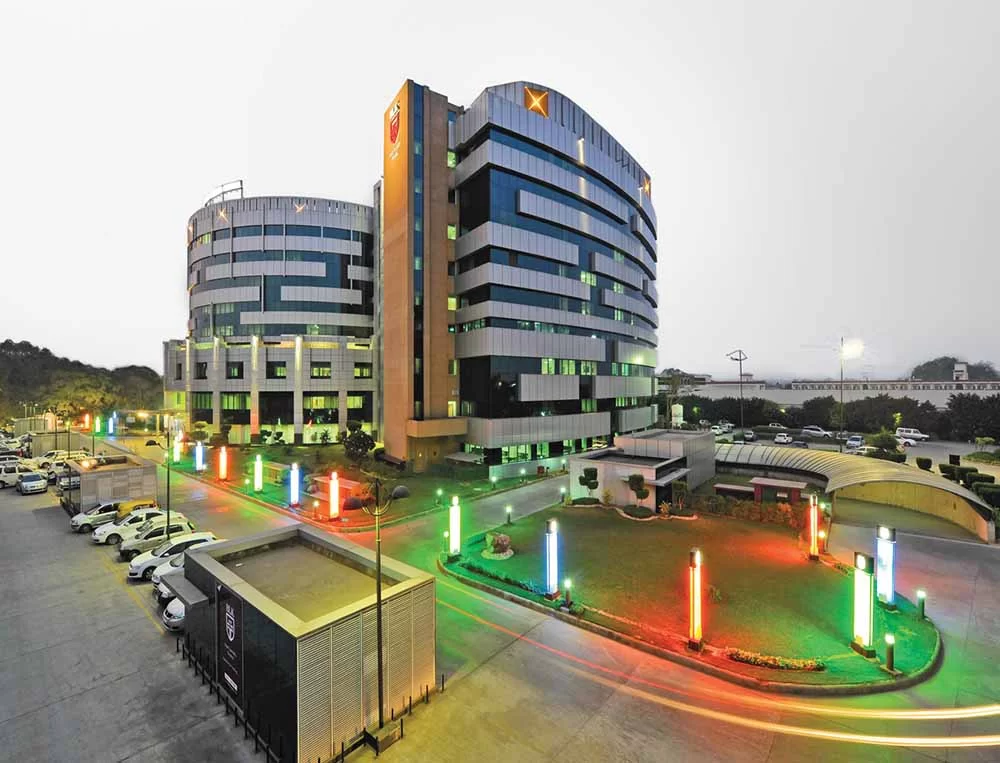
Fortis Memorial tadqiqot instituti (FMRI), Gurgaon
Fortis Memorial Research Institute (FMRI), Gurgaon, 2013-yilda tashkil etilgan jahon miqyosidagi ko‘p ixtisoslashgan shifoxonadir. Kasalxona 330 ta yo...
Akkreditatsiya


Muvofiqliklar
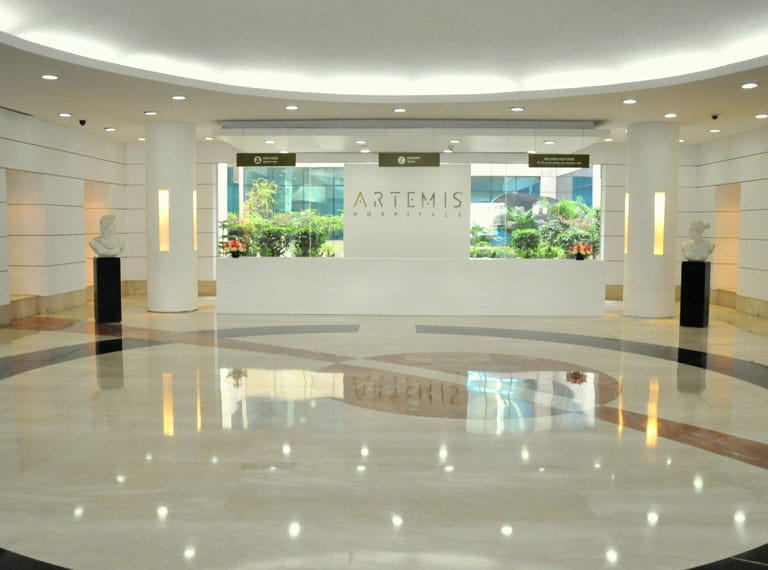
Artemis kasalxonasi, Gurgaon
Artemis kasalxonasi, Gurgaon, 2007-yilda tashkil etilgan JCI akkreditatsiyadan oʻtgan koʻp ixtisoslashgan shifoxonadir. U 9 akr maydonda 750+ oʻrinli ...
Akkreditatsiya



Muvofiqliklar
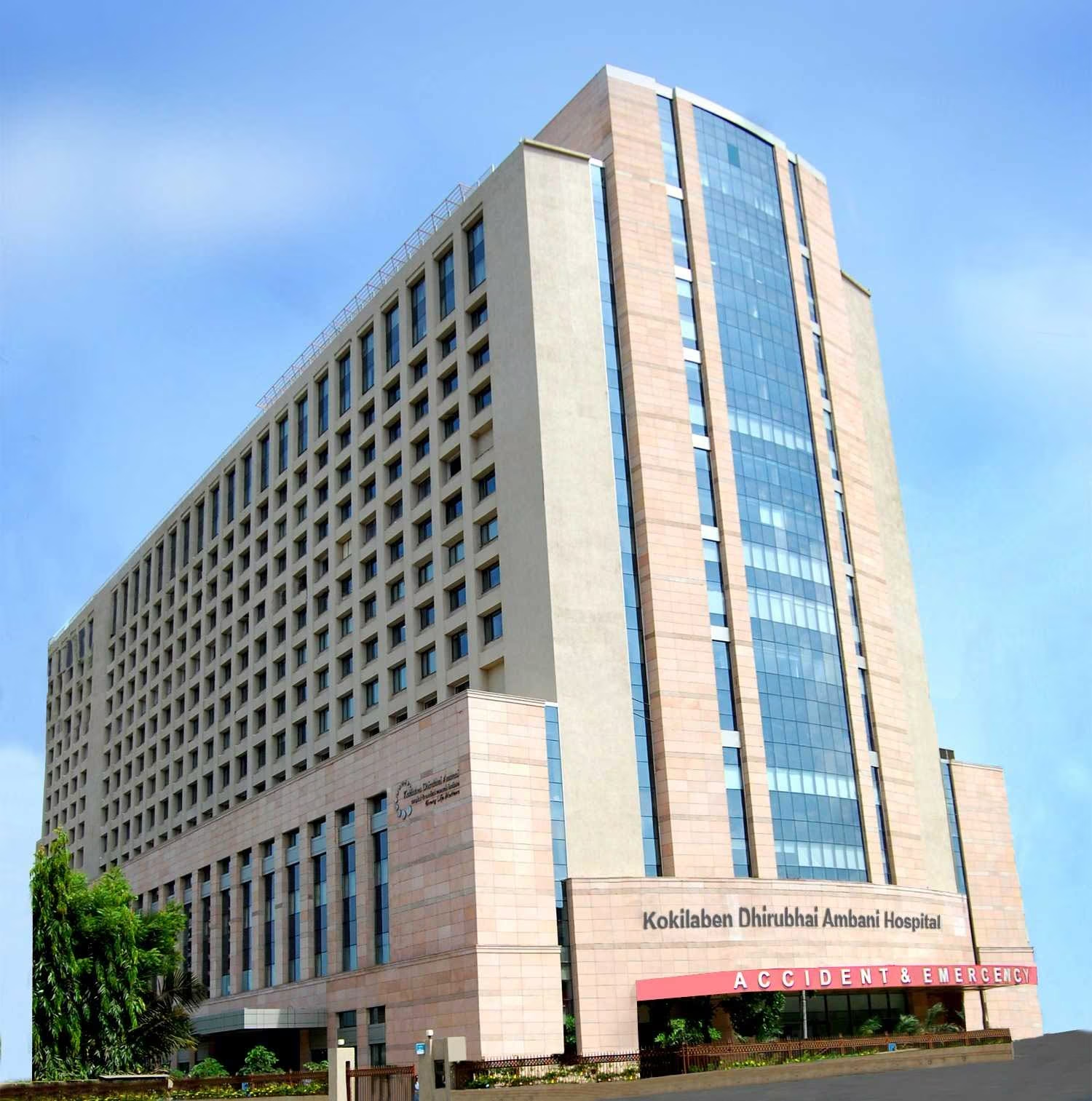
Kokilaben Dhirubhai Ambani kasalxonasi, Mumbay
Kokilaben Dhirubhai Ambani kasalxonasi, Mumbay, 2009-yilda tashkil etilgan JCI, NABH, NABL va CAP tomonidan akkreditatsiya qilingan toʻrtlamchi tibbiy...
Akkreditatsiya


Muvofiqliklar
Medicover kasalxonalari, Hitech Siti, Haydarobod
Medicover Hospitals, Hitech City, Haydarobod, 2011-yilda tashkil etilgan 400 oʻrinli NABH akkreditatsiyasidan oʻtgan oʻta ixtisoslashgan shifoxonadir....
Akkreditatsiya


Muvofiqliklar
Tegishli shifokorlar
Ushbu sohada tajribali shifokorlar va tibbiyot mutaxassislari bilan bog'laning.
Doktor Bibhas Ranjan Kundu
Katta maslahatchi
Doktor Revathi R
Maslahatchi
Doktor Prasad Raju Kalidindi
Katta maslahatchi

Doktor Shokir Tabrez
Qo'shimcha direktor

Doktor Wichean Kamolpornvijit
Maslahatchi

Doktor Ukrid Kesthong
Maslahatchi
Tegishli maqolalar
Shunga o'xshash sog'liqni saqlash mavzularida boshqa maqolalar va tushunchalarni o'rganing.
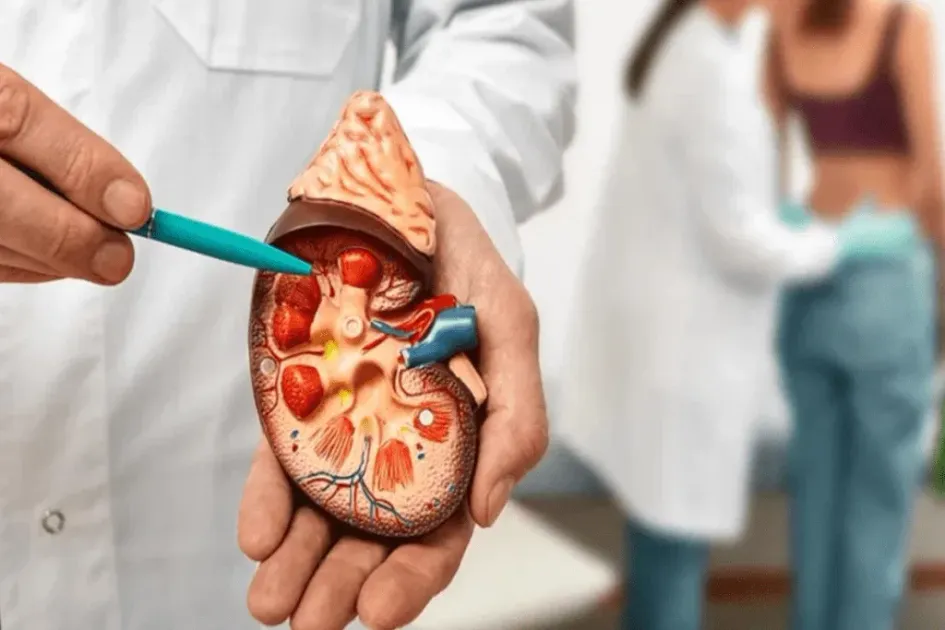
Buyrak toshlari uchun PCNL va ESWL: qaysi biri yaxshiroq va qachon?
Hindistonda MCL va meniskusni ta'mirlash: jarrohlik, muvaffaqiyat darajasi va tiklanish
Rotator Cuff Repair Surgery in India: Procedure, Success Rates and Cost
Best Countries for Orthopaedic Surgery and Sports Medicine in 2026
Hindistonda ACL rekonstruksiya jarrohligi: protsedura, narx va muvaffaqiyat darajasi
Hindistonda teskari elkani almashtirish: xarajat, protsedura, tiklanish

Muallif
Hammasini ko'rishNadim Malik - farmatsevtika sohasida kuchli ilmiy ma'lumotga ega bo'lgan fidoyi tibbiy yozuvchi. U Moradoboddagi Teerthanker Mahaveer universitetida farmatsevtika bakalavri (B.Pharm) darajasiga ega va... Ko'proq o'qish
Bizning veb-saytimiz cookie-fayllardan foydalanadi. Maxfiylik siyosati.
