
مرضى كينيا والعلاج الطبي في الهند: ما الذي يدفع هذا الاختيار
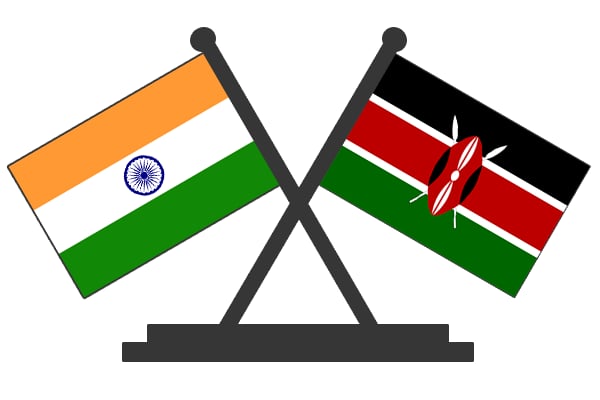
Kenya has a strong private healthcare sector in major cities, yet access to advanced and time-critical treatment remains uneven. With a population ofover 55 million, demand for specialist care continues to rise faster than capacity. Most high-end services are concentrated inNairobi, leaving patients from other areas with limited options.
India attracts Kenyan patients because it offers wide specialist availability, modern hospitals, and treatment schedules at costs that remain manageable. For many families in Kenya, medical travel reflects the need for speed, continuity, and reliable outcomes rather than dissatisfaction with local care.
What Healthcare Challenges Do Patients in Kenya Face?
Kenya delivers solid primary and private care in cities, but gaps appear when conditions turn complex or time-sensitive.
- Specialist capacity is concentrated in Nairobi:Oncology, advanced cardiology, neurosurgery, and transplant services are clustered in a few urban centers. Patients from counties often travel repeatedly, which delays care and disrupts follow-ups.
- Pressure on public referral hospitals:High patient volumes stretch imaging slots, operating lists, and ICU beds. Waiting periods for CT/MRI, radiation sessions, or elective cardiac surgery can extend weeks.
- Limited availability of specific advanced treatments:Comprehensive radiation therapy options, complex valve surgery, pediatric heart surgery, and transplant programs remain limited. Referrals abroad become necessary for definitive care.
- Care fragmentation across facilities:Diagnostics, surgery, and rehabilitation may occur at different centers. This fragmentation slows decisions and increases out-of-pocket spending during prolonged treatment.
Why Do Patients from Kenya Prefer India for Medical Treatment?
Kenyan patients choose India because it removes bottlenecks and delivers care under a single system.
- Shorter timelines from diagnosis to treatment:Indian hospitals schedule specialist consults, imaging, and procedures within days. Faster starts matter for cancer progression and cardiac risk.
- Specialist expertise:Large teams in oncology, cardiology, neurology, orthopedics, and transplants manage high case volumes, which supports consistent outcomes.
- Treatments unavailable or limited at home:Advanced radiation platforms, complex heart surgery, dialysis programs, and transplant services operate at scale in India.
- Predictable, all-inclusive planning:Hospitals share clear treatment plans and estimates before admission. Families plan the whole course without mid-treatment surprises.
- Continuity under one roof:Diagnostics, surgery, ICU care, rehabilitation, and follow-up stay within the same network, reducing delays and repeat referrals.
- Familiarity with East African patients:Care teams routinely support Kenyan patients. Clear English communication and international patient desks smooth extended treatment stays.
What Medical Treatments Do Patients from Kenya Commonly Seek in India?
Kenyan patients typically travel when a condition requires depth of expertise, advanced equipment, or a tightly coordinated care plan.
- Cancer diagnosis and definitive oncology care:Patients seek comprehensive cancer care that includes advanced imaging, radiation planning, chemotherapy, and surgery within one program. Head-and-neck cancers, breast cancer, colorectal cancer, and blood cancers often drive travel due to the need for timely, continuous treatment.
- Cardiac surgery and complex heart procedures:Kenyan patients commonly seek bypass surgery, valve repair or replacement, pediatric heart surgery, and complex angioplasty. Access to high-volume cardiac centers and specialized ICUs improves safety for high-risk cases.
- Kidney disease management and transplants:Patients travel for stable dialysis programs, transplant evaluation, and kidney transplantation. Integrated nephrology services support surgery, immunosuppression planning, and follow-up.
- Orthopedic and spine surgery:Advanced joint replacement, trauma reconstruction, and spine procedures attract patients who need precision implants, intraoperative imaging, and structured rehabilitation.
- Neurology and neurosurgery:Brain tumors, epilepsy surgery, spinal cord compression, and stroke-related complications often require advanced imaging and intraoperative monitoring available in India.
What Are the Latest Medical Technologies Available in India for Kenyan Patients?
Kenyan patients often choose India because technology directly improves accuracy, safety, and recovery.
- Precision radiation and cancer planning:IMRT, IGRT, VMAT, and proton therapy allow accurate tumor targeting while protecting healthy tissues.
- Robotic and minimally invasive surgery:Robotic platforms support urology, gynecology, oncology, and orthopedics. Smaller incisions reduce blood loss and shorten recovery.
- High-end imaging and diagnostics:PET-CT, 3T MRI, cardiac MRI, and molecular pathology enable rapid staging and personalized treatment decisions.
- Advanced cardiac cath labs:Modern cath labs support structural heart procedures, complex angioplasty, and minimally invasive valve interventions.
Transplant and organ preservation systems:Specialized preservation, monitoring, and surgical tools improve graft survival in kidney and liver transplants.
What Is the Cost of Medical Treatment in India for Patients from Kenya?
For many patients in Kenya, the decision to travel is not about finding the cheapest option. It is about finishing the full treatment without interruption. Advanced care in Nairobi’s private sector already carries high costs, especially for cancer, cardiac surgery, and long hospital stays. When treatment extends beyond surgery into weeks of therapy, costs rise quickly.
Indian hospitals provideprecise estimates before admission, helping Kenyan patients plan their entire care journey. This predictability often prevents treatment delays caused by financial uncertainty.
Typical cost ranges in India for Kenyan patients include:
- Heart surgery(bypass or valve procedures): usually betweenUSD 4,000 and 9,000, including ICU care and hospital stay.
- Cancer treatment: most complete treatment plans fall betweenUSD 8,000 and 15,000, depending on cancer type and stage. It often includes radiation, chemotherapy, and supportive medicines.
- Kidney transplant: commonly ranges fromUSD 12,000 to 15,000, including surgery and early post-transplant monitoring.
- Liver transplant: usually falls betweenUSD 35,000 and 45,000, which remains far lower than most global alternatives.
- Orthopedic surgery,such as knee or hip replacement: typicallyUSD 4,000 to 7,000, including implants and rehabilitation planning.
How Affordable Is India Compared to Other Countries for Kenyan Patients?
Kenyan patients evaluate affordability differently. The key question is not only the surgery cost, but total spending across diagnosis, treatment, recovery, and follow-up.
In Europe or North America, even one phase of treatment can exhaust insurance limits. Medicines, imaging, and extended hospital stays quickly push costs beyond reach. For many Kenyan families, this makes it unrealistic to complete treatment.
Regional alternatives may appear closer, but advanced cancer care, transplants, or complex cardiac surgery often remain limited or priced high. Patients may still face onward referrals, which increase both costs and delays.
Treatment Cost Comparison for Patients from Kenya (USD)
Treatment / Procedure | India | United Kingdom | Germany | United States | Turkey |
| Heart Bypass Surgery (CABG) | 4,000 – 8,000 | 45,000 – 60,000 | 50,000 – 65,000 | 70,000 – 100,000 | 15,000 – 20,000 |
| Heart Valve Replacement | 5,000 – 9,000 | 50,000 – 70,000 | 55,000 – 75,000 | 80,000 – 120,000 | 18,000 – 25,000 |
| Cancer Treatment (Full Course) | 8,000 – 15,000 | 50,000 – 90,000 | 55,000 – 100,000 | 60,000 – 120,000 | 25,000 – 40,000 |
| Kidney Transplant | 12,000 – 15,000 | 90,000 – 120,000 | 100,000 – 130,000 | 180,000 – 250,000 | 22,000 – 28,000 |
| Liver Transplant | 35,000 – 45,000 | 120,000 – 160,000 | 130,000 – 170,000 | 150,000 – 200,000 | 60,000 – 80,000 |
| Knee Replacement | 4,000 – 6,500 | 25,000 – 30,000 | 28,000 – 35,000 | 35,000 – 50,000 | 12,000 – 15,000 |
| Spine Surgery | 5,000 – 9,000 | 35,000 – 55,000 | 40,000 – 60,000 | 50,000 – 80,000 | 15,000 – 22,000 |
For Kenyan patients, this often results inoverall savings of 60–70%, while still allowing access to advanced technology and specialist teams. Most importantly, it will enable patients to complete the whole treatment plan, not just the first stage.
What Is the Success Rate of Treatment in India for Patients from Kenya?
Kenyan patients often look beyond cost and ask one critical question:Will the treatment work?India reports consistent success rates across major procedures, driven by high case volumes, specialist depth, and standardized protocols.
- Cardiac surgery and heart procedures:Heart bypass surgery, valve replacement, and complex angioplasty in India show success rates of95–98%in stable patients. Dedicated cardiac ICUs and experienced surgical teams support safe recovery.
- Cancer treatment outcomes:Treatment results depend on the type and stage at diagnosis. Early-stage cancers treated in India commonly achieve70–90% successwith surgery, radiation, and systemic therapy. Multidisciplinary planning improves continuity for advanced cases.
- Kidney and liver transplant success:Kidney transplants report first-year success rates of90–95%. Liver transplant programs achieve85–90% successin experienced centers, supported by strict donor screening and close monitoring.
Joint replacement and spine surgery:Knee and hip replacements achieve95–99% success, providing long-term pain relief and restored mobility. Spine and neurosurgical procedures have success rates of85–95%, depending on complexity and timing.
What Patient Support Services Help Patients from Kenya Feel Comfortable in India?
Kenyan patients often travel for weeks or months of care. Support systems play a significant role in making treatment abroad manageable and less stressful.
- Dedicated international patient coordination:Hospitals assign teams to schedule consultations, tests, surgery, and follow-ups. This coordination keeps treatment timelines clear and avoids unnecessary delays.
- Clear communication in English:Doctors explain diagnosis, treatment options, and recovery steps in simple language. Clear communication helps patients and families make informed decisions with confidence.
- Support for family companions:Most Kenyan patients travel with a relative. Hospitals assist with nearby accommodation, local transport, and daily logistics, which reduces emotional and practical strain.
- Comfort during extended stays:Affordable accommodation options, flexible meal choices, and access to familiar food help patients settle during long treatment or recovery periods.
- Post-treatment follow-up support:Teleconsultations and digital report sharing allow follow-up care after patients return to Kenya, reducing the need for repeat international travel.
How Easy Is Travel from Kenya to India for Medical Treatment?
Travel ease plays a practical role for Kenyan patients planning treatment abroad. India remains accessible due to strong air connectivity and predictable routes.
- Direct, frequent flight connections:Nairobi is a major aviation hub in East Africa. Patients can reach key Indian medical cities through direct or one-stop flights. Regular schedules allow alignment with treatment dates.
- Reasonable travel duration:Direct flights usually take6–7 hours. One-stop routes extend travel time slightly. This duration remains manageable for medical travelers with an attendant.
- Support for patients and companions:Most patients travel with a family member. Airlines offer flexible booking options and medical assistance upon request.
- Organized arrival assistance in India:Hospitals often arrange airport pickup and guided transfers. This support helps patients reach hospitals or accommodation smoothly after arrival.
How Can Patients from Kenya Get an Indian Medical Visa for Treatment?
The Indian medical visa process supports both urgent and long-term treatment needs for Kenyan patients. Clear steps and defined documentation help families plan without delay.
- Indian Medical Visa (MED visa) for Kenyan patients:India issues a dedicated Medical Visa for treatments such as cancer care, heart surgery, kidney or liver transplant, neurology treatment, and orthopedic surgery. The visa allows a stay for the full treatment and recovery period.
- Medical visa application from Kenya:Applicants submit a valid passport, recent photographs, medical reports from Kenya, and a treatment or invitation letter from a recognized hospital in India. This letter outlines the diagnosis and the proposed treatment plan.
- Processing timelines:Medical visas usually process faster than standard visas once documents are complete. Urgent medical cases often receive priority review.
- Medical attendant visa for family members:One or two close family members can apply for a Medical Attendant Visa. Attendants stay for the same duration as the patient, which supports daily care and emotional stability.
- Multiple-entry and extension options:Medical visas often allow multiple entries and extensions. Extensions may be granted if treatment continues longer than expected, based on medical advice.
Conclusion
Patients from Kenya often seek treatment abroad when care becomes complex, time-sensitive, or challenging to complete locally. India offers a reliable pathway through advanced hospitals, experienced specialists, and coordinated treatment systems.
Predictable costs, consistent success rates, and strong patient support services allow Kenyan patients to complete full treatment plans with confidence. Easy travel routes and a straightforward medical visa process further reduce stress for patients and families.
For patients from Kenya, India stands out as a trusted destination for advanced medical treatment, combining access, affordability, and favorable outcomes.
المستشفيات ذات الصلة
اكتشف المستشفيات والمراكز الطبية المتعلقة بهذا الموضوع لخدمات الرعاية الصحية عالية الجودة.
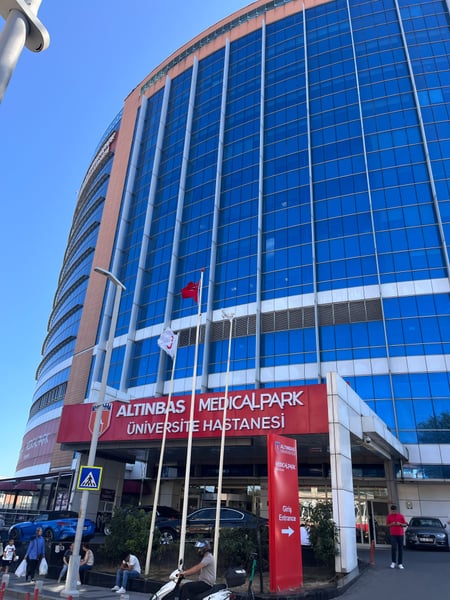
مستشفى ميديكال بارك بهجيليفلر
مستشفى ميديكال بارك باهجيليفلر هو مستشفى معتمد من اللجنة الدولية المشتركة في إسطنبول يضم 242 سريرًا، وقد تم إنشاؤه في عام 2007. يمتد على مساحة 33000 م...
الاعتماد
مرافق
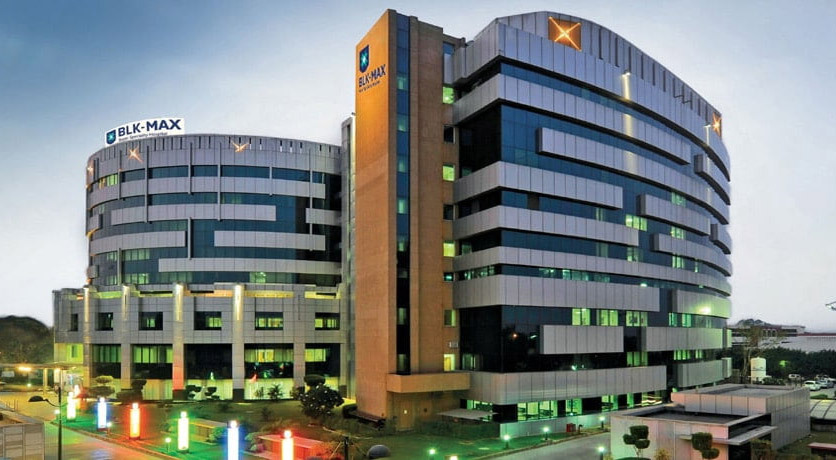
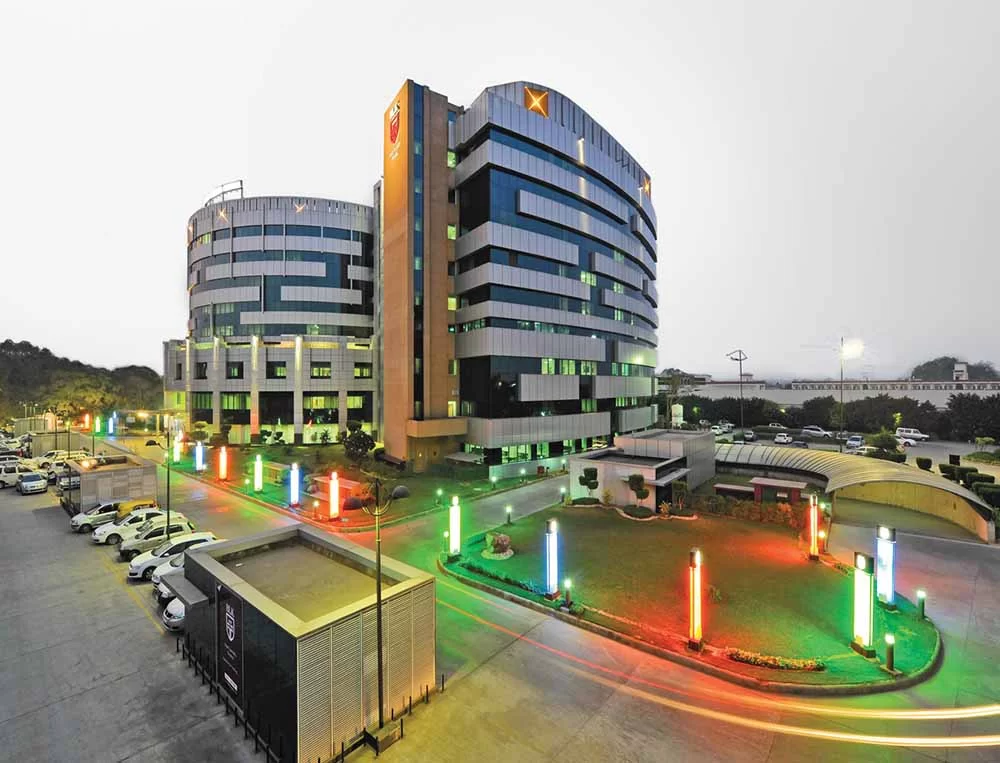
مستشفى بي إل كيه-ماكس سوبر التخصصي، نيودلهي
يعد مستشفى BLK-Max Super Specialty Hospital في نيودلهي أحد مؤسسات الرعاية الصحية الرائدة في الهند، حيث يقدم 650 سريرًا و22 غرفة عمليات متقدمة و13 مركز...
الاعتماد

مرافق
معهد فورتيس للأبحاث التذكارية (FMRI)، جورجاون
معهد فورتيس التذكاري للأبحاث (FMRI)، جورجاون، هو مستشفى عالمي متعدد التخصصات تم إنشاؤه في عام 2013. يوفر المستشفى 330 سريرًا و15 غرفة عمليات و105 أسرة...
الاعتماد


مرافق
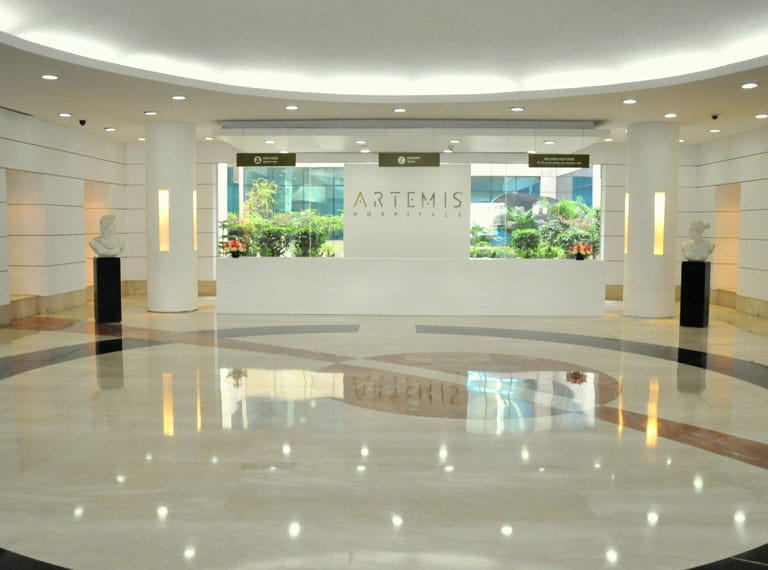
Artemis Hospital, Gurgaon
مستشفى أرتميس، جورجاون، هو مستشفى متعدد التخصصات معتمد من اللجنة الدولية المشتركة (JCI) تم إنشاؤه في عام 2007. ويقدم أكثر من 750 سريرًا وبنية تحتية عا...
الاعتماد


مرافق
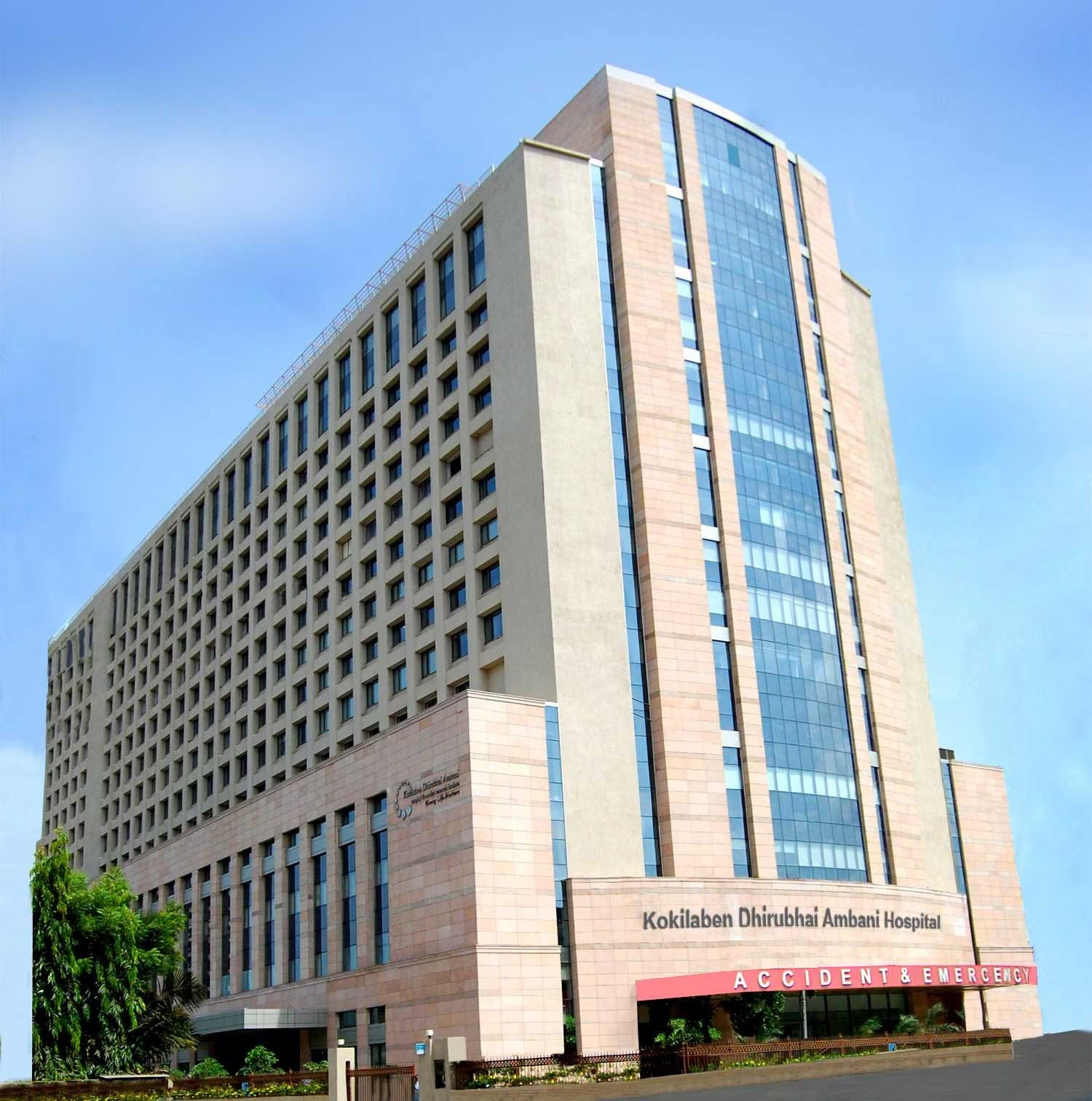
مستشفى كوكيلابين ديروبهاي أمباني، مومباي
مستشفى كوكيلابين ديروبهاي أمباني، مومباي، هو مستشفى رعاية رباعية معتمد من JCI وNABH وNABL وCAP، وقد تم تأسيسه في عام 2009. مع 750 سريرًا و180 سريرًا ل...
الاعتماد


مرافق
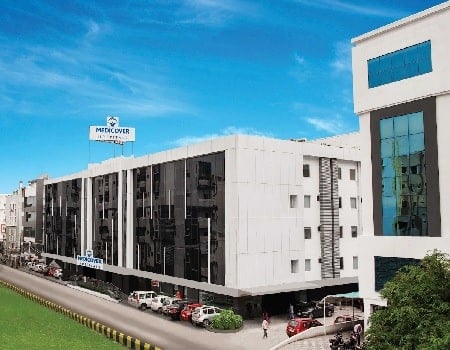
مستشفيات ميدي كوفر، مدينة هايتك، حيدر أباد
مستشفيات ميدي كوفر، هايتك سيتي، حيدر أباد، هي مستشفى فائقة التخصص معتمدة من NABH تضم 400 سرير، وقد تم تأسيسها في عام 2011. وهي جزء من ميدي كوفر، وهي ع...
الاعتماد


مرافق
الأطباء ذات الصلة
تواصل مع الأطباء ذوي الخبرة والمتخصصين الطبيين في هذا المجال.
دكتور أناندا ماندال
Consultant
د.ديباشيش موخرجي
Senior Consultant
دكتور أندرانيل خان
Consultant
الدكتور براديب تشاكرابارتي
Head of Department (HOD)
دكتور راكيش راجبوت
Head of Department (HOD)
الدكتور برافين جي إل
Consultant
المقالات ذات الصلة
استكشاف المزيد من المقالات والرؤى حول مواضيع صحية مماثلة.
Back Pain or Something More? When Does a Spine Tumor Require Surgery?
كم من الوقت يمكنك العيش بعد زراعة الأعضاء؟
من يمكنه إجراء عملية زرع الأعضاء في الهند؟ شرح قواعد الأهلية
هل زراعة الأعضاء آمنة للمرضى الدوليين في الهند؟ شرح القوانين والمخاطر ومعدلات النجاح
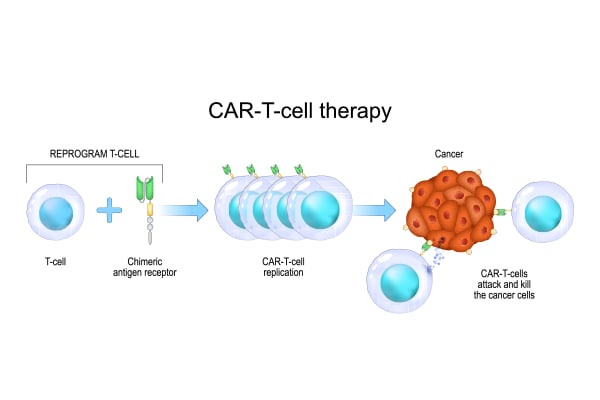
زرع نخاع العظم مقابل العلاج بالخلايا التائية CAR-T: أيهما أفضل لسرطان الدم؟
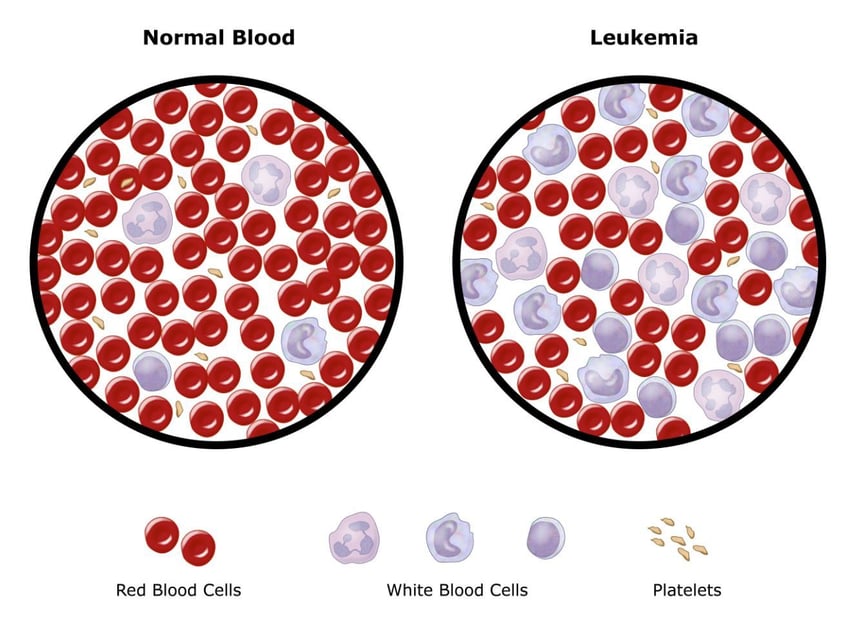
هل يمكنك النجاة من سرطان الدم دون زراعة نخاع العظم؟

مؤلف
عرض الكلالدكتور ديبانشو سيواتش هو صيدلي سريري ذو خبرة وحاصل على درجة دكتوراه في الصيدلة. لديه أكثر من 4 سنوات من الخبرة وعمل مع آلاف المرضى. لقد ارتبط ببعض أفضل المستشفيات، مثل Artemis Gurgaon وكلية Teertha... اقرأ المزيد
يستخدم موقعنا ملفات تعريف الارتباط. سياسة الخصوصية.
