
Heart Valve Replacement Cost in India
About Heart Valve Replacement
What Is Heart Valve Replacement Surgery?
Heart valve replacement surgery is a procedure where doctors remove a damaged or diseased heart valve and replace it with an artificial or biological valve. This surgery restores normal blood flow, prevents complications, and allows the heart to pump efficiently.
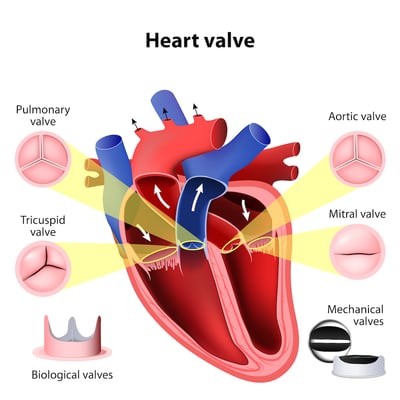
The human heart has four valves (mitral, tricuspid, aortic, and pulmonary) that ensure blood flows in the right direction. When one or more of the valves become narrowed (stenosis), leaky (regurgitation), or stop working correctly due to age, infection, or congenital disabilities, the heart has to work harder. Over time, strain can lead to fatigue, breathlessness, angina, leg swelling, and even heart failure.
When medications or less invasive procedures, such as balloon valvuloplasty, no longer help, heart surgeons recommend valve replacement. The surgery involves removing the faulty valve and replacing it with a new one, either synthetic (mechanical) or made from biological tissue (derived from pigs, cows, or donated human tissue).
Doctors perform valve replacement through open-heart surgery or a minimally invasive approach, depending on the patient's condition, the type of valve, and the availability of hospital facilities and resources.
Heart valve replacement not only improves symptoms but also extends life expectancy, enhances physical stamina, and prevents life-threatening heart damage.
Why Do Patients Need Heart Valve Replacement?
Patients require heart valve replacement when one or more of their heart valves become too severely damaged or diseased to function properly. The valves may become stiff and narrow, limiting blood flow (a condition known as stenosis), or they may leak and cause blood to flow backward (a condition called regurgitation). In either case, the heart must work harder to pump blood, which eventually leads to symptoms and complications that medications alone cannot fix.
Doctors typically recommend heart valve replacement when the valve cannot be repaired and the damage starts to affect the patient's daily life or overall heart function. If left untreated, valve disease can progress and cause heart failure, blood clots, stroke, or even sudden cardiac death.
Most patients begin experiencing symptoms such as shortness of breath, fatigue, irregular heartbeat, chest discomfort, dizziness, or swelling in the legs and ankles. When these signs appear, and tests show that the valve function is severely impaired, surgery becomes essential.
Doctors also suggest valve replacement when they detect severe valve defects in people without symptoms but who are at high risk of complications. In some cases, patients undergo surgery as a preventive measure, especially if their condition is expected to worsen rapidly.
Common medical conditions that require heart valve replacement include:
- Aortic stenosis (narrowing of the aortic valve) is one of the most common indications for valve replacement in elderly patients.
- Mitral valve regurgitation, when the mitral valve doesn't close properly and causes blood to leak backward into the heart.
- Rheumatic heart disease, which can damage multiple heart valves and is still prevalent in many developing regions.
- Congenital heart defects, when patients are born with malformed valves that need to be replaced later in life.
- Endocarditis, an infection that can destroy valve tissue and require urgent replacement.
By replacing the damaged valve with a mechanical or tissue-based alternative, doctors restore normal blood flow and protect the patient from life-threatening complications.
What Are the Different Types of Heart Valve Replacement?
Doctors perform heart valve replacement using different techniques and materials, depending on the patient's condition, age, and medical history. The two main types of replacement valves used are mechanical valves and biological (tissue) valves. The surgery may involve replacing the aortic, mitral, tricuspid, or pulmonary valve.
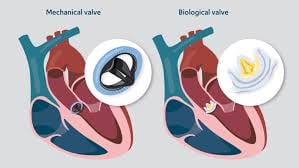
- Mechanical Valve Replacement: Mechanical valves are derived from strong, durable materials such as titanium or carbon. These valves last for several decades, making them ideal for younger patients who need long-term durability. However, patients who receive mechanical valves must take blood-thinning medication (anticoagulants) like warfarin for life to prevent blood clots.
- Biological (Tissue) Valve Replacement: Biological valves are made from animal tissues, usually from pigs (porcine) or cows (bovine), or in some cases from donated human tissue (homografts). These valves are less likely to cause blood clots, so most patients do not require long-term anticoagulation. However, tissue valves typically wear out over time and may need to be replaced after 10 to 20 years, especially in younger individuals.
Types of Heart Valves That Can Be Replaced
Doctors may need to replace one of the following valves:
- Aortic Valve Replacement: This is the most common type of valve replacement, often necessary due to aortic stenosis or aortic insufficiency.
- Mitral Valve Replacement: Surgeons perform this when the mitral valve becomes too narrow or leaky, primarily due to rheumatic heart disease or aging.
- Tricuspid Valve Replacement: This procedure is less commonly needed and is typically used when the tricuspid valve is damaged, often due to infection or congenital disabilities.
- Pulmonary Valve Replacement: This procedure is typically performed in patients with congenital heart defects, particularly in children or young adults.
Minimally Invasive and Transcatheter Valve Replacement
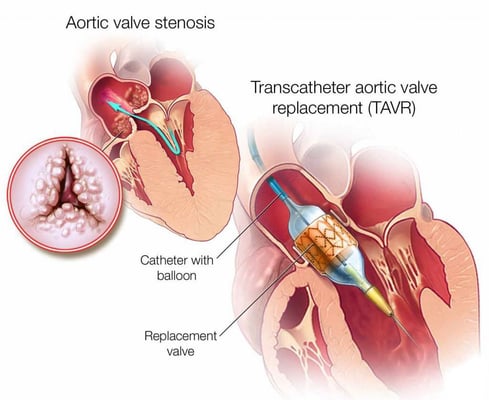
In suitable patients, doctors may use minimally invasive techniques or perform transcatheter aortic valve replacement (TAVR), which allows for valve replacement without the need for open-heart surgery. These procedures result in smaller incisions, a faster recovery, and less pain. However, they may not be suitable for every patient.
What Is the Procedure for Heart Valve Replacement?
Heart valve replacement is a surgical procedure done by highly experienced cardiothoracic surgeons using advanced techniques. Whether you undergo open-heart surgery or a minimally invasive approach, heart hospitals ensure safe, efficient, and affordable care from pre-op to post-op recovery.
Pre-Surgical Evaluation
Before surgery, the medical team conducts a detailed evaluation. Doctors perform various imaging tests, including echocardiography, chest X-rays, cardiac MRI, CT scans, and coronary angiography, to assess valve damage and evaluate heart function. Blood tests and anesthesia clearance are also part of this preparation. Based on the results, the surgical team determines the type of valve to be used—mechanical or tissue—and selects the most suitable surgical approach.
Surgical Procedure
On the day of surgery, the hospital team prepares the patient by administering general anesthesia. During a traditional open-heart valve replacement, the heart surgeon makes an incision in the chest and temporarily places the patient on a heart-lung machine. This device takes over the heart's pumping function, allowing the surgeon to work on a still and bloodless heart.
The cardiac surgeon then removes the damaged valve and carefully replaces it with the new mechanical or tissue valve. Once the replacement is complete, the surgeon restarts the heart, removes the heart-lung machine, and closes the chest with surgical sutures or wires.
For patients eligible for minimally invasive surgery, the surgeon makes smaller incisions between the ribs and avoids cutting through the breastbone. This technique ensures less pain, shorter hospital stay, and faster recovery.
In certain high-risk patients or elderly individuals who are unable to undergo traditional surgery, doctors may perform a transcatheter aortic valve replacement. In TAVR, the new valve is inserted through a catheter placed via the femoral artery in the groin and guided into position using imaging techniques, eliminating the need for a chest opening.
Post-Surgery Recovery in the Hospital
After surgery, the patient is moved to the cardiac intensive care unit (ICU) for 24 to 72 hours of monitoring. The medical team checks heart function, blood pressure, oxygen levels, and wound healing. After stabilization, the patient is transferred to a recovery room for another 4 to 7 days, depending on their progress.
Doctors prescribe medications, provide breathing exercises, and begin light physical therapy to aid recovery. Patients also receive guidance on diet, medication, physical activity, and precautions to take after discharge.
Get a Free Treatment Plan
About Heart Valve Replacement in India
What Is the Cost of Heart Valve Replacement Surgery in India?
India offers one of the most affordable options for heart valve replacement surgery globally. In India, the cost of heart valve replacement surgery typically ranges from $5,000 to $10,000, depending on various factors, including the type of valve used, the surgical approach, and the hospital's location. While the cost of the same procedure in countries like the United States, the UK, or Australia can exceed $80,000 to $150,000, Indian hospitals provide equally advanced care at a much lower price.
Average Cost Breakdown (in USD):
- Mechanical valve replacement: $5,000 – $8,000
- Biological (tissue) valve replacement: $6,000 – $9,000
- Minimally invasive valve replacement: $7,000 – $10,000
- Transcatheter Aortic Valve Replacement: $25,000 – $35,000
Prices may vary based on the patient's overall health, length of hospital stay, and postoperative care requirements.
What Does the Cost Usually Include?
Indian hospitals often provide all-inclusive packages for international patients. These packages usually cover:
- Preoperative investigations and imaging
- Surgical fees and anesthesia charges
- Cost of the valve (mechanical or tissue)
- ICU stay and postoperative monitoring
- Inpatient hospital stay (5–10 days)
- Medications and consumables used during hospitalization
- Post-discharge consultation before flying home
Hospitals may also include non-medical support, such as airport transfers, interpreters, meals, and visa assistance, in their medical tourism plans.
Additional Expenses to Consider
While most core medical costs are included in the package, international patients should also budget for:
- Travel expenses and air tickets
- Extended hotel stay for family members
- Visa fees and travel insurance
- Optional cardiac rehabilitation after surgery
- Additional tests or extended ICU care if complications arise
Patients who choose India for valve replacement surgery typically save 60% to 80% compared to other developed countries, without compromising on the quality. The availability of cost-effective treatment makes India a trusted destination for heart valve surgery among international patients.
What Factors Affect the Cost of Heart Valve Replacement in India?
Although India offers heart valve replacement at a significantly lower cost than many countries, the final expense can vary based on several medical and non-medical factors.
- Type of Valve Used: Mechanical valves generally cost less than biological (tissue) valves in the short term. However, tissue valves are often preferred in older patients who want to avoid lifelong use of blood thinners.
- Surgical Technique: Traditional open-heart surgery is more affordable than minimally invasive or robotic-assisted procedures. If a patient qualifies for minimally invasive valve replacement or TAVR, the cost will be higher due to specialized equipment, technology, and expertise required.
- Hospital Selection: Hospitals across India offer different pricing depending on their location, reputation, and facilities. Multispecialty hospitals in major cities like Delhi, Mumbai, Bangalore, and Chennai may charge more than hospitals in smaller towns.
- Surgeon's Experience: Highly experienced surgeons who have performed a large number of valve replacements may charge higher fees. However, their expertise often ensures better outcomes and lower chances of complications.
- Patient's Health Condition: The patient's age, heart function, and overall medical status can affect the complexity of the surgery. Patients with other health problems such as diabetes, lung disease, or kidney dysfunction may require more extended ICU care, more medications, and additional diagnostics, which increase the final bill.
- Length of Hospital Stay: Most patients stay in the hospital for ~5 to 10 days; however, complications or a slower recovery may result in extended hospitalization. Every extra day incurs additional costs for room charges, nursing care, and extra medical monitoring.
- Room Category Chosen: Hospitals offer a variety of room types, including general wards, private rooms, deluxe rooms, and suite rooms. Choosing a private or deluxe room increases the per-day cost significantly.
- Postoperative Care and Rehabilitation: The base package typically includes immediate postoperative care; however, additional support, such as physiotherapy, dietary planning, and cardiac rehabilitation, may incur extra charges.
Cost Comparison: Heart Valve Replacement in India vs Other Countries
Cardiac valve replacement surgery is a life-saving procedure, but in many countries, the cost can make it inaccessible for patients without insurance or with limited coverage.
Patients who travel to India for heart valve surgery typically save 60% to 80% compared to prices in the United States, UK, or Australia. While the technology, surgical expertise, and outcomes remain on par with global standards, India's lower operational and infrastructure costs enable the country to offer affordable treatment.
Country | Approximate Cost (USD) |
| United States | $80,000 – $150,000 |
| United Kingdom | $70,000 – $120,000 (private care) |
| Canada | $60,000 – $100,000 (private) |
| Australia | $65,000 – $110,000 |
| Singapore | $45,000 – $70,000 |
| Turkey | $20,000 – $30,000 |
| Thailand | $18,000 – $25,000 |
| India | $5,000 – $10,000 |
These figures reflect the cost of traditional open-heart valve replacement. If the patient requires a minimally invasive approach or transcatheter aortic valve replacement, costs rise accordingly.
What Makes India More Affordable?
India delivers affordable care without compromising quality because hospitals operate with lower administrative overhead, favorable currency exchange rates, and high surgical volumes. Many doctors have trained in the US or the UK, and hospitals utilize FDA-approved or CE-marked valves and internationally recognized devices. Patients also benefit from shorter waiting times, comprehensive medical packages, and post-treatment virtual follow-ups, all of which are included at a fraction of the global price.
What Is the Success Rate and Recovery Timeline for Heart Valve Replacement?
India has established a strong reputation for achieving excellent outcomes in heart valve replacement surgery, with success rates comparable to those of leading hospitals in the West. In experienced cardiac centers, the success rate for valve replacement surgery exceeds 95%, especially in patients who receive timely treatment and follow proper recovery guidelines.
What Determines the Success of Valve Replacement?
Several factors influence the outcome of the valve replacement surgery, including the type of valve used, the patient's age and overall health, the surgeon's expertise, and the presence of other medical conditions. Patients with fewer comorbidities and strong heart function tend to recover faster and experience fewer side effects.
Even for high-risk or elderly patients, Indian hospitals deliver excellent results by using advanced techniques such as minimally invasive surgery or transcatheter aortic valve replacement. These approaches reduce surgical stress and shorten hospital stays.
What Is the Typical Recovery Timeline?
Immediately after surgery, the patient is sent to the cardiac ICU, where doctors closely monitor vital signs and heart function. Patients usually spend one to three days in intensive care, depending on how quickly they stabilize.
During the first week, the patient begins walking slowly with assistance and starts breathing exercises to restore lung function. By the end of the hospital stay, which typically lasts five to ten days, patients are well enough to sit, walk short distances, and eat regular meals.
In the first month after discharge, patients typically recover at home or in a nearby hotel, especially if they are international travelers. During this period, they continue light activities, follow a prescribed diet, and take all medications as directed. Follow-up visits or virtual consultations enable doctors to monitor patient progress.
Within six to eight weeks, most patients resume their daily activities, such as walking independently, climbing stairs, and performing light work. For some patients, especially those who had open-heart surgery, full recovery may take up to three months.
Patients who undergo minimally invasive valve replacement or TAVR often recover faster, sometimes in just four to six weeks, because the procedure causes less physical trauma.
How Can Patients Improve Recovery?
To speed up healing and reduce complications, patients should:
- Take medications on time, especially blood thinners, if they have a mechanical valve.
- Avoid smoking and alcohol.
- Maintain a low-sodium, heart-healthy diet.
- Attend cardiac rehabilitation if recommended.
- Follow a gradual return to physical activity.
- Stay in touch with their healthcare team for both remote and in-person follow-ups.
Why Should International Patients Choose India for Heart Valve Replacement?
India has become a trusted destination for heart valve replacement surgery, especially for international patients seeking high-quality treatment at an affordable price. Patients from Africa, the United States, the UK, the Middle East, and Southeast Asia travel to India each year to receive world-class cardiac care from experienced specialists.
- India Offers Global-Standard Care at a Lower Cost: One of the many reasons patients choose India is its cost-effectiveness. In India, heart valve replacement costs 70% to 80% less than in most Western countries, yet the hospitals maintain international clinical standards. Patients receive surgery using FDA- or CE-approved valves, advanced diagnostic imaging, and expert postoperative monitoring, all within affordable packages.
- Surgeons Deliver Consistently High Success Rates: India's cardiac surgeons are among the most experienced in the world. Many of them have trained at leading institutions in the US, UK, or Europe and perform hundreds of valve surgeries annually. Their experience ensures precise technique, reduced complication rates, and faster recovery.
- Hospitals Use Advanced Technology: Top hospitals in India are equipped with cutting-edge surgical suites, robotic assistance systems, hybrid cath labs, and 24/7 critical care units. These facilities support advanced procedures such as minimally invasive valve replacement and TAVR, making India a preferred choice even for high-risk patients.
- India Has No Waiting Lists: Unlike many countries where patients wait weeks or months for surgery, Indian hospitals can often schedule heart valve replacement within a few days of your arrival. This fast access is critical for patients with worsening symptoms or urgent surgical needs.
What Services Are Available for International Patients Undergoing Heart Valve Replacement in India?
Indian hospitals recognize that international patients require more than just surgery. They need a seamless, safe, and supportive experience from start to finish. That's why most hospitals in India offer a wide range of services designed specifically for overseas medical travelers, ensuring their comfort, convenience, and peace of mind throughout their journey.
- Visa Assistance and Documentation Support: Once you have chosen a hospital or doctor, the hospital's international patient department will send you a medical visa invitation letter, which helps you and your companion obtain a medical visa quickly. They also guide you through the application process and explain the documents you'll need for travel and admission.
- Airport Pickup and Local Transportation: Upon arrival in India, a hospital-appointed driver will meet you at the airport and ensure a safe transfer to your hotel or the hospital. Hospitals often provide complimentary airport pickup and drop-off services for international patients and their families.
- Dedicated Patient Coordinators: Hospitals assign a personal case manager or international patient coordinator who stays with you throughout your stay. This coordinator helps schedule consultations, arranges diagnostics, assists with financial transactions, and manages communication between you and your medical team. You won't need to handle logistics on your own.
- Language Interpretation Services: To remove language barriers, hospitals offer interpreters in multiple languages, including Arabic, French, Spanish, Russian, Swahili, and more. These interpreters assist during consultations, clearly explain treatment plans, and help you understand your post-discharge instructions.
- Affordable Accommodations for Family Members: Most hospitals offer assistance with booking nearby guesthouses, serviced apartments, or accommodations attached to the hospital for your family or caregiver. These options range from budget to deluxe and include food and transport arrangements, making extended stays more manageable and comfortable.
- Customized Meal Plans and Dietary Support: For patients with special dietary needs, hospitals provide personalized meals as advised by dietitians. If you have religious, cultural, or medical dietary restrictions, your care team ensures you receive the appropriate food throughout your stay.
- Pre-Arrival Consultation and Online Second Opinions: Many hospitals offer online pre-arrival consultations or second opinions based on your medical reports. It helps you understand the expected treatment plan, estimate costs, and prepare for travel before you even leave your home country.
- Post-Treatment Follow-Up and Teleconsultation: After discharge, the hospital continues to support you through virtual follow-up appointments, medication guidance, and recovery tracking. Whether you're in Africa, the Middle East, or Southeast Asia, you can stay connected with your Indian care team for months after your return.
- Help with Sightseeing and Wellness Travel (Optional): If your condition allows and your doctor approves, some hospitals or medical tourism facilitators can arrange short sightseeing trips, spa sessions, or yoga retreats as part of your extended recovery. India's wellness heritage can be a peaceful way to heal, especially after major heart surgery.
Heart Valve Replacement Cost Comparison by Country
Compare Heart Valve Replacement costs across different countries to make an informed decision about your medical treatment.
| Country | Cost Range (USD) | Potential Savings | Action |
|---|---|---|---|
IndiaCurrentBest Value | $5,000 - $10,000 | — | Get Quote |
Note: Costs may vary based on hospital choice, room type, additional services, and individual medical requirements. Contact us for a personalized quote.
Leading Hospitals for Heart Valve Replacement in India

BLK-Max Super Speciality Hospital, New Delhi
BLK-Max Super Speciality Hospital in New Delhi is one of India's premier healthcare institutions, offering 650 beds, 22 advanced operation theatres, a...
Accreditations


Facilities

Max Smart Super Speciality Hospital, Saket, New Delhi
Max Smart Super Speciality Hospital, Saket, is a 250-bed tertiary care hospital in South Delhi. It offers advanced medical and surgical care across 22...
Accreditations
Facilities

PSRI Hospital, Delhi
Pushpawati Singhania Research Institute (PSRI Hospital), New Delhi, is a leading multi-specialty tertiary care hospital established in 1996 by the JK ...
Accreditations
Facilities
Similar Procedures
Gallery
FAQ


Our website uses cookies. By clicking on accept you give your consent to the use of cookies as per our Privacy Policy.