
Best Countries for Orthopaedic Surgery and Sports Medicine in 2026
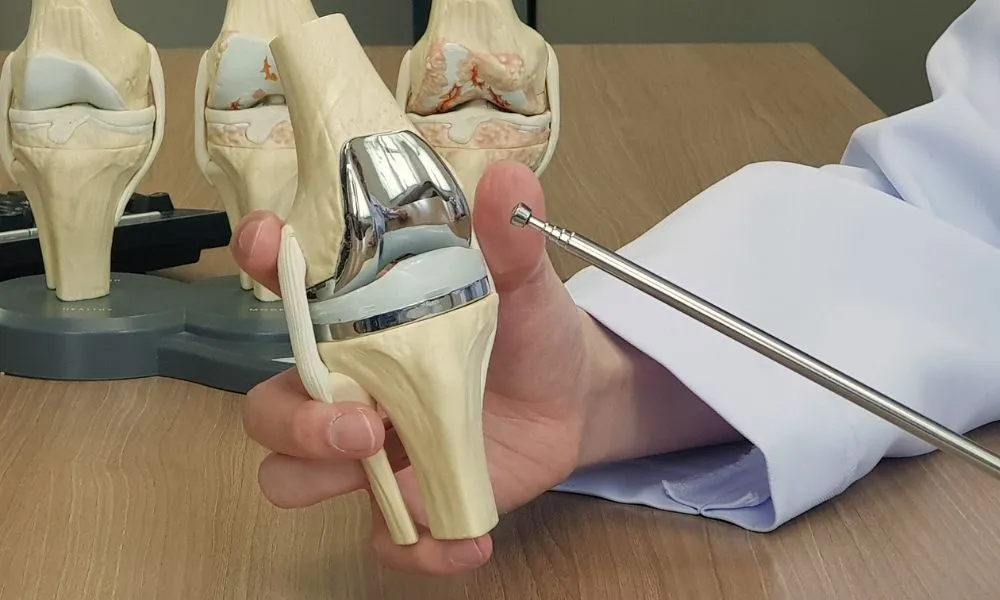
The question of where to have orthopaedic surgery involves more than finding the lowest price. A patient with a complex ACL tear alongside meniscal damage needs a sports medicine surgeon who performs hundreds of such procedures annually, an imaging and diagnostic infrastructure to match, and a rehabilitation programme worth staying for. A patient needing bilateral knee replacement has entirely different priorities. And an athlete from Australia or the UK who cannot afford to wait two years for a public system slot is making a decision driven by timing as much as cost or clinical preference.
Different countries excel at different things in this space. India leads on volume, cost, and complex orthopaedic surgery. Germany leads on precision medicine, rehabilitation, and the trust that comes with European regulatory standards. Thailand offers a patient experience that few destinations match. Turkey has built competitive pricing across the board. South Korea has pushed sports orthopaedics into genuinely technology-forward territory.
This article covers each of those destinations honestly: what they are genuinely strong at, what kind of patient each one suits best, and how the costs compare across the most common sports medicine and orthopaedic procedures.
Which Country Is Best for Sports Medicine and Orthopaedic Surgery?
The best country depends on your diagnosis, treatment goals, budget, and recovery priorities rather than a single global ranking.
- Best Overall Value: India combines some of the world's highest orthopaedic procedure volumes with internationally trained surgeons, modern robotic and navigation-assisted surgery in leading hospitals, and treatment costs that remain substantially lower than those in Western healthcare systems.
- Best for Complex Orthopaedic Care: Germany's strength lies in precision planning, university-affiliated hospitals, rigorous quality standards, and rehabilitation pathways that begin immediately after surgery, making it particularly attractive for complex joint preservation, revision procedures, and high-performance athletes.
- Best Medical Tourism Experience: Thailand has built one of the world's most mature medical tourism ecosystems, integrating internationally accredited hospitals, coordinated international patient services, and predictable treatment pathways into a seamless patient journey.
- Best Balance of Cost and Accessibility: For patients from Europe, the Middle East, and Central Asia, Turkey offers modern orthopaedic care with shorter waiting times, competitive pricing, and convenient travel compared with many Western healthcare systems.
- Best for Advanced Sports Medicine Technology: South Korea has invested heavily in minimally invasive orthopaedic surgery, digital surgical planning, and sports injury management, making it a strong option for selected arthroscopic and ligament reconstruction procedures.
Country | Approximate Treatment Cost | Clinical Strengths | Best Suited For |
| India | USD 2,000–9,500 | High surgical volumes, internationally trained surgeons, robotic-assisted joint replacement, advanced arthroscopy | Patients seeking affordable, high-quality orthopaedic care without compromising clinical expertise |
| Germany | USD 8,000–38,000 | University hospitals, complex joint reconstruction, integrated rehabilitation, rigorous regulatory standards | Patients requiring complex, revision, or sports orthopaedic procedures where rehabilitation is a major priority |
| Thailand | USD 5,000–20,000 | JCI-accredited hospitals, dedicated international patient services, coordinated recovery pathways | Patients looking for quality orthopaedic care combined with a seamless international patient experience |
| Turkey | USD 3,000–14,000 | Modern orthopaedic centres, robotic joint replacement, fellowship-trained surgeons, convenient access from Europe | Patients from Europe, the UK, and nearby regions seeking shorter waiting times and competitive pricing |
| South Korea | USD 6,000–28,000 | Computer-assisted surgery, minimally invasive techniques, digital diagnostics, specialist sports medicine centres | Patients prioritising advanced technology for sports injuries and joint preservation procedures |
What Factors Actually Matter When Choosing a Country for Orthopaedic Surgery?
The marketing around medical tourism destinations tends to make similar claims: advanced technology, internationally trained surgeons, JCI accreditation, competitive prices. Most of these claims, applied to the right destinations, are true. They are also not sufficient for making an informed decision about where to have a joint replaced or an ACL reconstructed.
The factors that most meaningfully predict a good outcome in orthopaedic surgery are:
- Surgical volume in the specific procedure: A surgeon performing 300 ACL reconstructions per year develops pattern recognition that a surgeon performing 30 cannot replicate. Volume data is hard to find but worth asking for directly.
- Imaging and diagnostic quality: Sports medicine depends heavily on multiparametric MRI interpretation, dynamic ultrasound, and functional gait assessment before a surgical plan is made. The quality of this workup varies as much between centres as surgical skill does.
- Implant quality and consistency: Joint replacement outcomes are partly determined by implant brand and material. Patients should confirm whether internationally certified implants (CE-marked or FDA-cleared) are being used, rather than unlicensed copies.
- Rehabilitation infrastructure: The surgery is often the easier part. A physiotherapy programme connected to the surgeon, using sport-specific protocols, makes a substantial difference to outcome.
- Follow-up and post-discharge coordination: For international patients who return home after surgery, how the treating centre handles remote follow-up, complication management, and liaison with the home physiotherapist matters significantly.
With those criteria as the framework, the country comparison becomes more useful.
Best Country for Affordable Orthopaedic Surgery and Sports Medicine
India is the answer for most international patients from Africa, the GCC, Southeast Asia, and Central Asia who need cost-effective, high-volume sports medicine orthopaedic care.
What India Does Well
India's orthopaedic and sports medicine sector is built on two decades of volume accumulation. Surgeons in Delhi, Mumbai, Hyderabad, and Bangalore perform high volumes of ACL reconstruction, knee and hip replacement, and arthroscopic shoulder surgery at accredited centres. Many of these surgeons have fellowship training from the UK, Germany, or the United States. Robotic-assisted systems including Mako and ROSA are available at leading centres, as are all-inside meniscal repair techniques and the full range of graft options for ACL reconstruction.
The cost advantage is real and persistent.
- ACL reconstruction in India costs USD 1,800 to USD 4,200.
- A total knee replacement costs USD 4,500 to USD 7,500.
- Hip resurfacing with the Birmingham implant costs USD 5,500 to USD 8,500.
These figures represent savings of 60 to 80% compared with equivalent care in the United States and 40 to 70% compared with the UK private sector.
Leading JCI-accredited mega-hospitals such as Max Healthcare, Manipal Hospitals, and Fortis routinely have senior consultants perform over 500 joint replacements annually, leveraging advanced platforms such as the ROSA Knee System.
Best Country for Complex Orthopaedic Surgery and Rehabilitation
Germany is the reference destination for patients who prioritise technical precision, biomechanical expertise, and access to rehabilitation at the same standard as the surgery.
Why Germany Stands Apart
Germany's orthopaedic centres, particularly at university hospitals in Munich, Hamburg, and Berlin, are consistently cited for complex joint surgery, spine reconstruction, and sports medicine rehabilitation. German surgeons contribute to global sports medicine research, and centres like the Charité Berlin or specialised Reha-Kliniken (rehabilitation clinics) integrate precise post-op protocols. Furthermore, implants are used strictly from CE-marked and G-BA-approved premium global brands such as Zimmer Biomet and Stryker.
Rehabilitation in Germany is a separate and genuinely high-level speciality. In-patient rehabilitation at certified centres runs alongside surgical care, giving patients access to physiatry, sport-specific physiotherapy, hydrotherapy, and cardiac monitoring in the post-operative period that matches or exceeds anything available in Asia.
The cost of this is real.
- A total knee replacement in Germany at a private or university hospital costs USD 20,000 to USD 35,000.
- ACL reconstruction costs USD 8,000 to USD 15,000.
These prices sit between the United States and the Asian destinations, and the premium is justified for patients who need the rehabilitation infrastructure or for whom European regulatory trust is a non-negotiable requirement.
Which Country Combines Orthopaedic Quality With the Best Patient Experience?
Thailand, specifically Bangkok, has built the most developed patient experience infrastructure of any medical tourism destination for orthopaedic care.
Thailand's Strengths in Sports Orthopaedics
Thailand's leading international hospitals in Bangkok have genuinely strong sports orthopaedic programmes. ACL reconstruction, arthroscopic meniscal repair, rotator cuff repair, and joint replacement are performed in high volumes by surgeons who have completed orthopaedic fellowships in Australia, the UK, and the United States. The country's most prominent international hospitals maintain JCI accreditation and publish patient outcome data.
World-renowned facilities such as Piyavate Hospital and specialised musculoskeletal centres such as Bangkok Hospital offer dedicated medical travel coordination. It is further streamlined by Thailand's dedicated medical treatment visa, which allows up to 90 days for extended orthopaedic recovery.
What Thailand adds to clinical care is an infrastructure around it that no other destination matches: recovery suites designed for post-operative patients, multilingual care teams, coordinated transport and accommodation logistics, and access to wellness and rehabilitation facilities in a setting that patients consistently describe as the most comfortable of any medical travel destination.
- ACL reconstruction in Thailand costs USD 6,000 to USD 10,000.
- Total knee replacement costs USD 12,000 to USD 18,000.
For patients from Australia, Japan, and the Gulf who place significant weight on the recovery environment alongside clinical quality, this pricing represents a meaningful saving compared with home-country private rates, even after travel costs are included.
Which Country Offers the Best Value for European and UK Patients?
Turkey, specifically Istanbul and Ankara, offers European patients the most geographically convenient combination of competitive pricing and established orthopaedic infrastructure.
Best Country for Orthopaedic Surgery in Europe
Turkish sports medicine centres have expanded considerably in the past decade, driven partly by the country's role as host nation for major international sporting events.
- Top Istanbul networks like Turan & Turan Clinic and Medipol Bahçelievler Hospital have heavily adopted robotic MAKOplasty, offering immediate access for UK and EU patients looking to bypass NHS wait times.
- Istanbul's leading orthopaedic centres offer robotic knee replacement, arthroscopic sports surgery, and spine procedures at USD 7,000 to USD 12,000 for knee replacement and USD 4,000 to USD 7,000 for ACL reconstruction.
- The flight from London, Berlin, or Stockholm to Istanbul takes 3 to 4 hours, which significantly reduces the logistical burden compared to travelling to India or Thailand.
- Turkish surgeons are frequently fellowship-trained in Germany, France, or the United Kingdom, and leading centres maintain international patient departments experienced in managing European patients.
Best Country for Advanced Sports Medicine Technology
South Korea has positioned itself at the most technology-forward end of orthopaedic sports medicine in Asia, with robotics, digital diagnostics, and minimally invasive techniques deployed earlier and more broadly than in most other medical tourism destinations.
- South Korean orthopaedic centres in Seoul lead Asian adoption of robotic joint replacement, computer-assisted arthroscopy, and patient-specific implant design.
- For patients seeking the most current technology in sports surgery, South Korea competes directly with Germany and the United States.
- The country's hospitals, particularly in Seoul, also maintain short waiting times and high-volume sports medicine programmes.
- Cost sits between Thailand and Germany for most procedures. Total knee replacement in South Korea runs USD 15,000 to USD 25,000.
For patients from Japan, China, and Southeast Asia, geographical proximity makes South Korea a natural consideration for premium orthopaedic care without European pricing.
How Do Costs Compare Across Countries for Common Sports Medicine Procedures?
India remains the most affordable destination for most orthopaedic procedures, with treatment costs often 50–80% lower than those in the United States, the UK, and many Western European countries. Germany sits at the premium end of the spectrum, while Thailand, Turkey, and South Korea generally fall between the two, offering different balances of cost, technology, accessibility, and patient services.
The table below compares the typical self-pay cost ranges for common sports medicine and orthopaedic procedures across the five countries.
Procedure | India | Turkey | Thailand | South Korea | Germany | USA |
| ACL reconstruction | USD 1,800 to 4,200 | USD 4,000 to 7,000 | USD 6,000 to 10,000 | USD 8,000 to 12,000 | USD 8,000 to 15,000 | USD 20,000 to 35,000 |
| Meniscus repair | USD 960 to 2,160 | USD 3,000 to 5,500 | USD 5,000 to 8,000 | USD 6,000 to 10,000 | USD 7,000 to 12,000 | USD 15,000 to 30,000 |
| Rotator cuff repair | USD 2,000 to 4,500 | USD 5,000 to 8,000 | USD 7,000 to 12,000 | USD 9,000 to 15,000 | USD 10,000 to 18,000 | USD 20,000 to 40,000 |
| Total knee replacement | USD 4,500 to 7,500 | USD 7,000 to 12,000 | USD 12,000 to 18,000 | USD 15,000 to 25,000 | USD 20,000 to 35,000 | USD 35,000 to 55,000 |
| Hip resurfacing (BHR) | USD 5,500 to 8,500 | USD 9,000 to 14,000 | USD 14,000 to 20,000 | USD 16,000 to 24,000 | USD 18,000 to 30,000 | USD 28,000 to 45,000 |
| Robotic knee replacement | USD 4,700 to 9,500 | USD 8,000 to 14,000 | USD 14,000 to 20,000 | USD 18,000 to 28,000 | USD 22,000 to 38,000 | USD 35,000 to 55,000 |
Note: Figures are indicative for self-pay international patients at accredited facilities. Individual costs depend on facility tier, surgeon seniority, implant brand, and procedure complexity.
How Should a Patient Choose Based on Procedure Type Rather Than Country Preference?
The most useful frame for this decision is to start with what the procedure actually requires clinically, then match that to the country best positioned to deliver it.
Choose India If:
- Cost is the primary or significant constraint
- The procedure is volume-dependent (ACL, knee replacement, arthroscopic sports surgery)
- The patient is travelling from the GCC, Africa, or South/Southeast Asia
- Waiting time at home is unacceptable and India's timelines of seven to fourteen days from inquiry to surgery suit the situation
Choose Germany If:
- Rehabilitation quality is as important as surgical quality
- The procedure is complex (revision joint replacement, multiligament knee reconstruction, complex spine work)
- European regulatory oversight is a non-negotiable requirement
- The patient is European, and the cost difference against a home-country private quote is modest enough not to be the deciding factor
Choose Thailand If:
- The patient is from Australia, Japan, or the Gulf and places significant weight on the recovery environment
- Surgical quality is important but not at the most technically demanding end of the spectrum
- The patient wants to combine treatment with a comfortable, well-managed recovery in a purpose-built environment
Choose Turkey If:
- The patient is European and geographic proximity is a practical priority
- Cost matters significantly, but European training and facilities are important
- The procedure is one where Turkey's volume and current infrastructure are clearly adequate: joint replacement, arthroscopic sports surgery, spine
Conclusion
No country is uniformly the best destination for sports medicine orthopaedic surgery. India delivers the most cost-effective access to high-volume surgical care. Germany delivers the most integrated surgical and rehabilitation experience. Thailand delivers the best patient experience at a comparable level of clinical quality. Turkey delivers value and proximity for European patients.
The decision that actually matters is whether the specific surgeon being considered has the volume, training, and experience for the specific procedure being planned, and whether the centre around that surgeon has the diagnostic, implant, and rehabilitation infrastructure the procedure requires.
Starting with the country and working down to the surgeon tends to produce a compromise. Starting with the procedure's clinical requirements and working out to the country that best meets them tends to yield better results.
Need Help Choosing the Right Country and Orthopaedic Specialist?
Choosing the right surgeon requires looking past marketing brochures to verify actual annual procedure volumes, implant brands, and cross-border physical therapy continuity.
At Qonaq Health, our experts help you compare leading hospitals, experienced orthopaedic surgeons, treatment costs, and recovery programs across top medical tourism destinations. We provide personalised guidance so you can make an informed decision based on your specific medical needs.
Fill out our consultation form to discuss your treatment options and receive expert assistance in planning your orthopaedic care abroad.
Frequently Asked Questions
Which country is best for orthopaedic surgery?
There is no single best country for every patient. India offers excellent value; Germany is known for complex orthopaedic care and rehabilitation; Thailand combines high-quality treatment with a strong patient experience; and Turkey offers accessible, cost-effective care for many international patients.
Which country is best for sports medicine?
Germany and South Korea are widely recognised for advanced sports medicine, minimally invasive procedures, and structured rehabilitation. India also offers experienced sports injury specialists at significantly lower costs.
Is it safe to travel abroad for orthopaedic surgery?
Yes, provided you choose an experienced surgeon, an accredited hospital, and follow your treatment and rehabilitation plan carefully. Researching the surgeon's experience and the hospital's outcomes is more important than selecting a country based solely on cost.
Which country offers the most affordable orthopaedic surgery?
India generally offers the lowest treatment costs among leading medical tourism destinations while maintaining access to experienced surgeons, internationally accredited hospitals, and modern surgical technology.
How long should I stay abroad after orthopaedic surgery?
The recommended stay depends on the procedure. Arthroscopic procedures may require one to two weeks, while joint replacement or spine surgery often requires several weeks before patients are cleared for long-distance travel.
What should I compare before choosing a hospital abroad?
Compare surgeon experience, annual procedure volume, hospital accreditation, infection control protocols, implant quality, rehabilitation services, expected recovery timelines, and total treatment costs rather than price alone.
References
- World Health Organisation (WHO). Global Patient Safety Action Plan 2021–2030.
- Organisation for Economic Co-operation and Development (OECD). Health at a Glance 2025.
- International Society of Arthroscopy, Knee Surgery and Orthopaedic Sports Medicine (ISAKOS). Clinical resources and consensus statements.
- American Academy of Orthopaedic Surgeons (AAOS). Clinical Practice Guidelines and patient education resources.
- AO Foundation. Evidence-based resources for trauma and orthopaedic surgery.
- German Society for Orthopaedics and Trauma (DGOU). Standards and clinical guidance for orthopaedic care.
- Joint Commission International (JCI). Directory of Accredited Hospitals.
- International Society for Quality in Health Care (ISQua). International healthcare accreditation standards.
- Organisation for Economic Co-operation and Development (OECD). Health expenditure and healthcare system performance data.
- National Joint Registry (England, Wales, Northern Ireland, and the Isle of Man). Annual Reports on joint replacement outcomes.
- Australian Orthopaedic Association National Joint Replacement Registry (AOANJRR). Annual Reports.
- Swedish Arthroplasty Register. Annual reports and implant outcome data.
Related Hospitals
Discover hospitals and medical centers related to this topic for quality healthcare services.
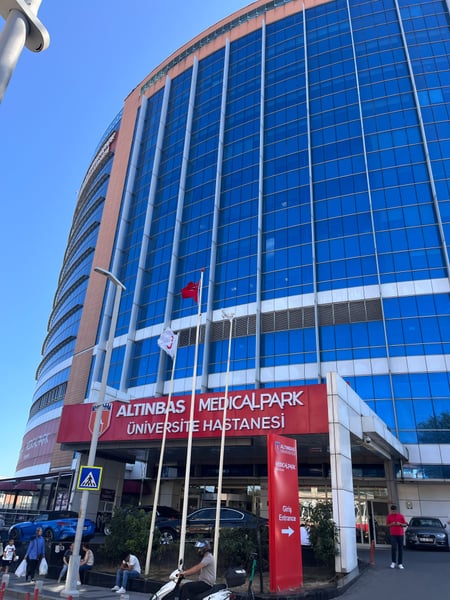
Medical Park Bahcelievler Hospital
Medical Park Bahcelievler Hospital is a 242-bed JCI-accredited hospital in Istanbul, established in 2007. Spread across 33,000 square meters and 19 fl...
Accreditations
Facilities
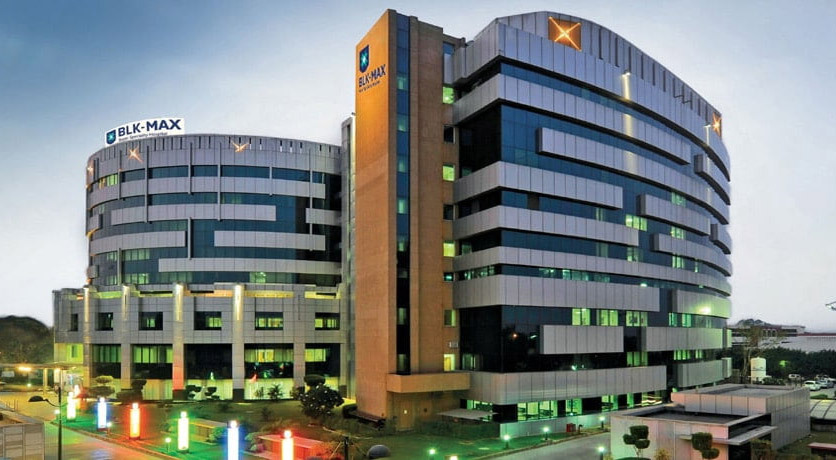
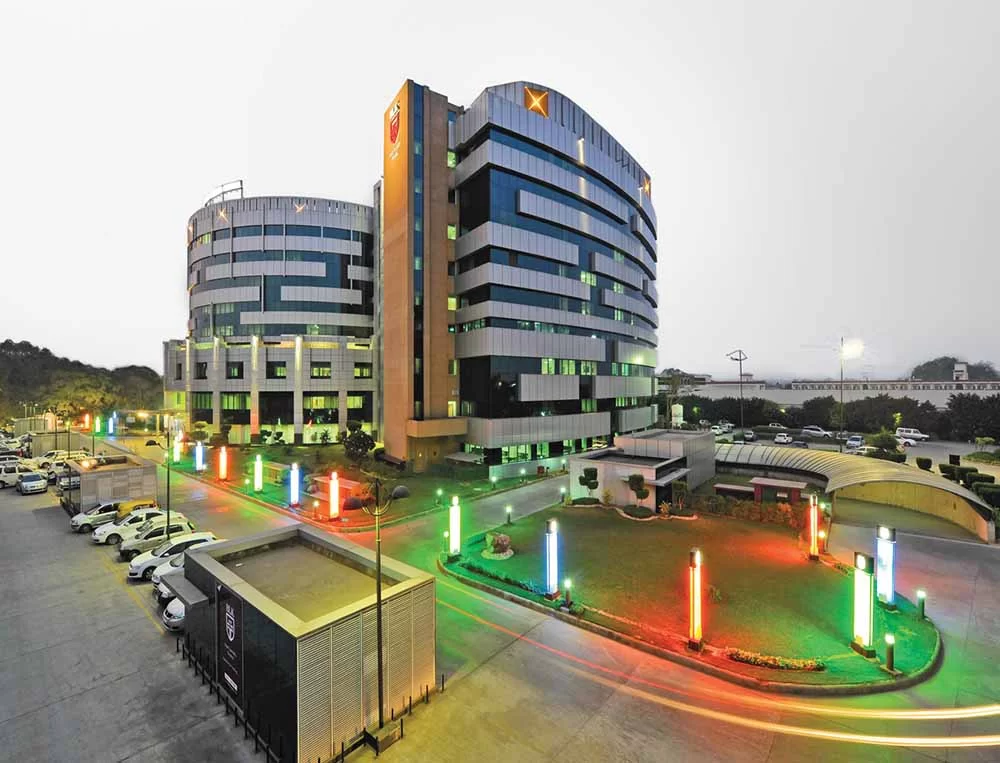
BLK-Max Super Speciality Hospital, New Delhi
BLK-Max Super Speciality Hospital in New Delhi is one of India's premier healthcare institutions, offering 650 beds, 22 advanced operation theatres, a...
Accreditations

Facilities
Fortis Memorial Research Institute (FMRI), Gurgaon
Fortis Memorial Research Institute (FMRI), Gurgaon, is a world-class multi-specialty hospital established in 2013. The hospital offers 330 beds, 15 op...
Accreditations


Facilities
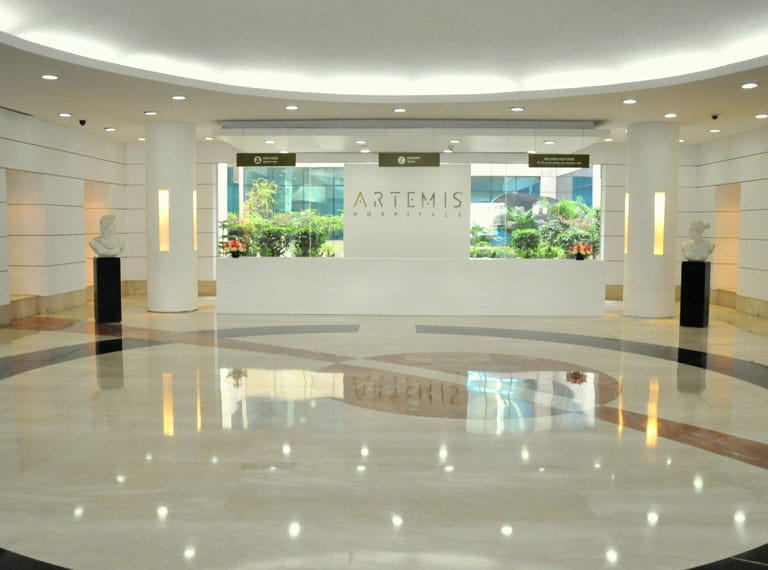
Artemis Hospital, Gurgaon
Artemis Hospital, Gurgaon, is a JCI accredited multispecialty hospital that was established in 2007. It offers 750+ beds and world -class infrastructu...
Accreditations


Facilities
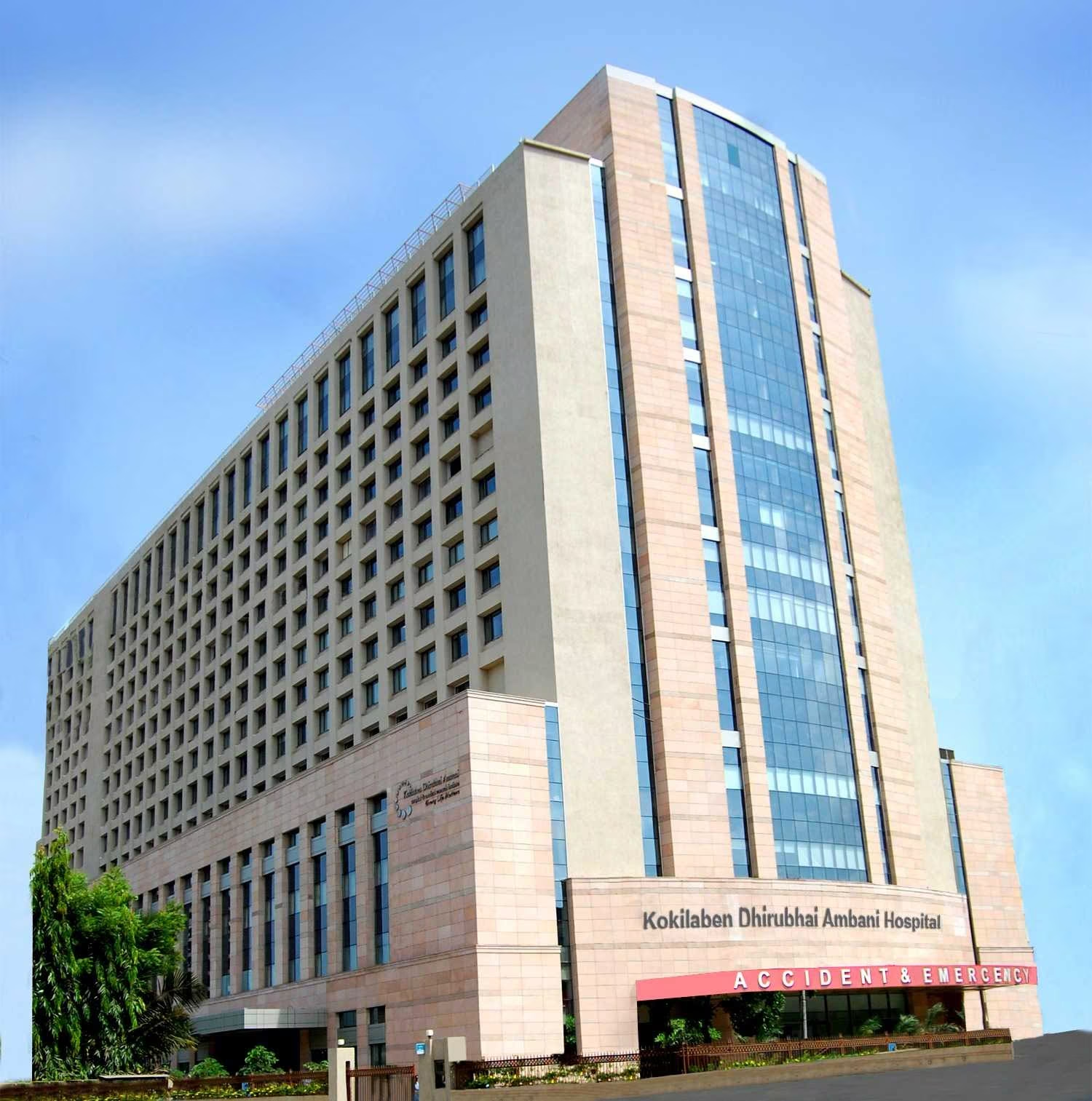
Kokilaben Dhirubhai Ambani Hospital, Mumbai
Kokilaben Dhirubhai Ambani Hospital, Mumbai, is a JCI, NABH, NABL, and CAP-accredited quaternary care hospital established in 2009. With 750 beds, 180...
Accreditations


Facilities
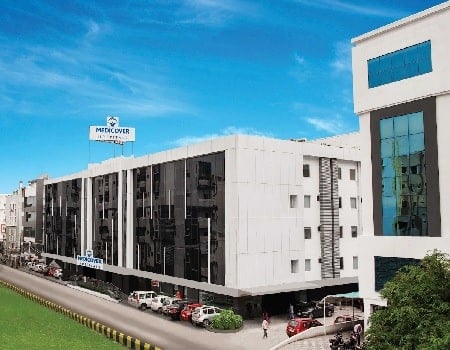
Medicover Hospitals, Hitech City, Hyderabad
Medicover Hospitals, Hitech City, Hyderabad, is a 400-bed NABH-accredited super-specialty hospital established in 2011. It is part of Medicover, a glo...
Accreditations


Facilities
Related Doctors
Connect with experienced doctors and medical specialists in this field.
Dr. Kanchan Bhattacharyya
Consultant
Dr. Kalyan Guha
Consultant
Dr. Rajinder Singh Gaheer
Senior Consultant
Dr. Ravi Bharadwaj
Senior Consultant
Dr. Ranjan Kamilya
Senior Consultant
Dr. Abheek Kar
Consultant
Related Articles
Explore more articles and insights on similar health topics.
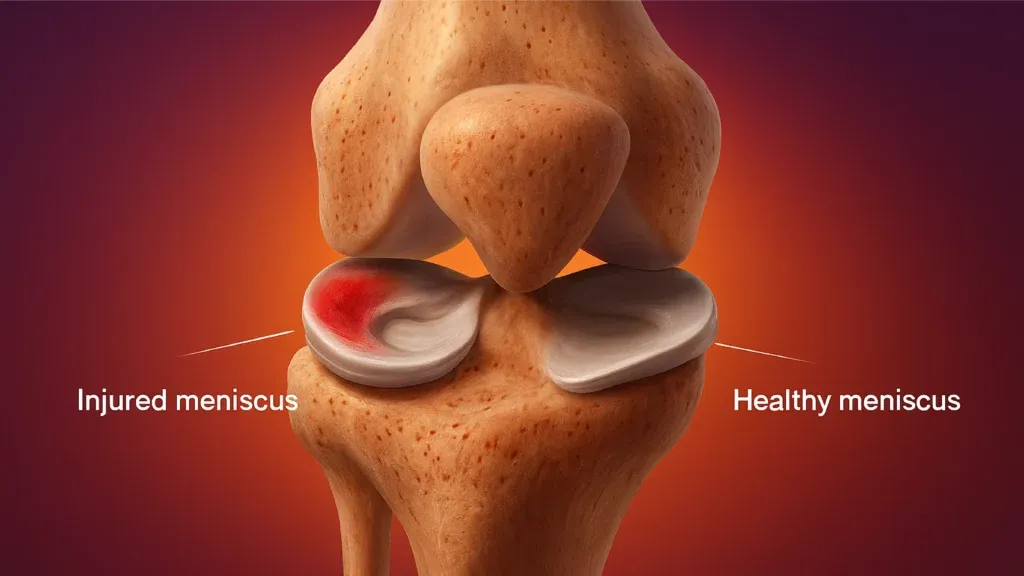
MCL and Meniscus Repair in India: Surgery, Success Rate, and Recovery
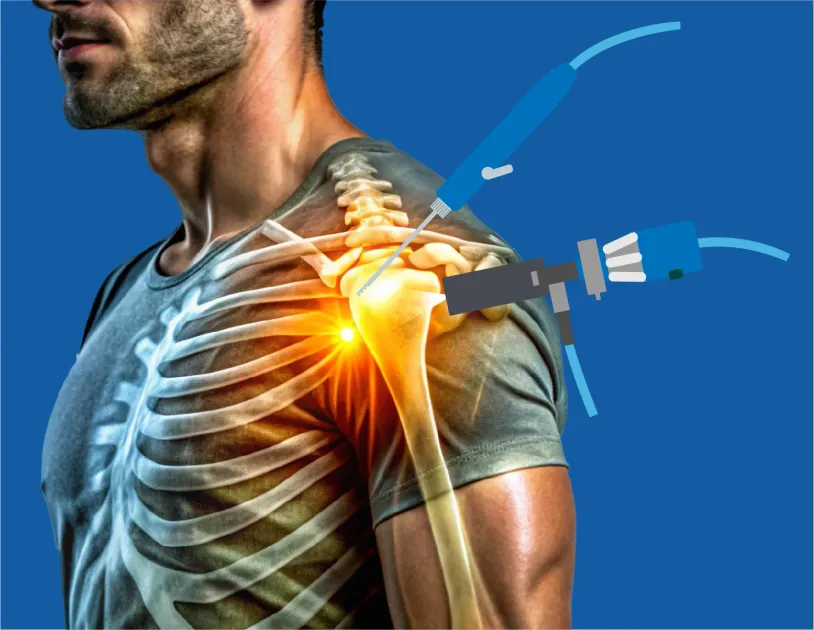
Rotator Cuff Repair Surgery in India: Procedure, Success Rates and Cost
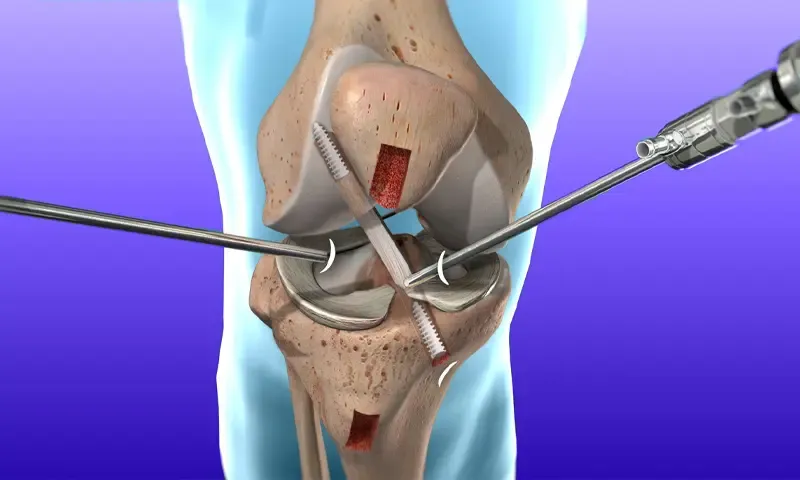
ACL Reconstruction Surgery in India: Procedure, Cost, and Success Rate
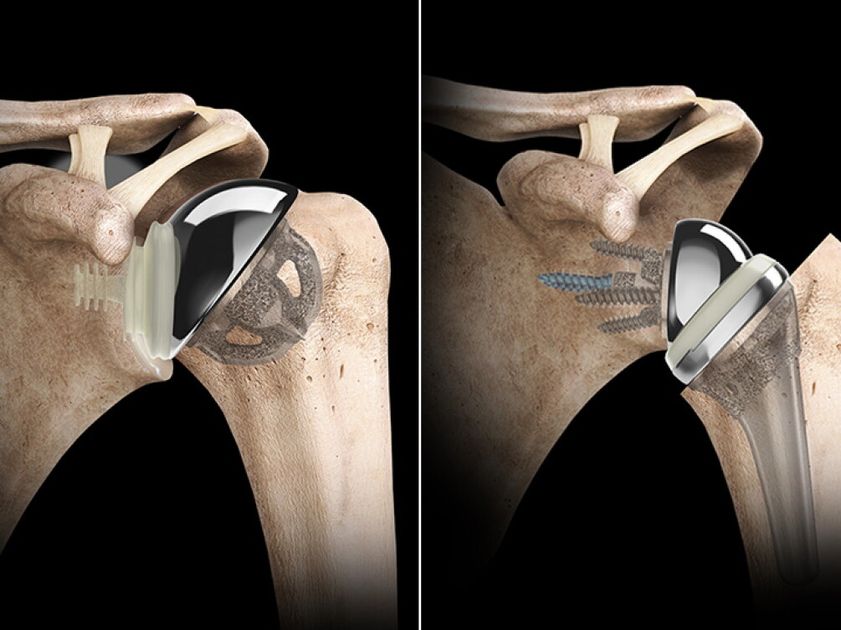
Reverse Shoulder Replacement in India: Cost, Procedure, Recovery
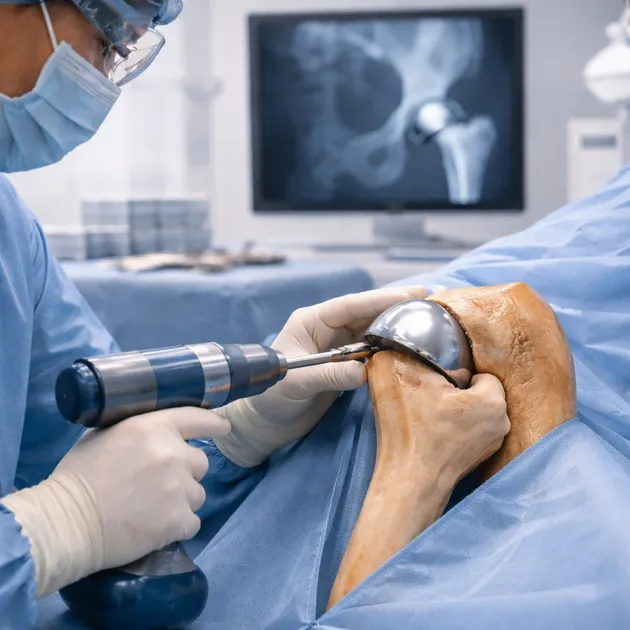
Hip Resurfacing Surgery in India: Procedure, Eligibility, and Recovery
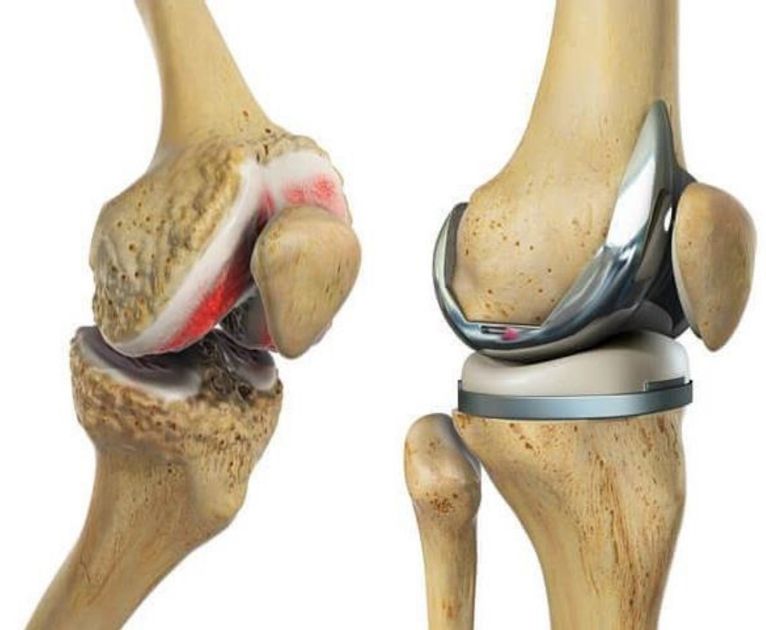
Robotic Knee Replacement in India: Benefits, Outcomes and Cost

Author
View AllHead - International Patient Services
Dr. Riya Shree is a clinical physiotherapist who completed her internship at Mata Chanan Devi Hospital, New Delhi, gaining hands-on experience in patient care and rehabilitation. She served on the fr... Read More
Our website uses cookies. By clicking on accept you give your consent to the use of cookies as per our Privacy Policy.
