
Reverse Shoulder Replacement in India: Cost, Procedure, Recovery
The shoulder is the most mobile joint in the human body, but when a massive rotator cuff tear, progressive arthritis, or a complex fracture causes it to fail, it doesn't just hurt. It stops working entirely. For patients who can no longer lift their arm past waist level, Reverse Shoulder Replacement (rTSA) offers a dramatic recovery of basic function by rewriting the joint's geometry.
Today, Reverse Shoulder Replacement in India has become a premier global solution for international patients. By utilising top-tier orthopaedic centres, patients achieve an exceptional 86% to 95% surgical success rate while benefiting from costs that run 60% to 75% below Western prices. All without compromising on the quality of imported implant technology.
Reverse Shoulder Replacement in India: Quick Summary
Procedure | Reverse Total Shoulder Arthroplasty (rTSA) |
| Best suited for | Irreparable rotator cuff tears, cuff tear arthropathy, complex shoulder fractures, failed previous shoulder replacement |
| Surgery duration | 2–3 hours |
| Hospital stay | 3–5 days |
| Recovery time | Most daily activities within 3–4 months; maximum recovery in 6–12 months |
| Success rate | Approximately 86–95% in appropriately selected patients |
| Implant lifespan | More than 10 years in most patients, with many implants lasting 15 years or longer |
| Cost in India | USD 6,000–9,000 (approximately INR 5,00,000–7,50,000) |
| International patient stay | Around 12–16 days |
What Is Reverse Shoulder Replacement?
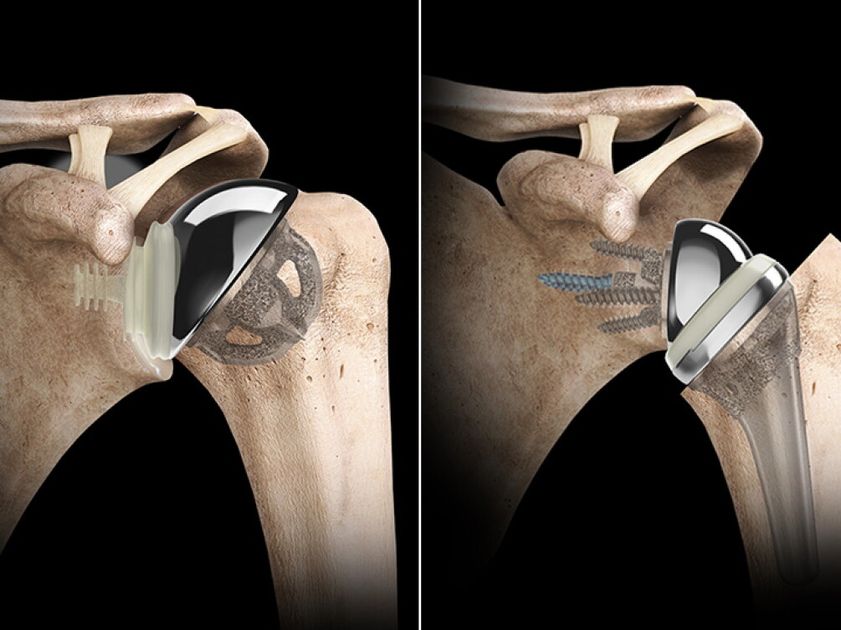
Reverse total shoulder arthroplasty (rTSA) is a surgical procedure that reconstructs a severely damaged shoulder joint by reversing the normal ball-and-socket anatomy.
In a conventional shoulder joint, the ball sits on top of the humerus (upper arm bone) and fits into the socket in the scapula (shoulder blade). In a reverse replacement, a metal ball is fixed to the shoulder blade and a plastic socket is attached to the top of the humerus. This reversal creates a stable fulcrum that allows the deltoid muscle alone to power shoulder elevation, bypassing the need for a functioning rotator cuff entirely.
The procedure was FDA-cleared in 2003 and has since become one of the fastest-growing joint replacement surgeries globally, with indications expanding considerably from the original cuff tear arthropathy approval to include complex fractures, failed prior shoulder surgery, and inflammatory arthritis.
When Is Reverse Shoulder Replacement Recommended?
Reverse shoulder replacement is not a first-line treatment for all shoulder conditions. It is indicated when specific anatomical or structural failures make conventional shoulder replacement less reliable.
Primary Indications
- Rotator cuff tear arthropathy: A massive, irreparable rotator cuff tear combined with glenohumeral arthritis. It remains the core indication for which the procedure was originally designed and has the strongest evidence base.
- Massive irreparable rotator cuff tear without arthritis: When the cuff cannot be repaired, and shoulder function has significantly deteriorated, rTSA restores elevation even without arthritis. Reverse total shoulder arthroplasty for massive rotator cuff tears without glenohumeral arthritis can improve clinical outcomes, as confirmed in multicentre studies.
- Complex proximal humerus fractures: In older patients with comminuted fractures where fixation is unlikely to succeed, rTSA delivered in the acute setting achieves reliable functional outcomes and avoids the failure modes of fixation.
- Failed prior shoulder arthroplasty: When an anatomic shoulder replacement has failed due to rotator cuff insufficiency or glenoid erosion, revision to rTSA restores function.
- Severe glenoid erosion with bone loss: When the socket has eroded to a degree that makes anatomic replacement unstable or technically impossible.
- Inflammatory arthropathy: Rheumatoid arthritis and related conditions that cause severe joint destruction and associated cuff involvement.
When Conventional Shoulder Replacement Is Used Instead
For patients with an intact rotator cuff and primary osteoarthritis, anatomic total shoulder arthroplasty (aTSA) is preferred, as it better replicates normal shoulder mechanics and yields greater range of motion in this group.
Who Is a Good Candidate for Reverse Shoulder Replacement?
Reverse shoulder replacement is recommended only after a thorough clinical examination and imaging studies. While age alone does not determine eligibility, the procedure is generally offered to patients whose shoulder function cannot be restored with rotator cuff repair or anatomic shoulder replacement.
You may be a suitable candidate if you:
- Have a massive rotator cuff tear that cannot be repaired.
- Experience persistent shoulder pain despite medication, injections, or physiotherapy.
- Have shoulder arthritis combined with rotator cuff damage.
- Sustained a complex fracture of the upper arm bone that is unlikely to heal with fixation.
- Have previously undergone shoulder replacement surgery that has failed.
- Find everyday activities such as dressing, combing your hair, or reaching overhead increasingly difficult because of shoulder weakness.
Your orthopaedic surgeon will also evaluate bone quality, muscle function, medical history, and imaging findings before recommending reverse shoulder replacement.
Who May Not Be Suitable for Reverse Shoulder Replacement?
Although reverse shoulder replacement benefits many patients, it is not appropriate for every shoulder problem.
The procedure may not be recommended if you:
- Have an active infection in or around the shoulder joint.
- Have severe damage to the deltoid muscle or the axillary nerve, as the operation relies on these structures for shoulder movement.
- Have adequate rotator cuff function and isolated osteoarthritis, where an anatomic shoulder replacement is usually the better option.
- Have severe medical conditions that make major surgery unsafe until they are appropriately managed.
Every patient should undergo a detailed evaluation to determine whether the expected benefits outweigh the risks.
How Much Does Reverse Shoulder Replacement Cost in India?
Reverse shoulder replacement in India costs between USD 6,000 and USD 9,000 (approximately INR 5,00,000 to INR 7,50,000) at accredited hospitals, depending on the implant type, hospital tier, and city.
Individual Cost Components
Component | Approximate Cost (USD) |
| Surgeon's fee (shoulder arthroplasty specialist) | 800 to 2,000 |
| Implant (reverse shoulder system, imported) | 2,500 to 4,500 |
| Anaesthesia | 300 to 600 |
| Operating theatre | 500 to 1,200 |
| Hospital stay (3 to 5 nights) | 450 to 1,500 |
| Pre-operative imaging (X-ray, CT, MRI) | 200 to 500 |
| Inpatient physiotherapy | 150 to 400 |
| Post-operative medications and sling | 100 to 300 |
The implant accounts for the largest single variable in the total cost. Standard imported reverse shoulder systems from established manufacturers cost more than domestically produced alternatives but offer the longer published survivorship data. Patients should confirm which implant brand and configuration is proposed, and whether the quoted price includes the implant or lists it separately.
Global Cost Comparison
Country | Reverse Shoulder Replacement (USD) |
| India | 6,000 to 9,000 |
| Turkey | 9,000 to 14,000 |
| Thailand | 14,000 to 20,000 |
| UK (private) | 20,000 to 32,000 |
| USA | 35,000 to 55,000 |
| Australia | 22,000 to 35,000 |
How Is Reverse Shoulder Replacement Performed?
The procedure takes 2 to 3 hours under general anaesthesia, almost always through a deltopectoral approach at the front of the shoulder.
- The shoulder joint is opened through the deltopectoral interval, the natural space between the deltoid and pectoralis major muscles.
- The arthritic humeral head is removed. The glenoid (shoulder blade socket) is prepared, and a metal baseplate is fixed to the scapula, with a rounded metal sphere (glenosphere) attached to it.
- The humerus is prepared, and a cup-shaped polyethene socket is fitted into the humeral component.
- The new joint is tested for stability and the correct range of motion. The reconstruction is designed to place the centre of rotation lower and more medial than in a normal shoulder, thereby increasing the deltoid's mechanical advantage in lifting the arm.
- The wound is closed, and the arm is placed in a sling.
Modern implant designs include both medialised and lateralised configurations. Lateralised designs position the glenosphere farther from the scapula, improving external rotation at the expense of slightly higher baseplate stress. Most shoulder surgeons now select implant geometry based on each patient's bone loss pattern and functional priorities.
What Are the Outcomes After Reverse Shoulder Replacement?
Outcome data for rTSA has matured considerably, with multiple large series now reporting medium and long-term results.
Functional Improvement
Across published series, patients consistently achieve significant improvement in shoulder elevation after rTSA. A German multicentre series found forward flexion improving from a pre-operative mean of around 70 degrees to over 130 degrees post-operatively. Pain scores improve dramatically in most patients within the first three months.
A 2025 systematic review and meta-analysis found that rTSA demonstrated superior forward flexion and abduction compared with hemiarthroplasty, though recovery of internal and external rotation varied across implant designs. The RTSA group demonstrated significantly greater forward flexion and abduction than the hemiarthroplasty group, supporting its use across an expanding range of indications.
Success Rate and Survivorship
Published success rates across accredited Indian orthopaedic centres for rTSA range from 86 to 95%, consistent with international registry data. Implant survivorship at 10 years exceeds 85% in most published series, with revisions most commonly due to instability or baseplate loosening.
Outcomes in Older Patients
Concerns about using rTSA in elderly patients with significant comorbidities have been addressed directly in the literature. A 2025 study of patients aged 90 and above who underwent primary rTSA found that 76.9% required no assistive device at follow-up, demonstrating that carefully selected patients at advanced age achieve meaningful functional recovery.
Reverse vs Anatomic Total Shoulder Replacement: How Do They Differ?
The choice between reverse and anatomic total shoulder arthroplasty (rTSA vs aTSA) is driven primarily by rotator cuff status and the degree of glenoid bone loss.
Feature | Anatomic TSA | Reverse TSA |
| Rotator cuff required | Yes, must be intact | No |
| Primary indication | OA with intact cuff | Cuff tear arthropathy, massive RCT |
| Forward elevation recovery | Excellent | Good to excellent |
| External rotation recovery | Better | Lower (varies by design) |
| Suitable for complex fractures | No | Yes |
| Suitable for revision surgery | Limited | Yes |
| Implant survivorship at 10 years | 85 to 92% | 83 to 88% |
Anatomic and reverse total shoulder arthroplasty have surged in popularity in recent years, with RSA indications expanding to include primary glenohumeral osteoarthritis in selected patients in whom long-term cuff integrity cannot be guaranteed. The decision requires careful pre-operative assessment of cuff status, bone quality, and patient functional demands.
What Does Recovery Look Like After Reverse Shoulder Replacement?
Recovery from rTSA follows a staged rehabilitation process and takes several months to reach full functional benefit.
Time After Surgery | What to Expect |
| Day 0–1 | Surgery is completed. The arm is placed in a sling, and gentle hand, wrist, and elbow movements begin. |
| Days 2–4 | Most patients are discharged from the hospital. Walking and light daily activities are encouraged while keeping the shoulder protected. |
| Weeks 1–2 | Follow-up visit for wound assessment and suture removal. International patients often return home during this period after medical clearance. |
| Weeks 2–6 | Passive shoulder exercises begin under the guidance of a physiotherapist while the sling is gradually reduced as advised. |
| Weeks 6–12 | Active shoulder movement and strengthening exercises are introduced. Most patients notice steady improvement in shoulder function. |
| Months 3–6 | Daily activities become easier, and many patients regain comfortable overhead movement and improved strength. |
| Months 6–12 | Recovery continues with further gains in strength, mobility, and overall shoulder function. Most patients achieve their maximum improvement during this period. |
International patients should plan a stay of 12 to 16 days in India, covering the procedure, inpatient physiotherapy, wound closure, and a functional assessment before flying.
What Are the Risks of Reverse Shoulder Replacement?
Reverse shoulder replacement has a high success rate, but like any major joint replacement, it carries certain risks. Most complications are uncommon and can often be managed successfully when recognised early.
Potential risks include:
- Infection around the implant
- Shoulder dislocation or instability
- Loosening of the implant over time
- Fracture of the humerus or shoulder blade during or after surgery
- Nerve or blood vessel injury
- Persistent stiffness or limited range of motion
- Blood clots following surgery
- Need for revision surgery if the implant fails or wears out
Choosing an experienced shoulder arthroplasty surgeon, following rehabilitation instructions, and attending regular follow-up appointments can help reduce the risk of complications.
What Affects the Long-Term Success of Reverse Shoulder Replacement?
Several factors significantly influence whether a patient achieves a good long-term outcome.
Factors Associated With Better Outcomes
- Cuff tear arthropathy and massive RCT as the primary indication produce the most consistent published results
- Experienced shoulder arthroplasty surgeon: rTSA is technically demanding, particularly the glenoid baseplate fixation step, and complication rates correlate with surgeon volume
- Good bone stock: Adequate scapular bone is essential for baseplate fixation. Severe bone loss may require augmented or custom components.
- Early physiotherapy compliance: The deltoid must be specifically trained after surgery to assume its new role as the primary elevator
Factors That Reduce Outcomes
- Previous multiple shoulder surgeries: Scar tissue and altered anatomy complicate dissection and implant positioning.
- Active infection at the time of surgery is an absolute contraindication.
- Severe neurological compromise affecting the axillary nerve or deltoid function limits what even a correctly placed implant can achieve.
To Conclude
Reverse shoulder replacement does something no other procedure achieves for a patient with combined rotator cuff failure and arthritis: it provides the shoulder with a stable mechanical advantage that does not depend on the tissue that has already failed. For the right patient, the functional recovery is among the most dramatic in orthopaedic surgery. A shoulder that could not reach the face or lift a glass can, after rehabilitation, raise above the head again.
India's leading orthopaedic centres perform rTSA using imported implant systems, achieving outcomes comparable to those in the West at costs well below what the same surgery commands in the West. For international patients from the GCC, Africa, Southeast Asia, and beyond, it is one of the clearest examples of clinical quality and affordability occupying the same space.
Speak with Qonaq Health Experts
If you are considering reverse shoulder replacement, the first step is to determine whether the procedure is suitable for your condition. You can share your X-rays, MRI or CT scan images, along with your medical history and current symptoms, for a preliminary assessment.
The orthopaedic specialists at Qonaq Health will review your case, recommend the most appropriate treatment approach, and provide a personalised treatment plan with a transparent cost estimate.
Fill out the enquiry form to connect with our experts and begin planning your treatment journey in India.
Frequently Asked Questions
How long does a reverse shoulder replacement last?
Most modern reverse shoulder implants last more than 10 years, with many continuing to function well for 15 years or longer. Implant longevity depends on factors such as bone quality, activity level, implant design, and surgical technique.
What is the success rate of reverse shoulder replacement?
Published studies report success rates of approximately 86% to 95% in appropriately selected patients. Most experience significant pain relief and improved shoulder function after rehabilitation.
How painful is recovery after reverse shoulder replacement?
Pain is usually greatest during the first few days after surgery and gradually improves over the following weeks. Modern pain management protocols and physiotherapy help make recovery more comfortable.
When can I lift my arm after surgery?
Gentle assisted movements usually begin within the first few weeks. Active lifting typically begins around six weeks after surgery, and most patients regain functional shoulder movement within three to four months.
Can I drive after reverse shoulder replacement?
Most patients can resume driving once they are no longer wearing the sling, have regained adequate shoulder control, and are no longer taking strong pain medication. It commonly occurs after 6 to 8 weeks, but varies between individuals.
Can I play sports after reverse shoulder replacement?
Many patients return to low-impact activities such as swimming, golf, cycling, and doubles tennis after recovery. High-impact contact sports and heavy overhead lifting are generally discouraged to protect the implant.
What activities should I avoid after reverse shoulder replacement?
Patients are usually advised to avoid repetitive heavy overhead lifting, contact sports, and activities that place excessive stress on the shoulder implant.
Is reverse shoulder replacement better than anatomic shoulder replacement?
Neither procedure is universally better. Reverse shoulder replacement is preferred when the rotator cuff is severely damaged, whereas anatomic shoulder replacement remains the preferred option for patients with an intact rotator cuff.
Can both shoulders be replaced?
Yes. If both shoulders require replacement, surgeons usually perform the procedures several months apart to allow adequate recovery of the first shoulder before operating on the second.
Can reverse shoulder replacement fail?
Although uncommon, implants can fail because of infection, loosening, instability, fracture, or wear over time. Regular follow-up helps identify potential problems early.
References
- U.S. Food and Drug Administration. Summary of safety and effectiveness data (SSED): Reverse Shoulder Prosthesis. Silver Spring (MD): U.S. Food and Drug Administration; 2003.
- Best MJ, Aziz KT, Wilckens JH, McFarland EG, Srikumaran U. Increasing incidence of primary reverse and anatomic total shoulder arthroplasty in the United States. J Shoulder Elbow Surg. 2021;30(5):1159-1166.
- Ernstbrunner L, Suter A, Catanzaro S, Rahm S, Gerber C. Reverse total shoulder arthroplasty for massive irreparable rotator cuff tears before the age of 65 years: results after five to fifteen years. J Bone Joint Surg Am. 2017;99(20):1721-1729.
- Stechel A, Fuhrmann U, Irlenbusch L, Rott O, Irlenbusch U. Reversed shoulder arthroplasty in cuff tear arthritis, fracture sequelae, and revision arthroplasty. Acta Orthop. 2010;81(3):367-372. doi:10.3109/17453674.2010.487242.
- Saad A, AlHarbi M, AlSalloum A, et al. Reverse total shoulder arthroplasty versus hemiarthroplasty for complex proximal humerus fractures: a systematic review and meta-analysis. JSES Rev Rep Tech. 2025.
- Chalmers PN, Ledbetter LS, Granger EK, et al. Clinical outcomes after primary reverse shoulder arthroplasty in patients aged 90 years and older. J Shoulder Elbow Surg. 2025.
- Guery J, Favard L, Sirveaux F, Oudet D, Mole D, Walch G. Reverse total shoulder arthroplasty: survivorship analysis of eighty replacements followed for five to ten years. J Bone Joint Surg Am. 2006;88(8):1742-1747.
Disclaimer: This article provides general educational information about reverse total shoulder arthroplasty in India. It does not constitute medical advice and must not replace a consultation with a qualified orthopaedic surgeon.
Individual treatment decisions depend on rotator cuff status, bone quality, prior surgery, age, and functional goals. Patients should consult an orthopaedic specialist before deciding on shoulder replacement surgery.
Related Hospitals
Discover hospitals and medical centers related to this topic for quality healthcare services.
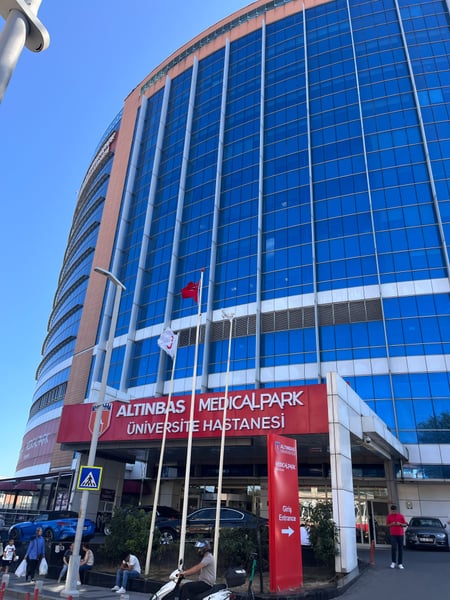
Medical Park Bahcelievler Hospital
Medical Park Bahcelievler Hospital is a 242-bed JCI-accredited hospital in Istanbul, established in 2007. Spread across 33,000 square meters and 19 fl...
Accreditations
Facilities
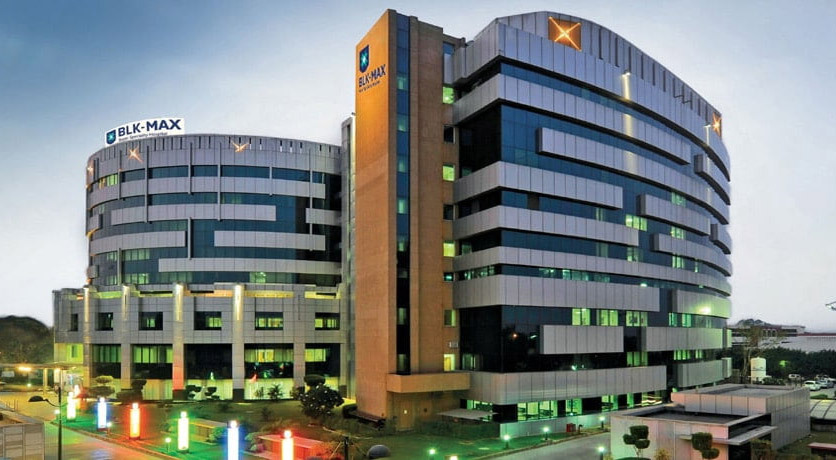
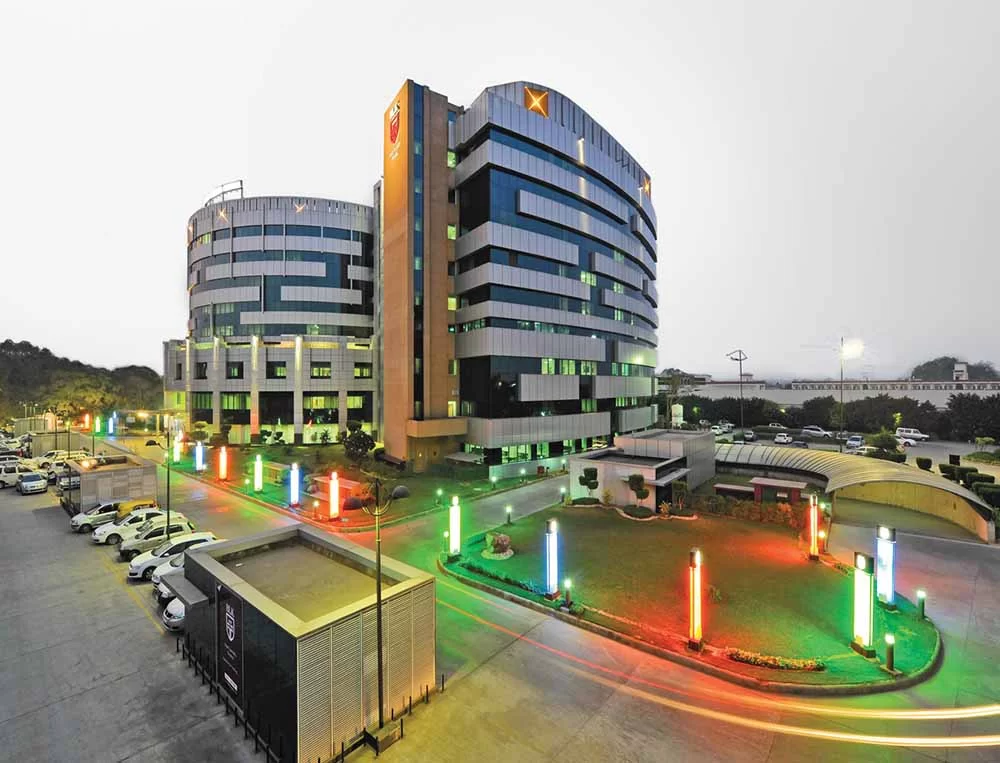
BLK-Max Super Speciality Hospital, New Delhi
BLK-Max Super Speciality Hospital in New Delhi is one of India's premier healthcare institutions, offering 650 beds, 22 advanced operation theatres, a...
Accreditations

Facilities
Fortis Memorial Research Institute (FMRI), Gurgaon
Fortis Memorial Research Institute (FMRI), Gurgaon, is a world-class multi-specialty hospital established in 2013. The hospital offers 330 beds, 15 op...
Accreditations


Facilities
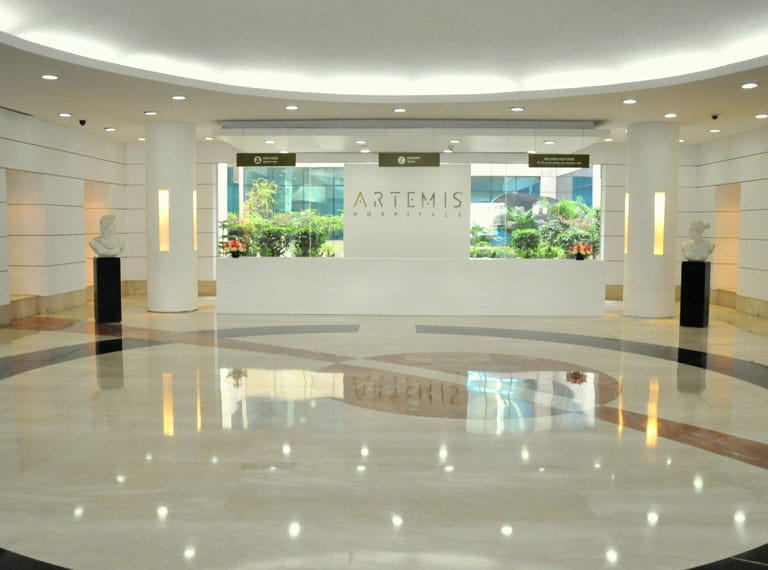
Artemis Hospital, Gurgaon
Artemis Hospital, Gurgaon, is a JCI accredited multispecialty hospital that was established in 2007. It offers 750+ beds and world -class infrastructu...
Accreditations


Facilities
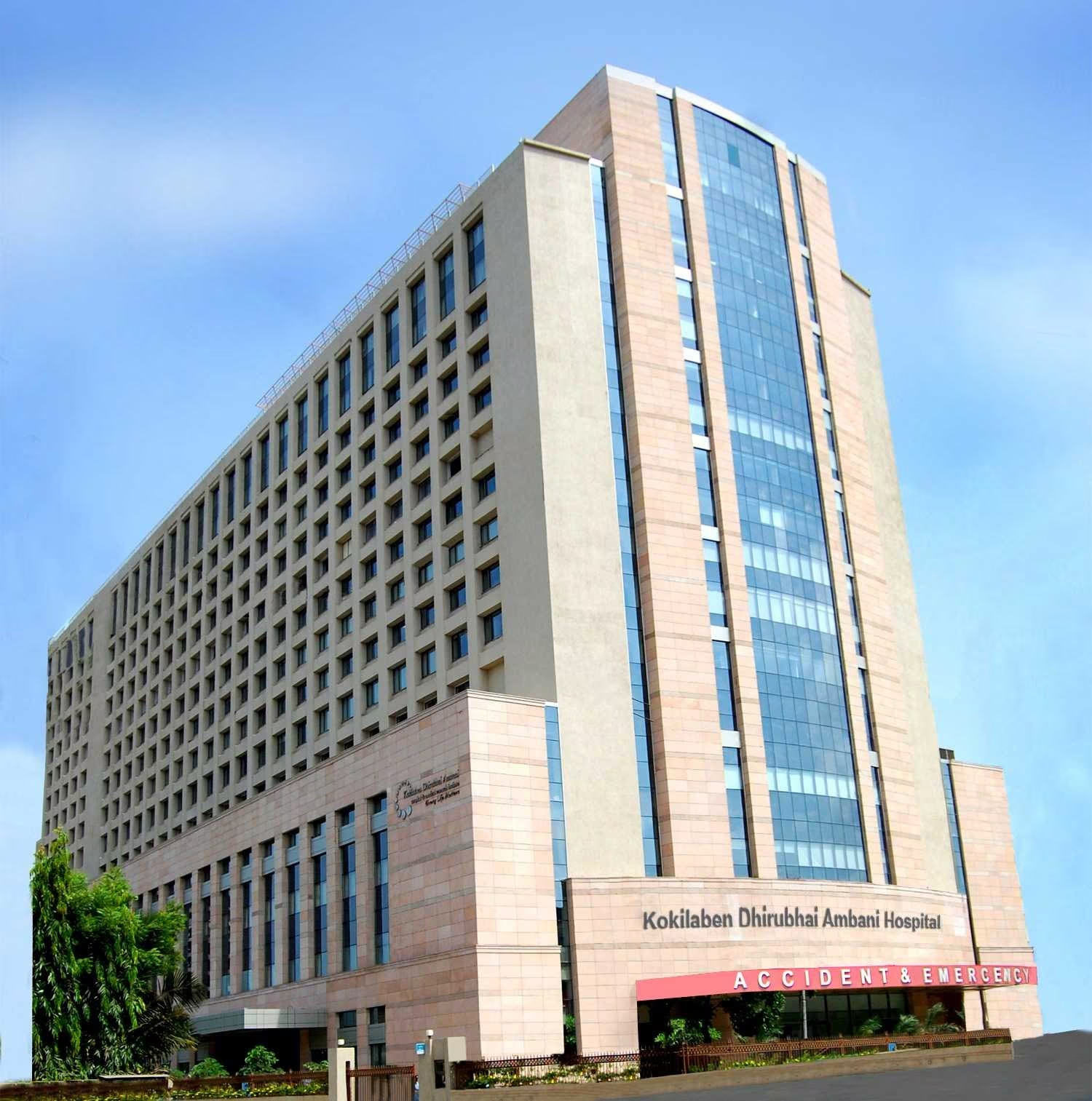
Kokilaben Dhirubhai Ambani Hospital, Mumbai
Kokilaben Dhirubhai Ambani Hospital, Mumbai, is a JCI, NABH, NABL, and CAP-accredited quaternary care hospital established in 2009. With 750 beds, 180...
Accreditations


Facilities
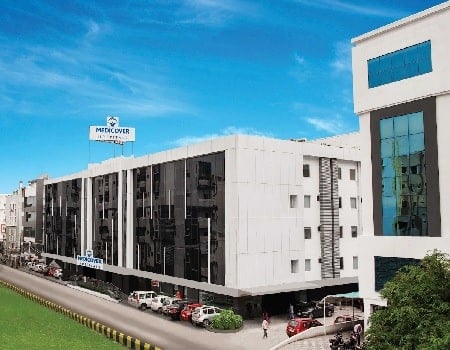
Medicover Hospitals, Hitech City, Hyderabad
Medicover Hospitals, Hitech City, Hyderabad, is a 400-bed NABH-accredited super-specialty hospital established in 2011. It is part of Medicover, a glo...
Accreditations


Facilities
Related Doctors
Connect with experienced doctors and medical specialists in this field.
Dr. Kanchan Bhattacharyya
Consultant
Dr. Kalyan Guha
Consultant

Dr. Rajinder Singh Gaheer
Senior Consultant

Dr. Ravi Bharadwaj
Senior Consultant
Dr. Ranjan Kamilya
Senior Consultant

Dr. Abheek Kar
Consultant
Related Articles
Explore more articles and insights on similar health topics.
MCL and Meniscus Repair in India: Surgery, Success Rate, and Recovery
Rotator Cuff Repair Surgery in India: Procedure, Success Rates and Cost
Best Countries for Orthopaedic Surgery and Sports Medicine in 2026
ACL Reconstruction Surgery in India: Procedure, Cost, and Success Rate
Hip Resurfacing Surgery in India: Procedure, Eligibility, and Recovery
Robotic Knee Replacement in India: Benefits, Outcomes and Cost

Our website uses cookies. By clicking on accept you give your consent to the use of cookies as per our Privacy Policy.
