Insulin Pump Therapy: How It Works, Who Benefits, and What It Costs in 2026

16/6/2026, 8:29:27 AM 9 min read Medical Tourism
Insulin Pump Therapy: How It Works, Who Benefits, and What It Costs in 2026
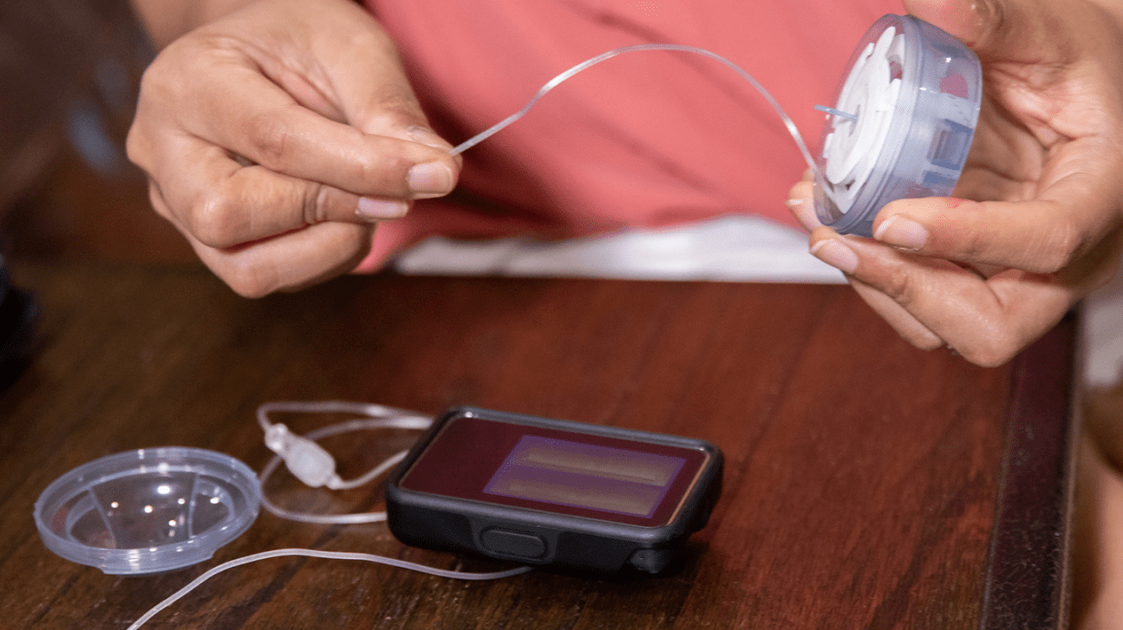
For people managing diabetes with multiple daily injections, there is a particular kind of exhaustion that sets in after years of the routine. Four to six injections a day. Meals timed around doses. Night-time lows that disrupt sleep. The mental load of calculating every correction bolus, every carbohydrate, every activity adjustment. And despite it all, HbA1c that still sits higher than anyone wants.


Insulin pump therapy was developed to address exactly this. A pump delivers insulin continuously at rates that can be adjusted for meals, exercise, sleep, and illness, far more precisely than any injection regimen can. The latest generation of devices goes further. They pair the pump with a continuous glucose monitor and use an algorithm to automatically adjust insulin delivery in real time, without the patient having to do any calculations.


The technology is not new. What is new is how good it has become, and how much more accessible it is in countries like India, where pump hardware and initiation are available at significantly lower cost than in Western markets. 

This article explains how the technology works, who it suits, what outcomes data shows, and what the full cost picture looks like for patients in 2026.


How Does an Insulin Pump Work?

An insulin pump is a small computerised device, roughly the size of a pager or a large glucose meter, that delivers rapid-acting insulin through a thin cannula inserted under the skin.


Delivery Modes

  • Basal rate: A slow, continuous background delivery of insulin programmed to match the body's baseline insulin requirement throughout the day and night. Multiple different basal rates can be programmed for different times, accommodating the natural variation in insulin sensitivity across a 24-hour period.
  • Bolus dose: An additional insulin dose triggered by the patient at mealtimes or to correct a high glucose reading. Delivered via the same cannula. Modern pumps calculate the recommended bolus amount based on the patient's carbohydrate intake and current glucose reading.

The cannula and reservoir (insulin cartridge) are typically replaced every 2 to 3 days. The site of insertion is rotated around the abdomen, thigh, or arm. Only rapid-acting insulin analogues are used in pumps, as the continuous delivery approach replaces the need for separate long-acting basal insulin injections.


Patch Pumps vs Tubed Pumps

Traditional tubed pumps connect the pump device to the body via a thin tube. Patch pumps, such as the Omnipod 5, adhere directly to the skin with no external tubing. They are controlled wirelessly via a smartphone app or a dedicated controller. 


The Omnipods are disposable and replaced every three days. Patch pump designs are particularly popular among children and active patients, as managing tubing can be a practical inconvenience.


What Are the Main Insulin Pump Systems Available Today?

The pump market has evolved significantly. Three generations of technology now coexist in clinical practice.


Standard CSII (Continuous Subcutaneous Insulin Infusion)

The foundational pump technology. The device delivers basal and bolus insulin as programmed by the patient and clinician, without any automated adjustment based on glucose readings. The patient manually reviews CGM data and adjusts settings as needed. Standard CSII improves glycaemic control in most patients with multiple daily injections, with data showing up to a 20% reduction in insulin requirements after switching from injections to pump therapy.


Sensor-Augmented Pumps with Predictive Low Glucose Suspend

A step beyond standard CSII: the pump is paired with a CGM sensor and automatically suspends insulin delivery when the CGM predicts impending hypoglycaemia. The patient does not need to act; the pump resumes delivery once glucose levels recover. This substantially reduces nocturnal hypoglycaemia for patients who frequently experience overnight lows.


Automated Insulin Delivery (AID) Systems

AID systems, also called hybrid closed-loop systems, represent the current frontier of pump technology. They continuously read CGM data and use a built-in algorithm to increase, decrease, or suspend insulin delivery in real time, aiming to keep glucose within the target range for as many hours of the day as possible.


The three most widely used AID systems globally are:


  • Medtronic MiniMed 780G: Automated basal adjustment plus automated correction boluses. Targets a glucose set point of 100 mg/dL (5.6 mmol/L) when personalised settings are active.
  • Tandem t:slim X2 with Control-IQ+: Predictive closed-loop control using Dexcom G7 CGM data. Software-updatable, meaning the algorithm can be updated via a remote download as new versions are released.
  • Omnipod 5: Tubeless patch pump with integrated Dexcom G6 or G7 CGM. The only wireless patch-pump AID system currently available, controlled entirely via a smartphone.


How Automated Insulin Delivery (AID) Systems Improve Diabetes Management With Closed-Loop Technology?

Moving from injections to a standard pump is a meaningful improvement. Moving from a standard pump to AID is a different category of change.


Data from clinical trials and real-world registries consistently show that AID systems deliver:


  • Lower HbA1c: An average reduction of 0.72 percent compared to multiple daily injections in meta-analysis data
  • More time in range (TIR): The percentage of time glucose stays within 70 to 180 mg/dL increases significantly, often by 10 to 15 percentage points versus standard pump therapy
  • Fewer hypoglycaemic events: The automatic suspend and reduced delivery functions cut nocturnal hypoglycaemia rates dramatically
  • Reduced cognitive burden: Patients using AID systems consistently report lower mental load from diabetes management, improved sleep, and better quality of life scores

A 2024 crossover trial in patients with type 2 diabetes found that hybrid closed-loop therapy improved TIR by 6.2 percentage points compared with CSII plus CGM alone. As the patient population eligible for pump therapy expands beyond type 1 to include complex type 2, the AID advantage applies to both groups.


Dr. Ambrish Mithal, Chairman of Endocrinology and Diabetes at Max Healthcare in Delhi and one of India's most respected endocrinologists, has observed that the adoption barrier for pump therapy in India is shifting: "For years, the conversation about insulin pumps in India was primarily about affordability. That is still relevant. But among patients who have used AID systems for even three months, the question changes completely. They want to know how to stay on it, not whether to try it. The glycaemic improvement is real. The quality-of-life difference is larger than most patients or clinicians anticipate before starting."


Who Benefits Most from Insulin Pump Therapy?

Pump therapy is not a universal solution. The patients who benefit most share specific clinical and lifestyle characteristics.


Strongest Candidates

  • Type 1 diabetes with inadequate HbA1c on multiple daily injections, particularly those with high glucose variability
  • Frequent or severe hypoglycaemia, including hypoglycaemia unawareness, where the body has lost its ability to signal low glucose before it becomes dangerous
  • Highly variable lifestyle: shift workers, frequent travellers, and competitive athletes who need flexible, responsive insulin adjustment
  • Children and adolescents with type 1 diabetes, where multiple daily injections are both practically difficult and metabolically inadequate during growth
  • Pregnant women with type 1 diabetes, where tight glycaemic control is essential and standard pump or AID therapy consistently outperforms injection regimens in trials
  • Type 2 diabetes on intensive insulin therapy where MDI has not achieved glycaemic targets and further intensification through pump is clinically appropriate


Who May Not Be the Right Fit

Pump therapy requires a willingness to engage with the technology, attend training sessions, manage device troubleshooting, and change infusion sites every 2 to 3 days. Patients who prefer simplicity, have limited technological comfort, or are unable to commit to regular follow-up with a diabetes team may find pump therapy adds complexity without proportionate benefit.


How Much Does Insulin Pump Therapy Cost in India?

The cost of insulin pump therapy in India typically ranges from INR 2,00,000 to INR 4,50,000 (approximately USD 2,400 to USD 5,400) depending on the pump type, automated insulin delivery (AID) features, and CGM compatibility. In addition to the initial device cost, patients should also consider monthly consumable expenses, which may range from INR 5,000 to INR 25,000 based on the therapy system used.


Insulin pump therapy costs in India generally include two major components:


  • Initial insulin pump hardware cost
  • Ongoing monthly consumable expenses

The overall treatment cost depends on the pump model, continuous glucose monitoring requirements, and long-term diabetes management needs.


Pump Hardware Costs in India (2026)

Pump System

Type

India Cost (INR)

India Cost (USD approx.)

Medtronic MiniMed 670G / 720GTubed, sensor-augmented2,45,000 to 3,50,0002,950 to 4,200
Medtronic MiniMed 780GTubed, AID3,00,000 to 4,00,0003,600 to 4,800
Tandem t:slim X2 (Control-IQ+)Tubed, AID3,50,000 to 4,50,0004,200 to 5,400
Omnipod DASHTubeless patch pump2,00,000 to 2,75,0002,400 to 3,300
Omnipod 5Tubeless, AID2,75,000 to 3,75,0003,300 to 4,500

For comparison, pump hardware costs USD 4,500-6,500 in the United States without insurance.


Monthly Consumable Costs (Ongoing)

Consumable

Estimated Monthly Cost (INR)

USD Approx.

Infusion sets (10 per month, tubed pumps)2,500 to 5,00030 to 60
Insulin cartridges/reservoirs800 to 1,50010 to 18
Omnipod pods (10 per month)8,000 to 14,00096 to 168
CGM sensors (Dexcom G6/G7, 4-5 per month)12,000 to 20,000144 to 240
Rapid-acting insulin analogue (monthly)1,500 to 3,50018 to 42

The monthly consumable cost, particularly when a CGM is included, represents a meaningful ongoing expense. CGM sensors are the highest recurring cost for most pump users. Patients considering pump therapy should factor in consumable costs over a 12-month horizon before comparing total costs with injection therapy.


How Does India's Insulin Pump Cost Compare Globally?

India is often considered a cost-effective destination for advanced diabetes management and insulin pump therapy compared to several Western countries.


Country

Standard Pump (USD)

AID System (USD)

India2,950 to 4,2003,300 to 5,400
UAE / GCC3,500 to 5,0004,500 to 6,500
UK (self-pay)4,000 to 6,0005,000 to 8,000
USA (without insurance)4,500 to 6,5005,500 to 9,000
Australia (self-pay)5,000 to 7,0006,000 to 9,000

How Is Insulin Pump Therapy Started?

Pump initiation is not simply opening a box and starting. It requires a planned transition from injection therapy, supervised by a diabetes specialist and educator.


  • Pre-initiation assessment: Review of current insulin regimen, CGM data (if already in use), carbohydrate awareness, and patient motivation and technical ability
  • Pump settings calculation: Basal rates, insulin-to-carbohydrate ratios, correction factors, and target ranges are set based on the patient's existing insulin doses and glucose patterns
  • Training sessions: Typically two to four sessions covering site preparation and insertion, bolus delivery, troubleshooting, sick-day management, and hypoglycaemia protocols
  • AID system setup (if applicable): Pairing the pump with a CGM sensor, activating the algorithm, setting the glucose target, and understanding when to override automation
  • Follow-up reviews: CGM data is reviewed at two weeks, six weeks, and three months to refine settings and address any issues

International patients initiating pump therapy in India typically complete the training and early optimisation phase over a ten to fourteen day stay, with a remote follow-up schedule arranged with their home endocrinologist before discharge.


Key Takeaway

Insulin pump therapy, and particularly AID systems, represents the most significant advance in insulin delivery since the introduction of insulin analogues. The evidence for reduced HbA1c, more time in glucose target range, fewer hypoglycaemic events, and meaningfully better quality of life is consistent across populations and age groups.


The gap between what is technically possible and what most insulin-dependent patients actually use remains wide, largely due to cost and awareness. India's pricing for both pump hardware and initiation makes the technology accessible to international patients who would otherwise manage on injections indefinitely, not because they do not want better control, but because the price of accessing it at home is prohibitive.


For patients willing to invest the time in training and the commitment to managing a device, the return on that investment, measured in better control, fewer complications, and less daily burden, begins accruing from the first month.


Disclaimer: This article provides general educational information about insulin pump therapy and automated insulin delivery systems. It does not constitute medical advice and must not replace a consultation with a qualified endocrinologist or diabetes specialist. Individual suitability for pump therapy depends on diabetes type, glycaemic history, lifestyle factors, and technical ability. Patients should consult their treating physician before making any changes to insulin delivery.

Related Hospitals

Discover hospitals and medical centers related to this topic for quality healthcare services.
Medical Park Bahcelievler Hospital
Platinum
View Details

Medical Park Bahcelievler Hospital

Istanbul, Turkey

Medical Park Bahcelievler Hospital is a 242-bed JCI-accredited hospital in Istanbul, established in 2007. Spread across 33,000 square meters and 19 fl...

Multi-specialty
Established 2007
242 beds
Accreditations
Joint Commission International (JCI)
Facilities
+13
BLK-Max Super Speciality Hospital, New Delhi
Platinum
View Details

BLK-Max Super Speciality Hospital, New Delhi

New Delhi, India

BLK-Max Super Speciality Hospital in New Delhi is one of India's premier healthcare institutions, offering 650 beds, 22 advanced operation theatres, a...

Multi-specialty
Established 1959
650 beds
Accreditations
Joint Commission International (JCI)
National Accreditation Board for Hospitals & Healthcare Providers (NABH)
Facilities
+13
Fortis Memorial Research Institute (FMRI), Gurgaon
Platinum
View Details

Fortis Memorial Research Institute (FMRI), Gurgaon

Gurgaon, India

Fortis Memorial Research Institute (FMRI), Gurgaon, is a world-class multi-specialty hospital established in 2013. The hospital offers 330 beds, 15 op...

Multi-specialty
Established 2013
330 beds
Accreditations
Joint Commission International (JCI)
National Accreditation Board for Hospitals & Healthcare Providers (NABH)
Facilities
+13
Artemis Hospital, Gurgaon
Platinum
View Details

Artemis Hospital, Gurgaon

Gurgaon, India

Artemis Hospital, Gurgaon, is a JCI accredited multispecialty hospital that was established in 2007. It offers 750+ beds and world -class infrastructu...

Multi-specialty
Established 2007
750 beds
Accreditations
Joint Commission International (JCI)
National Accreditation Board for Hospitals & Healthcare Providers (NABH)
International Organization for Standardization (ISO)
Facilities
+13
Kokilaben Dhirubhai Ambani Hospital, Mumbai
Platinum
View Details

Kokilaben Dhirubhai Ambani Hospital, Mumbai

Mumbai, India

Kokilaben Dhirubhai Ambani Hospital, Mumbai, is a JCI, NABH, NABL, and CAP-accredited quaternary care hospital established in 2009. With 750 beds, 180...

Multi-specialty
Established 2009
750 beds
Accreditations
Joint Commission International (JCI)
National Accreditation Board for Hospitals & Healthcare Providers (NABH)
International Organization for Standardization (ISO)
Facilities
+13
Medicover Hospitals, Hitech City, Hyderabad
Platinum
View Details

Medicover Hospitals, Hitech City, Hyderabad

Hyderabad, India

Medicover Hospitals, Hitech City, Hyderabad, is a 400-bed NABH-accredited super-specialty hospital established in 2011. It is part of Medicover, a glo...

Multi-specialty
Established 2011
400 beds
Accreditations
National Accreditation Board for Hospitals & Healthcare Providers (NABH)
Joint Commission International (JCI)
Facilities
+13

Related Doctors

Connect with experienced doctors and medical specialists in this field.

Dr. Ashwin Venktesh M

Dr. Ashwin Venktesh M

Consultant

5 years of experience
View Details
Dr. Deepak Subramanian

Dr. Deepak Subramanian

Senior Consultant
14 years of experience
View Details
Dr. Ajay Mandal

Dr. Ajay Mandal

Consultant

20 years of experience
View Details
Dr. Babek Tabandeh

Dr. Babek Tabandeh

Consultant

30 years of experience
View Details
Dr. Manu Shankar

Dr. Manu Shankar

Director

23 years of experience
View Details
Dr. Amit D Goswami

Dr. Amit D Goswami

Associate Director

26 years of experience
View Details

Related Articles

Explore more articles and insights on similar health topics.

India vs Thailand: Which is the Best Medical Tourism Destination in 2026?
Medical Tourism

India vs Thailand: Which is the Best Medical Tourism Destination in 2026?

18/6/2026, 5:05:27 AM
9 min read
Most patients who research medical tourism in Asia end up comparing the same two destinations. India and Thailand have each built a significant intern...
Heart Valve Replacement Surgery in India: Types, Technologies, and Recovery
Medical Tourism

Heart Valve Replacement Surgery in India: Types, Technologies, and Recovery

18/6/2026, 4:16:32 AM
10 min read
The heart has four valves, and each one has a single job: keep blood moving in the right direction. When one of them fails, the heart compensates for ...
Robotic Prostatectomy in India: Nerve-Sparing Techniques, Recovery, and Patient Outcomes
Medical Tourism

Robotic Prostatectomy in India: Nerve-Sparing Techniques, Recovery, and Patient Outcomes

16/6/2026, 1:25:56 PM
9 min read
Prostate cancer is the second most common cancer in men globally. For patients diagnosed with localised disease, the question that follows almost imme...
Obesity and Diabetes: How Bariatric Surgery Addresses Both Together

Medical Tourism

Obesity and Diabetes: How Bariatric Surgery Addresses Both Together

16/6/2026, 5:31:14 AM
9 min read
Most people managing both obesity and type 2 diabetes carry a heavier load than either condition alone would require. Two sets of medications. Two set...
Liposuction in India: Techniques, Costs, and Recovery Timeline

Medical Tourism

Liposuction in India: Techniques, Costs, and Recovery Timeline

16/6/2026, 5:14:21 AM
10 min read
Liposuction is the most commonly performed cosmetic surgical procedure in the United States, with 347,782 procedures reported in 2023 alone, a 7 perce...
Facelift Surgery in India: Procedure, Recovery, and Choosing the Best Surgeons

Medical Tourism

Facelift Surgery in India: Procedure, Recovery, and Choosing the Best Surgeons

15/6/2026, 6:51:08 PM
8 min read
Ageing does not happen evenly across the face. The jawline softens into jowls. The neck loses definition. The midface descends, pulling the nasolabial...
Nadeem Malik

Medical Writer

Medical Representative Shield Healthcare Pvt. Ltd
B-Pharm

Nadeem Malik is a dedicated medical writer with a strong academic background in pharmacy. He holds a Bachelor of Pharmacy (B.Pharm) degree from Teerthanker Mahaveer University, Moradabad, and has over... Read More

Our website uses cookies. By clicking on accept you give your consent to the use of cookies as per our Privacy Policy.