Facelift Surgery in India: Procedure, Recovery, and Choosing the Best Surgeons

15/6/2026, 6:51:08 PM 8 min read Medical Tourism
Facelift Surgery in India: Procedure, Recovery, and Choosing the Best Surgeons

Ageing does not happen evenly across the face. The jawline softens into jowls. The neck loses definition. The midface descends, pulling the nasolabial folds deeper and flattening the cheeks that once sat higher. For patients who reach this point and want a result that no injectable or non-surgical treatment can deliver, a facelift remains the most effective single intervention available to address all of it simultaneously.


A 2024 systematic review and meta-analysis published in PubMed, comparing SMAS and deep plane techniques, found that deep plane facelifts achieve 94.4 percent patient satisfaction, compared to 87.8 percent with SMAS procedures. These are not marginal numbers. For a procedure performed once and expected to last a decade, they underscore why the surgeon's quality and technique matter more than almost anything else in the decision.


India's leading facial plastic surgeons offer the full spectrum of facelift techniques at 60 to 70 percent lower cost than equivalent care in the United States or the United Kingdom, performed at JCI- and NABH-accredited facilities in Delhi, Mumbai, Chennai, and Bangalore. For international patients from the GCC, Africa, and Southeast Asia, this combination makes a procedure that would otherwise be financially out of reach entirely accessible.


What Does a Facelift Actually Do and What Are Its Limits?

Understanding the scope of the procedure before discussing technique saves a significant amount of time during the consultation. A facelift addresses three areas:


  • The midface and cheeks: Restoring the volume, position, and contour lost as fat pads descend with age
  • The jowl line and jawline: Removing the heaviness that softens jaw definition
  • The neck: Tightening the platysma muscle and removing excess skin for a cleaner cervicomental angle


What It Does Not Change

  • Skin quality, texture, or fine surface lines, which respond to resurfacing treatments rather than surgery
  • Volume loss, which is addressed with fat grafting or fillers alongside the lift if needed
  • The upper face, including forehead and brow position, which require separate procedures

The ideal facelift candidate is typically in their late 40s to 60s, in good general health, a non-smoker, and has realistic expectations. Patients with significant cardiovascular disease, uncontrolled hypertension, or bleeding disorders require careful pre-operative assessment before any facial surgery.


What Is a SMAS Facelift and When Is It Appropriate?

The SMAS (Superficial Musculoaponeurotic System) facelift tightens the fibromuscular layer that sits beneath the skin and subcutaneous fat, connecting the platysma in the neck to the superficial temporal fascia above the ear. SMAS plication folds the SMAS over itself to tighten it. SMASectomy removes a strip of it. SMAS flap elevation lifts a portion of it on a pedicle.


SMAS techniques produce reliable, natural-looking results with a complication rate of approximately 10.3% in published meta-analyses. They are appropriate for most patients with mild to moderate facial laxity and represent the standard of care at India's leading facial plastic surgery centres.


What Makes the Deep Plane Facelift Different?

The deep plane facelift releases the retaining ligaments that anchor the facial soft tissues to the skeleton, then lifts the tissue as a composite unit, including skin, fat, and SMAS. It allows greater tissue mobilisation and addresses midface descent more effectively than SMAS techniques alone.


Key advantages over SMAS:


  • Better midface and nasolabial fold correction through composite tissue movement
  • More natural result because tissues move together rather than the skin being pulled separately
  • Longer-lasting outcomes in many studies, though the evidence is debated

The tradeoff is surgical complexity. Deep-plane facelifts are now performed by 90 percent of American facial plastic surgeons in the survey, with complication rates of 17.2 per cent versus 10.3 percent for SMAS techniques. This higher complexity demands a surgeon with specialised deep-plane training and high case volume.


What Is the Mini Facelift and Who Is It For?

A shorter incision, limited dissection, and faster recovery. The mini facelift is suitable for patients in their early 40s with early jowling and mild neck laxity who are not yet candidates for a full facelift. Results are less dramatic and less durable than those from full techniques, but in some cases require only local anaesthesia and allow a return to normal activity within two weeks.


What Does Facelift Surgery Cost in India?

A facelift in India costs USD 3,500 to USD 8,000 at JCI-accredited hospitals. It is significantly more affordable than in countries such as the United States, the United Kingdom, and Australia. The overall cost depends on the facelift technique used, the surgeon's experience, the hospital's infrastructure, anaesthesia requirements, and whether additional procedures are performed alongside the surgery.


International patients often choose India because accredited hospitals offer experienced plastic surgeons, modern surgical facilities, and lower treatment costs without compromising on clinical standards.


Facelift Surgery Cost in India (Breakdown and US Comparison)

Procedure

India (USD)

US Comparison (USD)

Mini Facelift1,800 to 3,0008,000 to 12,000
SMAS Facelift3,500 to 5,50015,000 to 25,000
Deep Plane Facelift5,000 to 8,00020,000 to 35,000
Facelift with Neck Lift4,500 to 7,00018,000 to 30,000

Note: Figures based on published clinic pricing at accredited Indian facilities as of 2026. Individual quotes vary depending on surgeon seniority, hospital category, procedure complexity, and recovery requirements.


Factors That Affect Facelift Surgery Cost in India

Several factors influence the final treatment quote:


  • Type of facelift procedure performed
  • Surgeon's qualifications and experience
  • Hospital accreditation and surgical facility standards
  • Length of operating time
  • Anaesthesia and surgical team fees
  • Whether a neck lift, eyelid surgery, or fat grafting is combined
  • Duration of hospital stay and recovery support
  • City and clinic location within India

Deep plane facelifts and combined facial rejuvenation procedures generally cost more because they require advanced surgical expertise and longer operating times.


What Is Usually Included in the Package?

Most international patient packages at accredited Indian hospitals commonly include:


  • Surgeon's consultation and surgical fee
  • Anaesthesia charges
  • Operating theatre expenses
  • One to two nights of hospital admission
  • Standard nursing care
  • Basic post-operative follow-up during the India stay


Costs That May Not Be Included

Patients should confirm exclusions before finalising treatment plans. The following items are often billed separately:


  • Pre-operative blood tests, ECG, or imaging
  • Prescription medications
  • Compression garments or dressings
  • Extended hotel recovery stays
  • Additional cosmetic procedures
  • Revision consultations or revision surgery
  • International travel and accommodation expenses


Is Facelift Surgery in India Worth the Cost?

For many international patients, India offers a combination of lower treatment costs, experienced facial plastic surgeons, and internationally accredited hospitals. However, cost should never be the only deciding factor. Patients should also evaluate surgeon experience, before-and-after results, hospital safety standards, and long-term follow-up support before choosing a treatment provider.


To receive a personalised cost estimate and treatment plan, patients can speak with Qonaq Health experts and connect with experienced facelift surgeons in India.


What Are the Risks Patients Should Know About?

Common complications of facelift surgery are:


  • Hematoma: The most common serious complication, occurring in 1 to 2 percent of cases. Higher risk in patients with hypertension. Requires drainage if significant.
  • Temporary nerve weakness: Transient nerve injuries occur in 1 to 5 percent of deep plane cases, most commonly affecting the depressor labii inferioris muscle. Permanent motor nerve injury is rare at less than 0.5 percent.
  • Skin necrosis: More common in smokers. Smoking cessation for six weeks before and after surgery is a firm clinical requirement.
  • Scarring: Incisions run along the front and back of the ear. In experienced hands, scars become barely visible within twelve months.
  • Hair loss at incision sites: Temporary effluvium is common; permanent loss is rare with proper technique.


What Does Recovery Look Like for International Patients?

  • Days 1 to 3: Inpatient or clinic recovery. Swelling and bruising peak in the first 48 hours. Drains are typically removed on day two.
  • Days 4 to 10: Hotel recovery near the clinic. Most patients manage comfortably. The face looks worse before it looks better during this phase.
  • Day 10 to 14: Suture removal. Most international patients are cleared to fly home by days 12 to 14.
  • Weeks 2 to 6: Social recovery. Swelling continues to reduce. Most patients feel comfortable in public by week four.
  • Month 3 to 12: The final result settles gradually. Scars fade. The refreshed appearance that motivated surgery becomes clearly visible.

International patients travelling to India for a facelift typically plan a stay of 12 to 14 nights. This covers the inpatient period, initial post-operative care, suture removal, and a final clearance appointment before the flight home.


How Should International Patients Choose a Facelift Surgeon in India?

Choosing the right facelift surgeon is one of the most important decisions in the treatment process. International patients should evaluate not only the cost of surgery, but also the surgeon's training, experience, safety standards, and expertise in facial rejuvenation procedures.


A well-qualified surgeon should provide a personalised treatment plan, realistic expectations, and clear guidance before and after surgery.


What to Look for in a Facelift Surgeon

  • APSI board certification (Association of Plastic Surgeons of India) as a baseline standard
  • Subspecialty focus on facial surgery: a surgeon whose practice concentrates on face, neck, and eyelid procedures brings specific depth that a generalist body contouring surgeon does not
  • ISAPS membership (International Society of Aesthetic Plastic Surgery) as an additional international credential reflecting training and peer recognition
  • High case volume in the specific technique being considered: deep plane experience in particular requires sustained volume to maintain the anatomical familiarity the procedure demands
  • Honest before-and-after portfolio showing results on patients of similar age, skin quality, and degree of facial laxity


Questions Worth Asking Before Booking

International patients should schedule a detailed consultation before finalising treatment plans. Important questions include: 


  1. Which technique does the surgeon recommend and why? A surgeon who recommends the same technique for every patient is not assessing anatomy individually.
  2. How many facelifts does the surgeon perform per year, and what proportion are deep-plane versus SMAS facelifts?
  3. Does the surgeon use facial nerve monitoring during deep plane dissection?
  4. What is the protocol if a complication develops after the patient returns home?
  5. Is fat grafting recommended alongside the lift, and does the surgeon perform it in the same session?
  6. What is the surgeon's policy on revision consultations for international patients?


Key Takeaway

A well-performed facelift produces a result that looks rested and natural for a decade. One performed poorly or used the wrong technique for the patient's anatomy, producing a result that is visible for the same length of time for entirely different reasons.


India's top facial plastic surgeons deliver deep-plane and SMAS facelifts to international standards. The cost saving over Western prices is real and substantial. The relevant qualifier is that not every surgeon in India who performs facelifts operates to that standard, and the variation between practitioners is wide.


Choosing the surgeon is the decision. Everything else follows from it.


Disclaimer: This article provides general medical information about facelift surgery options in India. It does not constitute medical advice and must not replace a consultation with a qualified facial plastic surgeon. Individual outcomes depend on facial anatomy, skin quality, age, surgical technique, and post-operative care. Patients should consult a board-certified surgeon before making any surgical decisions.

Related Hospitals

Discover hospitals and medical centers related to this topic for quality healthcare services.
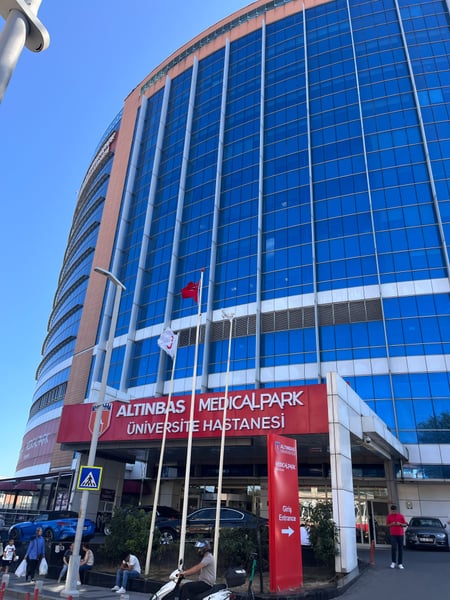
Medical Park Bahcelievler Hospital
Platinum
View Details

Medical Park Bahcelievler Hospital

Istanbul, Turkey

Medical Park Bahcelievler Hospital is a 242-bed JCI-accredited hospital in Istanbul, established in 2007. Spread across 33,000 square meters and 19 fl...

Multi-specialty
Established 2007
242 beds
Accreditations
Joint Commission International (JCI)
Facilities
+13
BLK-Max Super Speciality Hospital, New Delhi
Platinum
View Details

BLK-Max Super Speciality Hospital, New Delhi

New Delhi, India

BLK-Max Super Speciality Hospital in New Delhi is one of India's premier healthcare institutions, offering 650 beds, 22 advanced operation theatres, a...

Multi-specialty
Established 1959
650 beds
Accreditations
Joint Commission International (JCI)
National Accreditation Board for Hospitals & Healthcare Providers (NABH)
Facilities
+13
Fortis Memorial Research Institute (FMRI), Gurgaon
Platinum
View Details

Fortis Memorial Research Institute (FMRI), Gurgaon

Gurgaon, India

Fortis Memorial Research Institute (FMRI), Gurgaon, is a world-class multi-specialty hospital established in 2013. The hospital offers 330 beds, 15 op...

Multi-specialty
Established 2013
330 beds
Accreditations
Joint Commission International (JCI)
National Accreditation Board for Hospitals & Healthcare Providers (NABH)
Facilities
+13
Artemis Hospital, Gurgaon
Platinum
View Details

Artemis Hospital, Gurgaon

Gurgaon, India

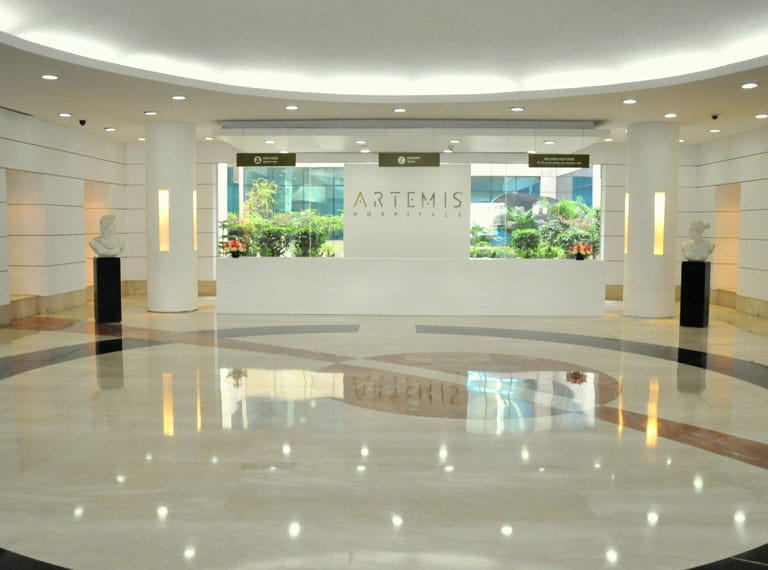
Artemis Hospital, Gurgaon, is a JCI accredited multispecialty hospital that was established in 2007. It offers 750+ beds and world -class infrastructu...

Multi-specialty
Established 2007
750 beds
Accreditations
Joint Commission International (JCI)
National Accreditation Board for Hospitals & Healthcare Providers (NABH)
International Organization for Standardization (ISO)
Facilities
+13
Kokilaben Dhirubhai Ambani Hospital, Mumbai
Platinum
View Details

Kokilaben Dhirubhai Ambani Hospital, Mumbai

Mumbai, India

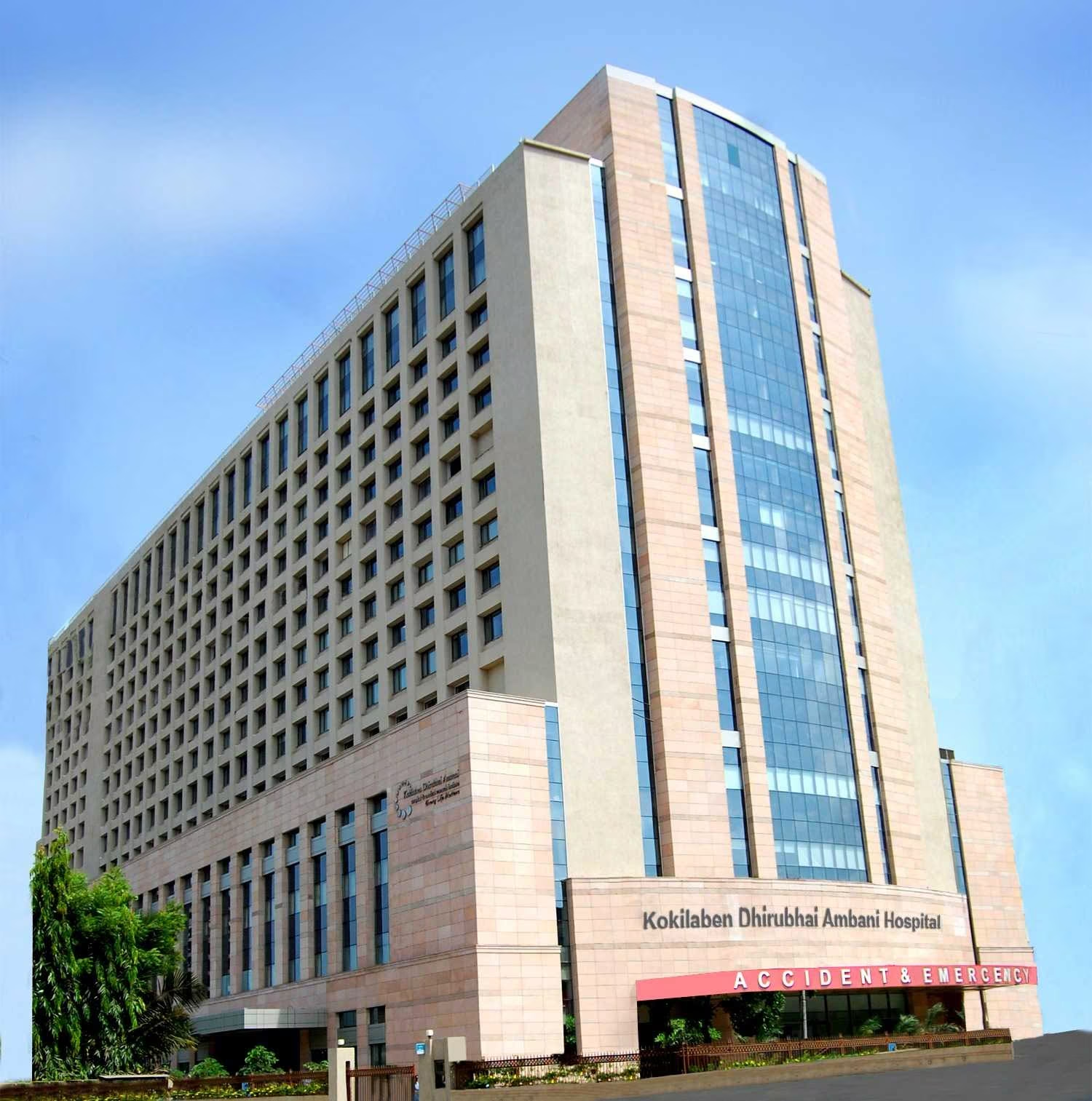
Kokilaben Dhirubhai Ambani Hospital, Mumbai, is a JCI, NABH, NABL, and CAP-accredited quaternary care hospital established in 2009. With 750 beds, 180...

Multi-specialty
Established 2009
750 beds
Accreditations
Joint Commission International (JCI)
National Accreditation Board for Hospitals & Healthcare Providers (NABH)
International Organization for Standardization (ISO)
Facilities
+13
Medicover Hospitals, Hitech City, Hyderabad
Platinum
View Details

Medicover Hospitals, Hitech City, Hyderabad

Hyderabad, India

Medicover Hospitals, Hitech City, Hyderabad, is a 400-bed NABH-accredited super-specialty hospital established in 2011. It is part of Medicover, a glo...

Multi-specialty
Established 2011
400 beds
Accreditations
National Accreditation Board for Hospitals & Healthcare Providers (NABH)
Joint Commission International (JCI)
Facilities
+13

Related Doctors

Connect with experienced doctors and medical specialists in this field.
Dr. Chatpong Sastarasadhit

Dr. Chatpong Sastarasadhit

Consultant
30 years of experience
View Details
Dr. Mandeep Singh

Dr. Mandeep Singh

Head of Department (HOD)

20 years of experience
View Details

Related Articles

Explore more articles and insights on similar health topics.
Male Infertility Treatment: Causes, Diagnosis, and What Options Are Available Today
Medical Tourism

Male Infertility Treatment: Causes, Diagnosis, and What Options Are Available Today

15/6/2026, 6:33:04 PM
11 min read
Male factor infertility contributes to roughly 40 to 50% of all infertility cases, according to published epidemiological data from the American Urolo...
Type 2 Diabetes Surgery in India: Can Bariatric or Metabolic Surgery Reverse Diabetes?
Medical Tourism

Type 2 Diabetes Surgery in India: Can Bariatric or Metabolic Surgery Reverse Diabetes?

15/6/2026, 5:25:32 AM
9 min read
Roughly 537 million adults worldwide live with type 2 diabetes, and a significant proportion of them are losing the medication battle. Blood sugar rem...
Paediatric Heart Surgery in India: Costs, Technologies, and Outcomes
Medical Tourism

Paediatric Heart Surgery in India: Costs, Technologies, and Outcomes

15/6/2026, 4:57:22 AM
9 min read
When a child is diagnosed with a heart defect, the fear that follows is unlike anything most parents have faced before. The questions come all at once...
Heart Failure Treatment Options: From Medication to Heart Transplant
Medical Tourism

Heart Failure Treatment Options: From Medication to Heart Transplant

15/6/2026, 4:11:03 AM
9 min read
Heart failure affects an estimated 64 million people worldwide. It is one of the leading causes of hospitalisation in adults over 65, responsible for ...
Angioplasty vs Bypass Surgery: Which Heart Treatment Is Better?
Medical Tourism

Angioplasty vs Bypass Surgery: Which Heart Treatment Is Better?

14/6/2026, 1:06:35 PM
10 min read
Most patients find out they need one of these two procedures when they are least prepared to evaluate the differences between them. A coronary angiogr...
Heart Bypass Surgery in India: Types, Latest Techniques, and Recovery

Medical Tourism

Heart Bypass Surgery in India: Types, Latest Techniques, and Recovery

14/6/2026, 12:45:38 PM
8 min read
Cardiovascular disease is the world's leading cause of death, responsible for 17.9 million lives lost every year, according to the World Health Organi...
Dr. Deepanshu Siwach

Sr. Medical Writer

Sr. Medical Content Writer Qonaq Health and Wellness
Doctor of Pharmacy

Dr. Deepanshu Siwach is an experienced clinical pharmacist with a Doctor of Pharmacy degree. He has over 4 years of experience and has worked with thousands of patients. He has been associated with ... Read More

Our website uses cookies. By clicking on accept you give your consent to the use of cookies as per our Privacy Policy.