
RIRS Treatment in India for Kidney Stones: Cost, Procedure, and Success Rate
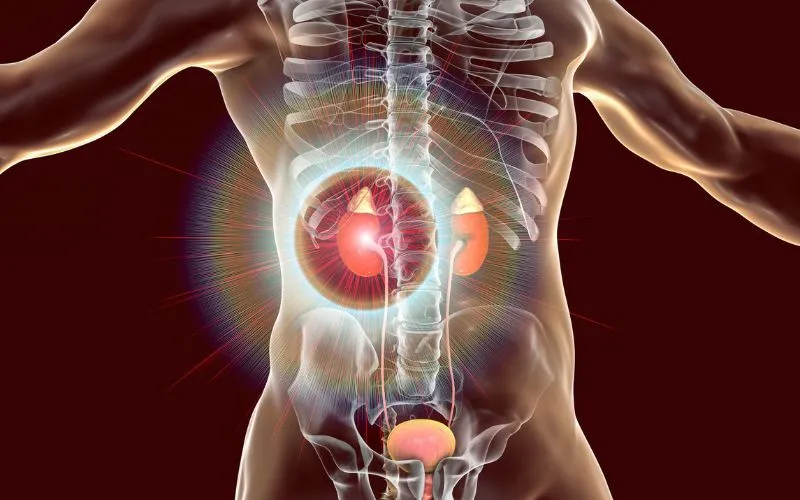
Kidney stone treatment has changed substantially over the past decade. The default path, shockwave lithotripsy for most stones and open surgery for large ones, has given way to a more precise approach. Retrograde intrarenal surgery places a flexible camera directly inside the kidney, fragments the stone under direct vision using a laser, and removes the debris, all without making a single incision.
India has one of the highest rates of urolithiasis in the world, with an estimated prevalence of 12 percent in the adult population. The combination of high case volume, experienced endourologists, and access to both holmium and thulium fibre laser platforms has made India one of the most capable destinations for RIRS globally, at a cost that sits well below Western pricing.
What Is Retrograde Intrarenal Surgery (RIRS)?
Retrograde Intrarenal Surgery is a minimally invasive procedure that uses a thin, flexible ureteroscope to access the kidney from below, through the natural urinary tract, without any skin incision.
The ureteroscope travels the same route that urine takes as it leaves the body, but in reverse: through the urethra, into the bladder, up the ureter, and into the kidney's collecting system. Once inside, the endourologist uses a laser fibre threaded through the scope's working channel to fragment the kidney stone into dust or small pieces. Fragments either pass out in urine naturally or are removed using a stone basket retrieval device.
The word retrograde refers to this reverse direction of access, upstream toward the kidney rather than downstream from it. It distinguishes RIRS from percutaneous approaches, which use a separate skin incision and a needle tract into the kidney.
What Size Kidney Stones Can RIRS Treat?
RIRS is most effective for kidney stones up to 20 mm in diameter, and data support its use for carefully selected stones up to 25-30 mm in high-volume centres.
A 2024 multicentre randomised controlled trial confirmed that RIRS achieves stone-free outcomes equivalent to those of percutaneous procedures for stones 2-3 cm in size, with significantly lower complication rates and shorter hospital stays.
The factors that influence whether RIRS is appropriate include:
- Stone size: Up to 20 mm is the standard indication; stones over 20 mm may require more than one session
- Stone location: Upper and mid-pole stones achieve higher stone-free rates than lower pole stones, where the kidney's angle makes complete fragment clearance harder
- Stone density: Hard stones (over 1,000 Hounsfield units on CT scan) fragment more slowly and may require longer operative time or a second session
- Number of stones: Multiple stones in one kidney can often be treated in a single session, though total stone burden matters more than stone count
- Anatomy: Horseshoe kidneys, transplanted kidneys, and patients with bleeding disorders or severe obesity who cannot safely undergo PCNL benefit particularly from the RIRS approach
How Does RIRS Compare to ESWL, URSL and PCNL?
Each kidney stone procedure has a different profile of invasiveness, stone-free rate, and suitability for different stone types.
Feature | ESWL | URSL (Rigid) | RIRS (Flexible) | PCNL |
| Incision needed | No | No | No | Yes (1 cm) |
| Stone location covered | Kidney only | Ureter | Kidney and ureter | Kidney |
| Stone size limit | Best under 10 mm | Ureter stones | Up to 20-25 mm | Ideal over 20 mm |
| Hard stone efficacy | Lower | Moderate | High | High |
| Lower pole clearance | Poor | N/A | Moderate | Good |
| Hospital stay | None | Same day or 1 night | 1 to 2 nights | 3 to 5 nights |
| Stone-free rate | 60 to 80% | 85 to 95% | 80 to 95%+ | 90 to 98% |
- ESWL uses external shockwaves and requires no scope insertion, but it fails with dense stones and yields poor results for lower pole locations.
- URSL (ureteroscopy) with a rigid or semi-rigid scope is excellent for ureteral stones but cannot reach most kidney stone locations.
- RIRS uses a fully flexible scope that bends 270 degrees, allowing the endourologist to access every part of the kidney's collecting system.
- PCNL remains the highest stone-free rate procedure for stones over 20 mm, particularly staghorn stones and complex bilateral disease, but it requires an incision, carries higher bleeding risk, and demands two to five days of hospitalisation.
For patients who cannot tolerate PCNL due to bleeding disorders, a single remaining kidney, anatomical abnormalities, or obesity, RIRS offers the most accessible effective alternative.
What Is the Stone-Free Rate After RIRS?
The stone-free rate after Retrograde Intrarenal Surgery (RIRS) varies based on several factors, including stone size, location within the kidney, and stone density. Overall, RIRS offers high success rates for kidney stone removal, particularly for small and medium-sized stones.
Stone-Free Rates by Stone Size
- Stones smaller than 10 mm: Stone-free rates typically range from 90% to 98%.
- Stones measuring 10–20 mm: Most studies report stone-free rates of 80% to 90%.
- Stones measuring 20–30 mm: Stone-free rates generally range from 70% to 85%, and some patients may require more than one treatment session.
Stone-Free Rates for Lower Pole Kidney Stones
Lower pole kidney stones tend to have lower clearance rates because gravity can hinder the passage of stone fragments from the lower calyx. Published studies report stone-free rates of approximately 44% to 55% for these stones.
Outcomes for Incidentally Discovered Kidney Stones
A 2024 FLEXOR registry analysis involving more than 6,600 RIRS procedures worldwide reported acceptable stone-free rates and low complication rates when RIRS was used as the primary treatment for asymptomatic, incidentally detected kidney stones.
RIRS vs PCNL for Larger Kidney Stones
According to a 2025 prospective randomised controlled trial comparing RIRS and Percutaneous Nephrolithotomy (PCNL) for kidney stones measuring 2–3 cm:
- PCNL achieved higher stone-free rates after a single procedure.
- RIRS achieved comparable final stone-free outcomes after an additional session.
- RIRS was associated with fewer complications and a shorter hospital stay.
How Is Success Defined After RIRS?
Most studies define a successful RIRS outcome as:
- Complete stone clearance, or
- Residual stone fragments measuring 3 mm or less
These small residual fragments are generally considered clinically insignificant and are expected to pass naturally without causing symptoms.
What Affects the RIRS Success Rate?
Not all RIRS outcomes are equal, and several factors known to predict success should inform both the decision to proceed and the patient's realistic expectations.
Factors That Reduce Stone-Free Rates
- Lower pole stone location: Fragments must travel upward against gravity to exit the lower calyx, making complete clearance harder
- High stone density on CT (above 1,000 HU): Dense stones require more energy and time to fragment fully
- Large stone burden: Stones over 20 mm, or multiple stones with a combined surface area over 80 mm², reduce the likelihood of single-session clearance
- Previous failed RIRS: A prior failed session reduces stone-free rates by roughly half compared with primary procedures
- Abnormal collecting system anatomy: Infundibular stenosis, narrow calyceal necks, or pelvic ureteric junction obstruction limit scope access and fragment drainage
What Improves RIRS Outcomes
- Pre-stenting (placing a temporary ureteral stent two to four weeks before RIRS): Dilates the ureter to allow easier introduction of the access sheath and scope, and is performed in most planned procedures.
- Ureteral access sheath (UAS): A thin outer sleeve placed before the flexible scope that allows multiple scope passes, reduces intrarenal pressure during the procedure, and improves irrigation for fragment clearance.
- Laser dusting vs fragmentation: Modern laser settings, particularly thulium fibre laser platforms, allow stone pulverisation into sub-millimetre dust that passes without retrieval, rather than larger fragments that must be actively basketed
Endourologists at high-volume stone centres note that appropriate patient selection, the systematic use of pre-stenting, and the choice of laser platform together account for most of the variation in published stone-free rates across centres.
How Is the RIRS Procedure Performed Step by Step?
RIRS is performed under general or spinal anaesthesia and typically takes 45 to 120 minutes, depending on stone burden.
- Pre-stenting visit (two to four weeks before, in most cases): A ureteral stent is placed cystoscopically under light sedation to passively dilate the ureter before the main procedure
- Day of surgery: The patient receives anaesthesia. A ureteral access sheath is introduced through the urethra and bladder into the ureter.
- Scope insertion: The flexible ureteroscope passes through the access sheath and is advanced up into the kidney's collecting system under fluoroscopic or ultrasound guidance
- Stone identification: The stone is located under direct camera vision
- Laser fragmentation: The laser fibre is advanced through the scope. The stone is broken into dust (dusting technique) or small fragments (fragmentation technique) using the Holmium:YAG or thulium fibre laser
- Fragment retrieval: Small fragments are basketed out where practical; dust passes naturally in urine
- Post-procedure stent: A DJ (double-J) stent is placed at the end of the procedure to keep the ureter open during healing, typically removed one to two weeks later in a brief outpatient procedure
How Much Does RIRS Cost in India?
RIRS in India costs between INR 85,000 and INR 2,00,000 (approximately USD 1,020 to USD 2,400) depending on the stone burden, hospital, city, and whether pre-stenting is required.
Procedure Cost Breakdown
Component | Approximate Cost (INR) | USD Approx. |
| Urologist's fee (endourologist) | 15,000 to 40,000 | 180 to 480 |
| Flexible ureteroscope usage fee | 10,000 to 20,000 | 120 to 240 |
| Laser equipment usage (Holmium or TFL) | 8,000 to 18,000 | 96 to 215 |
| Anaesthesia | 6,000 to 12,000 | 72 to 145 |
| Operating theatre | 8,000 to 20,000 | 96 to 240 |
| Ureteral access sheath (disposable) | 5,000 to 12,000 | 60 to 145 |
| Hospital stay (1 to 2 nights) | 5,000 to 16,000 | 60 to 192 |
| Post-procedure DJ stent | 3,000 to 8,000 | 36 to 96 |
| Pre-stenting visit (if required) | 8,000 to 20,000 | 96 to 240 |
| Stent removal visit | 3,000 to 6,000 | 36 to 72 |
Global Cost Comparison
Country | RIRS Cost (USD approx.) |
| India | 1,020 to 2,400 |
| Thailand | 4,000 to 7,000 |
| Turkey | 3,000 to 5,500 |
| UK (private) | 8,000 to 14,000 |
| USA | 12,000 to 25,000 |
| Australia | 8,000 to 15,000 |
International patients should confirm whether the quoted price includes the pre-stenting visit, the DJ stent, and the stent removal appointment, as these are sometimes billed separately rather than included in the procedure package.
What Does Recovery After RIRS Look Like?
RIRS recovery is one of the fastest of any kidney stone procedure, making it particularly practical for international patients.
- Day 0: Most patients are discharged the same day or the following morning. Mild burning during urination and pink-tinged urine are normal for the first day or two.
- Days 1 to 7: A DJ stent remains in place. The stent causes a mild aching sensation in the flank or lower abdomen and some urinary urgency, particularly toward the end of the day. These symptoms are temporary.
- Week 1 to 2: Stent removed at a brief outpatient appointment. Symptoms resolve quickly after removal in most patients.
- Week 2 onwards: Full normal activity resumes, including physical work and exercise.
International patients typically plan a stay of seven to ten days in India, covering the procedure, initial recovery, and stent removal before flying home.
Signs That Need Prompt Attention
A fever above 38 degrees Celsius at any point after RIRS, combined with rigours or worsening pain, requires urgent medical assessment, as it may indicate a urinary infection that needs prompt treatment. Patients should have a clear protocol for contacting the treating centre remotely after returning home.
The Bottomline
RIRS achieves what open surgery once required: direct access to every part of the kidney's collecting system, without an incision, a skin wound, or the recovery period those involve. For the majority of kidney stones under 20 mm, it achieves stone-free rates of 80 to 95 percent, with a hospital stay of 1 to 2 nights rather than days.
The caveats are real: lower-pole stones are harder to clear, very dense or large stones may require a second session, and the procedure requires a surgeon with genuine experience in flexible ureteroscopy and the appropriate laser platform. These variables matter when choosing a centre.
India's endourology centres offer high procedural volume, full laser technology, and lower costs, making RIRS accessible to international patients who would pay five to ten times as much at home for the same procedure.
Take the Next Step
Wondering whether RIRS is the right treatment option for your kidney stone?
Share your CT scan report, KUB X-ray, or other relevant medical records with the Qonaq Health experts for a personalised review. Our team can help you understand your treatment options, determine whether RIRS or another procedure may be more suitable, and connect you with leading endourology specialists in India.
Disclaimer: This article provides general educational information about Retrograde Intrarenal Surgery (RIRS) for kidney stones. It does not constitute medical advice and must not replace a consultation with a qualified urologist or endourologist. Individual treatment decisions depend on stone size, density, location, number, and patient anatomy. Patients should consult a specialist before making any decisions about kidney stone treatment.
Related Hospitals
Discover hospitals and medical centers related to this topic for quality healthcare services.
Medical Park Bahcelievler Hospital
Medical Park Bahcelievler Hospital is a 242-bed JCI-accredited hospital in Istanbul, established in 2007. Spread across 33,000 square meters and 19 fl...
Accreditations

Facilities
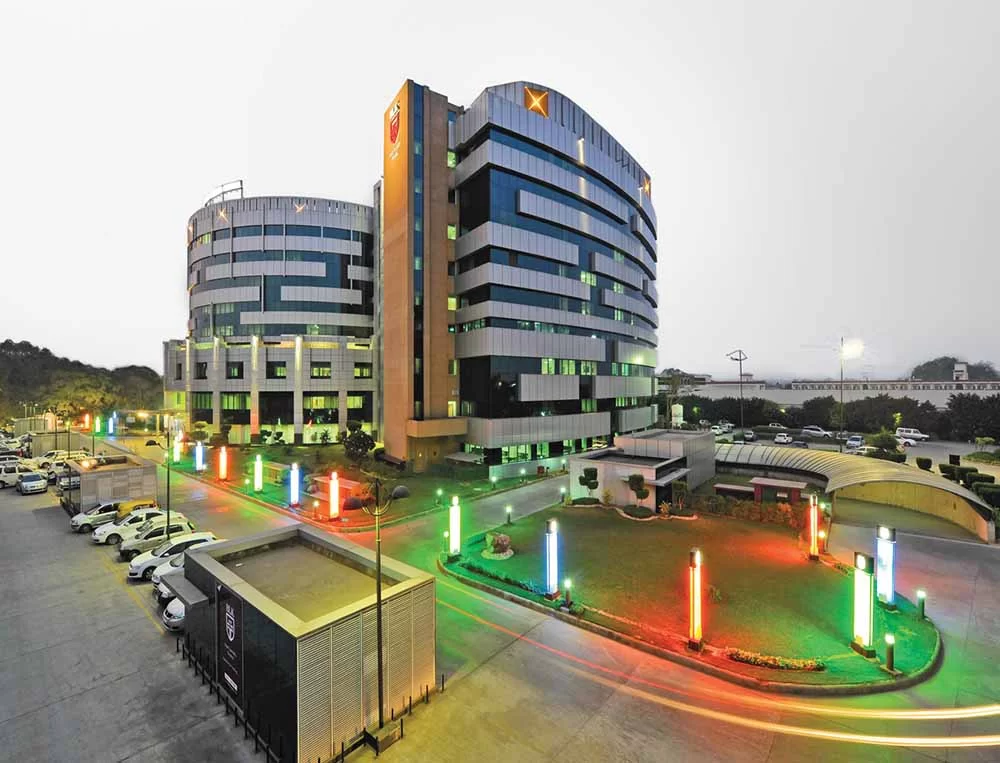
BLK-Max Super Speciality Hospital, New Delhi
BLK-Max Super Speciality Hospital in New Delhi is one of India's premier healthcare institutions, offering 650 beds, 22 advanced operation theatres, a...
Accreditations

Facilities
Fortis Memorial Research Institute (FMRI), Gurgaon
Fortis Memorial Research Institute (FMRI), Gurgaon, is a world-class multi-specialty hospital established in 2013. The hospital offers 330 beds, 15 op...
Accreditations


Facilities
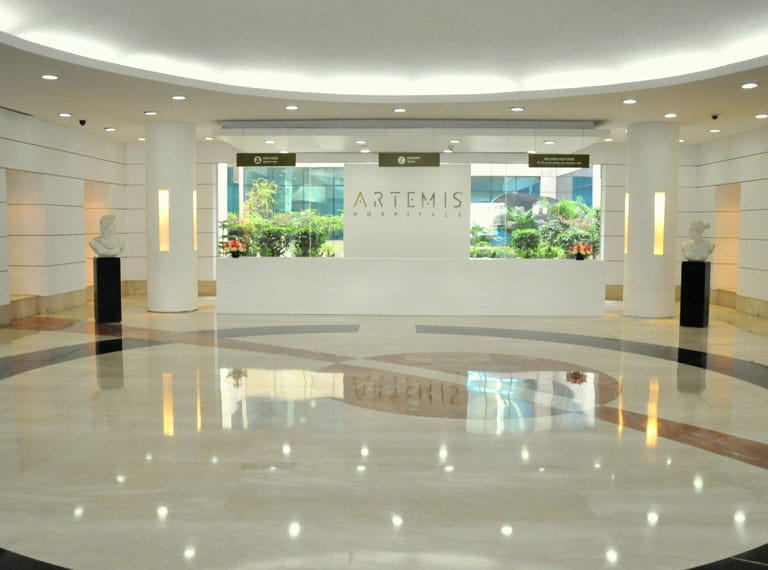
Artemis Hospital, Gurgaon
Artemis Hospital, Gurgaon, is a JCI accredited multispecialty hospital that was established in 2007. It offers 750+ beds and world -class infrastructu...
Accreditations



Facilities
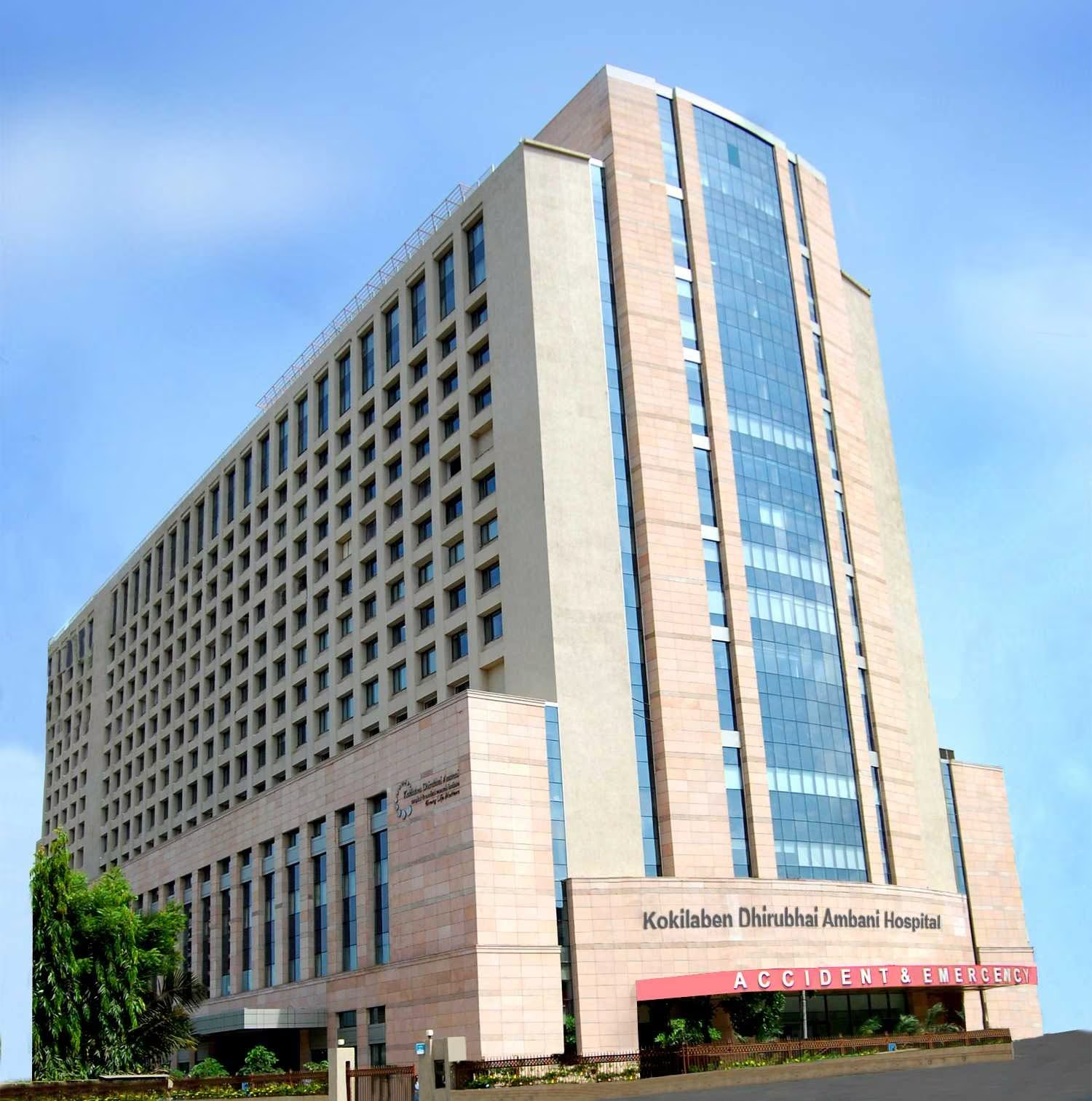
Kokilaben Dhirubhai Ambani Hospital, Mumbai
Kokilaben Dhirubhai Ambani Hospital, Mumbai, is a JCI, NABH, NABL, and CAP-accredited quaternary care hospital established in 2009. With 750 beds, 180...
Accreditations


Facilities
Medicover Hospitals, Hitech City, Hyderabad
Medicover Hospitals, Hitech City, Hyderabad, is a 400-bed NABH-accredited super-specialty hospital established in 2011. It is part of Medicover, a glo...
Accreditations


Facilities
Related Doctors
Connect with experienced doctors and medical specialists in this field.

Dr. Bibhas Ranjan Kundu
Senior Consultant

Dr. Revathi R
Consultant

Dr. Prasad Raju Kalidindi
Senior Consultant

Dr. Shakir Tabrez
Additional Director

Dr. Wichean Kamolpornvijit
Consultant

Dr. Ukrid Kesthong
Consultant
Related Articles
Explore more articles and insights on similar health topics.
PCNL vs ESWL for Kidney Stones: Which Is Better and When?
Rezūm Water Vapour Therapy for Enlarged Prostate: Procedure, Outcomes and Cost in India
PCNL for Large Kidney Stones in India: Procedure, Success Rates and Cost
HoLEP vs TURP for Enlarged Prostate: Which Procedure Is Better?
Urethroplasty in India: Procedure, Success Rates, Cost, and Recovery
HIFU Treatment for Prostate Cancer in India: Procedure, Cost, and Recovery

Our website uses cookies. By clicking on accept you give your consent to the use of cookies as per our Privacy Policy.
