Urethroplasty in India: Procedure, Success Rates, Cost, and Recovery

22/6/2026, 1:29:54 PM 9 min read Medical Tourism
Urethroplasty in India: Procedure, Success Rates, Cost, and Recovery
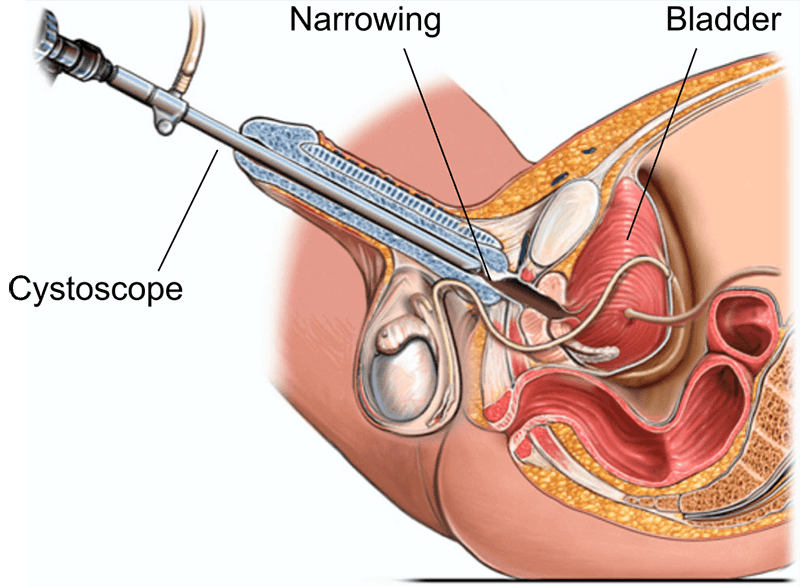
Most men with a urethral stricture spend years managing it before anyone mentions urethroplasty. They undergo dilation, then another dilation, then internal urethrotomy. Each procedure offers temporary relief. The stricture narrows again. Data consistently show recurrence rates above 50 percent within a year for internal urethrotomy in longer strictures, and even higher with repeated dilations. The narrow urethra returns because neither procedure removes the scar tissue that causes it.


Urethroplasty removes the problem rather than pushing past it. It removes the scarred segment and either reconnects the healthy ends directly or reconstructs the urethra using healthy tissue from another part of the body. Success rates exceed 85-90 percent for primary procedures and remain above 80 percent for complex repairs.


India has built particular depth in urethroplasty, including buccal mucosal graft reconstruction, which requires genuine surgical subspecialty training and draws referrals from across Africa, the GCC, and Southeast Asia. Costs at accredited Indian centres are a fraction of what the same procedure commands in Western countries.


What Is Urethroplasty?

Urethroplasty is an open surgical repair of the urethra, the tube that carries urine from the bladder out of the body. During the procedure, the surgeon removes the narrowed or scarred segment of the urethra and reconstructs it either by directly reconnecting the healthy ends or by using a tissue graft to widen or replace the damaged segment.


It is the definitive treatment for urethral stricture and the only approach that directly addresses the scar tissue rather than merely temporarily relieving the obstruction. Unlike internal urethrotomy or dilation, which cut or stretch the narrowed area without removing the underlying scarring, urethroplasty eliminates the scar. This is why long-term success rates are substantially higher.


What Causes a Urethral Stricture?

A urethral stricture develops when scar tissue forms inside the urethra and causes it to narrow. The most common causes are:


  • Trauma or injury to the urethra or pelvis, including road traffic accidents, straddle injuries, and pelvic fractures.
  • Previous urological procedures, particularly repeated catheterisations, cystoscopies, or internal urethrotomy that caused mucosal damage.
  • Infection, including sexually transmitted infections such as gonorrhoea, which was historically the leading cause and remains significant in some regions.
  • Lichen sclerosus (LS), a chronic inflammatory skin condition that affects the penile skin and fossa navicularis and produces strictures that are notoriously difficult to treat.
  • Idiopathic causes, for which no clear cause can be identified, account for a significant proportion of cases in published series.
  • Previous radiation therapy for prostate or pelvic cancer.

Posterior urethral stenosis, which occurs after prostate surgery or radiation and involves the membranous urethra, represents a distinct category from the anterior strictures that most urethroplasty procedures address.


Is Urethroplasty Better Than Dilation or Internal Urethrotomy?

Yes, for most strictures longer than 1.5-2 cm, urethroplasty yields significantly better long-term outcomes than dilation or internal urethrotomy (DVIU).


Data comparing these approaches is clear. DVIU has recurrence rates above 50 percent within 12 months for strictures longer than 2 cm, and the recurrence rate rises with each repeat procedure as scar tissue becomes denser. Urethroplasty, by contrast, has long-term success rates of 85 to 90 percent for standard procedures and remains cost-effective even after one or two failed DVIU attempts.


When Are Dilation or DVIU Still Appropriate?

Dilation and DVIU are reasonable first approaches for very short, isolated, anterior strictures with minimal spongiofibrosis, and they cause minimal disruption when successful. But for longer strictures, recurrent strictures, or those caused by lichen sclerosus, proceeding directly to urethroplasty yields better long-term outcomes and is more cost-effective than repeated endoscopic attempts.


When Is Urethroplasty Usually Recommended?

Many urologists recommend urethroplasty for:


  • Strictures longer than 1.5–2 cm
  • Recurrent strictures after previous treatment
  • Strictures caused by lichen sclerosus
  • Complex or heavily scarred strictures
  • Cases where long-term durability is a priority

For these patients, proceeding directly to urethroplasty may reduce the need for multiple procedures and provide more durable results over time.


Why Do Repeated Endoscopic Procedures Become Less Effective?

Each recurrence can lead to additional scar tissue formation within the urethra.


As scarring becomes more extensive:


  • The stricture may become more difficult to treat
  • Recurrence rates may increase
  • Future reconstruction can become more complex

Specialists at high-volume urethral reconstruction centres frequently report seeing patients who have undergone multiple unsuccessful DVIU procedures before being referred for urethroplasty. Earlier referral for reconstructive evaluation may help avoid repeated interventions and progressive scarring.


What Are the Different Types of Urethroplasty?

Urethroplasty is not a single operation. The surgical technique depends on the stricture's length, location, and cause. The two most commonly performed urethroplasty techniques are Excision and Primary Anastomosis (EPA) and Buccal Mucosa Graft (BMG) Urethroplasty. 


Excision and Primary Anastomosis (EPA)

EPA is the gold standard for short bulbar urethral strictures, typically measuring less than 2 cm. The surgeon removes the strictured segment entirely and sutures the two healthy ends of the urethra directly together. Success rates for EPA consistently exceed 90 percent in published series, making it the most durable option when the stricture is short enough to allow direct reconnection without tension.


Buccal Mucosa Graft (BMG) Urethroplasty

BMG urethroplasty is the most widely used technique for longer anterior strictures. A thin strip of tissue is harvested from the inner lining of the cheek and used to widen or replace the narrowed segment. Buccal mucosa is chosen because it is hairless, highly vascular, resilient in wet environments, and leaves a donor site inside the mouth that heals quickly and without visible scarring.


How Successful Is BMG Urethroplasty?

BMG urethroplasty has demonstrated excellent outcomes in patients with longer urethral strictures.

A 2025 randomised trial involving 98 patients with long-segment anterior urethral strictures (average length 6–8 cm) reported:


  • 97.9% success rate for Buccal Mucosa Graft (BMG) Urethroplasty
  • 93.2% success rate for Penile Skin Graft Urethroplasty

The difference between the two techniques was not statistically significant. However, BMG remains the preferred graft material at many reconstructive urology centres because of its proven long-term performance and favourable tissue characteristics.


Which Type of Urethroplasty Is Best?

There is no single "best" urethroplasty for every patient.


In general:


  • EPA urethroplasty is often preferred for short bulbar strictures.
  • BMG urethroplasty is commonly used for longer or more complex anterior strictures.

The most appropriate technique depends on the patient's anatomy, the characteristics of the stricture, and the surgeon's reconstructive assessment.


When Is a Two-Stage or Flap Urethroplasty Needed?

The most complex strictures, particularly pan-anterior strictures with lichen sclerosus, require a two-stage approach. In the first stage, the urethra is opened, and the buccal mucosa graft is laid onto the underlying tissue. In the second stage, three to six months later, the urethra is tubularised over a catheter once the graft has incorporated. Two-stage procedures have success rates of 80-85% in selected patients.


Penile or scrotal skin flaps, which carry their own blood supply, are used where graft take may be unreliable, such as in previously irradiated tissue or when graft alternatives have already failed.


What Is the Success Rate of Urethroplasty?

The overall long-term success rate of urethroplasty is 85-90% for primary procedures. Specific rates vary by technique and stricture type.

Procedure

Success Rate

Stricture Type

EPA (short bulbar stricture)90 to 95%Short, under 2cm
BMG urethroplasty85 to 97.9%Long anterior strictures
Penile skin graft80 to 93%Long anterior strictures
Two-stage urethroplasty75 to 85%Pan-anterior, lichen sclerosus
Redo urethroplasty67 to 92%Recurrent after failed repair

Success is defined as the absence of obstructive urinary symptoms and confirmed sustained urethral patency on uroflowmetry or cystoscopy. A 2024 study confirmed that stricture length, lichen sclerosus, prior radiation, and infectious aetiology all adversely affect long-term outcomes, whereas short bulbar strictures in otherwise healthy men yield the most reliable results.


What Tests Are Done Before Urethroplasty?

A thorough workup before urethroplasty confirms the stricture location, length, and tissue characteristics, and guides the choice of surgical technique.


Standard Pre-Operative Investigations

  • Retrograde urethrography (RGU): The primary imaging test, showing the site, length, and calibre of the stricture by introducing contrast dye retrogradely through the urethral meatus
  • Voiding cystourethrography (VCUG / MCU): Demonstrates the proximal extent of the stricture and the bladder outlet simultaneously
  • Uroflowmetry: Measures urine flow rate objectively (a Qmax below 10 mL per second indicates significant obstruction)
  • Flexible cystoscopy: Direct visualisation of the urethra where imaging is inconclusive or to assess the proximal margin of the stricture
  • Urine culture: Rules out active urinary infection, which must be treated before elective surgery
  • Blood tests: Standard pre-operative panel including full blood count, renal function, and clotting

Patients arriving in India with recent RGU imaging significantly reduce the time needed before surgery. The surgical team reviews prior imaging to confirm the proposed approach before arranging any further tests.


How Much Does Urethroplasty Cost in India?

Urethroplasty in India costs between INR 45,000 and INR 1,80,000 (approximately USD 540 to USD 2,160), depending on the type of procedure, the complexity of the stricture, and the hospital.


Cost by Procedure Type

Procedure

India Cost (INR)

India Cost (USD approx.)

EPA (excision and primary anastomosis)45,000 to 90,000540 to 1,080
BMG urethroplasty80,000 to 1,60,000960 to 1,920
Complex / multi-segment urethroplasty1,20,000 to 1,80,0001,440 to 2,160
Two-stage urethroplasty (each stage)90,000 to 1,40,0001,080 to 1,680

Individual Cost Components

Component

Approximate Cost (INR)

Urologist's fee (reconstructive urology specialist)15,000 to 40,000
Anaesthesia (spinal or general)6,000 to 12,000
Operating theatre8,000 to 20,000
Hospital stay (per night)3,000 to 8,000
Pre-operative diagnostics (RGU, MCU, uroflowmetry)2,500 to 7,000
Catheter and post-operative medications2,000 to 5,000
Cystoscopy and catheter removal (follow-up)3,000 to 6,000

Global Cost Comparison

Country

BMG Urethroplasty (USD)

India960 to 1,920
Pakistan / Bangladesh600 to 1,200
Turkey3,000 to 5,000
UK (private)8,000 to 15,000
USA15,000 to 30,000
Australia10,000 to 20,000

What Does Recovery After Urethroplasty Look Like?

Most patients recover well after urethroplasty, and the recovery process typically follows a predictable timeline. While recovery can vary depending on the type of reconstruction performed, a temporary urinary catheter is a normal part of the healing process. 


Day by Day

  • Day 0 to 2: Inpatient stay. A urethral catheter remains in place to allow the repair to heal undisturbed.
  • Days 3 to 7: Hospital discharge in most cases. Patients return to their accommodation or hotel while the catheter remains.
  • Week 2 to 4: Catheter removal at a follow-up appointment. This is a brief outpatient procedure. The timing depends on the procedure type: EPA typically requires two to three weeks, BMG three to four weeks, and complex multi-stage repairs longer.
  • Week 4 to 6: Light activity resumes. Mild burning during urination is common and temporary after catheter removal.
  • Week 6 onwards: Most men return to full physical activity. Uroflowmetry at six to eight weeks confirms the urethral repair remains patent.

International patients typically plan a stay of 10 to 14 days in India, covering the inpatient period, early recovery, catheter removal, and a follow-up uroflowmetry before flying home.


To Conclude

A urethral stricture managed by repeated dilation or urethrotomy stays managed in the sense that it never fully disappears. The scar tissue that caused the first narrowing causes the next one, and the next. Each intervention adds further trauma to the urethra, complicating any future reconstruction.


Urethroplasty breaks that cycle. It removes the cause rather than the symptom, and, in experienced surgical hands, it produces durable resolution in the majority of patients. For men who have spent years on the dilation treadmill, the case for moving to reconstruction is built on both the data and the lived experience of those procedures.


India's reconstructive urology centres bring together the surgical volume and subspecialty expertise that complex urethroplasty demands, at a cost that makes the procedure accessible for the international patients who travel specifically for this reason.


Take the Next Step

If you are considering urethroplasty in India, you can share your RGU/MCU imaging, uroflowmetry results, and previous treatment records with the Qonaq Health team.


Our experts can help coordinate a specialist review and provide guidance on the recommended procedure, the expected recovery timeline, and estimated treatment costs, helping you make an informed decision before travelling.


Disclaimer: This article provides general information about urethroplasty for urethral stricture. It does not constitute medical advice and must not replace a consultation with a qualified reconstructive urologist. Individual treatment decisions depend on stricture length, location, aetiology, previous treatment history, and surgical risk profile. Patients should consult a specialist before making any decisions about urethral surgery.

Related Hospitals

Discover hospitals and medical centers related to this topic for quality healthcare services.
Medical Park Bahcelievler Hospital
Platinum
View Details

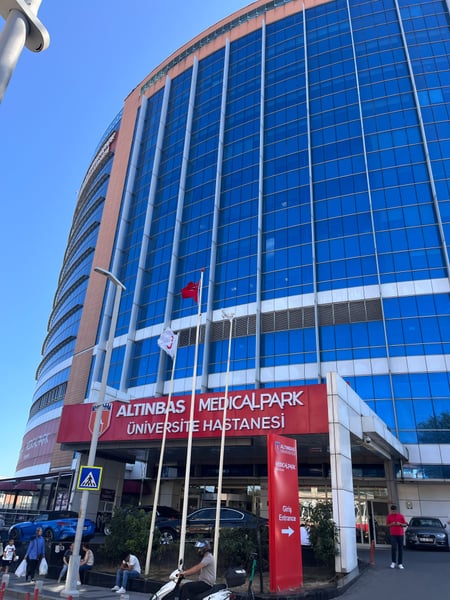
Medical Park Bahcelievler Hospital

Istanbul, Turkey

Medical Park Bahcelievler Hospital is a 242-bed JCI-accredited hospital in Istanbul, established in 2007. Spread across 33,000 square meters and 19 fl...

Multi-specialty
Established 2007
242 beds
Accreditations
Joint Commission International (JCI)
Facilities
+13
BLK-Max Super Speciality Hospital, New Delhi
Platinum
View Details

BLK-Max Super Speciality Hospital, New Delhi

New Delhi, India

BLK-Max Super Speciality Hospital in New Delhi is one of India's premier healthcare institutions, offering 650 beds, 22 advanced operation theatres, a...

Multi-specialty
Established 1959
650 beds
Accreditations
Joint Commission International (JCI)
National Accreditation Board for Hospitals & Healthcare Providers (NABH)
Facilities
+13
Fortis Memorial Research Institute (FMRI), Gurgaon
Platinum
View Details

Fortis Memorial Research Institute (FMRI), Gurgaon

Gurgaon, India

Fortis Memorial Research Institute (FMRI), Gurgaon, is a world-class multi-specialty hospital established in 2013. The hospital offers 330 beds, 15 op...

Multi-specialty
Established 2013
330 beds
Accreditations
Joint Commission International (JCI)
National Accreditation Board for Hospitals & Healthcare Providers (NABH)
Facilities
+13
Artemis Hospital, Gurgaon
Platinum
View Details

Artemis Hospital, Gurgaon

Gurgaon, India

Artemis Hospital, Gurgaon, is a JCI accredited multispecialty hospital that was established in 2007. It offers 750+ beds and world -class infrastructu...

Multi-specialty
Established 2007
750 beds
Accreditations
Joint Commission International (JCI)
National Accreditation Board for Hospitals & Healthcare Providers (NABH)
International Organization for Standardization (ISO)
Facilities
+13
Kokilaben Dhirubhai Ambani Hospital, Mumbai
Platinum
View Details

Kokilaben Dhirubhai Ambani Hospital, Mumbai

Mumbai, India

Kokilaben Dhirubhai Ambani Hospital, Mumbai, is a JCI, NABH, NABL, and CAP-accredited quaternary care hospital established in 2009. With 750 beds, 180...

Multi-specialty
Established 2009
750 beds
Accreditations
Joint Commission International (JCI)
National Accreditation Board for Hospitals & Healthcare Providers (NABH)
International Organization for Standardization (ISO)
Facilities
+13
Medicover Hospitals, Hitech City, Hyderabad
Platinum
View Details

Medicover Hospitals, Hitech City, Hyderabad

Hyderabad, India

Medicover Hospitals, Hitech City, Hyderabad, is a 400-bed NABH-accredited super-specialty hospital established in 2011. It is part of Medicover, a glo...

Multi-specialty
Established 2011
400 beds
Accreditations
National Accreditation Board for Hospitals & Healthcare Providers (NABH)
Joint Commission International (JCI)
Facilities
+13

Related Doctors

Connect with experienced doctors and medical specialists in this field.

Dr. Bibhas Ranjan Kundu

Dr. Bibhas Ranjan Kundu

Senior Consultant
40 years of experience
View Details
 Dr. Revathi R

Dr. Revathi R

Consultant

22 years of experience
View Details
 Dr. Prasad Raju Kalidindi

Dr. Prasad Raju Kalidindi

Senior Consultant
25 years of experience
View Details
Dr. Shakir Tabrez

Dr. Shakir Tabrez

Additional Director

17 years of experience
View Details
Dr. Wichean Kamolpornvijit

Dr. Wichean Kamolpornvijit

Consultant

38 years of experience
View Details
Dr. Ukrid Kesthong

Dr. Ukrid Kesthong

Consultant

10 years of experience
View Details

Related Articles

Explore more articles and insights on similar health topics.
PCNL vs ESWL for Kidney Stones: Which Is Better and When?
Medical Tourism

PCNL vs ESWL for Kidney Stones: Which Is Better and When?

1/7/2026, 5:09:43 PM
10 min read
Two patients with kidney stones can sit in the same clinic and leave with completely different treatment recommendations. One gets ESWL, shockwave the...
MCL and Meniscus Repair in India: Surgery, Success Rate, and Recovery
Medical Tourism

MCL and Meniscus Repair in India: Surgery, Success Rate, and Recovery

1/7/2026, 4:09:39 PM
15 min read
Knee injuries rarely arrive alone. The medial collateral ligament (MCL) and the menisci sit on the same side of the joint and take force from the same...
Rotator Cuff Repair Surgery in India: Procedure, Success Rates and Cost
Medical Tourism

Rotator Cuff Repair Surgery in India: Procedure, Success Rates and Cost

1/7/2026, 3:51:06 PM
13 min read
Reaching for a glass on a high shelf, putting on a jacket, sleeping on one side-these are the small, automatic movements that a torn rotator cuff turn...
Best Countries for Orthopaedic Surgery and Sports Medicine in 2026
Medical Tourism

Best Countries for Orthopaedic Surgery and Sports Medicine in 2026

1/7/2026, 2:07:25 PM
13 min read
The question of where to have orthopaedic surgery involves more than finding the lowest price. A patient with a complex ACL tear alongside meniscal da...
ACL Reconstruction Surgery in India: Procedure, Cost, and Success Rate
Medical Tourism

ACL Reconstruction Surgery in India: Procedure, Cost, and Success Rate

1/7/2026, 1:27:59 PM
16 min read
An ACL tear announces itself clearly. Most patients describe a pop at the moment of injury, followed by rapid swelling and the unsettling feeling that...
Reverse Shoulder Replacement in India: Cost, Procedure, Recovery

Medical Tourism

Reverse Shoulder Replacement in India: Cost, Procedure, Recovery

30/6/2026, 6:09:19 PM
13 min read
The shoulder is the most mobile joint in the human body, but when a massive rotator cuff tear, progressive arthritis, or a complex fracture causes it ...
Dr. Riya Shree

Head - International Patient Services

Head - International Patient Services Qonaq Health and Wellness
Clinical Physiotherapist

Dr. Riya Shree is a clinical physiotherapist who completed her internship at Mata Chanan Devi Hospital, New Delhi, gaining hands-on experience in patient care and rehabilitation. She served on the fr... Read More

Our website uses cookies. By clicking on accept you give your consent to the use of cookies as per our Privacy Policy.