
Capsule Endoscopy Cost in India
About Capsule Endoscopy
Doctors use capsule endoscopy to examine parts of the digestive tract that standard endoscopy cannot reach. The test helps detect conditions of the small intestine, including bleeding, inflammation, ulcers, and tumors.
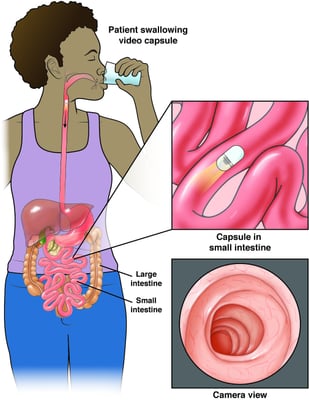
During the procedure, the patient swallows a small, vitamin-sized capsule that contains a miniature camera. As the capsule passes through the digestive tract, it captures thousands of images that doctors review to identify hidden problems.
Capsule endoscopy gives a complete view of the small intestine without surgery or discomfort. It helps doctors diagnose gastrointestinal issues accurately and plan the most effective treatment.
What Is Capsule Endoscopy?
Capsule endoscopy is a modern diagnostic test that uses a small wireless capsule equipped with a camera to capture images of the digestive tract, especially the small intestine. Doctors use it to detect conditions that remain undetected by routine upper endoscopy or colonoscopy.
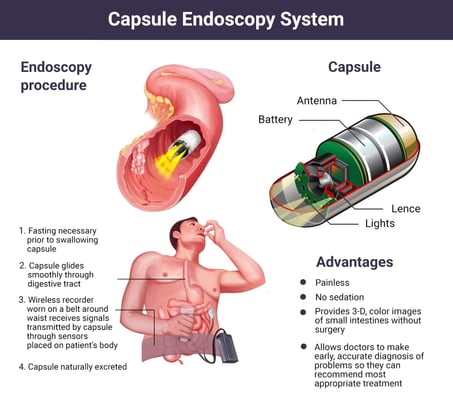
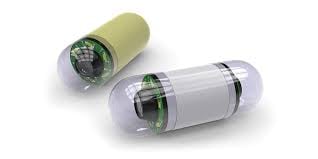
The capsule, about the size of a large pill, contains a tiny camera, a light source, a transmitter, and a battery. Once swallowed, it travels naturally through the digestive tract, taking high-resolution images every second. These images are transferred to a recorder worn around the patient’s waist. After the capsule completes its journey, doctors download and analyze the images to identify abnormalities.
Capsule endoscopy allows doctors to examine the entire small intestine without inserting tubes or performing invasive procedures. It offers a safe, comfortable, and detailed alternative to traditional endoscopy.
When Do Doctors Recommend Capsule Endoscopy?
Doctors recommend capsule endoscopy when they need a detailed view of the small intestine that other tests cannot provide. The procedure helps identify hidden causes of digestive symptoms and unexplained bleeding.
You may need a capsule endoscopy if you experience:
- Persistent or unexplained gastrointestinal bleeding
- Iron deficiency anemia without a clear source
- Chronic abdominal pain or bloating
- Unexplained diarrhea or nutrient loss
- Suspected Crohn’s disease or celiac disease
- Possible small intestine tumors or polyps
Doctors also use capsule endoscopy to monitor known conditions, such as inflammatory bowel disease, and to assess the effectiveness of ongoing treatment.
When other imaging tests, such as CT scans or colonoscopy, fail to reveal the cause of symptoms, capsule endoscopy often provides the missing answers.
How Does Capsule Endoscopy Work?
Capsule endoscopy uses a small, swallowable capsule equipped with a miniature camera that captures images as it moves through the digestive tract. The process is simple, painless, and does not require sedation. Here’s how the procedure works step by step:
- Preparation: Doctors ask patients to fast for around 8–12 hours before the test. They may also recommend a mild laxative the night before to clear the small intestine for better visualization.
- Capsule Ingestion: The patient swallows the capsule with water. The capsule contains a camera, light source, and transmitter. It starts taking images immediately as it moves through the digestive tract.
- Image Recording: The patient wears a small data recorder on a belt or shoulder strap. The recorder collects thousands of images transmitted by the capsule during its journey. Patients can walk, move, and perform light activities during this time.
- Capsule Passage: The capsule naturally travels through the stomach and small intestine over 6 to 8 hours. It captures detailed images of the intestinal walls and any abnormalities.
- Data Analysis: After the procedure, doctors remove the recorder and download the data. Specialized software converts the captured images into a continuous video that doctors review to detect ulcers, bleeding, or inflammation.
- Capsule Disposal: The capsule is naturally excreted during a bowel movement, usually within a day. It does not need to be retrieved or reused.
What Are the Advantages of Capsule Endoscopy?
Capsule endoscopy offers several benefits over traditional diagnostic methods. It allows doctors to view areas of the digestive tract that standard endoscopy or colonoscopy cannot reach, especially the middle portion of the small intestine.
- Non-Invasive and Painless: Patients swallow a small capsule rather than undergo tube insertion or anesthesia. The procedure causes no pain, discomfort, or recovery time.
- Complete Visualization of the Small Intestine: The capsule captures high-quality images from the entire small intestine. It helps doctors detect even small or hidden abnormalities.
- Early and Accurate Diagnosis: Doctors use capsule endoscopy to identify bleeding sources, ulcers, or tumors at an early stage. Early detection leads to more effective and targeted treatment.
- Safe and Convenient Procedure: The test does not require hospitalization or sedation. Patients can move freely, work, or relax while the capsule records images.
- Ideal for Difficult or Unclear Cases: When other tests fail to explain persistent digestive symptoms, capsule endoscopy often provides the missing diagnostic information. It helps doctors confirm or rule out complex conditions like Crohn’s disease, celiac disease, and small bowel tumors.
Get a Free Treatment Plan
About Capsule Endoscopy in India
What Is the Cost of Capsule Endoscopy in India?
The cost of capsule endoscopy in India usually ranges from USD 700 to USD 1,200 (approximately ₹55,000–₹95,000). The price varies depending on the hospital, city, technology used, and whether additional diagnostic tests are required.
Capsule endoscopy in India offers the same advanced imaging quality as in Western countries but at a much lower cost. Indian hospitals use the latest capsule systems that deliver high-resolution images and transmit real-time data.
Type of Capsule Endoscopy | Estimated Cost (USD) | Estimated Cost (INR) |
| Small Bowel Capsule Endoscopy | $700 – $1,000 | ₹55,000 – ₹80,000 |
| Esophageal Capsule Endoscopy | $800 – $1,100 | ₹65,000 – ₹90,000 |
| Colon Capsule Endoscopy | $900 – $1,200 | ₹70,000 – ₹95,000 |
The final cost depends on the capsule model, recording technology, data analysis system, and whether additional procedures such as biopsy or imaging are needed.
What the Package Usually Includes
Most hospitals in India offer an all-inclusive package that covers:
- Capsule endoscopy procedure and capsule device cost
- Pre-procedure consultation and bowel preparation
- Image recording and software-based video analysis
- Doctor’s interpretation and diagnostic report
- Follow-up consultation after the test
India’s medical facilities provide transparent pricing and advanced technology, making capsule endoscopy both affordable and accessible for international patients.
How Does the Cost of Capsule Endoscopy in India Compare to Other Countries?
The cost of capsule endoscopy in India is significantly lower than in most Western and Asian nations, even though the diagnostic technology and quality of care remain the same.
Indian hospitals use internationally approved capsule systems, such as PillCam™ and OMOM™, which provide clear, accurate visualization of the small intestine. The lower cost results from India’s efficient healthcare model and reduced operational expenses, not from any compromise in diagnostic quality.
Country | Average Cost (USD) |
| India | $700 – $1,200 |
| United States | $2,000 – $4,000 |
| United Kingdom | $1,800 – $3,500 |
| Singapore | $1,500 – $2,800 |
| Thailand | $1,000 – $1,800 |
| Turkey | $900 – $1,500 |
Patients who choose India for capsule endoscopy save up to 65–70% on total diagnostic costs. Despite the lower pricing, they receive expert interpretation by gastroenterologists trained in advanced endoscopic imaging.
In addition, Indian hospitals offer rapid scheduling, minimal waiting times, and comprehensive support for international patients, making the diagnostic process efficient and stress-free.
What Factors Affect the Cost of Capsule Endoscopy in India?
Several factors influence the overall cost of capsule endoscopy in India. The price depends on the technology used, the hospital’s diagnostic facilities, and the patient’s medical condition. Understanding these factors helps patients plan their budget and choose the right diagnostic center.
- Type of Capsule Endoscopy: Different capsule systems serve different parts of the digestive tract. The small bowel capsule focuses on the small intestine and is the most common type. Esophageal or colon capsule procedures require advanced imaging and longer recording time, which increases costs.
- Technology and Capsule Brand: The cost varies depending on whether the hospital uses standard capsule systems or advanced models with real-time viewing and longer battery life. International brands like PillCam™ or OMOM™ usually cost more but deliver sharper, high-resolution images.
- Diagnostic Complexity: If the doctor suspects multiple conditions or requires additional investigations, such as an MRI, a CT scan, or lab tests, the overall diagnostic package cost increases.
- Hospital Category and Location: Premium hospitals and diagnostic centers in major cities like Delhi and Bangalore may charge slightly more due to advanced infrastructure and specialized gastroenterology departments.
- Doctor’s Expertise and Report Analysis: Experienced gastroenterologists analyze thousands of capsule images using advanced software. Their interpretation quality adds immense value and may slightly influence the cost, especially when complex findings are involved.
- Pre- and Post-Procedure Care: The package cost may include bowel preparation, dietary consultation, and follow-up review after the report. Some hospitals provide these as part of a comprehensive care package for international patients.
How Should Patients Prepare for Capsule Endoscopy?
Proper preparation helps doctors capture clear, accurate images during capsule endoscopy. Patients should follow all pre-procedure instructions carefully to ensure the digestive tract is clean and visible. Here’s how to prepare effectively for the test:
- Follow a Clear Liquid Diet: Doctors usually advise patients to switch to a clear liquid diet one day before the procedure. You can drink water, clear soups, or herbal tea, but avoid solid foods. This step helps remove residue from the intestines.
- Fast Before the Procedure: Patients must stop eating and drinking 8–12 hours before swallowing the capsule. Fasting ensures the camera captures unobstructed images of the intestinal walls.
- Take Bowel Preparation if Prescribed: Some doctors prescribe a mild laxative the night before the test to clear the intestines. Following this instruction helps improve image clarity and diagnostic accuracy.
- Wear Comfortable Clothing: You will wear a data recorder on your waist during the procedure. Loose, comfortable clothing ensures the recording equipment stays secure and functions correctly.
- Avoid Strong Electromagnetic Devices: Doctors advise patients to avoid strong magnetic fields, MRI scans, or metal detectors while the capsule is inside the body, as they may interfere with the signal.
- Follow Post-Procedure Instructions: After swallowing the capsule, patients can move freely, work, or relax. Once the recording is complete, the data recorder is removed, and the capsule passes naturally in a bowel movement within 24–48 hours.
By following these simple preparation steps, patients help doctors obtain the clearest possible images and accurate diagnostic results during capsule endoscopy.
Why Should You Choose India for Capsule Endoscopy?
India has become one of the leading destinations for advanced diagnostic procedures, such as capsule endoscopy. Patients from around the world choose India because it combines cutting-edge medical technology, accurate diagnosis, and affordable pricing.
Hospitals in India use the latest capsule systems and imaging software that match global diagnostic standards. Experienced gastroenterologists interpret results with precision, ensuring accurate diagnoses and timely treatment recommendations.
- Affordable Diagnostic Cost: India offers capsule endoscopy at 60–70% lower prices compared to Western countries. Patients receive the same international-grade technology at a fraction of the cost.
- Advanced Capsule Technology: Leading hospitals use FDA-approved capsule systems, such as PillCam™ and OMOM™, that provide high-resolution imaging and real-time data transfer for accurate results.
- Experienced Gastroenterologists: India’s specialists have vast experience in performing capsule endoscopy and interpreting complex gastrointestinal findings, ensuring safe and precise diagnosis.
- International Patient Support: Hospitals provide comprehensive assistance, including medical visa support, airport transfers, hotel coordination, translation services, and follow-up guidance, ensuring a smooth process for international patients.
- Fast Scheduling and Zero Waiting Time: Patients can undergo capsule endoscopy without long waiting periods. Many hospitals offer same-week appointments with quick turnaround times for results.
How Can You Get a Free Cost Estimate for Capsule Endoscopy in India?
Patients can easily request a personalized cost estimate for capsule endoscopy before traveling to India. The process is quick, transparent, and helps patients plan their diagnostic journey with confidence.
You only need to share your medical reports, doctor’s notes, or previous test results. Based on these details, the medical team evaluates your condition and provides a detailed cost estimate that includes all relevant services.
What the Free Estimate Includes:
- Total cost of capsule endoscopy, including the capsule device
- Charges for pre-procedure consultation and bowel preparation
- Report analysis and doctor’s interpretation
- Estimated hospital or diagnostic center fees
- Optional add-ons like accommodation or local transfers (if required)
International Patient Assistance
Hospitals in India offer complete guidance to international patients by:
- Providing medical visa invitation letters
- Arranging airport pickup and local transfers
- Coordinating hotel or guesthouse stays
- Offering translator and interpreter support
- Scheduling follow-up consultations and sharing digital reports
Patients receive step-by-step guidance from arrival to diagnosis and departure. India’s diagnostic centers focus on accuracy, patient comfort, and clear communication.
To get started, you can request a free capsule endoscopy cost estimate today by filling out our form and sharing your reports.
Capsule Endoscopy Cost Comparison by Country
Compare Capsule Endoscopy costs across different countries to make an informed decision about your medical treatment.
| Country | Cost Range (USD) | Potential Savings | Action |
|---|---|---|---|
IndiaCurrentBest Value | $700 - $1,200 | — | Get Quote |
Note: Costs may vary based on hospital choice, room type, additional services, and individual medical requirements. Contact us for a personalized quote.
Leading Hospitals for Capsule Endoscopy in India
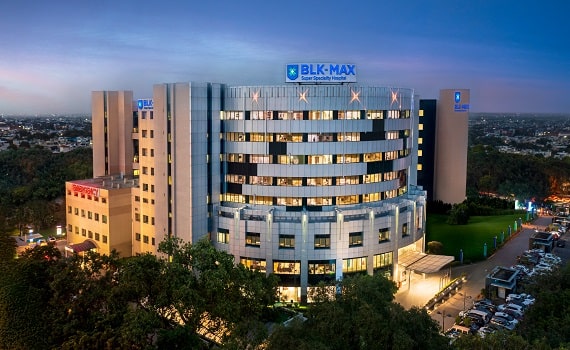
BLK-Max Super Speciality Hospital, New Delhi
BLK-Max Super Speciality Hospital in New Delhi is one of India's premier healthcare institutions, offering 650 beds, 22 advanced operation theatres, a...
Accreditations


Facilities

Max Smart Super Speciality Hospital, Saket, New Delhi
Max Smart Super Speciality Hospital, Saket, is a 250-bed tertiary care hospital in South Delhi. It offers advanced medical and surgical care across 22...
Accreditations
Facilities
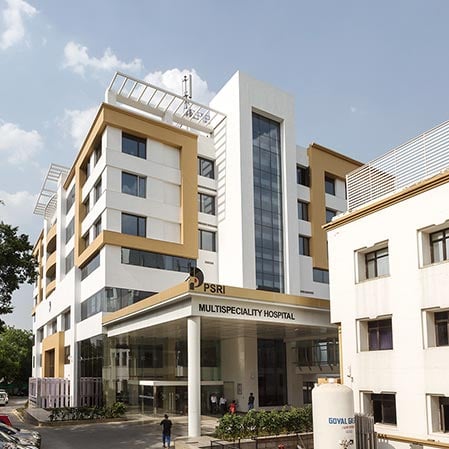
PSRI Hospital, Delhi
Pushpawati Singhania Research Institute (PSRI Hospital), New Delhi, is a leading multi-specialty tertiary care hospital established in 1996 by the JK ...
Accreditations
Facilities
Similar Procedures
Gallery
FAQ


Our website uses cookies. By clicking on accept you give your consent to the use of cookies as per our Privacy Policy.