
Cervical Cancer Treatment Cost in India
About Cervical Cancer Treatment
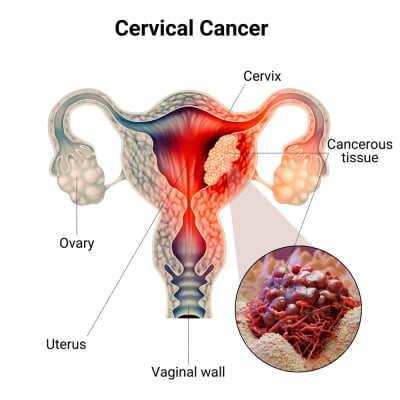
Cervical cancer develops when abnormal cells grow in the cervix, the lower part of the uterus. This disease affects hundreds of thousands of women around the world each year and remains one of the most preventable forms of cancer.
More than 600,000 women receive a cervical cancer diagnosis annually, and over 85% of cases occur in low- and middle-income countries. Early detection through regular screening saves lives, yet many women still reach treatment centers with advanced-stage disease because they miss early warning signs.
What Is Cervical Cancer?
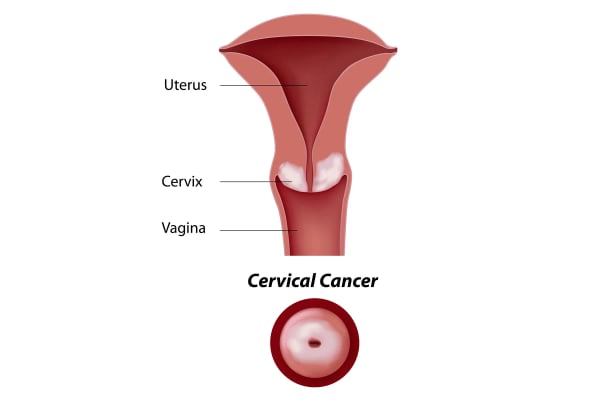
Cervical cancer is a chronic condition that begins when cells in the cervix start to grow in an uncontrolled way. The cervix sits at the lower end of the uterus and connects it to the vagina. When these cells change or mutate, they can form a tumor that grows slowly at first and then spreads if it is not treated on time.
Most cervical cancer cases develop because of an infection with the Human Papillomavirus (HPV). This virus spreads through skin-to-skin contact during sexual activity. Many women carry HPV at some point in their lives, but only a small percentage develop cancer. Regular screening helps doctors detect early cell changes long before they become dangerous.
Doctors categorize cervical cancer into two main types.
- Squamous cell carcinoma grows on the outer surface of the cervix and appears in the majority of cases.
- Adenocarcinoma typically begins deeper within the cervix, in the glandular cells, and exhibits a slightly different behavior.
These cancers often develop slowly over several years, which gives women enough time to find abnormalities through screening and treat them early with high success.
What Are the Symptoms of Cervical Cancer?
Cervical cancer often develops slowly, and many women do not notice symptoms in the early stages. Early screening remains the most effective way to detect the disease before it becomes severe.
Women may experience one or more of the following signs:
- Unusual vaginal bleeding, especially after intercourse or between periods
- Bleeding after menopause
- Vaginal discharge that looks watery or foul-smelling
- Pelvic pain or discomfort
- Pain during intercourse
These symptoms do not always mean cancer, but they do require medical evaluation.
How Doctors Diagnose Cervical Cancer?
Doctors use several simple and effective tests to detect cell changes and confirm the presence of cancer.
- Pap Test: The doctor collects a small sample of cells from the cervix and checks them for any abnormalities.
- HPV Test: This test identifies high-risk HPV types that increase the odds of developing cervical cancer.
- Colposcopy: The doctor examines the cervix closely using a special magnifying device when the Pap or HPV test results show abnormalities.
- Biopsy: The oncologist removes a small piece of cervical tissue and studies it under a microscope to confirm cancer.
- Imaging Tests: Tests such as ultrasound, CT scan, MRI, or PET-CT help doctors understand the stage of the disease and plan treatment.
These diagnostic steps enable doctors to determine the type, stage, and spread of cervical cancer, which helps them select the most effective treatment approach.
What Are the Latest Treatment Options for Cervical Cancer?
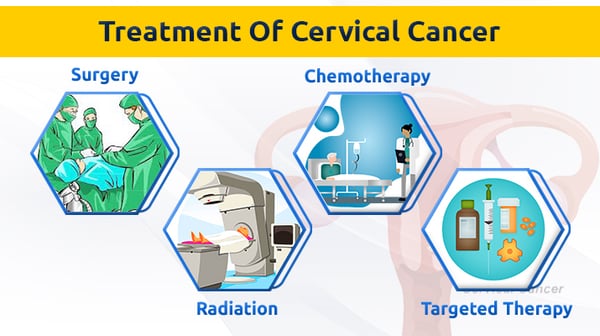
Doctors choose the treatment plan for cervical cancer based on the cancer stage, tumor size, and the woman's overall health. Modern oncology offers several effective options that treat the disease and help women return to everyday life as soon as possible.
Surgery
Doctors use surgery when the cancer remains limited to the cervix or nearby areas. Standard surgical options include:
- Conization: The doctor removes a small cone-shaped section of abnormal tissue.
- Hysterectomy: The surgeon removes both the uterus and cervix. It can be simple or radical, depending on the extent of the cancer spread.
- Trachelectomy: The doctor removes the cervix but preserves the uterus for young women who want fertility preservation.
Radiation Therapy
Radiation uses intense energy beams to destroy cancer cells. Doctors deliver it as:
- External Beam Radiation Therapy (EBRT)
- Brachytherapy, where the doctor places a radiation source close to the tumor
Doctors often combine radiation with chemotherapy for better control.
Chemotherapy
Chemotherapy uses anti-cancer drugs that circulate through the body. Doctors use it to:
- Enhance the effect of radiation.
- Treat advanced or metastatic cancer.
- Shrink tumors before other therapies.
Chemoradiation
This method combines chemotherapy and radiation at the same time. It works as a standard treatment for locally advanced cervical cancer because both therapies support each other.
Targeted Therapy and Immunotherapy
Doctors use advanced therapies for women with recurrent or late-stage disease. These medicines target specific cancer pathways or enhance the immune system's ability to fight cancerous cells more effectively.
When Is Each Treatment Recommended?
Doctors select the treatment approach based on the cancer stage, tumor size, age of the patient, fertility preferences, and overall health condition. Each method plays a specific role at different stages of cervical cancer.
- Early-Stage Cervical Cancer (Stage I): Doctors usually recommend surgery when the cancer remains small and limited to the cervix. Standard options include conization, trachelectomy, or hysterectomy. Young women who want to preserve fertility may opt for trachelectomy.
- Locally Advanced Cervical Cancer (Stage II–III): At this stage, the cancer spreads beyond the cervix but does not reach distant organs. Doctors usually prefer chemoradiation because the combination works more effectively than either therapy alone.
- Advanced or Metastatic Cervical Cancer (Stage IV): Doctors focus on controlling the disease, relieving symptoms, and improving quality of life. They usually recommend chemotherapy, targeted therapy, immunotherapy, or a combination of these treatments.
- Recurrent Cervical Cancer: If the cancer returns after initial treatment, doctors use the most suitable option based on the previous therapy and the current spread. They may recommend surgery, radiation, targeted drugs, or immunotherapy.
- When Surgery Is Not Possible: Doctors choose radiation or chemoradiation if surgery cannot safely remove the tumor or if the patient has medical conditions that do not support anesthesia or major surgery.
Get a Free Treatment Plan
About Cervical Cancer Treatment in India
How Much Does Cervical Cancer Treatment Cost in India?
The cost of cervical cancer treatment in India usually ranges between $2,500 and $7,500 (approximately ₹2 lakh to ₹6.2 lakh). The final estimate depends on the cancer stage, treatment method, hospital category, and the number of therapy sessions required.
Doctors design each treatment plan individually, so the cost varies from one patient to another. Early-stage cancer often requires surgery, while advanced stages may involve chemoradiation, targeted therapy, or immunotherapy. These differences influence the total expenditure.
Below is a general breakdown of treatment costs to help patients understand the approximate budget.
Treatment Type | Average Cost (USD) | Approx. Cost (INR) |
| Conization / LEEP | $800 – $1,500 | ₹65,000 – ₹1.2 lakh |
| Hysterectomy (Simple) | $1,800 – $2,500 | ₹1.5 – ₹2.1 lakh |
| Radical Hysterectomy | $2,500 – $4,000 | ₹2.1 – ₹3.3 lakh |
| Chemotherapy (per cycle) | $180 – $330 | ₹15,000 – ₹28,000 |
| External Radiation Therapy (full course) | $1,800 – $3,000 | ₹1.5 – ₹2.5 lakh |
| Brachytherapy | $800 – $1,500 | ₹65,000 – ₹1.2 lakh |
| Targeted Therapy (per month) | $1,000 – $2,000 | ₹85,000 – ₹1.7 lakh |
| Immunotherapy (per cycle) | $1,800 – $3,000 | ₹1.5 – ₹2.5 lakh |
- Early-stage cases often cost less because they require shorter treatment.
- Advanced cervical cancer requires multiple therapies, which raises total costs.
- Hospital category, doctor expertise, and diagnostic needs also affect pricing.
What Does the Cost Include and Exclude?
Cervical cancer treatment involves several steps, and the total cost depends on what the hospital includes in the treatment package. Understanding these details helps patients plan their medical travel and avoid unexpected expenses.
What the Cost Includes
- Doctor consultations and treatment planning
- Surgery charges or radiation therapy delivery
- Nursing care and hospital stay during treatment
- Routine blood tests and basic imaging
- Medicines used during hospitalization
- Follow-up consultations during the same admission period
What the Cost Excludes
- Advanced imaging such as MRI, PET-CT, or CT scans
- Biopsy, HPV testing, and other diagnostic procedures before admission
- Targeted therapy and immunotherapy medicines
- Extra hospital stay due to complications
- Travel, visa, airport transfers, and accommodation
- Follow-up visits after the patient returns home
Tip for International Patients: Request a detailed cost estimate before finalizing treatment. It helps you compare packages across hospitals and plan your stay without confusion.
What Is the Cost of Cervical Cancer Treatment in Different Indian Cities?
The cost of cervical cancer treatment varies from one Indian city to another. Hospitals in metro cities may charge more because they use advanced technology and offer specialized oncology services.
The table below gives a general idea of the average cost range across major cities.
City | Average Cost (USD) | Approx. Cost (INR) |
| New Delhi | $2,800 – $7,000 | ₹2.3 – ₹5.8 lakh |
| Mumbai | $3,000 – $7,500 | ₹2.5 – ₹6.2 lakh |
| Bangalore | $2,700 – $6,800 | ₹2.2 – ₹5.6 lakh |
| Chennai | $2,600 – $6,500 | ₹2.1 – ₹5.4 lakh |
| Hyderabad | $2,700 – $6,700 | ₹2.2 – ₹5.5 lakh |
- Delhi and Mumbai have advanced cancer centers and broader access to targeted therapy options.
- Chennai and Hyderabad offer competitive pricing with strong radiation oncology programs.
- Bangalore attracts many international patients because of its modern infrastructure and efficient treatment coordination.
What Factors Affect the Cost of Cervical Cancer Treatment in India?
Several medical and non-medical factors influence the total cost of cervical cancer treatment in India. Each patient receives a personalized plan, allowing the budget to adjust according to the stage of cancer and the therapies required.
- Stage of Cancer: Early-stage cancer usually needs surgery or limited therapy, while advanced cancer requires chemoradiation or targeted drugs, which increases the cost.
- Type of Treatment: The cost varies depending on whether patients receive surgery, radiation, chemotherapy, or a combination of these treatments. Targeted therapy and immunotherapy are more expensive because they utilize advanced medicines.
- Number of Therapy Sessions: Chemotherapy cycles, radiation sessions, and brachytherapy insertions add to the total expense. More sessions mean a higher overall cost.
- Hospital Category: Premium and internationally accredited hospitals charge more because they use modern technology, advanced radiation systems, and specialized oncology teams.
- Doctor's Expertise: Gynecologic oncologists and radiation specialists with years of experience may charge higher fees, but their expertise helps improve treatment outcomes.
- Diagnostic Requirements: PET-CT scans, MRI studies, biopsies, and molecular tests contribute to the cost, especially in advanced cases.
- Additional Medical Needs: Patients who require blood transfusions, intensive care, or prolonged hospital stays may incur additional costs during treatment.
How Does the Cost in India Compare With Other Countries?
Cervical cancer treatment costs in India remain far more affordable than in many Western and Middle Eastern countries. Hospitals in India offer modern oncology services at a fraction of the global price, utilizing advanced equipment and internationally accepted treatment protocols.
Below is a simple comparison of average treatment costs across popular medical destinations:
Country | Average Cost (USD) |
| United States | $18,000 – $28,000 |
| United Kingdom | $15,000 – $25,000 |
| UAE | $10,000 – $18,000 |
| Singapore | $12,000 – $20,000 |
| India | $2,500 – $7,500 |
Patients save 60% to 80% when they choose India for cervical cancer treatment, without compromising on medical technology or specialist expertise.
Why Should You Choose India for Cervical Cancer Treatment?
India offers a potent combination of advanced oncology care, skilled specialists, and affordable treatment options. Women from many countries travel to India because they receive modern cancer treatment without long waiting times or high medical expenses.
- Advanced Oncology Infrastructure: Indian hospitals use modern diagnostic tools, high-precision radiation equipment, and updated surgical techniques. It gives patients access to accurate staging and effective treatment planning.
- Experienced Gynecologic Oncologists: India has specialists who treat cervical cancer regularly and follow global guidelines. Many doctors train at international centers and handle complex cases with confidence.
- Affordable Treatment Packages: India offers high-quality cancer care at significantly lower costs compared to Western and Middle Eastern countries. Patients receive modern therapies while paying a fraction of the global price.
- Internationally Accredited Hospitals: Many cancer centers in India hold NABH or JCI accreditation. These hospitals adhere to strict safety protocols, maintain clean facilities, and provide reliable treatment standards.
- Access to Radiation, Chemoradiation, and Targeted Therapy: India offers a comprehensive range of cervical cancer treatments, including external beam radiation, brachytherapy, chemotherapy, and advanced targeted therapies when needed.
- Short Waiting Times: Patients can start treatment quickly. It matters for cervical cancer because early treatment improves outcomes and prevents disease progression.
- Support for International Patients: Hospitals assist with medical visa letters, airport pickup, translation services, and guidance on accommodations. This support makes the treatment journey smooth and stress-free.
What Is the Recovery and Success Rate After Cervical Cancer Treatment?
Recovery from cervical cancer treatment depends on the stage of the disease and the type of therapy the patient receives. Doctors aim to remove or control the cancer while helping women return to daily life as soon as they feel comfortable.
- Recovery After Surgery: Women usually stay in the hospital for a few days after a hysterectomy or trachelectomy. Most women return to their routine in 4 to 6 weeks. Energy levels improve steadily, and light activities can start earlier, as advised by the doctor.
- Recovery After Radiation and Chemoradiation: Radiation and chemoradiation treatments typically span several weeks. Women may experience fatigue, mild skin changes, or pelvic discomfort during therapy. Most women begin to feel stronger within 2 to 4 weeks after completing treatment.
- Recovery After Chemotherapy: Chemotherapy affects the entire body, so recovery time depends on the number of chemotherapy cycles. Many women experience fatigue for a few days after each cycle and recover gradually between cycles. Doctors monitor blood counts and overall health to support smooth recovery.
Success Rate of Cervical Cancer Treatment
Cervical cancer responds well to treatment, especially when doctors detect it early.
- Early-Stage Cervical Cancer: Success rates often range from 85% to 95% because surgery or chemoradiation removes the disease effectively.
- Locally Advanced Cancer: Combined chemoradiation offers strong control, with success rates ranging from 65% to 75%.
- Advanced or Metastatic Cancer: Targeted therapy, immunotherapy, and palliative chemotherapy help manage symptoms and improve survival, with success depending on response to treatment.
Key Factors That Improve Outcomes
- Early diagnosis through regular Pap tests and HPV screening
- Timely treatment at a specialized cancer center
- Personalized treatment plans
- Close follow-up after therapy
Most women who receive appropriate treatment at the right time recover well and enjoy a good quality of life.
Cervical Cancer Treatment Cost Comparison by Country
Compare Cervical Cancer Treatment costs across different countries to make an informed decision about your medical treatment.
| Country | Cost Range (USD) | Potential Savings | Action |
|---|---|---|---|
INIndiaCurrentBest Value | $2,500 - $7,500 | — | Get Quote |
Note: Costs may vary based on hospital choice, room type, additional services, and individual medical requirements. Contact us for a personalized quote.
Leading Hospitals for Cervical Cancer Treatment in India

Medical Park Bahcelievler Hospital
Medical Park Bahcelievler Hospital is a 242-bed JCI-accredited hospital in Istanbul, established in 2007. Spread across 33,000 square meters and 19 fl...
Accreditations

Facilities

Memorial Ankara Hospital
Memorial Ankara Hospital is a JCI-accredited private hospital in Turkey, with more than 230 beds and 60 intensive care units. Spread across 42,000 squ...
Accreditations
Facilities

Ganzouri Specialized Hospital, Cairo
Ganzouri Specialized Hospital is a 180-bed multi-specialty hospital in Cairo, Egypt, established in 1971. It offers more than 20 specialties, includin...
Facilities

Saudi German Hospital, Cairo
Saudi German Hospital, Cairo, is a multi-specialty hospital located in Cairo and part of the Saudi German Hospitals Group. Established in 2016, it has...
Accreditations
Facilities

Arab Contractors Medical Centre, Cairo
Arab Contractors Medical Centre is a 420-bed hospital in Cairo, Egypt, established in 1981. It offers multi-specialty care, including cardiology, neur...
Accreditations

Facilities
Cleopatra Hospital, Cairo
Cleopatra Hospital is a 356-bed private hospital in Cairo, Egypt, established in 1984 and part of the Cleopatra Hospitals Group. It offers more than 4...
Facilities

As-Salam International Hospital, Cairo
As-Salam International Hospital is a 300+ bed JCI-accredited hospital in Cairo, Egypt. It offers advanced care in cardiology, oncology, neurology, ort...
Accreditations
Facilities

Piyavate Hospital
Piyavate Hospital is a 150-bed private hospital in central Bangkok, established in 1993. The hospital provides care in cardiology, neurology, orthoped...
Accreditations

Facilities

Phyathai 2 International Hospital
Phyathai 2 International Hospital is a JCI-accredited tertiary care hospital in Bangkok, Thailand, established in 1987. The hospital operates 550 inpa...
Accreditations
Facilities

Bangpakok 9 International Hospital
Bangpakok 9 International Hospital is a JCI-accredited tertiary care hospital in Bangkok, Thailand, established in 2003. Operating under the BPK Hospi...
Accreditations
Facilities
Similar Procedures
Gallery
FAQ


Our website uses cookies. By clicking on accept you give your consent to the use of cookies as per our Privacy Policy.