
Craniotomy Cost in India
About Craniotomy
A craniotomy is one of the most delicate and life-saving neurosurgical procedures performed today. It allows surgeons to access the brain safely to remove tumors, repair blood vessels, relieve pressure, or treat trauma and infections. With advances in imaging, navigation systems, and microsurgical tools, craniotomy is now far more precise, safer, and more effective than ever before.
Every year, thousands of patients around the world undergo craniotomy for conditions ranging from brain tumors and aneurysms to epilepsy, hematomas, and traumatic brain injuries. The success of craniotomy surgery depends not only on surgical skill but also on preoperative planning, intraoperative monitoring, and meticulous post-surgical care.
Recent advances, such as image-guided neurosurgery, neuro-navigation, awake craniotomy, and minimally invasive techniques, have dramatically transformed outcomes. These methods reduce recovery time, minimize neurological complications, and improve long-term quality of life.
What Is a Craniotomy?
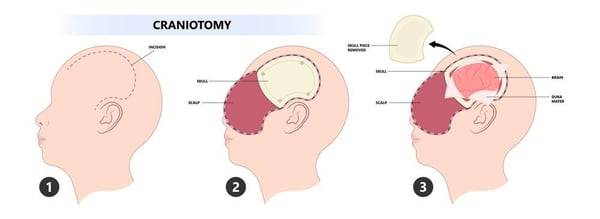
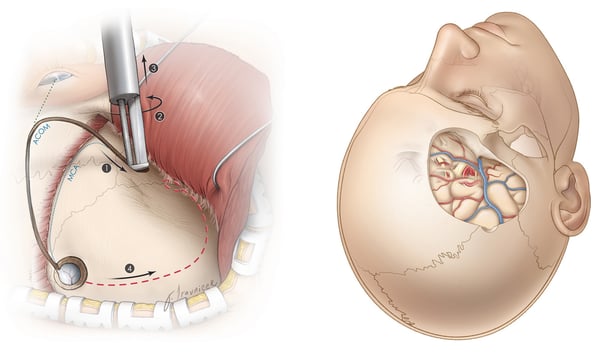
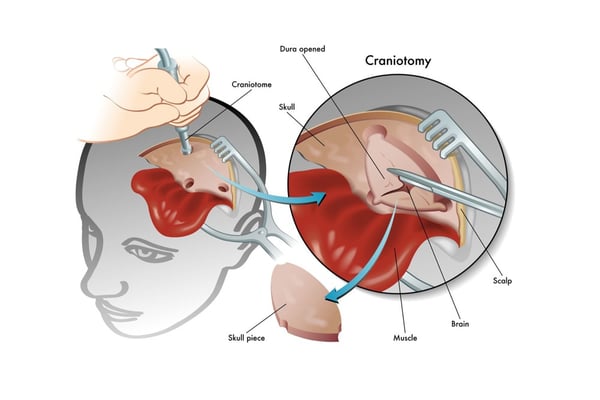
A craniotomy is a neurosurgical procedure in which a surgeon temporarily removes a portion of the skull to access the brain. This opening, called a bone flap, allows the surgeon to treat conditions inside the brain, such as tumors, aneurysms, bleeding, or infections. After the craniotomy surgery, the bone flap is replaced and secured with small plates or sutures.
The procedure is performed under general anesthesia and guided by advanced imaging tools such as MRI, CT, or intraoperative neuronavigation systems. These technologies help the surgeon locate the precise area of concern and operate with extreme accuracy while avoiding critical brain structures.
Depending on the patient's condition, craniotomy may be performed as an emergency procedure (such as after a head injury) or as a planned surgery (for tumors or vascular issues).
Modern neurosurgery focuses on performing craniotomies with minimal disruption to healthy brain tissue. Using techniques like microsurgery and awake brain mapping, surgeons can achieve excellent precision and significantly reduce the risk of postoperative complications.
When Is a Craniotomy Needed?
Doctors recommend a craniotomy when a brain condition requires direct surgical access that cannot be managed through medication or minimally invasive methods. The goal is to relieve pressure, remove abnormal tissue, or repair damaged structures within the brain while preserving neurological function.
- Brain Tumors: Surgeons perform craniotomy to remove or biopsy tumors that develop inside or near the brain tissue. It helps relieve pressure and prevent further neurological damage.
- Traumatic Brain Injury (TBI): In cases of severe head injury, bleeding or swelling can raise intracranial pressure. Craniotomy allows surgeons to remove blood clots (hematomas) or relieve swelling.
- Aneurysms and Vascular Malformations: Craniotomy provides access to repair a ruptured aneurysm or treat abnormal blood vessel tangles (AVMs) that pose a risk of bleeding.
- Epilepsy or Seizure Disorders: When medication fails to control seizures, craniotomy may be performed to remove or disconnect the affected brain area.
- Brain Infections or Abscesses: In certain infections, surgeons may need to drain pus or remove infected tissue to prevent spread.
- Hydrocephalus and Brain Pressure Relief: In some cases, craniotomy helps create a pathway to drain excess cerebrospinal fluid and reduce brain pressure.
- Biopsy for Diagnosis: When imaging alone cannot confirm a diagnosis, craniotomy allows tissue sampling for accurate analysis.
What Are the Types of Craniotomy?
Craniotomy procedures vary depending on the location of the condition, its purpose, and the neurosurgeon's technique. Each type is carefully selected to provide maximum access with minimum disruption to healthy brain tissue.
Below are the main types of craniotomy performed today:
- Traditional Craniotomy: The most common form, this involves creating a bone flap to access the affected area of the brain. It is used to remove brain tumors, treat blood clots, or repair aneurysms.
- Stereotactic (Image-Guided) Craniotomy: This technique uses 3D imaging and computer-guided navigation to pinpoint the exact target area within the brain. It ensures maximum accuracy and is often used for biopsy, small tumor removal, or deep-seated lesions.
- Endoscopic (Keyhole) Craniotomy: Surgeons make a tiny incision and use an endoscope (a thin, flexible camera) to operate through a narrow channel. This minimally invasive approach causes less tissue disruption, results in smaller scars, and shortens recovery time.
- Awake Craniotomy: In specific cases, especially when the tumor lies near critical brain areas controlling speech or movement, the patient remains awake for part of the surgery. Surgeons monitor the patient's responses to ensure essential brain functions remain intact.
- Extended or Skull Base Craniotomy: Used for tumors or aneurysms located at the base of the skull or near the brainstem. It requires advanced expertise and specialized instruments to reach deeper areas safely.
- Decompressive Craniectomy: In emergencies involving brain swelling or trauma, surgeons may remove part of the skull temporarily to relieve pressure. The bone flap is replaced once swelling subsides.
How Is a Craniotomy Performed?
A craniotomy is a highly planned procedure that combines surgical skill with advanced technology. Every step is designed to ensure safety, accuracy, and protection of vital brain functions.
Although the approach may vary slightly based on the condition being treated, the overall process follows a structured sequence.
- Preoperative Preparation: The patient undergoes a comprehensive neurological evaluation and imaging (MRI or CT) to localize the area of concern. The anesthesiologist reviews the medical history to plan anesthesia and vital monitoring. In some cases, doctors use functional MRI or brain mapping to identify areas of the brain controlling speech or movement.
- Anesthesia and Positioning: The patient receives general anesthesia, and the surgical team positions the head securely to maintain stability. In some instances, such as awake craniotomy, the patient remains conscious during part of the procedure so that surgeons can monitor brain function in real time.
- Scalp Incision and Bone Opening: The surgeon makes a carefully planned incision on the scalp and removes a small section of the skull bone to access the brain. The location and size of this opening depend on the area being treated.
- Treating the Underlying Condition: Once the brain is exposed, the surgeon uses microsurgical instruments and imaging guidance to perform the required procedure, such as removing a tumor, repairing a blood vessel, draining a clot, or relieving pressure.
- Closing the Skull and Scalp: After completing the surgery, the bone flap is replaced and secured with tiny plates or sutures. The scalp is then stitched or stapled closed, and a sterile dressing is applied.
- Recovery and Monitoring: The patient is moved to the ICU for close monitoring of neurological signs and vital functions. Within a few days, most patients shift to a regular ward for continued recovery and rehabilitation.
Get a Free Treatment Plan
About Craniotomy in India
What Is the Cost of a Craniotomy in India?
The cost of craniotomy in India varies depending on the type of surgery, underlying condition, hospital facilities, and the surgeon's expertise. On average, the procedure costs between ₹2,50,000 and ₹7,50,000 (approximately $3,000 – $9,000).
The total expense also depends on whether the surgery is elective or emergency, and whether advanced navigation or endoscopic techniques are used. Complex cases involving tumor removal or vascular repair generally require longer hospital stays and specialized instruments, which can influence overall cost.
Type of Craniotomy | Description | Average Cost (INR) | Average Cost (USD) |
| Standard (Traditional) Craniotomy | Conventional approach for tumors or clots | ₹2,50,000 – ₹4,50,000 | $3,000 – $5,400 |
| Image-Guided / Stereotactic Craniotomy | Uses computer navigation and 3D imaging | ₹3,50,000 – ₹6,00,000 | $4,200 – $7,200 |
| Endoscopic (Keyhole) Craniotomy | Minimally invasive, faster recovery | ₹3,00,000 – ₹5,50,000 | $3,600 – $6,600 |
| Awake Craniotomy | Performed with the patient awake for monitoring | ₹4,00,000 – ₹7,00,000 | $4,800 – $8,400 |
| Decompressive Craniectomy | Done in emergencies for brain swelling | ₹2,80,000 – ₹6,00,000 | $3,300 – $7,200 |
- Early or routine procedures (such as clot evacuation) are usually less expensive.
- Advanced or tumor-related surgeries that require navigation or endoscopy are on the higher end.
- ICU stay, hospital category, and recovery time significantly affect total expenses.
- Most hospitals provide package pricing that includes surgery, anesthesia, hospitalization, and postoperative care.
Inclusions and Exclusions in the Craniotomy Cost Package
Hospitals in India usually offer comprehensive treatment packages that cover the key elements of surgery, hospitalization, and recovery. However, certain services may be billed separately depending on patient needs and hospital policies.
Inclusions:
Most standard craniotomy packages include:
- Neurosurgeon and anesthesiologist fees
- Preoperative investigations (MRI, CT scans, blood tests, ECG)
- Operation theatre and ICU charges
- Anesthesia and surgical consumables
- Hospital stay with nursing care and medications
- Follow-up visits during the recovery phase
These inclusions cover everything necessary for safe surgery, immediate post-op care, and inpatient recovery.
Exclusions:
Certain additional services may not be part of the standard package:
- An extended hospital stay beyond the planned duration
- Special implants, plates, or mesh, if required during skull reconstruction
- Advanced imaging (PET-CT, angiography) is not covered in basic packages
- Post-discharge medications and home care supplies
- Management of unrelated conditions (e.g., cardiac, renal, or diabetic issues)
- Travel, visa, accommodation, and attendant costs for international patients
Hospitals maintain complete transparency by discussing inclusions and exclusions in advance. Patients receive a detailed cost breakdown before admission, ensuring no hidden expenses during or after treatment.
City-Wise Craniotomy Cost in India
The cost of a craniotomy in India varies slightly across cities, depending on hospital standards, surgeon experience, and regional healthcare costs. Major metro cities offer access to advanced neurosurgical infrastructure and internationally trained specialists, while tier-2 cities provide similar-quality care at more affordable prices.
City | Average Cost (INR) | Average Cost (USD) |
| Delhi NCR | ₹3,00,000 – ₹7,00,000 | $3,600 – $8,400 |
| Mumbai | ₹3,50,000 – ₹7,50,000 | $4,200 – $9,000 |
| Bangalore | ₹3,00,000 – ₹6,80,000 | $3,600 – $8,150 |
| Chennai | ₹2,80,000 – ₹6,50,000 | $3,350 – $7,800 |
| Hyderabad | ₹2,70,000 – ₹6,20,000 | $3,250 – $7,450 |
| Pune | ₹2,60,000 – ₹6,00,000 | $3,100 – $7,200 |
| Kolkata | ₹2,50,000 – ₹5,80,000 | $3,000 – $7,000 |
How Does the Cost in India Compare to Other Countries?
Craniotomy in India offers the same level of surgical precision, technology, and safety found in leading global hospitals, but at a fraction of the cost. Patients from around the world travel to India for neurosurgery because the country combines internationally trained neurosurgeons, cutting-edge technology, and affordable treatment packages under a single system.
Country | Average Cost (USD) | Approximate Cost (INR) |
| India | $3,000 – $9,000 | ₹2,50,000 – ₹7,50,000 |
| United States | $35,000 – $70,000 | ₹29,00,000 – ₹58,00,000 |
| United Kingdom | $30,000 – $55,000 | ₹25,00,000 – ₹45,50,000 |
| Singapore | $25,000 – $45,000 | ₹20,50,000 – ₹37,00,000 |
| Thailand | $15,000 – $25,000 | ₹12,30,000 – ₹20,50,000 |
| UAE / Dubai | $20,000 – $40,000 | ₹16,50,000 – ₹33,00,000 |
Even after adding travel and accommodation expenses, patients typically save 60–70% compared to Western countries.
What Factors Affect the Cost of Craniotomy in India?
The cost of craniotomy in India varies based on several medical and practical factors. Each patient's treatment plan is unique, depending on their diagnosis, the complexity of the procedure, and the hospital setup.
- Type of Craniotomy: Traditional craniotomy is generally more affordable, while image-guided, awake, or endoscopic procedures cost more due to advanced technology and specialized instruments.
- Underlying Condition: Costs differ depending on whether the surgery is performed for a brain tumor, trauma, aneurysm, or epilepsy. Complex conditions that require microsurgical precision or vascular repair are typically more expensive.
- Hospital Category and Infrastructure: Premium hospitals with dedicated neurosurgery units, advanced ICUs, and intraoperative imaging systems charge higher fees compared to smaller centers with limited facilities.
- Neurosurgeon's Expertise: Experienced surgeons usually charge higher professional fees but deliver safer, more precise outcomes.
- Technology and Equipment Used: The use of neuronavigation, intraoperative MRI, or endoscopic systems increases precision but also increases costs.
- Duration of Hospital Stay: A typical hospital stay after craniotomy is 5–10 days. Extended ICU or inpatient care for complex cases increases overall cost.
- Medication and Implants: Specialized drugs, bone plates, screws, or synthetic materials used to secure the skull flap can influence total expenses.
- Post-Surgery Rehabilitation: Physical therapy, speech therapy, or occupational rehabilitation may be required, particularly if the surgery involves motor or language centers.
What Is the Recovery Time and Success Rate After Craniotomy?
Recovery after a craniotomy varies depending on the type of surgery, underlying condition, and overall health of the patient. With modern surgical methods, improved anesthesia, and advanced postoperative monitoring, patients now recover faster and experience better long-term outcomes than ever before.
Recovery Timeline
- Hospital Stay: Most craniotomy patients stay in the hospital for 5–10 days after surgery. The first 24–48 hours are spent in the ICU for close neurological monitoring.
- Initial Recovery: In the first week, doctors focus on pain control, wound care, and gradual mobilization. Patients may feel mild fatigue or headaches, which subside over time.
- Return to Normal Activities: Light activity usually resumes within 3–4 weeks. Full recovery, including return to work and daily routines, may take 6–8 weeks, depending on the complexity of surgery.
- Rehabilitation: Some patients may need physiotherapy, speech therapy, or occupational therapy to regain motor skills and coordination. Recovery support programs help restore independence and confidence.
- Follow-Up Care: Regular follow-ups with MRI or CT scans ensure proper healing and check for any recurrence or complications. Most patients visit their neurosurgeon every few months during the first year.
Success Rate
Craniotomy has a high success rate when performed by experienced neurosurgeons in modern facilities.
- For brain tumor removal, success rates range from 80–95%, depending on tumor type and location.
- For trauma or hematoma evacuation, recovery outcomes exceed 90% when treated promptly.
- For aneurysm repair and epilepsy surgery, success rates remain among the best globally due to precision navigation systems and specialized surgical expertise.
Why Choose India for Craniotomy?
India has become a global center for advanced neurosurgery, offering a blend of medical expertise, modern infrastructure, and cost efficiency. Patients from around the world travel to India for craniotomy and other brain procedures because they receive world-class care at a fraction of global prices.
- Highly Experienced Neurosurgeons: India's leading hospitals are staffed by neurosurgeons trained at top global institutes and with extensive experience in complex brain surgeries, including awake and minimally invasive craniotomies.
- Advanced Surgical Technology: Centers are equipped with intraoperative MRI, neuronavigation, microsurgical systems, and endoscopic suites, ensuring precision and safety throughout every procedure.
- Integrated Neuroscience Units: Most top hospitals house multidisciplinary teams of neurologists, anesthesiologists, and rehabilitation experts who collaborate to deliver holistic care from diagnosis to recovery.
- Global-Standard Quality at Lower Costs: Craniotomy in India costs 70% less than in Western countries while maintaining international medical and ethical standards. All major hospitals are accredited by JCI or NABH, ensuring patient safety and transparency.
- High Success and Recovery Rates: With advanced surgical techniques and robust postoperative care, Indian neurosurgery centers achieve excellent outcomes, often comparable to those of top global institutions.
Comprehensive Support for International Patients
Indian hospitals provide full assistance to international patients throughout their treatment journey.
- Pre-Arrival Assistance: Dedicated patient coordinators help with doctor appointments, medical visa letters, cost estimates, and travel planning.
- Arrival and Hospital Coordination: Airport transfers, hospital registration, and interpreter support ensure a smooth experience from admission to discharge.
- Comfortable Stay Arrangements: Assistance with booking a nearby hotel or guesthouse for patients and attendants during the hospital stay.
- Language and Cultural Support: Multilingual staff and interpreters help patients communicate comfortably with their care teams.
- Post-Treatment Follow-Up: After discharge, patients receive continued support through video consultations, rehabilitation guidance, and long-term follow-up care.
Craniotomy Cost Comparison by Country
Compare Craniotomy costs across different countries to make an informed decision about your medical treatment.
| Country | Cost Range (USD) | Potential Savings | Action |
|---|---|---|---|
IndiaCurrentBest Value | $3,000 - $9,000 | — | Get Quote |
Note: Costs may vary based on hospital choice, room type, additional services, and individual medical requirements. Contact us for a personalized quote.
Leading Hospitals for Craniotomy in India
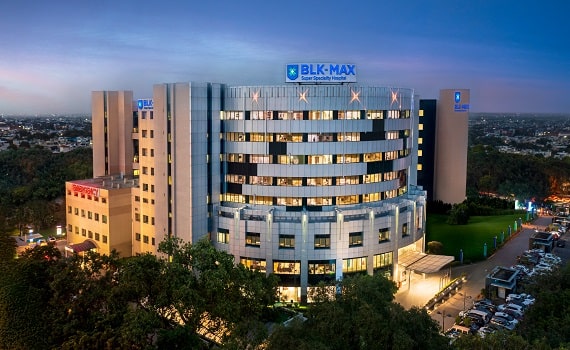
BLK-Max Super Speciality Hospital, New Delhi
BLK-Max Super Speciality Hospital in New Delhi is one of India's premier healthcare institutions, offering 650 beds, 22 advanced operation theatres, a...
Accreditations
Facilities

Max Smart Super Speciality Hospital, Saket, New Delhi
Max Smart Super Speciality Hospital, Saket, is a 250-bed tertiary care hospital in South Delhi. It offers advanced medical and surgical care across 22...
Accreditations
Facilities
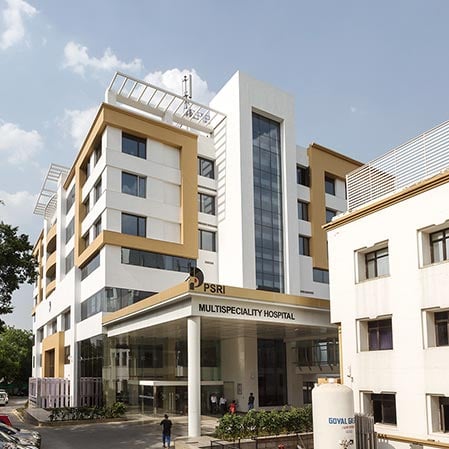
PSRI Hospital, Delhi
Pushpawati Singhania Research Institute (PSRI Hospital), New Delhi, is a leading multi-specialty tertiary care hospital established in 1996 by the JK ...
Accreditations
Facilities
Similar Procedures
Testimonials
View All
Gallery
FAQ


Our website uses cookies. By clicking on accept you give your consent to the use of cookies as per our Privacy Policy.