
Facelift Surgery - Rhytidectomy Cost in India
About Facelift Surgery - Rhytidectomy
What is Facelift Surgery?
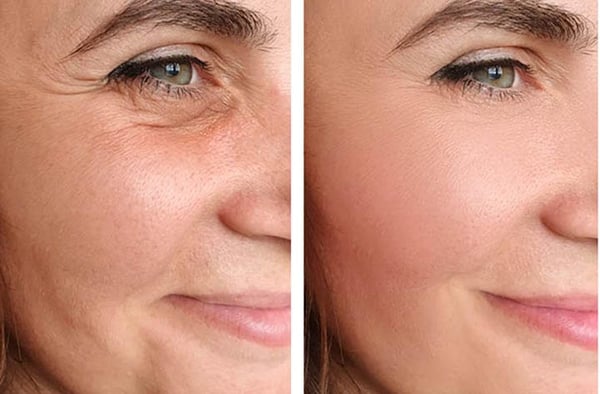
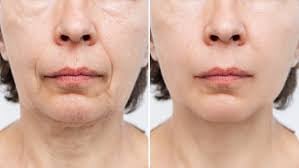
Facelift (aka rhytidectomy) is a cosmetic surgical procedure designed to improve visible signs of aging in the face and neck. Over time, factors such as natural aging, sun exposure, lifestyle habits, and genetics can cause skin laxity, deep wrinkles, and loss of youthful facial contours. A facelift addresses these changes by tightening underlying muscles, removing extra skin, and repositioning facial tissues.
The procedure can restore a smoother, firmer, and more youthful appearance by lifting sagging cheeks, reducing jowls along the jawline, and smoothing deep creases around the nose and mouth. Depending on the patient’s needs, it may also improve loose skin and fat deposits in the neck, often integrated with a neck lift for a balanced rejuvenation.
Unlike temporary results from injectable fillers or non-surgical skin tightening treatments, a surgical facelift delivers long-lasting improvements, typically lasting 8 to 12 years with proper care. Modern techniques focus on achieving natural results, avoiding the “over-pulled” look, and ensuring minimal scarring by placing incisions strategically along the hairline or behind the ears.
What are the Different Types of Facelift Surgery?
Facelift surgery is not a one-size-fits-all procedure. Surgeons select the technique based on the patient’s age, degree of skin laxity, facial structure, and desired results.
- Traditional Facelift: The conventional or complete facelift is the most comprehensive option. It targets sagging skin, deep wrinkles, and significant tissue laxity in the mid-face, jawline, and neck. The cosmetic surgeon makes incisions around the hairline and behind the ears, lifting the skin and tightening underlying muscles before removing excess tissue. This method provides the most dramatic and long-lasting results.
- Mini Facelift: The mini facelift is perfect for patients with mild to moderate sagging, usually in the jawline and lower face. It involves minor incisions and less tissue manipulation, leading to minimal scarring and shorter recovery times. A mini facelift is often advised for younger patients or those seeking subtle improvements.
- Mid-Facelift: The mid-facelift focuses on the area around the cheeks and under the eyes. It repositions sagging cheek fat pads, smooths nasolabial folds, and restores youthful volume to the mid-face. This approach can be performed on its own or combined with other facial cosmetic procedures such as eyelid surgery.
- Thread Lift (Non-Surgical Lift): For patients seeking a non-surgical option, the thread lift offers temporary lifting using dissolvable sutures inserted under the skin. While results last only 1–3 years, this method involves minimal downtime and is suitable for those not ready for surgery.
By understanding the different techniques, patients can choose a procedure that aligns with their aesthetic goals, lifestyle, and recovery expectations. Surgeons often provide detailed consultations, including computer-assisted imaging, to help patients visualize potential outcomes before deciding on a specific facelift type.
Who is an Ideal Candidate for Facelift Surgery?
Not everyone who wishes for a more youthful appearance is automatically a good candidate for facelift surgery. Surgeons in India assess several factors before recommending the procedure to ensure safety, realistic expectations, and long-lasting results.
The best candidates are generally individuals experiencing moderate to severe indications of facial aging, such as deep wrinkles, loss of definition in the jawline and neck, and sagging skin. Most patients are in their 40s to 70s, although younger individuals may also benefit if premature skin laxity is present due to genetics or lifestyle factors.
Good overall health is essential. Patients should be free from severe medical conditions that may impair healing, such as uncontrolled diabetes or blood-clotting disorders. Non-smokers or those willing to quit before and after surgery are preferred, as smoking can interfere with blood circulation and delay recovery.
An ideal candidate has firm bone structure and good skin elasticity, even if some looseness is present. These qualities help achieve smoother, more natural results. Equally important is having realistic expectations. While a facelift can dramatically improve facial contours and skin firmness, it does not stop the natural aging process.
Patients seeking subtle enhancements may be guided toward less invasive options such as a mini facelift or thread lift. At the same time, those with significant skin sagging may require a complete traditional facelift for optimal results. A thorough pre-surgical consultation, including facial analysis and discussion of aesthetic goals, ensures that each facelift candidate receives a treatment plan tailored to their needs.
What Pre-Surgery Evaluation and Preparation are Required for Facelift Surgery?
Before undergoing facelift surgery, a thorough evaluation is essential to ensure the surgery is safe and results meet the patient’s expectations. This stage involves both medical assessments and lifestyle adjustments to prepare the body for optimal healing.
- The process begins with a detailed medical history review and a comprehensive facial examination. The surgeon assesses skin elasticity, bone structure, and the degree of sagging to determine the most suitable surgical approach. Photographs may be taken for pre- and post-operative comparison, and in some cases, computer imaging is used to help visualize potential outcomes.
- Patients are advised to undergo basic laboratory tests, such as blood work and heart function checks, to rule out underlying conditions that could complicate surgery or recovery. If the patient is taking medications, supplements, or herbal remedies, the surgeon will review them to avoid substances that may increase bleeding or interfere with anesthesia.
- Preparation also includes lifestyle changes. Smoking and alcohol consumption should be stopped well before surgery, as both can impair blood circulation and slow healing. A balanced diet rich in vitamins, collagen, biotin, and proteins supports tissue repair, and hydration should be maintained in the days leading up to the procedure.
- On the practical side, patients are encouraged to arrange post-surgery assistance, since mobility may be limited in the initial recovery period. Comfortable clothing that does not need to be pulled over the head should be prepared for use after surgery.
By following the surgeon’s pre-operative instructions and making these adjustments, patients improve their chances of a smooth surgical experience and faster recovery, setting the stage for long-lasting, natural-looking results.
What is the Procedure for Facelift Surgery?
A facelift surgery typically takes between two to five hours, depending on the type of lift being performed and whether it is done along with other procedures such as eyelid surgery. The operation follows a series of structured steps to ensure safety and optimal results.
- Step 1: Administration of Anaesthesia: The procedure begins with the administration of anaesthesia to ensure comfort throughout surgery. It may involve intravenous sedation or general anaesthesia, depending on the complexity of the case and patient preference.
- Step 2: Strategic Incision Placement: The surgeon makes incisions in discreet locations to reduce visible scarring. Common incision points include along the hairline at the temples, extending around the ears, and sometimes under the chin if a neck lift is included. The placement varies depending on the chosen technique (traditional, mini, or mid-facelift).
- Step 3: Lifting and Repositioning Tissues: Once the incisions are made, the cosmetic surgeon lifts the skin to reach the underlying facial tissues and muscles. The deeper layers, known as the SMAS (Superficial Musculoaponeurotic System), are tightened and repositioned to restore youthful contours. This step is crucial for long-lasting, natural results.
- Step 4: Removal of Excess Skin: Any loose or sagging skin is carefully trimmed away to create a smoother appearance. The remaining skin is then redraped over the newly lifted facial structures without stretching, ensuring a natural finish.
- Step 5: Closing the Incisions: The surgeon closes the incisions with sutures or skin adhesives. Some stitches may dissolve naturally, while others require removal within a week or two. Incision lines are placed in natural creases or hidden within the hairline to keep scars discreet.
- Step 6: Application of Dressings and Support: A bandage is applied around the face to minimize swelling and bruising. In a few cases, small drainage tubes are placed temporarily to prevent fluid buildup.
- Step 7: Immediate Post-Operative Monitoring: After the procedure, the patient is moved to a recovery area where vital signs are monitored. Depending on the complexity of the facelift, patients may go home the same day or stay overnight for observation.
Get a Free Treatment Plan
About Facelift Surgery - Rhytidectomy in India
What is the Cost of Facelift Surgery in India?
The cost of facelift surgery in India typically ranges between $2,500 and $6,000, based on the type of procedure, the surgeon’s expertise, the hospital or clinic chosen, and whether additional treatments are performed alongside the lift. Mini facelifts and thread lifts are generally more affordable, while traditional full facelifts fall on the higher end of the range due to their complexity and longer operating time.
Inclusions in the Cost
Most reputable cosmetic surgery centers in India offer packages that cover:
- Pre-surgical consultation with the cosmetic surgeon
- Required medical tests and basic lab investigations
- Surgeon’s fees and surgical team charges
- Anaesthesia charges
- Operating room and hospital facility fees
- Surgical dressings and post-operative garments
- Standard medications during hospital stay
- Immediate post-surgery follow-up visits
Exclusions from the Cost
Certain expenses are not usually part of the basic package and may be charged separately, such as:
- Additional procedures, like a neck lift or brow lift
- An extended hospital stay beyond the standard package period
- Specialized scar treatments or laser therapy
- Long-term maintenance treatments like fillers or Botox after recovery
- Travel, accommodation, and interpreter services for international patients
Facelift Surgery Cost in India – Detailed Breakdown
By breaking down the cost components, patients can better understand where their money is going and choose a treatment option that matches both their aesthetic goals and budget.
- The initial consultation with a cosmetic surgeon in India generally costs between $30 and $100, where the surgeon assesses facial structure, skin elasticity, and desired outcomes.
- Pre-surgery medical tests, such as blood work, ECG, and general health screening, cost around $50 to $150 and ensure the patient is fit for surgery.
- Surgeon’s fees range from $1,000 to $2,500, depending on the surgeon’s qualifications, experience, and demand.
- Anaesthesia charges usually range between $300 and $800, covering the anaesthesiologist’s services and medications used during the procedure.
- Hospital or operating room fees range from $800 to $1,500, covering the use of surgical facilities, sterile equipment, and nursing care.
- The cost for a traditional facelift (which addresses the entire face and neck) is usually between $3,000 and $6,000.
- A mini facelift costs between $2,000 and $3,500, ideal for patients with mild sagging.
- For a thread lift, which is a non-surgical alternative with shorter results, prices range from $1,000 to $2,000.
- Post-operative medications and care, such as pain relief, antibiotics, and wound dressings, typically cost $100 to $300.
- If patients require extended hospital stays, additional treatments, or combined cosmetic procedures, the overall cost will be higher.
Cost Component | Estimated Price (USD) |
| Initial Consultation | 30 – 100 |
| Pre-Surgery Medical Tests | 50 – 150 |
| Surgeon’s Fees | 1,000 – 2,500 |
| Anaesthesia Charges | 300 – 800 |
| Hospital/Operating Room Fees | 800 – 1,500 |
| Traditional Facelift Procedure | 3,000 – 6,000 |
| Mini Facelift Procedure | 2,000 – 3,500 |
| Thread Lift (Non-Surgical Option) | 1,000 – 2,000 |
| Post-Operative Medications & Care | 100 – 300 |
Cost Comparison – India vs. Other Countries
Facelift surgery in India is significantly more affordable compared to Western nations and many Asian medical hubs, while maintaining high surgical standards and patient safety. The lower cost is due to reduced operational expenses, competitive pricing, and the availability of skilled surgeons who deliver world-class results.
Country | Average Cost (USD) | Remarks |
| India | 2,500 – 6,000 | Affordable packages with experienced cosmetic surgeons and modern facilities |
| USA | 7,500 – 15,000 | High costs due to surgeon fees, hospital charges, and medical insurance overheads |
| UK | 8,000 – 14,000 | Private clinics are costly; long NHS waiting lists make cosmetic care less accessible |
| Singapore | 6,000 – 12,000 | Excellent facilities, but higher living and healthcare costs |
| Thailand | 3,500 – 7,000 | Popular for cosmetic tourism but still pricier than India in most cases |
Coming to India for Facelift surgery can result in savings of 50–70% compared to the USA or UK. International patients often combine their treatment with a short recovery holiday, making the experience both cost-effective and convenient.
What are the Factors Affecting Facelift Surgery Cost in India?
The cost of facelift surgery in India is influenced by multiple factors that vary from patient to patient.
- The type of procedure plays a key role. Traditional full facelifts are more complex and take longer to perform, making them more expensive than mini or thread lifts.
- Surgeon’s expertise and reputation also impact pricing. Surgeons with advanced training, decades of experience, and high patient satisfaction rates may charge higher fees, reflecting their skill and consistent results.
- Hospital or clinic choice is another important factor. Premium cosmetic centers with advanced technology, specialized operating theatres, and luxury recovery suites typically have higher package rates compared to smaller clinics.
- Additional treatments performed at the same time, such as a neck lift, eyelid surgery, or fat grafting, will increase the overall cost but may reduce the combined price compared to scheduling them separately.
- Anaesthesia type and duration of surgery can also affect the final bill, as general anaesthesia is more costly than local anaesthesia with sedation. Longer surgeries also mean higher anaesthetist fees.
- Finally, post-operative care and recovery needs (including medications, specialized dressings, follow-up visits, and physiotherapy) may add to the total expense, especially if complications require extended treatment.
Why Choose India for Facelift Surgery
India has become a preferred destination for cosmetic procedures like facelift surgery, attracting patients from around the world who seek high-quality results at an affordable price. Several key factors make India stand out in the field of aesthetic surgery.
- Highly Skilled Cosmetic Surgeons: India is home to board-certified plastic and cosmetic surgeons with extensive training in advanced facelift techniques. Many have completed fellowships abroad and bring international expertise to their practice, ensuring precision and natural-looking outcomes.
- State-of-the-Art Facilities: Modern hospitals and specialized cosmetic clinics in India are equipped with cutting-edge surgical equipment, sterile operating rooms, and advanced patient monitoring systems. These facilities follow strict safety protocols that match global healthcare standards.
- Cost-Effective Packages: Facelift surgery in India offers a remarkable balance between cost and quality. Many clinics provide all-inclusive packages that cover consultations, surgery, hospital stay, medications, and follow-up care, helping patients avoid unexpected expenses.
- Personalized Treatment Plans: Surgeons in India tailor each facelift procedure to suit the patient’s facial structure, skin condition, and personal goals. This customized approach enhances results and ensures the procedure complements the patient’s natural features.
- Short Waiting Times: Unlike some countries where cosmetic surgery waitlists can be months long, India offers prompt scheduling, allowing patients to plan their procedures and recovery at their convenience.
International Patient Services
Many leading cosmetic surgery clinics and hospitals in India have dedicated International Patient Departments to make the treatment journey smooth and stress-free for overseas visitors. These services are designed to handle everything from the first inquiry to the final follow-up after the patient returns home.
- Pre-Arrival Support includes detailed cost estimates, online consultations with the surgeon, and guidance on selecting the correct procedure. Patients also receive assistance with medical visa documentation and travel planning.
- Arrival and Accommodation Assistance typically covers airport pickup, transport to the hospital or hotel, and help in arranging comfortable stay options close to the treatment facility. Language interpreter services are available for non-English-speaking patients to ensure clear communication at every stage.
- During Treatment, the hospital assigns a case manager who coordinates appointments, surgery scheduling, and follow-up care. It includes arranging for any additional procedures if the patient desires a combined treatment plan.
- Post-Treatment Follow-Up can be done in person or online, allowing international patients to maintain contact with their surgeon for aftercare advice, healing progress checks, and long-term maintenance recommendations.
What is the Success Rate and Recovery After Facelift Surgery?
Facelift surgery has a high success rate, especially when performed by experienced cosmetic surgeons using modern techniques. Globally, patient satisfaction rates for facelifts are estimated between 90% and 95%, with most individuals achieving significant facial rejuvenation and improved self-confidence. The key to a successful facelift procedure lies in proper patient selection, realistic expectations, and adherence to pre- and post-operative care instructions.
Success Rate
Traditional facelifts typically provide the most dramatic and long-lasting results, with improvements that can last 8 to 12 years. Mini facelifts and thread lifts offer shorter-term benefits but are still highly effective for targeted enhancements. The success of the procedure is measured not only by visible improvement but also by the naturalness of the results, avoiding an over-tightened or artificial look.
Surgeons with advanced training in SMAS (Superficial Musculoaponeurotic System) techniques achieve more durable results because they lift both skin and underlying structures, reducing the risk of early sagging. Patient lifestyle, skin quality, and ongoing skincare also influence how long the benefits last.
Recovery Timeline
Recovery from a facelift is gradual, with visible improvements emerging over several weeks.
- First 1–2 Days: Mild discomfort, swelling, and bruising are common. The face is bandaged, and in some cases, small drain tubes are placed to prevent fluid buildup.
- First Week: Stitches may be removed between days 5 and 7. Swelling and bruising begin to subside. Patients can usually resume light activities.
- 2–3 Weeks: Most visible swelling disappears, and patients feel comfortable returning to work and social lives, although minor bruising may still be present.
- 1–3 Months: Incision lines continue to fade, skin tightens naturally, and final contours become visible.
- Full Recovery: Achieved by 3–6 months, with scars maturing and blending into natural skin lines.
Long-Term Maintenance
While a facelift cannot stop the aging process, it sets the clock back significantly. Protecting the skin from the sun, having a healthy lifestyle, and following the surgeon’s skincare recommendations help extend the results. Some patients choose periodic non-surgical treatments like fillers or laser resurfacing to maintain their rejuvenated look.
Facelift Surgery - Rhytidectomy Cost Comparison by Country
Compare Facelift Surgery - Rhytidectomy costs across different countries to make an informed decision about your medical treatment.
| Country | Cost Range (USD) | Potential Savings | Action |
|---|---|---|---|
IndiaCurrentBest Value | $2,500 - $6,000 | — | Get Quote |
Note: Costs may vary based on hospital choice, room type, additional services, and individual medical requirements. Contact us for a personalized quote.
Leading Hospitals for Facelift Surgery - Rhytidectomy in India
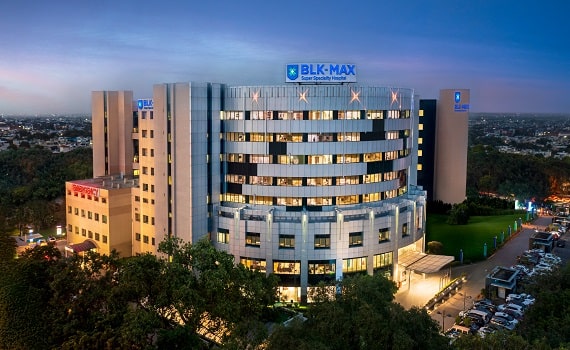
BLK-Max Super Speciality Hospital, New Delhi
BLK-Max Super Speciality Hospital in New Delhi is one of India's premier healthcare institutions, offering 650 beds, 22 advanced operation theatres, a...
Accreditations
Facilities
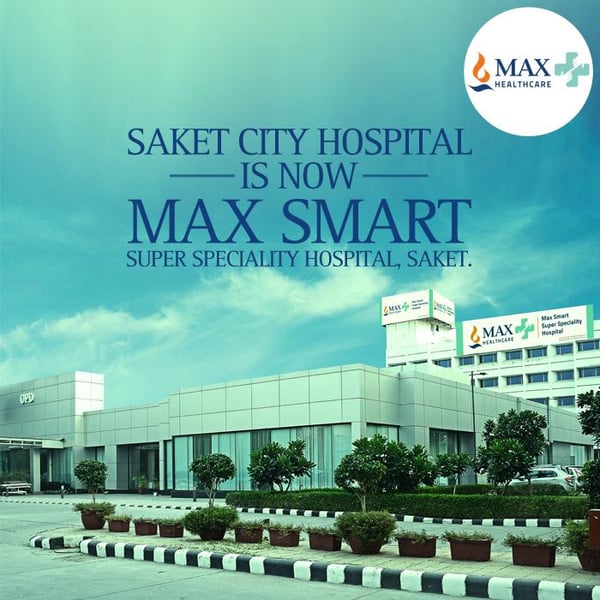
Max Smart Super Speciality Hospital, Saket, New Delhi
Max Smart Super Speciality Hospital, Saket, is a 250-bed tertiary care hospital in South Delhi. It offers advanced medical and surgical care across 22...
Accreditations
Facilities
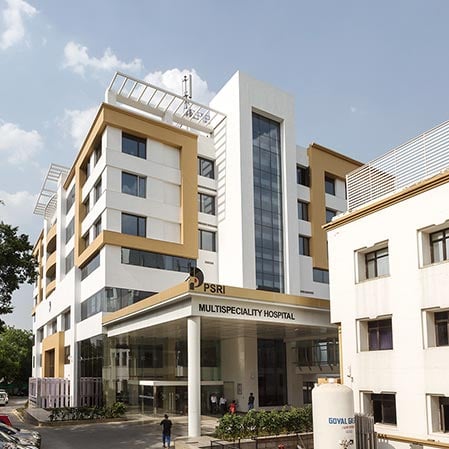
PSRI Hospital, Delhi
Pushpawati Singhania Research Institute (PSRI Hospital), New Delhi, is a leading multi-specialty tertiary care hospital established in 1996 by the JK ...
Accreditations
Facilities
Similar Procedures
Gallery

FAQ

Our website uses cookies. By clicking on accept you give your consent to the use of cookies as per our Privacy Policy.