
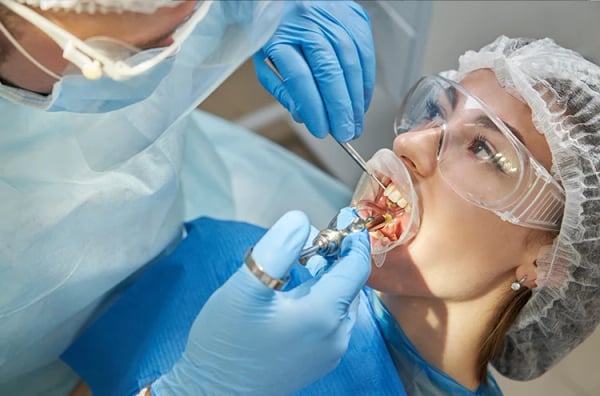
Oral Cancer Treatment Cost in India
About Oral Cancer Treatment
Oral cancer affects lakhs of people worldwide and continues to rise due to increased tobacco use, alcohol consumption, and lifestyle-related risks. According to global cancer data, more than 377,000 new cases of oral cancer are diagnosed every year, making it one of the most common cancers of the head and neck region.
Early detection plays a powerful role in improving outcomes. When mouth cancer is identified at an early stage, treatment becomes simpler, survival increases, and long-term quality of life improves. Advances in surgery, radiation, and targeted medicines now offer better control and help many patients return to comfortable, everyday living.
What Is Oral Cancer?
Oral cancer develops when abnormal cells grow uncontrollably in the tissues of the mouth. These cells can appear on the tongue, gums, inner cheeks, lips, floor of the mouth, or roof of the mouth. Most cases begin as squamous cell carcinoma, a type of cancer that forms in the thin, flat cells lining the mouth.
The disease can start as minor changes, such as a sore that doesn’t heal or a patch that looks different, and, if untreated, gradually spread to nearby areas. Doctors focus on early identification and timely treatment to prevent deeper growth and improve long-term results.
What Are the Symptoms of Oral Cancer?
Oral cancer often begins with subtle signs that may seem harmless at first. When these changes persist, they signal the need for a medical evaluation. Early recognition helps doctors treat the disease at a stage when outcomes are stronger and treatment remains less extensive.
People may notice one or more of the following changes in the mouth:
- A persistent mouth ulcer that does not heal
- Red/white patches on the tongue, gums, or inner cheeks
- A lump, thickening, or rough area inside the mouth
- Pain while chewing or swallowing
- Unexplained bleeding
- Difficulty opening the mouth
- Difficulty moving the tongue
- A change in voice or speech
- Numbness in part of the mouth or lip
These signs do not always mean cancer, but they require timely evaluation.
How Do Doctors Diagnose Oral Cancer?
Oncologists use several tests to confirm the presence of cancer and understand its spread.
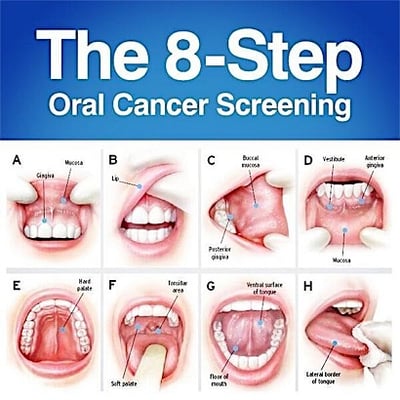
- Oral Examination: The doctor carefully examines the mouth, tongue, gums, and surrounding tissues for ulcers, lumps, or abnormal patches.
- Biopsy: A small piece of suspicious tissue is removed and examined under a microscope. This step confirms whether cancer cells are present.
- Endoscopy: A thin, flexible tube with a light allows doctors to check deeper throat structures that cannot be seen during a regular exam.
- Imaging Tests: CT scans, MRIs, and PET-CT scans help doctors assess tumor size and determine whether it has spread to lymph nodes or other areas.
- Pathology and Staging: After diagnosis, doctors assign a stage based on the tumor’s size and spread. It guides the treatment plan and expected outcomes.
How is Oral Cancer Treated?
Doctors choose the treatment approach based on the tumor’s size, location, stage, and the patient’s overall health. Most oral cancer patients receive a combination of treatments to manage the disease and restore normal function.
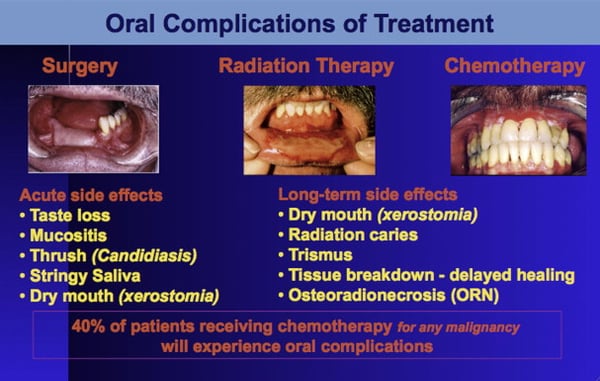
- Surgery: Surgery removes the cancerous tissue along with a small margin of healthy tissue. It ensures complete clearance of cancer. Doctors aim to preserve speech, swallowing, and facial appearance as much as possible.
- Neck Dissection: If cancer spreads to nearby lymph nodes, doctors remove the affected nodes through a procedure called neck dissection. This step reduces the risk of further spread.
- Reconstructive Surgery: Some patients need reconstruction to restore the mouth’s structure after tumor removal. Surgeons use skin, muscle, or bone grafts to rebuild the affected area and support functions like speech and chewing.
- Radiation Therapy: Doctors use high-energy beams to destroy remaining cancerous cells after surgery or to treat early-stage tumors. Radiation targets the cancer directly while protecting surrounding tissues.
- Chemotherapy: Chemotherapy uses powerful drugs to shrink tumors or kill cancer cells that could have spread to distant organs. It is often combined with radiation for better results, especially in advanced stages.
- Targeted Therapy: These medicines attack specific molecules that help cancer grow. They offer a focused treatment option for tumors that do not respond fully to standard therapies.
- Immunotherapy: Immunotherapy strengthens the body’s immune system to identify and destroy cancer cells. It is beneficial in recurrent or metastatic oral cancers.
Get a Free Treatment Plan
About Oral Cancer Treatment in India
What Is the Cost of Oral Cancer Treatment in India?
The average cost of oral cancer treatment in India ranges from $3,500 to $8,000, which is approximately ₹2.9 lakh to ₹6.6 lakh. Early-stage cases usually fall at the lower end of the range, while advanced cancers that require reconstruction, multiple therapies, or extended hospital care may cost more.
Compared to countries like the United States or the United Kingdom, where treatment can cost $40,000- $70,000, India offers a 70–85% cost advantage while maintaining strong medical standards.
Estimated Cost Breakdown
- Tumor Removal Surgery: ₹1,20,000 – ₹2,50,000
- Neck Dissection: ₹80,000 – ₹1,80,000
- Reconstructive Surgery (If Required): ₹1,50,000 – ₹3,00,000
- Radiation Therapy (Full Course): ₹1,00,000 – ₹2,00,000
- Chemotherapy Cycles: ₹15,000 – ₹50,000 per cycle
- Targeted Therapy: ₹80,000 – ₹2,00,000 per cycle (depending on drug)
- Diagnostics and Imaging: ₹20,000 – ₹50,000
What the Cost Includes
Most oral cancer treatment packages in India cover essential medical services such as:
- Consultations with head and neck surgeons and oncologists
- Surgery charges, including surgeon fees and operating room use
- Anesthesia and monitoring during the procedure
- Hospital stay, including room charges and nursing care
- Medications, dressings, and routine investigations during hospitalization
- Initial post-operative care, including wound management
- Standard radiation therapy sessions, if included in the plan
These components support the primary treatment and ensure safe recovery during the hospital stay.
What the Cost Excludes
Some expenses fall outside the basic package because they vary among patients:
- Advanced imaging, such as PET-CT scans
- Targeted therapy or immunotherapy, which depends on the tumor profile
- Reconstructive surgery, especially complex grafting procedures
- An extended hospital stay beyond the recommended duration
- Chemotherapy cycles, if not included in the package
- Post-discharge medicines and nutritional supplements
- Travel, visa, and accommodation for international patients
- Long-term rehabilitation, including speech and swallowing therapy
What Is the City-Wise Cost of Oral Cancer Treatment in India?
Oral cancer treatment costs can vary from one city to another, depending on hospital facilities, surgeon experience, and access to advanced technologies. The table below provides an estimate to help patients plan their treatment budget more accurately.
City | Average Cost (USD) | Approx. Cost (INR) |
| New Delhi | $3,800 – $8,000 | ₹3,10,000 – ₹6,60,000 |
| Mumbai | $4,000 – $8,200 | ₹3,30,000 – ₹6,80,000 |
| Chennai | $3,500 – $7,500 | ₹2,90,000 – ₹6,20,000 |
| Bangalore | $3,700 – $7,800 | ₹3,05,000 – ₹6,50,000 |
| Hyderabad | $3,600 – $7,600 | ₹2,95,000 – ₹6,35,000 |
New Delhi and Mumbai: These cities offer premium cancer centers with experienced surgical teams and advanced reconstructive facilities. Costs trend slightly higher due to high-end infrastructure and extensive oncology departments.
Chennai and Hyderabad: These cities provide strong head and neck cancer programs with balanced pricing. Hospitals here are known for reliable care and comprehensive post-operative support.
Bangalore: Bangalore combines modern medical technology with efficient treatment pathways, making it a preferred location for international patients seeking structured cancer care.
What Factors Affect the Cost of Oral Cancer Treatment in India?
Several medical and logistical factors influence the total cost of oral cancer treatment. Each patient requires a personalized plan based on the tumor’s behavior, treatment approach, and recovery needs.
- Type and Stage of Cancer: Early-stage tumors need simpler treatments, while advanced cancers require extensive surgery, multiple therapies, and longer recovery, which increases the overall cost.
- Surgery Complexity: Tumors involving the tongue, jawbone, or deeper tissues need more complex surgery. These procedures require longer operating time and advanced surgical tools.
- Need for Reconstruction: Reconstructive surgery increases costs when doctors rebuild the affected area using tissue grafts or bone flaps. The technique used influences the final amount.
- Radiation Therapy Sessions: Some patients need a full course of radiation after surgery. The number of sessions and the type of machine used affect the cost.
- Chemotherapy or Targeted Medicines: Chemotherapy is usually affordable, but targeted therapies and immunotherapy cost more because they use advanced drug technology.
- Hospital Category: Multispecialty, internationally accredited hospitals offer premium facilities, advanced imaging, and specialized rehabilitation, which increase the final cost.
- Surgeon’s Expertise: Highly experienced head and neck cancer surgeons may charge more due to their skill, precision, and consistent results.
- Length of Hospital Stay: Patients who require intensive monitoring, tube feeding assistance, or extended wound care stay longer in the hospital, which increases costs.
How Does the Cost of Oral Cancer Treatment in India Compare With Other Countries?
Oral cancer treatment in India remains significantly more affordable than in most Western and Middle Eastern countries. Patients receive access to modern surgical techniques, advanced radiation equipment, and skilled oncology teams at a fraction of global prices.
Country | Average Cost (USD) |
| India | $3,500 – $8,000 |
| United States | $40,000 – $70,000 |
| United Kingdom | $25,000 – $45,000 |
| Thailand | $10,000 – $18,000 |
| UAE | $18,000 – $30,000 |
India offers a cost advantage of nearly 70–85% compared with the US, UK, Thailand, or UAE. Despite the lower cost, hospitals maintain high standards of cancer care, use internationally approved technologies, and follow globally recognized treatment protocols. This blend of quality and affordability attracts a large number of international patients seeking reliable, effective oral cancer treatment.
What Is the Recovery and Success Rate of Oral Cancer Treatment?
Recovery after oral cancer treatment depends on the stage of cancer, the type of surgery performed, and the therapies used. With early diagnosis and a structured treatment plan, many patients regain good function and gradually return to regular routines.
Recovery After Surgery
Most mouth cancer patients stay in the hospital for 5 to 10 days after surgery. Doctors focus on wound healing, pain control, and restoring basic functions like swallowing and speech. Patients start gentle mouth exercises early to support smooth recovery.
Rehabilitation and Speech Therapy
Some patients need speech therapy or swallowing therapy, especially if the tongue or jaw area was involved. These sessions help regain clarity of speech, improve chewing, and restore a comfortable eating pattern.
Nutritional Support
Patients may follow a soft or liquid diet for a few weeks. Nutritionists guide them on meal plans that support healing and maintain body strength during recovery.
Success Rate Based on Stage
Early-stage oral cancers show strong results, especially when doctors obliterate the tumor.
- Stage I and II cancers often achieve excellent long-term control.
- Stage III and IV cancers require a combination of treatments, and outcomes improve significantly when therapy begins on time.
Long-Term Follow-Up
Regular check-ups every few months help doctors monitor healing, spot early changes, and manage late effects of treatment. Long-term care has a vital role in maintaining quality of life.
Why Choose India for Oral Cancer Treatment?
India has become a trusted destination for oral cancer treatment, offering comprehensive care from experienced specialists, modern technology, and significantly lower treatment costs. Hospitals provide complete support from diagnosis to recovery, making the entire journey smooth and reassuring.
- Skilled Head and Neck Cancer Specialists: India has a strong network of surgeons, oncologists, and reconstructive experts who manage complex oral cancer cases every day. Their experience ensures precise treatment planning and reliable surgical outcomes.
- Advanced Diagnostic and Treatment Facilities: Hospitals use high-quality imaging systems, advanced radiation machines, and modern surgical tools. These technologies help doctors complete treatment accurately while protecting healthy tissues.
- Affordable Cancer Care Without Compromising Quality: India offers excellent medical standards at a fraction of international prices. The lower cost comes from the healthcare structure and not from a reduction in safety or expertise.
- Accredited Cancer Centers: Many hospitals hold NABH or JCI accreditation, indicating adherence to global safety protocols, sterile operating environments, and standardized cancer treatment pathways.
- Comprehensive Reconstruction Services: For patients who need reconstruction, India offers advanced flap surgeries and microsurgical techniques to restore speech, appearance, and function after treatment.
- English-Speaking Medical Teams: Doctors, nurses, and support staff communicate clearly in English, ensuring smooth consultation and easy coordination for international patients.
- Dedicated International Patient Support: Hospitals help with medical visas, travel arrangements, accommodation, and follow-up scheduling. This full support system makes treatment stress-free for patients and their families.
Oral Cancer Treatment Cost Comparison by Country
Compare Oral Cancer Treatment costs across different countries to make an informed decision about your medical treatment.
| Country | Cost Range (USD) | Potential Savings | Action |
|---|---|---|---|
INIndiaCurrentBest Value | $3,500 - $8,000 | — | Get Quote |
Note: Costs may vary based on hospital choice, room type, additional services, and individual medical requirements. Contact us for a personalized quote.
Leading Hospitals for Oral Cancer Treatment in India

Medical Park Bahcelievler Hospital
Medical Park Bahcelievler Hospital is a 242-bed JCI-accredited hospital in Istanbul, established in 2007. Spread across 33,000 square meters and 19 fl...
Accreditations
Facilities

Memorial Ankara Hospital
Memorial Ankara Hospital is a JCI-accredited private hospital in Turkey, with more than 230 beds and 60 intensive care units. Spread across 42,000 squ...
Accreditations
Facilities

Ganzouri Specialized Hospital, Cairo
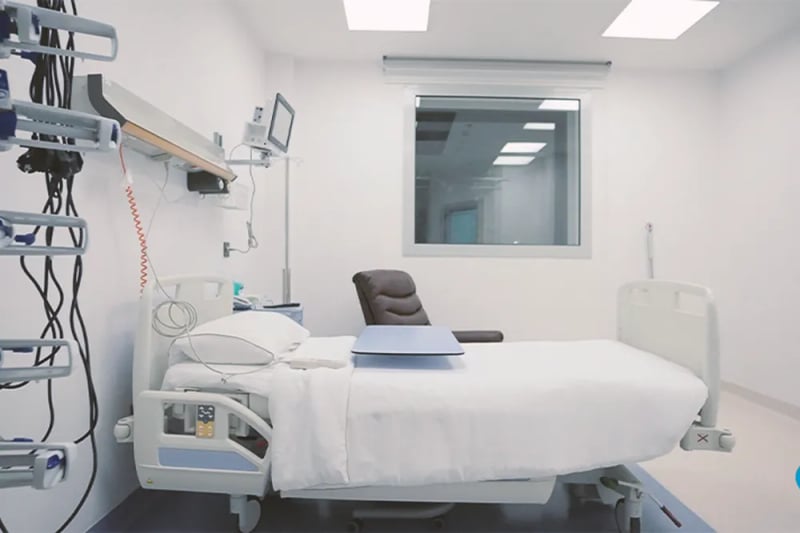
Ganzouri Specialized Hospital is a 180-bed multi-specialty hospital in Cairo, Egypt, established in 1971. It offers more than 20 specialties, includin...
Facilities
Saudi German Hospital, Cairo
Saudi German Hospital, Cairo, is a multi-specialty hospital located in Cairo and part of the Saudi German Hospitals Group. Established in 2016, it has...
Accreditations
Facilities
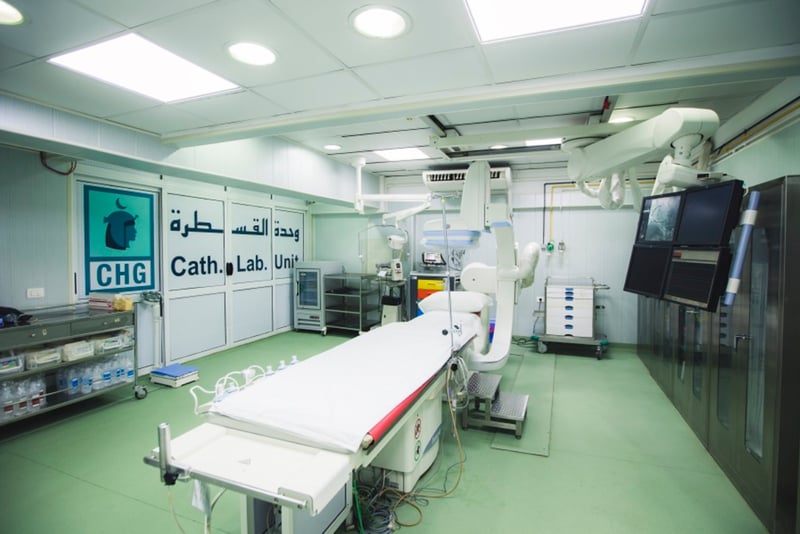
Arab Contractors Medical Centre, Cairo
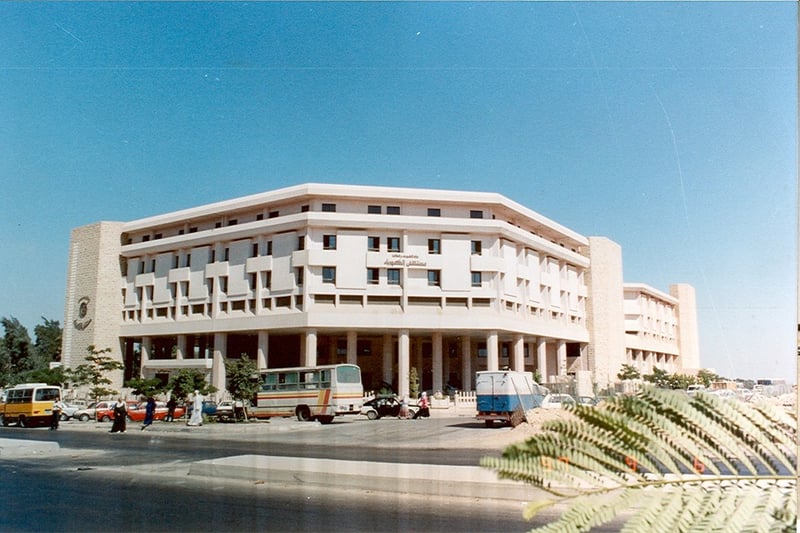
Arab Contractors Medical Centre is a 420-bed hospital in Cairo, Egypt, established in 1981. It offers multi-specialty care, including cardiology, neur...
Accreditations
Facilities
Cleopatra Hospital, Cairo
Cleopatra Hospital is a 356-bed private hospital in Cairo, Egypt, established in 1984 and part of the Cleopatra Hospitals Group. It offers more than 4...
Facilities
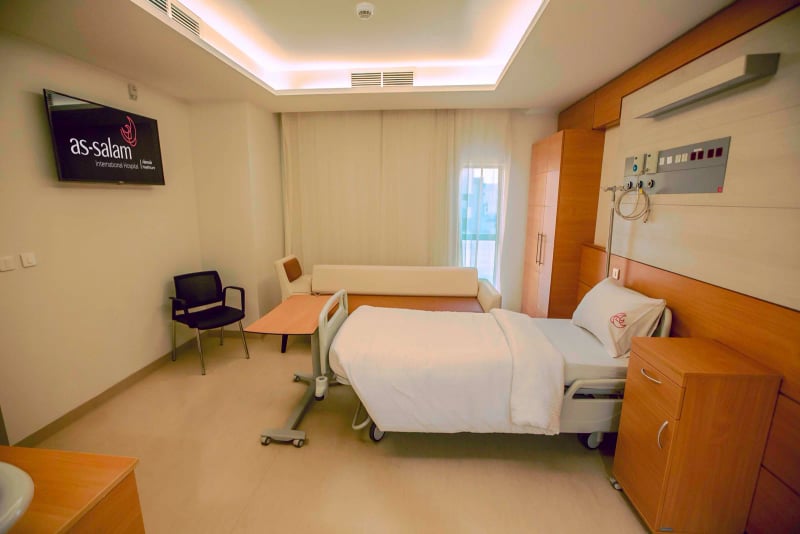
As-Salam International Hospital, Cairo
As-Salam International Hospital is a 300+ bed JCI-accredited hospital in Cairo, Egypt. It offers advanced care in cardiology, oncology, neurology, ort...
Accreditations
Facilities

Piyavate Hospital
Piyavate Hospital is a 150-bed private hospital in central Bangkok, established in 1993. The hospital provides care in cardiology, neurology, orthoped...
Accreditations
Facilities
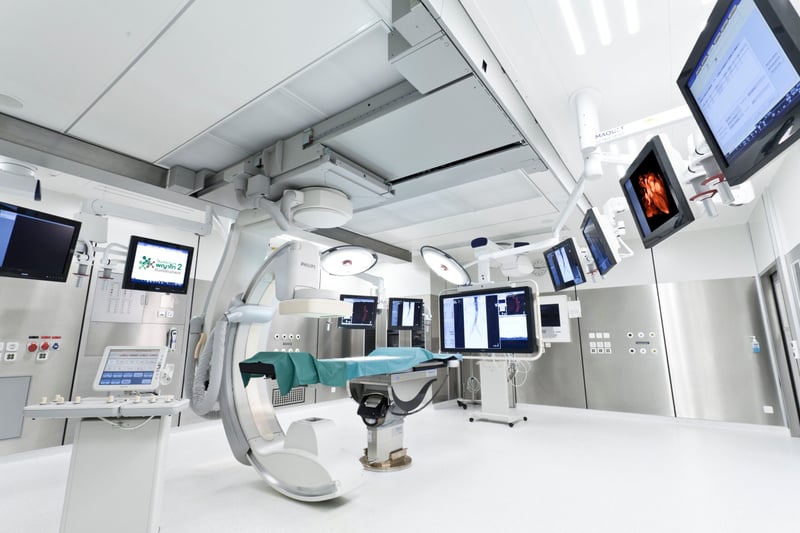
Phyathai 2 International Hospital
Phyathai 2 International Hospital is a JCI-accredited tertiary care hospital in Bangkok, Thailand, established in 1987. The hospital operates 550 inpa...
Accreditations
Facilities
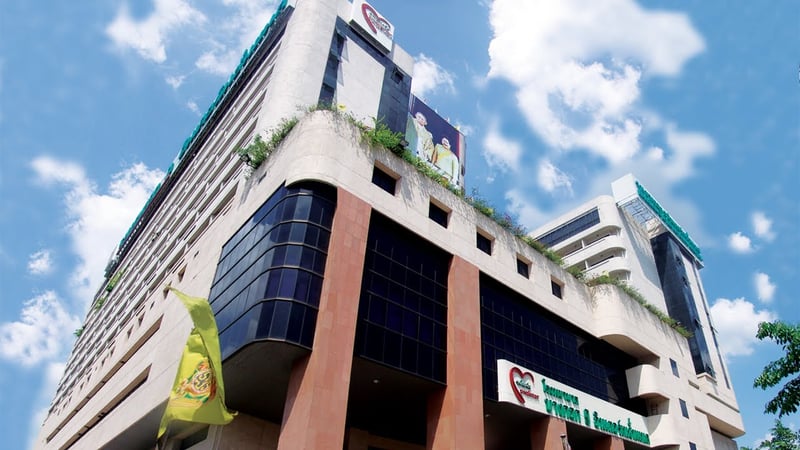
Bangpakok 9 International Hospital
Bangpakok 9 International Hospital is a JCI-accredited tertiary care hospital in Bangkok, Thailand, established in 2003. Operating under the BPK Hospi...
Accreditations
Facilities
Similar Procedures
Gallery
FAQ


Our website uses cookies. By clicking on accept you give your consent to the use of cookies as per our Privacy Policy.