
Proton Therapy Cost in India
About Proton Therapy
Proton therapy is one of the most advanced forms of radiation treatment available today. This technique uses high-energy proton beams to target cancer cells with remarkable precision while sparing healthy tissues surrounding the tumor. Because of its accuracy, doctors use proton therapy for cancers located in sensitive or hard-to-reach areas where traditional radiation may cause long-term damage.
The use of proton therapy keeps growing across the world. More than 250,000 patients have already received proton therapy globally, and the number continues to rise every year. Over 40 countries now operate proton therapy centers, and many more are developing similar facilities. Doctors prefer this technology because proton beams deliver radiation directly to the tumor and avoid unnecessary exposure to nearby organs, reducing radiation to healthy tissues by up to 60%.
With its growing global acceptance and proven outcomes, proton therapy has become a preferred treatment option for patients who want the most precise and least damaging form of radiation therapy available today.
What Is Proton Therapy?
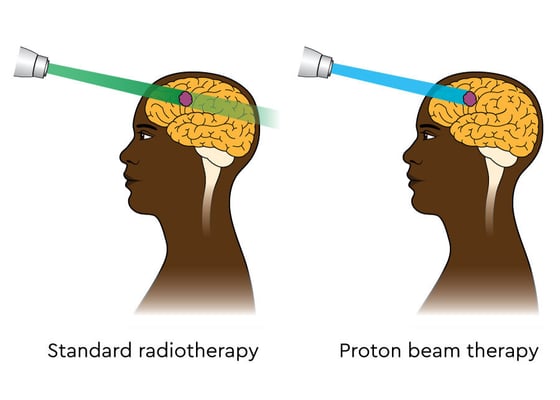
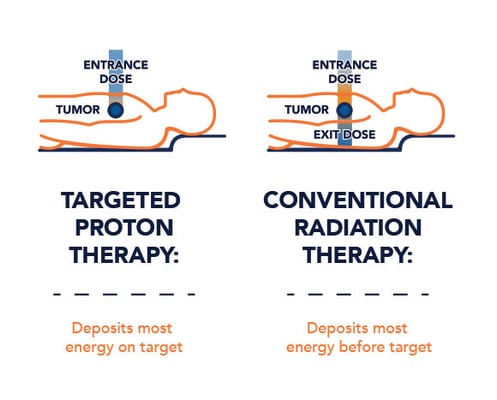
Proton therapy is an advanced form of radiotherapy that uses proton beams rather than traditional X-rays to destroy cancer cells. Protons release most of their energy directly inside the tumor and stop immediately after hitting the target. This "stop point" is called the Bragg Peak, and it allows doctors to control where the radiation lands with remarkable accuracy.
Because protons do not pass through the body the same way X-rays do, they cause far less damage to healthy tissues. It makes proton therapy especially useful for cancers located near the brain, spinal cord, eyes, heart, or other delicate organs. It also helps protect growing tissues in children, which is why doctors often choose proton therapy for pediatric cancers.
Proton therapy follows the same basic idea as standard radiation, using energy to destroy cancer cells, but the delivery is far more targeted. This precision allows doctors to give higher radiation doses to the tumor while avoiding unnecessary harm to surrounding organs.
The result is a safer, more focused treatment option that reduces side effects, lowers the risk of long-term complications, and improves QOL (quality of life) for many patients.
When Do Doctors Recommend Proton Therapy?
Doctors recommend proton therapy when they need to treat tumors with high precision while protecting surrounding tissues and organs. Proton beams stop precisely at the cancer, reducing unwanted radiation exposure and lowering the risk of long-term side effects.
- Pediatric Cancers: Proton therapy protects developing tissues in children and reduces the risk of growth problems or learning difficulties associated with conventional radiation.
- Brain Tumors: Doctors use proton therapy for brain tumors because it limits radiation exposure to vital areas like memory centers, vision pathways, and the brainstem.
- Head and Neck Cancers: Tumors in this region sit close to the eyes, salivary glands, and nerves. Proton therapy helps preserve these structures while effectively targeting the cancer.
- Skull Base Tumors: These tumors grow near critical nerves and blood vessels. Proton beams deliver high doses safely without harming sensitive areas.
- Spinal Tumors: Proton therapy protects the spinal cord while treating tumors that sit along or near the spine.
- Prostate Cancer: Doctors may recommend proton therapy to reduce radiation exposure to the bladder and rectum, lowering long-term side effects.
- Tumors Near the Heart, Lungs, or Eyes: Patients with tumors near vital organs benefit from proton therapy's high accuracy.
- Re-Irradiation Cases: Patients who have already received radiation may still receive proton therapy, as it limits cumulative radiation exposure.
Get a Free Treatment Plan
About Proton Therapy in India
What Is the Cost of Proton Therapy in India?
The cost of proton therapy in India typically ranges from $35,000 to $55,000 (approximately ₹29 lakh to ₹46 lakh). The final price depends on the type of cancer, the number of treatment sessions, and the technology used during therapy.
Proton therapy is a highly specialized treatment, and only a few centers worldwide offer it. In India, treatment costs remain significantly lower than in Western countries, while still using advanced equipment and internationally accepted treatment protocols.
Here is a general cost breakdown to help patients better understand their expenses.
Component | Average Cost (USD) | Approx. Cost (INR) |
| Initial Evaluation & Consultation | $300 – $600 | ₹25,000 – ₹50,000 |
| Simulation & Treatment Planning | $1,500 – $3,000 | ₹1.2 – ₹2.5 lakh |
| Proton Therapy Sessions (20–30 sessions) | $30,000 – $50,000 | ₹25 – ₹42 lakh |
| Supportive Care During Treatment | $2,000 – $4,000 | ₹1.6 – ₹3.3 lakh |
- Patients with pediatric, brain, and skull base tumors usually need the highest precision, which can influence the cost.
- More advanced techniques, such as Pencil Beam Scanning (PBS) or IMPT, cost more because they require complex planning.
- The total cost increases if the patient needs chemotherapy, surgery, or inpatient care.
What Does the Proton Therapy Cost Include and Exclude?
Proton therapy requires detailed planning, advanced technology, and continuous monitoring. Hospitals provide treatment packages that cover most in-treatment needs, but some services fall outside the main package.
Understanding these details helps patients plan their medical travel confidently.
What the Cost Includes
- Consultation with radiation oncologists
- CT, MRI, or simulation scans used for treatment planning
- Planning and dosimetry for proton therapy
- All proton therapy sessions (20–30 fractions on average)
- Nursing care during treatment
- Weekly doctor reviews to track progress
- Basic medications and supportive care provided during therapy
These components form the core of the proton therapy package.
What the Cost Excludes
- PET-CT scans or advanced imaging done before arrival
- Surgery, biopsy, or chemotherapy if needed
- Long-term follow-up after completing therapy
- Additional hospital stay for unrelated medical issues
- Travel, visa, accommodation, and meals for the patient and companion
- Blood tests or special investigations requested during treatment
These costs vary by patient and hospital, so confirming them before arrival helps avoid confusion.
Patient Tip: Ask for a written treatment estimate that clearly lists each component. It helps compare packages and plan your medical budget effectively.
What Is the Cost of Proton Therapy in Different Indian Cities?
Proton therapy is available only in select Indian cities because the equipment requires advanced infrastructure and specialized expertise. The cost may vary slightly depending on the hospital, technology used, and support services offered.
Below is a general city-wise cost comparison:
City | Average Cost (USD) | Approx. Cost (INR) |
| Delhi NCR | $35,000 – $55,000 | ₹29 – ₹46 lakh |
| Mumbai | $36,000 – $55,000 | ₹30 – ₹46 lakh |
| Chennai | $35,000 – $55,000 | ₹29 – ₹46 lakh |
| Bangalore | $36,000 – $56,000 | ₹30 – ₹47 lakh |
| Hyderabad | $35,000 – $54,000 | ₹29 – ₹45 lakh |
- Delhi NCR and Chennai currently host the most advanced proton therapy centers in India.
- Mumbai, Bangalore, and Hyderabad offer supportive cancer care and partner with proton therapy facilities for seamless referrals.
What Factors Affect the Cost of Proton Therapy in India?
Several medical and technical factors influence the total cost of proton therapy in India. Because every patient has a unique condition, the final treatment plan changes based on tumor type, location, and the technology used.
- Type of Cancer: Different cancers require different planning methods and radiation doses. Brain, skull base, and pediatric tumors often need highly detailed planning, which increases the overall cost.
- Tumor Size and Location: Deep or irregularly shaped tumors require complex treatment mapping. The more complex the cancer, the more resources needed during planning and delivery.
- Number of Treatment Sessions: Proton therapy typically consists of 20 to 30 sessions. Patients who need extended or higher-dose schedules incur higher costs.
- Technology Used: Advanced techniques such as Pencil Beam Scanning (PBS) or IMPT cost more than basic proton therapy because they require detailed planning and sophisticated equipment.
- Patient's Age: Children may require sedation during treatment sessions to keep them still. It increases monitoring costs and adds to the overall treatment budget.
- Hospital Infrastructure: Hospitals with high-end facilities, international accreditation, and advanced imaging systems may charge more for the treatment.
- Need for Additional Treatments: Some patients may require surgery, chemotherapy, immunotherapy, or targeted therapy in addition to proton therapy. These additional treatments increase the total cost.
- Special Investigations: Imaging studies such as PET-CT, MRI, functional scans, and blood tests can influence the overall cost, especially when repeated during treatment.
How Does the Cost in India Compare With Other Countries?
Proton therapy remains expensive worldwide due to its advanced technology and the infrastructure required to support it. India offers the same high-end treatment at a significantly lower price, making it a fascinating option for international patients seeking affordable, world-class care.
Below is a comparison of proton therapy costs in major global healthcare destinations:
Country | Average Cost (USD) |
| United States | $90,000 – $150,000 |
| United Kingdom | $70,000 – $120,000 |
| Germany | $60,000 – $100,000 |
| Singapore | $55,000 – $90,000 |
| India | $35,000 – $55,000 |
Patients can save 40% to 70% when they choose proton therapy in India while still receiving advanced treatment with modern technology and trained specialists.
How Is Proton Therapy Performed?
Proton therapy follows a structured and precise process. Doctors use advanced imaging, treatment planning, and real-time monitoring to ensure the proton beams reach the tumor accurately while protecting healthy tissues.
- Initial Evaluation: Doctors begin with a detailed consultation. They review medical history, imaging reports, biopsy findings, and tumor location to determine whether proton therapy is appropriate for the patient.
- Simulation and Planning: Patients undergo CT or MRI scans during a simulation session. These images help doctors map the exact position of the tumor and nearby organs. The team creates a personalized treatment plan using specialized software that guides the proton beams to the correct depth.
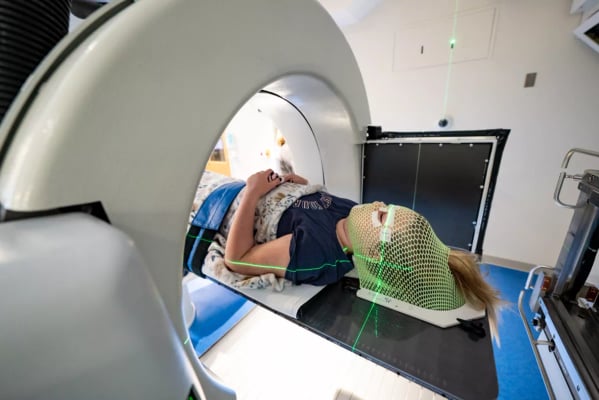
- Positioning and Immobilization: During each session, doctors place the patient in a stable position to ensure accuracy. They may use custom masks, cushions, or body molds depending on the treatment area.
- Delivering Proton Beams: The machine directs proton beams toward the tumor from multiple angles. Doctors adjust the beam intensity and depth to match the tumor's shape. The treatment is painless and usually lasts 20 to 30 minutes.
- Daily Treatment Sessions: Most patients receive proton therapy over several sessions, known as "fractions." The number of sessions depends on the cancer type, size, and location.
- Post-Treatment Monitoring: After each session, patients return home the same day. Doctors monitor progress through weekly evaluations and schedule follow-up imaging after the full course of treatment ends.
What Are the Types of Proton Therapy?
Doctors use different techniques in proton therapy to match the tumor's size, shape, and location. Each method delivers protons in a slightly different way, but all aim to provide high precision and strong cancer control.
- Passive Scattering Proton Therapy: This method spreads the proton beam to cover the tumor's shape. Doctors use custom devices to shape and broaden the beam before it reaches the tumor. Passive scattering works well for simple or uniform tumors.
- Pencil Beam Scanning (PBS): PBS delivers protons in a thin, narrow beam that scans the tumor spot by spot. This technique allows doctors to shape the radiation field more precisely and reduce exposure to healthy tissues.
- Intensity-Modulated Proton Therapy (IMPT): IMPT is one of the most advanced forms of proton therapy. It uses pencil beam scanning with varying intensities to match the tumor's 3D structure. IMPT works exceptionally well for complex or irregularly shaped tumors located near vital organs.
What Are the Benefits of Proton Therapy?
Proton therapy offers multiple advantages over traditional radiation because it delivers energy directly to the tumor and stops at the exact depth needed. This accuracy reduces unnecessary radiation to healthy tissues and lowers the risk of long-term adverse events.
- Higher Precision and Control: Proton beams release most of their energy inside the tumor and do not pass through the body. This precise control helps protect nearby organs, nerves, and healthy tissues.
- Lower Risk of Side Effects: Because protons avoid unnecessary radiation exposure, patients experience fewer short-term and long-term side effects. This benefit matters most for tumors near the brain, eyes, heart, or spine.
- Better for Children: Children respond very well to proton therapy. It protects growing tissues and reduces the risk of developmental problems, learning difficulties, or hormonal issues later in life.
- Safe for Tumors in Sensitive Areas: Proton therapy works effectively for tumors located close to critical organs where standard radiation may cause severe damage.
- Ability to Deliver Higher Radiation Doses: Doctors can safely deliver higher doses of radiation to the cancer when needed. Higher doses often improve tumor control without increasing side effects.
- Option for Re-Irradiation: Proton therapy is an option for patients who have already received radiation. Protons add minimal extra exposure to healthy tissues, making retreatment safer.
- Better Long-Term Quality of Life: Patients often experience fewer long-term problems with swallowing, memory, vision, or hormonal balance, depending on the treated area. It improves the overall QOL after treatment.
Why Should You Choose India for Proton Therapy?
India offers advanced proton therapy treatment, with experienced specialists, modern technology, and significantly lower costs than in Western countries. International patients choose India because they receive high-quality care backed by strong clinical expertise and comprehensive treatment support.
- Advanced Proton Therapy Centers: India hosts state-of-the-art proton therapy facilities equipped with modern imaging, planning systems, and precise delivery technologies such as Pencil Beam Scanning and IMPT.
- Experienced Radiation Oncologists: Radiation oncologists in India receive extensive training in advanced radiotherapy techniques. They handle complex tumors and follow global treatment standards to ensure accurate therapy delivery.
- Affordable Treatment Compared to Western Countries: Proton therapy costs far less in India, while using the same technology found in leading centers worldwide.
- Multidisciplinary Cancer Care: Patients receive coordinated treatment from specialists in radiation oncology, surgical oncology, medical oncology, imaging, and rehabilitation.
- Comprehensive Support for International Patients: Hospitals offer guidance with medical visas, airport pickup, accommodation options, interpreter support, and follow-up coordination.
- Short Waiting Periods: Patients begin treatment quickly because Indian proton centers operate with shorter queues and flexible scheduling.
What Is the Recovery and Success Rate After Proton Therapy?
Recovery after proton therapy is generally smooth because the treatment delivers minimal radiation to healthy tissues. Patients tolerate the sessions well and resume everyday routines quickly, making proton therapy one of the most comfortable forms of radiation treatment available today.
Recovery After Proton Therapy
Most patients return to day-to-day activities immediately after each session.
- During Treatment: Patients may feel mild fatigue, skin redness, or temporary discomfort depending on the tumor location. These side effects remain manageable and usually settle during treatment.
- After Completing Treatment: Energy levels improve within a few days or weeks. Most patients continue working, studying, or performing regular tasks throughout the treatment course.
- Long-Term Recovery: Proton therapy reduces the risk of long-term side effects that typically follow standard radiation. This makes it safer for children and for adults with tumors near sensitive organs.
Success Rate of Proton Therapy
Proton therapy shows strong success rates, especially for tumors in delicate or complex areas.
- Pediatric Cancers: Success rates often reach 85% to 95% depending on the cancer type and stage. Proton therapy protects growing tissues and reduces long-term risks.
- Brain and Skull Base Tumors: These tumors respond well with high local control rates ranging from 80% to 95%.
- Head and Neck Cancers: Proton therapy helps preserve swallowing function, speech, and vision while achieving local control rates of 70% to 90%.
- Prostate Cancer: Proton therapy offers excellent tumor control and lowers the risk of urinary or rectal side effects. Success rates often exceed 90% for early-stage disease.
Proton Therapy Cost Comparison by Country
Compare Proton Therapy costs across different countries to make an informed decision about your medical treatment.
| Country | Cost Range (USD) | Potential Savings | Action |
|---|---|---|---|
INIndiaCurrentBest Value | $35,000 - $55,000 | — | Get Quote |
Note: Costs may vary based on hospital choice, room type, additional services, and individual medical requirements. Contact us for a personalized quote.
Leading Hospitals for Proton Therapy in India
Medical Park Bahcelievler Hospital
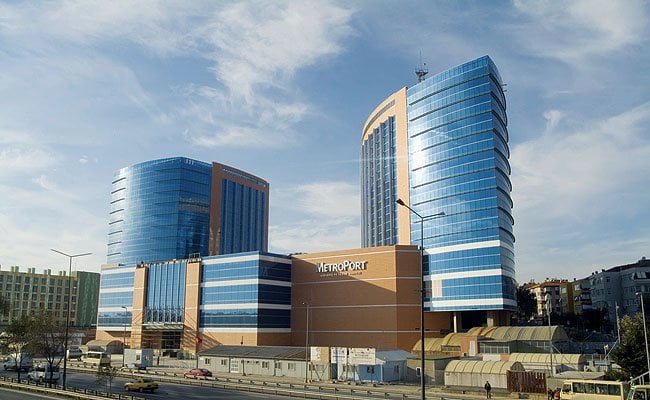
Medical Park Bahcelievler Hospital is a 242-bed JCI-accredited hospital in Istanbul, established in 2007. Spread across 33,000 square meters and 19 fl...
Accreditations
Facilities

Memorial Ankara Hospital
Memorial Ankara Hospital is a JCI-accredited private hospital in Turkey, with more than 230 beds and 60 intensive care units. Spread across 42,000 squ...
Accreditations
Facilities
Ganzouri Specialized Hospital, Cairo
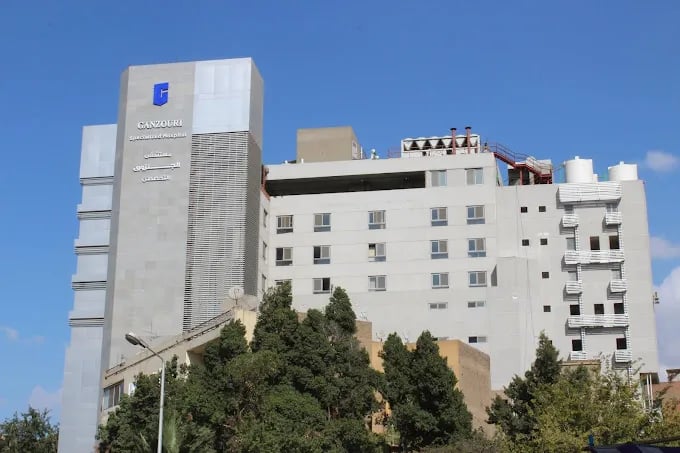
Ganzouri Specialized Hospital is a 180-bed multi-specialty hospital in Cairo, Egypt, established in 1971. It offers more than 20 specialties, includin...
Facilities
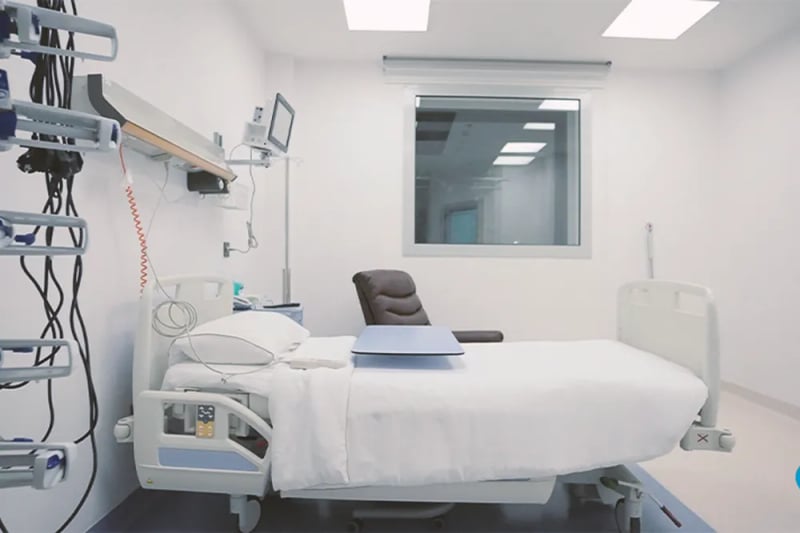
Saudi German Hospital, Cairo
Saudi German Hospital, Cairo, is a multi-specialty hospital located in Cairo and part of the Saudi German Hospitals Group. Established in 2016, it has...
Accreditations
Facilities
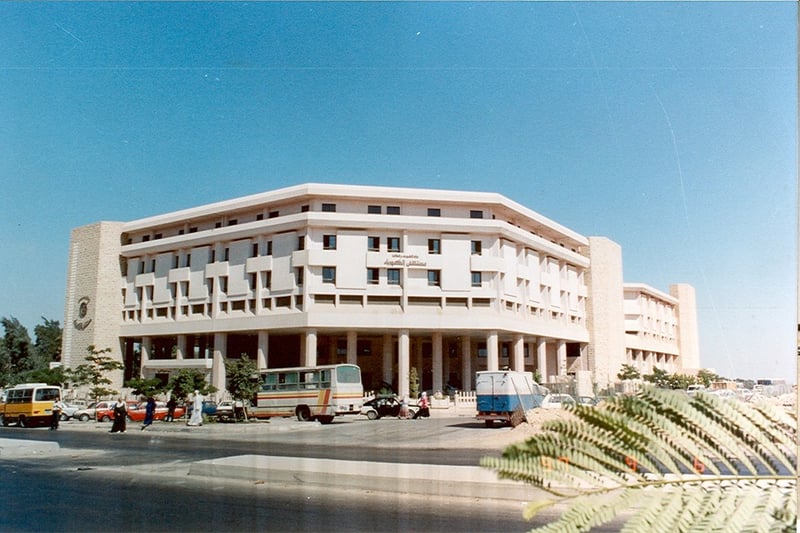
Arab Contractors Medical Centre, Cairo
Arab Contractors Medical Centre is a 420-bed hospital in Cairo, Egypt, established in 1981. It offers multi-specialty care, including cardiology, neur...
Accreditations

Facilities
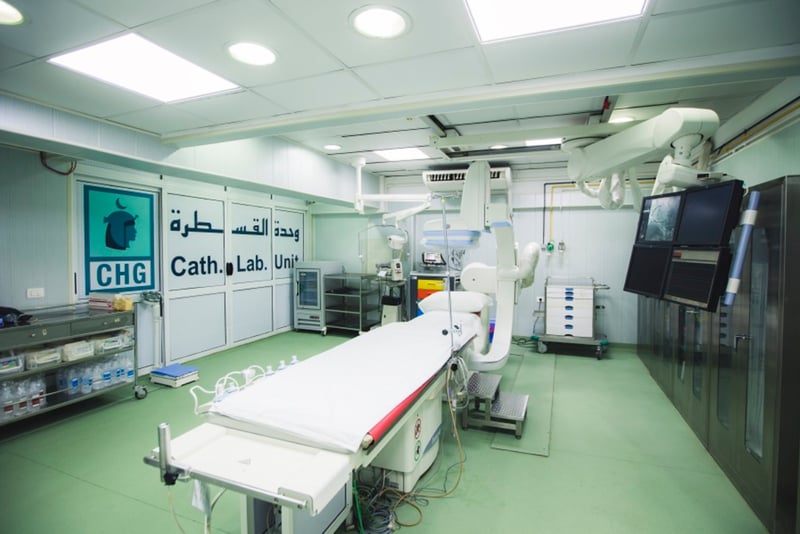
Cleopatra Hospital, Cairo
Cleopatra Hospital is a 356-bed private hospital in Cairo, Egypt, established in 1984 and part of the Cleopatra Hospitals Group. It offers more than 4...
Facilities
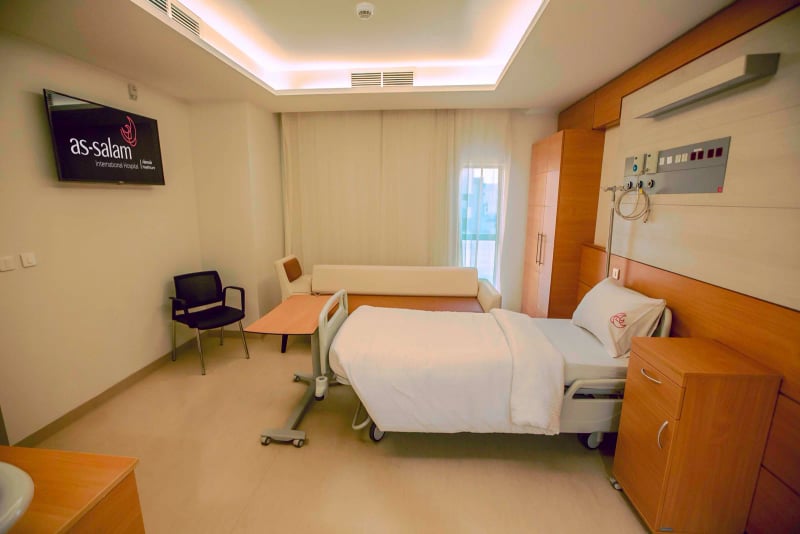
As-Salam International Hospital, Cairo
As-Salam International Hospital is a 300+ bed JCI-accredited hospital in Cairo, Egypt. It offers advanced care in cardiology, oncology, neurology, ort...
Accreditations
Facilities
Piyavate Hospital
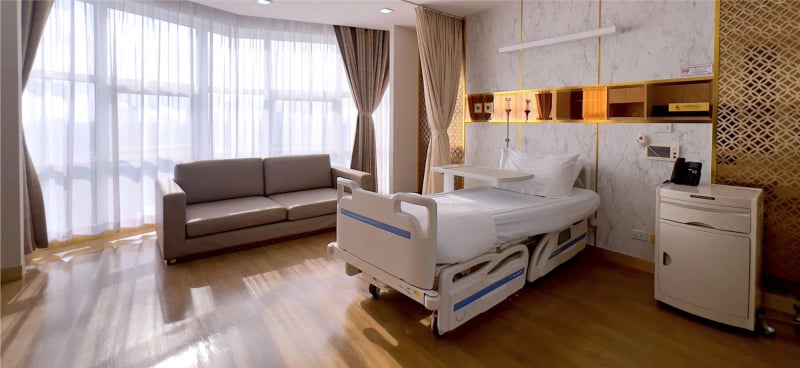
Piyavate Hospital is a 150-bed private hospital in central Bangkok, established in 1993. The hospital provides care in cardiology, neurology, orthoped...
Accreditations

Facilities
Phyathai 2 International Hospital
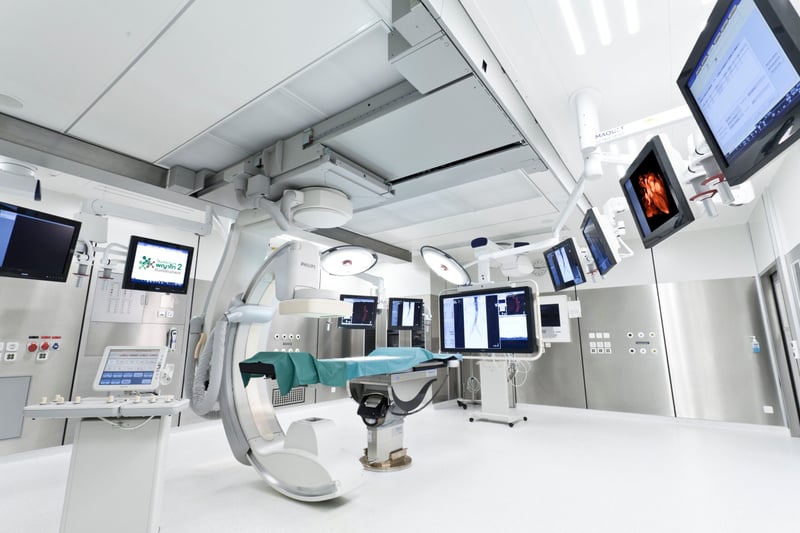
Phyathai 2 International Hospital is a JCI-accredited tertiary care hospital in Bangkok, Thailand, established in 1987. The hospital operates 550 inpa...
Accreditations
Facilities
Bangpakok 9 International Hospital
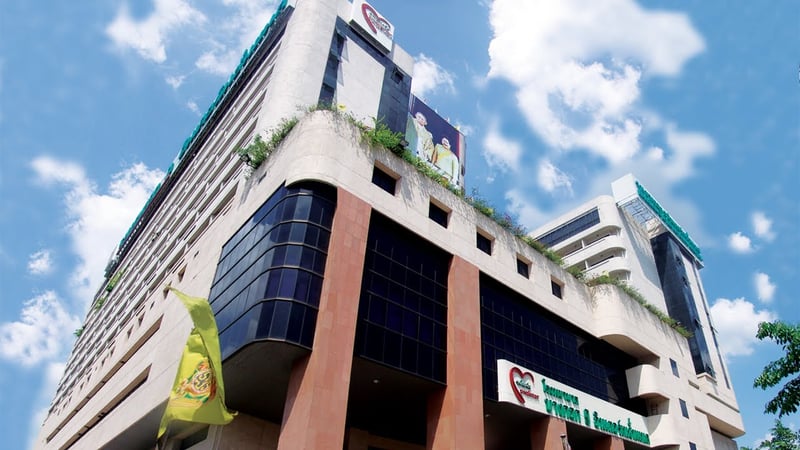
Bangpakok 9 International Hospital is a JCI-accredited tertiary care hospital in Bangkok, Thailand, established in 2003. Operating under the BPK Hospi...
Accreditations
Facilities
Similar Procedures
Gallery
FAQ


Our website uses cookies. By clicking on accept you give your consent to the use of cookies as per our Privacy Policy.