
ការព្យាបាលជំងឺមហារីកមាត់ស្បូន តម្លៃក្នុង ប្រទេសឥណ្ឌា
អមបី ការព្យាបាលជំងឺមហារីកមាត់ស្បូន
មហារីកមាត់ស្បូនកើតឡើងនៅពេលដែលកោសិកាមិនធម្មតាលូតលាស់នៅក្នុងមាត់ស្បូនដែលជាផ្នែកខាងក្រោមនៃស្បូន។ ជំងឺនេះប៉ះពាល់ដល់ស្ត្រីរាប់រយពាន់នាក់នៅជុំវិញពិភពលោកជារៀងរាល់ឆ្នាំ ហើយនៅតែជាទម្រង់មួយនៃជំងឺមហារីកដែលអាចការពារបានបំផុត។
ច្រើនជាងស្ត្រី 600.000 នាក់។ទទួលការធ្វើរោគវិនិច្ឆ័យជំងឺមហារីកមាត់ស្បូនជារៀងរាល់ឆ្នាំ និងលើសពីនេះ។៨៥% នៃករណីកើតឡើងនៅក្នុងប្រទេសដែលមានចំណូលទាប និងមធ្យម។ ការរកឃើញទាន់ពេលតាមរយៈការពិនិត្យទៀងទាត់ជួយសង្រ្គោះជីវិត ប៉ុន្តែស្ត្រីជាច្រើននៅតែទៅដល់មណ្ឌលព្យាបាលដែលមានជំងឺដំណាក់កាលកម្រិតខ្ពស់ ដោយសារពួកគេខកខានសញ្ញាព្រមានជាមុន។
តើមហារីកមាត់ស្បូនជាអ្វី?
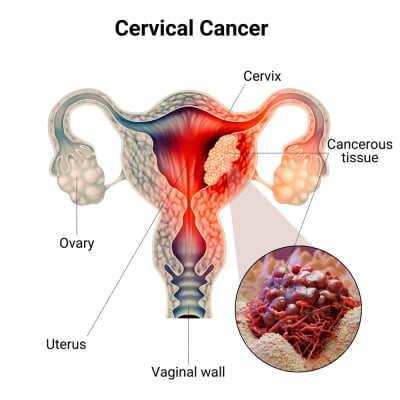
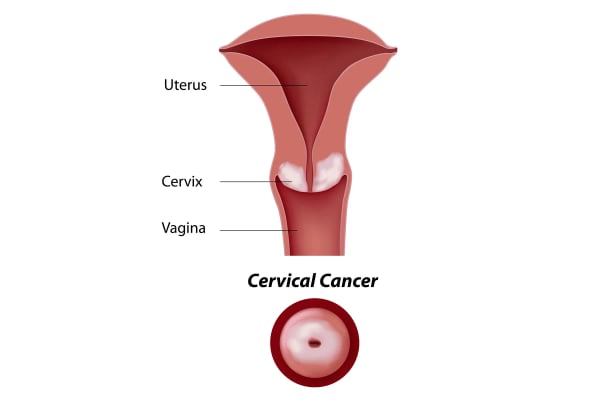
មហារីកមាត់ស្បូន គឺជាជំងឺរ៉ាំរ៉ៃដែលចាប់ផ្តើមនៅពេលដែលកោសិកានៅក្នុងមាត់ស្បូនចាប់ផ្តើមលូតលាស់តាមរបៀបដែលមិនអាចគ្រប់គ្រងបាន។ មាត់ស្បូនស្ថិតនៅផ្នែកខាងក្រោមនៃស្បូន ហើយភ្ជាប់វាទៅនឹងទ្វាមាស។ នៅពេលដែលកោសិកាទាំងនេះផ្លាស់ប្តូរ ឬផ្លាស់ប្តូរ ពួកវាអាចបង្កើតជាដុំសាច់ដែលលូតលាស់យឺតនៅពេលដំបូង ហើយបន្ទាប់មករីករាលដាល ប្រសិនបើវាមិនត្រូវបានគេព្យាបាលទាន់ពេលវេលា។
ករណីមហារីកមាត់ស្បូនភាគច្រើនវិវឌ្ឍន៍ដោយសារការឆ្លងមេរោគមេរោគ Human Papillomavirus (HPV). មេរោគនេះឆ្លងតាមរយៈការប៉ះពាល់ស្បែកពេលមានសកម្មភាពផ្លូវភេទ។ ស្ត្រីជាច្រើនមានផ្ទុកមេរោគ HPV នៅចំណុចខ្លះក្នុងជីវិតរបស់ពួកគេ ប៉ុន្តែមានតែភាគរយតូចមួយប៉ុណ្ណោះដែលវិវត្តទៅជាជំងឺមហារីក។ ការពិនិត្យជាទៀងទាត់ជួយឱ្យគ្រូពេទ្យរកឃើញការផ្លាស់ប្តូរកោសិកាដំបូងជាយូរមុនពេលវាក្លាយជាគ្រោះថ្នាក់។
វេជ្ជបណ្ឌិតបែងចែកមហារីកមាត់ស្បូនជាពីរប្រភេទធំៗ។
- មហារីកកោសិកា Squamousដុះលើផ្ទៃខាងក្រៅនៃមាត់ស្បូន ហើយលេចឡើងក្នុងករណីភាគច្រើន។
- Adenocarcinomaជាធម្មតាចាប់ផ្តើមជ្រៅនៅក្នុងមាត់ស្បូន នៅក្នុងកោសិកាក្រពេញ និងបង្ហាញអាកប្បកិរិយាខុសគ្នាបន្តិច។
ជំងឺមហារីកទាំងនេះច្រើនតែវិវត្តន៍យឺតៗក្នុងរយៈពេលជាច្រើនឆ្នាំ ដែលផ្តល់ឱ្យស្ត្រីនូវពេលវេលាគ្រប់គ្រាន់ដើម្បីស្វែងរកភាពមិនធម្មតាតាមរយៈការពិនិត្យ និងព្យាបាលពួកគេឱ្យទាន់ពេលវេលាដោយជោគជ័យខ្ពស់។
តើរោគសញ្ញានៃជំងឺមហារីកមាត់ស្បូនមានអ្វីខ្លះ?
មហារីកមាត់ស្បូនជារឿយៗវិវត្តន៍យឺតៗ ហើយស្ត្រីជាច្រើនមិនកត់សំគាល់រោគសញ្ញានៅដំណាក់កាលដំបូងឡើយ។ ការពិនិត្យមុននៅតែជាមធ្យោបាយដ៏មានប្រសិទ្ធភាពបំផុតក្នុងការរកឃើញជំងឺមុនពេលវាក្លាយជាធ្ងន់ធ្ងរ។
ស្ត្រីអាចមានសញ្ញាមួយឬច្រើនដូចខាងក្រោម៖
- ការហូរឈាមតាមទ្វារមាសមិនធម្មតា ជាពិសេសក្រោយពេលរួមភេទ ឬអំឡុងពេលមករដូវ
- ការហូរឈាមក្រោយអស់រដូវ
- ទឹករំអិលទ្វារមាសមើលទៅមានជាតិទឹក ឬមានក្លិនមិនល្អ
- ឈឺអាងត្រគាក ឬមិនស្រួល
- ឈឺចាប់អំឡុងពេលរួមភេទ
រោគសញ្ញាទាំងនេះមិនតែងតែមានន័យថាជាមហារីកនោះទេ ប៉ុន្តែពួកគេត្រូវការការវាយតម្លៃផ្នែកវេជ្ជសាស្ត្រ។
តើវេជ្ជបណ្ឌិតកំណត់រោគមហារីកមាត់ស្បូនដោយរបៀបណា?
វេជ្ជបណ្ឌិតប្រើការធ្វើតេស្តសាមញ្ញ និងមានប្រសិទ្ធភាពជាច្រើន ដើម្បីរកមើលការផ្លាស់ប្តូរកោសិកា និងបញ្ជាក់ពីវត្តមាននៃជំងឺមហារីក។
- ការធ្វើតេស្ត Pap៖វេជ្ជបណ្ឌិតប្រមូលគំរូកោសិកាតូចមួយពីមាត់ស្បូន ហើយពិនិត្យមើលពួកវាសម្រាប់ភាពមិនប្រក្រតីណាមួយ។
- តេស្ត HPV៖ការធ្វើតេស្តនេះកំណត់ប្រភេទ HPV ហានិភ័យខ្ពស់ដែលបង្កើនឱកាសនៃការវិវត្តទៅជាមហារីកមាត់ស្បូន។
- Colposcopy៖វេជ្ជបណ្ឌិតពិនិត្យមាត់ស្បូនយ៉ាងដិតដល់ដោយប្រើឧបករណ៍ពង្រីកពិសេស នៅពេលដែលលទ្ធផលតេស្ត Pap ឬ HPV បង្ហាញភាពមិនធម្មតា។
- ការធ្វើកោសល្យវិច័យ៖គ្រូពេទ្យជំនាញខាងជំងឺមហារីកយកដុំតូចមួយនៃជាលិកាមាត់ស្បូនចេញ ហើយសិក្សាវានៅក្រោមមីក្រូទស្សន៍ដើម្បីបញ្ជាក់អំពីជំងឺមហារីក។
- ការធ្វើតេស្តរូបភាព៖ការធ្វើតេស្តដូចជាអ៊ុលត្រាសោន ស្កេន CT ថត MRI ឬ PET-CT ជួយឱ្យគ្រូពេទ្យយល់ពីដំណាក់កាលនៃជំងឺ និងរៀបចំផែនការព្យាបាល។
ជំហានរោគវិនិច្ឆ័យទាំងនេះអាចឱ្យវេជ្ជបណ្ឌិតកំណត់ប្រភេទ ដំណាក់កាល និងការរីករាលដាលនៃជំងឺមហារីកមាត់ស្បូន ដែលជួយពួកគេជ្រើសរើសវិធីព្យាបាលដែលមានប្រសិទ្ធភាពបំផុត។
តើអ្វីទៅជាជម្រើសនៃការព្យាបាលចុងក្រោយបំផុតសម្រាប់ជំងឺមហារីកមាត់ស្បូន?
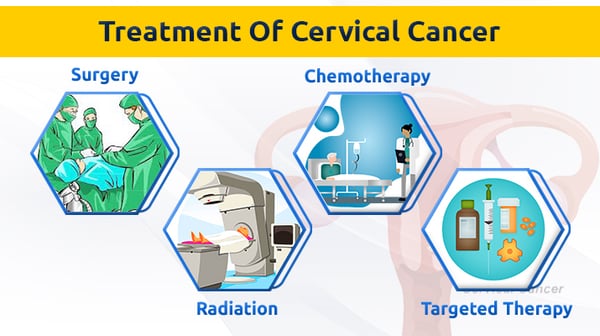
វេជ្ជបណ្ឌិតជ្រើសរើសផែនការព្យាបាលសម្រាប់ជំងឺមហារីកមាត់ស្បូនដោយផ្អែកលើដំណាក់កាលមហារីក ទំហំដុំសាច់ និងសុខភាពទូទៅរបស់ស្ត្រី។ ជំងឺមហារីកសម័យទំនើបផ្តល់នូវជម្រើសដ៏មានប្រសិទ្ធភាពជាច្រើនដែលព្យាបាលជំងឺ និងជួយស្ត្រីឱ្យត្រឡប់ទៅជីវិតប្រចាំថ្ងៃឱ្យបានឆាប់តាមដែលអាចធ្វើទៅបាន។
ការវះកាត់
វេជ្ជបណ្ឌិតប្រើការវះកាត់នៅពេលដែលមហារីកនៅមានកម្រិតនៅមាត់ស្បូន ឬតំបន់ក្បែរនោះ។ ជម្រើសស្តង់ដារនៃការវះកាត់រួមមាន:
- ការបង្រួបបង្រួម៖វេជ្ជបណ្ឌិតដកផ្នែករាងកោណតូចមួយនៃជាលិកាមិនធម្មតា។
- ការកាត់ស្បូន៖គ្រូពេទ្យវះកាត់យកស្បូន និងមាត់ស្បូនចេញ។ វាអាចមានលក្ខណៈសាមញ្ញ ឬរ៉ាឌីកាល់ អាស្រ័យលើទំហំនៃការរីករាលដាលនៃជំងឺមហារីក។
- ការឆ្លុះអេកូ៖វេជ្ជបណ្ឌិតវះកាត់យកមាត់ស្បូនចេញ ប៉ុន្តែរក្សាស្បូនសម្រាប់ស្ត្រីវ័យក្មេងដែលចង់រក្សាការមានកូន។
ការព្យាបាលដោយកាំរស្មី
វិទ្យុសកម្មប្រើកាំរស្មីថាមពលខ្លាំងដើម្បីបំផ្លាញកោសិកាមហារីក។ វេជ្ជបណ្ឌិតផ្តល់វាដូចជា៖
- ការព្យាបាលដោយកាំរស្មីខាងក្រៅ (EBRT)
- Brachytherapy ដែលវេជ្ជបណ្ឌិតដាក់ប្រភពវិទ្យុសកម្មនៅជិតដុំសាច់
វេជ្ជបណ្ឌិតជារឿយៗរួមបញ្ចូលគ្នានូវវិទ្យុសកម្មជាមួយនឹងការព្យាបាលដោយគីមីសម្រាប់ការគ្រប់គ្រងកាន់តែប្រសើរ។
ការព្យាបាលដោយប្រើគីមី
ការព្យាបាលដោយប្រើគីមីប្រើឱសថប្រឆាំងមហារីកដែលចរាចរតាមរាងកាយ។ វេជ្ជបណ្ឌិតប្រើវាដើម្បី៖
- ពង្រឹងឥទ្ធិពលនៃវិទ្យុសកម្ម។
- ព្យាបាលមហារីកកម្រិតខ្ពស់ ឬរាលដាល។
- បង្រួមដុំសាច់មុនពេលព្យាបាលផ្សេងទៀត។
គីមីវិទ្យា
វិធីសាស្រ្តនេះរួមបញ្ចូលគ្នានូវការព្យាបាលដោយគីមី និងវិទ្យុសកម្មក្នុងពេលតែមួយ។ វាដំណើរការជាការព្យាបាលស្តង់ដារសម្រាប់ជំងឺមហារីកមាត់ស្បូនកម្រិតខ្ពស់ក្នុងមូលដ្ឋាន ពីព្រោះការព្យាបាលទាំងពីរគាំទ្រគ្នាទៅវិញទៅមក។
ការព្យាបាលគោលដៅ និងការព្យាបាលដោយភាពស៊ាំ
វេជ្ជបណ្ឌិតប្រើវិធីព្យាបាលកម្រិតខ្ពស់សម្រាប់ស្ត្រីដែលមានជំងឺកើតឡើងវិញ ឬដំណាក់កាលចុងក្រោយ។ ថាំពទ្យទាំងនេះមានគោលដៅលើផ្លូវមហារីកជាក់លាក់ ឬបង្កើនសមត្ថភាពរបស់ប្រព័ន្ធភាពស៊ាំក្នុងការប្រយុទ្ធប្រឆាំងនឹងកោសិកាមហារីកកាន់តែមានប្រសិទ្ធភាព។
តើការព្យាបាលនីមួយៗត្រូវបានណែនាំនៅពេលណា?
វេជ្ជបណ្ឌិតជ្រើសរើសវិធីព្យាបាលដោយផ្អែកលើដំណាក់កាលមហារីក ទំហំដុំសាច់ អាយុរបស់អ្នកជំងឺ ចំណូលចិត្តនៃការមានកូន និងស្ថានភាពសុខភាពទូទៅ។ វិធីសាស្រ្តនីមួយៗមានតួនាទីជាក់លាក់នៅដំណាក់កាលផ្សេងៗគ្នានៃជំងឺមហារីកមាត់ស្បូន។
- មហារីកមាត់ស្បូនដំណាក់កាលដំបូង (ដំណាក់កាលទី I)៖វេជ្ជបណ្ឌិតជាធម្មតាណែនាំអោយធ្វើការវះកាត់នៅពេលដែលមហារីកនៅតូច ហើយមានកំណត់ត្រឹមមាត់ស្បូន។ ជម្រើសស្ដង់ដាររួមមានការបង្រួបបង្រួម, trachelectomy, ឬ hysterectomy ។ ស្ត្រីវ័យក្មេងដែលចង់រក្សាការមានកូនអាចជ្រើសរើសការធ្វើការវះកាត់ trachelectomy ។
- មហារីកមាត់ស្បូនកម្រិតខ្ពស់ក្នុងតំបន់ (ដំណាក់កាលទី II-III)៖នៅដំណាក់កាលនេះ មហារីករីករាលដាលហួសពីមាត់ស្បូន ប៉ុន្តែមិនទៅដល់សរីរាង្គឆ្ងាយទេ។ វេជ្ជបណ្ឌិតជាធម្មតាចូលចិត្ត chemoradiation ពីព្រោះការរួមបញ្ចូលគ្នានេះមានប្រសិទ្ធភាពជាងការព្យាបាលតែមួយមុខ។
- មហារីកមាត់ស្បូនកម្រិតខ្ពស់ ឬរាលដាល (ដំណាក់កាលទី IV):វេជ្ជបណ្ឌិតផ្តោតលើការគ្រប់គ្រងជំងឺនេះ សម្រាលរោគសញ្ញា និងការកែលម្អគុណភាពនៃជីវិត។ ជាធម្មតា ពួកគេណែនាំការព្យាបាលដោយប្រើគីមី ការព្យាបាលតាមគោលដៅ ការព្យាបាលដោយភាពស៊ាំ ឬការរួមបញ្ចូលគ្នានៃការព្យាបាលទាំងនេះ។
- មហារីកមាត់ស្បូនកើតឡើងវិញ៖ប្រសិនបើមហារីកត្រឡប់មកវិញបន្ទាប់ពីការព្យាបាលដំបូង វេជ្ជបណ្ឌិតប្រើជម្រើសដែលសមស្របបំផុតដោយផ្អែកលើការព្យាបាលពីមុន និងការរីករាលដាលនាពេលបច្ចុប្បន្ន។ ពួកគេអាចណែនាំពីការវះកាត់ វិទ្យុសកម្ម ឱសថគោលដៅ ឬការព្យាបាលដោយភាពស៊ាំ។
- នៅពេលដែលការវះកាត់មិនអាចទៅរួច៖វេជ្ជបណ្ឌិតជ្រើសរើសការថតកាំរស្មី ឬគីមីសាស្ត្រ ប្រសិនបើការវះកាត់មិនអាចយកដុំសាច់ចេញដោយសុវត្ថិភាព ឬប្រសិនបើអ្នកជំងឺមានលក្ខខណ្ឌវេជ្ជសាស្ត្រដែលមិនគាំទ្រការប្រើថ្នាំសន្លប់ ឬការវះកាត់ធំ។
ទទួលបានផែនការព្យាបាលដោយឥតគិតថ្លៃ
អំពី ការព្យាបាលជំងឺមហារីកមាត់ស្បូន ក្នុង ប្រទេសឥណ្ឌា
How Much Does Cervical Cancer Treatment Cost in India?
The cost of cervical cancer treatment in India usually ranges between $2,500 and $7,500 (approximately ₹2 lakh to ₹6.2 lakh). The final estimate depends on the cancer stage, treatment method, hospital category, and the number of therapy sessions required.
Doctors design each treatment plan individually, so the cost varies from one patient to another. Early-stage cancer often requires surgery, while advanced stages may involve chemoradiation, targeted therapy, or immunotherapy. These differences influence the total expenditure.
Below is a general breakdown of treatment costs to help patients understand the approximate budget.
Treatment Type | Average Cost (USD) | Approx. Cost (INR) |
| Conization / LEEP | $800 – $1,500 | ₹65,000 – ₹1.2 lakh |
| Hysterectomy (Simple) | $1,800 – $2,500 | ₹1.5 – ₹2.1 lakh |
| Radical Hysterectomy | $2,500 – $4,000 | ₹2.1 – ₹3.3 lakh |
| Chemotherapy (per cycle) | $180 – $330 | ₹15,000 – ₹28,000 |
| External Radiation Therapy (full course) | $1,800 – $3,000 | ₹1.5 – ₹2.5 lakh |
| Brachytherapy | $800 – $1,500 | ₹65,000 – ₹1.2 lakh |
| Targeted Therapy (per month) | $1,000 – $2,000 | ₹85,000 – ₹1.7 lakh |
| Immunotherapy (per cycle) | $1,800 – $3,000 | ₹1.5 – ₹2.5 lakh |
- Early-stage cases often cost less because they require shorter treatment.
- Advanced cervical cancer requires multiple therapies, which raises total costs.
- Hospital category, doctor expertise, and diagnostic needs also affect pricing.
What Does the Cost Include and Exclude?
Cervical cancer treatment involves several steps, and the total cost depends on what the hospital includes in the treatment package. Understanding these details helps patients plan their medical travel and avoid unexpected expenses.
What the Cost Includes
- Doctor consultations and treatment planning
- Surgery charges or radiation therapy delivery
- Nursing care and hospital stay during treatment
- Routine blood tests and basic imaging
- Medicines used during hospitalization
- Follow-up consultations during the same admission period
What the Cost Excludes
- Advanced imaging such as MRI, PET-CT, or CT scans
- Biopsy, HPV testing, and other diagnostic procedures before admission
- Targeted therapy and immunotherapy medicines
- Extra hospital stay due to complications
- Travel, visa, airport transfers, and accommodation
- Follow-up visits after the patient returns home
Tip for International Patients: Request a detailed cost estimate before finalizing treatment. It helps you compare packages across hospitals and plan your stay without confusion.
What Is the Cost of Cervical Cancer Treatment in Different Indian Cities?
The cost of cervical cancer treatment varies from one Indian city to another. Hospitals in metro cities may charge more because they use advanced technology and offer specialized oncology services.
The table below gives a general idea of the average cost range across major cities.
City | Average Cost (USD) | Approx. Cost (INR) |
| New Delhi | $2,800 – $7,000 | ₹2.3 – ₹5.8 lakh |
| Mumbai | $3,000 – $7,500 | ₹2.5 – ₹6.2 lakh |
| Bangalore | $2,700 – $6,800 | ₹2.2 – ₹5.6 lakh |
| Chennai | $2,600 – $6,500 | ₹2.1 – ₹5.4 lakh |
| Hyderabad | $2,700 – $6,700 | ₹2.2 – ₹5.5 lakh |
- Delhi and Mumbai have advanced cancer centers and broader access to targeted therapy options.
- Chennai and Hyderabad offer competitive pricing with strong radiation oncology programs.
- Bangalore attracts many international patients because of its modern infrastructure and efficient treatment coordination.
What Factors Affect the Cost of Cervical Cancer Treatment in India?
Several medical and non-medical factors influence the total cost of cervical cancer treatment in India. Each patient receives a personalized plan, allowing the budget to adjust according to the stage of cancer and the therapies required.
- Stage of Cancer: Early-stage cancer usually needs surgery or limited therapy, while advanced cancer requires chemoradiation or targeted drugs, which increases the cost.
- Type of Treatment: The cost varies depending on whether patients receive surgery, radiation, chemotherapy, or a combination of these treatments. Targeted therapy and immunotherapy are more expensive because they utilize advanced medicines.
- Number of Therapy Sessions: Chemotherapy cycles, radiation sessions, and brachytherapy insertions add to the total expense. More sessions mean a higher overall cost.
- Hospital Category: Premium and internationally accredited hospitals charge more because they use modern technology, advanced radiation systems, and specialized oncology teams.
- Doctor's Expertise: Gynecologic oncologists and radiation specialists with years of experience may charge higher fees, but their expertise helps improve treatment outcomes.
- Diagnostic Requirements: PET-CT scans, MRI studies, biopsies, and molecular tests contribute to the cost, especially in advanced cases.
- Additional Medical Needs: Patients who require blood transfusions, intensive care, or prolonged hospital stays may incur additional costs during treatment.
How Does the Cost in India Compare With Other Countries?
Cervical cancer treatment costs in India remain far more affordable than in many Western and Middle Eastern countries. Hospitals in India offer modern oncology services at a fraction of the global price, utilizing advanced equipment and internationally accepted treatment protocols.
Below is a simple comparison of average treatment costs across popular medical destinations:
Country | Average Cost (USD) |
| United States | $18,000 – $28,000 |
| United Kingdom | $15,000 – $25,000 |
| UAE | $10,000 – $18,000 |
| Singapore | $12,000 – $20,000 |
| India | $2,500 – $7,500 |
Patients save 60% to 80% when they choose India for cervical cancer treatment, without compromising on medical technology or specialist expertise.
Why Should You Choose India for Cervical Cancer Treatment?
India offers a potent combination of advanced oncology care, skilled specialists, and affordable treatment options. Women from many countries travel to India because they receive modern cancer treatment without long waiting times or high medical expenses.
- Advanced Oncology Infrastructure: Indian hospitals use modern diagnostic tools, high-precision radiation equipment, and updated surgical techniques. It gives patients access to accurate staging and effective treatment planning.
- Experienced Gynecologic Oncologists: India has specialists who treat cervical cancer regularly and follow global guidelines. Many doctors train at international centers and handle complex cases with confidence.
- Affordable Treatment Packages: India offers high-quality cancer care at significantly lower costs compared to Western and Middle Eastern countries. Patients receive modern therapies while paying a fraction of the global price.
- Internationally Accredited Hospitals: Many cancer centers in India hold NABH or JCI accreditation. These hospitals adhere to strict safety protocols, maintain clean facilities, and provide reliable treatment standards.
- Access to Radiation, Chemoradiation, and Targeted Therapy: India offers a comprehensive range of cervical cancer treatments, including external beam radiation, brachytherapy, chemotherapy, and advanced targeted therapies when needed.
- Short Waiting Times: Patients can start treatment quickly. It matters for cervical cancer because early treatment improves outcomes and prevents disease progression.
- Support for International Patients: Hospitals assist with medical visa letters, airport pickup, translation services, and guidance on accommodations. This support makes the treatment journey smooth and stress-free.
What Is the Recovery and Success Rate After Cervical Cancer Treatment?
Recovery from cervical cancer treatment depends on the stage of the disease and the type of therapy the patient receives. Doctors aim to remove or control the cancer while helping women return to daily life as soon as they feel comfortable.
- Recovery After Surgery: Women usually stay in the hospital for a few days after a hysterectomy or trachelectomy. Most women return to their routine in 4 to 6 weeks. Energy levels improve steadily, and light activities can start earlier, as advised by the doctor.
- Recovery After Radiation and Chemoradiation: Radiation and chemoradiation treatments typically span several weeks. Women may experience fatigue, mild skin changes, or pelvic discomfort during therapy. Most women begin to feel stronger within 2 to 4 weeks after completing treatment.
- Recovery After Chemotherapy: Chemotherapy affects the entire body, so recovery time depends on the number of chemotherapy cycles. Many women experience fatigue for a few days after each cycle and recover gradually between cycles. Doctors monitor blood counts and overall health to support smooth recovery.
Success Rate of Cervical Cancer Treatment
Cervical cancer responds well to treatment, especially when doctors detect it early.
- Early-Stage Cervical Cancer: Success rates often range from 85% to 95% because surgery or chemoradiation removes the disease effectively.
- Locally Advanced Cancer: Combined chemoradiation offers strong control, with success rates ranging from 65% to 75%.
- Advanced or Metastatic Cancer: Targeted therapy, immunotherapy, and palliative chemotherapy help manage symptoms and improve survival, with success depending on response to treatment.
Key Factors That Improve Outcomes
- Early diagnosis through regular Pap tests and HPV screening
- Timely treatment at a specialized cancer center
- Personalized treatment plans
- Close follow-up after therapy
Most women who receive appropriate treatment at the right time recover well and enjoy a good quality of life.
ការព្យាបាលជំងឺមហារីកមាត់ស្បូន ការប្រៀបធៀបតម្លៃតាមប្រទេស
ប្រៀបធៀបការចំណាយ ការព្យាបាលជំងឺមហារីកមាត់ស្បូន នៅទូទាំងប្រទេសផ្សេងៗដើម្បីធ្វើការសម្រេចចិត្តប្រកបដោយព័ត៌មានអំពីការព្យាបាលវេជ្ជសាស្រ្តរបស់អ្នក។
| រសុករេស | ជួរចំណាយ (ដុល្លារអាមេរិក) | ការសន្សំសក្តានុពល | កិច្ច |
|---|---|---|---|
ប្រទេសឥណ្ឌាថ្ផី currentតម្លៃដ៏ល្អបំផុត | $2,500 - $7,500 | — | ទទួលបានការដកស្រង់ |
សម្គាល់ៈ ការចំណាយអាចខុសគ្នាអាស្រ័យលើជម្រើសមន្ទីរពេទ្យប្រភេទរបៀបសេវាកម្មបន្ថែមនិងតម្រូវការផ្នែកវេជ្ជសាស្រ្តនីមួយៗ។
មន្ទីរពេទ្យឈានមុខគេសម្រាប់ ការព្យាបាលជំងឺមហារីកមាត់ស្បូន ក្នុង ប្រទេសឥណ្ឌា

ឧទ្យានវេជ្ជសាស្ត្រ Bahcelievler មន្ទីរពេទ្យ
Medical Park Bahcelievler Hospital គឺជាមន្ទីរពេទ្យដែលមានការទទួលស្គាល់ពី JCI ដែលមានគ្រែ 242 នៅទីក្រុងអ៊ីស្តង់ប៊ុល ដែលបានបង្កើតឡើងក្នុងឆ្នាំ 2007។ លាតសន...
ការទទួលស្គាល់

មធ្យោបាយបរិក្ខារ

មន្ទីរពេទ្យ Hisar Intercontinental ទីក្រុងអ៊ីស្តង់ប៊ុល។
មន្ទីរពេទ្យ Hisar Intercontinental ក្នុងទីក្រុងអ៊ីស្តង់ប៊ុល គឺជាមន្ទីរពេទ្យពហុឯកទេសដែលមានគ្រែចំនួន 212 ដែលត្រូវបានទទួលស្គាល់ដោយ JCI ដែលលាតសន្ធឹងលើផ្ទៃ...
ការទទួលស្គាល់
មធ្យោបាយបរិក្ខារ

មន្ទីរពេទ្យ Medipol Bahçelievler
មន្ទីរពេទ្យ Medipol Bahçelievler គឺជាមន្ទីរពេទ្យឯកជនទំហំ 441 គ្រែក្នុងទីក្រុងអ៊ីស្តង់ប៊ុល ដែលបានចាប់ផ្តើមប្រតិបត្តិការក្នុងខែឧសភា ឆ្នាំ 2022។ គ្របដណ្ត...
ការទទួលស្គាល់
មធ្យោបាយបរិក្ខារ
នីតិវិធីស្រដៀងគ្នា
វិចិរតសាល
សំណួរគេសួរញឹកញាប់
អ្នកវិស្វិក
មើលទាំងអស់
Dr. Priya Tiwari is a renowned medical oncologist trained at the prestigious All India Institute of Medical Sciences (AIIMS). She specializes in comprehensive cancer care and is committed to deliver... អានបន្ថែម

គេហទំព័ររបស់យើងប្រើខូឃីស៍។ គោលការណ៍ភាពឯកជន.