
ឧបករណ៍ជំនួយ Ventricular ខាងឆ្វេង - LVAD តម្លៃក្នុង ប្រទេសឥណ្ឌា
អមបី ឧបករណ៍ជំនួយ Ventricular ខាងឆ្វេង - LVAD
តើឧបករណ៍ជំនួយ ventricular ខាងឆ្វេង (LVAD) ជាអ្វី?
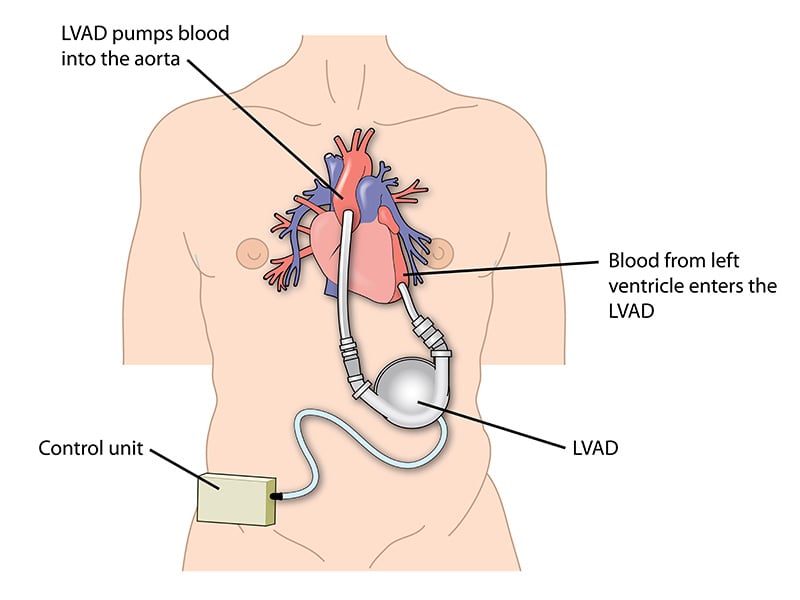
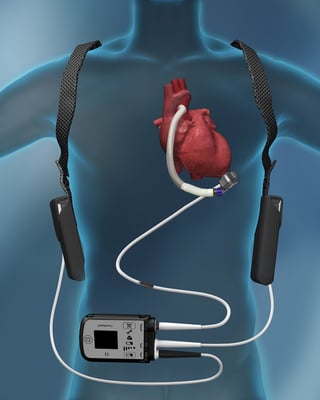
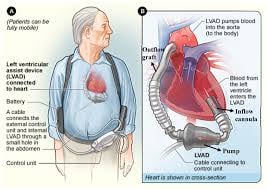
ឧបករណ៍ជំនួយ ventricular ខាងឆ្វេង អក្សរកាត់ថា LVAD គឺជាម៉ាស៊ីនបូមមេកានិកដែលជួយឱ្យ ventricle ខាងឆ្វេង (បន្ទប់បូមសំខាន់របស់បេះដូង) ចរាចរឈាមពាសពេញរាងកាយ។ គ្រូពេទ្យដាក់ឧបករណ៍នៅក្នុងទ្រូងអំឡុងពេលវះកាត់បេះដូង។ នៅពេលដែលនៅនឹងកន្លែង LVAD គ្រប់គ្រងមុខងារបូមរបស់បេះដូង ដោយធានាថាឈាមដែលសំបូរទៅដោយអុកស៊ីហ្សែនបន្តហូរទៅកាន់សរីរាង្គសំខាន់ៗពាសពេញរាងកាយ។
LVADs មានប្រយោជន៍ចំពោះអ្នកជំងឺដែលមានជំងឺខ្សោយបេះដូងកម្រិតខ្ពស់ ជាចម្បងនៅពេលដែលថ្នាំលែងផ្តល់ការធូរស្រាល។ មិនដូចបេះដូងសិប្បនិម្មិតសរុបដែលជំនួសបេះដូងទាំងមូលនោះទេ LVAD ដំណើរការជាមួយបេះដូងដែលមានស្រាប់របស់អ្នកជំងឺ ដោយគាំទ្រមុខងារខ្សោយរបស់វា។
ឧបករណ៍នេះមានធាតុផ្សំសំខាន់ៗជាច្រើន៖
- កបូមដែលត្រូវបានផ្សាំនៅខាងក្នុងទ្រូង និងភ្ជាប់ទៅនឹងបេះដូង។
- កខ្សែ drivelineដែលឆ្លងកាត់ស្បែក និងភ្ជាប់ស្នប់ទៅនឹងឧបករណ៍បញ្ជា។
- កឧបករណ៍បញ្ជាពាក់នៅខាងក្រៅរាងកាយ ដែលផ្តល់ថាមពល និងត្រួតពិនិត្យម៉ាស៊ីនបូម។
- សំណុំនៃថ្មដែលអាចសាកបានឬអង្គភាពថាមពលដែលរក្សាប្រព័ន្ធដំណើរការ 24/7 ។
LVADs បានឆ្លងកាត់ការវិវត្តន៍យ៉ាងសំខាន់ជាច្រើនឆ្នាំមកនេះ។ ម៉ូដែលនាពេលបច្ចុប្បន្ននេះមានទំហំតូចជាង ស្ងាត់ជាង និងមានប្រសិទ្ធភាពជាង។ អ្នកជំងឺអាចរស់នៅក្នុងជីវិតសកម្មជាមួយនឹងការថែទាំត្រឹមត្រូវ ដែលជារឿយៗជួបប្រទះនឹងភាពប្រសើរឡើងនៃរោគសញ្ញា កម្រិតថាមពល និងមុខងារប្រចាំថ្ងៃរបស់ពួកគេ។
ហេតុអ្វីបានជាអ្នកជំងឺត្រូវការ LVAD?
អ្នកជំងឺត្រូវការឧបករណ៍ជំនួយ ventricular ខាងឆ្វេង នៅពេលដែលបេះដូងរបស់ពួកគេមានភាពផុយស្រួយពេកក្នុងការបូមឈាមប្រកបដោយប្រសិទ្ធភាពដោយខ្លួនឯង។ ស្ថានភាពនេះជាធម្មតាកើតឡើងនៅក្នុងជំងឺខ្សោយបេះដូងដំណាក់កាលចុងក្រោយ នៅពេលដែលថ្នាំ និងការព្យាបាលដែលមិនសូវរាតត្បាតលែងគ្រប់គ្រងរោគសញ្ញា ឬការពារការចុះខ្សោយ។
LVAD មិនមែនជាការព្យាបាលដំបូងទេ។ វេជ្ជបណ្ឌិតជាធម្មតាណែនាំវានៅពេលដែលអ្នកជំងឺបានព្យាយាមព្យាបាលជាអតិបរមា (រួមទាំងថ្នាំ ACE inhibitors, beta-blockers, ថ្នាំបញ្ចុះទឹកនោម និងថ្នាំដទៃទៀត) ប៉ុន្តែនៅតែតស៊ូជាមួយនឹងភាពអស់កម្លាំង ដកដង្ហើម រក្សាជាតិទឹក និងទិន្នផលបេះដូងទាប។ ក្នុងករណីបែបនេះ LVAD ផ្តល់ជំនួយមេកានិចដើម្បីស្តារឈាមរត់ និងសម្រាលបន្ទុកលើបេះដូង។
មានសេណារីយ៉ូសំខាន់ៗចំនួនបីដែលវេជ្ជបណ្ឌិតប្រើ LVAD៖
- ស្ពានទៅប្តូរ៖អ្នកជំងឺដែលជាបេក្ខជនសម្រាប់ការប្តូរបេះដូង ប៉ុន្តែត្រូវប្រឈមមុខនឹងការរង់ចាំយូរ ជាញឹកញាប់ទទួលបាន LVAD ដើម្បីធ្វើឱ្យស្ថានភាពរបស់ពួកគេមានស្ថេរភាព និងរក្សាឱ្យពួកគេនៅមានជីវិត និងដំណើរការរហូតដល់បេះដូងរបស់អ្នកបរិច្ចាគមាន។
- ការព្យាបាលតាមគោលដៅ៖អ្នកជំងឺដែលមិនមានសិទ្ធិទទួលការប្តូរបេះដូងដោយសារអាយុ ជំងឺផ្សេងៗ ឬជម្រើសផ្ទាល់ខ្លួនអាចទទួលបាន LVAD ជាដំណោះស្រាយរយៈពេលវែង។ ក្នុងករណីបែបនេះ ឧបករណ៍ដើរតួនាទីជាជម្រើសអចិន្ត្រៃយ៍ចំពោះការប្តូរសរីរាង្គ ដែលជារឿយៗអាចពន្យារអាយុជីវិតបានច្រើនឆ្នាំ។
- ស្ពានទៅកាន់ការងើបឡើងវិញ៖ចំពោះអ្នកជំងឺមួយចំនួន ជាពិសេសអ្នកដែលមានជំងឺខ្សោយបេះដូងបណ្តោះអាសន្នដោយសារតែការឆ្លងជំងឺ myocarditis ឬផលវិបាកក្រោយការវះកាត់ LVAD អាចទ្រទ្រង់បេះដូងបានយូរគ្រប់គ្រាន់ដើម្បីអនុញ្ញាតឱ្យវាងើបឡើងវិញដោយខ្លួនឯង។ នៅពេលដែលបេះដូងទទួលបានកម្លាំងឡើងវិញ គ្រូពេទ្យអាចដកឧបករណ៍នេះចេញ។
វេជ្ជបណ្ឌិតវាយតម្លៃស្ថានភាពសុខភាពរបស់អ្នកជំងឺម្នាក់ៗ ភាពច្របូកច្របល់ មុខងារបេះដូង និងការព្យាករណ៍ជារួម មុនពេលណែនាំការផ្សាំ LVAD ។ ជាមួយនឹងការជ្រើសរើសអ្នកជំងឺឱ្យបានត្រឹមត្រូវ ឧបករណ៍អាចបង្កើនអត្រារស់រានមានជីវិត និងធ្វើឱ្យគុណភាពជីវិតប្រសើរឡើង ផ្តល់ឱ្យអ្នកជំងឺនូវឱកាសទីពីរនៃជីវិត។
តើអ្នកណាជាបេក្ខជនសម្រាប់ LVAD?
អ្នកជំងឺក្លាយជាបេក្ខជនសម្រាប់ការផ្សាំឧបករណ៍ជំនួយ ventricular ខាងឆ្វេង នៅពេលដែលពួកគេទទួលរងពីជំងឺខ្សោយបេះដូងកម្រិតខ្ពស់ដែលមិនអាចគ្រប់គ្រងបានតាមរយៈថ្នាំ ឬការព្យាបាលដោយមិនវះកាត់ផ្សេងទៀត។ វេជ្ជបណ្ឌិតពិចារណាអំពី LVAD សម្រាប់បុគ្គលដែលមុខងារបេះដូងចុះខ្សោយខ្លាំង ហើយអ្នកដែលបន្តមានរោគសញ្ញាចុះខ្សោយ បើទោះបីជាការព្យាបាលដោយវេជ្ជសាស្រ្ដដែលមានប្រសិទ្ធភាពក៏ដោយ។
លក្ខណៈវិនិច្ឆ័យសំខាន់ៗសម្រាប់បេក្ខជន LVAD រួមមាន:
- ជំងឺខ្សោយបេះដូងដំណាក់កាលចុងក្រោយ (NYHA ថ្នាក់ III ឬ IV):ជាធម្មតា បេក្ខជនមាន ជំងឺខ្សោយបេះដូង New York Heart Association Class III ឬ IV ។ វាមានន័យថា ពួកគេមានរោគសញ្ញាដូចជា ដង្ហើមខ្លី អស់កម្លាំង ឬហើម សូម្បីតែពេលសម្រាក ឬសកម្មភាពរាងកាយតិចតួចក៏ដោយ។
- កាត់បន្ថយប្រភាគច្រានចេញ៖ជាធម្មតា អ្នកជំងឺមានប្រភាគនៃការបញ្ចេញខ្យល់ចេញចូលខាងឆ្វេង (LVEF) តិចជាង 25% ដែលបង្ហាញថាបេះដូងបូមឈាមក្នុងបរិមាណតិចតួចជាមួយនឹងចង្វាក់នីមួយៗ។
- មិនឆ្លើយតបនឹងថ្នាំ៖ទោះបីជាបានទទួលថ្នាំព្យាបាលជំងឺខ្សោយបេះដូងដែលដឹកនាំដោយការណែនាំក៏ដោយ ក៏អ្នកជំងឺទាំងនេះនៅតែបន្តចុះខ្សោយ ឬមិនប្រសើរឡើង។
- មានសិទ្ធិសម្រាប់ការប្តូរ (ឬអត់)៖អ្នកទទួល LVAD មួយចំនួនកំពុងរង់ចាំការប្តូរបេះដូង (ស្ពានទៅកាន់ការប្តូរ) ខណៈពេលដែលអ្នកផ្សេងទៀតមិនស័ក្តិសមសម្រាប់ការប្តូរសរីរាង្គដោយសារអាយុ ឬជំងឺផ្សំគ្នា (ការព្យាបាលដោយគោលដៅ)។ ក្រុមទាំងពីរអាចមានសិទ្ធិ ដោយផ្អែកលើស្ថានភាពមុខងាររួម និងគុណភាពនៃគោលដៅជីវិត។
- គ្មាន contraindications:អ្នកជំងឺមិនគួរមានការឆ្លងដែលមិនអាចគ្រប់គ្រងបាន ខ្សោយតំរងនោម ឬថ្លើមធ្ងន់ធ្ងរ ជំងឺ coagulation ឬការខូចខាតខួរក្បាលដែលមិនអាចត្រឡប់វិញបាន។ លក្ខខណ្ឌទាំងនោះអាចធ្វើឱ្យមានភាពស្មុគស្មាញដល់ការវះកាត់ ឬធ្វើឱ្យខូចដល់ការស្តារឡើងវិញ។
- ប្រព័ន្ធគាំទ្រគ្រប់គ្រាន់៖ដោយសារតែ LVAD ទាមទារការគ្រប់គ្រងឧបករណ៍ពេញមួយជីវិត ការតាមដាន និងការយកចិត្តទុកដាក់ចំពោះអនាម័យ និងការផ្គត់ផ្គង់ថាមពល អ្នកជំងឺត្រូវតែមានបរិយាកាសផ្ទះមានស្ថេរភាព និងការគាំទ្រពីអ្នកថែទាំ។
តើនីតិវិធីដាក់បញ្ចូល LVAD ដំណើរការយ៉ាងដូចម្តេច?
នីតិវិធីផ្សាំ LVAD គឺជាការវះកាត់បេះដូងចំហរដ៏ធំមួយដែលបានធ្វើឡើងក្រោមការប្រើថ្នាំសន្លប់ទូទៅ. វាពាក់ព័ន្ធនឹងការដាក់ស្នប់មេកានិចនៅខាងក្នុងទ្រូងដើម្បីជួយដល់ ventricle ខាងឆ្វេងដែលខ្សោយក្នុងការចរាចរឈាម។ ដំណើរការទាំងមូលមានរយៈពេលជាធម្មតា៤ ទៅ ៦ ម៉ោង។ហើយអ្នកជំងឺត្រូវបានត្រួតពិនិត្យយ៉ាងដិតដល់មុន អំឡុងពេល និងក្រោយពេលវះកាត់។
ការរៀបចំមុនពេលវះកាត់
មុនពេលវះកាត់អ្នកជំងឺឆ្លងកាត់ការវាយតម្លៃហ្មត់ចត់ដែលរួមបញ្ចូលអេកូបេះដូង,កាំរស្មីអ៊ិចនៃទ្រូង,ការធ្វើតេស្តឈាមហើយក្នុងករណីខ្លះការវះកាត់បេះដូង. វាជួយក្រុមវះកាត់វាយតម្លៃមុខងារបេះដូង សុខភាពសួត និងការត្រៀមខ្លួនសម្រាប់នីតិវិធី។ អ្នកជំងឺត្រូវបានអនុញ្ញាតឱ្យចូលសម្រាកមួយ ឬពីរថ្ងៃមុនការវះកាត់ ហើយក្រុមជំងឺខ្សោយបេះដូងដែលខិតខំប្រឹងប្រែង រួមទាំងគ្រូពេទ្យបេះដូង គ្រូពេទ្យវះកាត់បេះដូង អ្នកចាក់ថ្នាំស្ពឹក និងអ្នកបច្ចេកទេសឧបករណ៍ បង្កើតផែនការវះកាត់តាមតម្រូវការ។
ជំហានវះកាត់
- ការប្រើថ្នាំសន្លប់ និងការវះកាត់៖គ្រូពេទ្យវះកាត់គ្រប់គ្រងការប្រើថ្នាំសន្លប់ទូទៅ ដោយធានាថាអ្នកជំងឺសន្លប់ទាំងស្រុង និងគ្មានការឈឺចាប់។ ការធ្វើកោសល្យវិច័យកណ្តាល (ការកាត់តាមទ្រូង) ត្រូវបានធ្វើឡើងដើម្បីចូលទៅដល់បេះដូង។
- ការភ្ជាប់ម៉ាស៊ីនបូម LVAD៖cannula ហូរចូលនៃ LVAD ត្រូវបានភ្ជាប់ទៅនឹង ventricle ខាងឆ្វេង ហើយ cannula ហូរចេញត្រូវបានភ្ជាប់ទៅនឹង ascending aorta ។ សរសៃឈាមសំខាន់នេះចែកចាយឈាមដល់រាងកាយ។ ការរៀបចំនេះអនុញ្ញាតឱ្យបូមទាញឈាមចេញពី ventricle ខាងឆ្វេងដែលបរាជ័យ និងបញ្ជូនវាដោយផ្ទាល់ទៅក្នុងឈាមរត់ជាប្រព័ន្ធ។
- ការដាក់ឧបករណ៍បញ្ជា និងខ្សែបន្ទាត់៖ខ្សែដែលគេស្គាល់ថាជា driveline ភ្ជាប់ស្នប់ខាងក្នុងទៅនឹងឧបករណ៍បញ្ជាខាងក្រៅ និងកញ្ចប់ថ្ម។ ខ្សែនេះត្រូវបានកាត់តាមស្បែក និងភ្ជាប់ទៅនឹងឧបករណ៍ពាក់ដែលអ្នកជំងឺប្រើប្រចាំថ្ងៃ។ ឧបករណ៍បញ្ជាគ្រប់គ្រងល្បឿនបូម និងផ្តល់ការជូនដំណឹងក្នុងករណីមានដំណើរការខុសប្រក្រតីណាមួយ។
- ការបិទទ្រូង៖នៅពេលដែលការភ្ជាប់ទាំងអស់មានសុវត្ថិភាព ហើយស្នប់ត្រូវបានធ្វើតេស្តសម្រាប់មុខងារ ក្រុមវះកាត់បិទទ្រូងដោយថ្នេរ ឬថ្នេរវះកាត់។ បន្ទាប់មកអ្នកជំងឺ LVAD ត្រូវបានផ្ទេរទៅអង្គភាពថែទាំបេះដូង (ICU) សម្រាប់ការត្រួតពិនិត្យ និងការថែទាំយ៉ាងជិតស្និទ្ធ។
ការងើបឡើងវិញក្រោយការវះកាត់
អ្នកជំងឺនៅតែស្ថិតក្នុង ICU បេះដូងរយៈពេល 2 ទៅ 3 ថ្ងៃ ហើយត្រូវបានផ្លាស់ប្តូរទៅបន្ទប់បេះដូងចុះក្រោម។ ក្នុងអំឡុងពេលស្នាក់នៅមន្ទីរពេទ្យ ក្រុមថែទាំត្រួតពិនិត្យមុខងារបេះដូង ការព្យាបាលមុខរបួស ហានិភ័យនៃការឆ្លង និងដំណើរការឧបករណ៍ ដើម្បីធានាបាននូវការថែទាំអ្នកជំងឺល្អបំផុត។ ការព្យាបាលដោយចលនាចាប់ផ្តើមដំបូងដើម្បីជួយដល់ដំណើរការស្តារឡើងវិញ។ ការស្នាក់នៅមន្ទីរពេទ្យសរុបមានរយៈពេលប្រហែល 2 ទៅ 4 សប្តាហ៍អាស្រ័យលើស្ថានភាពរបស់អ្នកជំងឺនិងការឆ្លើយតបទៅនឹងនីតិវិធី។
វេជ្ជបណ្ឌិត និងគិលានុបដ្ឋាយិកាក៏ផ្តល់ការបណ្តុះបណ្តាលស៊ីជម្រៅដល់អ្នកជំងឺ និងអ្នកថែទាំអំពីរបៀបប្រើប្រាស់ និងថែទាំ LVAD រួមទាំងការណែនាំអំពីការផ្លាស់ប្តូរថ្ម ការគ្រប់គ្រងឧបករណ៍បញ្ជា និងការដោះស្រាយពេលមានអាសន្ន។
ទទួលបានផែនការព្យាបាលដោយឥតគិតថ្លៃ
អំពី ឧបករណ៍ជំនួយ Ventricular ខាងឆ្វេង - LVAD ក្នុង ប្រទេសឥណ្ឌា
What Is the Cost of LVAD Surgery in India?
The cost of left ventricular assist device (LVAD) surgery in India typically ranges from $45,000 to $65,000 for international patients. The price is significantly lower than what the same procedure would cost in the United States or Europe, where total costs often exceed $150,000 to $200,000. Despite the lower price, patients receive high-quality care, advanced surgical techniques, and internationally approved devices.
The total price of LVAD surgery in India generally includes:
- The LVAD device (FDA- or CE-approved, such as HeartMate 3 or HeartWare HVAD)
- Surgeon's and anesthetist's fees
- Operating room charges and surgical consumables
- Cardiac ICU stay and monitoring
- Hospital stay (14 to 21 days)
- Preoperative investigations and imaging
- Postoperative care and physiotherapy
- Patient and caregiver training sessions
- Follow-up consultations during the hospital stay
Note: The price range varies depending on factors such as hospital location, surgeon's experience, duration of hospitalization, device brand, and any complications that require extended care.
LVAD Surgery Cost Breakdown in India:
Category | Estimated Cost (in USD) |
| LVAD Device (HeartMate 3 or similar) | $25,000 – $35,000 |
| Surgical Fees | $4,000 – $6,000 |
| Anesthesia & ICU Charges | $3,000 – $5,000 |
| Hospital Stay (14–21 days) | $4,000 – $6,000 |
| Preoperative Tests & Imaging | $1,500 – $2,000 |
| Surgical Consumables | $1,000 – $2,000 |
| Post-Op Medications & Therapy | $1,000 – $1,500 |
| Device Controller & Accessories | $2,500 – $3,000 |
| Patient Education & Device Training | $500 – $1,000 |
| Follow-Up During Hospital Stay | $500 – $1,000 |
Total Estimated Cost: $45,000 – $65,000
This breakdown offers a transparent view of the factors that contribute to the overall cost of LVAD surgery in India. Most hospitals provide package-based pricing, but additional charges may apply if patients require extended ICU support, have pre-existing medical conditions, or require long-term hospitalization.
International patients are advised to request all-inclusive quotes that clearly outline the currency conversion, the inclusion of companion stay, visa assistance, and post-discharge follow-up support.
What Factors Influence the Cost of LVAD in India?
Several factors influence the final price of left ventricular assist device surgery in India, despite the country already offering highly competitive prices compared to the West.
- Choice of Hospital and Location: Hospitals in metro cities like Delhi, Mumbai, and Bangalore may charge more due to advanced infrastructure, JCI or NABH accreditations, and higher staffing costs.
- Brand and Type of LVAD Device: The cost varies depending on whether the hospital uses premium, FDA-approved devices, such as the HeartMate 3 or HeartWare HVAD. These devices are reliable and long-lasting, but they come at a higher base cost, which is reflected in the overall package.
- Experience of the Surgical Team: Highly experienced cardiac surgeons who specialize in mechanical circulatory support typically charge more. However, their involvement also increases safety, improves surgical outcomes, and reduces costs associated with complications.
- Preoperative and Postoperative Requirements: Patients with comorbidities such as diabetes, kidney disease, or lung issues may need additional diagnostic workups, ICU time, or specialist consultations, which can increase the total expense.
- Length of Hospital Stay: If complications arise or recovery is slower than expected, patients may need to stay longer in the ICU or ward, resulting in higher room, nursing, and care charges.
- Patient's Medical Condition: Patients in critical condition who require urgent surgery, multiple devices, or additional cardiac procedures, such as valve repair, may face higher overall costs due to the complexity of their condition.
Why Choose India for LVAD Implantation?
India has emerged as one of the most sought-after destinations for left ventricular assist device (LVAD) implantation, especially among international patients. The country combines cutting-edge medical technology, globally trained cardiac specialists, and cost-effective treatment, making it an ideal option for patients seeking advanced management of heart failure.
- World-Class Cardiac Expertise: India is home to some of the finest cardiac surgeons who specialize in mechanical circulatory support, including LVADs. Many of these experts have trained at top institutions in the US, UK, or Germany, bringing decades of experience in handling high-risk heart failure cases.
- FDA- and CE-Approved Devices: Indian hospitals utilize the latest generation of LVAD systems, including HeartMate 3 and HeartWare HVAD, which are approved by global regulatory bodies and are widely used in the West. These devices are recognized for their reliability, enhanced hemocompatibility, and reduced risk of thrombosis or stroke.
- Significant Cost Savings: LVAD surgery in India costs up to 70% less than in the United States, Canada, or Western Europe. International patients can expect complete LVAD treatment, including the device, surgery, hospital stay, ICU care, and medications, for around $45,000 to $65,000.
- Infrastructure That Matches Global Standards: Top cardiac centers in cities like Delhi, Mumbai, Chennai, and Bangalore offer state-of-the-art operating rooms, hybrid cath labs, and fully equipped cardiac ICUs.
- Proven Track Record with International Patients: Thousands of patients from countries such as Nigeria, Kenya, Iraq, Bangladesh, and the UAE have chosen India for LVAD surgery. High satisfaction rates, excellent outcomes, and positive word of mouth have solidified India's reputation as a global hub for heart care.
Support Services for International Patients
India offers a wide range of specialized support services to make LVAD surgery accessible, safe, and stress-free for international patients.
- Visa Assistance and Medical Invitation Letters: Most top cardiac hospitals in India offer medical visa invitation letters and assist with coordinating the necessary documentation for embassy approval.
- Airport Pickup and Local Transportation: Hospitals arrange airport pickup services in comfortable, air-conditioned vehicles. Patients and their companions are transported directly to the hospital or their accommodation without hassle.
- Language and Translation Services: India's major hospitals employ multilingual support teams and professional interpreters fluent in Arabic, French, Swahili, Russian, and other widely spoken languages.
- Affordable Accommodation Options: International desks assist with booking nearby guesthouses, serviced apartments, or hospital-based lodging that are hygienic, safe, and reasonably priced.
- Dedicated International Patient Coordinators: Every international patient is assigned a devoted case manager or patient coordinator who serves as the single point of contact. They handle scheduling, billing, pharmacy support, dietary needs, and any personal requests throughout the hospital stay.
- Post-Discharge Follow-Up and Teleconsultation: After discharge, hospitals provide regular teleconsultations to ensure the LVAD device is functioning correctly and address any concerns.
- Caregiver Training and Emergency Support: Before leaving the hospital, both patients and their caregivers undergo hands-on training in LVAD management, including changing batteries, handling alarms, and recognizing complications.
LVAD Success Rate and Life Expectancy in India
India has achieved impressive outcomes with left ventricular assist device implantation, thanks to advancements in cardiac surgery, skilled medical teams, and the availability of globally approved devices. Most leading cardiac centers in India now report success rates between 85% and 92% for LVAD procedures in carefully selected patients. These outcomes are comparable to those of top international heart institutes. Many patients who receive an LVAD as a bridge to transplant survive long enough to receive a donor's heart and experience excellent long-term outcomes. For those receiving LVAD as destination therapy, life expectancy has also increased, with studies showing survival rates of 70% at two years and 50% at five years post-implantation.
In India, the careful selection of patients, rigorous infection control measures, and continuous device monitoring have helped reduce common risks such as driveline infections or clot formation. Moreover, the use of newer-generation devices, such as the HeartMate 3, has minimized complications, including pump thrombosis and stroke.
Patients who respond well to the procedure often regain mobility, return to daily routines, and even travel, provided they manage the device correctly and adhere to medical advice. The emotional and physical burden of severe heart failure also eases significantly, allowing patients to live with greater independence and stability.
Continued improvements in device technology and postoperative care are anticipated to further enhance life expectancy and outcomes for LVAD patients in India in the years to come.
Is India a Safe Option for LVAD Surgery?
Yes, India is considered a safe and reliable destination for left ventricular assist device surgery, particularly for international patients seeking advanced cardiac care at an affordable price. The safety of LVAD implantation in India is backed by world-class infrastructure, internationally trained surgeons, and strict adherence to global healthcare standards.
Top cardiac hospitals in India follow evidence-based protocols for preoperative assessment, infection prevention, anesthesia, and post-surgical care. Many facilities are accredited by international bodies, such as the Joint Commission International (JCI) and the National Accreditation Board for Hospitals (NABH), ensuring quality assurance and patient safety at every step.
Modern hospitals in India also use advanced cardiac operating rooms, intraoperative imaging, and automated device calibration systems to reduce procedural risks. Postoperative care includes intensive monitoring in cardiac ICUs equipped with 24/7 telemetry, infection control units, and advanced life-support systems.
Infection control is a high priority, especially given the driveline involved in LVADs. Indian hospitals implement strict wound care protocols and educate patients on proper home hygiene and device maintenance to prevent complications.
International patients receive additional safety support through dedicated case managers, interpreters, and round-the-clock access to their medical teams. These services ensure that patients feel safe, informed, and cared for throughout their entire experience, from arrival to discharge and beyond.
Recovery Process and Timeline After LVAD Surgery
Recovery after left ventricular assist device surgery is gradual, but with proper care, patients can regain independence and resume many everyday activities.
Immediate Post-Surgery Phase (Week 1–2)
After surgery, the patient is transferred to the cardiac intensive care unit (ICU), where doctors closely monitor vital signs, device function, and heart performance. The ICU stay typically lasts 2 to 4 days, depending on the patient's response and condition.
Once stable, the patient is shifted to a step-down cardiac care unit for continued monitoring and early mobilization. Nurses help patients start with light physical activity and respiratory therapy to prevent complications such as pneumonia or blood clots.
Doctors begin training the patient and caregiver on how to manage the LVAD device, including how to respond to alarms, replace batteries, and care for the driveline exit site to prevent infection.
Hospital Stay and Discharge (Week 2–3)
Most patients stay in the hospital for around 14 to 21 days. Before discharge, they must demonstrate a good understanding of LVAD care. The hospital team also evaluates wound healing, organ function, and psychological readiness. A detailed care plan is provided, including medication schedules, dressing instructions, and emergency protocols.
By the time of discharge, most patients can walk short distances, climb a few stairs, and perform basic self-care tasks. The device settings are optimized, and telemonitoring is often arranged for follow-up from the patient's home country.
Recovery at Home (Month 1–3)
Once home, the patient needs a quiet, clean environment and assistance from a trained caregiver. Regular dressing changes, adherence to medication, and avoiding heavy lifting are essential. Most patients regain strength gradually and can resume light household activities within a few weeks.
Mid- to Long-Term Recovery (After 3 Months)
By three months, most patients see significant improvements in breathing, energy levels, and overall mobility. Many work-from-home tasks can be performed remotely, including attending social events and even traveling, provided they carry backup equipment and maintain strict device hygiene practices.
After six months, many LVAD patients reach a stable recovery stage. If the LVAD was implanted as a bridge to transplant, the transplant listing process may begin. If it was intended as destination therapy, patients continue with long-term monitoring and support.
Lifestyle Adjustments and Ongoing Care
While LVADs restore circulation and extend life, patients must adapt to a new lifestyle. They need to avoid swimming, extreme sports, and exposure to magnetic fields. They also require lifelong anticoagulation (blood thinning) and regular blood tests.
With good care, most LVAD patients in India live for 5 to 10 years or longer, depending on their underlying condition and how well they follow medical advice.
ឧបករណ៍ជំនួយ Ventricular ខាងឆ្វេង - LVAD ការប្រៀបធៀបតម្លៃតាមប្រទេស
ប្រៀបធៀបការចំណាយ ឧបករណ៍ជំនួយ Ventricular ខាងឆ្វេង - LVAD នៅទូទាំងប្រទេសផ្សេងៗដើម្បីធ្វើការសម្រេចចិត្តប្រកបដោយព័ត៌មានអំពីការព្យាបាលវេជ្ជសាស្រ្តរបស់អ្នក។
| រសុករេស | ជួរចំណាយ (ដុល្លារអាមេរិក) | ការសន្សំសក្តានុពល | កិច្ច |
|---|---|---|---|
ប្រទេសឥណ្ឌាថ្ផី currentតម្លៃដ៏ល្អបំផុត | $45,000 - $65,000 | — | ទទួលបានការដកស្រង់ |
សម្គាល់ៈ ការចំណាយអាចខុសគ្នាអាស្រ័យលើជម្រើសមន្ទីរពេទ្យប្រភេទរបៀបសេវាកម្មបន្ថែមនិងតម្រូវការផ្នែកវេជ្ជសាស្រ្តនីមួយៗ។
មន្ទីរពេទ្យឈានមុខគេសម្រាប់ ឧបករណ៍ជំនួយ Ventricular ខាងឆ្វេង - LVAD ក្នុង ប្រទេសឥណ្ឌា
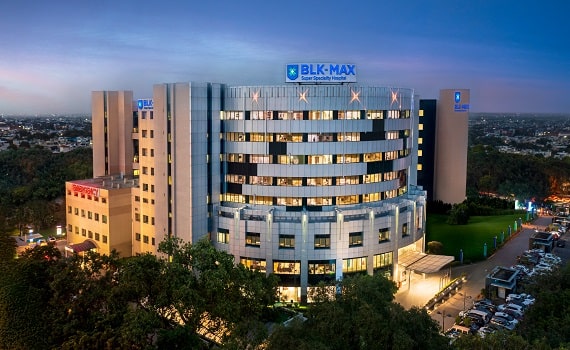
មន្ទីរពេទ្យឯកទេស BLK-Max ទីក្រុងញូវដេលី
មន្ទីរពេទ្យ BLK-Max Super Specialty Hospital នៅទីក្រុងញូវដេលី គឺជាស្ថាប័នថែទាំសុខភាពលំដាប់កំពូលមួយរបស់ប្រទេសឥណ្ឌា ដែលផ្តល់ជូននូវគ្រែចំនួន 650 រោងមហោស្...
ការទទួលស្គាល់
មធ្យោបាយបរិក្ខារ
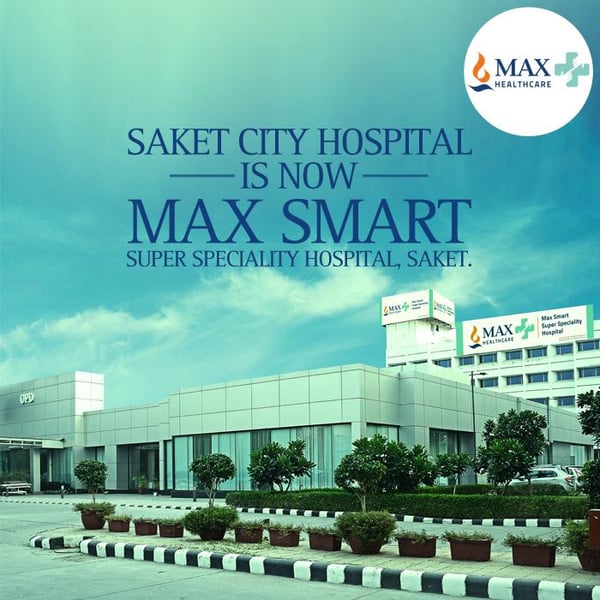
មន្ទីរពេទ្យ Max Smart Super Specialty Hospital, Saket, New Delhi
មន្ទីរពេទ្យ Max Smart Super Specialty Hospital, Saket គឺជាមន្ទីរពេទ្យថែទាំកម្រិត 250 គ្រែនៅ South Delhi ។ វាផ្តល់ជូននូវការថែទាំវេជ្ជសាស្រ្ត និងការវះកា...
ការទទួលស្គាល់
មធ្យោបាយបរិក្ខារ
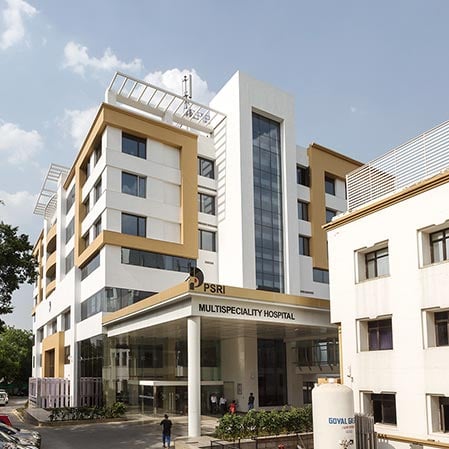
មន្ទីរពេទ្យ PSRI ទីក្រុងដេលី
វិទ្យាស្ថានស្រាវជ្រាវ Pushpawati Singhania (មន្ទីរពេទ្យ PSRI) ទីក្រុងញូវដេលី គឺជាមន្ទីរពេទ្យថែទាំថ្នាក់ឧត្តមសិក្សាពហុឯកទេសឈានមុខគេដែលបានបង្កើតឡើងក្នុង...
ការទទួលស្គាល់
មធ្យោបាយបរិក្ខារ
នីតិវិធីស្រដៀងគ្នា
វិចិរតសាល
សំណួរគេសួរញឹកញាប់
អ្នកវិស្វិក
មើលទាំងអស់
Dr. Biswarup Purkayastha is a highly skilled cardiothoracic and vascular surgeon with extensive experience in heart and lung transplantation. He has worked across leading Indian hospitals, gaining s... អានបន្ថែម

គេហទំព័ររបស់យើងប្រើខូឃីស៍។ គោលការណ៍ភាពឯកជន.