
ពិការភាព ventricular Septal - ការវះកាត់ VSD តម្លៃក្នុង ប្រទេសឥណ្ឌា
អមបី ពិការភាព ventricular Septal - ការវះកាត់ VSD
តើពិការភាព ventricular Septal (VSD) គឺជាអ្វី?
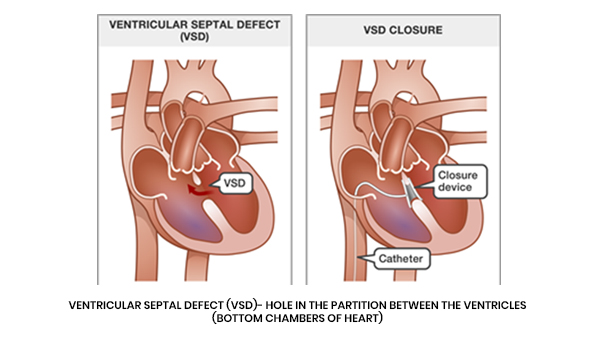
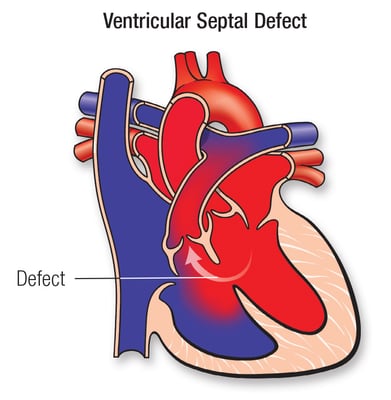
ពិការភាព ventricular septal, ឬ VSD, គឺជារន្ធមួយនៅក្នុង septum ដែលបំបែកបន្ទប់ខាងក្រោមពីរនៃបេះដូង - ventricles ឆ្វេងនិងស្តាំ។ ពិការភាពនេះបណ្តាលឱ្យឈាមដែលសម្បូរអុកស៊ីហ្សែនពី ventricle ខាងឆ្វេងទៅលាយជាមួយឈាមដែលខ្វះអុកស៊ីសែននៅក្នុង ventricle ខាងស្តាំ។ ជាលទ្ធផល បេះដូងត្រូវធ្វើការខ្លាំងដើម្បីបូមអុកស៊ីហ្សែនគ្រប់គ្រាន់ទៅកាន់រាងកាយ។
វេជ្ជបណ្ឌិតចាត់ថ្នាក់ VSD ថាជាជំងឺបេះដូងពីកំណើតទូទៅបំផុតមួយដែលត្រូវបានធ្វើរោគវិនិច្ឆ័យលើទារក និងកុមារ។ ក្នុងករណីស្រាលជាច្រើន ពិការភាពនឹងបិទដោយខ្លួនឯងក្នុងរយៈពេលប៉ុន្មានឆ្នាំដំបូងនៃជីវិត។ ទោះជាយ៉ាងណាក៏ដោយ ពិការភាពធំជាងនេះមិនអាចដោះស្រាយដោយធម្មជាតិទេ ហើយអាចនាំឱ្យមានផលវិបាកដូចជា BP ខ្ពស់ក្នុងសួត (លើសសម្ពាធឈាម) ជំងឺខ្សោយបេះដូង ឬពន្យារការលូតលាស់របស់កុមារ។
វាមានសារៈសំខាន់ណាស់ក្នុងការបែងចែករវាងVSDs តូច និងធំ. ពិការភាពតិចតួចអាចនឹងមិនមានការកត់សម្គាល់ដោយសារតែអវត្តមាននៃរោគសញ្ញា ហើយជារឿយៗមិនត្រូវការការវះកាត់។ ម៉្យាងវិញទៀត VSDs ធំ ៗ ជាធម្មតាបណ្តាលឱ្យមានរោគសញ្ញាធ្ងន់ធ្ងរនៅអាយុដំបូងហើយត្រូវការអន្តរាគមន៍វះកាត់ដើម្បីការពារការខូចខាតបេះដូងរយៈពេលវែង។
តើអ្វីទៅជាប្រភេទផ្សេងគ្នានៃ ventricular Septal Defect (VSD)?
វេជ្ជបណ្ឌិតចាត់ថ្នាក់ VSDs ដោយផ្អែកលើទីតាំងរបស់ពួកគេនៅក្នុង ventricular septum ។ ប្រភេទនីមួយៗអាចប៉ះពាល់ដល់មុខងារបេះដូងខុសៗគ្នា ហើយអាចមានឥទ្ធិពលលើជម្រើសនៃបច្ចេកទេសវះកាត់ និងតម្លៃនៃការព្យាបាល។ ការយល់ដឹងអំពីប្រភេទនៃ VSD ជួយគ្រូពេទ្យឯកទេសជំងឺបេះដូងធ្វើផែនការវិធីសាស្រ្តដែលមានប្រសិទ្ធភាព និងសុវត្ថិភាពបំផុតសម្រាប់ការបិទ។
- Perimembranous VSD៖វាគឺជាប្រភេទ VSD ទូទៅបំផុតដែលមានទីតាំងនៅជិតសន្ទះបេះដូងនៅផ្នែកខាងលើនៃ septum ។ ជារឿយៗគ្រូពេទ្យវះកាត់ចូលចិត្តការវះកាត់បេះដូងបើកចំហដើម្បីជួសជុលពិការភាពទាំងនេះ ដោយសារភាពជិតស្និតជាមួយរចនាសម្ព័ន្ធបេះដូងសំខាន់ៗ។ Perimembranous VSDs ទំនងជាត្រូវការការកែវះកាត់ ជាពិសេសនៅពេលដែលវានាំទៅរកការខូចខាតសន្ទះបិទបើក ឬរោគសញ្ញានៃជំងឺខ្សោយបេះដូង។
- សាច់ដុំ VSD៖VSDs សាច់ដុំលេចឡើងនៅផ្នែកខាងក្រោមនៃ septum ហើយអាចមានទំហំនិងចំនួនខុសគ្នា។ ចំពោះកុមារខ្លះ VSDs សាច់ដុំច្រើនអាចមានវត្តមាន - លក្ខខណ្ឌមួយហៅថា "ឈីសស្វ៊ីស" septum ។ ពេលខ្លះទាំងនេះអាចបិទដោយធម្មជាតិតាមពេលវេលា ប៉ុន្តែពិការភាពធំជាង ឬច្រើនអាចត្រូវការអន្តរាគមន៍។ ការបិទឧបករណ៍ជាញឹកញយគឺជាជម្រើសដែលធ្វើឱ្យការព្យាបាលមិនសូវរាតត្បាត។
- ច្រកចូល VSD៖Inlet VSDs ត្រូវបានរកឃើញនៅជិតសន្ទះ tricuspid និង mitral ។ ពិការភាពទាំងនេះគឺមិនសូវកើតមានទេ ហើយជារឿយៗកើតឡើងជាផ្នែកនៃភាពមិនធម្មតានៃបេះដូងពីកំណើតដែលស្មុគស្មាញ ដូចជាពិការភាព atrioventricular septal (AVSD)។ ការជួសជុលច្រកចូល VSD ជាធម្មតាតម្រូវឱ្យមានការវះកាត់បេះដូងបើកចំហ ហើយអាចបង្កើនភាពស្មុគស្មាញទាំងមូល និងតម្លៃនៃការព្យាបាល។
- ច្រកចេញ VSD (Supracristal VSD):មានទីតាំងនៅជិតបំពង់បង្ហូរចេញនៃបេះដូង ច្រកចេញ VSD គឺកម្រណាស់ ប៉ុន្តែអាចនាំឱ្យសន្ទះបិទបើក ប្រសិនបើមិនព្យាបាល។ ពិការភាពទាំងនេះត្រូវបានរកឃើញជាញឹកញាប់នៅក្នុងប្រជាជនអាស៊ី ហើយជាធម្មតាត្រូវបានព្យាបាលដោយការបិទការវះកាត់។ ដោយសារទីតាំងរបស់ពួកគេ ការវះកាត់ទាំងនេះអាចត្រូវការការថែទាំបន្ថែម និងរយៈពេលនៃការជាសះស្បើយយូរជាងនេះ។
ប្រភេទ VSD នីមួយៗបង្ហាញពីបញ្ហាប្រឈមតែមួយគត់។ Perimembranous និង outlet VSDs អាចពាក់ព័ន្ធនឹងការវះកាត់ស្មុគ្រស្មាញជាង ខណៈពេលដែល VSDs សាច់ដុំជារឿយៗអនុញ្ញាតឱ្យមានការបិទដោយផ្អែកលើឧបករណ៍។ ប្រភេទនៃ VSD មិនត្រឹមតែប៉ះពាល់ដល់រោគសញ្ញា និងការព្យាករណ៍របស់កុមារប៉ុណ្ណោះទេ ថែមទាំងជះឥទ្ធិពលដោយផ្ទាល់ទៅលើផែនការវះកាត់ និងថ្លៃព្យាបាលផងដែរ។
តើរោគសញ្ញាអ្វីខ្លះដែលបង្ហាញពីតម្រូវការសម្រាប់ការវះកាត់ VSD?
មិនមែនគ្រប់ពិការភាព ventricular septal defects (VSDs) ទាំងអស់ទាមទារការវះកាត់ទេ ជាពិសេសប្រសិនបើពិការភាពនោះតូច ហើយមិនបណ្តាលឱ្យមានបញ្ហាអ្វីនោះទេ។ ទោះជាយ៉ាងណាក៏ដោយ នៅពេលដែលរោគសញ្ញានៅតែបន្តកើតមាន និងមានភាពច្បាស់លាស់ គ្រូពេទ្យអាចណែនាំអោយបិទការវះកាត់។ ខាងក្រោមនេះជាសញ្ញាព្រមានសំខាន់ៗដែលចង្អុលទៅរកការវះកាត់៖
- ពិបាកដកដង្ហើមអំឡុងពេលបំបៅ៖ទារកដែលមាន VSDs ធំតែងតែជួបប្រទះការពិបាកដកដង្ហើម ជាពិសេសពេលកំពុងញ៉ាំ។ អ្នកអាចសម្គាល់ឃើញការដកដង្ហើមញាប់ ញ័រ ឬផ្អាកញឹកញាប់អំឡុងពេលបំបៅ។ សញ្ញាទាំងនេះមានន័យថាបេះដូងធ្វើការខ្លាំងពេក ហើយមិនអាចបូមឈាមបានយ៉ាងមានប្រសិទ្ធភាព។
- ការឡើងទម្ងន់ និងការលូតលាស់ខ្សោយ៖កុមារដែលមាន VSD ប្រហែលជាមិនឡើងទម្ងន់គ្រប់គ្រាន់ ឬមានការលូតលាស់ធម្មតា។ រាងកាយរបស់ពួកគេដុតកាឡូរីកាន់តែច្រើន ដើម្បីគាំទ្រដល់សកម្មភាពបេះដូងកើនឡើង ដោយបន្សល់ទុកថាមពលតិចសម្រាប់ការអភិវឌ្ឍដែលមានសុខភាពល្អ។ ស្ថានភាពនេះត្រូវបានគេហៅថា "ការបរាជ័យក្នុងការរីកលូតលាស់" ហើយជារឿយៗតម្រូវឱ្យមានការអន្តរាគមន៍វះកាត់ទាន់ពេលវេលា។
- ការរលាកទ្រូងញឹកញាប់៖ការឆ្លងមេរោគផ្លូវដង្ហើមដដែលៗ ដូចជាជំងឺរលាកសួត ឬរលាកទងសួត គឺជារឿងធម្មតាចំពោះកុមារដែលមាន VSD ដែលមិនបានកែតម្រូវ។ ឈាមបន្ថែមដែលហូរទៅសួតបង្កើតសម្ពាធ ដែលធ្វើឱ្យវាងាយស្រួលសម្រាប់ការឆ្លងមេរោគ។ ការវះកាត់អាចកាត់បន្ថយហានិភ័យនេះបានយ៉ាងសំខាន់។
- Cyanosis (ស្បែកពណ៌ខៀវឬបបូរមាត់):ក្នុងករណីខ្លះ ឈាមដែលខ្វះអុកស៊ីហ្សែនអាចនឹងលាយជាមួយឈាមដែលសម្បូរអុកស៊ីហ្សែន ដែលនាំឱ្យមានពណ៌ខៀវលើបបូរមាត់ ម្រាមដៃ ឬស្បែក។ ស្ថានភាពនេះត្រូវបានគេស្គាល់ថាជា cyanosis និងបង្ហាញពីការថយចុះនៃការផ្គត់ផ្គង់អុកស៊ីសែនដល់រាងកាយ ដែលជាសញ្ញាបន្ទាន់ដែលថាការវះកាត់អាចនឹងត្រូវការ។
- សញ្ញានៃជំងឺខ្សោយបេះដូង៖VSD ដ៏ធំមួយដាក់សម្ពាធបន្ថែមលើបេះដូង។ យូរៗទៅ នេះអាចបណ្តាលឱ្យមានរោគសញ្ញានៃជំងឺខ្សោយបេះដូង ដូចជាហើមជើង អស់កម្លាំង ឆាប់ខឹង ឬចង្វាក់បេះដូងលោតញាប់។ រោគសញ្ញាទាំងនេះជាធម្មតាមិនប្រសើរឡើងទេបើគ្មានការកែវះកាត់។
នីតិវិធីវះកាត់ VSD: តើវាត្រូវបានអនុវត្តយ៉ាងដូចម្តេច?
ការវះកាត់ខូចប្រព័ន្ធ Ventricular septal defect ត្រូវបានធ្វើដើម្បីបិទរន្ធនៅចន្លោះបន្ទប់ខាងក្រោមនៃបេះដូង។ វេជ្ជបណ្ឌិតអាចប្រើការវះកាត់បេះដូងបើកចំហ ឬវិធីសាស្ត្ររាតត្បាតតិចជាង អាស្រ័យលើទំហំ និងទីតាំងនៃពិការភាព។ នេះជារបៀបដែលវិធីសាស្រ្តទាំងពីរដំណើរការ៖
ការវះកាត់បេះដូងបើកចំហសម្រាប់ការបិទ VSD
ក្នុងករណីភាគច្រើន គ្រូពេទ្យវះកាត់ធ្វើការវះកាត់បេះដូងបើកចំហ ដើម្បីជួសជុល VSDs ធំ ឬស្មុគស្មាញ។
- ជំហានទី ១៖ ការប្រើថ្នាំសន្លប់ និងការរៀបចំ៖អ្នកជំងឺត្រូវបានដាក់ក្រោមការប្រើថ្នាំសន្លប់ទូទៅ។ បំពង់ដកដង្ហើមត្រូវបានដាក់ ហើយក្រុមវះកាត់រៀបចំតំបន់ទ្រូង។
- ជំហានទី 2: ការប្រើប្រាស់ម៉ាស៊ីនបេះដូងសួត៖គ្រូពេទ្យបញ្ឈប់បេះដូងជាបណ្តោះអាសន្ន ហើយភ្ជាប់អ្នកជំងឺទៅនឹងម៉ាស៊ីនឆ្លងកាត់បេះដូងសួត។ ម៉ាស៊ីននេះរក្សាឈាម និងអុកស៊ីហ្សែនដែលហូរតាមរាងកាយអំឡុងពេលវះកាត់។
- ជំហានទី 3: បើកទ្រូងនិងបេះដូង:គ្រូពេទ្យវះកាត់ធ្វើការវះកាត់ចំកណ្តាលទ្រូងដើម្បីចូលដល់បេះដូង។ ពួកគេបើកបេះដូងដើម្បីស្វែងរកពិការភាព septal ។
- ជំហានទី 4: ការបិទពិការភាព:គ្រូពេទ្យវះកាត់ប្រើបំណះសំយោគ ឬស្នាមដេរដើម្បីបិទរន្ធ។ បំណះក្លាយជាផ្នែកមួយនៃជាលិកាបេះដូងតាមពេលវេលា។
- ជំហានទី 5: ចាប់ផ្តើមបេះដូងឡើងវិញ:នៅពេលដែលពិការភាពត្រូវបានបិទ គ្រូពេទ្យវះកាត់យកអ្នកជំងឺចេញពីម៉ាស៊ីនឆ្លងកាត់ ហើយចាប់ផ្តើមបេះដូងឡើងវិញ។ ទ្រូងត្រូវបានបិទ ហើយអ្នកជំងឺត្រូវបានបញ្ជូនទៅកាន់ ICU ដើម្បីតាមដាន។
ការបិទឧបករណ៍ (វិធីសាស្រ្តតាមបំពង់បូម)
សម្រាប់ VSDs តូចៗ ជាពិសេសប្រភេទសាច់ដុំ វេជ្ជបណ្ឌិតអាចប្រើវិធីសាស្ត្ររាតត្បាតតិចតួចដែលហៅថាការបិទបំពង់បូម។
- ជំហានទី 1: ការបញ្ចូលបំពង់បូម:គ្រូពេទ្យជំនាញបេះដូងបញ្ចូលបំពង់ស្តើង (បំពង់បូម) ចូលទៅក្នុងសរសៃវ៉ែននៅក្រលៀន ហើយនាំវាទៅបេះដូង។
- ជំហានទី 2៖ ការដាក់ឧបករណ៍បិទ៖ដោយប្រើការណែនាំអំពីរូបភាព វេជ្ជបណ្ឌិតដាក់ឧបករណ៍បិទពិសេសទៅក្នុងរន្ធ។ វាពង្រីកនិងបិទពិការភាពពីភាគីទាំងពីរ។
- ជំហានទី 3៖ មិនចាំបាច់វះកាត់បើកទេ៖វាមិនពាក់ព័ន្ធនឹងការកាត់ដើមទ្រូង ឬប្រើម៉ាស៊ីនបេះដូងសួតទេ។ អ្នកជំងឺភាគច្រើនត្រឡប់ទៅផ្ទះវិញក្នុងរយៈពេល 1-2 ថ្ងៃ។
រយៈពេលនៃការវះកាត់
- ការវះកាត់បេះដូងបើកចំហជាធម្មតាចំណាយពេលពី 3 ទៅ 5 ម៉ោង។
- ការបិទឧបករណ៍ជាធម្មតាចំណាយពេលពី 1 ទៅ 2 ម៉ោង។
ទទួលបានផែនការព្យាបាលដោយឥតគិតថ្លៃ
អំពី ពិការភាព ventricular Septal - ការវះកាត់ VSD ក្នុង ប្រទេសឥណ្ឌា
What is the Cost of Ventricular Septal Defect (VSD) Surgery in India?
The cost of ventricular septal defect (VSD) surgery in India is more affordable than in many other countries. On average, VSD surgery in India costs between ₹2.5 lakh and ₹5.5 lakh, which is roughly $3,000 to $6,500. The exact cost depends on the type of surgery, the hospital, and the patient's condition.
What Does This Cost Usually Include?
Most hospitals in India offer all-inclusive VSD surgery packages. These typically cover:
- Doctor's consultation and surgical fee
- Pre-operative diagnostic tests like echocardiogram, ECG, and blood work
- Operation theatre charges and anesthesia costs
- Heart-lung bypass machine usage (if open surgery is performed)
- ICU and hospital room charges for the duration of the stay
- Medicines and consumables used during and after surgery
- Nursing care and physiotherapy sessions
- Post-surgery follow-ups, usually for 1–2 weeks
Cost Breakdown by Type of VSD Surgery in India
The total cost of VSD surgery in India depends mainly on the type of procedure performed. There are two main options: open-heart surgical closure and device (catheter-based) closure. Here's how the cost typically breaks down:
Surgical Closure Cost
If the defect is large or complex, doctors usually recommend open-heart surgery. It involves making an incision in the chest and using a heart-lung bypass machine.
- Average cost: ₹3.5 lakh – ₹5.5 lakh ($4,200 – $6,500)
- Includes:
- Operation theatre charges
- Cardiopulmonary bypass machine use
- Surgical team fees
- ICU stay for 2–3 days
- Medications and surgical materials
- 5–7 days of hospital stay
Device Closure (Catheter-Based) Cost
For smaller or moderate-sized defects, doctors may use a minimally invasive catheter procedure. A device is inserted through a blood vessel to close the hole, avoiding open surgery.
- Average cost: ₹2.5 lakh – ₹4 lakh ($3,000 – $4,800)
- Includes:
- Procedure and catheter lab usage
- Device implant cost
- Shorter ICU stay (1 day or less)
- Hospital stay of around 2–3 days
- Post-op care and medications
Diagnostic Tests and Imaging
Before surgery, a complete heart evaluation is necessary:
- Echocardiogram: ₹2,000 – ₹4,000
- Cardiac MRI or CT Scan (if needed): ₹5,000 – ₹10,000
- Blood tests and routine screenings: ₹1,000 – ₹2,500
Additional Costs to Consider
- Anesthesia and monitoring: ₹15,000 – ₹30,000
- Surgeon and anesthesiologist fees: ₹40,000 – ₹80,000
- Postoperative medicines and antibiotics: ₹10,000 – ₹20,000
- Follow-up visits and echo scans after discharge: ₹2,000 – ₹5,000 per visit
VSD Surgery Cost Comparison: India vs Other Countries
When it comes to heart surgery, India offers one of the most cost-effective solutions globally, particularly for international patients seeking affordable, high-quality care. Here's how the cost of VSD (Ventricular Septal Defect) surgery compares across countries:
Country | Average VSD Surgery Cost |
| India | $3,000 – $6,500 |
| USA | $30,000 – $50,000 |
| UK | $25,000 – $40,000 |
| Singapore | $20,000 – $35,000 |
| Thailand | $8,000 – $12,000 |
Why Is VSD Surgery More Affordable in India?
Many international patients wonder why VSD surgery in India costs so much less compared to Western countries. The answer lies in several factors that make India both cost-effective and reliable for heart treatments.
- Lower Operational and Labor Costs: Hospitals in India operate with significantly lower operational and labor costs. From medical staff salaries to infrastructure maintenance, these savings reduce the final bill for patients, without affecting treatment quality.
- Competitive Pricing by Top Private Hospitals: India's private hospitals offer world-class cardiac care at prices designed to attract international patients. Many hospitals follow value-based pricing models and offer packages that cover surgery, ICU stay, consultations, and medicines.
- High Surgery Volume Means Greater Efficiency: Indian hospitals perform a substantial number of VSD surgeries annually, particularly in pediatric patients. This high volume builds surgeon expertise and operational efficiency, which lowers costs while boosting success rates.
- Affordable Yet Advanced Medical Technology: Indian heart centers use the latest surgical and diagnostic equipment, often imported from the US or Europe. Despite using the same or similar technology, the cost of care remains far lower due to streamlined practices.
- Transparent and Inclusive Billing: Many Indian hospitals offer all-inclusive packages for international patients. These packages eliminate billing surprises and enable families to plan their medical trip with confidence.
What are the Factors That Affect VSD Surgery Cost in India?
The cost of VSD surgery in India is influenced by several patient- and procedure-specific factors.
- Age of the Patient: Surgery for infants and small children often requires specialized pediatric cardiac teams, delicate equipment, and extended ICU monitoring. It can result in a slight increase in cost compared to surgery in older children or adults.
- Type and Complexity of the Defect: A small or simple VSD usually needs a straightforward closure. However, large or multiple holes or VSDs located near valves may require a more complex surgical approach. It adds to both the surgical duration and cost.
- Method of Closure: Open-heart surgery with a patch closure is generally less expensive than catheter-based device closure, which involves imported devices and specialized interventional cardiology skills.
- Hospital and City Chosen: Hospitals in metropolitan areas, such as Delhi, Mumbai, or Bangalore, may charge slightly more due to their advanced infrastructure and facilities.
- Surgeon's Experience and Team Involvement: More experienced teams may charge higher professional fees, but this often leads to superior outcomes and shorter recovery times.
- Duration of ICU and Hospital Stay: Patients who recover quickly may be able to leave the ICU and hospital sooner, resulting in reduced total expenses. On the other hand, complications or slow recovery can increase the length of stay, adding to the final bill.
- Additional Diagnostics and Follow-Up Care: Pre-surgical tests such as Echocardiograms, Cardiac MRI, or Angiography, and post-surgery follow-up visits are also included in some packages, while others may charge separately.
Recovery and Success Rate After VSD Surgery in India
Recovering from ventricular septal defect surgery is a critical part of the healing journey. In India, thanks to skilled cardiac surgeons, advanced ICUs, and well-coordinated care teams, most patients bounce back well after surgery.
What Is the Recovery Timeline After VSD Surgery?
Recovery after VSD surgery typically happens in stages. Here's how it usually goes:
Immediately After Surgery
- Right after the operation, the patient is moved to the Cardiac Intensive Care Unit (CICU).
- Monitoring of vital signs, heart rhythm, oxygen levels, and fluid balance is constant.
- Most patients stay in the ICU for 1 to 3 days, depending on their age and condition.
- Breathing support (ventilator) is often needed for a short period, especially in infants.
Hospital Stay
- After ICU discharge, patients spend another 4 to 5 days in the general cardiac ward.
- Pain management, wound care, gradual feeding, and gentle mobilization begin.
- By the 7th or 8th day, most patients are stable enough to be discharged from the hospital.
At Home Recovery
- At home, recovery is mostly smooth. Parents are advised to monitor the wound, give medications on time, and ensure the child avoids physical strain.
- Follow-up visits are typically scheduled at 1–2 weeks and again at the 1-month mark.
- Full recovery from VSD surgery generally takes 4 to 6 weeks, though some children may take longer to regain complete strength.
What Helps Speed Up Recovery?
Indian hospitals play a vital role in ensuring smooth recovery. Here's how:
- Minimally invasive options (like device closure) reduce pain and allow faster healing.
- Pediatric nutritionists help create dietary plans that support tissue repair and immune function.
- Post-surgical physiotherapy helps older children regain stamina safely.
- Family education sessions teach parents how to monitor for signs of infection or fluid buildup at home.
Hospitals also provide 24/7 phone support during the first few weeks after discharge, especially for international patients who may be staying in nearby recovery residences.
What Is the Success Rate of VSD Surgery in India?
The success rate of VSD surgery in India is extremely high, especially in top cardiac centers.
- For uncomplicated cases, the success rate is above 98%.
- In complex cases or for very young infants, success rates remain high, exceeding 90%, depending on the presence of additional risk factors.
- Device-based closures often yield near-perfect results when performed by experienced hands.
What Makes Indian Hospitals So Successful with VSD Surgeries?
Several reasons explain the high success rates:
- Highly trained pediatric cardiac surgeons with years of experience.
- Use of modern techniques and imported closure devices.
- Dedicated pediatric cardiac ICUs with advanced equipment and neonatal care.
- Strict infection control protocols are especially crucial for babies and infants.
- Access to affordable, high-quality postoperative care helps prevent complications and improve outcomes.
Support Services for International Patients Seeking VSD Surgery in India
Traveling abroad for a heart surgery like VSD correction can feel overwhelming. That's why top hospitals in India offer dedicated international patient support to make the journey smooth, safe, and stress-free. From the moment you fill the initial consultation form until you have fully recovered, Indian medical teams stand by your side with complete assistance.
- Pre-Arrival Consultation: Indian hospitals offer free online consultations to review medical reports and provide personalized treatment plans before your travel.
- Visa Assistance: Hospitals provide visa invitation letters and guide you through the medical visa process to make travel smooth and hassle-free.
- Airport Pickup and Transfers: Dedicated teams arrange airport pickups and hospital transfers, so you don't have to worry about local transportation.
- Language Interpretation: Trained interpreters are available for major international languages, ensuring you understand every medical detail clearly.
- Accommodation Help: Support staff assists in booking nearby guesthouses or hotels that match your budget and comfort preferences.
- Personalized Patient Coordinators: You'll be assigned a coordinator who manages everything, so you always have someone to rely on.
- Meals & Dietary Needs: International patients can request customized meals that cater to their specific dietary or religious requirements during their hospital stay.
- Follow-Up & Aftercare: Even after discharge, hospitals provide virtual follow-ups via video calls to ensure a smooth recovery back home.
ពិការភាព ventricular Septal - ការវះកាត់ VSD ការប្រៀបធៀបតម្លៃតាមប្រទេស
ប្រៀបធៀបការចំណាយ ពិការភាព ventricular Septal - ការវះកាត់ VSD នៅទូទាំងប្រទេសផ្សេងៗដើម្បីធ្វើការសម្រេចចិត្តប្រកបដោយព័ត៌មានអំពីការព្យាបាលវេជ្ជសាស្រ្តរបស់អ្នក។
| រសុករេស | ជួរចំណាយ (ដុល្លារអាមេរិក) | ការសន្សំសក្តានុពល | កិច្ច |
|---|---|---|---|
ប្រទេសឥណ្ឌាថ្ផី currentតម្លៃដ៏ល្អបំផុត | $3,000 - $6,500 | — | ទទួលបានការដកស្រង់ |
សម្គាល់ៈ ការចំណាយអាចខុសគ្នាអាស្រ័យលើជម្រើសមន្ទីរពេទ្យប្រភេទរបៀបសេវាកម្មបន្ថែមនិងតម្រូវការផ្នែកវេជ្ជសាស្រ្តនីមួយៗ។
មន្ទីរពេទ្យឈានមុខគេសម្រាប់ ពិការភាព ventricular Septal - ការវះកាត់ VSD ក្នុង ប្រទេសឥណ្ឌា
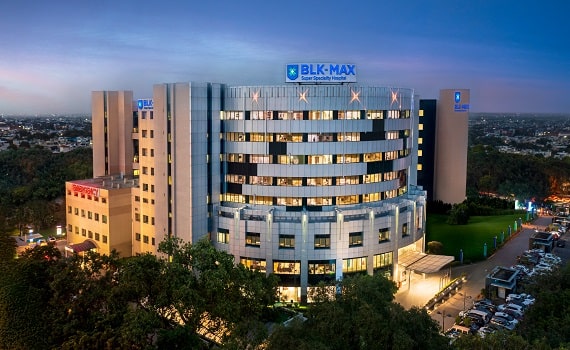
មន្ទីរពេទ្យឯកទេស BLK-Max ទីក្រុងញូវដេលី
មន្ទីរពេទ្យ BLK-Max Super Specialty Hospital នៅទីក្រុងញូវដេលី គឺជាស្ថាប័នថែទាំសុខភាពលំដាប់កំពូលមួយរបស់ប្រទេសឥណ្ឌា ដែលផ្តល់ជូននូវគ្រែចំនួន 650 រោងមហោស្...
ការទទួលស្គាល់
មធ្យោបាយបរិក្ខារ
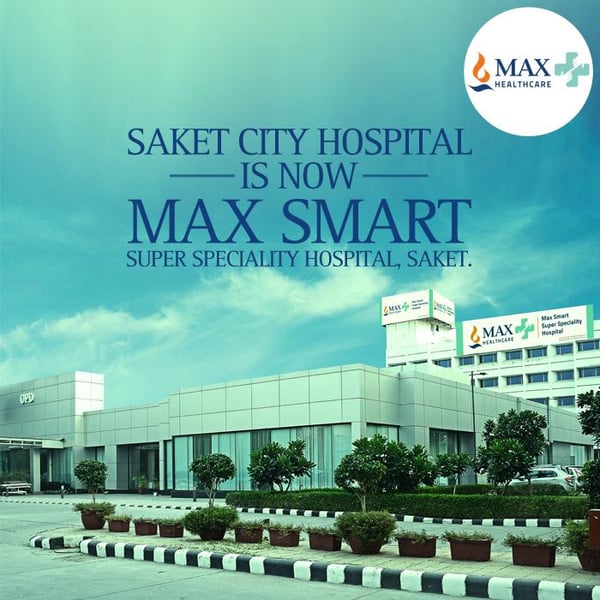
មន្ទីរពេទ្យ Max Smart Super Specialty Hospital, Saket, New Delhi
មន្ទីរពេទ្យ Max Smart Super Specialty Hospital, Saket គឺជាមន្ទីរពេទ្យថែទាំកម្រិត 250 គ្រែនៅ South Delhi ។ វាផ្តល់ជូននូវការថែទាំវេជ្ជសាស្រ្ត និងការវះកា...
ការទទួលស្គាល់
មធ្យោបាយបរិក្ខារ
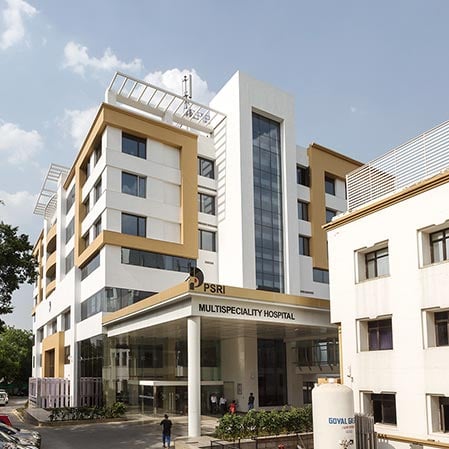
មន្ទីរពេទ្យ PSRI ទីក្រុងដេលី
វិទ្យាស្ថានស្រាវជ្រាវ Pushpawati Singhania (មន្ទីរពេទ្យ PSRI) ទីក្រុងញូវដេលី គឺជាមន្ទីរពេទ្យថែទាំថ្នាក់ឧត្តមសិក្សាពហុឯកទេសឈានមុខគេដែលបានបង្កើតឡើងក្នុង...
ការទទួលស្គាល់
មធ្យោបាយបរិក្ខារ
នីតិវិធីស្រដៀងគ្នា
វិចិរតសាល
សំណួរគេសួរញឹកញាប់
អ្នកវិស្វិក
មើលទាំងអស់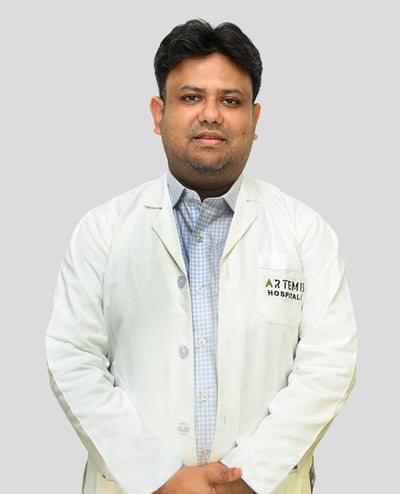
Dr. Biswarup Purkayastha is a highly skilled cardiothoracic and vascular surgeon with extensive experience in heart and lung transplantation. He has worked across leading Indian hospitals, gaining s... អានបន្ថែម

គេហទំព័ររបស់យើងប្រើខូឃីស៍។ គោលការណ៍ភាពឯកជន.