
ស្មា Arthroscopy តម្លៃក្នុង ប្រទេសឥណ្ឌា
អមបី ស្មា Arthroscopy
តើស្មា Arthroscopy គឺជាអ្វី ហើយហេតុអ្វីបានជាវាត្រូវបានធ្វើ?
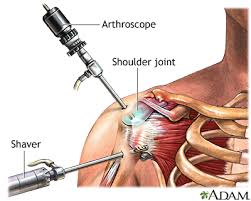
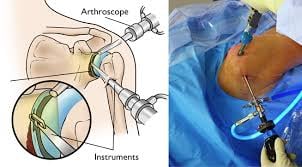
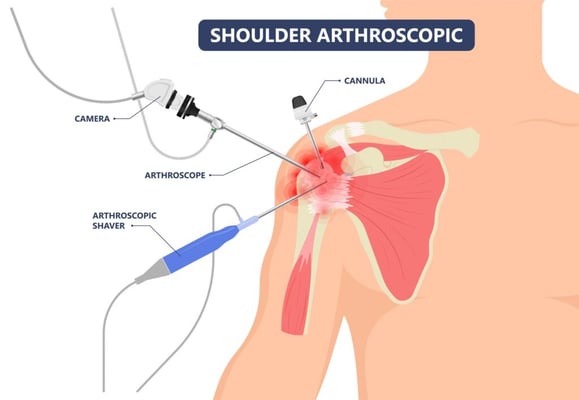
ការឆ្លុះស្មាគឺជានីតិវិធីដែលអនុញ្ញាតឱ្យគ្រូពេទ្យពិនិត្យមើលផ្នែកខាងក្នុងនៃសន្លាក់ស្មា និងព្យាបាលបញ្ហាដោយប្រើឧបករណ៍តូចៗ និងកាមេរ៉ាតូច។ ជំនួសឱ្យការធ្វើការវះកាត់ធំ គ្រូពេទ្យវះកាត់បង្កើតការកាត់តូចមួយចំនួនហើយបញ្ចូលអាតូស្កូប (បំពង់ស្តើងមានពន្លឺ និងកាមេរ៉ា) ដើម្បីមើលឃើញសន្លាក់ច្បាស់លាស់នៅលើអេក្រង់។ វិធីសាស្ត្ររាតត្បាតតិចតួចនេះជួយកាត់បន្ថយការឈឺចាប់ បន្ថយឱកាសនៃការឆ្លង និងបង្កើនល្បឿននៃការជាសះស្បើយឡើងវិញ។
វេជ្ជបណ្ឌិតប្រើ arthroscopy ស្មាទៅទាំងពីរធ្វើរោគវិនិច្ឆ័យ និងព្យាបាលជម្ងឺផ្សេងៗដែលប៉ះពាល់ដល់ស្មា។ វាត្រូវបានធ្វើជាទូទៅបំផុតនៅពេលដែលអ្នកជំងឺជួបប្រទះនូវការឈឺចាប់ ភាពទន់ខ្សោយ រឹង ឬចលនាដែលមានកម្រិតដែលមិនមានភាពប្រសើរឡើងជាមួយនឹងថ្នាំ ឬការព្យាបាលដោយចលនា។
មូលហេតុទូទៅបំផុតមួយចំនួនសម្រាប់ arthroscopy ស្មារួមមាន:
- Rotator cuff ទឹកភ្នែកដែលត្រូវការការជួសជុលវះកាត់
- ទឹកភ្នែក Labralដូចជាដំបៅ SLAP ឬ Bankart ដែលត្រូវបានគេឃើញជាញឹកញាប់នៅក្នុងអត្តពលិក
- ស្មាដែលជាប់គាំង (adhesive capsulitis)នៅពេលដែលការព្យាបាលបែបអភិរក្សបរាជ័យ
- រោគសញ្ញានៃការប៉ះទង្គិចស្មាកន្លែងដែលឆ្អឹង និងជាលិកាទន់ជូតដោយការឈឺចាប់
- ការយកចេញនៃឆ្អឹងជំនីឆ្អឹងខ្ចីរលុង ឬជាលិការលាក
- ការផ្លាស់ទីលំនៅរបស់ស្មាដែលបណ្តាលឱ្យអស្ថិរភាពម្តងហើយម្តងទៀត
នីតិវិធីនេះមានប្រសិទ្ធភាពខ្ពស់សម្រាប់ទាំងមនុស្សពេញវ័យសកម្ម និងអ្នកជំងឺវ័យចំណាស់ដែលមានបំណងចង់ស្តារមុខងារស្មាឡើងវិញដោយមិនចាំបាច់ធ្វើការវះកាត់បើកចំហធំ។ វាអាចត្រូវបានធ្វើជាការថែទាំពេលថ្ងៃ ឬការវះកាត់រយៈពេលខ្លី អាស្រ័យលើភាពស្មុគស្មាញ និងសុខភាពអ្នកជំងឺ។
តើអ្វីទៅជាប្រភេទផ្សេងគ្នានៃនីតិវិធី Arthroscopy ស្មា?
ការវះកាត់ស្មាគឺជានីតិវិធីដ៏ច្រើនដែលប្រើដើម្បីព្យាបាលបញ្ហាស្មាជាច្រើន។ អាស្រ័យលើស្ថានភាពជាក់លាក់ គ្រូពេទ្យវះកាត់ឆ្អឹងធ្វើការវះកាត់ arthroscopic ប្រភេទផ្សេងគ្នា ដោយប្រើឧបករណ៍ឯកទេសតាមរយៈស្នាមរន្ធកូនសោតូចៗ។ ប្រភេទនីមួយៗផ្តោតលើបញ្ហាជាក់លាក់មួយ ដែលអនុញ្ញាតឱ្យមានការព្យាបាលច្បាស់លាស់ជាមួយនឹងការខូចខាតជាលិកាតិចតួចបំផុត។
- Arthroscopy រោគវិនិច្ឆ័យ៖ក្នុងដំណើរការនេះ គ្រូពេទ្យពិនិត្យផ្នែកខាងក្នុងនៃសន្លាក់ស្មា ដើម្បីវាយតម្លៃការខូចខាត ឬការរលាក។ វាត្រូវបានប្រើជាទូទៅនៅពេលដែលការស្កែនរូបភាព (ដូចជា MRI) មិនអាចសន្និដ្ឋានបាន។ ប្រសិនបើមានបញ្ហាត្រូវបានរកឃើញ ការព្យាបាលអាចត្រូវបានធ្វើឡើងជាញឹកញាប់ក្នុងអំឡុងពេលវគ្គតែមួយ។
- ជួសជុលដៃបង្វិល៖វាគឺជាផ្នែកមួយនៃនីតិវិធី arthroscopic ទូទៅបំផុត។ នៅពេលដែលសរសៃពួរ rotator cuff ត្រូវបានរហែក គ្រូពេទ្យវះកាត់សម្អាតជាលិកាដែលខូច ហើយភ្ជាប់វាទៅឆ្អឹងវិញដោយប្រើថ្នេរ និងយុថ្កា។ វាជួយស្តារកម្លាំងឡើងវិញ កាត់បន្ថយការឈឺចាប់ និងធ្វើអោយប្រសើរឡើងនូវចលនា។
- ការជួសជុល Labral (SLAP ឬ Bankart Repair):labrum គឺជារង្វង់នៃឆ្អឹងខ្ចីនៅជុំវិញរន្ធស្មា។ ទឹកភ្នែកអាចកើតឡើងដោយសារតែការរងរបួស ឬសកម្មភាពលើសដើម។ Arthroscopy អនុញ្ញាតឱ្យគ្រូពេទ្យវះកាត់កាត់ឬភ្ជាប់ labrum ដែលរហែកឡើងវិញ ស្តារស្ថេរភាពសន្លាក់ និងការពារការផ្លាស់ទីលំនៅនាពេលអនាគត។
- ការបង្ហាប់ Subacromial៖វាត្រូវបានអនុវត្តចំពោះអ្នកជំងឺដែលមានរោគសញ្ញា impingement ។ គ្រូពេទ្យវះកាត់យកជាលិកាដែលរលាកចេញ ឆ្អឹងឆ្អឹង ឬផ្នែកនៃឆ្អឹង acromion ដើម្បីបង្កើតលំហ និងកាត់បន្ថយការកកិតលើសរសៃពួរបង្វិល។ វាបំបាត់ការឈឺស្មារ៉ាំរ៉ៃ និងរលាក។
- ការជួសជុលសរសៃពួរឬសរសៃពួរ៖ក្នុងករណីដែលសរសៃពួរ biceps ត្រូវបានខូចខាត ឬមិនស្ថិតស្ថេរ គ្រូពេទ្យវះកាត់អាចបញ្ចេញ ឬភ្ជាប់វាឡើងវិញក្នុងអំឡុងពេល arthroscopy ។ វាជួយបន្ថយការឈឺចាប់នៅផ្នែកខាងមុខនៃស្មា និងការពារការរហែកបន្ថែមទៀត។
- ការដកចេញរាងកាយរលុង ឬការវះកាត់យកចេញ៖ប្រសិនបើសន្លាក់មានឆ្អឹងអណ្តែត ឬបំណែកឆ្អឹងខ្ចី (សាកសពរលុង) ឬជាលិកា synovial រលាក (ឃើញក្នុងជំងឺរលាកសន្លាក់រ៉ាំរ៉ៃ) គ្រូពេទ្យវះកាត់យកវត្ថុទាំងនេះចេញ ដើម្បីស្តារចលនារលោង និងកាត់បន្ថយការហើមសន្លាក់។
នីតិវិធីនីមួយៗទាំងនេះត្រូវបានសម្រួលទៅតាមស្ថានភាពអ្នកជំងឺ ហើយបច្ចេកទេសជាច្រើនអាចត្រូវបានបញ្ចូលគ្នាក្នុងវគ្គតែមួយ។ Arthroscopy កាត់បន្ថយរបួសវះកាត់ បង្កើនល្បឿននៃការជាសះស្បើយ និងសមរម្យសម្រាប់ទាំងអត្តពលិក និងមនុស្សចាស់ដែលមានលក្ខខណ្ឌស្មាដែលខូច។
តើការថតឆ្លុះស្មាត្រូវបានអនុវត្តដោយរបៀបណា?
ការវះកាត់ឆ្អឹងកែងដៃ គឺជាដំណើរការវះកាត់ដែលរាតត្បាតតិចតួចបំផុត ដែលគ្រូពេទ្យវះកាត់ឆ្អឹងធ្វើក្រោមការប្រើថ្នាំសន្លប់ដោយប្រើស្នាមវះតូចៗ និងប្រព័ន្ធដឹកនាំដោយកាមេរ៉ា។ ការវះកាត់អនុញ្ញាតឱ្យពួកគេធ្វើរោគវិនិច្ឆ័យ និងព្យាបាលបញ្ហានៅក្នុងសន្លាក់ ដោយមិនចាំបាច់កាត់សាច់ដុំ ឬជាលិកាច្រើន។
ខាងក្រោមនេះជាទិដ្ឋភាពទូទៅនៃដំណើរការជាជំហានៗ៖
- កំណត់ទីតាំងអ្នកជំងឺ៖ក្រុមវះកាត់ដាក់អ្នកជំងឺក្នុងទីតាំងពាក់កណ្តាលអង្គុយ (កៅអីឆ្នេរ) ឬទីតាំង decubitus (ចំហៀង-ដេក) អាស្រ័យលើចំណង់ចំណូលចិត្តរបស់គ្រូពេទ្យវះកាត់ និងតំបន់នៃស្មាដែលកំពុងព្យាបាល។ វាអនុញ្ញាតឱ្យចូលដំណើរការល្អបំផុតទៅកាន់សន្លាក់ស្មា។
- ការគ្រប់គ្រងការប្រើថ្នាំសន្លប់៖គ្រូពេទ្យឯកទេសខាងថ្នាំស្ពឹកគ្រប់គ្រងទាំងការប្រើថ្នាំសន្លប់ទូទៅ ឬប្លុកសរសៃប្រសាទក្នុងតំបន់ ដើម្បីរក្សាអ្នកជំងឺដោយគ្មានការឈឺចាប់ពេញមួយវគ្គ។ ក្នុងករណីជាច្រើន ទាំងពីរត្រូវបានប្រើដើម្បីធានាបាននូវការលួងលោមអំឡុងពេល និងក្រោយពេលវះកាត់។
- ការបង្កើតវិបផតថល Incisions៖គ្រូពេទ្យវះកាត់ធ្វើការវះកាត់តូចៗពីរឬបី (ជាធម្មតា 5-10 មមនីមួយៗ) នៅជុំវិញស្មា។ តាមរយៈស្នាមវះមួយក្នុងចំណោមស្នាមវះទាំងនេះ ពួកវាបញ្ចូល arthroscope ដែលជាកាមេរ៉ាទំហំប៉ុនខ្មៅដៃដែលបញ្ចាំងរូបភាពដែលមានភាពច្បាស់ខ្ពស់នៃសន្លាក់នៅលើអេក្រង់ក្នុងពេលវេលាជាក់ស្តែង។
- ត្រួតពិនិត្យរួម៖គ្រូពេទ្យវះកាត់ពិនិត្យយ៉ាងហ្មត់ចត់គ្រប់ផ្នែកទាំងអស់នៃស្មា ដូចជា labrum, rotator cuff, cartilage, ligaments, and biceps tendon ដោយការបង្វិល arthroscope ថ្នមៗ និងបំប៉ោងសន្លាក់ជាមួយនឹងសារធាតុរាវដែលគ្មានមេរោគ ដើម្បីបង្កើនភាពមើលឃើញ។
- ការបញ្ចូលឧបករណ៍វះកាត់៖ដោយប្រើស្នាមវះតូចៗផ្សេងទៀត (ហៅថាផតថល) គ្រូពេទ្យវះកាត់បញ្ចូលឧបករណ៍តូចៗដើម្បីកាត់ជាលិការរហែក យកចេញនូវឆ្អឹងខ្ចី ឆ្អឹងខ្ចីរលោង ឬជួសជុលសរសៃពួរ និងសរសៃចងដែលរហែកដោយប្រើថ្នេរ ឬយុថ្កា។ កាមេរ៉ាណែនាំគ្រប់ជំហានសម្រាប់ភាពជាក់លាក់អតិបរមា។
- ការហូរនិងបិទសន្លាក់៖បន្ទាប់ពីបញ្ចប់ការជួសជុល ឬការព្យាបាល គ្រូពេទ្យវះកាត់បានលាងសន្លាក់ជាមួយនឹងអំបិលមាប់មគ ដើម្បីយកកំទេចកំទី ឬឈាមចេញ។ បន្ទាប់មក គេយកឧបករណ៍និងសរសៃដៃចេញ ហើយបិទស្នាមវះតូចៗ ដោយមានស្នាមដេរ ឬកាសែតវះកាត់។
- ការត្រួតពិនិត្យបន្ទប់សង្គ្រោះ៖បន្ទាប់ពីការវះកាត់ស្មា អ្នកជំងឺត្រូវបានផ្លាស់ប្តូរទៅបន្ទប់សង្គ្រោះ ដែលសញ្ញាសំខាន់ៗត្រូវបានត្រួតពិនិត្យ ខណៈពេលដែលការប្រើថ្នាំសន្លប់អស់។ ការគ្រប់គ្រងការឈឺចាប់ចាប់ផ្តើមភ្លាមៗ ហើយគ្រូពេទ្យវះកាត់ផ្តល់ការណែនាំអំពីការរឹតបន្តឹងការធ្វើចលនា ការប្រើខ្សែទាញ និងការព្យាបាលដោយចលនា។
នីតិវិធីទាំងមូលជាធម្មតាចំណាយពេលរវាង30 នាទី និង 1.5 ម៉ោង។អាស្រ័យលើភាពស្មុគស្មាញនៃការជួសជុល។ អ្នកជំងឺភាគច្រើនត្រូវបានរំសាយចេញនៅថ្ងៃតែមួយ ឬថ្ងៃបន្ទាប់។ ជាមួយនឹងការស្តារនីតិសម្បទាដំបូង ជាធម្មតាពួកគេទទួលបានមុខងារស្មាឡើងវិញលឿនជាងអ្នកដែលទទួលការវះកាត់បើកចំហបែបប្រពៃណី។
ទទួលបានផែនការព្យាបាលដោយឥតគិតថ្លៃ
អំពី ស្មា Arthroscopy ក្នុង ប្រទេសឥណ្ឌា
What Is the Cost of Shoulder Arthroscopy in India and What Does It Include?
The cost of shoulder arthroscopy in India typically ranges between ₹1,20,000 and ₹3,00,000, which is approximately $1,450 to $3,600. This pricing is significantly lower than what is charged in countries like the US, UK, or UAE, where the same procedure can cost up to $10,000–$15,000 or more.
What's Typically Included in the Cost
- Pre-surgery investigations, such as X-rays, MRI (if needed), blood tests, and anesthesia evaluation
- Surgeon's fees for performing the procedure, including consultation and postoperative care
- Anesthesia and operating theatre charges
- Arthroscopic instruments and consumables, including suture anchors or implants if used
- Hospital stay (usually 1 to 2 days), including room charges, nursing care, and meals
- Medications during admission, including antibiotics, pain relievers, and IV fluids
- Initial post-op physiotherapy during the hospital stay to help restore shoulder mobility.
- Follow-up consultation, typically within 7 to 10 days of surgery for suture removal and progress check
Breakdown of Shoulder Arthroscopy Cost in India
The total cost of shoulder arthroscopy in India ranges from ₹1,20,000 to ₹3,00,000 (approximately $1,450 to $3,600), depending on the procedure's complexity, hospital choice, and postoperative needs. Knowing where this cost goes helps patients plan better, especially when traveling from overseas.
- A portion of the cost is allocated to pre-operative investigations, which include shoulder X-rays, MRI scans (if needed), and general medical screening. It typically costs between ₹10,000 and ₹15,000.
- Surgeon and anesthesia fees form a significant part of the package, ranging from ₹40,000 to ₹75,000 depending on the expertise involved.
- Operating theatre and surgical consumables, including arthroscopic tools, suture anchors, and camera-guided systems, can cost ₹30,000 to ₹70,000.
- A 1–2 day hospital stay in a private room adds ₹25,000 to ₹50,000, which includes nursing care, medications during admission, and meals.
- Postoperative physiotherapy and follow-up care may cost another ₹10,000 to ₹30,000, especially if multiple therapy sessions are needed.
Cost Component | Estimated Cost (INR) |
| Pre-surgery Investigations | ₹10,000 – ₹15,000 |
| Surgeon and Anesthesia Fees | ₹40,000 – ₹75,000 |
| OT Charges and Surgical Instruments | ₹30,000 – ₹70,000 |
| Hospital Stay (1–2 days) | ₹25,000 – ₹50,000 |
| Post-op Medications and Physiotherapy | ₹10,000 – ₹30,000 |
| Total Estimated Cost | ₹1,20,000 – ₹3,00,000 |
Note: Additional costs may apply in case of complex repairs or if shoulder implants (anchors, screws) are used.
How Does Shoulder Arthroscopy Cost in India Compare with Other Countries?
India offers shoulder arthroscopy at a significantly lower price compared to many developed countries, while maintaining excellent clinical outcomes. The procedure in India typically costs ₹1,20,000 to ₹3,00,000 ($1,450 to $3,600), which includes surgeon fees, operating room charges, anesthesia, and a short hospital stay.
In contrast, the same surgery in Western countries can cost three to five times more, often excluding follow-up physiotherapy or post-op support.
Country | Average Cost (USD) | What’s Included |
| India | $1,450 – $3,600 | Complete surgical package including hospital stay, medication, and follow-up |
| United States | $10,000 – $15,000 | Often excludes post-op therapy and additional hospital charges |
| United Kingdom | $9,000 – $13,000 | Covered by NHS for locals; private hospitals are expensive |
| Canada | $10,000 – $14,000 | Long waiting lists in public hospitals; private care is costly for foreigners |
| UAE / Middle East | $7,000 – $11,000 | Premium pricing with variable follow-up services |
| Singapore | $6,000 – $10,000 | High-quality care but at a premium |
| Thailand | $3,500 – $6,000 | Competitive pricing but still higher than India for similar service levels |
Why Choose India for Shoulder Arthroscopy?
- Affordable, All-Inclusive Packages: India offers shoulder arthroscopy at a fraction of the global cost, with complete packages that cover surgery, stay, medications, and post-op care.
- Skilled Orthopedic Surgeons: Indian surgeons are globally trained and experienced in high-volume arthroscopic procedures, ensuring safe and successful outcomes for both simple and complex cases.
- World-Class Hospital Facilities: JCI and NABH-accredited hospitals use modern arthroscopic equipment, sterile surgical units, and advanced implants that meet international standards.
- Minimal Waiting Time: Unlike many Western countries, India offers immediate surgical scheduling, which is crucial for patients in pain or with joint damage.
- International Patient Services: Hospitals in India have dedicated teams to assist with visas, language interpretation, travel, and personalized recovery planning for overseas patients.
What Factors Affect Shoulder Arthroscopy Cost in India?
The cost of shoulder arthroscopy in India starts from ₹1,20,000, but the final amount depends on several clinical and non-clinical factors. Each patient's case is unique, and the complexity of the procedure, choice of hospital, and type of repair required all play a role in determining the total expense.
The key factors that influence shoulder arthroscopy cost in India are:
- Type of Shoulder Condition Treated: Simple procedures like diagnostic arthroscopy or minor tissue debridement cost less, while complex surgeries such as rotator cuff repair or labral reconstruction involve longer operation time, special anchors, and costlier materials.
- Surgeon's Experience and Credentials: Orthopedic surgeons with advanced fellowship training or international exposure often charge higher consultation and surgical fees.
- Hospital Infrastructure and Location: Hospitals in metro cities like Delhi, Mumbai, or Bangalore may charge more due to better facilities, modular operating theatres, and international patient departments.
- Implant and Anchor Usage: In many shoulder procedures, surgeons use suture anchors, screws, or biodegradable implants to repair tendons or cartilage. These materials vary in cost depending on quality and manufacturer, affecting the overall bill.
- Anesthesia and Operating Room Time: Longer or more complex surgeries require extended anesthesia and operating theatre usage. The duration of the procedure directly impacts hospital charges, especially in multi-surgeon or high-dependency cases.
- Length of Hospital Stay: Most patients stay in the hospital for 24 to 48 hours. If complications arise or the patient needs extended monitoring due to age or comorbidities, the hospital stay and cost may increase accordingly.
- Postoperative Physiotherapy Needs: While some patients need only a few therapy sessions, others may require intensive physiotherapy over weeks or months, especially after major tendon repairs.
What Services Are Available for International Patients Undergoing Shoulder Arthroscopy in India?
India is one of the top destinations for medical tourists seeking orthopedic surgery. Hospitals across the country offer a complete care experience for international patients, making it easier to travel, receive treatment, and recover comfortably without stress.
The services typically provided to foreign patients coming for shoulder arthroscopy in India include:
- Medical Visa Assistance: Hospitals issue a visa invitation letter (VIL) to help patients and their companions obtain a fast-track medical visa. Some centers also guide them through the application process and document submission.
- Airport Pickup and Drop-off: Most hospitals offer complimentary airport pickup and drop-off services, ensuring safe transport between the airport, hotel, and hospital on arrival and departure.
- Dedicated International Patient Coordinator: A personal coordinator manages everything, from doctor appointments and surgery bookings to translation services and discharge planning, offering one-on-one support throughout the patient's stay.
- Language Interpretation Support: Language should never be a barrier to care. Interpreters are available for Arabic, French, Swahili, Bengali, and more, allowing smooth communication between patients and medical staff.
- Affordable Accommodation Nearby: Hospitals assist in arranging guest houses, hotels, or serviced apartments for patient families at varying budgets within walking distance or a quick drive from the hospital.
- Dietary and Cultural Support: Custom meal plans are provided based on dietary restrictions, including halal, vegetarian, diabetic-friendly, and regional cuisine preferences to ensure a comfortable stay.
- Local SIM, Currency Exchange, and Connectivity: Hospitals help with getting local SIM cards, forex services, and Wi-Fi support so international patients stay connected with loved ones throughout their treatment.
- Follow-Up Care After Return Home: After surgery, hospitals offer remote follow-up consultations via video calls, email, or WhatsApp to monitor recovery, advise on therapy, and handle medication-related queries.
What Is the Success Rate and Recovery Timeline After Shoulder Arthroscopy in India?
Shoulder arthroscopy in India has a strong track record of success, primarily when performed by experienced orthopedic surgeons using advanced minimally invasive techniques. The combination of accurate diagnosis, precise surgical execution, and structured rehabilitation contributes to a success rate of 90-95%, depending on the type and severity of the shoulder condition.
Success Rate of Shoulder Arthroscopy in India
Indian hospitals consistently report high success rates for procedures like rotator cuff repair, labral tear repair, subacromial decompression, and frozen shoulder release. Most patients regain near-normal shoulder movement, experience significant pain relief, and return to daily activities within weeks.
Factors that support this success include:
- Use of international-grade arthroscopic equipment
- High surgical volume centers with orthopedic sub-specialists
- Pre-defined rehabilitation protocols
- Low rates of postoperative infection and complications
Complex procedures such as full-thickness rotator cuff repair may take longer to heal, but still show excellent long-term results when combined with physiotherapy.
Recovery Timeline After Shoulder Arthroscopy
Recovery from shoulder arthroscopy happens in phases, and the speed varies based on the type of repair performed and the patient's overall health. Here's what most patients can expect:
- Immediate Recovery (First 1-3 Days): After surgery, the shoulder is placed in a sling to minimize movement. Pain, swelling, and mild bruising are common but well-managed with medications and cold therapy. Patients are usually discharged within 24 hours.
- Early Mobility Phase (Week 1 to Week 3): Gentle movements begin under a physiotherapist's guidance. The focus is on preventing stiffness while protecting the repaired tissues. Passive range-of-motion exercises are introduced gradually.
- Strength Building Phase (Week 4 to Week 8): As healing progresses, the sling is removed, and patients begin light strengthening exercises. Activities like dressing, eating, and using a computer become easier. Pain continues to decrease.
- Functional Recovery (Week 8 to Week 12): Patients regain shoulder mobility and strength. Most can return to non-strenuous work, driving, and daily routines by this stage. Sports or heavy lifting are still restricted.
- Full Return to Activity (3 to 6 Months): By three to six months, the shoulder is usually fully functional. Athletes or those in physically demanding jobs may need longer rehab to return to full performance.
Note: Recovery speed may vary based on whether the patient had a simple diagnostic procedure or a complex repair (e.g., multiple tendon tears or joint reconstruction).
ស្មា Arthroscopy ការប្រៀបធៀបតម្លៃតាមប្រទេស
ប្រៀបធៀបការចំណាយ ស្មា Arthroscopy នៅទូទាំងប្រទេសផ្សេងៗដើម្បីធ្វើការសម្រេចចិត្តប្រកបដោយព័ត៌មានអំពីការព្យាបាលវេជ្ជសាស្រ្តរបស់អ្នក។
| រសុករេស | ជួរចំណាយ (ដុល្លារអាមេរិក) | ការសន្សំសក្តានុពល | កិច្ច |
|---|---|---|---|
ប្រទេសឥណ្ឌាថ្ផី currentតម្លៃដ៏ល្អបំផុត | $1,450 - $3,600 | — | ទទួលបានការដកស្រង់ |
សម្គាល់ៈ ការចំណាយអាចខុសគ្នាអាស្រ័យលើជម្រើសមន្ទីរពេទ្យប្រភេទរបៀបសេវាកម្មបន្ថែមនិងតម្រូវការផ្នែកវេជ្ជសាស្រ្តនីមួយៗ។
មន្ទីរពេទ្យឈានមុខគេសម្រាប់ ស្មា Arthroscopy ក្នុង ប្រទេសឥណ្ឌា
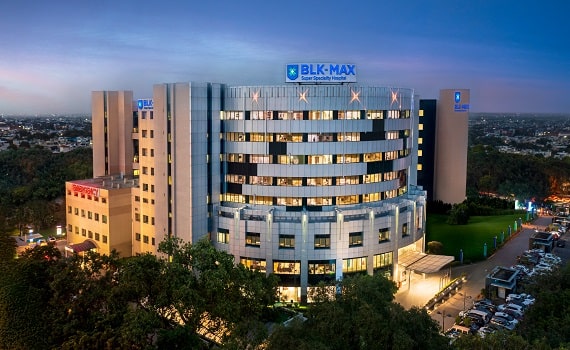
មន្ទីរពេទ្យឯកទេស BLK-Max ទីក្រុងញូវដេលី
មន្ទីរពេទ្យ BLK-Max Super Specialty Hospital នៅទីក្រុងញូវដេលី គឺជាស្ថាប័នថែទាំសុខភាពលំដាប់កំពូលមួយរបស់ប្រទេសឥណ្ឌា ដែលផ្តល់ជូននូវគ្រែចំនួន 650 រោងមហោស្...
ការទទួលស្គាល់
មធ្យោបាយបរិក្ខារ
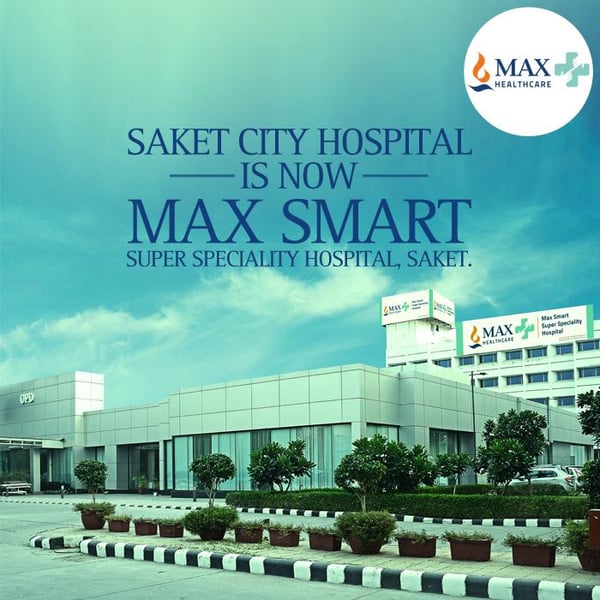
មន្ទីរពេទ្យ Max Smart Super Specialty Hospital, Saket, New Delhi
មន្ទីរពេទ្យ Max Smart Super Specialty Hospital, Saket គឺជាមន្ទីរពេទ្យថែទាំកម្រិត 250 គ្រែនៅ South Delhi ។ វាផ្តល់ជូននូវការថែទាំវេជ្ជសាស្រ្ត និងការវះកា...
ការទទួលស្គាល់
មធ្យោបាយបរិក្ខារ
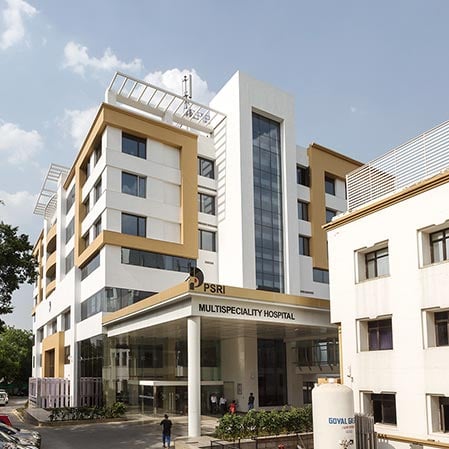
មន្ទីរពេទ្យ PSRI ទីក្រុងដេលី
វិទ្យាស្ថានស្រាវជ្រាវ Pushpawati Singhania (មន្ទីរពេទ្យ PSRI) ទីក្រុងញូវដេលី គឺជាមន្ទីរពេទ្យថែទាំថ្នាក់ឧត្តមសិក្សាពហុឯកទេសឈានមុខគេដែលបានបង្កើតឡើងក្នុង...
ការទទួលស្គាល់
មធ្យោបាយបរិក្ខារ
នីតិវិធីស្រដៀងគ្នា
Transforaminal Lumbar Interbody Fusion - ការវះកាត់ TLIF ក្នុង ប្រទេសឥណ្ឌា
វិចិរតសាល
សំណួរគេសួរញឹកញាប់
អ្នកវិស្វិក
មើលទាំងអស់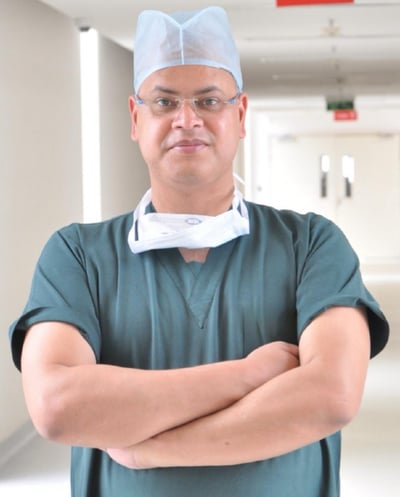
Dr. Ramkinkar Jha is an accomplished orthopaedic surgeon with extensive experience across India’s leading hospitals. He is renowned for his expertise in joint reconstruction, robotic-assisted surger... អានបន្ថែម

គេហទំព័ររបស់យើងប្រើខូឃីស៍។ គោលការណ៍ភាពឯកជន.