
ការជំនួសត្រគាកសរុប - THR តម្លៃក្នុង ប្រទេសឥណ្ឌា
អមបី ការជំនួសត្រគាកសរុប - THR
តើការជំនួសត្រគាកសរុបគឺជាអ្វី ហើយហេតុអ្វីបានជាវាត្រូវបានធ្វើ?
Total hip replacement (THR) ត្រូវបានគេស្គាល់ផងដែរថាជា Total hip arthroplasty គឺជាវិធីវះកាត់ដ៏ស្មុគស្មាញមួយ ដែលសន្លាក់ត្រគាកដែលខូចត្រូវបានជំនួសដោយសមាសធាតុដែលបង្កើតឡើងដោយមនុស្ស។ វាត្រូវបានអនុវត្តដើម្បីបំបាត់ការឈឺចាប់ត្រគាកជាប់រហូត និងរឹងដែលលែងឆ្លើយតបនឹងថ្នាំ ឬការព្យាបាលដោយរាងកាយ។
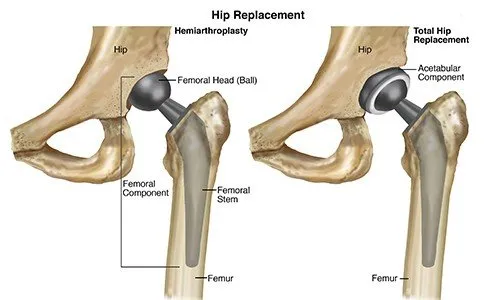
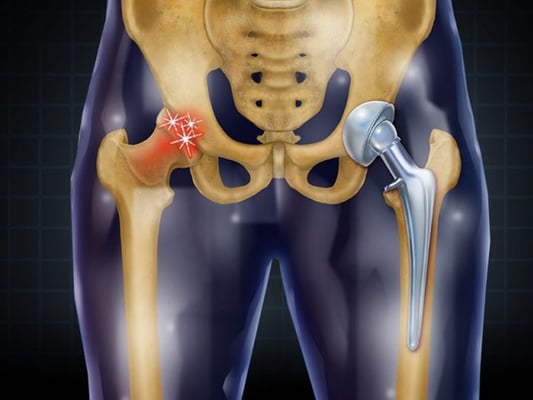
សន្លាក់ត្រគាកគឺជាសន្លាក់បាល់និងរន្ធ។ បាល់ដែលជាក្បាល femoral សមនឹងចូលទៅក្នុងរន្ធ (acetabulum) នៃឆ្អឹងអាងត្រគាក។ នៅក្នុងលក្ខខណ្ឌដូចជាជំងឺរលាកសន្លាក់ឆ្អឹង, ជំងឺរលាកសន្លាក់ឆ្អឹង, avascular necrosis, ឬការបាក់ឆ្អឹងត្រគាកសន្លាក់នេះអាចបាត់បង់ ឬខូច។ ជាលទ្ធផល អ្នកជំងឺអាចជួបប្រទះការឈឺចាប់ខ្លាំង ហើម ចលនាមានកម្រិត និងពិបាកដើរ ឬអង្គុយក្នុងរយៈពេលយូរ។
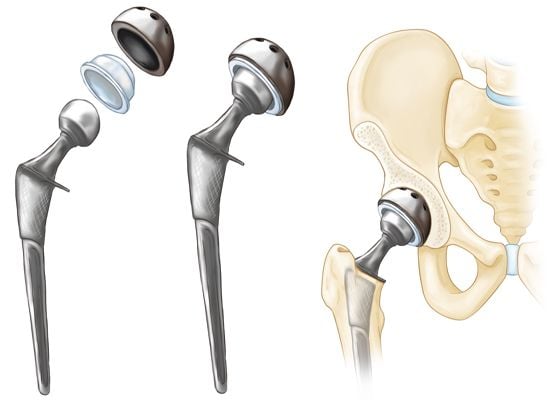
ក្នុងអំឡុងពេល THR គ្រូពេទ្យវះកាត់ឆ្អឹងយកផ្នែកដែលខូចនៃសន្លាក់ត្រគាកចេញ ហើយជំនួសវាដោយការរួមបញ្ចូលគ្នានៃលោហធាតុ សេរ៉ាមិច ឬផ្លាស្ទិចដែលមានគុណភាពល្អ. សន្លាក់ត្រគាកសិប្បនិម្មិតត្រូវបានរចនាឡើងដើម្បីចម្លងមុខងារធម្មជាតិនៃត្រគាក បង្កើនការចល័ត និងកែលម្អគុណភាពនៃជីវិត។
អ្នកជំងឺភាគច្រើនដែលទទួលការជំនួសត្រគាកទាំងស្រុង ទទួលបានលទ្ធភាពក្នុងការដើរដោយគ្មានការឈឺចាប់ និងត្រឡប់ទៅសកម្មភាពធម្មតាវិញក្នុងរយៈពេលពីរបីខែ។ វាត្រូវបានណែនាំជាពិសេសនៅពេលដែលការឈឺចាប់រំខានដល់ដំណេក កំណត់ឯករាជ្យភាព ឬប៉ះពាល់ដល់ការរស់នៅប្រចាំថ្ងៃ ទោះបីជាមានការព្យាបាលបែបអភិរក្សក៏ដោយ។
តើអ្វីជាប្រភេទផ្សេងគ្នានៃការជំនួសត្រគាក?
ការវះកាត់ប្តូរត្រគាកសរុប មិនមែនជានីតិវិធីមួយទំហំសមនឹងទាំងអស់នោះទេ។ អាស្រ័យលើស្ថានភាពរបស់អ្នកជំងឺ អាយុ របៀបរស់នៅ និងរចនាសម្ព័ន្ធឆ្អឹង គ្រូពេទ្យវះកាត់ឆ្អឹងណែនាំប្រភេទផ្សេងគ្នានៃបច្ចេកទេសជំនួសត្រគាក។ ប្រភេទនីមួយៗពាក់ព័ន្ធនឹងការជំនួសសន្លាក់ត្រគាក ប៉ុន្តែវិធីសាស្ត្រវះកាត់ សម្ភារៈផ្សាំ និងវិធីសាស្ត្រជួសជុលអាចខុសគ្នា។
ការជំនួសត្រគាកសរុប (THR ធម្មតា)
វាគឺជាប្រភេទដែលអនុវត្តច្រើនបំផុត។ THR ពាក់ព័ន្ធនឹងការជំនួសទាំងក្បាល femoral (បាល់) និង acetabulum (រន្ធ) ជាមួយនឹងសមាសធាតុសិប្បនិម្មិត។ THR គឺល្អសម្រាប់អ្នកជំងឺដែលមានជំងឺរលាកសន្លាក់ធ្ងន់ធ្ងរ ខូចសន្លាក់ ឬការបាក់ឆ្អឹងច្រើន។ ការស្តារឡើងវិញគឺអាចទុកចិត្តបាន ហើយលទ្ធផលរយៈពេលវែងគឺល្អឥតខ្ចោះនៅពេលអនុវត្តជាមួយនឹងការផ្សាំទំនើប។
ការជំនួសត្រគាកដោយផ្នែក (Hemarthroplasty)
នៅក្នុងកំណែនេះមានតែក្បាល femoral (បាល់) ប៉ុណ្ណោះដែលត្រូវបានជំនួសខណៈពេលដែលរន្ធនៅដដែល។ ការជំនួសត្រគាកដោយផ្នែកជាធម្មតាត្រូវបានអនុវត្តចំពោះអ្នកជំងឺវ័យចំណាស់ដែលមានឆ្អឹងត្រគាកបាក់ ប៉ុន្តែឆ្អឹងខ្ចីរន្ធដែលមានសុខភាពល្អ។ វាពាក់ព័ន្ធនឹងការវះកាត់ខ្លីជាង និងការជាសះស្បើយលឿនជាងមុន ប៉ុន្តែប្រហែលជាមិនស័ក្តិសមសម្រាប់ការខូចខាតដែលទាក់ទងនឹងជំងឺរលាកសន្លាក់នោះទេ។
ការជំនួសត្រគាកដែលរាតត្បាតតិចតួចបំផុត។
បច្ចេកទេសវះកាត់នេះប្រើស្នាមវះតូចជាង (~2 អ៊ីញ) បើប្រៀបធៀបទៅនឹងការវះកាត់បែបបុរាណ ដែលបណ្តាលឱ្យមានការខូចខាតជាលិកាតិចជាង កាត់បន្ថយការឈឺចាប់ និងឆាប់ជាសះស្បើយ។ វិធីសាស្រ្តរាតត្បាតតិចតួចត្រូវបានប្រើទាំងការជំនួសសរុប និងដោយផ្នែក ប៉ុន្តែពួកគេត្រូវការគ្រូពេទ្យវះកាត់ដែលមានជំនាញខ្ពស់ និងការជ្រើសរើសអ្នកជំងឺត្រឹមត្រូវ។
ការជំនួសត្រគាកទ្វេភាគី
គេស្គាល់ផងដែរថាជាការជំនួសត្រគាកទ្វេដង នីតិវិធីនេះត្រូវបានអនុវត្តនៅពេលដែលត្រគាកទាំងពីរត្រូវបានប៉ះពាល់យ៉ាងខ្លាំង និងត្រូវការការវះកាត់។ វាអាចត្រូវបានធ្វើក្នុងដំណាក់កាលតែមួយ ឬជាពីរដំណាក់កាលដែលមានចន្លោះពីគ្នាពីរបីសប្តាហ៍។ ខណៈពេលដែលវាពាក់ព័ន្ធនឹងការជាសះស្បើយយូរជាងនេះ វាធ្វើអោយប្រសើរឡើងនូវភាពចល័តនៃសន្លាក់ត្រគាក និងគុណភាពនៃជីវិតសម្រាប់អ្នកជំងឺដែលមានជំងឺត្រគាកទ្វេភាគីកម្រិតខ្ពស់។
ការកែប្រែការជំនួសត្រគាក
វាជាការវះកាត់ស្មុគ្រស្មាញជាងមុនដែលបានធ្វើនៅពេលការផ្សាំត្រគាកមុនបរាជ័យដោយសារតែការពាក់ ការឆ្លងមេរោគ ឬការបន្ធូរ។ ការវះកាត់នេះមានការដកសិប្បនិមិត្តចាស់ចេញហើយជំនួសដោយមួយថ្មី។ នីតិវិធីនេះទាមទារតាមបច្ចេកទេស ហើយជាធម្មតាថ្លៃជាងការជំនួសត្រគាកបឋម។
ស៊ីម៉ងត៍ទល់នឹងការជួសជុលមិនស៊ីម៉ងត៍
នៅក្នុងការជំនួសឆ្អឹងត្រគាកស៊ីម៉ង់ត៍ស៊ីម៉ងត៍ឆ្អឹងត្រូវបានប្រើដើម្បីបោះយុថ្កាផ្នែកសិប្បនិម្មិតទៅនឹងឆ្អឹង។ ក្នុងការផ្សាំដោយមិនបានស៊ីម៉ង់ត៍ សមាសធាតុត្រូវបានចុចចូលទៅក្នុងឆ្អឹងដែលអនុញ្ញាតឱ្យមានការលូតលាស់របស់ឆ្អឹងធម្មជាតិដើម្បីធានាឱ្យពួកវានៅតាមពេលវេលា។ អ្នកជំងឺវ័យក្មេងច្រើនតែទទួលការផ្សាំដែលមិនស៊ីម៉ងត៍ ខណៈពេលដែលមនុស្សចាស់អាចទទួលបានអត្ថប្រយោជន៍ពីគ្រាប់ស៊ីម៉ងត៍សម្រាប់ការជួសជុល និងស្ថេរភាពកាន់តែលឿន។
តើការវះកាត់ប្តូរត្រគាកសរុបត្រូវបានអនុវត្តយ៉ាងដូចម្តេច?
ការវះកាត់ប្តូរត្រគាកសរុប គឺជានីតិវិធីដែលបានគ្រោងទុក និងប្រតិបត្តិយ៉ាងប្រុងប្រយ័ត្ន ដែលជំនួសសន្លាក់ត្រគាកដែលខូចជាមួយនឹងសិប្បនិម្មិតថ្មីមួយ។ គោលដៅគឺដើម្បីស្តារមុខងារសន្លាក់ បំបាត់ការឈឺចាប់ និងអនុញ្ញាតឱ្យអ្នកជំងឺ THR ត្រឡប់ទៅជីវិតសកម្មជាងមុន គ្មានការឈឺចាប់។
- ការរៀបចំមុនពេលវះកាត់៖មុនពេលវះកាត់ អ្នកជំងឺឆ្លងកាត់ការវាយតម្លៃផ្នែកវេជ្ជសាស្ត្រដ៏ទូលំទូលាយ ដែលរួមមានការធ្វើតេស្តឈាម ECG កាំរស្មីអ៊ិចទ្រូង និងការស្កែនរូបភាពដូចជា X-ray ឬ MRI នៃត្រគាក។ ក្រុម orthopedic ពន្យល់ពីនីតិវិធី ឆ្លើយសំណួរ និងទទួលបានការយល់ព្រមជាពត៌មាន។ នៅថ្ងៃវះកាត់ អ្នកជំងឺត្រូវបានអនុញ្ញាត ហើយកន្លែងវះកាត់ត្រូវបានសម្អាត និងសម្គាល់។
- ការគ្រប់គ្រងការប្រើថ្នាំសន្លប់៖គ្រូពេទ្យឯកទេសខាងថ្នាំស្ពឹកគ្រប់គ្រងទាំងការប្រើថ្នាំសន្លប់ឆ្អឹងខ្នង (ស្ពឹកផ្នែកខាងក្រោមនៃរាងកាយ) ឬការប្រើថ្នាំសន្លប់ទូទៅ (ដាក់អ្នកជំងឺឱ្យដេក)។
- ការវះកាត់ និងការចូលប្រើ៖នៅពេលដែលការប្រើថ្នាំសន្លប់មានប្រសិទ្ធភាព គ្រូពេទ្យវះកាត់ធ្វើការវះកាត់យ៉ាងជាក់លាក់នៅជិតចំហៀង ឬផ្នែកខាងក្រោយនៃត្រគាក។ ទីតាំង និងទំហំនៃស្នាមវះអាស្រ័យទៅលើថាតើបច្ចេកទេសបែបបុរាណ ឬតិចបំផុតកំពុងត្រូវបានប្រើប្រាស់។ គ្រូពេទ្យវះកាត់បំបែកសាច់ដុំ និងជាលិកាថ្នមៗ ដើម្បីបង្ហាញសន្លាក់ត្រគាក។
- ការយកចេញនៃឆ្អឹងដែលខូច:បន្ទាប់មក គ្រូពេទ្យធ្វើការផ្លាស់ប្តូរសន្លាក់ត្រគាកចេញ ដើម្បីយកក្បាលឆ្អឹងភ្លៅដែលខូចចេញ (បាល់ឆ្អឹងភ្លៅ) និងរៀបចំអាសេតាប៊ុល (រន្ធត្រគាក)។ ឆ្អឹងខ្ចី និងឆ្អឹងត្រូវបានសម្អាតយ៉ាងហ្មត់ចត់ បង្កើតកន្លែងសម្រាប់រន្ធសិប្បនិម្មិតថ្មី។
- ការបញ្ចូលសមាសធាតុសិប្បនិម្មិត៖គ្រូពេទ្យវះកាត់បញ្ចូលពែងដែក (សមាសធាតុរន្ធ) ចូលទៅក្នុង acetabulum ជាញឹកញាប់ជាមួយនឹងស្រទាប់ប្លាស្ទិក ឬសេរ៉ាមិចនៅខាងក្នុង។ បន្ទាប់មក ដើម femoral ត្រូវបានដាក់ចូលទៅក្នុងប្រហោងកណ្តាលនៃឆ្អឹងភ្លៅ។ គ្រាប់ដែក ឬសេរ៉ាមិចត្រូវបានជួសជុលនៅលើដើមនេះ បង្កើតបានជាសន្លាក់ថ្មី។
- ការតម្រឹម និងការបិទរួមគ្នាឡើងវិញ៖បន្ទាប់ពីដាក់សមាសធាតុទាំងអស់ គ្រូពេទ្យវះកាត់ដាក់បាល់ថ្មីចូលទៅក្នុងរន្ធដោយប្រុងប្រយ័ត្ន បង្កើតបានជាសន្លាក់ត្រគាកសិប្បនិម្មិតដែលមានស្ថេរភាព។ ចលនា និងការតម្រឹមត្រូវបានសាកល្បង ដើម្បីធានាបាននូវចលនារលូន។ នៅពេលដែលបានបញ្ជាក់រួច គ្រូពេទ្យវះកាត់បិទស្នាមវះជាស្រទាប់ៗ ដោយប្រើស្នាមដេរដែលអាចស្រូបបាន ឬ staples ហើយគ្របវាជាមួយនឹងសំលៀកបំពាក់ដែលគ្មានមេរោគ។
- ការថែទាំក្រោយការវះកាត់៖អ្នកជំងឺត្រូវបានគេនាំទៅបន្ទប់សង្គ្រោះ ដែលគិលានុបដ្ឋាយិកា និងវេជ្ជបណ្ឌិតពិនិត្យមើលសញ្ញាសំខាន់ និងធានាថាថ្នាំសណ្តំអស់ដោយសុវត្ថិភាព។ ការគ្រប់គ្រងការឈឺចាប់ចាប់ផ្តើមភ្លាមៗ ហើយការព្យាបាលរាងកាយត្រូវបានចាប់ផ្តើមក្នុងរយៈពេល 24 ម៉ោងដើម្បីការពារការឡើងរឹង និងលើកកម្ពស់ការចល័ត។
នីតិវិធីទាំងមូលត្រូវចំណាយពេលពី 1,5 ទៅ 2,5 ម៉ោង។. សូមអរគុណចំពោះភាពជឿនលឿននៃបច្ចេកទេសវះកាត់ ការបាត់បង់ឈាមត្រូវបានកាត់បន្ថយ ហើយហានិភ័យនៃការឆ្លងមេរោគត្រូវបានបង្រួមអប្បបរមានៅពេលដែលនីតិវិធីត្រូវបានអនុវត្តនៅក្នុងមជ្ឈមណ្ឌលឯកទេសផ្នែកឆ្អឹង។
តើអ្វីទៅជាប្រភេទផ្សេងគ្នានៃការដាក់បញ្ចូលក្នុងការជំនួសត្រគាកសរុប?
ការជ្រើសរើសការផ្សាំត្រឹមត្រូវ គឺជាការសម្រេចចិត្តដ៏សំខាន់បំផុតមួយក្នុងការវះកាត់ប្តូរត្រគាកសរុប។ ការផ្សាំត្រូវបានរចនាឡើងដើម្បីធ្វើត្រាប់តាមចលនាបាល់ និងរន្ធធម្មជាតិនៃសន្លាក់ត្រគាក ហើយត្រូវបានផលិតចេញពីវត្ថុធាតុដ៏រឹងមាំ និងប្រើប្រាស់បានយូរដែលអាចទប់ទល់នឹងការប្រើប្រាស់បានច្រើនឆ្នាំ។ ការជ្រើសរើសអាស្រ័យលើកត្តាដូចជាអាយុរបស់អ្នកជំងឺ កម្រិតសកម្មភាព កម្លាំងឆ្អឹង និងថវិកា។
លោហៈនៅលើប៉ូលីអេទីឡែន (MoP)
វាគឺជាជម្រើសប្រើយ៉ាងទូលំទូលាយបំផុតនិងមានប្រសិទ្ធភាពក្នុងការចំណាយ។ ក្បាល femoral (បាល់) ធ្វើពីដែក ហើយរន្ធដោតត្រូវបានផលិតចេញពីផ្លាស្ទិចដែលជាប់បានយូរហៅថា ប៉ូលីអេទីឡែន។
- ល្អបំផុតសម្រាប់៖អ្នកជំងឺវ័យចំណាស់ និងអ្នកដែលមានកម្រិតសកម្មភាពមធ្យម
- គុណសម្បត្តិ៖តម្លៃសមរម្យ អាចទុកចិត្តបាន កំណត់ត្រាជោគជ័យយូរអង្វែង
- ដែនកំណត់៖អ្នកជំងឺសកម្មខ្លាំងអាចធ្លាក់ចុះលឿនជាង
សេរ៉ាមិចនៅលើប៉ូលីអេទីឡែន
នៅក្នុងប្រភេទនេះ បាល់ត្រូវបានធ្វើពីសម្ភារៈសេរ៉ាមិច ខណៈដែលរន្ធត្រូវបានតម្រង់ជួរជាមួយនឹងជ័រ។ វាផ្តល់នូវភាពធន់នឹងការពាក់ល្អជាងការផ្សាំពីលោហៈ។
- ល្អបំផុតសម្រាប់៖អ្នកជំងឺវ័យកណ្តាលដែលចង់បានតុល្យភាពនៃភាពធន់ និងតម្លៃសមរម្យ
- គុណសម្បត្តិ៖អត្រាពាក់ទាប កាត់បន្ថយហានិភ័យនៃការរលាក
- ដែនកំណត់៖ថ្លៃជាងការផ្សាំដែលមានមូលដ្ឋានលើលោហៈបន្តិច
Ceramic-on-Ceramic (CoC)
ទាំងផ្នែកបាល់ និងរន្ធត្រូវបានធ្វើពីសេរ៉ាមិច។ ការរួមបញ្ចូលគ្នានេះគឺប្រើប្រាស់បានយូរ និងល្អសម្រាប់បុគ្គលវ័យក្មេង និងសកម្មជាងមុន។
- ល្អបំផុតសម្រាប់៖អ្នកជំងឺវ័យក្មេងដែលមានតម្រូវការសកម្មភាពខ្ពស់។
- គុណសម្បត្តិ៖អត្រាពាក់ទាបណាស់ ភាពឆបគ្នានៃជីវសាស្រ្តដ៏ល្អ
- ដែនកំណត់៖ថ្លៃដើមខ្ពស់; ហានិភ័យនៃការ implant squeak ក្នុងករណីកម្រ
លោហៈនៅលើលោហៈ (MoM)
ការរចនានេះមានធាតុផ្សំដែលធ្វើពីលោហៈ និងសម្ភារៈផ្សេងទៀត។ វាធ្លាប់ពេញនិយមសម្រាប់អ្នកជំងឺវ័យក្មេង ប៉ុន្តែឥឡូវនេះកម្រត្រូវបានប្រើប្រាស់ដោយសារតែការព្រួយបារម្ភអំពីសុវត្ថិភាព។
- ល្អបំផុតសម្រាប់៖ពីមុនចាត់ទុកជាមនុស្សពេញវ័យសកម្ម
- គុណសម្បត្តិ៖ពាក់តិច; គ្មានភាគល្អិតប្លាស្ទិក
- ដែនកំណត់៖អាចបញ្ចេញអ៊ីយ៉ុងដែកចូលទៅក្នុងចរន្តឈាម; មិនត្រូវបានផ្ដល់អនុសាសន៍យ៉ាងទូលំទូលាយនៅថ្ងៃនេះ
ការដាំកូនកាត់
ការផ្សាំកូនកាត់ប្រើប្រាស់វិធីសាស្រ្ដរួមបញ្ចូលគ្នា ដូចជារន្ធស៊ីម៉ងត៍ដែលមានដើម femoral ដែលមិនស៊ីម៉ង់ត៍។ ពួកគេត្រូវបានប្ដូរតាមបំណងដោយផ្អែកលើគុណភាពឆ្អឹងរបស់អ្នកជំងឺ និងចំណង់ចំណូលចិត្តរបស់គ្រូពេទ្យវះកាត់។
- ល្អបំផុតសម្រាប់៖អ្នកជំងឺដែលមានដង់ស៊ីតេឆ្អឹងមិនស្មើគ្នា ឬតម្រូវការផ្នែកកាយវិភាគសាស្ត្រជាក់លាក់
- គុណសម្បត្តិ៖ផ្តល់នូវភាពបត់បែននៃការវះកាត់
- ដែនកំណត់៖ការជ្រើសរើសអាស្រ័យយ៉ាងខ្លាំងទៅលើការវាយតម្លៃករណីបុគ្គល
គ្រូពេទ្យវះកាត់ឆ្អឹងរបស់អ្នកនឹងជ្រើសរើសប្រភេទផ្សាំដែលល្អបំផុត បន្ទាប់ពីវាយតម្លៃស្ថានភាពសន្លាក់ អាយុ និងកម្រិតសកម្មភាពរំពឹងទុក។ មន្ទីរពេទ្យធំៗរបស់ឥណ្ឌាទាំងអស់ផ្តល់ជូននូវម៉ាកផ្សាំផ្សាំច្រើនប្រភេទ រួមមាន Zimmer Biomet, Stryker, Depuy Synthes, Smith & Nephew និង Meril។
ទទួលបានផែនការព្យាបាលដោយឥតគិតថ្លៃ
អំពី ការជំនួសត្រគាកសរុប - THR ក្នុង ប្រទេសឥណ្ឌា
What is the Cost of a Total Hip Replacement in India?
The cost of total hip replacement surgery in India ranges from ₹3,00,000 to ₹5,00,000 (approximately $3,600 to $6,000). The price depends on several factors, including the type of implant used, the hospital's reputation, the surgeon's expertise, and whether the surgery is unilateral (one hip) or bilateral (both hips).
Most hospitals in India offer all-inclusive packages for international patients, which cover the complete surgical process and immediate postoperative care. These packages are designed to ensure transparency and convenience.
The typical cost includes:
- Preoperative investigations like X-rays, blood tests, ECG, and anesthesia evaluation.
- Surgeon and anesthetist fees, covering consultation, procedure, and post-op visits.
- Operation theatre charges and surgical consumables required during the procedure.
- The cost of the implant, which may be metallic, ceramic, or a hybrid material.
- Hospital stay of 5 to 7 days in a private room, including nursing care, meals, and monitoring.
- Medications and pain management during admission.
- Physiotherapy sessions during the hospital stay to start early mobilization.
- Initial post-discharge consultations are typically scheduled within 10 to 15 days of surgery.
The above-mentioned cost range applies to standard, complication-free procedures. Additional charges may apply if the patient requires ICU care, longer hospitalization, or treatment for pre-existing conditions such as diabetes or heart disease.
Breakdown of Total Hip Replacement Cost in India
Knowing where the money goes in a total hip replacement package helps patients and their families plan more effectively. In India, the total cost of hip replacement surgery, which is ₹3,00,000 to ₹5,00,000, covers every essential aspect of the treatment, from diagnosis to recovery support.
- In the initial phase, diagnostic tests including blood work, imaging scans, and pre-anesthesia clearance typically cost between ₹15,000 and ₹25,000. These are necessary to confirm the patient's surgical readiness.
- The surgical fees for the orthopedic surgeon and anesthetist range from ₹60,000 to ₹1,00,000, depending on the surgeon's experience and hospital reputation. It includes preoperative planning, surgery, and postoperative rounds.
- Implant cost makes up a significant portion of the total, ranging from ₹80,000 to ₹1,50,000. Ceramic and imported implants are usually at the higher end, while metal implants are more economical.
- Hospital charges, including room rent, operating theatre usage, nursing care, and consumables, typically fall between ₹1,00,000 and ₹1,50,000 for a 5–7 day stay in a private room.
- Medications, physiotherapy, and postoperative monitoring can cost another ₹30,000 to ₹60,000, depending on the patient's condition and the pace of recovery.
Cost Component | Estimated Cost (INR) |
| Pre-surgery Investigations | ₹15,000 – ₹25,000 |
| Surgeon & Anesthesia Fees | ₹60,000 – ₹1,00,000 |
| Hip Implant (metal/ceramic) | ₹80,000 – ₹1,50,000 |
| Hospital Stay & Surgery Charges | ₹1,00,000 – ₹1,50,000 |
| Medications & Post-op Care | ₹30,000 – ₹60,000 |
| Total Estimated Cost | ₹3,00,000 – ₹5,00,000 |
Note: The final cost of THR surgery may vary based on implant brand, complications, hospital location, and recovery needs.
How Does the Cost of Total Hip Replacement in India Compare with Other Countries?
India offers total hip replacement at a significantly lower price than many developed nations, while still delivering world-class outcomes. Patients from the US, UK, Europe, and the Middle East often choose India not only for the savings but also for the quality of care, faster scheduling, and personalized service.
The difference in cost can be as high as 70–80%, even when performed in internationally accredited hospitals by experienced orthopedic surgeons.
Country | Average Cost (USD) | What’s Included |
| India | $3,600 – $6,000 | Surgery, implant, hospital stay, anesthesia, meds, physiotherapy |
| United States | $30,000 – $50,000 | Often excludes implant cost and complete rehab; insurance co-pay may still apply |
| United Kingdom | $25,000 – $40,000 | Covered by NHS for residents; private cost is high |
| Canada | $28,000 – $45,000 | Long wait times in the public system; private care is costly for foreign nationals |
| UAE / Middle East | $20,000 – $35,000 | Premium services; high surgeon and facility charges |
| Singapore | $18,000 – $30,000 | High-quality care, but expensive due to service fees and hospital overhead |
| Thailand | $7,000 – $12,000 | Cheaper than West, but still more than India for equivalent quality |
What Factors Influence the Cost of Total Hip Replacement in India?
The total cost of hip replacement surgery in India ranges from $3,600 to $6,000, but this range can shift based on several key factors. Knowing these influences can help patients plan their treatment more effectively and avoid unexpected expenses.
- Type of Implant Used: The choice of implant is one of the most significant cost determinants. Metal-on-polyethylene implants are budget-friendly, while ceramic or imported titanium implants are more durable but expensive.
- Hospital Reputation and Location: Top-tier hospitals in metro areas like Delhi, Mumbai, and Bangalore may charge more due to their advanced surgical infrastructure and internationally trained surgeons.
- Surgeon's Experience: Highly experienced orthopedic surgeons, especially those trained internationally or who specialize in joint replacement, may have higher surgical fees.
- Type of Surgery (Unilateral or Bilateral): Replacing both hips (bilateral) in a single or staged surgery increases the overall cost. A unilateral hip replacement is less expensive and takes less time to recover.
- Surgical Technique Used: Minimally invasive techniques may increase costs slightly due to the need for specialized instruments and higher surgeon skill.
- Duration of Hospital Stay: A typical stay is 5 to 7 days. If the patient has comorbidities like diabetes, heart disease, or post-op complications like infection or delayed mobility, the stay may extend, adding to the cost.
- Postoperative Medications and Physiotherapy: Recovery requires pain management, antibiotics, and rehabilitation. The longer the recovery phase or the more intensive the therapy needed, the higher the expenses.
Why Do International Patients Prefer India for Total Hip Replacement?
- Affordable World-Class Care: India offers high-quality hip replacement surgery at a fraction of the cost charged in Western countries, without compromising medical standards or safety.
- Globally Trained Orthopedic Surgeons: Indian surgeons are highly skilled, with many having received training in the UK, USA, or Europe. Their experience in high-volume joint centers ensures precision and better outcomes.
- Advanced Hospitals with Modern Infrastructure: Internationally accredited hospitals in India are equipped with modular operating rooms, infection control systems, and advanced implants.
- No Waiting List for Surgery: Unlike public healthcare systems abroad, Indian hospitals schedule surgeries quickly, which is critical for patients dealing with severe pain or mobility issues.
- Complete International Patient Support: From visa assistance and airport pick-up to translation services and follow-up coordination, Indian hospitals provide end-to-end support for foreign patients.
- Vast Implant Choices at Regulated Prices: Patients can choose from various implant brands, including imported options, all priced transparently and regulated by Indian health authorities.
- Excellent Recovery and Physiotherapy Services: Dedicated rehabilitation teams help THR patients regain strength and mobility more quickly with structured physiotherapy, available both inpatient and outpatient.
What Is the Success Rate and Recovery Timeline After a Total Hip Replacement in India?
Total hip replacement surgery in India has shown consistently excellent results, both in terms of pain relief and functional recovery. With modern surgical techniques, high-quality implants, and structured rehabilitation, most patients regain mobility and return to daily activities within a few months.
Success Rate of Total Hip Replacement in India
The success rate of total hip replacement surgery in India ranges from 95% to 98%, primarily when performed in experienced orthopedic centers using quality implants. Patients typically report:
- Pain relief in the first few weeks
- Improved range of motion and walking ability within 1 to 2 months
- Long-lasting results, with implants functioning well for 15–25 years or more
Success is measured not only by the absence of complications but also by how well patients return to independent living and enjoy improved quality of life. India's top joint replacement centers adhere to evidence-based protocols that minimize infection risks, reduce hospital stays, and expedite recovery.
Factors that contribute to the high success rate in India include:
- Use of advanced surgical techniques, such as robotic, minimally invasive, and muscle-sparing approaches
- Strict sterility standards in modular operating theatres
- Surgeon experience, especially in handling complex or revision cases
- Strong focus on early mobilization and rehabilitation
Recovery Timeline After Hip Replacement Surgery
Recovery after total hip replacement occurs in phases, and although every patient heals at a different pace, most follow a predictable path.
- Hospital Stay (5 to 7 Days): Patients are usually encouraged to sit up and begin walking with support within 24 to 48 hours after THR surgery. Physiotherapists assist with gentle exercises and gait training during this time. Pain is managed with medications, and the surgical wound is monitored for signs of healing.
- Initial Home Recovery (Week 1 to Week 4): After discharge, patients continue exercises at home or in a hotel-apartment setup near the hospital (for international patients). Movement improves steadily, but walking aids, such as a walker or cane, are usually needed. Swelling, mild pain, or stiffness are normal during this phase.
- Strength and Stability Phase (Weeks 4-8): By 4 to 6 weeks, most patients can walk independently and begin performing light activities, such as climbing stairs or taking short walks outdoors. Physiotherapy may shift to more strength-focused routines. Many patients return to desk jobs or low-impact work by the end of this period.
- Long-Term recovery (3 to 6 Months): Full recovery and return to regular daily routines, including driving, traveling, and recreational walking, typically occur within 3 to 6 months. With high-quality implants and proper care, patients can resume active lifestyles without pain or limitation. Heavy lifting, running, or participating in high-impact sports may be restricted to prevent early wear and tear on the joint.
- Implant Longevity and Maintenance (After 6 Months): Modern hip implants in India typically last 15 to 25 years or longer, especially when using ceramic or titanium components. Patients are advised to avoid smoking, maintain a healthy weight, and follow up annually to monitor joint health through X-rays or check-ups.
Note: Recovery speed depends on the patient's age, preoperative fitness, weight, and whether the surgery was unilateral or bilateral. Patients with other health issues like diabetes or osteoporosis may need additional time and supervision.
ការជំនួសត្រគាកសរុប - THR ការប្រៀបធៀបតម្លៃតាមប្រទេស
ប្រៀបធៀបការចំណាយ ការជំនួសត្រគាកសរុប - THR នៅទូទាំងប្រទេសផ្សេងៗដើម្បីធ្វើការសម្រេចចិត្តប្រកបដោយព័ត៌មានអំពីការព្យាបាលវេជ្ជសាស្រ្តរបស់អ្នក។
| រសុករេស | ជួរចំណាយ (ដុល្លារអាមេរិក) | ការសន្សំសក្តានុពល | កិច្ច |
|---|---|---|---|
ប្រទេសឥណ្ឌាថ្ផី currentតម្លៃដ៏ល្អបំផុត | $3,600 - $6,000 | — | ទទួលបានការដកស្រង់ |
សម្គាល់ៈ ការចំណាយអាចខុសគ្នាអាស្រ័យលើជម្រើសមន្ទីរពេទ្យប្រភេទរបៀបសេវាកម្មបន្ថែមនិងតម្រូវការផ្នែកវេជ្ជសាស្រ្តនីមួយៗ។
មន្ទីរពេទ្យឈានមុខគេសម្រាប់ ការជំនួសត្រគាកសរុប - THR ក្នុង ប្រទេសឥណ្ឌា

មន្ទីរពេទ្យឯកទេស BLK-Max ទីក្រុងញូវដេលី
មន្ទីរពេទ្យ BLK-Max Super Specialty Hospital នៅទីក្រុងញូវដេលី គឺជាស្ថាប័នថែទាំសុខភាពលំដាប់កំពូលមួយរបស់ប្រទេសឥណ្ឌា ដែលផ្តល់ជូននូវគ្រែចំនួន 650 រោងមហោស្...
ការទទួលស្គាល់


មធ្យោបាយបរិក្ខារ

មន្ទីរពេទ្យ Max Smart Super Specialty Hospital, Saket, New Delhi
មន្ទីរពេទ្យ Max Smart Super Specialty Hospital, Saket គឺជាមន្ទីរពេទ្យថែទាំកម្រិត 250 គ្រែនៅ South Delhi ។ វាផ្តល់ជូននូវការថែទាំវេជ្ជសាស្រ្ត និងការវះកា...
ការទទួលស្គាល់
មធ្យោបាយបរិក្ខារ
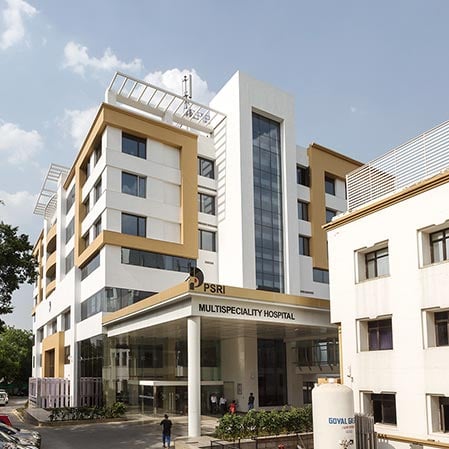
មន្ទីរពេទ្យ PSRI ទីក្រុងដេលី
វិទ្យាស្ថានស្រាវជ្រាវ Pushpawati Singhania (មន្ទីរពេទ្យ PSRI) ទីក្រុងញូវដេលី គឺជាមន្ទីរពេទ្យថែទាំថ្នាក់ឧត្តមសិក្សាពហុឯកទេសឈានមុខគេដែលបានបង្កើតឡើងក្នុង...
ការទទួលស្គាល់
មធ្យោបាយបរិក្ខារ
នីតិវិធីស្រដៀងគ្នា
Transforaminal Lumbar Interbody Fusion - ការវះកាត់ TLIF ក្នុង ប្រទេសឥណ្ឌា
វិចិរតសាល
សំណួរគេសួរញឹកញាប់
អ្នកវិស្វិក
មើលទាំងអស់
Dr. Ramkinkar Jha is an accomplished orthopaedic surgeon with extensive experience across India’s leading hospitals. He is renowned for his expertise in joint reconstruction, robotic-assisted surger... អានបន្ថែម

គេហទំព័ររបស់យើងប្រើខូឃីស៍។ គោលការណ៍ភាពឯកជន.